People

Ronald Reagan

Ronald Reagan was the 40th U.S. President, serving from 1981 to 1989. He reshaped American conservatism, cut taxes, confronted the Soviet Union, and helped define late Cold War politics.

Born
1911 CE
Died
2004 CE
Role
40th President of the United States

40th President of the United States (1911–2004)

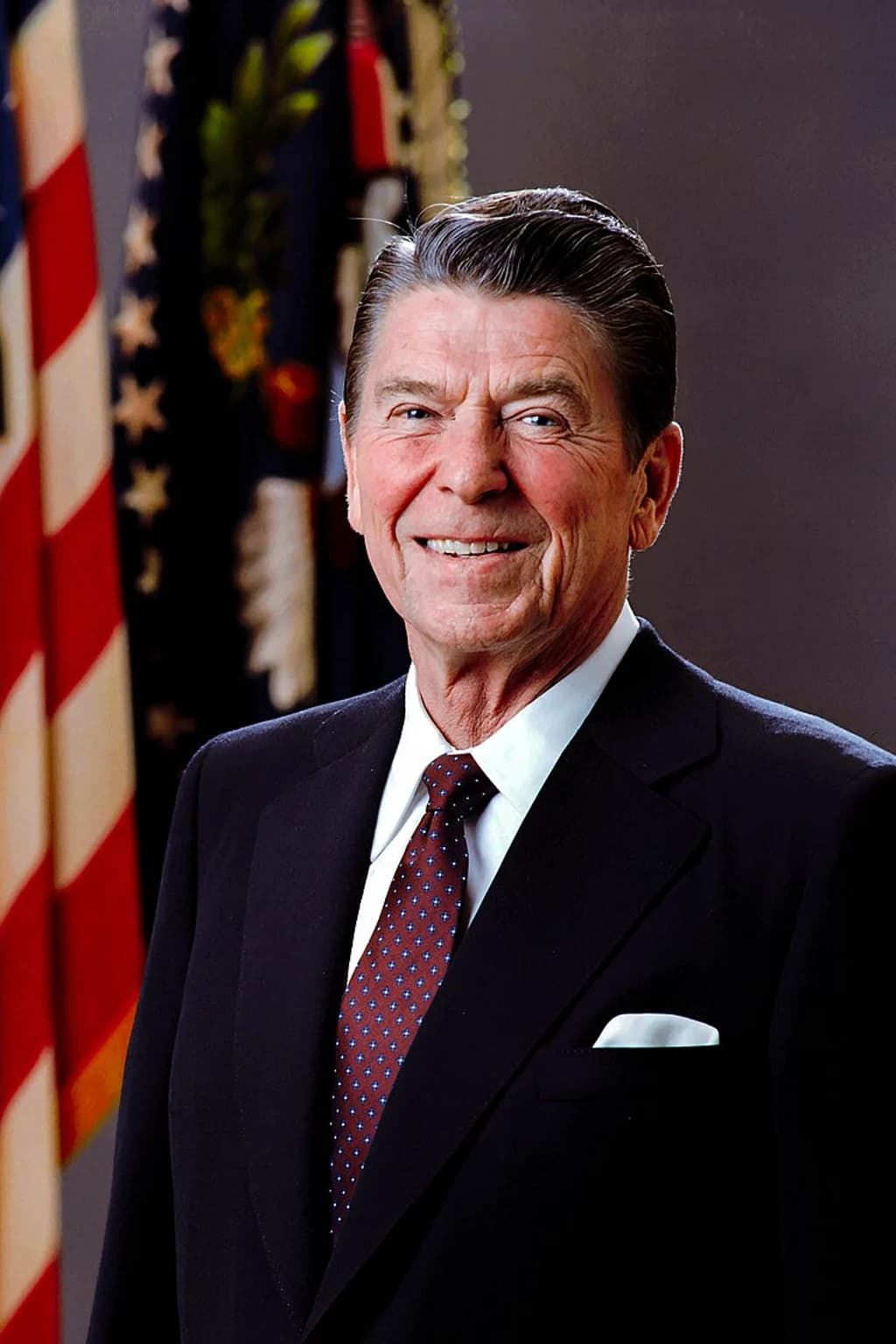
Portrait photograph of Ronald Reagan
Historical photograph

A real historical or editorial image is used here. Source, licence and transformation details are publicly recorded. Image policy Attribution

Quick answer

Ronald Reagan was the 40th U.S. President, serving from 1981 to 1989. He reshaped American conservatism, cut taxes, confronted the Soviet Union, and helped define late Cold War politics.

Born
1911 CE
Died
2004 CE
Role
40th President of the United States
Years
1911-2004 CE
Facts

Ronald Reagan timeline facts

Selected specifics from this profile's life story.

1911
Small-Town Roots

Ronald Reagan was born in Tampico, Illinois, in 1911 and grew up in small-town Midwestern settings shaped by financial uncertainty, family warmth, and his father's alcoholism.

1960s
Shift to Politics

Reagan's 1964 speech for Barry Goldwater, 'A Time for Choosing', made him a national conservative star and launched his political career.

1980s
Economic Policies

Reaganomics combined major tax cuts, deregulation, anti-inflation policy, and pressure on unions, producing recovery but also larger deficits and sharper inequality debates.

after 1989
Legacy and Later Life

After leaving office in 1989, Reagan became the central reference point for modern Republican politics, even as Iran-Contra and social costs complicated his legacy.

Life Journey

From Hollywood performer to influential Cold War leader

Follow the story in a more continuous narrative, with a reading mode that matches how much depth you want.

Complete chronology

1911

Small-Town Roots

Ronald Reagan's biography begins far from Hollywood or Washington. His family moved repeatedly through Illinois as his father, Jack Reagan, searched for steady work, while his mother, Nelle, offered religious warmth and emotional steadiness. Reagan learned early how to perform cheerfulness without denying hardship, a skill that later became central to his political identity. He worked as a lifeguard, acted in school productions, played sports, and developed the voice of a natural storyteller. The optimism associated with him was not simple naivety. It was a practiced response to instability: a belief that America, like a person, could choose confidence over decline.
1930s

Early Career

Radio taught Reagan timing before film taught him image. As a sports announcer, he learned to create drama through voice, pacing, and confidence, sometimes recreating baseball games from telegraph reports as if he were watching them live. Hollywood gave him a larger stage. He appeared in films such as 'Knute Rockne, All American' and 'Kings Row', becoming recognisable without entering the first rank of movie stars. That middle status mattered. Reagan understood aspiration, celebrity, and disappointment from inside the entertainment industry. He also learned how Americans responded to sincerity on screen. Later critics mocked the actor-president idea, but acting trained him in the craft of public connection.

1940s–1950s

Union Leadership

Reagan's political education came through Hollywood labour politics. As Screen Actors Guild president, he dealt with studios, strikes, blacklists, anti-communist investigations, and the complicated loyalties of the early Cold War. He had admired Franklin Roosevelt, but his views shifted as he became convinced that high taxes, expanding bureaucracy, and communist influence threatened individual freedom. His work as a spokesman for General Electric in the 1950s deepened that shift. Travelling to factories and giving speeches, he refined a message about free enterprise, limited government, and national confidence. By the time he entered electoral politics, he had spent years rehearsing the language of modern conservatism.

1960s

Shift to Politics

Reagan did not enter politics as a policy technician. He entered as a communicator who could make conservative ideas sound like common sense and moral recovery. His televised 1964 speech for Barry Goldwater attacked big government, high taxes, weakness toward communism, and the loss of individual liberty. Goldwater lost badly, but Reagan won a new audience. Conservatives saw in him what Goldwater lacked: ideological clarity delivered with warmth rather than menace. The speech turned Reagan from celebrity supporter into a plausible candidate, especially in California, where conflicts over universities, taxes, crime, race, and social change were reshaping suburban politics.

1967–1975

Governor of California

Reagan's governorship tested whether campaign simplicity could survive government. He promised to cut spending and restore order, especially amid unrest at the University of California, Berkeley. In office he clashed with protest movements, approved tax increases when budgets required them, and signed legislation that did not always match later conservative mythology. He could be pragmatic, delegating detail to aides while holding firmly to broad themes. The governorship gave him executive credibility and a record large enough for national ambitions. It also showed the Reagan pattern: bold ideological direction, careful presentation, and a willingness to compromise when the public story could still be kept intact.

1980

Presidential Victory

The 1980 election gave Reagan the moment he had been preparing for since the 1960s. The United States was struggling with stagflation, the Iran hostage crisis, post-Vietnam uncertainty, and doubts about whether the country was still moving forward. Reagan asked voters whether they were better off than four years earlier, and the answer carried him to the White House. His victory did more than change administrations. It shifted the centre of American political argument toward markets, tax reduction, anti-communism, religious conservatism, and scepticism of federal government. Reagan made conservatism feel optimistic rather than merely defensive.

1980s

Economic Policies

Reagan's domestic programme rested on the belief that high taxes and intrusive government were suppressing American energy. The 1981 tax cut, deregulation, and a tougher stance toward organised labour, symbolised by the firing of striking air traffic controllers, signalled a new political era. Inflation fell, helped by Federal Reserve policy, and the economy recovered strongly after the early 1980s recession. Yet the results were uneven. Defence spending and tax cuts contributed to large deficits, social programmes came under pressure, and the distribution of gains became fiercely contested. Reagan's achievement was not that he ended argument over government. It was that he reframed the argument for a generation.

1980s

Cold War Strategy

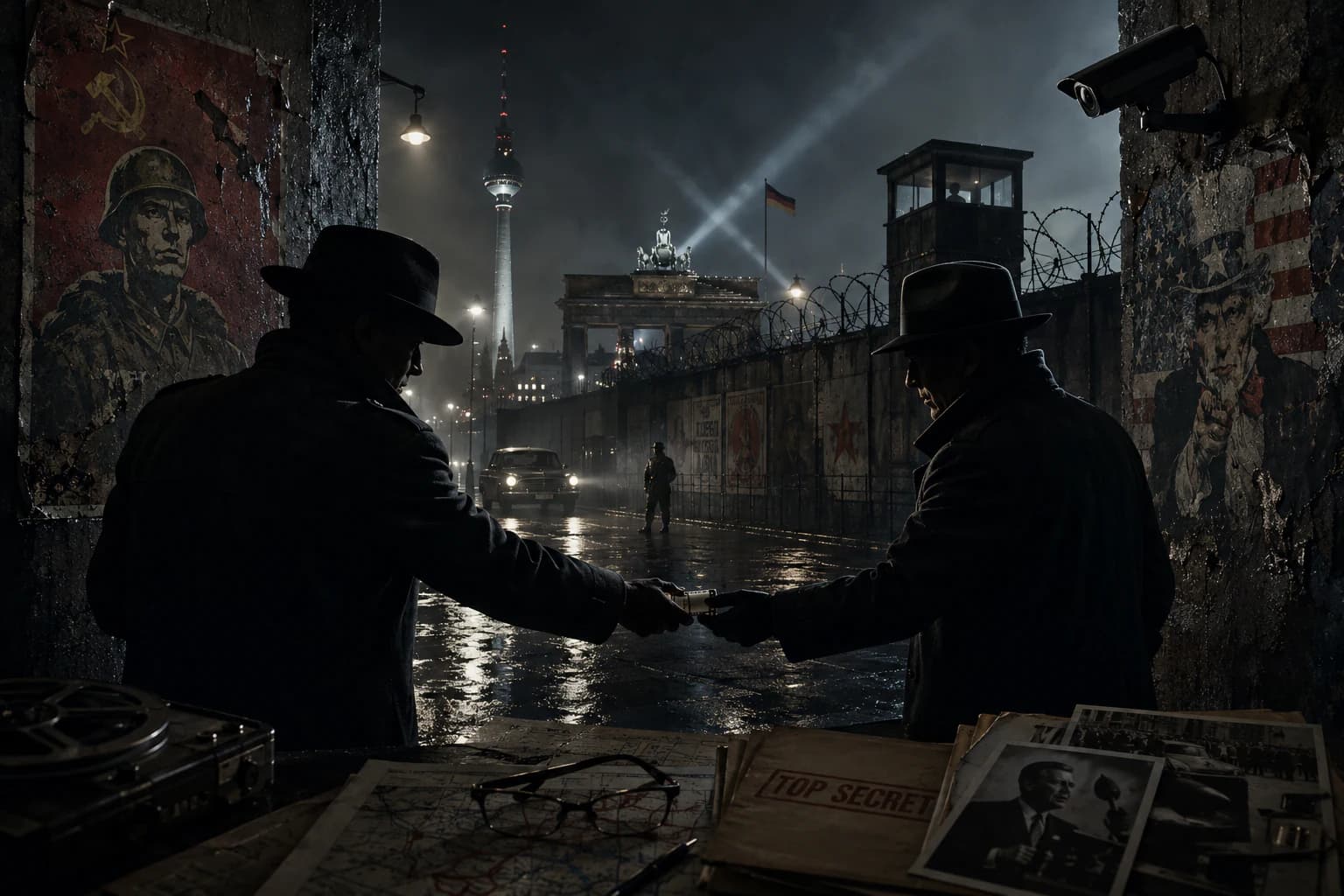
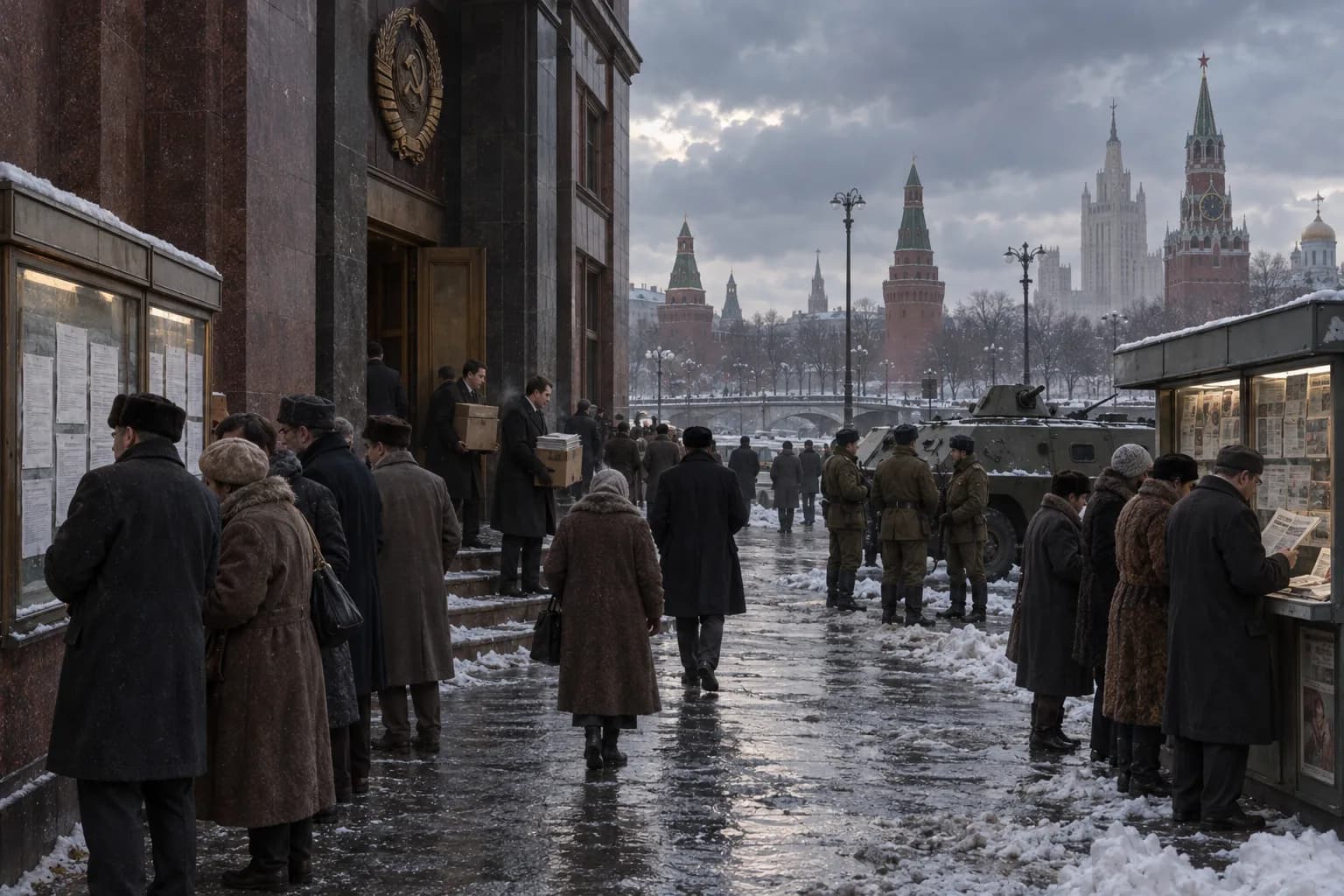
Reagan's Cold War policy moved through pressure into negotiation. Early in his presidency he called the Soviet Union an 'evil empire', backed a major military buildup, promoted the Strategic Defense Initiative, and supported anti-communist forces from Afghanistan to Central America. Critics feared escalation; supporters argued that the pressure exposed Soviet weakness. The arrival of Mikhail Gorbachev changed the possibilities. Reagan, more flexible than some of his rhetoric suggested, built a working relationship with him and signed the 1987 Intermediate-Range Nuclear Forces Treaty. Reagan did not single-handedly end the Cold War, but his mix of ideological confidence, military pressure, and late diplomatic openness helped shape the conditions in which it ended.

after 1989

Legacy and Later Life

Reagan left office popular, and his shadow over American politics only lengthened. Republicans invoked him as the model of conservative leadership: sunny, patriotic, anti-tax, pro-military, and suspicious of federal power. His admirers credit him with restoring national confidence, reviving growth, and helping push the Soviet system toward collapse. Critics point to the Iran-Contra scandal, the neglect of the AIDS crisis, racialised politics, environmental rollbacks, deficits, and the widening inequality associated with the era. In 1994 he announced that he had Alzheimer's disease, a public letter that added dignity to his later years and humanised his decline. Reagan remains important because he did not merely govern the 1980s. He changed what many Americans thought government was for.

Continue in context

Connected stories

Move from the profile into the wider events and settings this figure belongs to.

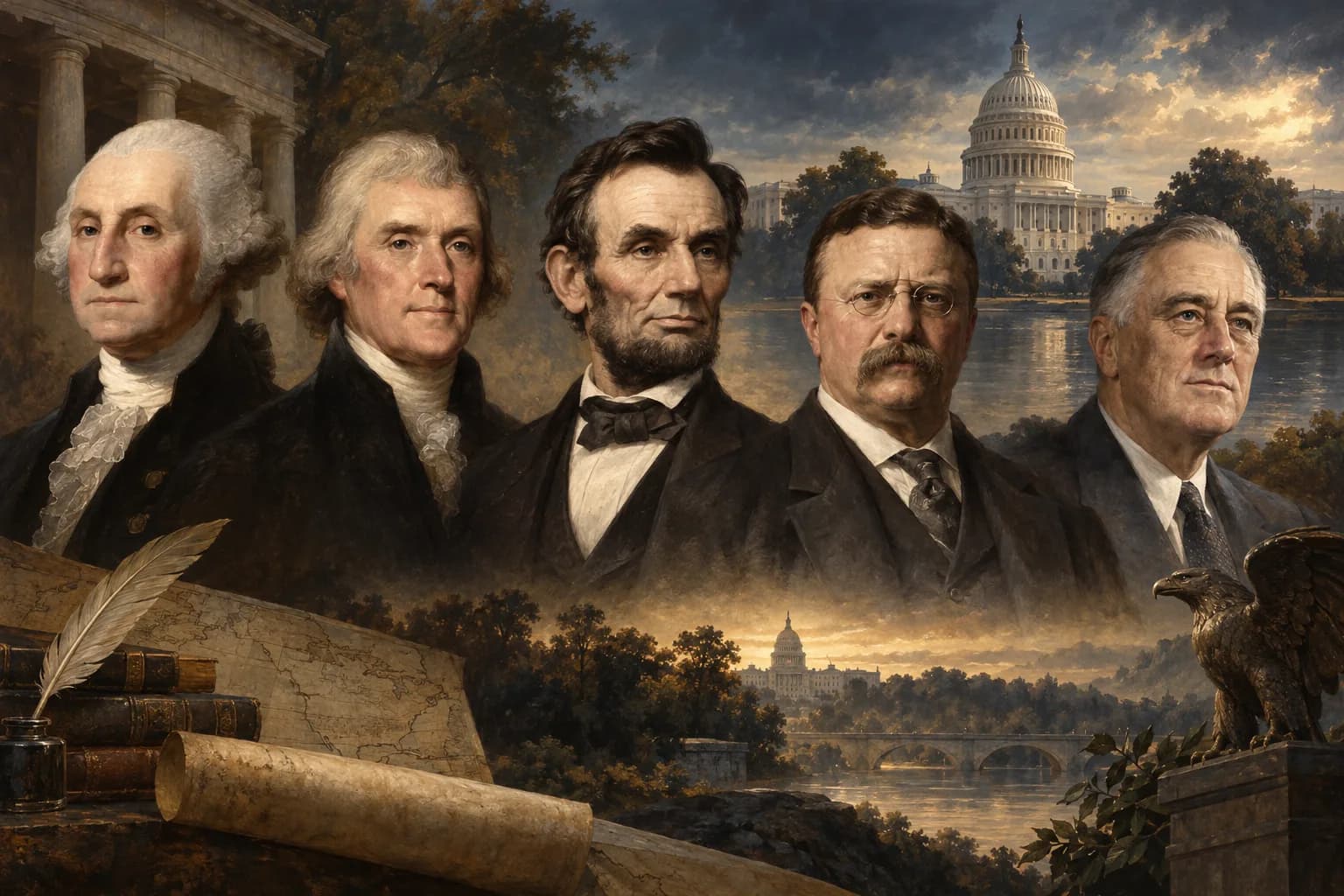
American Presidents lineage
Lineage47 presidents
American Presidents
1789 CE–present

The succession of American presidents from George Washington to today.

View lineage
Tertiary paths

Content note

This profile is written for educational use and connects to related Stories of History pages. The main portrait uses a real historical or editorial image, with source and licence details recorded for attribution review. Image policy Image attribution

References

Sources & Further Reading

Reliable reference works, archives and reading paths connected to this profile.

Further reading

  1. Encyclopaedia Britannica, Search results for Ronald Reagan,” accessed June 2026.Open source
  2. WorldCat, Books and library holdings for Ronald Reagan,” accessed June 2026.Open source

Primary sources

  1. Library of Congress, Search results for Ronald Reagan,” accessed June 2026.Open source

Reviewed claim sources

Loading reviewed claim sources...

A weekly route through history

Find out first about the latest published stories, feature notes and occasional Premium offers in one weekly email.