← People

Robert the Bruce

Robert the Bruce was king of Scots. He seized a disputed crown, survived defeat and rebuilt resistance until victory at Bannockburn changed Scotland’s prospects. Recognition of independence followed only after years of further war and diplomacy.

Born
1274 CE
Died
1329 CE
Role
King of Scots
Full name
Robert I, King of Scots
Also known as
Robert Bruce, Robert I of Scotland

King of Scots (1274–1329)

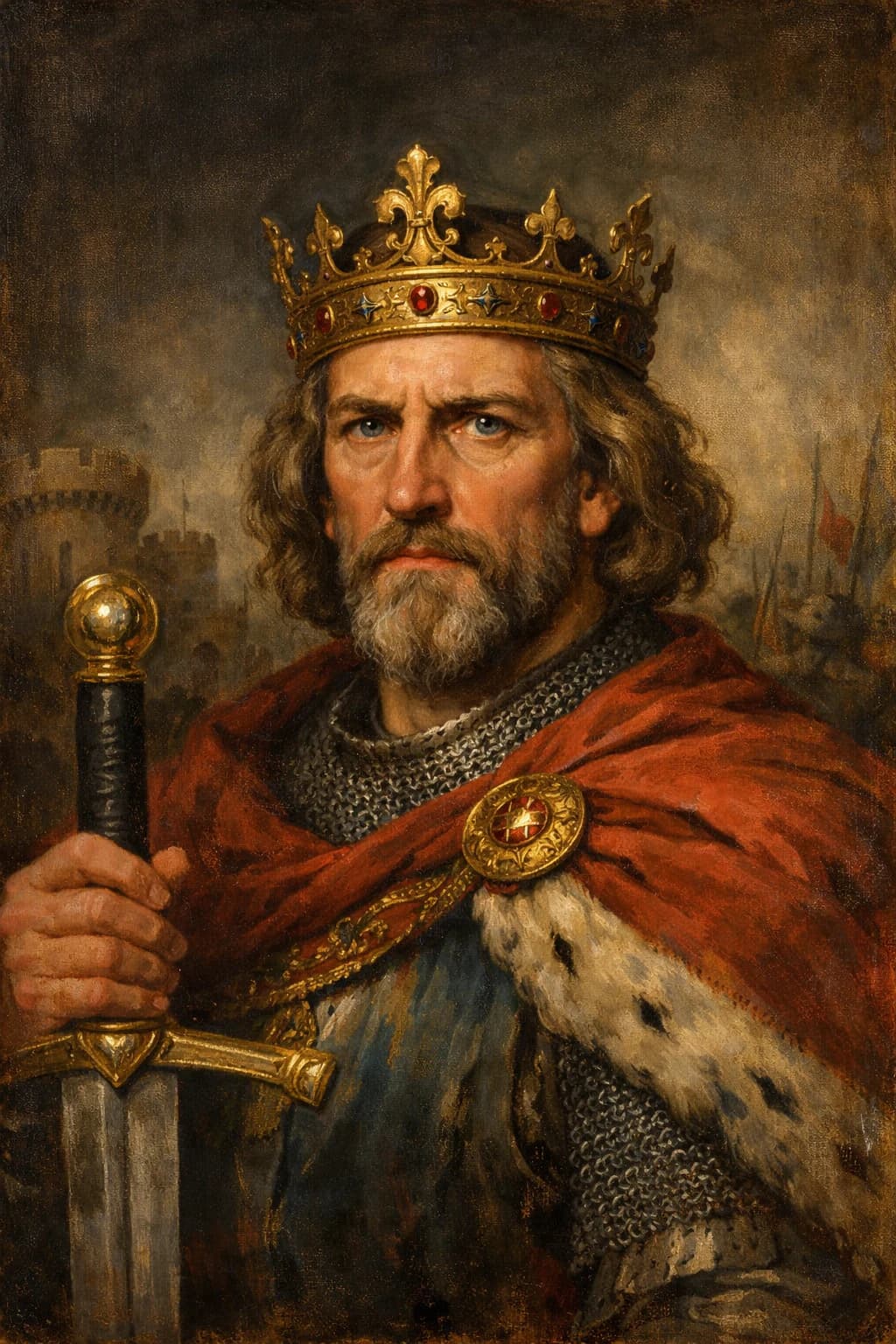
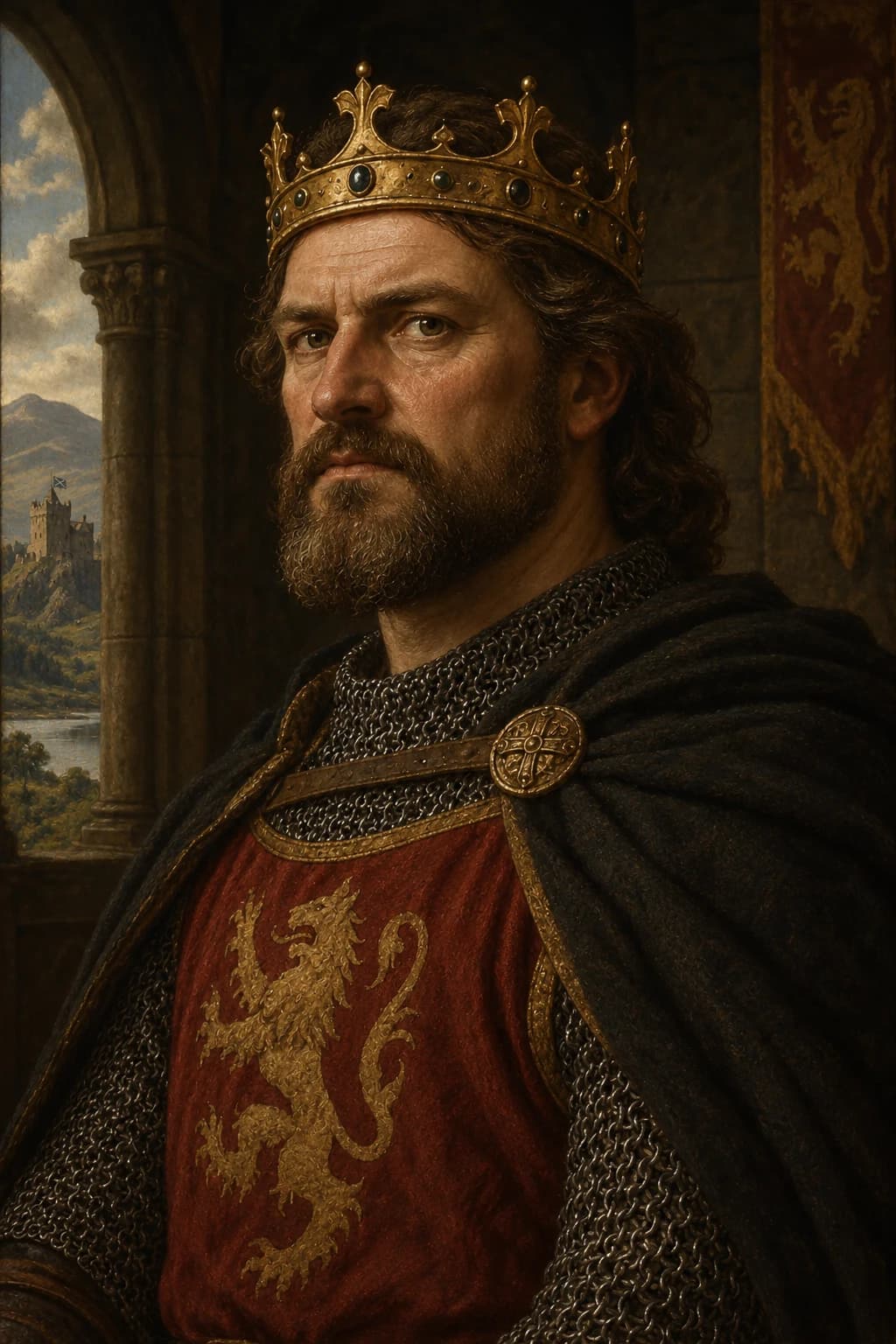
AI-generated portrait of Robert the Bruce in period clothing; an interpretive reconstruction, not a documented likeness
AI-assisted historical reconstruction

An illustrative reconstruction based on historical context. It is not a photograph or documentary likeness. Image policy

Life Journey

The king who fought for a crown and a kingdom

Follow Robert from a disputed dynastic claim to kingship, Bannockburn and the recognition of independence.

Complete chronology

1274–1292

A family with a claim

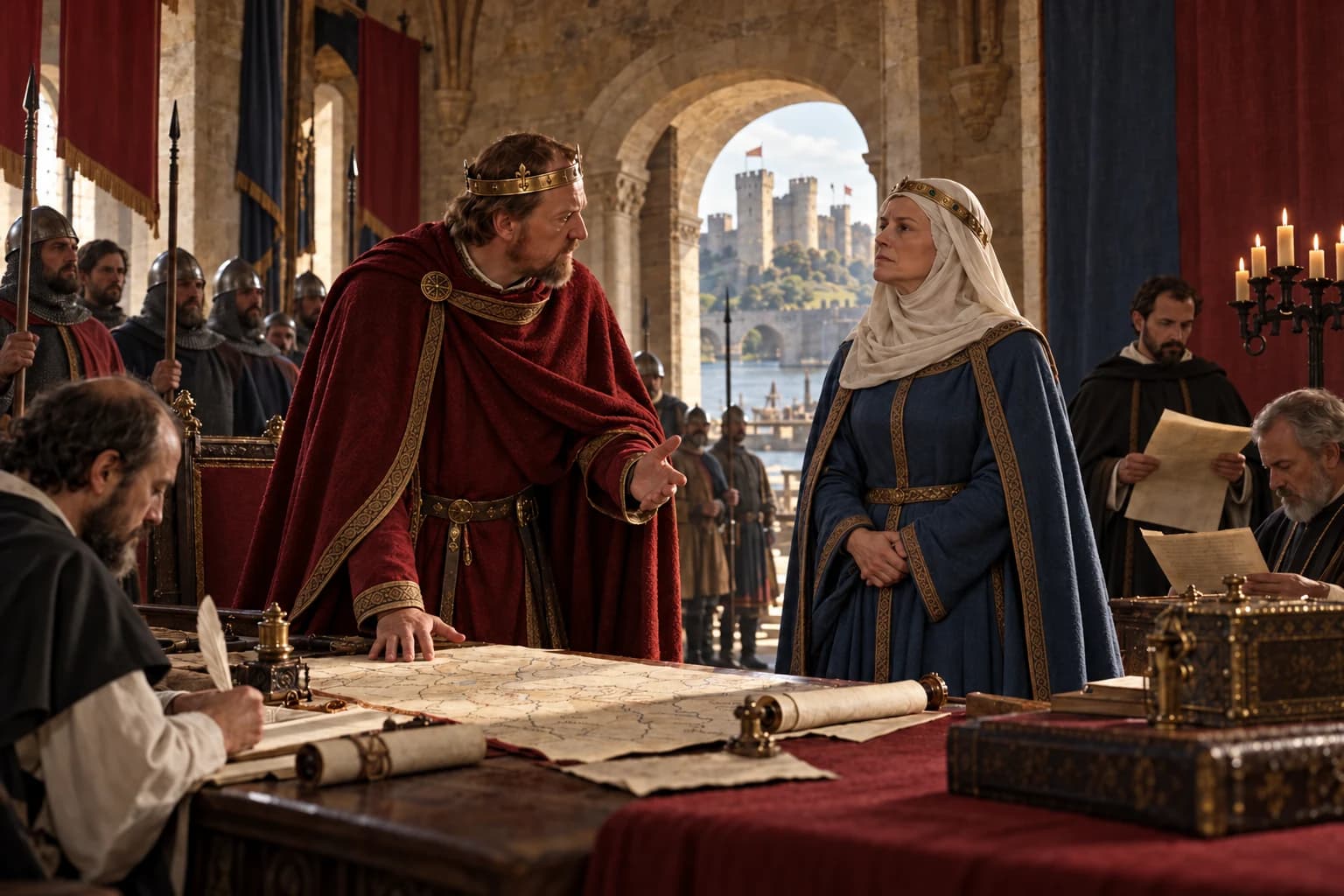
Robert’s family combined Scottish lordship with connections across the Anglo-Norman aristocratic world. He inherited an interest in Carrick through his mother, while the Bruce line possessed a claim to the Scottish succession. After Alexander III and his young granddaughter died, competing candidates asked Edward I to judge the succession. Robert’s grandfather was among them, but John Balliol became king in 1292. The younger Robert’s future therefore began inside a defeated dynastic claim. His later defence of Scottish independence developed alongside the ambition to make his own family, rather than Balliol’s, the ruling house.
1296–1302

Choices under occupation

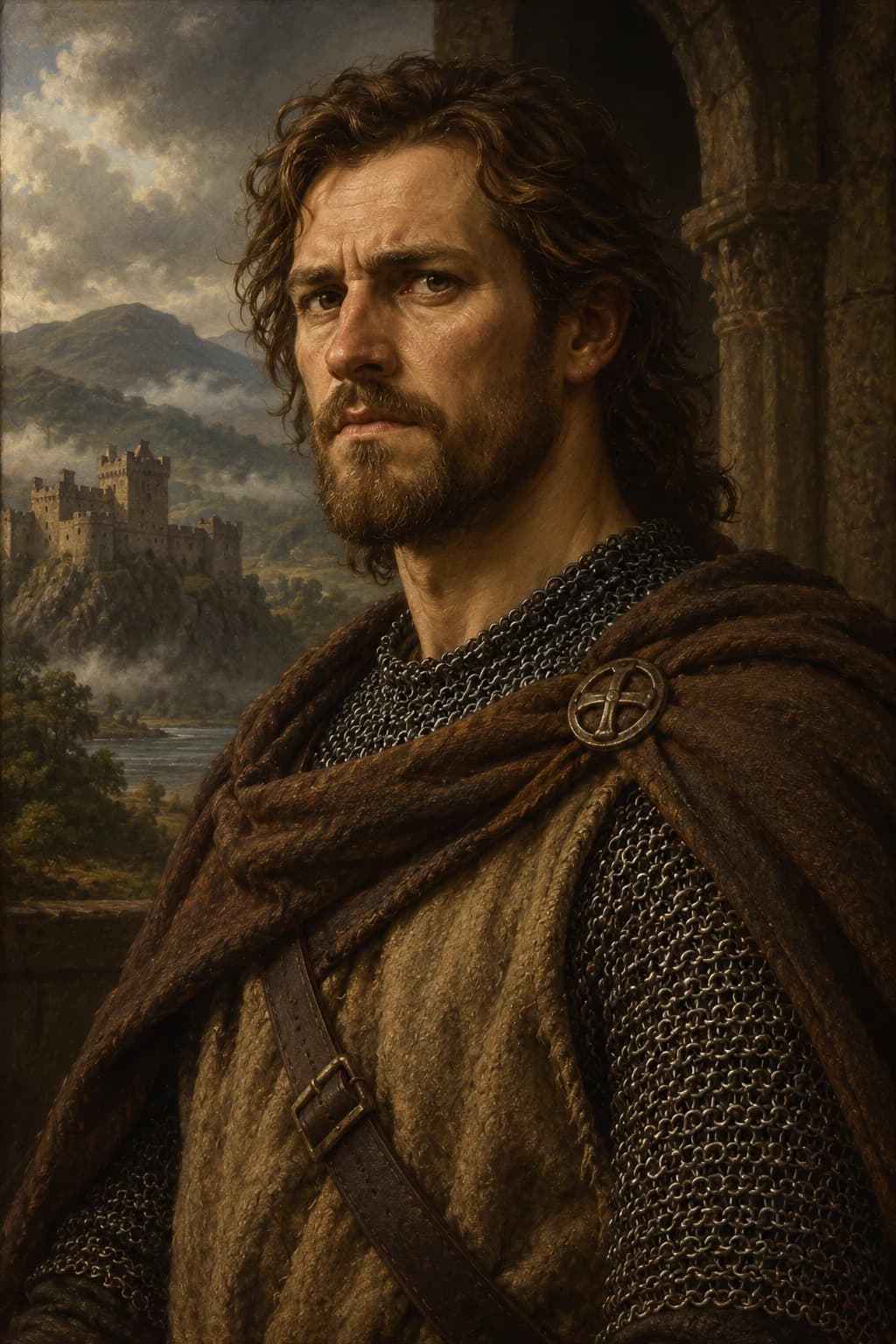
After Edward removed Balliol in 1296, Scottish nobles faced difficult choices about loyalty, survival and ambition. Robert joined resistance at times and accommodated English authority at others. He served as a Guardian after Wallace’s defeat, alongside John Comyn, whose family interests competed with the Bruce claim. These shifts complicate later portraits of an unwavering national hero. The contest was not yet a settled march towards Robert’s kingship. He operated within a fragmented political landscape where opposition to Edward could coexist with rivalry among Scots and fears about losing estates or influence.

1306

A killing and a crown

In February 1306, Robert killed John Comyn during a meeting at Greyfriars in Dumfries. The precise course of the confrontation is disputed, but the killing of a rival in a church was a grave political and religious act. Robert moved quickly towards coronation at Scone in March. Kingship supplied a focus for his supporters while also making accommodation with Edward much harder. It did not unite all Scots behind him. Comyn’s relatives and allies became determined enemies, and church condemnation complicated his pursuit of international legitimacy. A crown made his ambition explicit without securing his kingdom.

1306–1307

A king driven out

The first months after coronation were disastrous. English forces defeated Robert at Methven, and further opposition forced him to retreat. His wife and other family members were captured, while several brothers and supporters were executed. Robert survived in hiding and exile, though later tales make his movements more certain than the evidence allows. The familiar story of a spider teaching him perseverance belongs to legend rather than a securely recorded episode. The real reversal was severe enough: he possessed a royal title without the resources or settled control normally needed to sustain it.

1307–1313

Rebuilding from the margins

Robert’s return in 1307 began a gradual recovery. Smaller forces, local knowledge and attacks on isolated garrisons offered a route back when a major pitched battle would have been dangerous. Victories against opponents within Scotland helped extend his authority, and captured castles were often dismantled to prevent their reuse by enemies. Edward I died in July 1307, removing a formidable opponent, but English pressure continued under Edward II. Robert’s success rested on years of campaigning and cooperation with able supporters. It was a military recovery and a struggle to impose his dynasty within Scotland at the same time.

1314

Bannockburn

In June 1314, Edward II brought a large army to relieve Stirling Castle. Robert prepared his forces near Bannockburn, using disciplined spearmen and terrain that restricted the English advantage in mounted troops. Fighting over two days ended in an English rout. The details of the battlefield remain subjects of research, but the political effect is clear: Robert gained prestige, prisoners and a much stronger position inside Scotland. The victory did not itself produce a peace treaty or international recognition. It changed what the Scots could demand, and what continued English resistance to those demands would cost.

1314–1319

War beyond the victory

After Bannockburn, Scottish armies carried the war into northern England and challenged remaining English positions. Raids helped force negotiations, but inflicted serious costs on communities in their path. Robert also supported his brother Edward’s attempt to establish himself as king in Ireland. That venture ended with Edward’s defeat and death in 1318. It shows that the Bruce family’s ambitions extended beyond securing one kingdom, and that their successes were not inevitable. Robert’s own authority grew, yet lasting security required recognition from opponents and church leaders who could still reject his title.

1320–1328

The appeal from Arbroath

The Declaration of Arbroath was a letter issued in 1320 in the names of Scottish barons and the community of the realm. It urged the pope to support Scotland’s independence and recognise Robert as its lawful king. Its famous argument connected the king’s position to his defence of the kingdom, but it was not a modern declaration of universal political rights. Negotiations continued for years. In 1328, during Edward III’s minority, the Treaty of Edinburgh–Northampton recognised Scottish independence and Robert’s kingship. Military survival had finally been translated into a formal agreement with England.

1329 and after

A settlement with an uncertain future

Robert’s death in 1329 left the crown to his young son David II. His body was buried at Dunfermline, while his heart was entrusted to James Douglas for a crusading journey and later returned for burial at Melrose. The peace settlement did not guarantee safety for the next reign: English intervention and a renewed Balliol claim soon reopened the struggle. Robert had nevertheless changed Scotland’s prospects profoundly. He turned a disputed dynastic ambition into effective kingship and secured recognition of a separate kingdom. The fragility of what followed makes that achievement more understandable, not less consequential.

Continue in context

Connected stories

Move from the profile into the wider events and settings this figure belongs to.

Tertiary paths

Content note

This profile is written for educational use and connects to related Stories of History pages. The main portrait is an AI-assisted historical reconstruction, included as an illustrative aid rather than documentary evidence. Image policy

References

Sources & Further Reading

Reliable reference works, archives and reading paths connected to this profile.

Sources used

  1. Historic Environment Scotland, “On the trail of Robert the Bruce,” accessed 2 October 2026.

    Campaigns, associated sites, the 1328 settlement and burial.

    Open source
  2. Historic Environment Scotland, “Battle of Bannockburn (BTL4),” accessed 2 October 2026.

    Battlefield research, tactics and the difference between victory and recognition.

    Open source
  3. National Records of Scotland, “The Declaration of Arbroath,” accessed 2 October 2026.

    The declaration’s purpose and context; it was an appeal to the pope, not a modern democratic constitution.

    Open source
  4. Historic Environment Scotland, “Come face to face with Scotland’s hero king,” accessed 2 October 2026.

    Birth anniversary, Dunfermline burial and the limits of reconstructed likenesses.

    Open source

Further reading

  1. Encyclopaedia Britannica, “Search results for Robert the Bruce,” accessed June 2026.Open source
  2. WorldCat, “Books and library holdings for Robert the Bruce,” accessed June 2026.Open source

Primary sources

  1. Library of Congress, “Search results for Robert the Bruce,” accessed June 2026.Open source

Reviewed claim sources

Loading reviewed claim sources...

A monthly route through history

Find out first about the latest published stories, feature notes and occasional Premium offers in one monthly email.