People

Richard Nixon

Richard Nixon was the 37th U.S. President, serving from 1969 to 1974. His achievements included opening relations with China and detente with the Soviet Union, but Watergate forced his resignation.

Born
1913 CE
Died
1994 CE
Role
37th President of the United States

37th President of the United States (1913–1994)

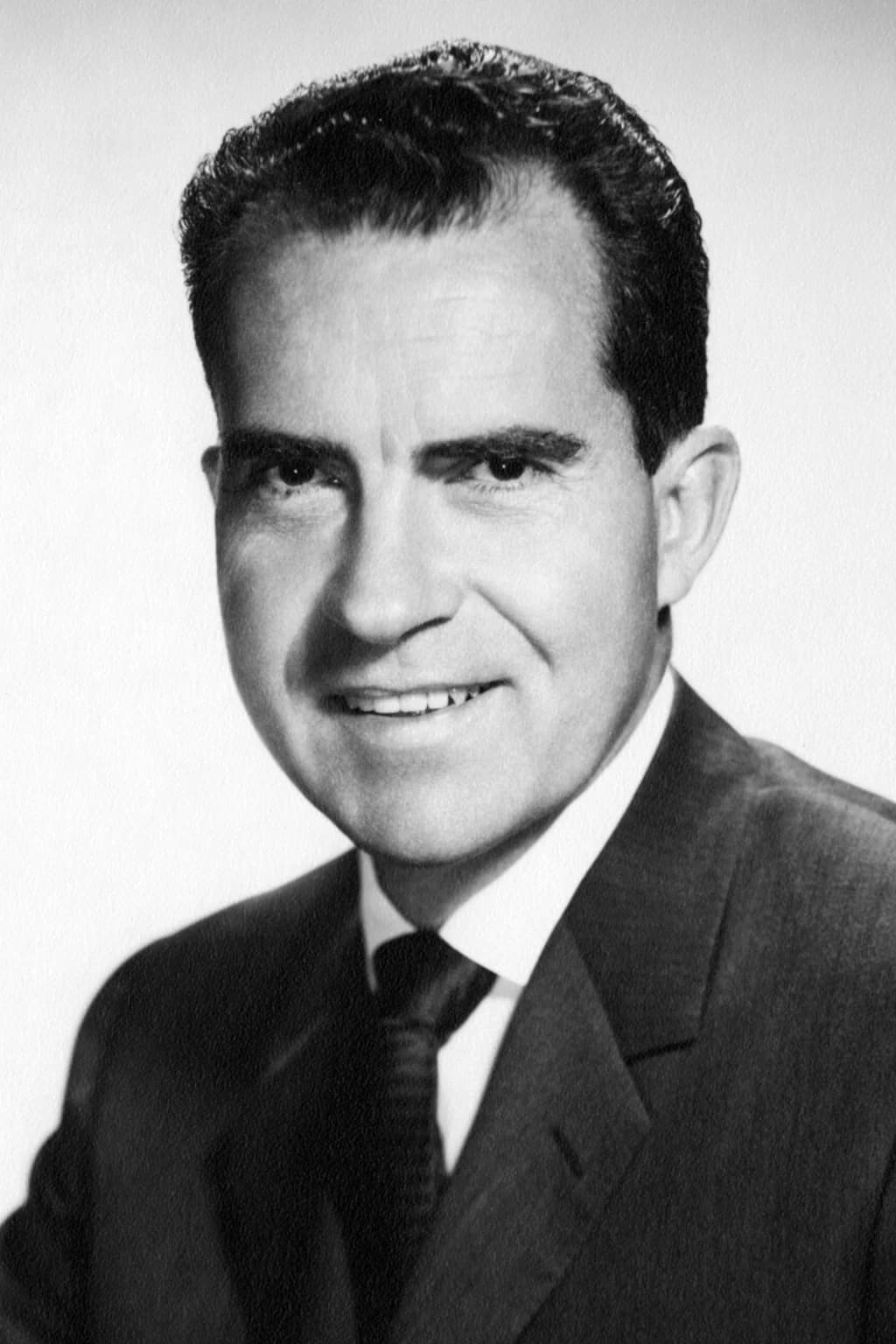
Portrait photograph of Richard Nixon
Historical photograph

A real historical or editorial image is used here. Source, licence and transformation details are publicly recorded. Image policy Attribution

Quick answer

Richard Nixon was the 37th U.S. President, serving from 1969 to 1974. His achievements included opening relations with China and detente with the Soviet Union, but Watergate forced his resignation.

Born
1913 CE
Died
1994 CE
Role
37th President of the United States
Years
1913-1994 CE
Facts

Richard Nixon timeline facts

Selected specifics from this profile's life story.

1913
Modest Beginnings

Richard Nixon was born in Yorba Linda, California, in 1913, growing up in a Quaker family marked by hard work, illness, loss, and a fierce expectation of self-discipline.

1953–1961
Vice Presidency

As Dwight D. Eisenhower's vice president, Nixon survived the Checkers speech, debated Nikita Khrushchev, and built unusually strong foreign-policy experience for a future president.

early 1970s
Foreign Policy Initiatives

Nixon and Henry Kissinger reshaped Cold War diplomacy through the opening to China, detente with the Soviet Union, arms-control talks, and a controversial exit from Vietnam.

1974
Resignation and Legacy

Nixon resigned on 9 August 1974, the only U.S. president to do so, leaving a legacy split between strategic statecraft and a lasting warning about presidential abuse of power.

Life Journey

A rise to power shaped by strategy, and a fall defined by scandal

Follow the story in a more continuous narrative, with a reading mode that matches how much depth you want.

Complete chronology

1913

Modest Beginnings

Richard Nixon's biography begins far from the glamour of Washington. His parents, Frank and Hannah Nixon, ran modest family businesses, and the household carried the emotional weight of two brothers' early deaths. Nixon learned thrift, religious seriousness, and relentless self-control, but he also developed a lasting sense that recognition had to be fought for. That combination became central to his political character. He could be disciplined, prepared, and astonishingly resilient; he could also be suspicious, resentful, and convinced that enemies were always closer than they appeared. The famous Nixon drive did not emerge from ease. It came from a childhood where achievement felt like both escape and proof.

1930s

Education and Law

Nixon's education sharpened the habits that later defined him: preparation, argument, memory, and tactical focus. At Whittier College he became a formidable debater, then earned a scholarship to Duke Law School, where he graduated near the top of his class. After practicing law in California, he served as a naval officer in the Pacific during World War II, gaining administrative experience and a broader view of American power. He was not a battlefield hero in the usual sense, but the war placed him inside the machinery of a global conflict and helped make politics feel like a practical extension of national service. By 1946, he had the credentials, discipline, and appetite for combat that a postwar congressional campaign required.

1940s

Entry into Politics

Nixon's early political rise came in the charged atmosphere of the Cold War. He won a House seat from California in 1946 and soon became associated with anti-communist investigations, most famously the case of Alger Hiss, a former State Department official accused of espionage-related deception. Nixon's pursuit of the case made him a national figure among voters who feared communist infiltration and among Republicans looking for aggressive young talent. In 1950 he won a Senate race against Helen Gahagan Douglas, a campaign remembered for its harsh tone and for the image of Nixon as a devastating political fighter. These years gave him fame, enemies, and a lesson he never forgot: attack politics could work, but it also left scars.

1953–1961

Vice Presidency

Chosen as Eisenhower's running mate in 1952, Nixon nearly lost the nomination when questions arose about a political expense fund. His televised 'Checkers' speech, emotional, calculated, and effective, saved his place on the ticket and showed his instinct for using new media under pressure. As vice president he travelled widely, represented the United States abroad, and became one of the administration's most visible Cold War figures. The 1959 Kitchen Debate with Soviet leader Nikita Khrushchev captured his combative confidence in American capitalism. Yet the vice presidency also reinforced his insecurity. Eisenhower valued him but did not publicly embrace him as an equal, and Nixon spent eight years close to power without fully possessing it.

1960

Presidential Defeat

The 1960 election against John F. Kennedy was one of the closest in American history. Nixon carried experience and party loyalty; Kennedy carried youth, polish, and a mastery of television that exposed Nixon's discomfort on screen. Nixon chose not to contest the result aggressively, but the defeat deepened his belief that image, media, and elite opinion could overwhelm substance. His 1962 loss in the California governor's race seemed even more damaging. Telling reporters they would not have Nixon to 'kick around' anymore, he sounded like a man leaving politics in bitterness. Instead, the wilderness years became preparation. He rebuilt alliances, campaigned for Republicans, studied the electorate, and waited for national disorder to make experience attractive again.

1968

Return to Power

Nixon's comeback succeeded because 1968 made his message feel newly plausible. The Vietnam War, urban unrest, assassinations, student protests, and Democratic Party division created a hunger for control. Nixon presented himself as the experienced alternative to chaos, speaking to voters who felt alienated by cultural change and distrustful of liberal institutions. His campaign did not produce a landslide, but it built a durable Republican strategy around suburban anxiety, southern realignment, and disciplined appeals to order. Once in office, he inherited Vietnam, inflation, racial conflict, and a divided public. His presidency would be defined by an effort to govern boldly while politically managing a nation he believed was hostile to him.

early 1970s

Foreign Policy Initiatives

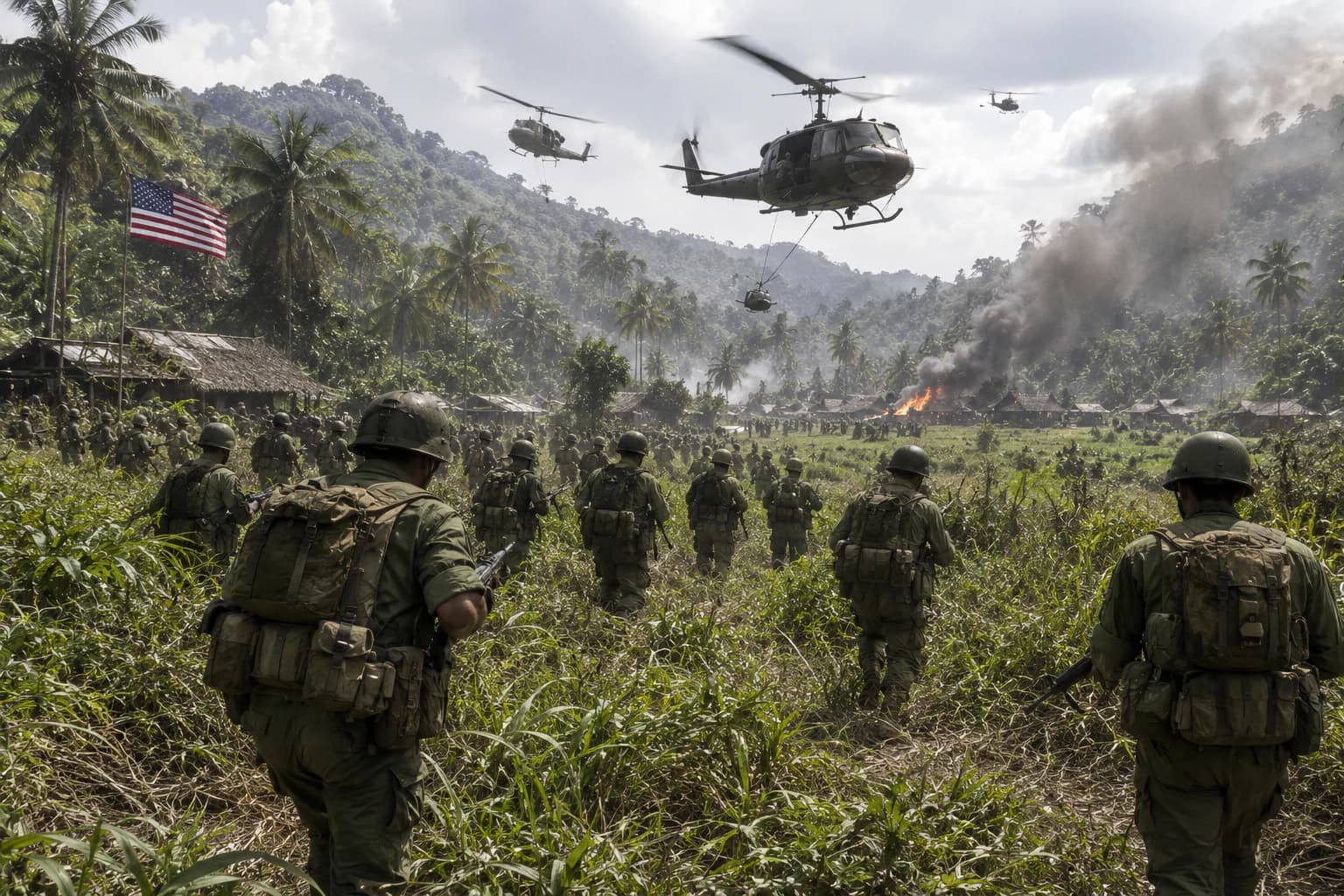
Foreign policy produced Nixon's most durable achievements and some of his darkest controversies. His 1972 visit to the People's Republic of China broke a diplomatic freeze that had lasted since the communist revolution and used the Sino-Soviet split to alter Cold War geometry. Detente with Moscow produced the SALT I arms-control agreement and a more managed rivalry with the Soviet Union. At the same time, Nixon expanded bombing in Cambodia and Laos, pursued Vietnamisation, and accepted a peace settlement in 1973 that ended direct American combat but did not save South Vietnam. His realism was often effective because it accepted that ideology alone could not guide policy. It was also morally abrasive, willing to use secrecy and force in ways that intensified distrust at home.

1972–1974

Watergate Scandal

Watergate began as a burglary at Democratic National Committee offices, but its power came from the cover-up. Nixon won reelection in 1972 by a huge margin, yet beneath the victory lay a campaign culture obsessed with enemies, leaks, and political control. Journalists, Senate investigators, prosecutors, judges, and eventually the Supreme Court pressed toward evidence the White House tried to conceal. The revelation of Nixon's secret taping system was decisive: his own recordings became witnesses. The tapes did not show a president merely embarrassed by subordinates. They showed him discussing obstruction, political manipulation, and the use of executive power against opponents. Watergate mattered because institutions held under pressure, and because the presidency itself had become the scene of the wrongdoing.

1974

Resignation and Legacy

Once the Supreme Court ordered the release of the tapes and Republican support in Congress collapsed, Nixon's survival became impossible. He resigned rather than face near-certain impeachment and removal, and Gerald Ford soon pardoned him in an attempt to move the country beyond the crisis. Nixon spent his later years writing, advising, travelling, and trying to recover his reputation as a foreign-policy thinker. He succeeded partially: few serious accounts ignore his achievements in China, arms control, environmental policy, school desegregation enforcement, revenue sharing, or the end of the draft. Yet Watergate remains inseparable from his name because it exposed the danger of a presidency governed by secrecy, grievance, and contempt for limits. Nixon was not a simple failure. He was a gifted, consequential leader whose flaws reached the scale of the office he held.

Continue in context

Connected stories

Move from the profile into the wider events and settings this figure belongs to.

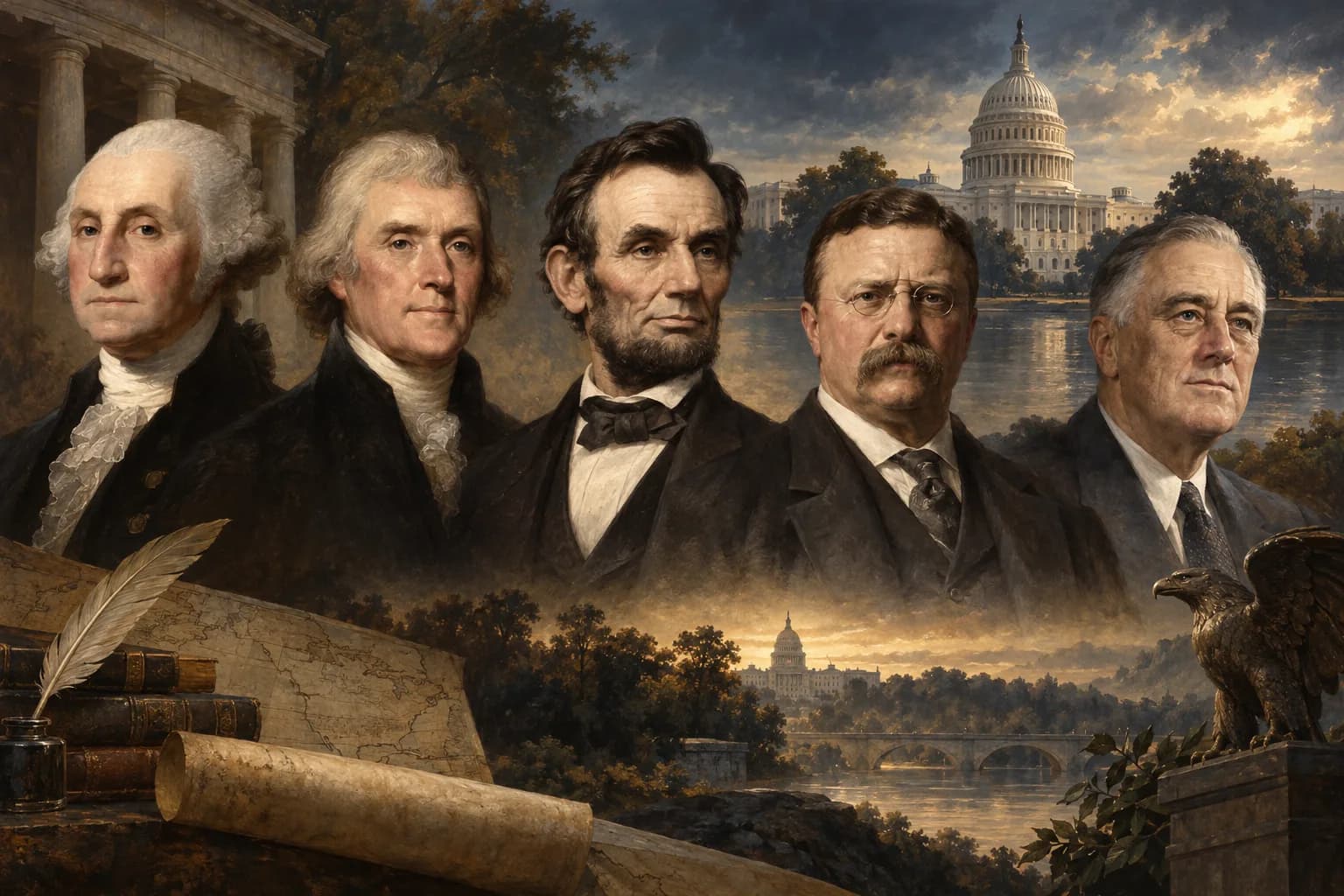
American Presidents lineage
Lineage47 presidents
American Presidents
1789 CE–present

The succession of American presidents from George Washington to today.

View lineage
Tertiary paths

Content note

This profile is written for educational use and connects to related Stories of History pages. The main portrait uses a real historical or editorial image, with source and licence details recorded for attribution review. Image policy Image attribution

References

Sources & Further Reading

Reliable reference works, archives and reading paths connected to this profile.

Further reading

  1. Encyclopaedia Britannica, Search results for Richard Nixon,” accessed June 2026.Open source
  2. WorldCat, Books and library holdings for Richard Nixon,” accessed June 2026.Open source

Primary sources

  1. Library of Congress, Search results for Richard Nixon,” accessed June 2026.Open source

Reviewed claim sources

Loading reviewed claim sources...

A weekly route through history

Find out first about the latest published stories, feature notes and occasional Premium offers in one weekly email.