People

Ratko Mladic

Ratko Mladic was a Bosnian Serb military commander convicted of genocide, crimes against humanity, and war crimes for his role in the Bosnian War. He died in 2026.

Born
1942 CE
Died
2026 CE
Role
Bosnian Serb military commander

Bosnian Serb military commander (1942-2026)

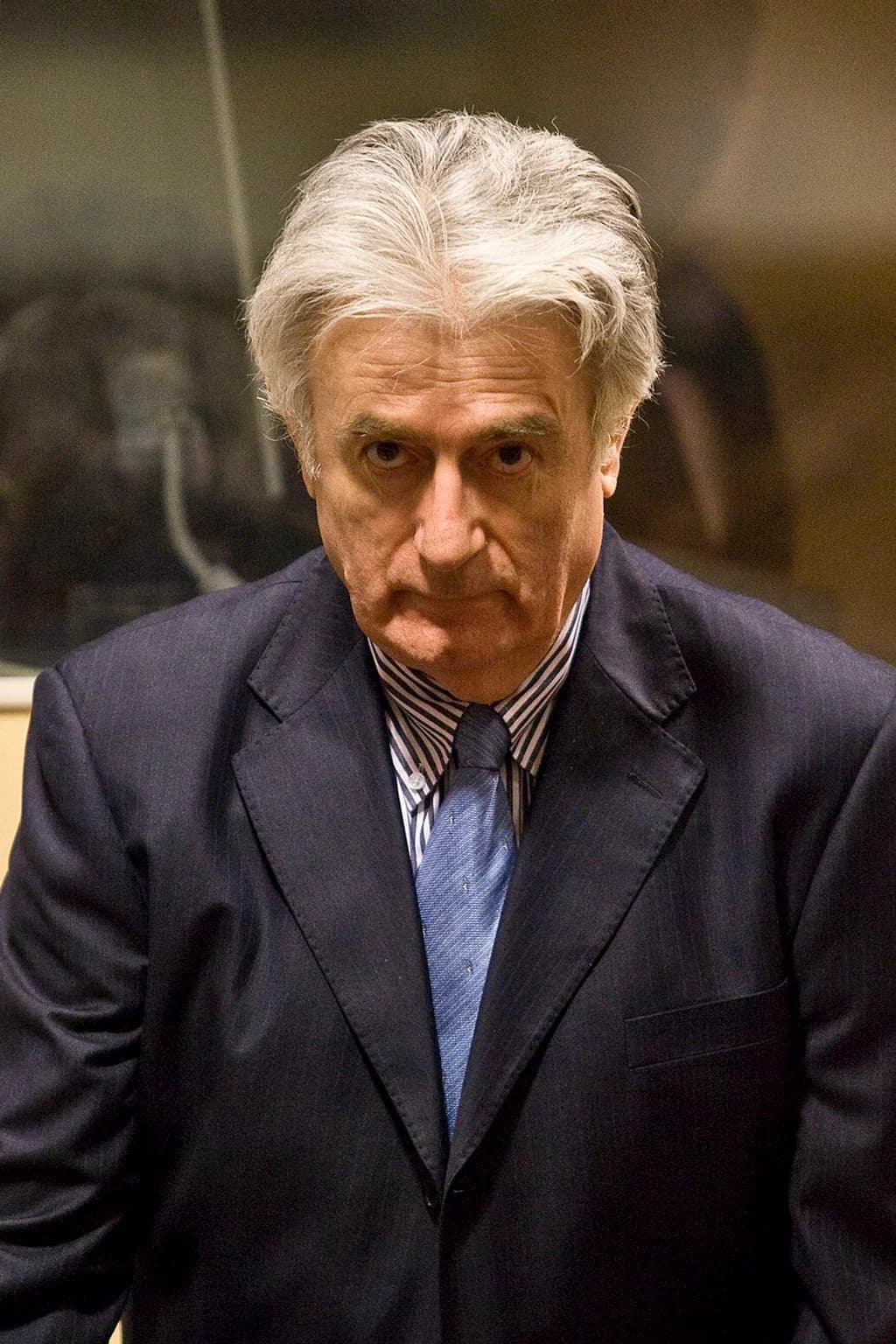
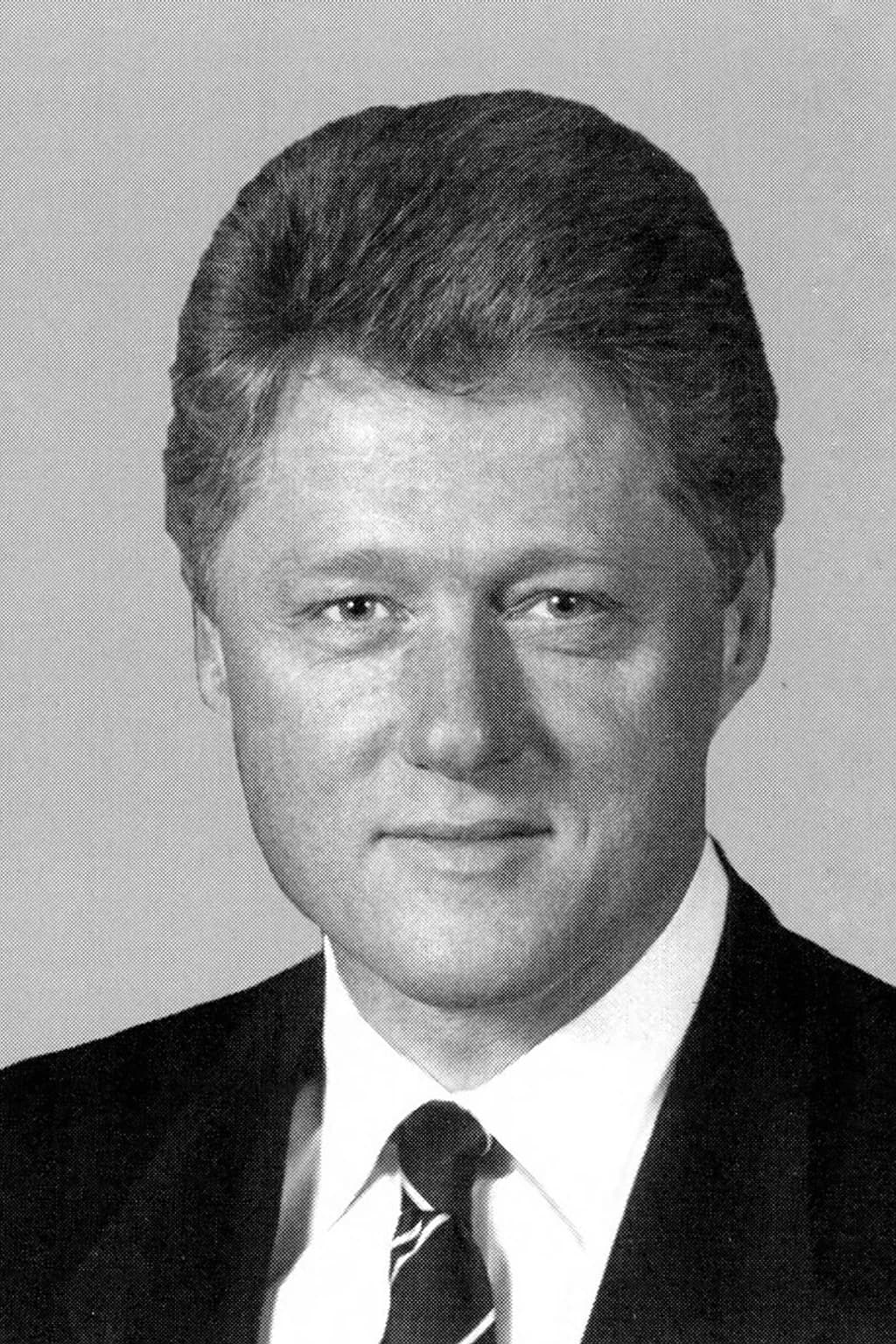
Portrait photograph of Ratko Mladic
Licensed archival image

A real historical or editorial image is used here. Source, licence and transformation details are publicly recorded. Image policy Attribution

Quick answer

Ratko Mladic was a Bosnian Serb military commander convicted of genocide, crimes against humanity, and war crimes for his role in the Bosnian War. He died in 2026.

Born
1942 CE
Died
2026 CE
Role
Bosnian Serb military commander
Years
1942-2026 CE
Quick facts

Profile details

Additional identity and tagging details that are not already covered in the introduction.

Also known as
General Ratko Mladic, Mladic
Facts

Ratko Mladic timeline facts

Selected specifics from this profile's life story.

1942
Origins

Mladic was born in wartime Bosnia and entered the Yugoslav military system built after the Second World War.

1960s-1991
Yugoslav army officer

He rose through the Yugoslav People's Army before the federation's military chain of command broke apart.

1992-1995
Sarajevo and Srebrenica

His name became tied to the siege of Sarajevo and the Srebrenica genocide.

2011-2026
Trial, conviction, and death

After years in hiding, he was arrested, tried at The Hague, sentenced to life imprisonment, and died in custody in 2026.

Life Journey

Why Ratko Mladic matters

Follow the story in a more continuous narrative, with a reading mode that matches how much depth you want.

Complete chronology

1942

Origins

Ratko Mladic was born in Bosnia in 1942, during the Axis occupation and civil violence that scarred Yugoslav memory. He later entered the Yugoslav People's Army, the federal military institution meant to defend a shared socialist state. That background matters because Mladic's later career unfolded inside the collapse of the very army and country that had trained him. A force created for Yugoslav unity became one of the instruments through which Yugoslavia came apart.

1960s-1991

Yugoslav army officer

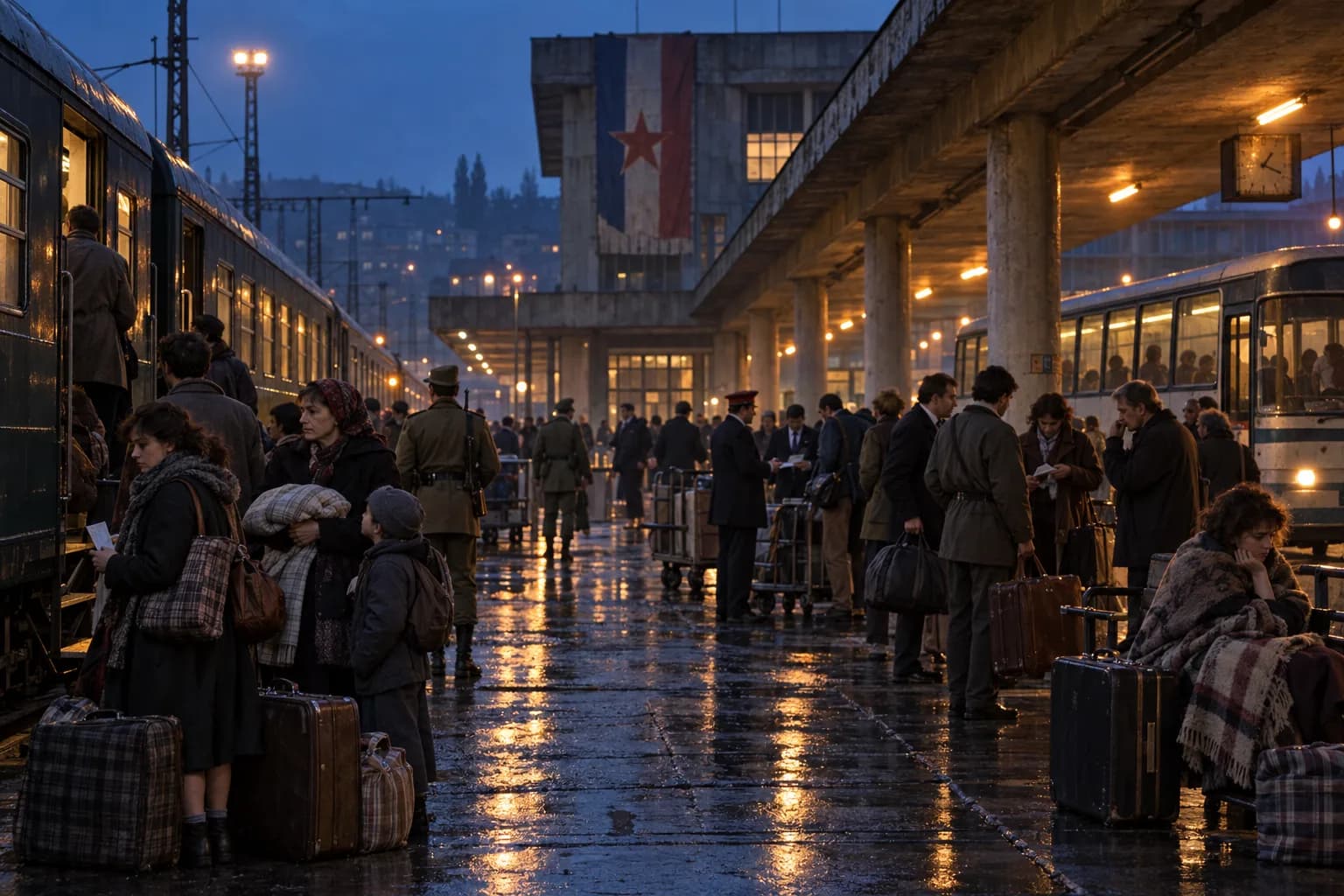
Mladic spent decades as a professional officer in the Yugoslav People's Army. The army presented itself as multiethnic and federal, but by the late 1980s and early 1990s its senior structure increasingly aligned with Serbian political interests. As Slovenia and Croatia moved toward independence, the army's claim to represent all Yugoslavs became harder to sustain. Mladic's military rise therefore belonged to a larger transformation: officers who had served a federation found themselves commanding in wars over its remains.

1992-1995

Bosnian War command

In 1992, Mladic became commander of the Main Staff of the Army of Republika Srpska. Bosnian Serb forces, backed by military resources inherited from the Yugoslav army and supported from Serbia, pursued territorial control in a republic where communities were deeply intermingled. The strategy depended not only on battlefield victory but on forcing non-Serb populations from areas claimed for a Serb entity. Mladic's command made him central to the violence that turned Bosnia into the most devastating war of Yugoslavia's breakup.

1992-1995

Sarajevo and Srebrenica

Mladic's forces were central to two defining crimes of the Bosnian War. Around Sarajevo, Bosnian Serb positions subjected civilians to years of shelling and sniper fire. In July 1995, after Bosnian Serb forces took Srebrenica, more than 8,000 Bosniak men and boys were murdered. International courts later ruled the massacre genocide. Mladic's role matters because these events became proof that Yugoslavia's collapse was not only a political failure, but a human catastrophe carried out through organized command.

2011-2026

Trial, conviction, and death

Mladic was indicted in 1995 but avoided arrest for years. Serbian authorities arrested him in 2011 and transferred him to The Hague. In 2017, the International Criminal Tribunal for the former Yugoslavia convicted him of genocide, crimes against humanity, and violations of the laws or customs of war, sentencing him to life imprisonment. The appeals judgement in 2021 upheld the life sentence. He died in 2026 while serving that sentence. His conviction did not undo the harm, but it placed command responsibility and mass atrocity at the centre of how the breakup of Yugoslavia is remembered.

Continue in context

Connected stories

Move from the profile into the wider events and settings this figure belongs to.

Tertiary paths

Content note

This profile is written for educational use and connects to related Stories of History pages. The main portrait uses a real historical or editorial image, with source and licence details recorded for attribution review. Image policy Image attribution

References

Sources & Further Reading

Reliable reference works, archives and reading paths connected to this profile.

Further reading

  1. Encyclopaedia Britannica, Search results for Ratko Mladic,” accessed June 2026.Open source
  2. WorldCat, Books and library holdings for Ratko Mladic,” accessed June 2026.Open source

Primary sources

  1. Library of Congress, Search results for Ratko Mladic,” accessed June 2026.Open source

Reviewed claim sources

Loading reviewed claim sources...

A weekly route through history

Find out first about the latest published stories, feature notes and occasional Premium offers in one weekly email.