People

Pope Pius VI

Pope Pius VI was pope from 1775 to 1799. During the French Revolution he condemned the Civil Constitution of the Clergy, clashed with revolutionary France, and died in captivity at Valence.

Born
1717 CE
Died
1799 CE
Role
Pope

Pope during the French Revolution (1717-1799)

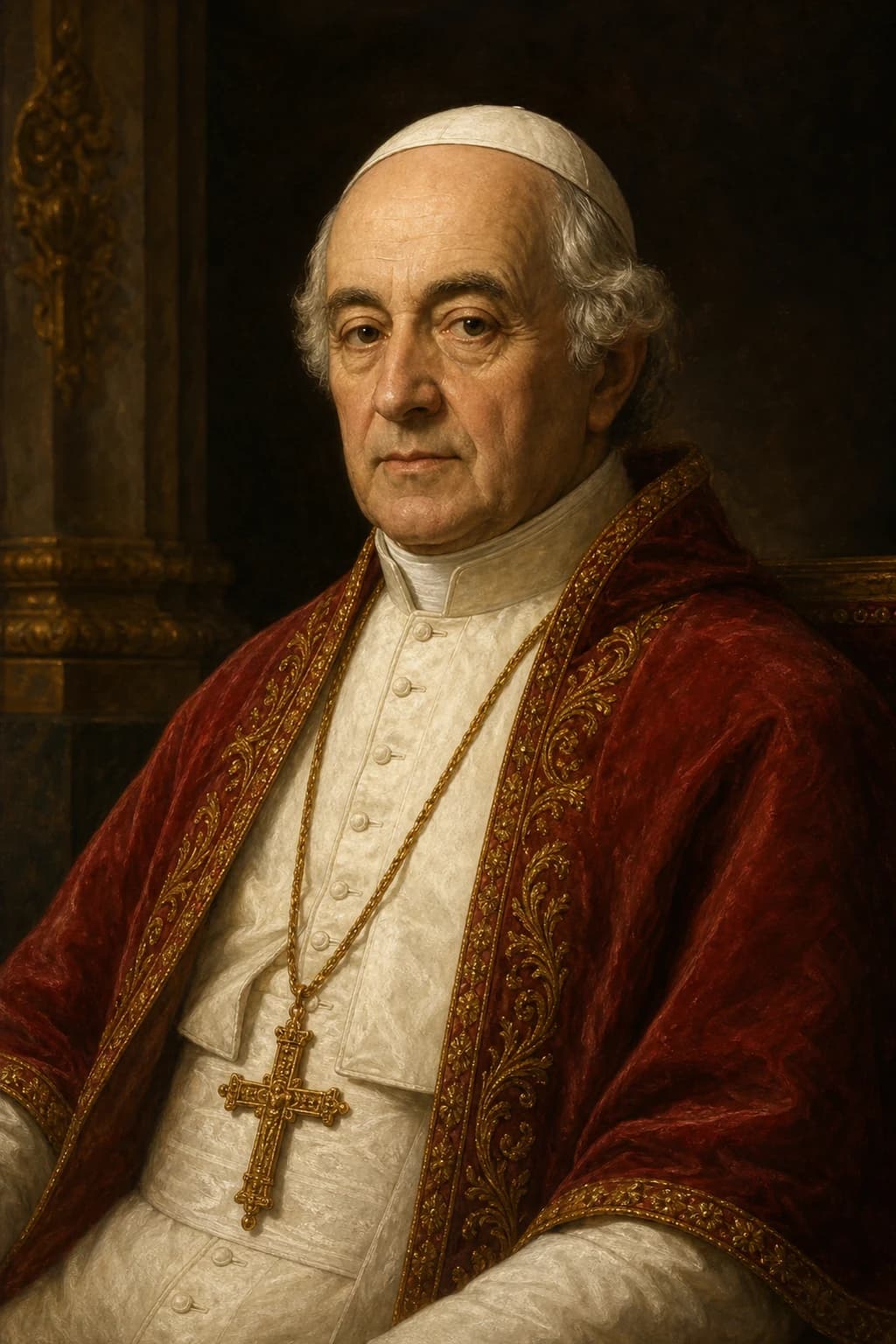
AI-generated portrait of Pope Pius VI in papal robes
AI-assisted historical reconstruction

An illustrative reconstruction based on historical context. It is not a photograph or documentary likeness. Image policy

Quick answer

Pope Pius VI was pope from 1775 to 1799. During the French Revolution he condemned the Civil Constitution of the Clergy, clashed with revolutionary France, and died in captivity at Valence.

Born
1717 CE
Died
1799 CE
Role
Pope
Years
1717-1799 CE
Quick facts

Profile details

Additional identity and tagging details that are not already covered in the introduction.

Also known as
Pius VI, Giovanni Angelo Braschi
Facts

Pope Pius VI timeline facts

Selected specifics from this profile's life story.

1717-1775
Braschi before the tiara

Giovanni Angelo Braschi was born in the Papal States and rose through church administration before becoming pope.

1775
Elected pope

Pius VI became pope in 1775, ruling the Church as European monarchies questioned older forms of papal authority.

1796-1798
Revolution reaches Rome

French victories in Italy brought revolutionary pressure directly onto the Papal States.

1798-1799
Captivity and death

Pius VI was taken from Rome and died in French custody at Valence in 1799.

Life Journey

The pope caught in the French Revolution's religious crisis

Follow the story in a more continuous narrative, with a reading mode that matches how much depth you want.

Complete chronology

1717-1775

Braschi before the tiara

Pius VI began life as Giovanni Angelo Braschi, born at Cesena in 1717. He trained in law and rose through papal administration, gaining experience in the government of the Papal States before his election. That background mattered because the papacy he inherited was both a spiritual office and a territorial power. In the late eighteenth century, popes faced Enlightenment criticism, reforming Catholic monarchies, and growing pressure on church property and privilege.
1775

Elected pope

Pius VI was elected pope in 1775 after a long conclave. His early papacy was shaped by the politics of Catholic Europe, where rulers increasingly wanted tighter state control over church institutions. He defended papal authority, patronised building in Rome, and tried to preserve the standing of the Papal States. Yet the wider climate was changing. The French Revolution would soon turn debates about reform and privilege into a direct assault on the old relationship between church, monarchy, and state.

1790-1791

French church crisis

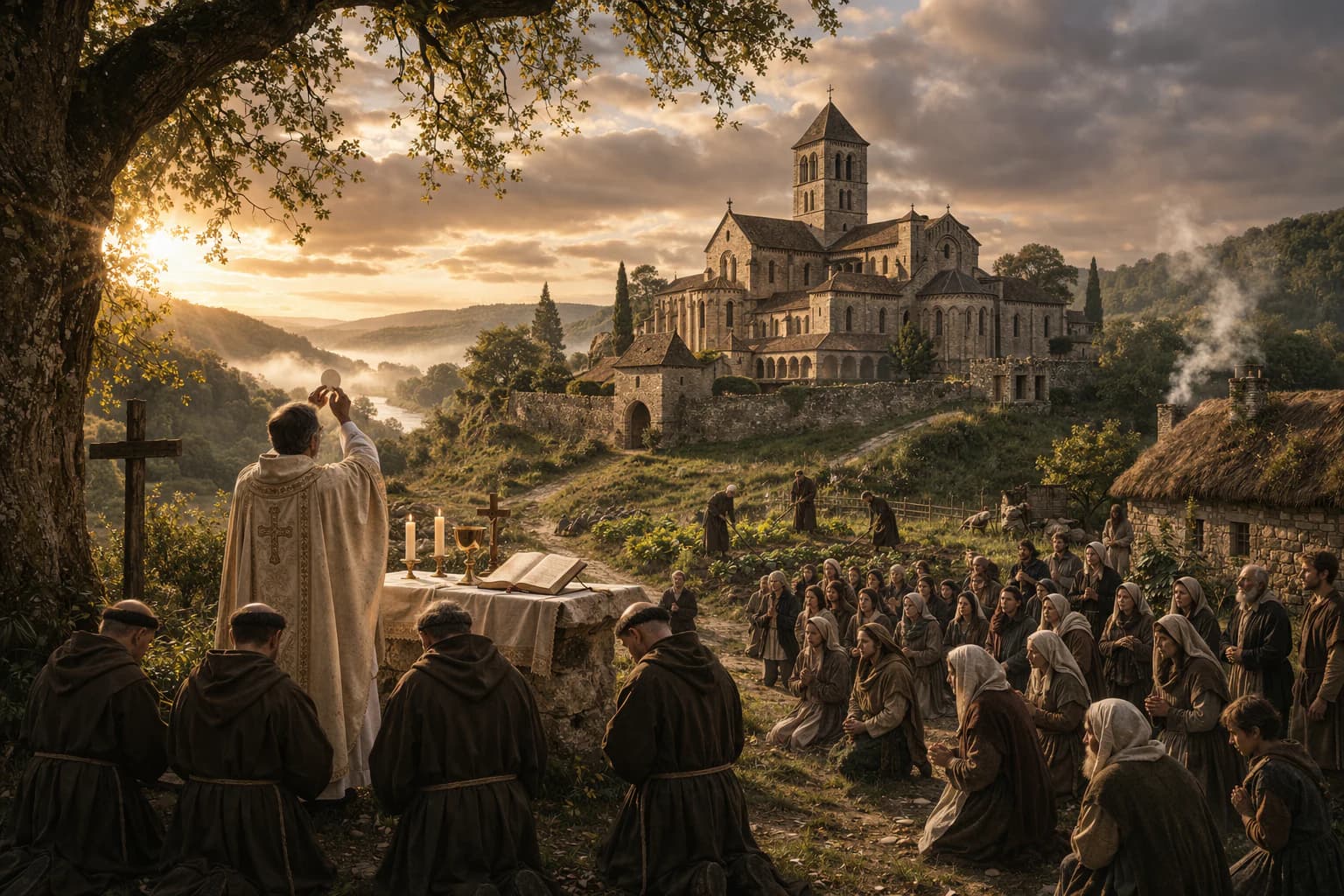
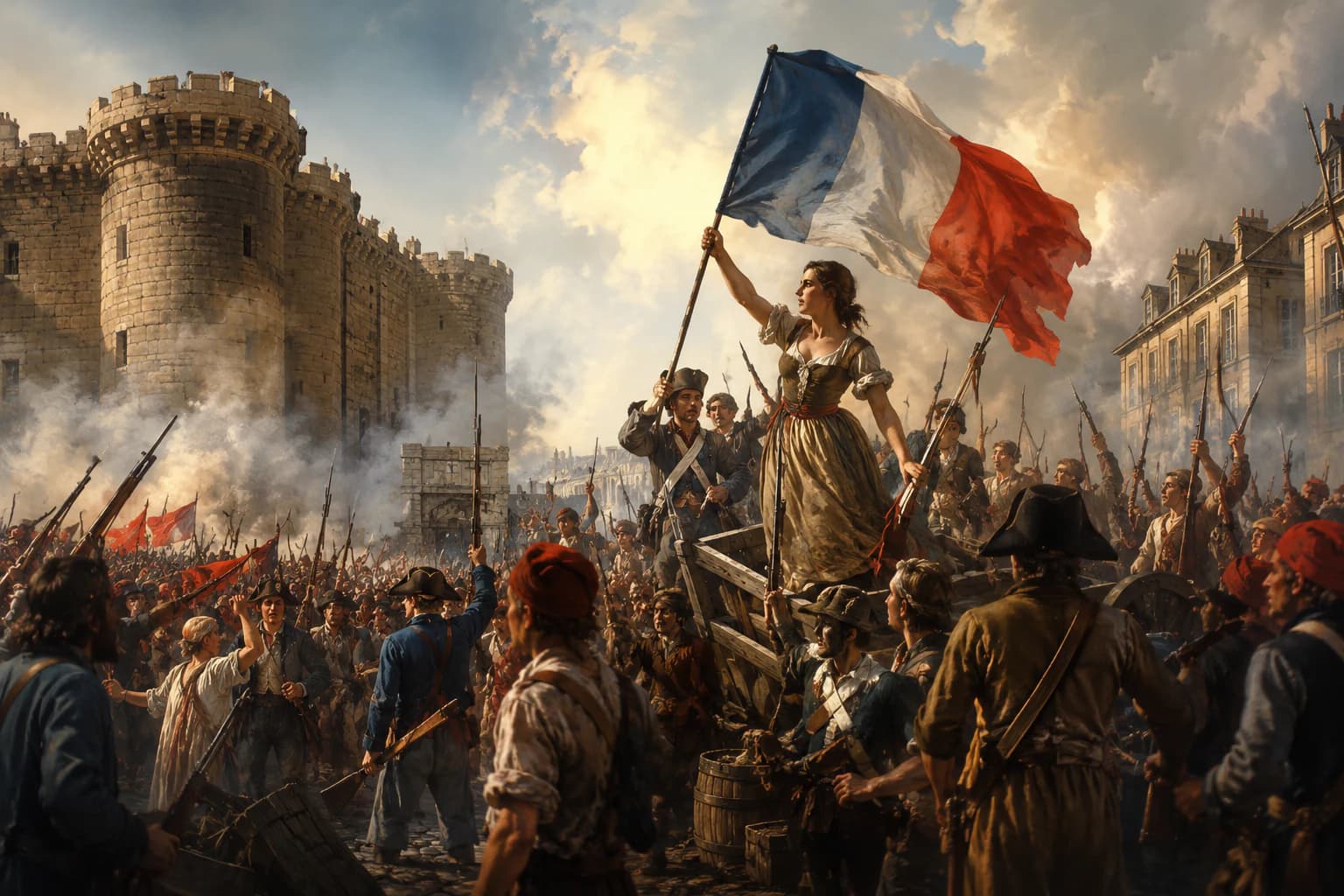
The Civil Constitution of the Clergy, passed in 1790, reorganised the French Church under state authority. It made bishops and priests elected officials and required an oath of loyalty to the new constitutional order. Pius VI condemned the measure in 1791 because it subordinated church authority to the revolutionary state. The result was a deep religious schism. Some clergy swore the oath; others refused. Communities that had supported reform now had to decide whether loyalty to the Revolution could be reconciled with loyalty to Rome.

1796-1798

Revolution reaches Rome

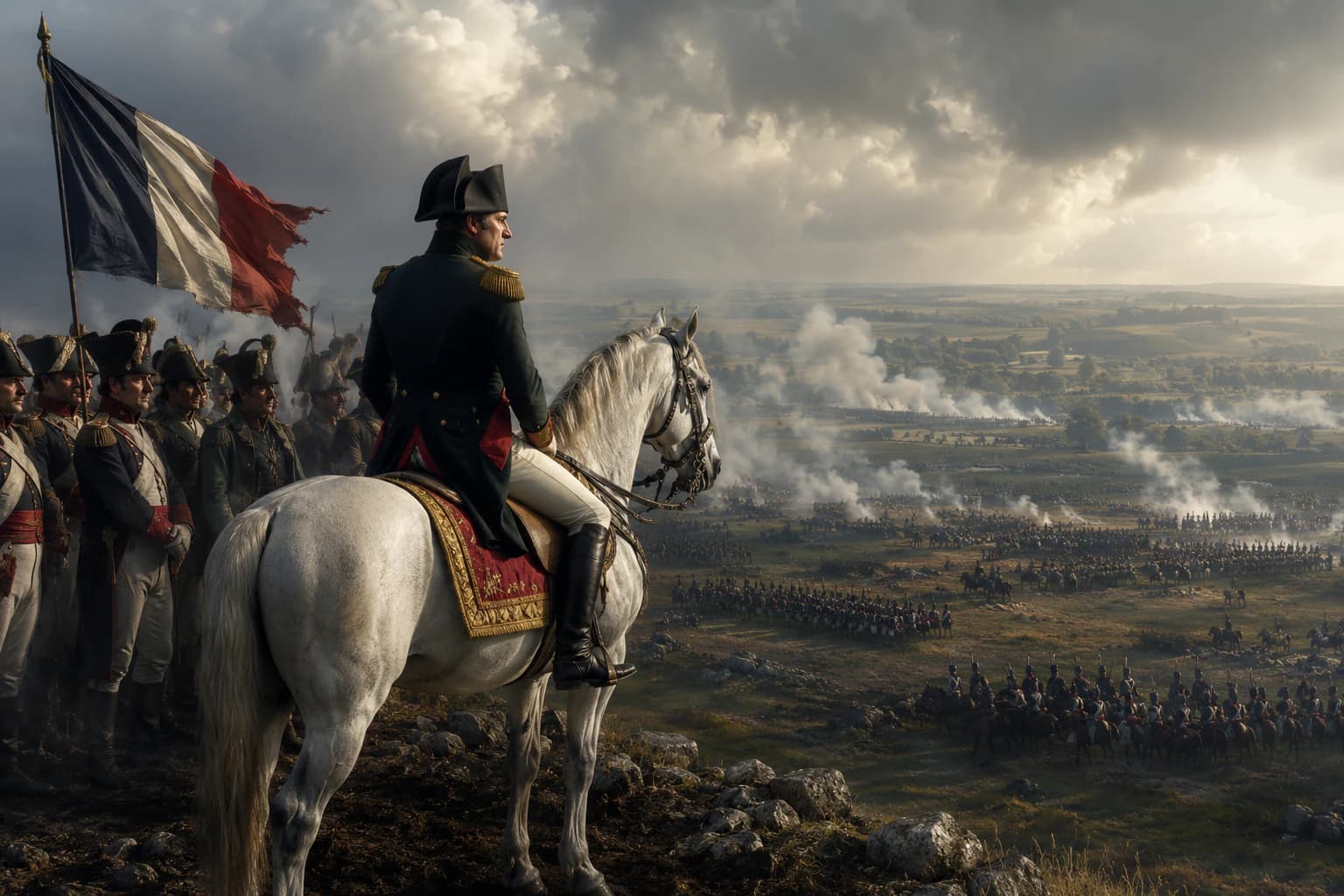
As revolutionary France fought across Europe, the Papal States became vulnerable. Napoleon's Italian campaigns forced papal concessions and territorial losses, and French pressure did not end there. In 1798, French forces entered Rome, proclaimed a Roman Republic, and removed Pius VI from the city. The papacy was no longer only debating the Revolution from a distance. It had become one of the Revolution's targets, caught between spiritual authority and military reality.

1798-1799

Captivity and death

After his removal from Rome, Pius VI was carried through a series of places under French control and finally reached Valence in southern France. He was old, ill, and politically defeated. He died there in August 1799, still a prisoner of revolutionary France. To supporters of the papacy, his death seemed to reveal the Revolution's hostility to the Church. Yet the papacy survived the crisis. A new pope, Pius VII, would later negotiate with Napoleon and try to rebuild the Church's position in a transformed Europe.

Continue in context

Connected stories

Move from the profile into the wider events and settings this figure belongs to.

Tertiary paths

Content note

This profile is written for educational use and connects to related Stories of History pages. The main portrait is an AI-assisted historical reconstruction, included as an illustrative aid rather than documentary evidence. Image policy

References

Sources & Further Reading

Reliable reference works, archives and reading paths connected to this profile.

Further reading

  1. Encyclopaedia Britannica, Search results for Pope Pius VI,” accessed June 2026.Open source
  2. WorldCat, Books and library holdings for Pope Pius VI,” accessed June 2026.Open source

Primary sources

  1. Library of Congress, Search results for Pope Pius VI,” accessed June 2026.Open source

Reviewed claim sources

Loading reviewed claim sources...

A weekly route through history

Find out first about the latest published stories, feature notes and occasional Premium offers in one weekly email.