People

Philip IV of France

Philip IV of France, known as Philip the Fair, ruled from 1285 to 1314. His conflict with Pope Boniface VIII over taxation and papal authority helped prepare the Avignon papacy.

Born
1268 CE
Died
1314 CE
Role
King of France

King of France (1268-1314)

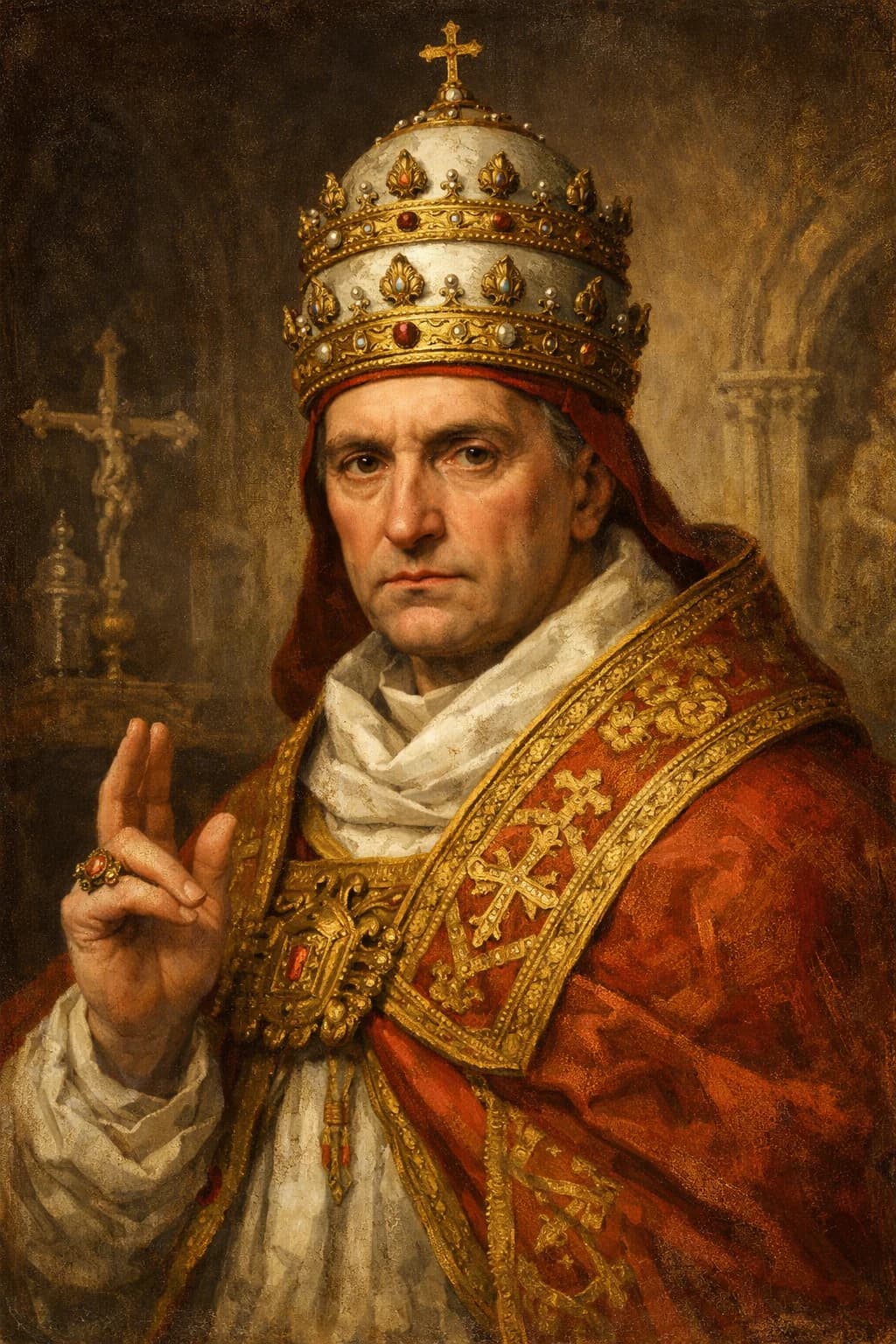
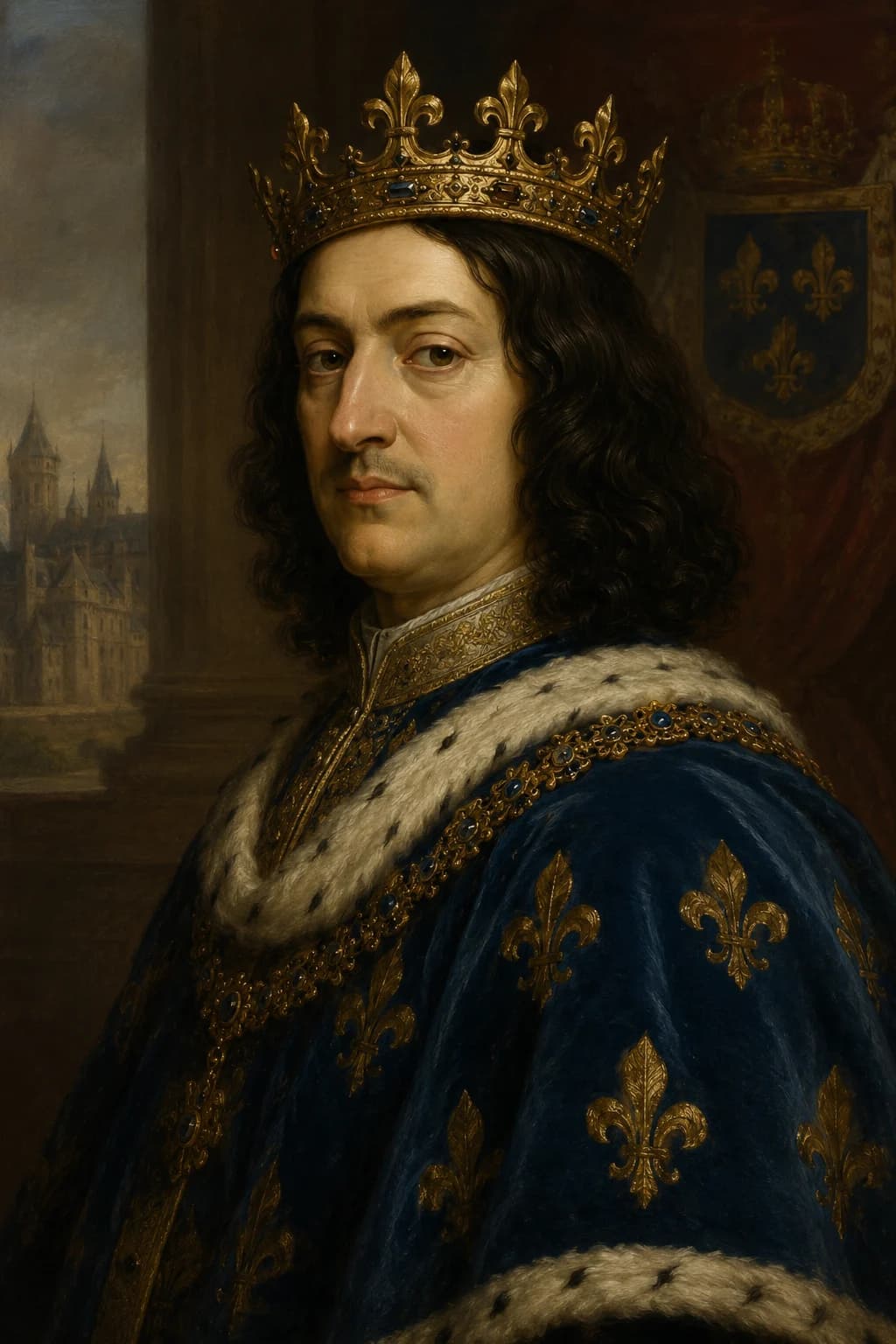
AI-generated portrait of Philip IV of France in a crown and blue fleur-de-lis robe
AI-assisted historical reconstruction

An illustrative reconstruction based on historical context. It is not a photograph or documentary likeness. Image policy

Quick answer

Philip IV of France, known as Philip the Fair, ruled from 1285 to 1314. His conflict with Pope Boniface VIII over taxation and papal authority helped prepare the Avignon papacy.

Born
1268 CE
Died
1314 CE
Role
King of France
Years
1268-1314 CE
Quick facts

Profile details

Additional identity and tagging details that are not already covered in the introduction.

Also known as
Philip IV, King Philip IV of France, Philip the Fair
Facts

Philip IV of France timeline facts

Selected specifics from this profile's life story.

1268-1285
Capetian inheritance

Philip IV inherited a stronger French monarchy than earlier Capetian kings, but he still needed money, officials, and authority to govern effectively.

1290s
War and revenue

Philip's wars and government costs pushed him to seek revenue wherever he could, including from French clergy.

1303
Anagni

Agents acting for Philip seized Boniface at Anagni, shocking Christendom and damaging the papacy's authority.

1305-1314
Avignon's shadow

After Boniface's death, Clement V became pope and established the papal court at Avignon, deepening suspicions of French influence.

Life Journey

The king who made papal supremacy bend

Follow Philip IV from Capetian ruler to the confrontation that opened the road to Avignon.

Complete chronology

1268-1285

Capetian inheritance

Philip IV was born in 1268 into a Capetian monarchy that had grown far stronger since the age of Philip II. The French crown now commanded greater territory, prestige, and administrative reach, but power at that scale created constant demands. War, justice, diplomacy, and royal government all required money and trained officials. Philip's reign would become famous for the pressure it placed on older institutions: nobles, towns, financiers, military orders, and the Church all encountered a monarchy determined to turn royal authority into practical control.


1290s

War and revenue

Philip's conflicts with England and Flanders placed heavy financial pressure on the French monarchy. Like other late medieval rulers, he looked for revenue beyond traditional feudal income. That brought him into conflict with groups that claimed exemptions or privileges, including the clergy. To Philip, taxing French church wealth was a practical necessity of royal government. To Pope Boniface VIII, it was an assault on ecclesiastical liberty and papal jurisdiction. The argument began with money but quickly became a question of who could command whom inside Christian society.

1296-1302

Boniface challenged

The clash between Philip and Boniface VIII escalated through bulls, assemblies, legal arguments, and propaganda. Boniface insisted that spiritual authority stood above temporal rulers and that clergy could not be taxed without papal consent. Philip's advisers replied by defending the rights of the French crown and mobilising opinion against papal interference. In 1302, Boniface issued Unam Sanctam, one of the strongest medieval statements of papal supremacy. Philip did not respond with submission. He treated the pope as a political opponent whose claims could be resisted, discredited, and physically pressured.

1303

Anagni

In September 1303, Guillaume de Nogaret, acting for Philip, joined forces with enemies of Boniface and confronted the pope at Anagni. Boniface was detained and humiliated before local support freed him. He died soon afterward. The details of the attack were later retold with dramatic force, but the political meaning was unmistakable. A king's agents had laid hands on a pope who claimed authority over kings. The medieval papacy survived, but its aura of untouchable supremacy was badly wounded.

1305-1314

Avignon's shadow

Philip did not simply control the papacy after Boniface, but French royal pressure had changed the balance. Clement V, a French archbishop, became pope in 1305 and established the papal court at Avignon in 1309. The city was not formally part of the French crown, yet it sat within the French political and cultural orbit. Philip's reign therefore stands at the turning point where papal monarchy met a national monarchy strong enough to resist it. His confrontation with Boniface helped open the crisis of independence that the Avignon papacy made impossible to ignore.

Continue in context

Connected stories

Move from the profile into the wider events and settings this figure belongs to.

Tertiary paths

Content note

This profile is written for educational use and connects to related Stories of History pages. The main portrait is an AI-assisted historical reconstruction, included as an illustrative aid rather than documentary evidence. Image policy

References

Sources & Further Reading

Reliable reference works, archives and reading paths connected to this profile.

Further reading

  1. Encyclopaedia Britannica, Search results for Philip IV of France,” accessed June 2026.Open source
  2. WorldCat, Books and library holdings for Philip IV of France,” accessed June 2026.Open source

Primary sources

  1. Library of Congress, Search results for Philip IV of France,” accessed June 2026.Open source

Reviewed claim sources

Loading reviewed claim sources...

A weekly route through history

Find out first about the latest published stories, feature notes and occasional Premium offers in one weekly email.