People

Peter the Hermit

Peter the Hermit was an eleventh-century preacher linked to the People's Crusade, the chaotic popular wave that preceded the main First Crusade armies.

Born
1050 CE
Died
1115 CE
Role
Preacher

Crusade preacher (c. 1050-c. 1115)

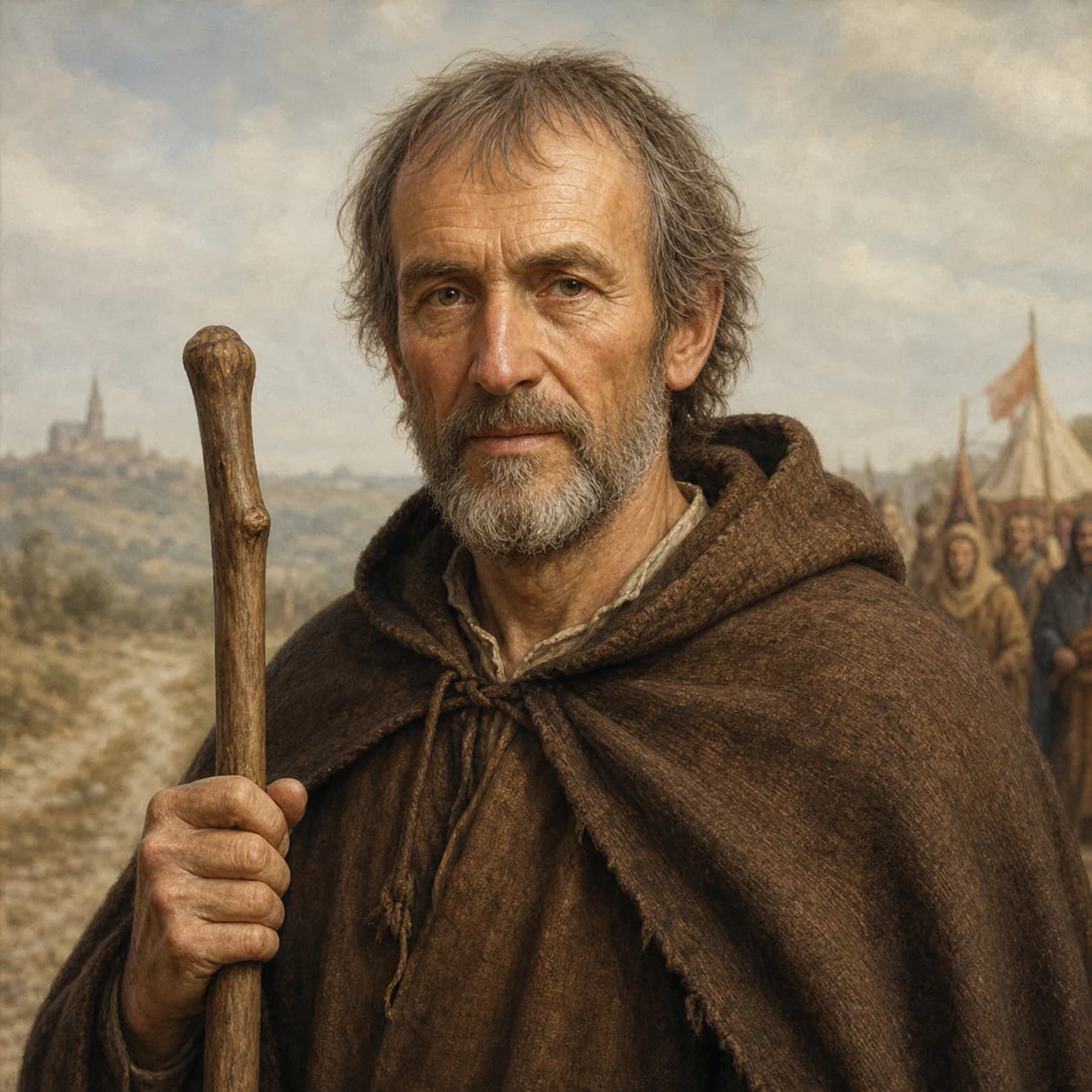
AI-generated portrait of Peter the Hermit in a rough medieval pilgrim cloak holding a staff
AI-assisted historical reconstruction

An illustrative reconstruction based on historical context. It is not a photograph or documentary likeness. Image policy

Quick answer

Peter the Hermit was an eleventh-century preacher linked to the People's Crusade, the chaotic popular wave that preceded the main First Crusade armies.

Born
1050 CE
Died
1115 CE
Role
Preacher
Years
1050-1115 CE
Quick facts

Profile details

Additional identity and tagging details that are not already covered in the introduction.

Also known as
Peter of Amiens, Pierre l'Ermite
Facts

Peter the Hermit timeline facts

Selected specifics from this profile's life story.

c. 1050
A shadowy beginning

Peter was probably born in northern France, though many details of his early life are uncertain.

1096
The People's Crusade

Peter led one of the popular crusading groups that left for the East before the main armies were ready.

1097-1099
With the main Crusade

Peter later joined the main First Crusade, though he no longer controlled events in the way legend sometimes suggests.

Long-term
Uncomfortable legacy

Peter's story reveals both the appeal of crusading preaching and the dangers of mass religious mobilisation.

Life Journey

The preacher who turned crusade into a popular rush

Follow the story in a more continuous narrative, with a reading mode that matches how much depth you want.

Complete chronology

c. 1050

A shadowy beginning

Peter the Hermit's early life is hard to reconstruct. Later writers often connected him with Amiens in northern France, but the surviving evidence is thin and wrapped in crusading legend. What matters historically is the role he came to play after 1095: he appeared as a wandering preacher able to speak to ordinary believers as well as minor knights and clergy. His rough image, intense religious message and promise of pilgrimage helped make him one of the most recognisable popular voices of the First Crusade.
1095-1096

The call spreads

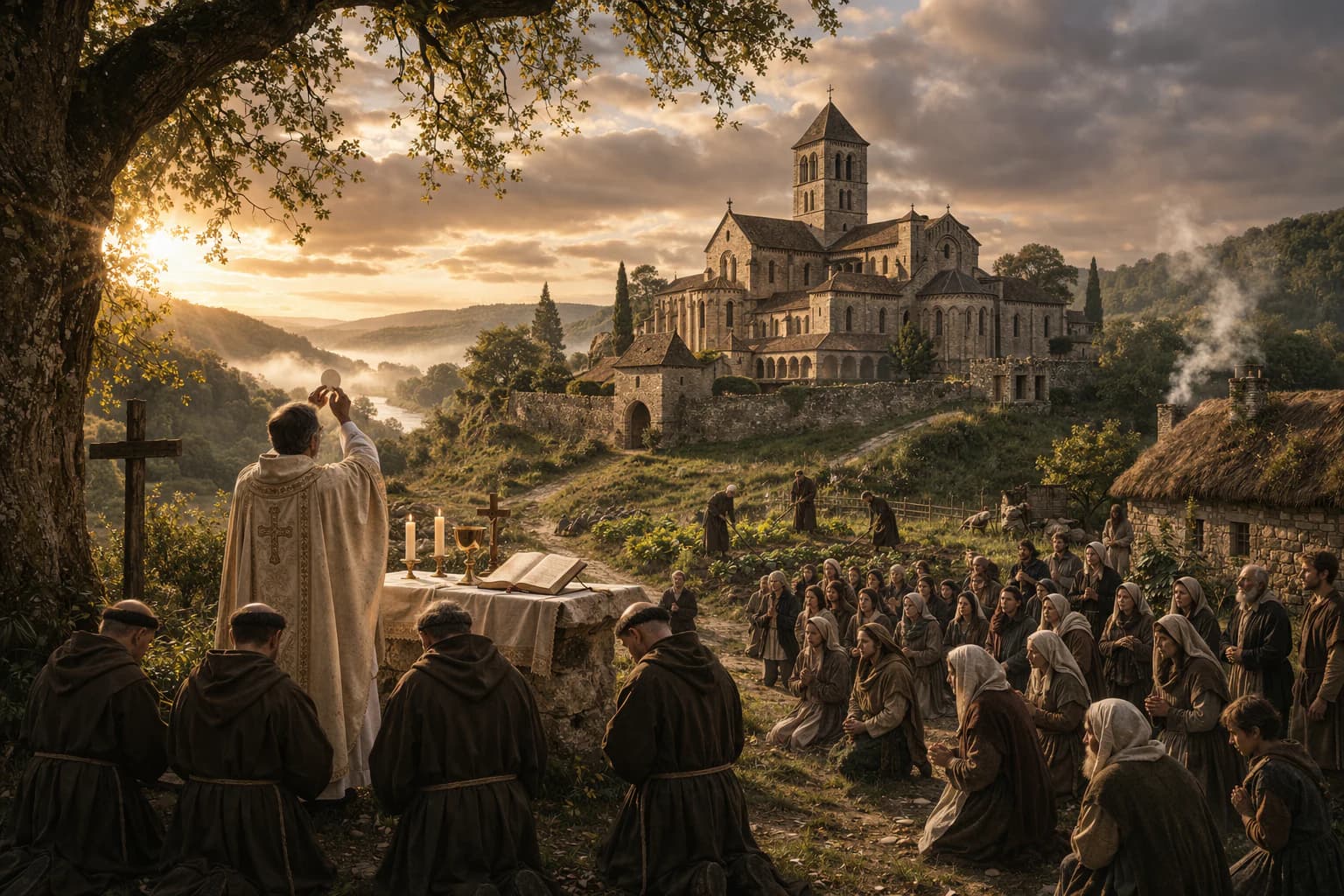
Pope Urban II's call at Clermont in 1095 was spread by councils, bishops, nobles and travelling preachers. Peter became one of the most famous of those voices. Medieval accounts present him as magnetic, austere and urgent, though they also magnify his importance with legend. His message reached people who were not part of the carefully organised noble armies: poor farmers, townspeople, minor clergy, women, children and landless fighters. For many of them, the crusade sounded like a sacred journey that could remake their lives.

1096

The People's Crusade

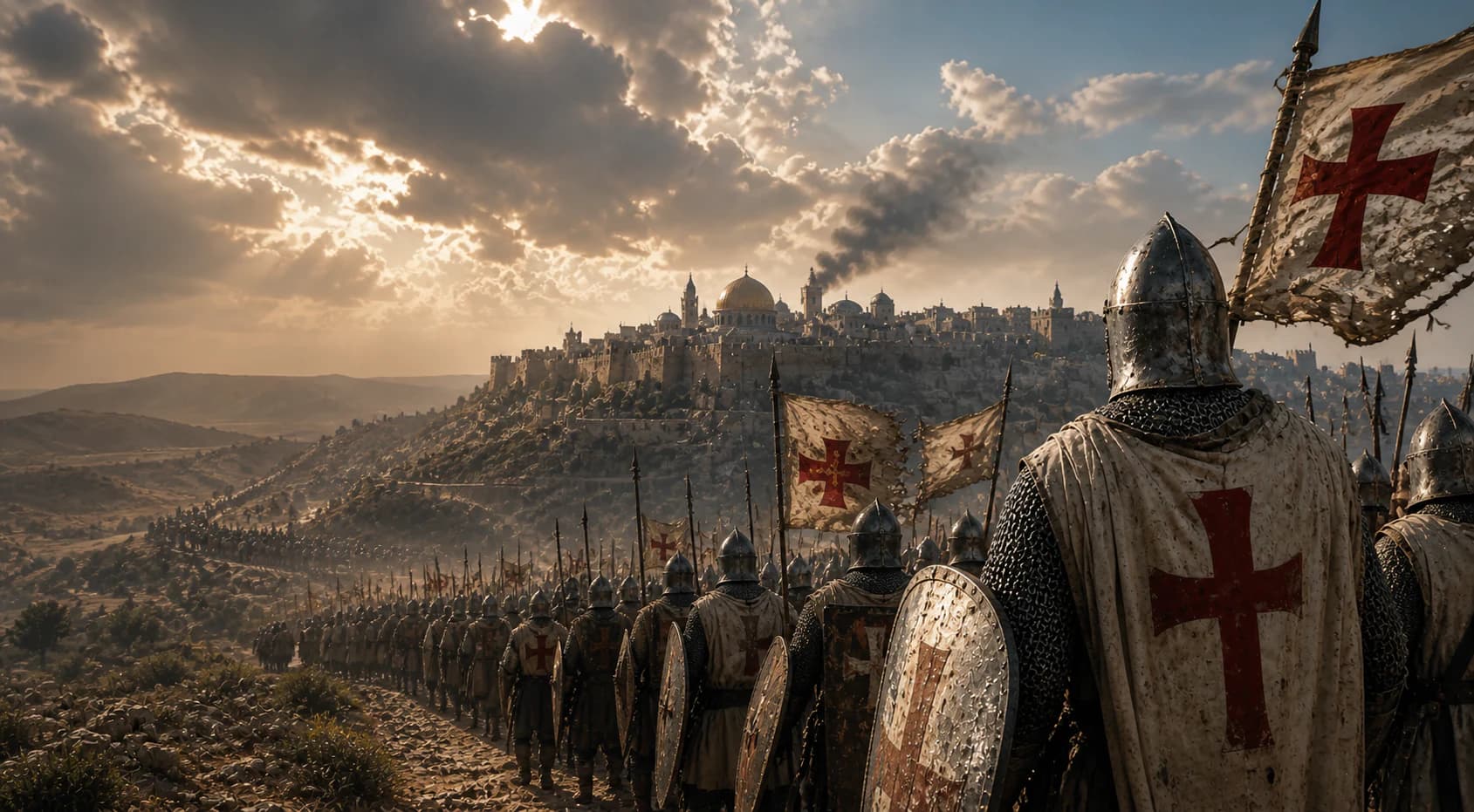
The movement often called the People's Crusade was not one disciplined army. It was a loose and volatile collection of groups that began moving east in 1096, months before the principal crusading armies departed. Peter's following was among the most famous. The crowds had few supplies, little military organisation and only uncertain leadership. Their journey combined sincere devotion with hunger, fear and violence. In some places, popular crusading bands attacked Jewish communities in the Rhineland, an early sign that crusading enthusiasm could turn into persecution far from Jerusalem.

1096

Through Byzantium

When Peter's followers passed through Hungary and the Balkans toward Constantinople, they created a crisis for the Byzantine Empire. Emperor Alexios I Komnenos had asked for military help against Turkish power in Anatolia, but he had not asked for hungry, poorly disciplined crowds arriving before the noble armies. Byzantine officials tried to feed, contain and move them along before they caused more trouble. The mismatch was obvious: Alexios wanted controlled military assistance, while Peter's followers saw themselves as pilgrims already swept into sacred history.

1096

Disaster at Civetot

The popular crusaders were ferried across the Bosporus into Anatolia, where they were dangerously exposed. In October 1096, Seljuk forces destroyed much of the movement near Civetot. Peter himself was not leading the main body at the moment of disaster; he had returned to Constantinople seeking supplies and order. That absence may have saved his life, but it did not save the expedition. The destruction of the People's Crusade showed how vulnerable religious enthusiasm was when it moved without logistics, discipline or realistic command.

1097-1099

With the main Crusade

After the failure of the People's Crusade, Peter remained connected to the main First Crusade. He appears in accounts of the expedition, including the hard months around Antioch, where hunger, fear and internal strain nearly broke the crusading armies. Later stories sometimes make Peter a commanding hero, but the military leadership belonged to nobles such as Bohemond of Taranto, Raymond of Toulouse and Godfrey of Bouillon. Peter's significance was different. He embodied the popular, penitential and emotionally charged side of crusading that formal commanders could not fully direct.

After 1099

After Jerusalem

The First Crusade captured Jerusalem in July 1099, fulfilling the goal that had drawn so many west Europeans east. Peter returned to Europe after the expedition and was later associated with religious life in the region around Huy, in present-day Belgium. By the time of his death, probably in 1115, stories about him were already becoming part of crusading memory. Some accounts credited him with visions or special authority; modern historians treat those claims cautiously. His life shows how quickly the First Crusade generated legend around real people.

Long-term

Uncomfortable legacy

Peter the Hermit matters because he stands at the point where crusading became more than a noble expedition. His preaching helped draw ordinary people into a movement that promised sacred purpose, forgiveness and access to Jerusalem. Yet the People's Crusade also brought disorder, persecution and disastrous military failure. Peter is therefore not simply an inspiring pilgrim or a failed leader. He is a reminder that medieval religious movements could be sincere, powerful and deeply destructive at the same time.

Continue in context

Connected stories

Move from the profile into the wider events and settings this figure belongs to.

Tertiary paths

Content note

This profile is written for educational use and connects to related Stories of History pages. The main portrait is an AI-assisted historical reconstruction, included as an illustrative aid rather than documentary evidence. Image policy

References

Sources & Further Reading

Reliable reference works, archives and reading paths connected to this profile.

Further reading

  1. Encyclopaedia Britannica, Search results for Peter the Hermit,” accessed June 2026.Open source
  2. WorldCat, Books and library holdings for Peter the Hermit,” accessed June 2026.Open source

Primary sources

  1. Library of Congress, Search results for Peter the Hermit,” accessed June 2026.Open source

Reviewed claim sources

Loading reviewed claim sources...

A weekly route through history

Find out first about the latest published stories, feature notes and occasional Premium offers in one weekly email.