← People

Otto I

Otto I, Holy Roman Emperor (912–973) was holy roman emperor. A Saxon king who survived family rebellion, defeated the Magyars and received the imperial crown in Rome, he joined German kingship to an ambition that would outlast his dynasty.

Born
912 CE
Died
973 CE
Role
Holy Roman Emperor
Full name
Otto I, Holy Roman Emperor
Also known as
Otto the Great

Holy Roman Emperor (912–973)

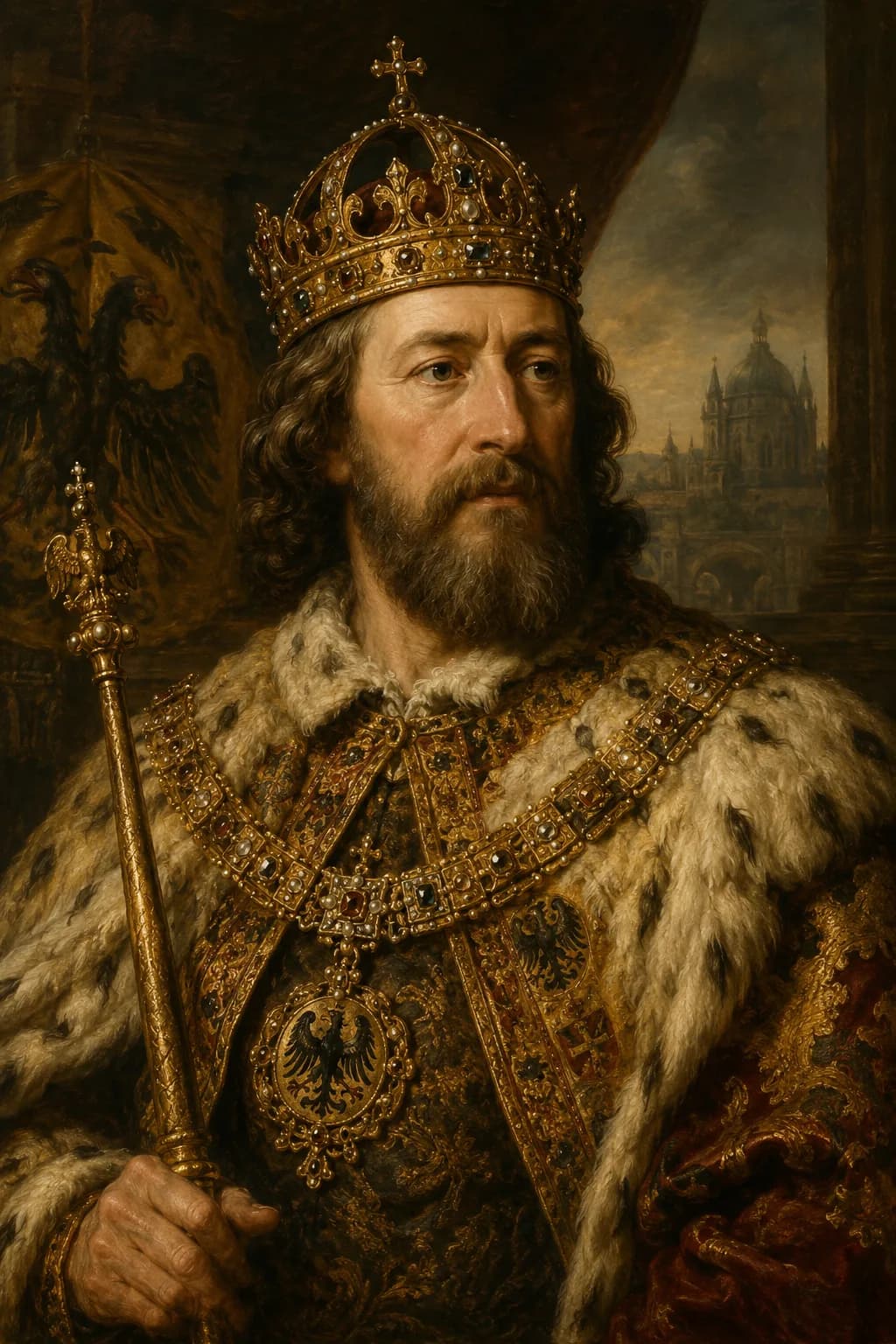
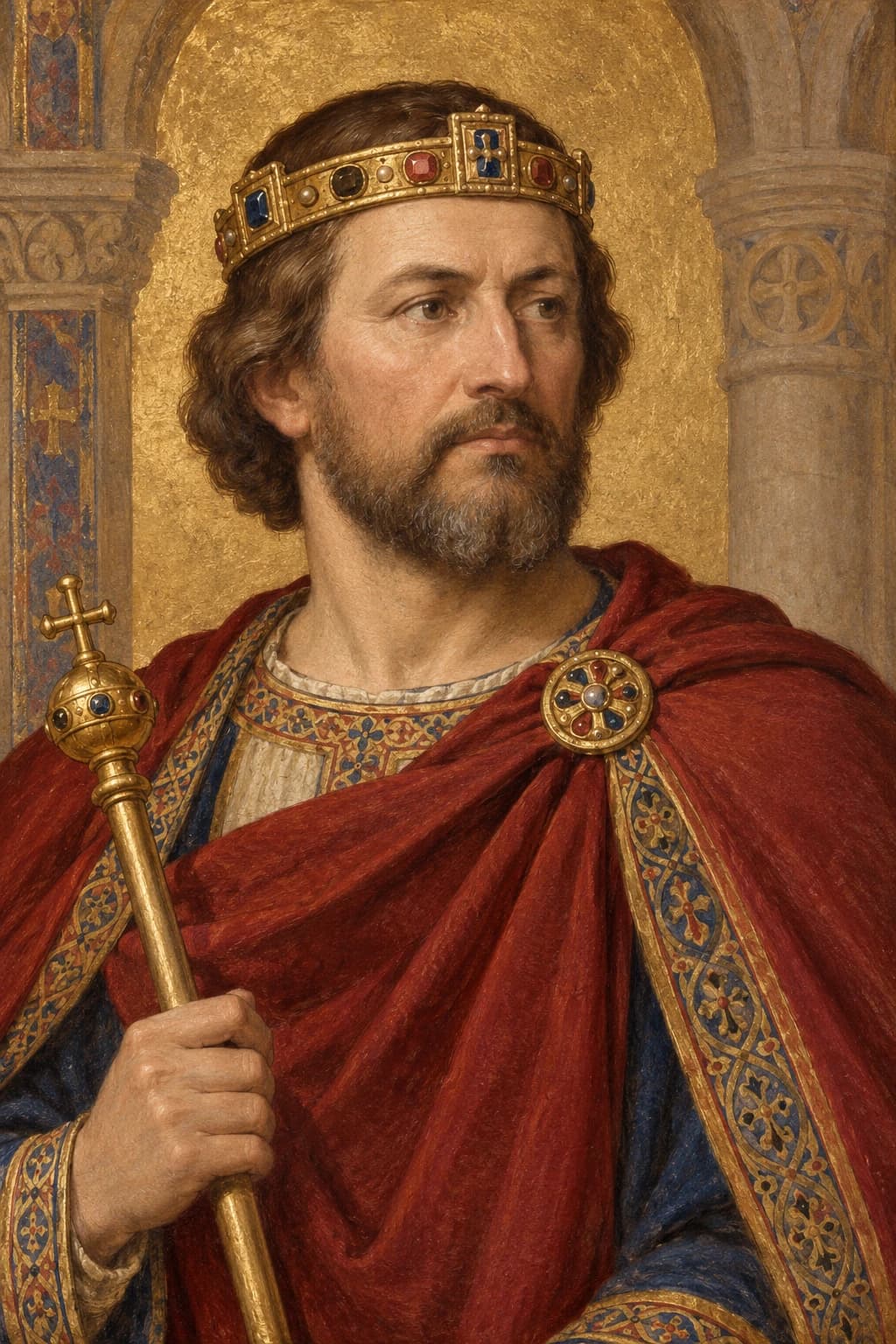
AI-generated portrait of Otto I in period clothing; an illustrative historical reconstruction, not a documentary likeness
AI-assisted historical reconstruction

An illustrative reconstruction based on historical context. It is not a photograph or documentary likeness. Image policy Attribution

Life Journey

The Saxon king who took an imperial crown

Follow Otto from a contested inheritance to the foundations of a lasting western empire.

Complete chronology

912–936

A Saxon inheritance

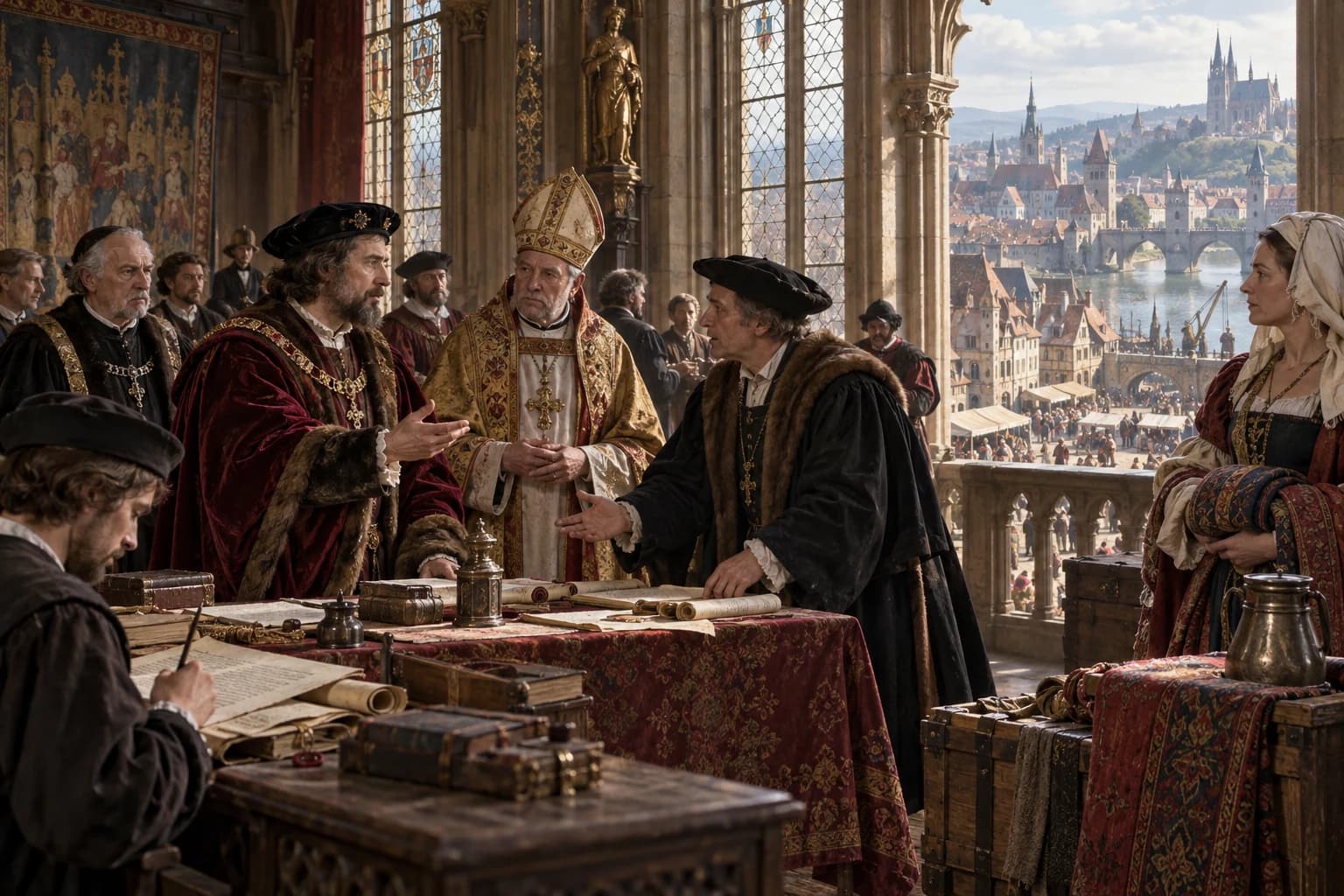
Otto grew up while his father established the authority of a new dynasty in the East Frankish kingdom. Its rulers had to work with strong regional leaders rather than command a uniform state. Otto’s marriage to the English princess Edith added another royal connection. His inheritance included valuable relationships, but no guarantee that those relationships would remain loyal.
936

Crowned at Aachen

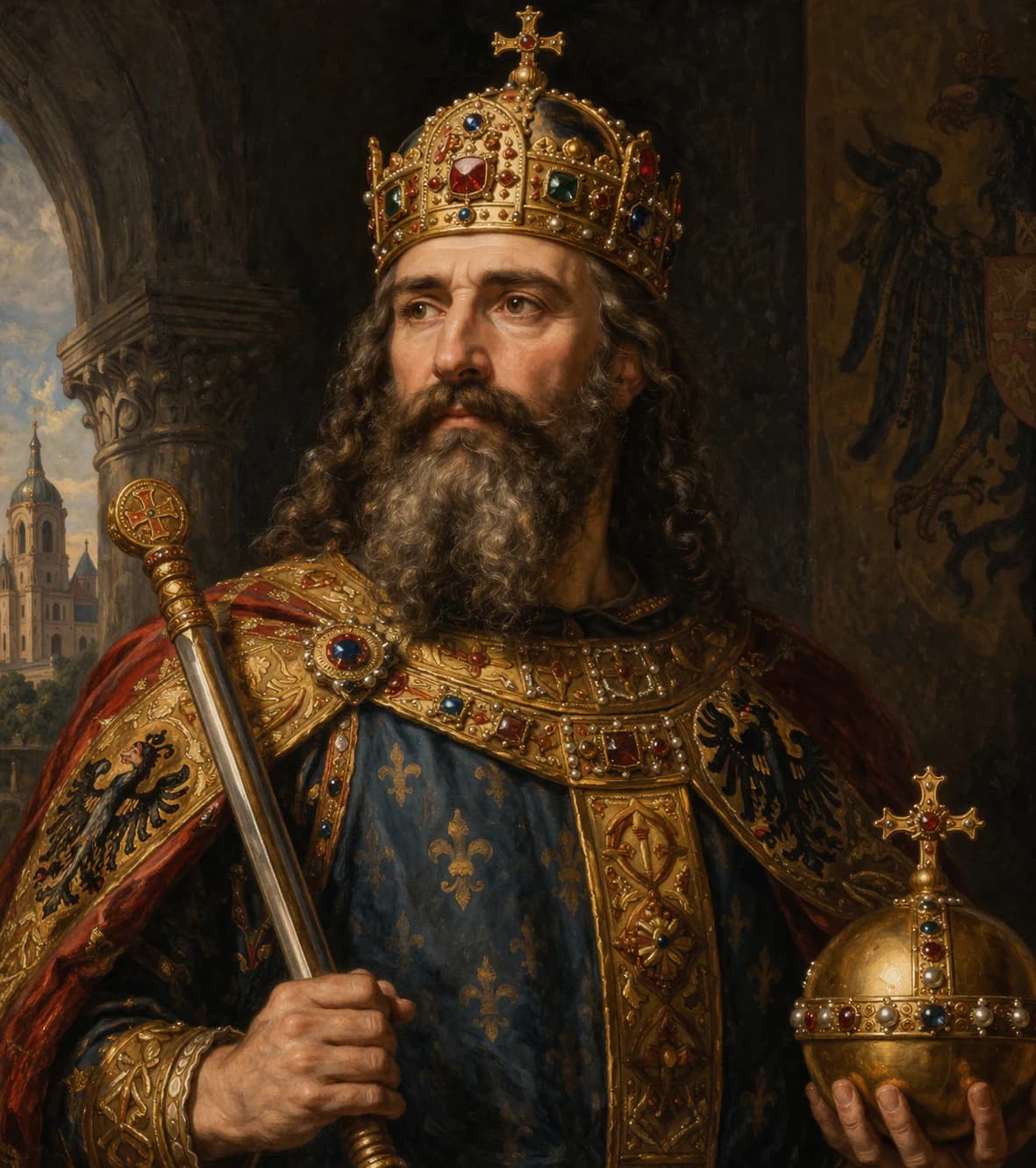
The coronation at Aachen placed Otto within the memory of Carolingian rule. Churchmen blessed the new king, while leading nobles participated in the ceremony. That public recognition mattered in a kingdom held together through personal obligations. Otto intended to exercise greater control over the dukes, bringing the promise of royal authority into conflict with local power.

938–941

His own family rebels

Family connections did not prevent rivalry. Otto’s opponents could gather dukes and churchmen around competing expectations of royal favour. Victories broke the rebellions, but pardons and renewed appointments also helped repair the monarchy. His treatment of his brother Henry shows the practical balance: punishment might remove a threat, while reconciliation could recover a useful ally.

951

An Italian marriage

Adelaide’s position connected Otto to the struggle for rule in northern Italy. His intervention in 951 and their marriage widened the interests of his dynasty beyond the East Frankish kingdom. The Italian crown promised prestige and resources, but also involved him in rival claims south of the Alps. Marriage opened a political route that soldiers still had to defend.

955

Victory at Lechfeld

The battle of Lechfeld came after a dangerous rebellion involving Otto’s son Liudolf and other magnates. Magyar raiding added an external threat to the monarchy’s internal crisis. Victory in 955 became a defining achievement of Otto’s reign and reduced the danger from western Magyar incursions. Military success gave him stronger grounds for demanding recognition from allies and opponents.

950s–960s

Power through the Church

Otto supported church foundations and used relationships with bishops to exercise authority across the kingdom. Religious patronage and practical government reinforced each other: ecclesiastical communities possessed property, learning and networks of obligation. This was cooperation with powerful institutions, not a modern civil service. Later rulers would discover how contested royal influence over church office could become.

962

The crown in Rome

John XII sought assistance against opponents in Italy, while Otto sought the dignity associated with Charlemagne’s coronation. Their arrangement produced the imperial ceremony of 962. It did not restore ancient Rome’s administration or eliminate the eastern emperor’s competing Roman identity. Its lasting significance was the connection between German kingship and the western imperial crown.

963–972

An uneasy imperial partnership

The emperor’s relationship with the papacy quickly became a struggle over loyalty and authority. Otto backed the deposition of John XII and the selection of another pope, showing how protection could become intervention. Relations with Byzantium mixed conflict and negotiation. The marriage of his son Otto II to Theophanu in 972 supplied an important connection between the two imperial worlds.

973

A dynasty survives him

Otto’s patronage made Magdeburg a major religious centre and a fitting place for his burial. His successors maintained the connection between their northern kingship and Italy, though each faced different constraints. The empire’s later name and constitutional machinery developed over centuries. Otto left a durable political relationship, not the completed institutions of the realm that ended in 1806.

Continue in context

Connected stories

Move from the profile into the wider events and settings this figure belongs to.

Tertiary paths

Content note

This profile is written for educational use and connects to related Stories of History pages. The main portrait is an AI-assisted historical reconstruction, included as an illustrative aid rather than documentary evidence. Image policy Image attribution

References

Sources & Further Reading

Reliable reference works, archives and reading paths connected to this profile.

Sources used

  1. Deutsche Biographie, “Otto I.,” accessed 2 October 2026.

    Life, family, kingship and campaigns; older biographical judgements are not adopted.

    Open source
  2. The Metropolitan Museum of Art, “Ottonian Art,” accessed 2 October 2026.

    Coronations, imperial geography, church patronage and Byzantine relations.

    Open source
  3. The Metropolitan Museum of Art, “Plaque with Christ Receiving Magdeburg Cathedral from Emperor Otto I,” accessed 2 October 2026.

    Magdeburg patronage and contemporary imperial imagery.

    Open source
  4. Encyclopaedia Britannica, 1911 / Wikisource, “Otto I.,” accessed 2 October 2026.

    Public-domain chronology, used critically alongside modern institutional sources.

    Open source

Further reading

  1. Encyclopaedia Britannica, “Search results for Otto I,” accessed June 2026.Open source
  2. WorldCat, “Books and library holdings for Otto I,” accessed June 2026.Open source

Primary sources

  1. Library of Congress, “Search results for Otto I,” accessed June 2026.Open source

Reviewed claim sources

Loading reviewed claim sources...

A monthly route through history

Find out first about the latest published stories, feature notes and occasional Premium offers in one monthly email.