Complete chronology
Full overview and deeper context for every journey step.
1931–1950
Rural beginnings
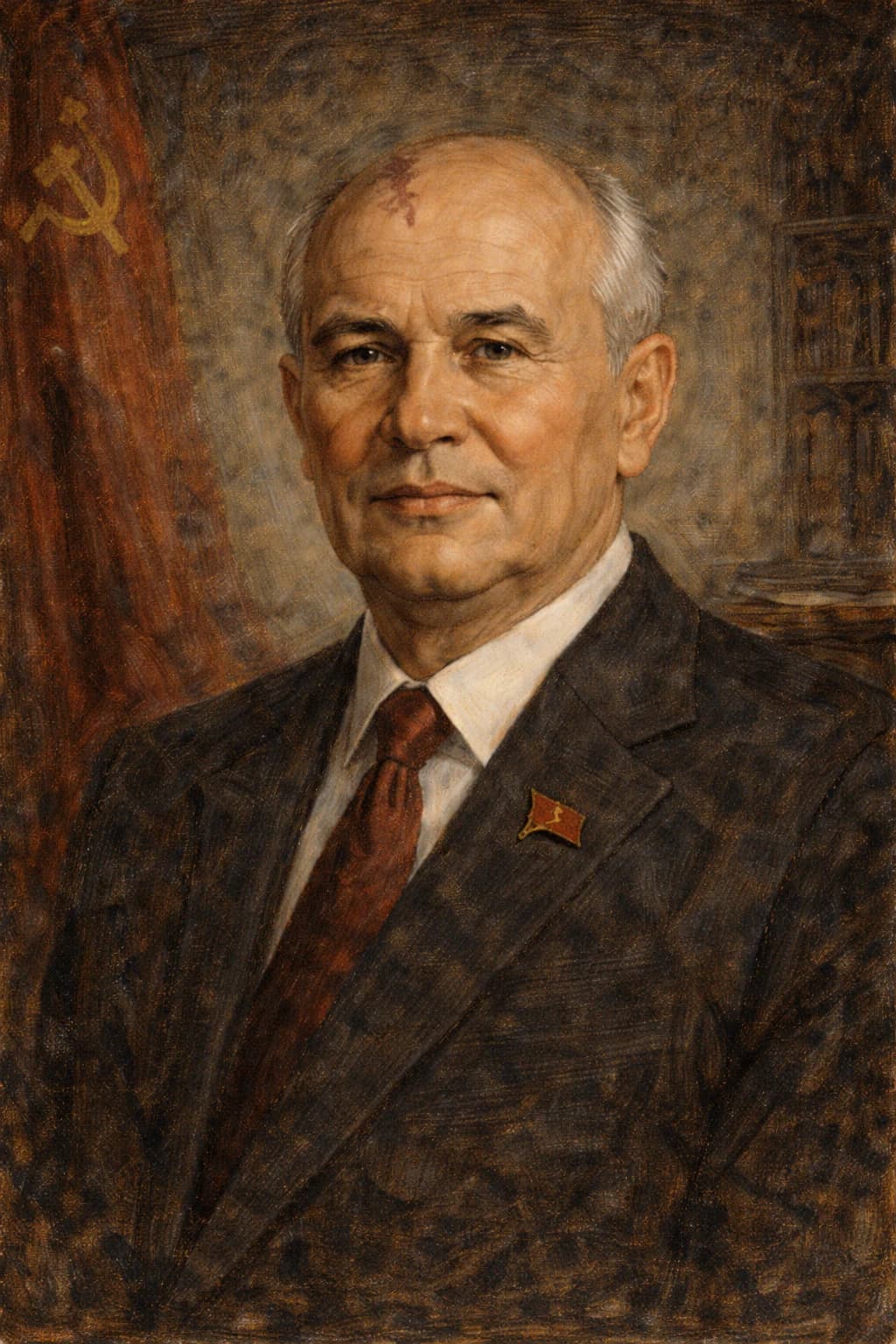
Mikhail Sergeyevich Gorbachev was born in the Stavropol region of southern Russia into a peasant family living inside the upheavals of Stalin's Soviet Union. Collectivisation, famine memories, purges and the Second World War were not abstractions around him. His grandfathers suffered under Stalinist repression, yet the family also worked within Soviet institutions and believed in advancement through education and labour. As a teenager Gorbachev helped operate combine harvesters and earned recognition for agricultural work. That mix of loyalty and remembered trauma mattered. He was never an anti-Soviet outsider. He was a believer formed by the system's promises and its injuries, which made his later reform project both sincere and unstable.
Understanding ordinary life inside the system gave him a rare foundation for later attempts to change it.
1950–1955
University ascent
Gorbachev's move to Moscow State University in 1950 carried him from provincial agriculture into the Soviet elite's educational bloodstream. He studied law, joined the Communist Party and encountered a wider intellectual world than his village could offer. The timing was crucial. Stalin was still alive when he arrived; the thaw associated with Nikita Khrushchev began soon after. Gorbachev belonged to the generation that could imagine reform because it had seen Stalinism questioned from within the party itself. At university he met Raisa Titarenko, whose education, seriousness and partnership shaped his private and public life. Moscow taught him how power worked, but also that Soviet politics did not have to remain frozen forever.
His education was as much about relationships and positioning as it was about formal study.
1955–1978
Climbing ranks
After graduation, Gorbachev returned to Stavropol and built a career in the regional Komsomol and Communist Party apparatus. His rise was not glamorous, but it was politically important. Agriculture remained one of the Soviet Union's chronic weaknesses, and Stavropol's role as a farming region gave him experience with targets, shortages, incentives and the gap between official reporting and lived reality. He impressed senior figures who visited the region, including Yuri Andropov, whose patronage later helped bring him to Moscow. Gorbachev learned the system's language fluently, but he also saw its evasions. He was a reform-minded insider: ambitious, orthodox enough to advance, curious enough to know the old methods were failing.
His rise depended on working within the system while quietly testing its limits.
1978–1985
Into the center
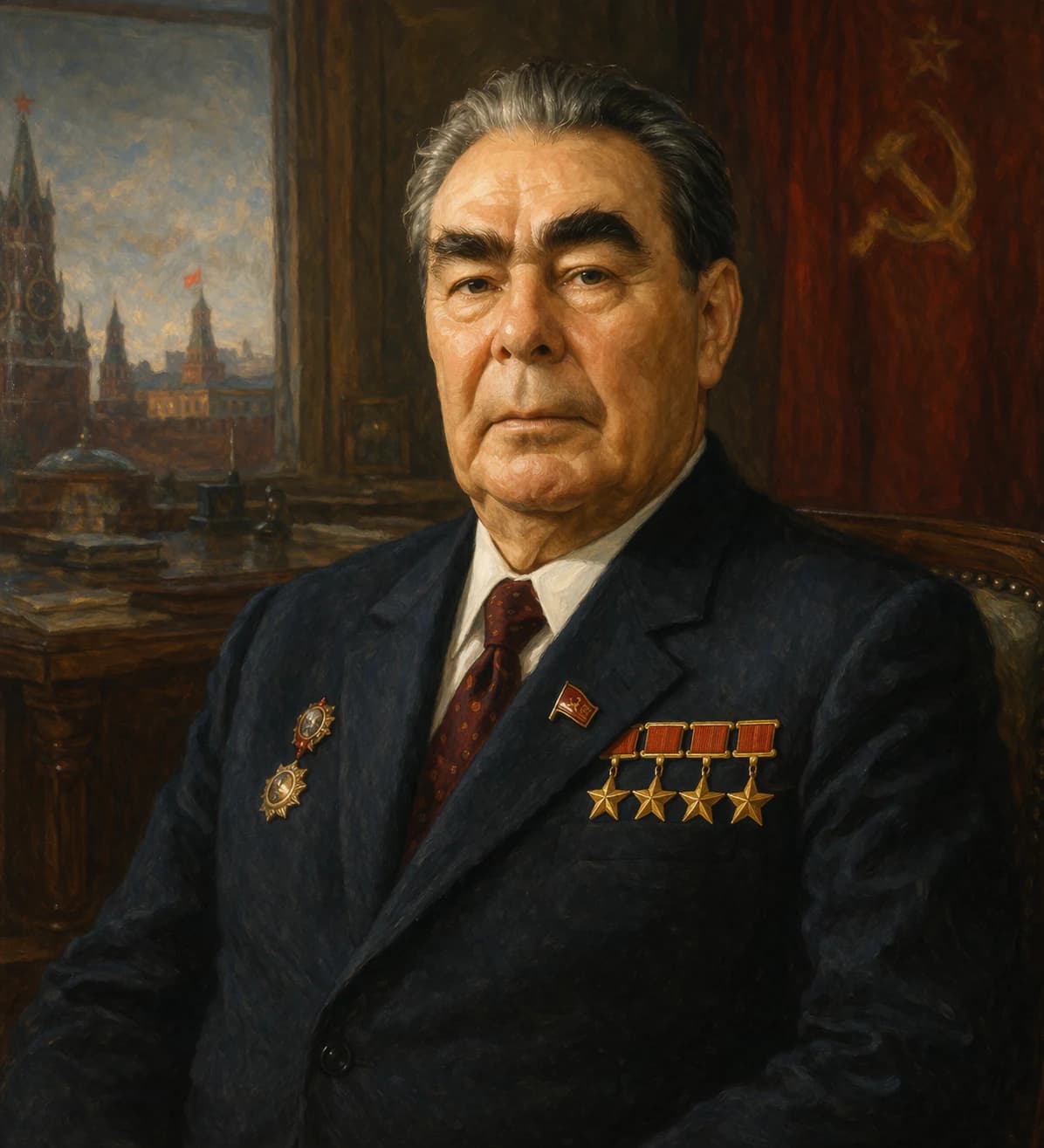
Gorbachev moved into the central leadership in 1978 and joined the Politburo in 1980. The contrast was striking. The Soviet Union was led by ageing men whose language of confidence concealed economic slowdown, technological lag, corruption, alcoholism, cynicism and the exhausting costs of military competition. Gorbachev travelled abroad, observed Western prosperity and spoke with unusual directness by Soviet standards. He did not yet propose dismantling one-party rule, but he believed the party had to regain vitality through honesty, discipline and renewal. The rapid deaths of Brezhnev, Andropov and Chernenko between 1982 and 1985 made the leadership crisis impossible to hide. Gorbachev became the candidate of generational change.
Seeing both internal stagnation and external alternatives sharpened his desire for change.
1985
Becoming leader
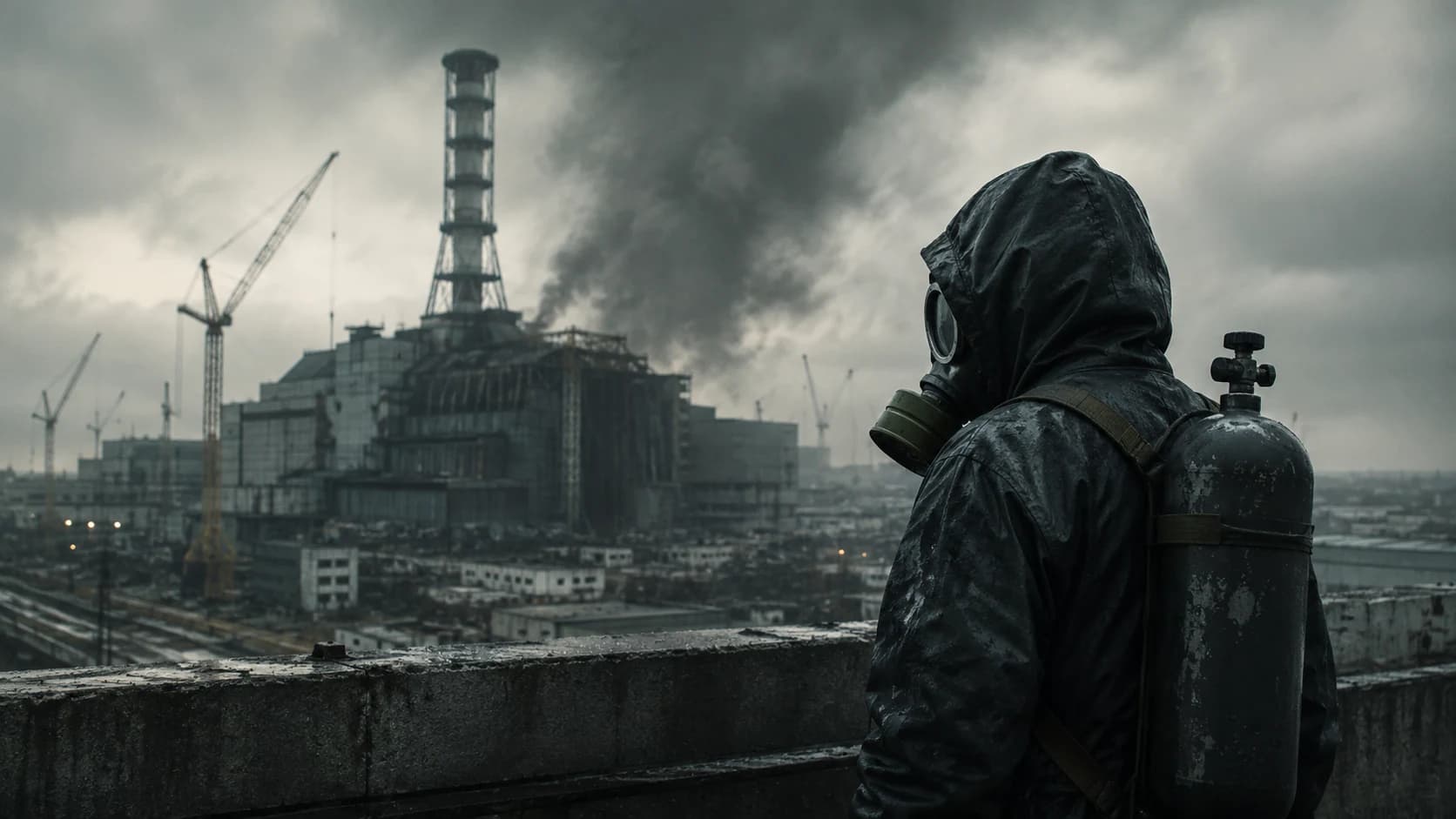
When Gorbachev became General Secretary on 11 March 1985, he inherited a superpower with nuclear parity and imperial reach, but also a brittle domestic order. His early programme emphasised uskorenie, acceleration, before the better-known language of perestroika and glasnost took hold. He wanted economic modernisation, cleaner administration, more initiative and a political culture less dependent on fear and falsification. The Chernobyl disaster in 1986 strengthened his conviction that secrecy was itself a danger to the state. Yet the contradiction was present from the beginning. Gorbachev wanted a more honest Soviet system, but honesty revealed why so many citizens no longer trusted the system to reform itself.
His reforms began as an effort to save the system, not replace it.
1986–1989
Opening society
Glasnost changed Soviet life with astonishing speed. Newspapers, television and public forums began discussing corruption, Afghanistan, Stalin's terror, environmental disasters, economic failure and national grievances that had long been suppressed. The loosening of fear created energy, but it also destroyed the old monopoly over truth. Perestroika was harder. Partial market mechanisms, enterprise autonomy and political reform disrupted command structures without creating a functioning alternative. Shortages worsened, expectations rose and conservatives resisted. Gorbachev introduced competitive elections and weakened the party's automatic control, believing participation would strengthen socialism. Instead, the reforms gave critics platforms, national movements legitimacy and ordinary citizens evidence that the centre no longer knew how to command.
Once people were allowed to speak freely, control over the narrative quickly slipped away.
1987–1991
Ending tensions
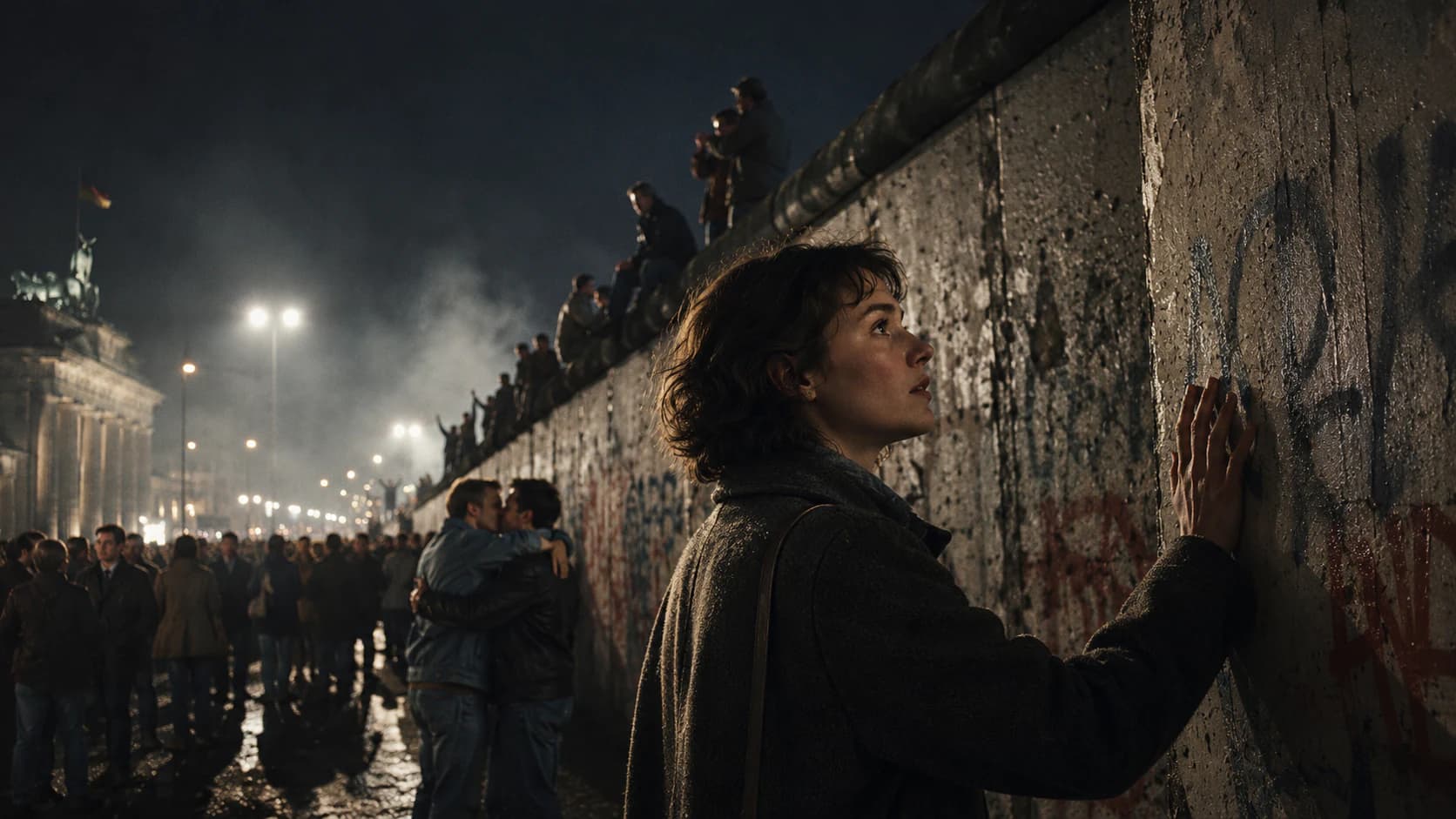
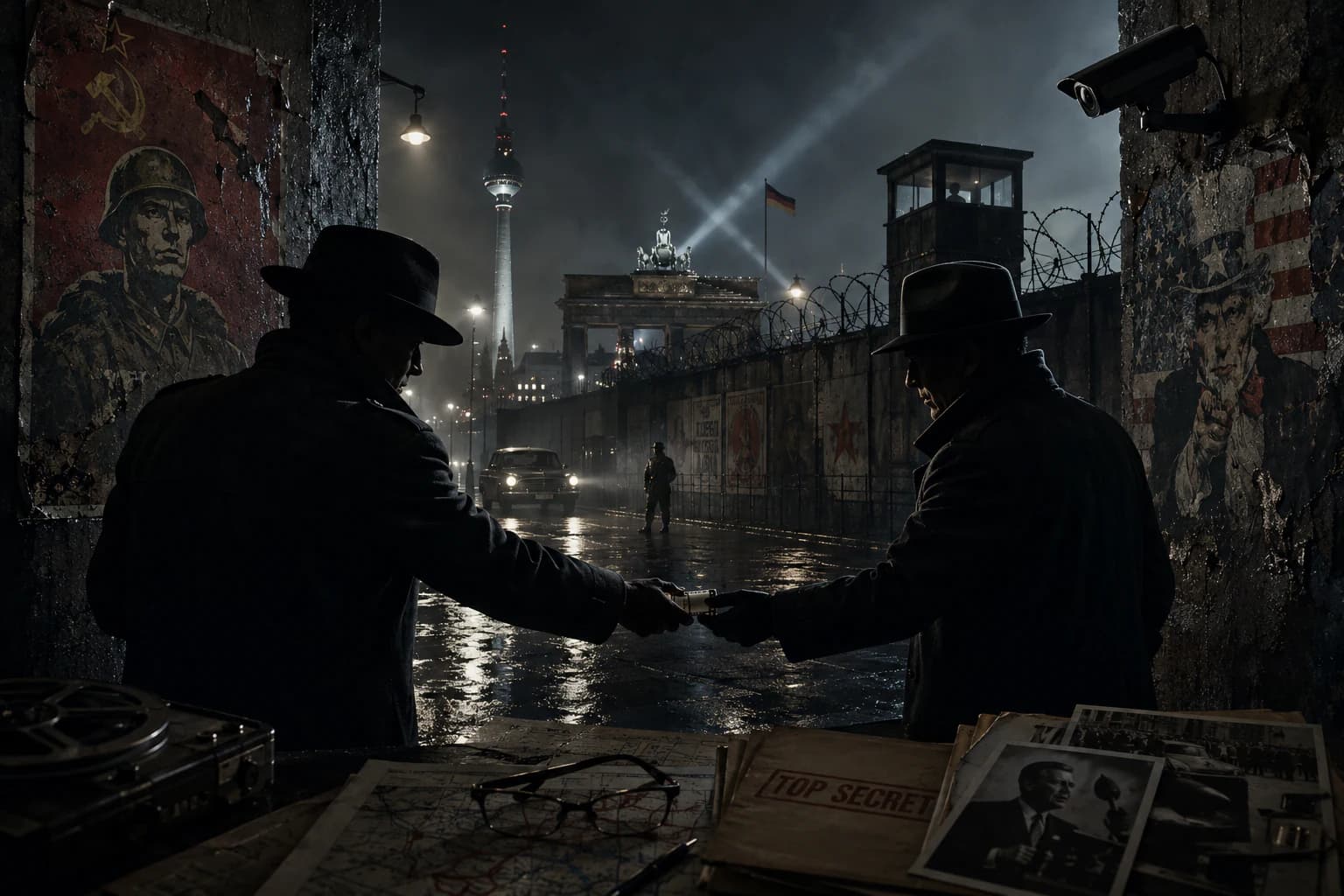
Gorbachev's foreign policy was one of the most consequential acts of restraint in modern history. He recognised that the Soviet Union could not renew itself while carrying the full burden of arms race, empire and ideological confrontation. With Ronald Reagan and then George H. W. Bush, he negotiated major arms-control agreements, most notably the 1987 Intermediate-Range Nuclear Forces Treaty. He withdrew Soviet forces from Afghanistan and signalled that Eastern European communist governments could no longer rely on automatic Soviet military rescue. In 1989 that choice mattered more than any speech. Poland, Hungary, East Germany, Czechoslovakia, Bulgaria and Romania changed at extraordinary speed. The Berlin Wall fell because Moscow did not send tanks to save it.
Restraint abroad had profound consequences for both global stability and his own authority at home.
1990–1991
System unravels
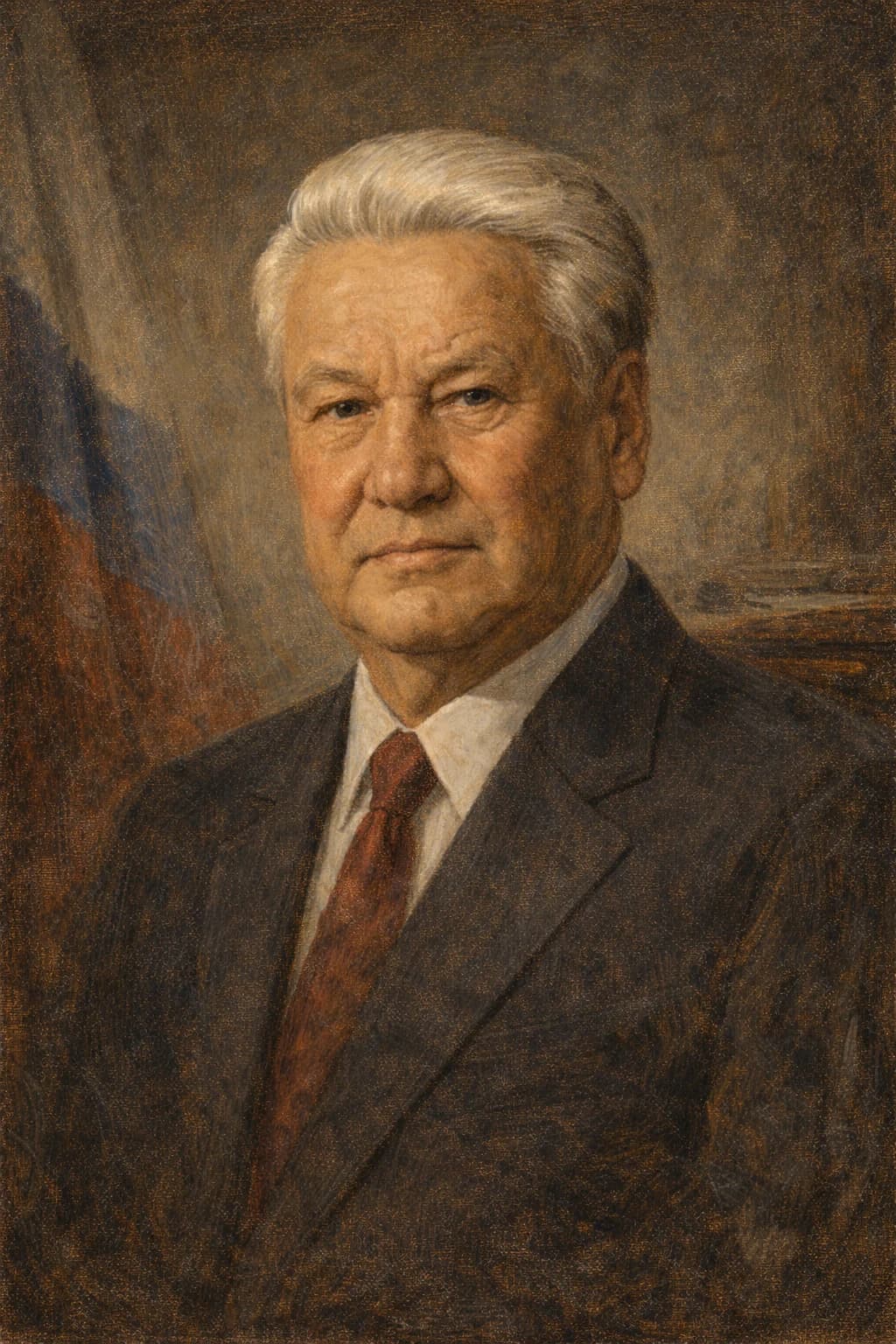
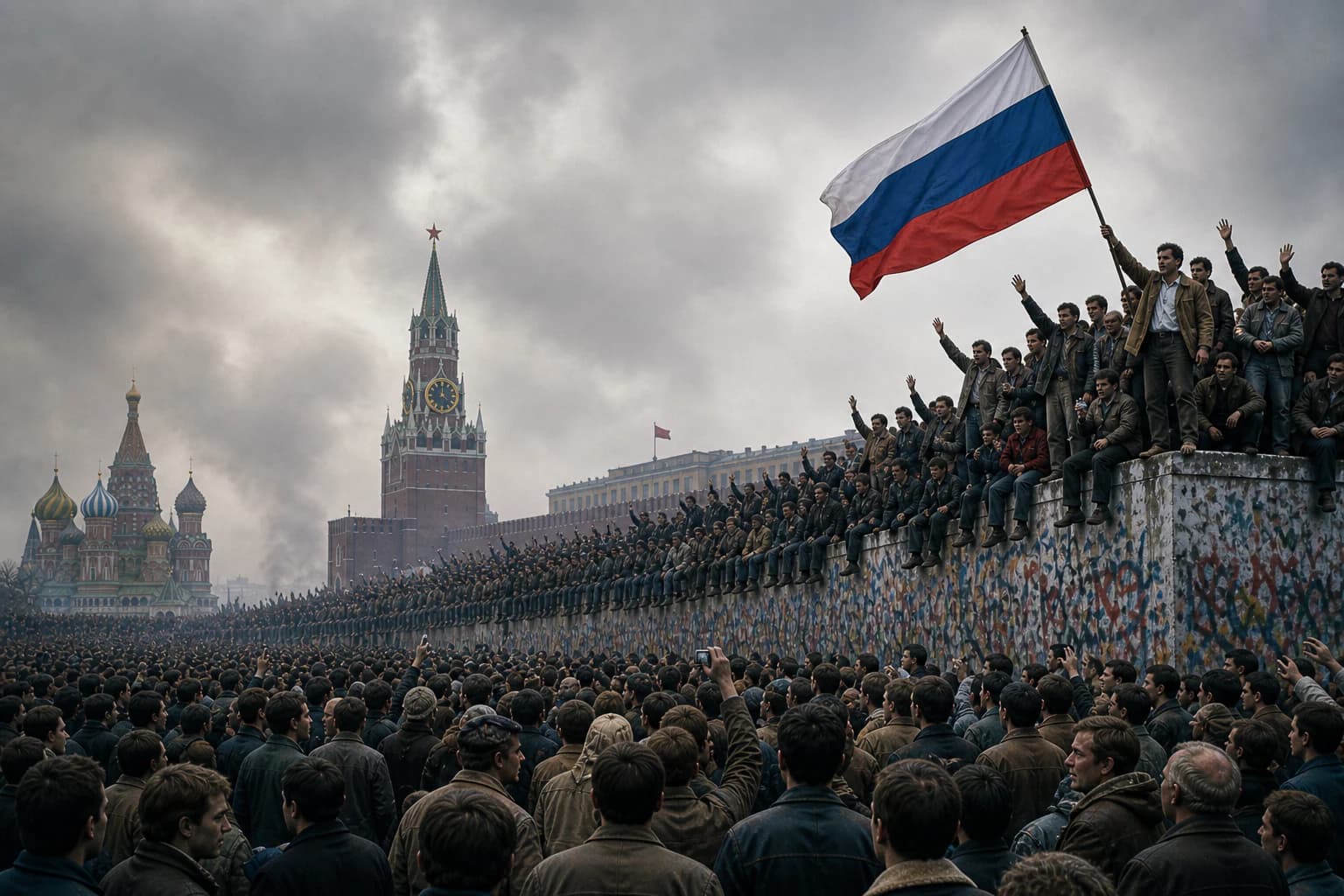
The Soviet Union's collapse was not a single decision. It was a chain reaction. Baltic independence movements, unrest in the Caucasus, Russian republican politics and economic breakdown all weakened the centre. Gorbachev created the office of Soviet president in 1990, but authority was moving away from the union government and toward republican leaders, especially Boris Yeltsin in Russia. Gorbachev tried to negotiate a new Union Treaty that would preserve a looser federation. Hardliners saw betrayal and launched the August 1991 coup. The coup failed, partly because Yeltsin turned resistance into political theatre and partly because the old coercive machine hesitated. Afterward the Communist Party was discredited, the republics accelerated independence, and in December 1991 the USSR ceased to exist. Gorbachev resigned because there was no union left to lead.
Reform released pressures that the existing system could no longer contain.
1991–2022
Enduring legacy
Gorbachev's afterlife was divided almost perfectly between global admiration and domestic ambivalence. Outside Russia he was celebrated as the leader who helped end the Cold War without a superpower war, accepted German reunification, reduced nuclear danger and allowed Eastern Europe to choose its own path. Inside Russia and other former Soviet spaces, memories were more painful. The 1990s brought economic shock, lost savings, diminished international status and political disorder; many blamed Gorbachev for opening gates he could not control. He defended his intentions to the end, insisting that reform was necessary and that the union could have survived democratically. He died in 2022, still a paradox: a communist reformer who made freedom possible, a peacemaker who lost an empire, and a leader whose greatest achievement was refusing the level of violence that might have kept him in power.
His legacy depends on whether one values stability or transformation more highly.