King in Aquitaine
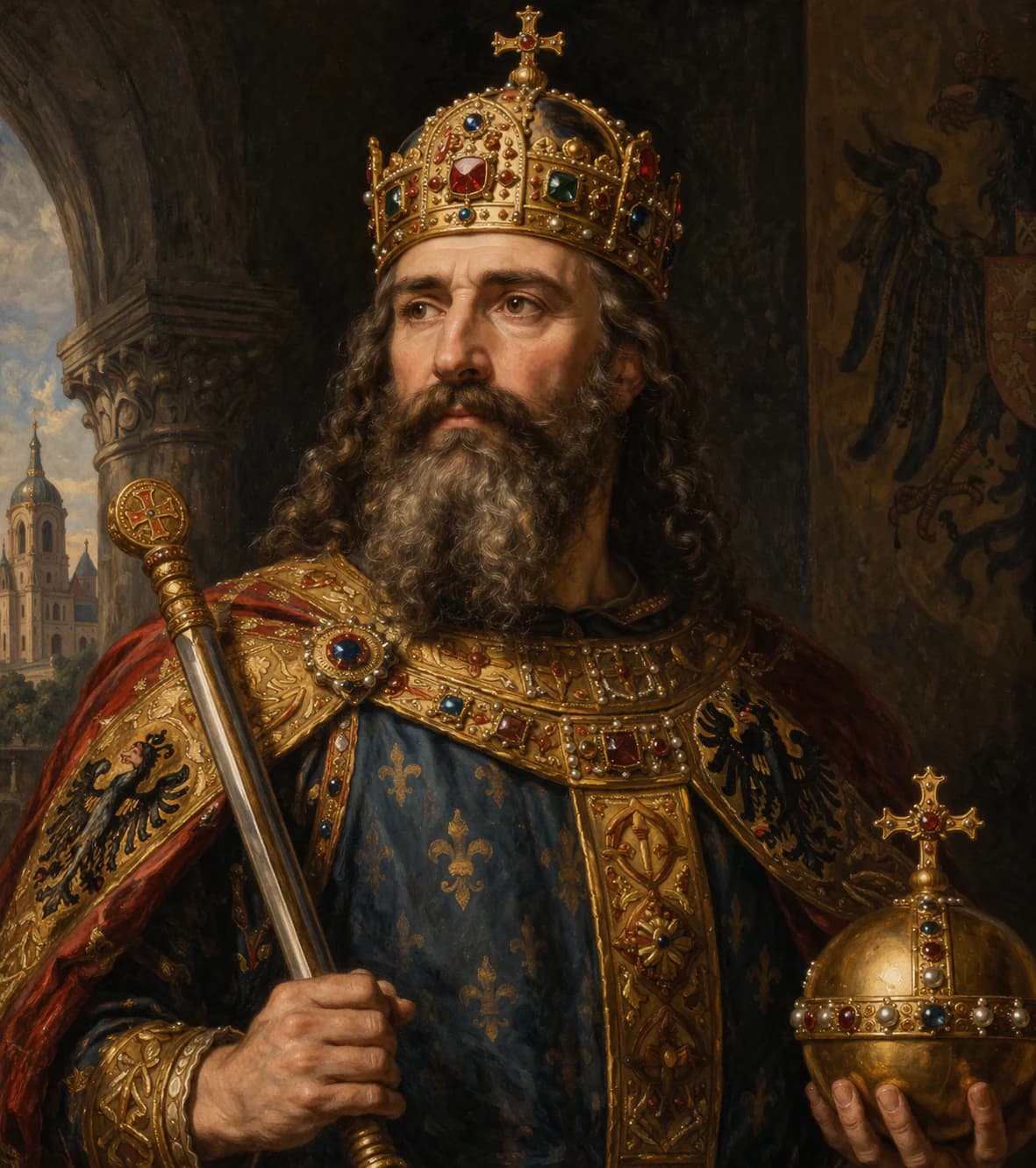
Louis was made king of Aquitaine as a child, learning Carolingian rule on the empire's southwestern frontier.
Louis the Pious was Charlemagne's surviving son and Carolingian emperor from 814 to 840. His reign combined religious reform with succession crises that led to civil war and the later Treaty of Verdun.
Carolingian emperor (778-840)

Additional identity and tagging details that are not already covered in the introduction.
Selected specifics from this profile's life story.
Louis was made king of Aquitaine as a child, learning Carolingian rule on the empire's southwestern frontier.
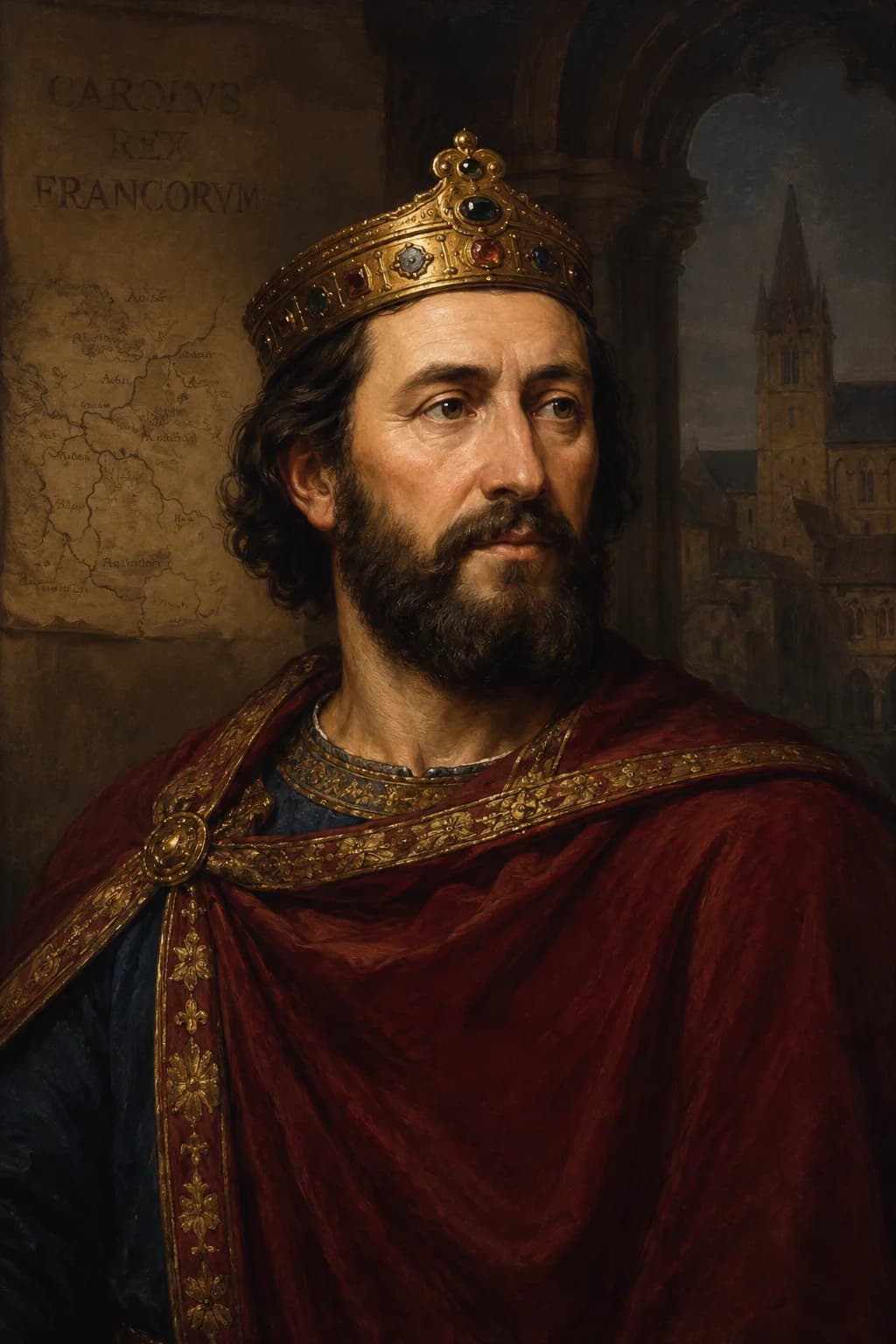
After Charlemagne's other adult sons died, Louis became the main heir and was crowned co-emperor at Aachen in 813.
Louis tried to organise the inheritance, but disputes among his sons and nobles drove repeated rebellions.
Louis died in 840, and conflict among his sons led to the Treaty of Verdun three years later.
Follow Louis from Aquitaine to imperial rule, reform and the succession crisis that reshaped Europe.
Louis was made king of Aquitaine as a child, learning Carolingian rule on the empire's southwestern frontier.
After Charlemagne's other adult sons died, Louis became the main heir and was crowned co-emperor at Aachen in 813.
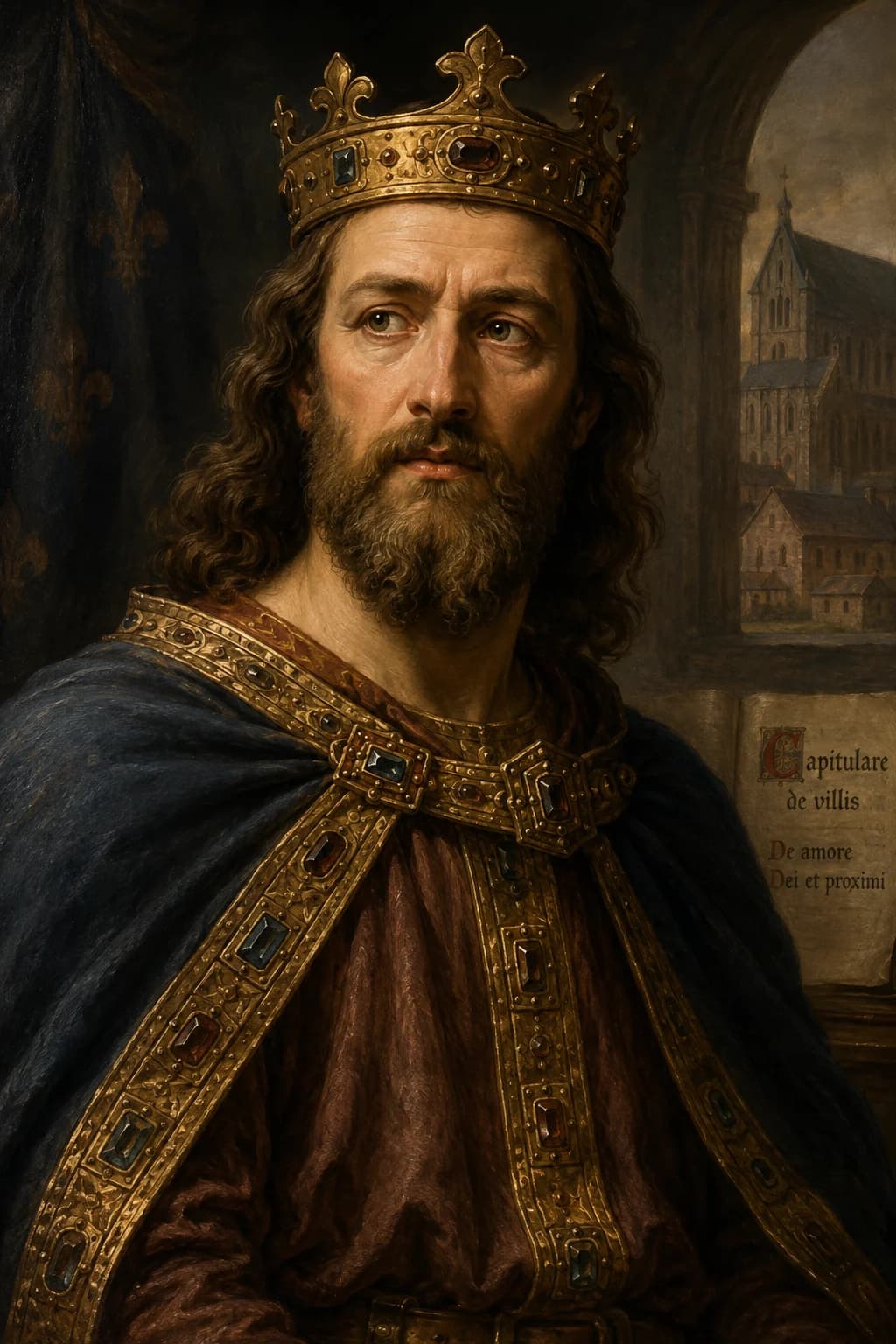
Louis took Christian kingship seriously, supporting reform while presenting imperial rule in deeply religious terms.
Louis tried to organise the inheritance, but disputes among his sons and nobles drove repeated rebellions.
Louis died in 840, and conflict among his sons led to the Treaty of Verdun three years later.
Move from the profile into the wider events and settings this figure belongs to.
This profile is written for educational use and connects to related Stories of History pages. Illustrations are original artistic interpretations.
Find out first about the latest published stories, feature notes and occasional Premium offers in one weekly email.