People

Leonardo da Vinci

Leonardo da Vinci was an Italian Renaissance artist, engineer and anatomist whose paintings, notebooks and studies of nature made him one of history's most influential creative thinkers.

Born
1452 CE
Died
1519 CE
Role
Italian artist and engineer

Italian artist and engineer (1452-1519)

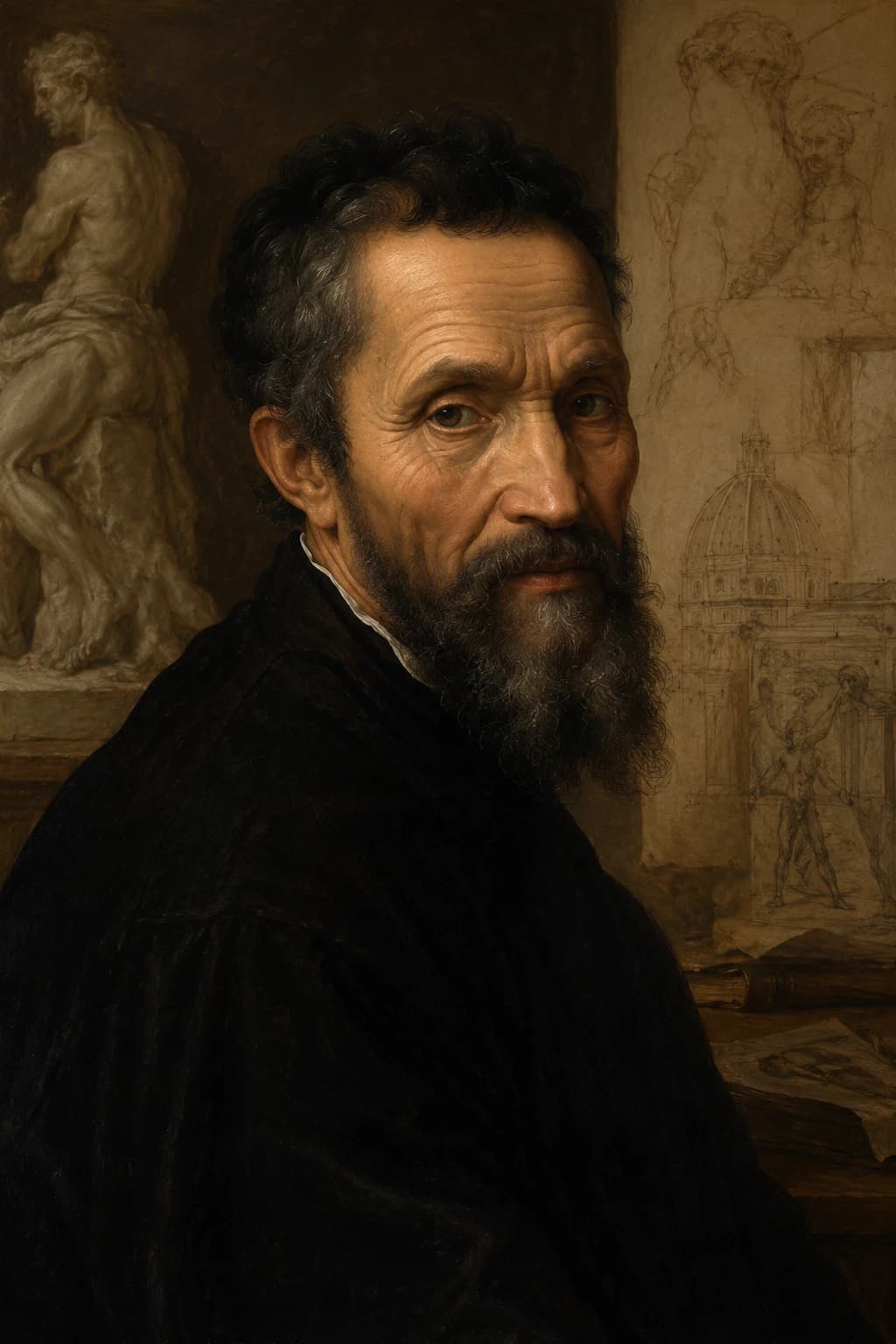
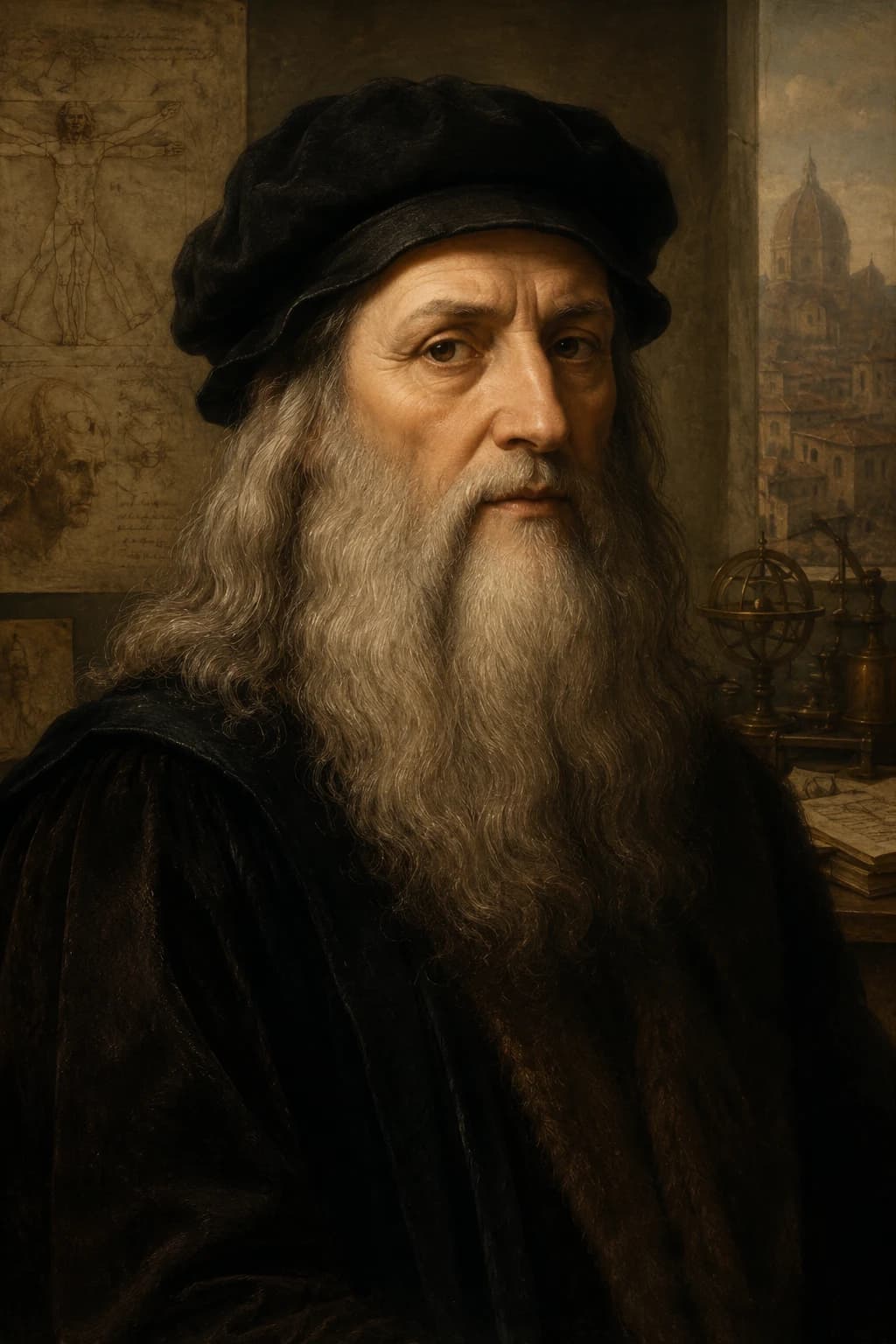
Portrait of Leonardo da Vinci with anatomical sketches and scientific instruments
Quick facts

Profile details

Additional identity and tagging details that are not already covered in the introduction.

Full name
Leonardo di ser Piero da Vinci
Also known as
Leonardo
Facts

Leonardo da Vinci timeline facts

Selected specifics from this profile's life story.

1452
Born near Vinci

Leonardo was born near Vinci in Tuscany in 1452 and entered a world where craft, trade, and humanist culture were transforming art.

1482-1499
Milanese court

Leonardo worked for Ludovico Sforza in Milan, combining court art, engineering proposals, and major paintings.

1500s
Late masterpieces

Works such as the Mona Lisa showed Leonardo's ability to combine technical subtlety with psychological presence.

After 1519
Renaissance symbol

After his death in France in 1519, Leonardo became a symbol of Renaissance curiosity across art, science, and invention.

Life Journey

A mind built from looking closely

Follow Leonardo across workshops, courts, paintings, machines, and notebooks that turned curiosity into method.

1452

Born near Vinci

Leonardo was born near Vinci in Tuscany in 1452 and entered a world where craft, trade, and humanist culture were transforming art.

1460s-1470s

Florentine workshop

In Verrocchio's workshop, Leonardo learned painting, sculpture, design, and the disciplined habits of observation.

1482-1499

Milanese court

Leonardo worked for Ludovico Sforza in Milan, combining court art, engineering proposals, and major paintings.

1490s-1510s

Nature as teacher

Leonardo studied anatomy, water, flight, optics, and machines, treating nature as something to be observed directly.

1500s

Late masterpieces

Works such as the Mona Lisa showed Leonardo's ability to combine technical subtlety with psychological presence.

After 1519

Renaissance symbol

After his death in France in 1519, Leonardo became a symbol of Renaissance curiosity across art, science, and invention.

Continue in context

Connected stories

Move from the profile into the wider events and settings this figure belongs to.

Tertiary paths

Content note

This profile is written for educational use and connects to related Stories of History pages. Illustrations are original artistic interpretations.

References

Sources & Further Reading

Reliable reference works, archives and reading paths connected to this profile.

Further reading

  1. Encyclopaedia Britannica, Search results for Leonardo da Vinci,” accessed June 2026.Open source
  2. WorldCat, Books and library holdings for Leonardo da Vinci,” accessed June 2026.Open source

Primary sources

  1. Library of Congress, Search results for Leonardo da Vinci,” accessed June 2026.Open source

A weekly route through history

Find out first about the latest published stories, feature notes and occasional Premium offers in one weekly email.