People

Kurt von Schleicher

Kurt von Schleicher was a German general, defence minister and Chancellor of Germany from December 1932 to January 1933. His failed attempt to split Nazi support preceded Hitler's appointment as chancellor.

Born
1882 CE
Died
1934 CE
Role
German general and Chancellor of Germany

German general and Chancellor of Germany (1882-1934)

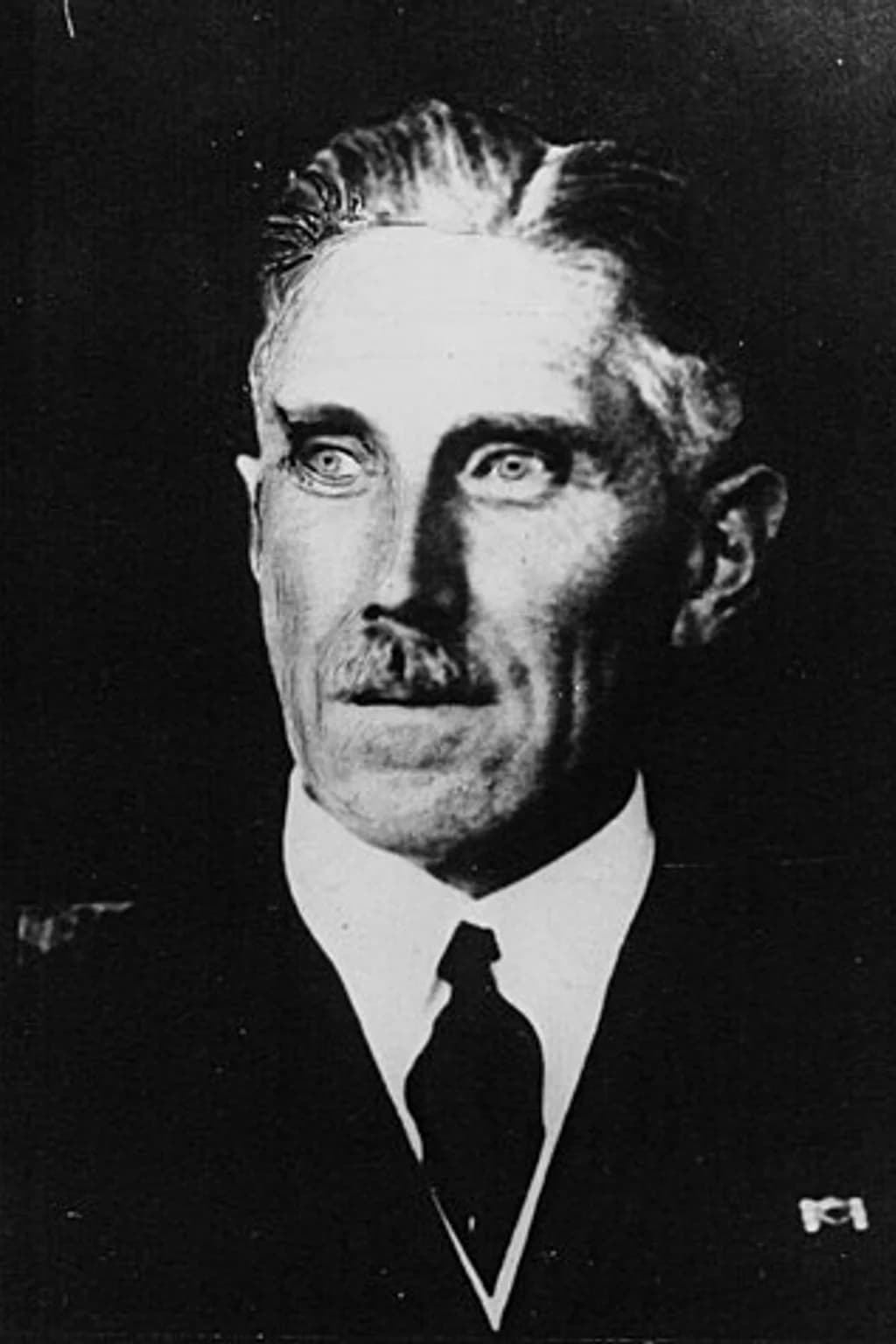
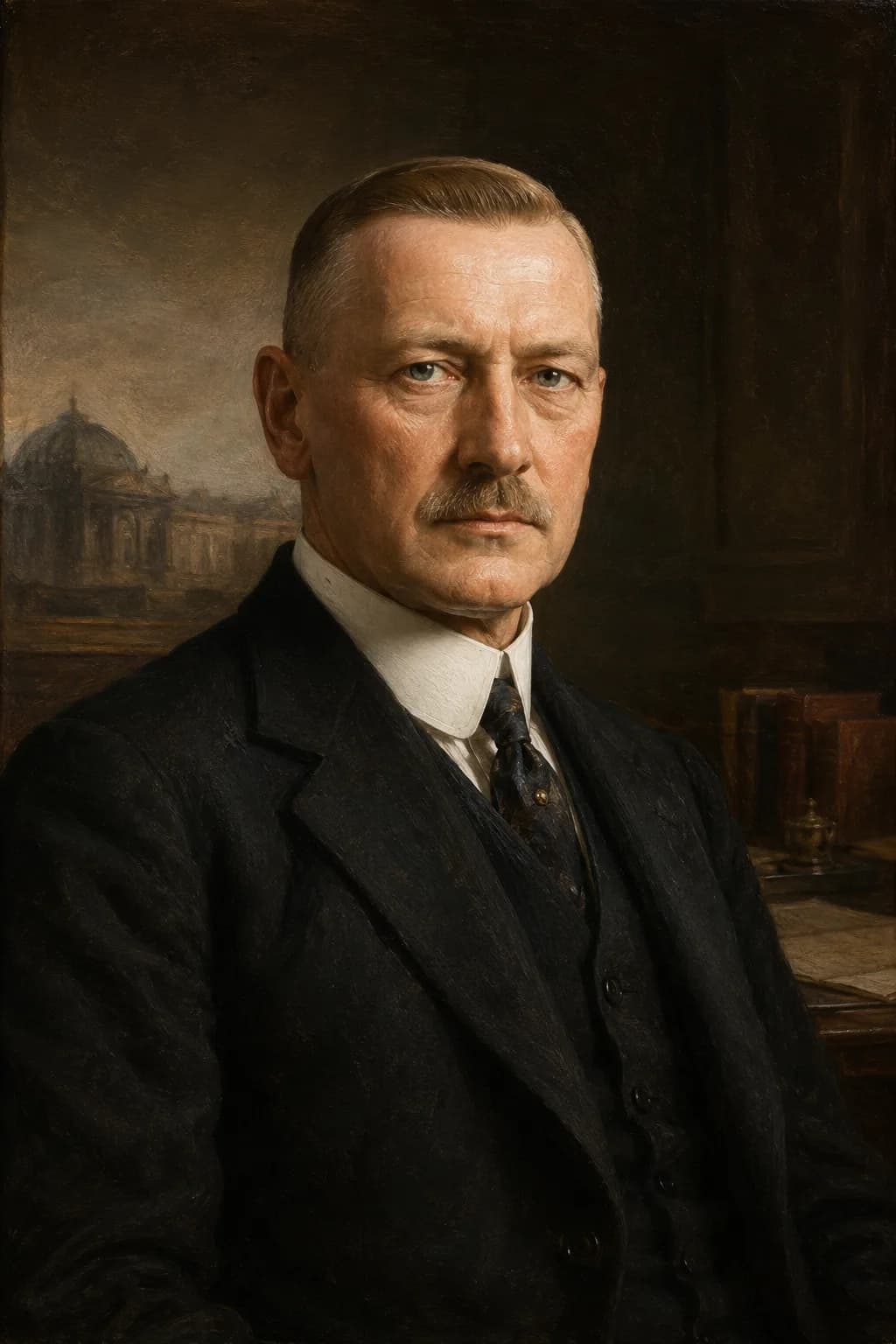
AI-generated portrait of Kurt von Schleicher in formal civilian attire
AI-assisted historical reconstruction

An illustrative reconstruction based on historical context. It is not a photograph or documentary likeness. Image policy

Quick answer

Kurt von Schleicher was a German general, defence minister and Chancellor of Germany from December 1932 to January 1933. His failed attempt to split Nazi support preceded Hitler's appointment as chancellor.

Born
1882 CE
Died
1934 CE
Role
German general and Chancellor of Germany
Years
1882-1934 CE
Quick facts

Profile details

Additional identity and tagging details that are not already covered in the introduction.

Full name
Kurt Ferdinand Friedrich Hermann von Schleicher
Also known as
General Schleicher, Chancellor Schleicher, Schleicher
Facts

Kurt von Schleicher timeline facts

Selected specifics from this profile's life story.

1882
Prussian army world

Kurt von Schleicher was born into a Prussian military family and trained inside the officer culture that shaped imperial Germany.

1930-1932
Presidential cabinets

Schleicher helped make presidential government normal, weakening parliamentary rule before Hitler entered office.

1932-1933
Brief chancellorship

Schleicher became chancellor in December 1932, but his attempt to split Nazi support and build a cross-party base failed quickly.

1934
Night of the Long Knives

Schleicher and his wife Elisabeth were murdered during the Night of the Long Knives, when Hitler eliminated rivals and old enemies.

Life Journey

From army fixer to last chancellor before Hitler

Follow the story in a more continuous narrative, with a reading mode that matches how much depth you want.

Complete chronology

1882

Prussian army world

Kurt Ferdinand Friedrich Hermann von Schleicher was born in Brandenburg an der Havel in 1882. His path ran through the Prussian cadet system and into the army, where hierarchy, discipline, staff work and loyalty to the officer corps carried enormous weight. He was not a mass politician and never became one. His world was barracks, ministries, presidential access and private negotiation. That background mattered because the final years of Weimar were increasingly shaped by men who distrusted parliamentary politics but believed they could manage the state from above.
1920s

Reichswehr power broker

In the 1920s Schleicher became a central link between the Reichswehr and civilian government. The Treaty of Versailles had limited Germany's army, but the officer corps remained politically important and determined to preserve its independence. Schleicher operated behind the scenes, cultivating ministers, advisers, journalists and President Hindenburg's circle. He was pragmatic, secretive and ambitious for the army as a stabilising force above party conflict. That made him influential, but it also drew him toward authoritarian solutions. He treated parliamentary weakness as a problem to be bypassed rather than repaired.

1930-1932

Presidential cabinets

As coalition government broke down during the Depression, Schleicher supported the use of presidential cabinets that relied on Hindenburg's emergency powers instead of stable Reichstag majorities. This seemed to men like Schleicher like a practical answer to deadlock. In reality it hollowed out democratic habit. Chancellors could govern by decree, dissolve parliament and look to the president rather than voters for survival. Schleicher did not create the Nazi movement, but the methods he helped normalise made it easier for an authoritarian leader to inherit constitutional machinery already bent away from parliament.

1932

Defence minister

In 1932 Schleicher became Defence Minister in Papen's cabinet. The government had almost no democratic base, but it possessed presidential authority and the support of conservative elites who wanted a stronger executive state. Papen and Schleicher were involved in the Prussian coup of July 1932, when the elected Social Democratic-led government of Prussia was removed and brought under Reich control. The action badly weakened one of the republic's strongest democratic strongholds. Schleicher later turned against Papen, believing he could build a broader authoritarian coalition of his own.

1932-1933

Brief chancellorship

Schleicher became Chancellor of Germany on 3 December 1932. His plan was to survive the parliamentary deadlock by building a Querfront, or cross-front, drawing support from trade unions, conservative interests and a possible breakaway Nazi faction around Gregor Strasser. It was an ingenious plan on paper and a failure in practice. Hitler refused to surrender his claim to the chancellorship. Strasser could not deliver the Nazi movement. Hindenburg grew impatient, and Papen began negotiating his way back to power by offering Hitler the office Schleicher had tried to deny him.

1933

Replaced by Hitler

Schleicher resigned on 28 January 1933 after Hindenburg refused to give him the powers he needed to continue. On 30 January, Hitler became chancellor in a cabinet that Papen and other conservatives believed they could control. Schleicher had been one of the few high-level conservatives who still saw Hitler as a problem to be managed from outside the chancellorship. Once he was gone, the barrier collapsed. The speed of the transition reveals how fragile the final Weimar governments had become: one failed intrigue, one presidential decision and the leader of the largest extremist party was inside the state.

1934

Night of the Long Knives

On 30 June 1934, during the purge later known as the Night of the Long Knives, Schleicher was shot at his home near Potsdam. His wife Elisabeth was also killed. The Nazis presented the purge as action against treason, but it reached far beyond the SA leadership. Schleicher's murder settled old scores and warned the army, conservatives and former rivals that Hitler's power would not be restrained by law. The man who had spent years trying to manage politics from behind the scenes became one of the dictatorship's early victims.

Continue in context

Connected stories

Move from the profile into the wider events and settings this figure belongs to.

Tertiary paths

Content note

This profile is written for educational use and connects to related Stories of History pages. The main portrait is an AI-assisted historical reconstruction, included as an illustrative aid rather than documentary evidence. Image policy

References

Sources & Further Reading

Reliable reference works, archives and reading paths connected to this profile.

Further reading

  1. Encyclopaedia Britannica, Search results for Kurt von Schleicher,” accessed June 2026.Open source
  2. WorldCat, Books and library holdings for Kurt von Schleicher,” accessed June 2026.Open source

Primary sources

  1. Library of Congress, Search results for Kurt von Schleicher,” accessed June 2026.Open source

Reviewed claim sources

Loading reviewed claim sources...

A weekly route through history

Find out first about the latest published stories, feature notes and occasional Premium offers in one weekly email.