People

Franz von Papen

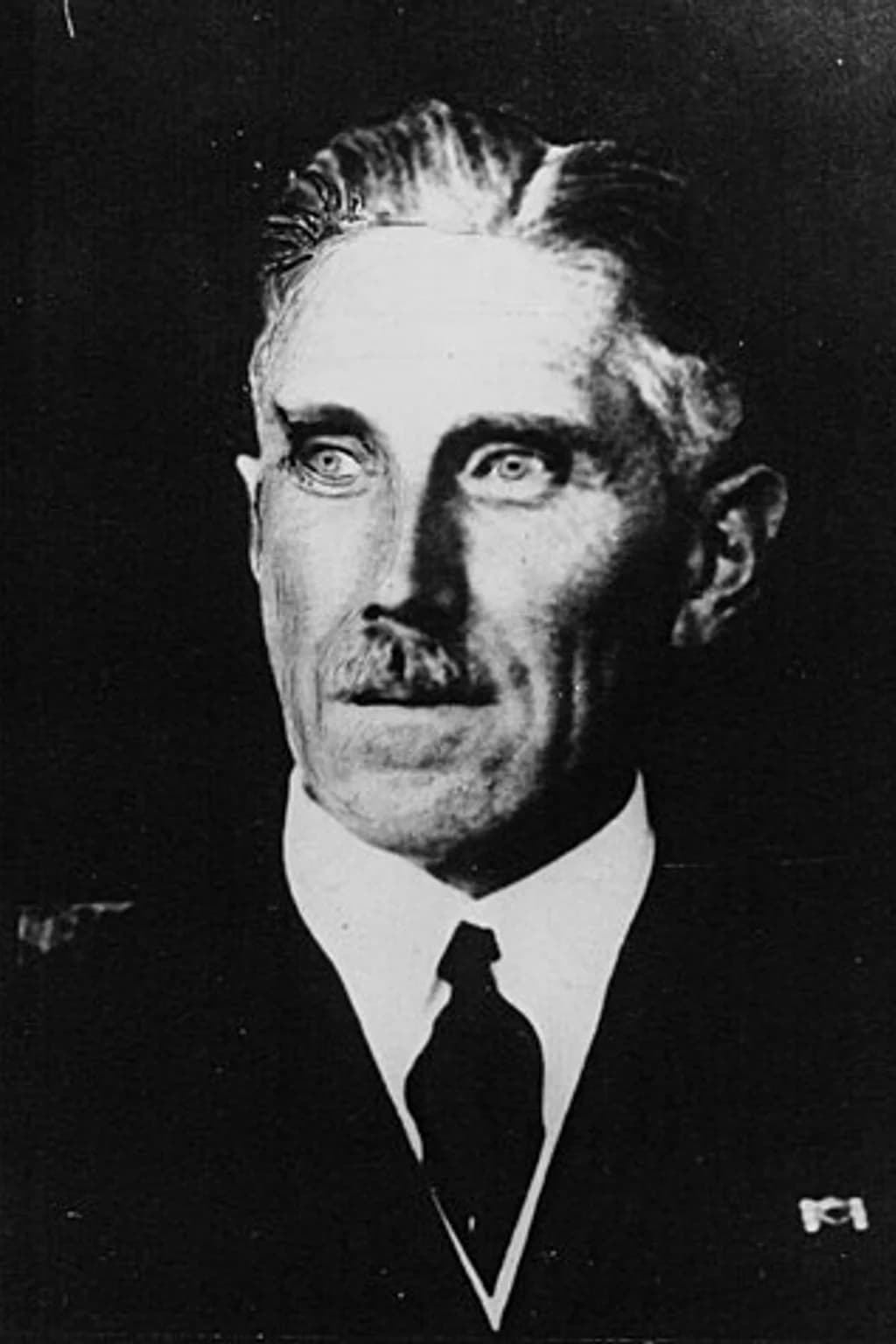
Franz von Papen was a German conservative politician, Chancellor of Germany in 1932 and Vice-Chancellor under Adolf Hitler. He helped persuade President Hindenburg to appoint Hitler chancellor in January 1933.

Born
1879 CE
Died
1969 CE
Role
German chancellor and vice-chancellor

German chancellor and vice-chancellor (1879-1969)

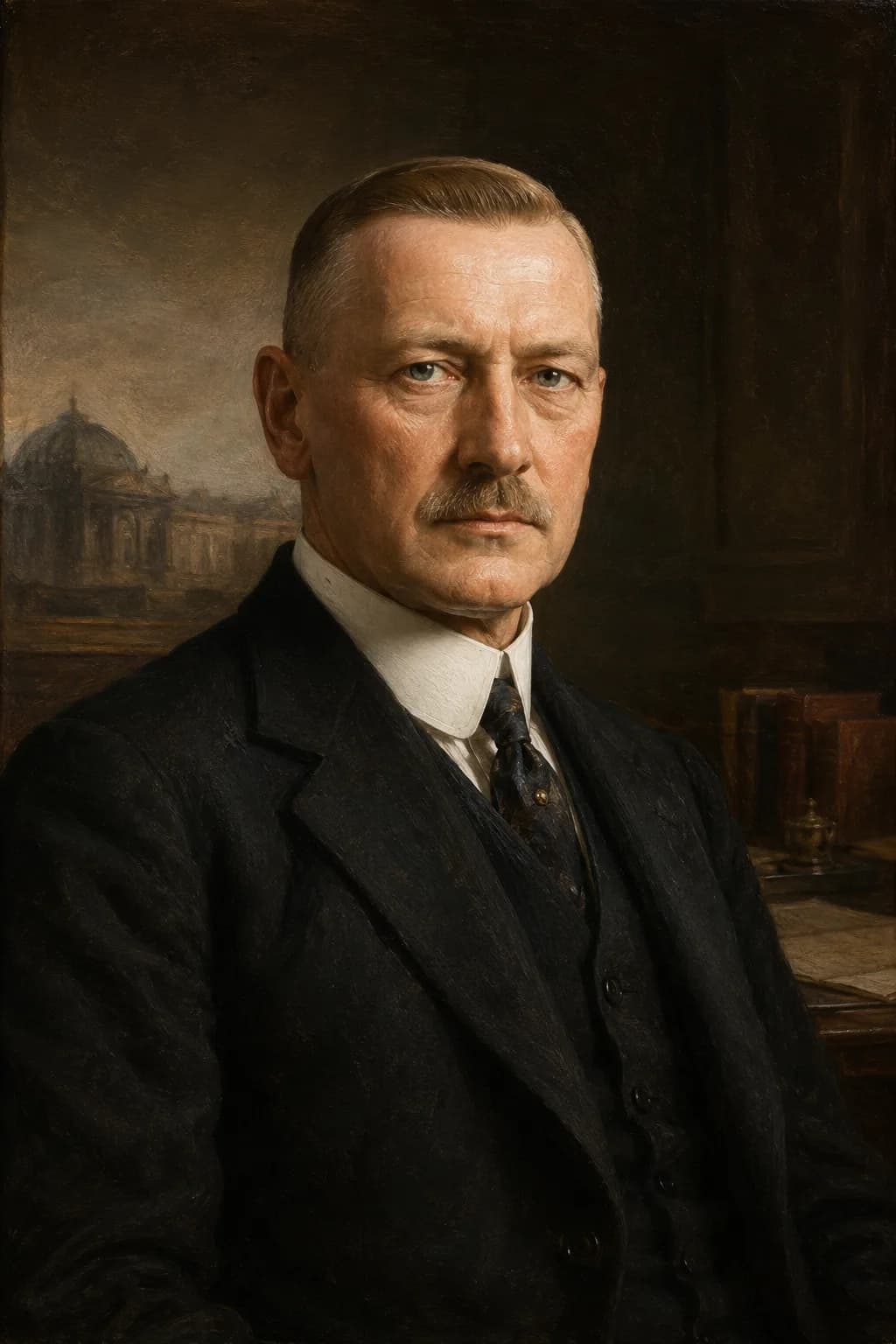
Portrait photograph of Franz von Papen
Historical photograph

A real historical or editorial image is used here. Source, licence and transformation details are publicly recorded. Image policy Attribution

Quick answer

Franz von Papen was a German conservative politician, Chancellor of Germany in 1932 and Vice-Chancellor under Adolf Hitler. He helped persuade President Hindenburg to appoint Hitler chancellor in January 1933.

Born
1879 CE
Died
1969 CE
Role
German chancellor and vice-chancellor
Years
1879-1969 CE
Quick facts

Profile details

Additional identity and tagging details that are not already covered in the introduction.

Full name
Franz Joseph Hermann Michael Maria von Papen
Also known as
Vice-Chancellor Papen, Chancellor Papen, Papen
Facts

Franz von Papen timeline facts

Selected specifics from this profile's life story.

1879
Catholic aristocrat

Franz von Papen was born into a wealthy Catholic aristocratic family in Westphalia and entered the officer class of imperial Germany.

1920s
Conservative Catholic politics

Papen belonged to the Catholic Centre Party but stood on its conservative wing and was never a committed defender of parliamentary democracy.

1933
The Hitler deal

Papen helped persuade Hindenburg to appoint Hitler chancellor, believing a conservative cabinet could control the Nazi leader.

1934-1969
Diplomat and survivor

Papen later served Nazi Germany as ambassador to Austria and Turkey, survived the war and died in West Germany in 1969.

Life Journey

From conservative insider to Hitler's enabler

Follow the story in a more continuous narrative, with a reading mode that matches how much depth you want.

Complete chronology

1879

Catholic aristocrat

Franz Joseph Hermann Michael Maria von Papen was born in Werl in 1879 into a Catholic aristocratic family. His upbringing gave him the habits and assumptions of the old imperial elite: confidence in hierarchy, military service, social polish and suspicion of mass democracy. He trained as an army officer and moved easily through conservative networks. This background mattered because Papen's later politics depended less on popular support than on access. He believed politics could be managed by men of status, connection and will from above.

1910s

Soldier and diplomat

Papen served in the German army and, before the First World War, held diplomatic-military postings in Mexico and the United States. During the war he became associated with German covert activity in North America and was expelled from the United States in 1915. He later served on active fronts and ended the war as part of the defeated imperial officer world. The experience reinforced his taste for intrigue and his contempt for the republican order that followed Germany's defeat. Like many conservatives, he never became emotionally loyal to Weimar democracy.

1920s

Conservative Catholic politics

In the Weimar years Papen sat within the Catholic Centre Party's world, but he was far more conservative than many of its democratic leaders. He valued order, hierarchy and presidential authority more than party compromise. That left him useful to President Hindenburg's advisers when parliamentary coalitions were breaking down. Papen's weakness was also part of his appeal: he had aristocratic respectability but no mass following, which made him seem manageable to those who wanted a cabinet of conservative notables ruling through presidential power.

1932

Chancellor by decree

Hindenburg appointed Papen chancellor in June 1932. His cabinet was sometimes called a cabinet of barons because it drew heavily on conservative elites rather than parliamentary strength. Papen governed by decree, dissolved the Reichstag and lifted restrictions on Nazi paramilitaries in an attempt to reshape the political field. In July 1932 he also moved against the elected government of Prussia, bringing Germany's largest state under Reich control. Papen imagined he was creating order. In practice, he weakened one of Weimar's most important democratic bastions while the Nazis grew stronger.

1932

Ousted by Schleicher

Papen's government could not command the Reichstag, and his plans for continued authoritarian rule alarmed parts of the army and Hindenburg's circle. Kurt von Schleicher, who had helped bring Papen forward, now displaced him. Papen left office in December 1932 angry and determined to return. The rivalry between Papen and Schleicher was more than personal vanity. It shaped the final weeks before Hitler's appointment, as conservative insiders competed to control a crisis none of them could master.

1933

The Hitler deal

In January 1933 Papen negotiated with Hitler and conservative allies to form a new government. The bargain was that Hitler would receive the chancellorship, Papen would become vice-chancellor, and non-Nazi conservatives would hold most cabinet posts. Papen believed this structure would box Hitler in. It was one of the most consequential misreadings in modern European history. Hitler understood that formal office, control of police power through allies, and command of a mass movement would let him move faster than the conservatives could react. Papen had not tamed Hitler. He had opened the door.

1933-1934

Quickly marginalised

Papen soon discovered that the vice-chancellorship gave him status without control. The Reichstag Fire Decree, the Enabling Act, political terror and the coordination of institutions moved Germany toward dictatorship at extraordinary speed. Papen remained inside the regime while hoping to restrain or moderate it from within, but his leverage was thin. In June 1934 his Marburg speech criticised some abuses and called for limits on revolutionary violence. Days later, during the Night of the Long Knives, several people close to him were killed or arrested. Papen himself survived, but his claim to influence was broken.

1934-1969

Diplomat and survivor

After leaving the vice-chancellorship, Papen served as German ambassador in Austria and then Turkey. He remained useful to Nazi foreign policy even after his hopes of restraining Hitler had collapsed. After the Second World War, he was tried at Nuremberg and acquitted by the International Military Tribunal, though a later German denazification court judged him more harshly before his sentence was overturned on appeal. Papen died in 1969. His long survival did not soften his historical responsibility. He matters because he shows how elite vanity, anti-left fear and contempt for democracy helped make a dictatorship possible.

Continue in context

Connected stories

Move from the profile into the wider events and settings this figure belongs to.

Tertiary paths

Content note

This profile is written for educational use and connects to related Stories of History pages. The main portrait uses a real historical or editorial image, with source and licence details recorded for attribution review. Image policy Image attribution

References

Sources & Further Reading

Reliable reference works, archives and reading paths connected to this profile.

Further reading

  1. Encyclopaedia Britannica, Search results for Franz von Papen,” accessed June 2026.Open source
  2. WorldCat, Books and library holdings for Franz von Papen,” accessed June 2026.Open source

Primary sources

  1. Library of Congress, Search results for Franz von Papen,” accessed June 2026.Open source

Reviewed claim sources

Loading reviewed claim sources...

A weekly route through history

Find out first about the latest published stories, feature notes and occasional Premium offers in one weekly email.