People

Joe Biden

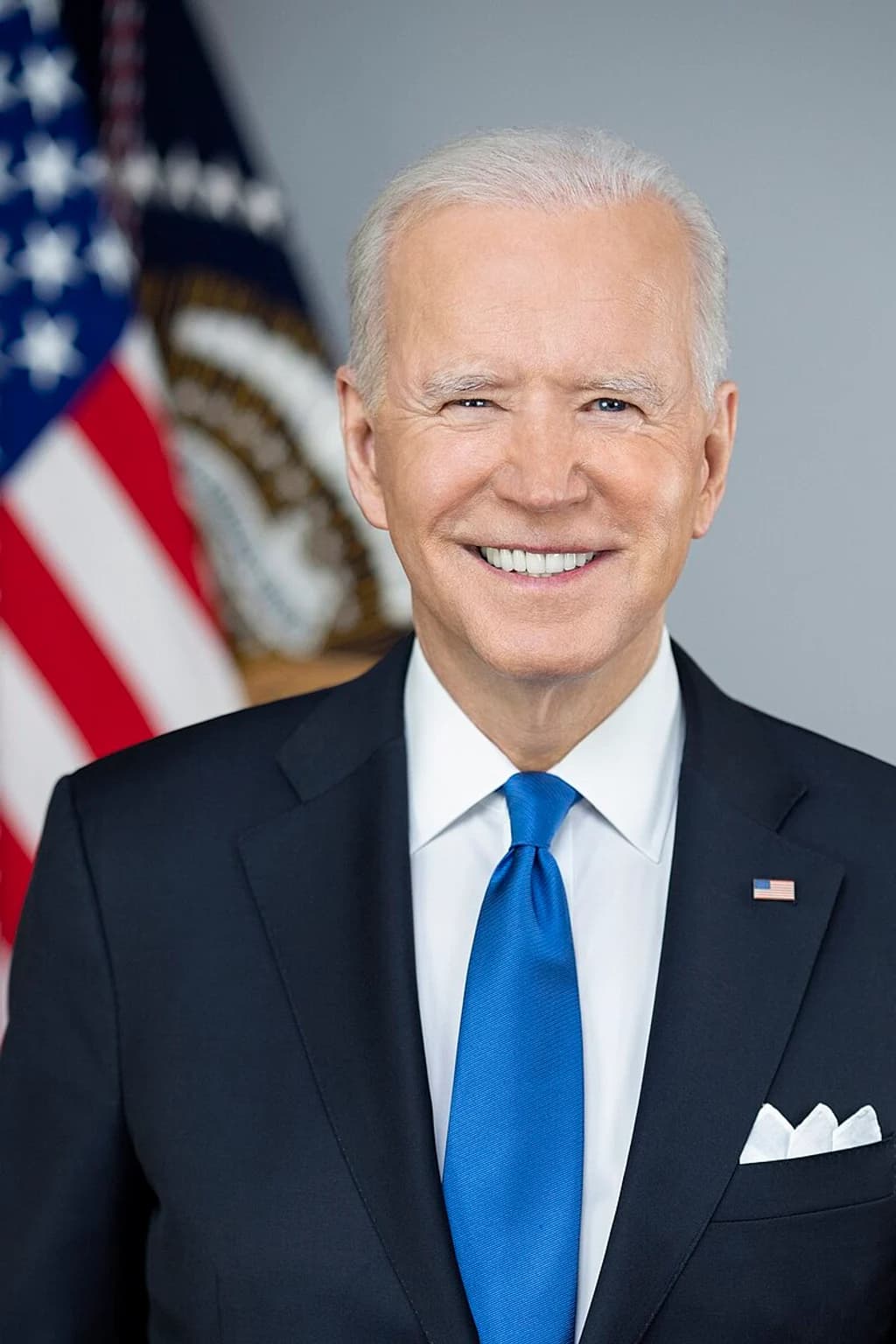
Joe Biden was the 46th U.S. President from 2021 to 2025, after serving as U.S. senator from Delaware and vice president under Barack Obama.

Born
1942 CE
Role
46th President of the United States

46th President of the United States (born 1942)

Official portrait photograph of Joe Biden
Historical photograph

A real historical or editorial image is used here. Source, licence and transformation details are publicly recorded. Image policy Attribution

Quick answer

Joe Biden was the 46th U.S. President from 2021 to 2025, after serving as U.S. senator from Delaware and vice president under Barack Obama.

Born
1942 CE
Role
46th President of the United States
Years
Born 1942 CE
Facts

Joe Biden timeline facts

Selected specifics from this profile's life story.

1942–1965
Early life

Joe Biden was born in Scranton, Pennsylvania, in 1942 and grew up in Delaware after his family sought steadier work.

1973–2009
Senate career

Biden served in the Senate from 1973 to 2009, chairing the Judiciary and Foreign Relations committees and shaping major national debates.

2019–2021
Presidential campaign

Biden won the 2020 election against Donald Trump during the COVID-19 pandemic, campaigning on stability, competence and democratic repair.

2025 onward
Ongoing legacy

Biden's legacy remains unsettled, balancing legislative achievement and alliance leadership against age concerns, inflation and Trump's return.

Life Journey

A long path through loss, persistence and national leadership

Follow the story in a more continuous narrative, with a reading mode that matches how much depth you want.

Complete chronology

1942–1965

Early life

Joseph Robinette Biden Jr. was born on 20 November 1942 in Scranton, Pennsylvania, into a Catholic family that experienced real economic strain before moving to Delaware. Biden's political identity drew heavily on that origin story: working families, dignity, resilience and the fear of falling behind. As a child he struggled with a stutter, which he worked to control through repetition and practice. The experience became part of his public language about empathy and humiliation. Biden was not formed by elite intellectual culture. He was formed by family loyalty, parish life, retail politics and the belief that persistence could become a credential of its own.


1966–1972

Entry into politics

Biden studied at the University of Delaware and Syracuse University College of Law before practicing law and entering local politics in New Castle County. In 1972 he challenged Republican senator J. Caleb Boggs, a respected incumbent, in a campaign built on energy, family help and direct voter contact. Biden won narrowly, becoming one of the youngest people ever elected to the U.S. Senate. He had to wait until his thirtieth birthday to meet the constitutional age requirement. The victory launched a national career that would last more than half a century, but triumph was almost immediately overtaken by tragedy.

1972–1973

Personal tragedy

In December 1972, before Biden had taken his Senate seat, his wife Neilia and infant daughter Naomi were killed in a car crash while Christmas shopping. His sons Beau and Hunter were badly injured. Biden considered giving up the Senate before his career had begun, but was persuaded to serve and took the oath at his sons' hospital bedside. The loss became central to his biography, not as a campaign anecdote only but as a personal wound that shaped his politics of grief. Decades later, the death of Beau Biden from brain cancer in 2015 would renew that association between public life and private sorrow.

1973–2009

Senate career

Biden's Senate career was long, consequential and contested. He became known for foreign policy, criminal justice, judicial confirmations and an instinct for bipartisan negotiation. As Judiciary Committee chair, he presided over the bruising Robert Bork and Clarence Thomas Supreme Court confirmation battles. His handling of Anita Hill's testimony in 1991 later drew serious criticism, including from Biden himself. He supported the 1994 crime bill, which became a major part of debates over mass incarceration. As Foreign Relations chair, he engaged deeply with the Balkans, Iraq, NATO and post-Cold War U.S. power. Biden's strength was experience; his vulnerability was the long paper trail experience creates.

2009–2017

Vice presidency

Barack Obama chose Biden in 2008 partly for experience: foreign policy knowledge, Senate relationships and appeal to working-class white voters. As vice president, Biden helped oversee implementation of the Recovery Act after the financial crisis, served as a congressional negotiator and advised on Iraq and Afghanistan. He was not the central symbolic figure of the administration, but he became an important internal voice. His relationship with Obama also rehabilitated him after failed presidential campaigns in 1988 and 2008. By 2016 many Democrats viewed him with affection, though he chose not to run after Beau Biden's death.

2017–2019

Return to private life

Biden left the vice presidency in January 2017 as Donald Trump entered the White House and American politics became even more polarized. He wrote, spoke publicly and remained emotionally connected to Democratic voters, but he was also an older figure in a party debating generational change, racial justice, populism and ideological direction. His decision to run in 2020 rested on an argument about national character after Trump's presidency and especially after the 2017 white supremacist rally in Charlottesville. Biden framed himself less as a new idea than as a restoration of democratic norms.

2019–2021

Presidential campaign

Biden's 2020 campaign nearly collapsed before South Carolina revived it. Backed strongly by Black Democratic voters and consolidated moderate support, he defeated a large primary field and chose Kamala Harris as his running mate. The general election unfolded during the COVID-19 pandemic, economic disruption and protests over racial injustice. Biden campaigned on restoring competence, respecting institutions and lowering the temperature of national life. He won the popular vote and Electoral College, but Trump refused to accept defeat. The January 6, 2021 attack on the Capitol made Biden's inauguration not just a transfer of power, but a test of constitutional continuity.

2021–2025

Presidential leadership

Biden's presidency began amid pandemic death, economic disruption and democratic shock after January 6. His administration passed the American Rescue Plan, a major bipartisan infrastructure law, the CHIPS and Science Act and the Inflation Reduction Act, combining industrial policy, climate investment and health-care measures. Abroad, he restored emphasis on alliances and led support for Ukraine after Russia's full-scale invasion in 2022. The withdrawal from Afghanistan in 2021, however, was chaotic and damaging. Inflation weakened public confidence, immigration pressures intensified, and age became an unavoidable political issue. Biden first sought reelection, then withdrew in July 2024 after a disastrous debate, endorsing Kamala Harris. Donald Trump won the 2024 election, and Biden left office on 20 January 2025.

2025 onward

Ongoing legacy

Biden's historical legacy is still forming. Supporters point to job growth after the pandemic, infrastructure investment, semiconductor policy, climate legislation, judicial appointments and the defense of Ukraine. Critics emphasize inflation, border pressures, Afghanistan, questions about his age and the political failure that ended with Trump returning to power in 2025. His career is unusual for its length: senator, vice president, president and elder party figure across eras from Watergate to the post-January 6 republic. To ask why Joe Biden was important is to see a politician of institutional faith governing in an age of institutional mistrust. Whether his presidency is remembered as restoration, transition or missed opportunity will depend partly on how durable his policies prove after he left office.

Continue in context

Connected stories

Move from the profile into the wider events and settings this figure belongs to.

American Presidents lineage
Lineage47 presidents
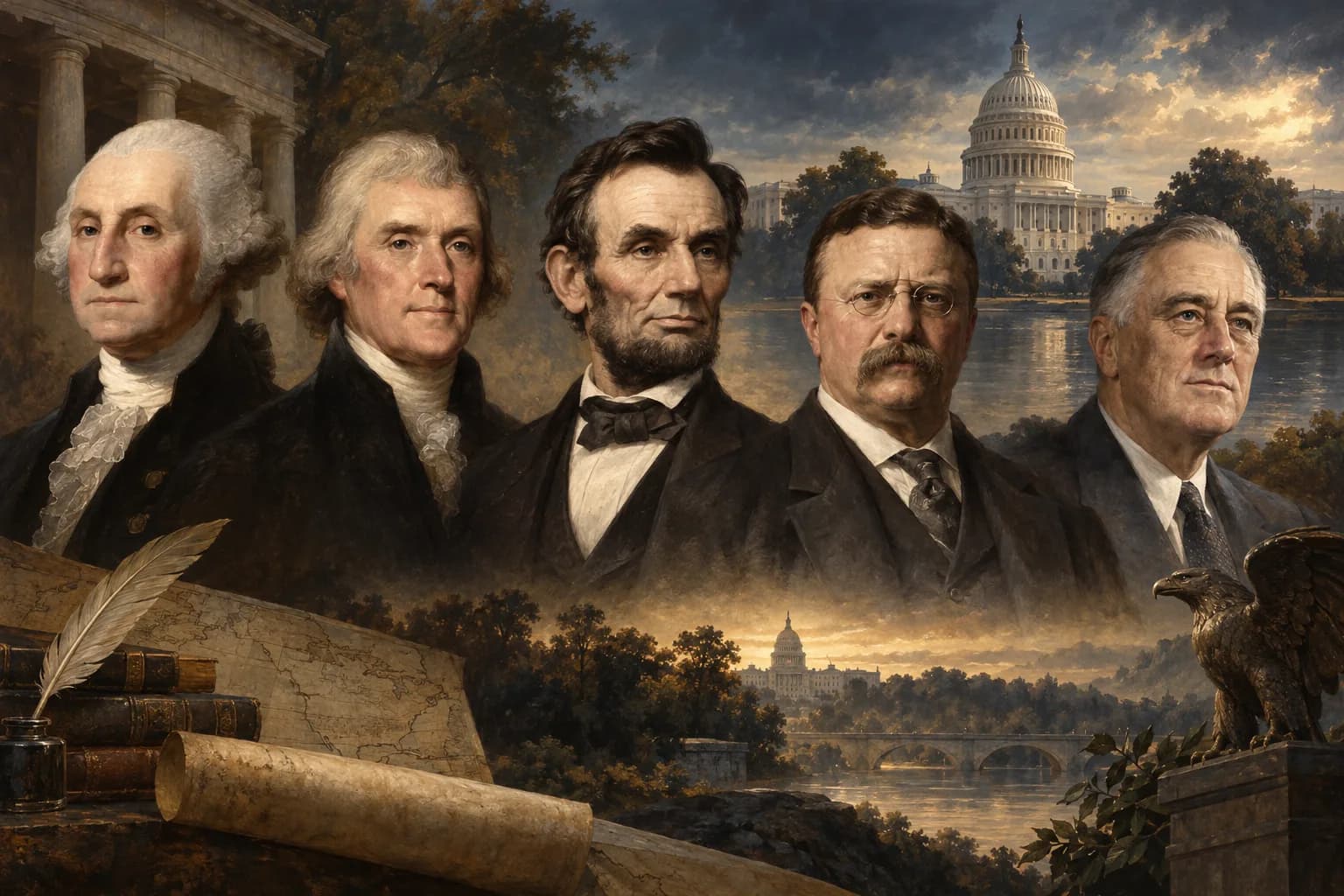
American Presidents
1789 CE–present

The succession of American presidents from George Washington to today.

View lineage
Tertiary paths

Content note

This profile is written for educational use and connects to related Stories of History pages. The main portrait uses a real historical or editorial image, with source and licence details recorded for attribution review. Image policy Image attribution

References

Sources & Further Reading

Reliable reference works, archives and reading paths connected to this profile.

Further reading

  1. Encyclopaedia Britannica, Search results for Joe Biden,” accessed June 2026.Open source
  2. WorldCat, Books and library holdings for Joe Biden,” accessed June 2026.Open source

Primary sources

  1. Library of Congress, Search results for Joe Biden,” accessed June 2026.Open source

Reviewed claim sources

Loading reviewed claim sources...

A weekly route through history

Find out first about the latest published stories, feature notes and occasional Premium offers in one weekly email.