People

Edward Snowden

Edward Snowden is a former NSA contractor and whistleblower whose 2013 leaks revealed U.S. surveillance programs, sparked privacy debates, and led to exile in Russia.

Born
1983 CE
Role
NSA contractor and surveillance whistleblower

NSA contractor and surveillance whistleblower (born 1983)

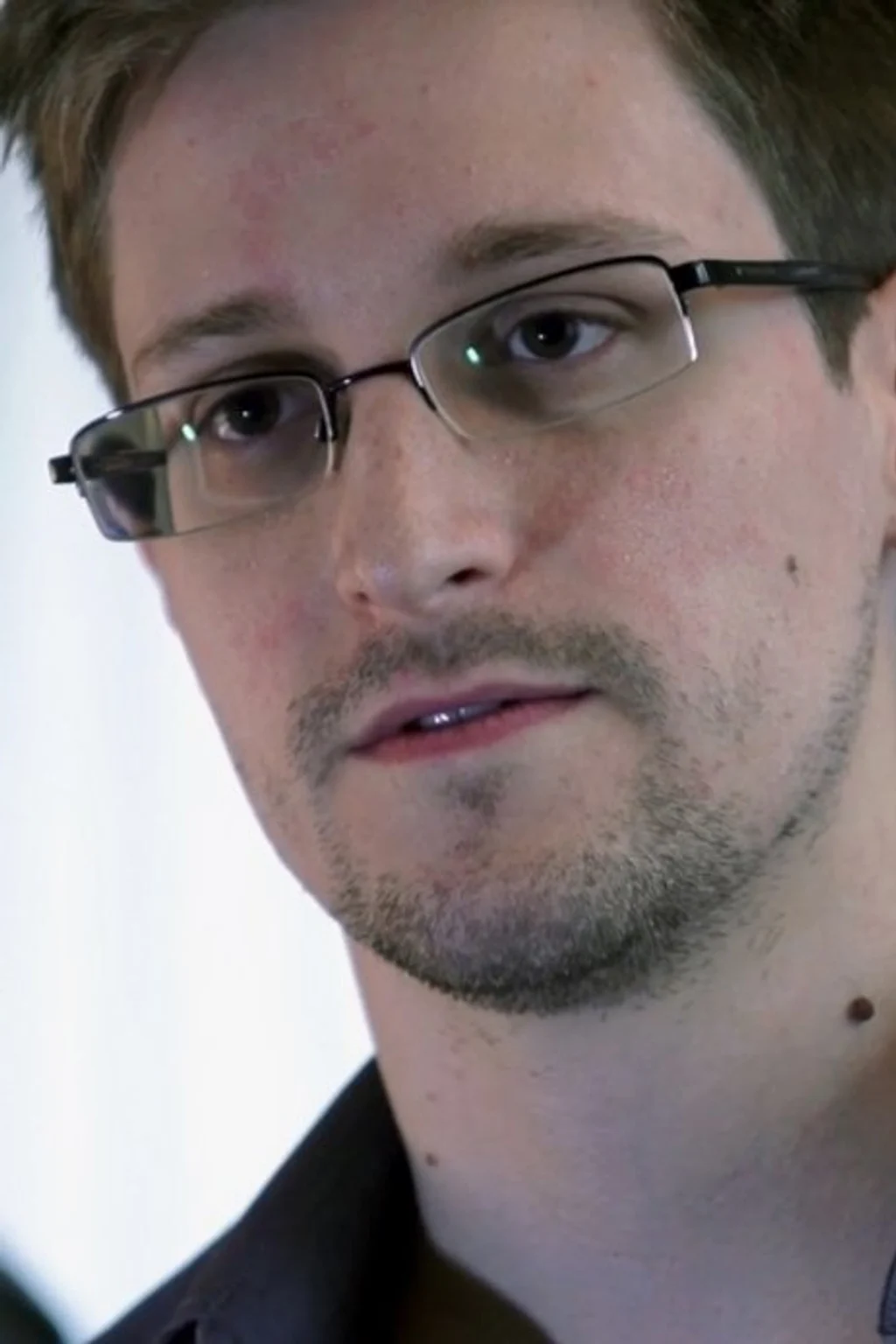
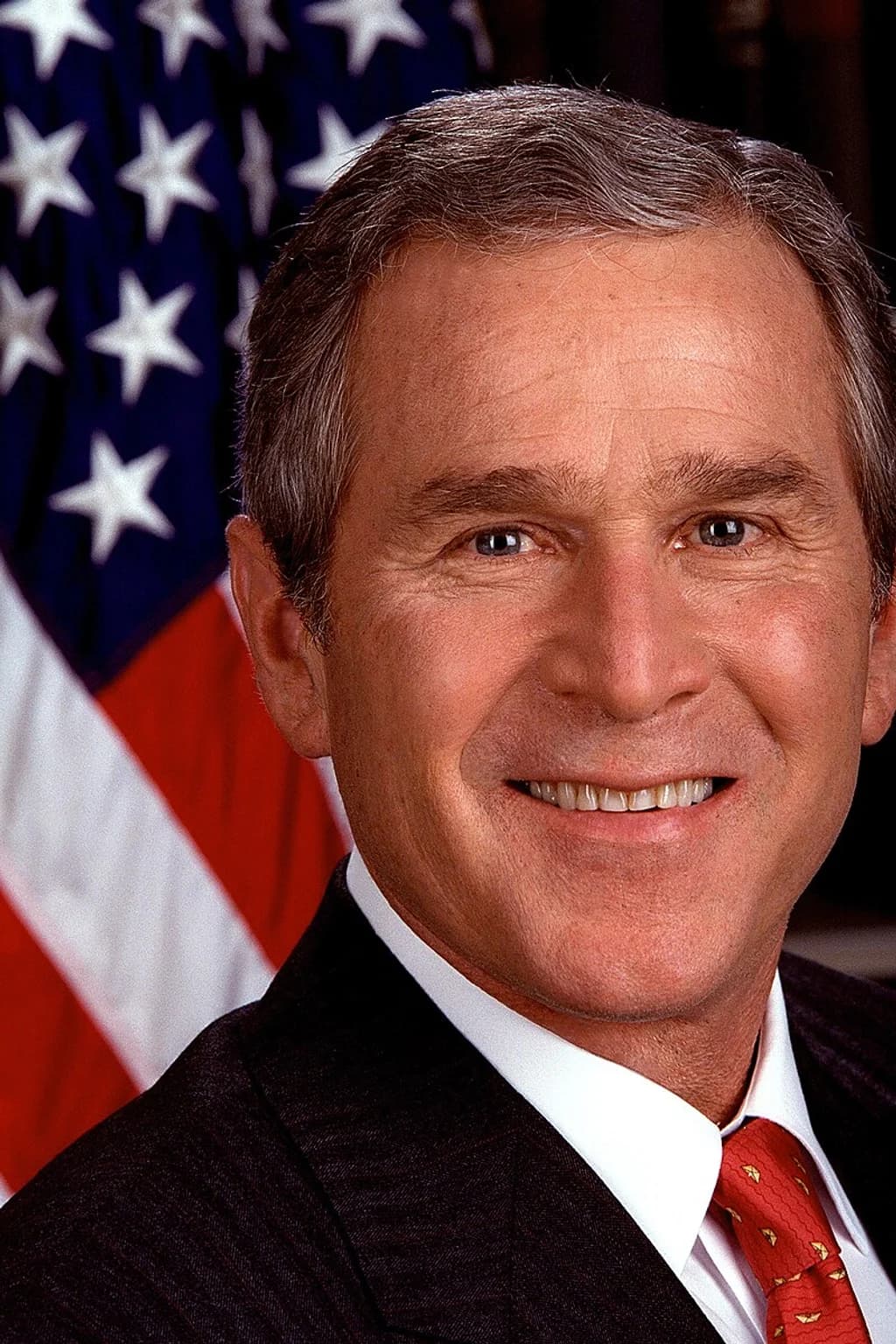
Licensed portrait photograph of Edward Snowden
Licensed archival image

A real historical or editorial image is used here. Source, licence and transformation details are publicly recorded. Image policy Attribution

Quick answer

Edward Snowden is a former NSA contractor and whistleblower whose 2013 leaks revealed U.S. surveillance programs, sparked privacy debates, and led to exile in Russia.

Born
1983 CE
Role
NSA contractor and surveillance whistleblower
Years
Born 1983 CE
Quick facts

Profile details

Additional identity and tagging details that are not already covered in the introduction.

Full name
Edward Joseph Snowden
Also known as
Snowden
Region
North America, Europe
Facts

Edward Snowden timeline facts

Selected specifics from this profile's life story.

1983–2004
Early life

Edward Snowden was born in 1983 and grew up around the world of American government and technology, later moving into intelligence work without a conventional elite path.

2004–2012
Inside intelligence

Snowden worked in roles connected to the CIA, NSA and private contractors, gaining access to the post-9/11 intelligence architecture.

2013–2022
Charges and exile

The United States charged Snowden under the Espionage Act and related law, while he became stranded in Moscow and later received asylum and Russian citizenship.

2013–present
Legacy of surveillance

Snowden's legacy remains contested, but his disclosures changed public debate over privacy, technology companies, intelligence agencies and democratic oversight.

Life Journey

Surveillance, secrecy and the politics of disclosure

Follow the story in a more continuous narrative, with a reading mode that matches how much depth you want.

Complete chronology

1983–2004

Early life

Edward Joseph Snowden was born on 21 June 1983 in Elizabeth City, North Carolina, and grew up largely in Maryland, close to the institutions of the U.S. national security state. His biography does not follow the usual path of senior officials: no Ivy League apprenticeship, no elected office, no long public career before the moment that made him famous. Instead, Snowden moved through the technical side of government and contracting, where skill with systems could matter more than pedigree. That background is central to his historical importance. Post-9/11 surveillance did not depend only on presidents, generals or spy chiefs. It depended on networks, servers, databases, analysts and contractors who built and maintained the machinery. Snowden belonged to that hidden infrastructure before he challenged it.
2004–2012

Inside intelligence

Snowden's career took him through security and technology roles associated with the CIA, the NSA and contractors working for the intelligence community. These were the years when the United States was still reshaping itself after September 11: counterterrorism, data collection, secret courts, telecommunications partnerships and digital monitoring had become part of national security practice. Snowden later argued that what he saw convinced him the public had been denied a meaningful understanding of surveillance carried out in its name. Critics argue that his access was limited, that his judgment was reckless and that he removed far more material than privacy concerns justified. The tension matters. Snowden was not a neutral observer outside power. He was a participant who decided that the system's secrecy made ordinary democratic correction impossible.

2013

The 2013 disclosures

In 2013, Snowden contacted journalists and documentary filmmaker Laura Poitras, then travelled to Hong Kong, where he met Poitras and Glenn Greenwald as the first reports appeared. The documents disclosed programs and legal arrangements connected to telephone metadata, internet communications, intelligence sharing and the relationship between surveillance agencies and technology infrastructure. The reporting by The Guardian, The Washington Post and others won major recognition, including the 2014 Pulitzer Prize for Public Service for coverage of the NSA disclosures. The public impact was immediate because the revelations connected abstract fears to named systems, documents and legal orders. For supporters, Snowden exposed a surveillance state operating beyond democratic consent. For opponents, he betrayed classified secrets and damaged intelligence capabilities. Both reactions show why the disclosures mattered.

2013–2022

Charges and exile

The U.S. government charged Snowden in 2013 with theft of government property and offences under the Espionage Act. After leaving Hong Kong, he became stranded in Moscow when his U.S. passport was revoked, and Russia granted him temporary asylum. What followed turned a disclosure case into a geopolitical story. Snowden said he had not intended to settle permanently in Russia; U.S. officials maintained that he should return to face trial. His presence in Russia complicated public perception, especially after Russia's later confrontation with the West intensified. In 2022, Vladimir Putin granted Snowden Russian citizenship. The legal and political facts therefore pull in different directions: he remains celebrated by many civil liberties advocates and condemned by many national security officials, while his exile has become inseparable from how the public reads his motives and choices.

2013–present

Legacy of surveillance

Edward Snowden's legacy is not settled because it sits at the fault line between liberty and security. The disclosures helped produce lawsuits, reform proposals, technology-company changes, encryption debates and a broader public understanding that digital life had become a field of state power. They also raised difficult questions about whistleblowing in national security: when internal channels are inadequate, what can be revealed, who decides, and what damage is acceptable? Snowden's supporters call him a whistleblower who gave citizens knowledge they needed. His critics call him a leaker who exposed secrets to adversaries and bypassed lawful accountability. To ask why Edward Snowden was important is not simply to ask whether he was hero or traitor. It is to ask whether democratic societies can govern secret technical power before secrecy becomes the system's strongest defence.

Continue in context

Connected stories

Move from the profile into the wider events and settings this figure belongs to.

Tertiary paths

Content note

This profile is written for educational use and connects to related Stories of History pages. The main portrait uses a real historical or editorial image, with source and licence details recorded for attribution review. Image policy Image attribution

References

Sources & Further Reading

Reliable reference works, archives and reading paths connected to this profile.

Further reading

  1. Encyclopaedia Britannica, Search results for Edward Snowden,” accessed June 2026.Open source
  2. WorldCat, Books and library holdings for Edward Snowden,” accessed June 2026.Open source

Primary sources

  1. Library of Congress, Search results for Edward Snowden,” accessed June 2026.Open source

Reviewed claim sources

Loading reviewed claim sources...

A weekly route through history

Find out first about the latest published stories, feature notes and occasional Premium offers in one weekly email.