People

James K Polk

James K Polk was the 11th U.S. President. From 1845 to 1849 he expanded the United States to the Pacific through the Oregon settlement and Mexican-American War.

Born
1795 CE
Died
1849 CE
Role
11th President of the United States

11th President of the United States (1795–1849)

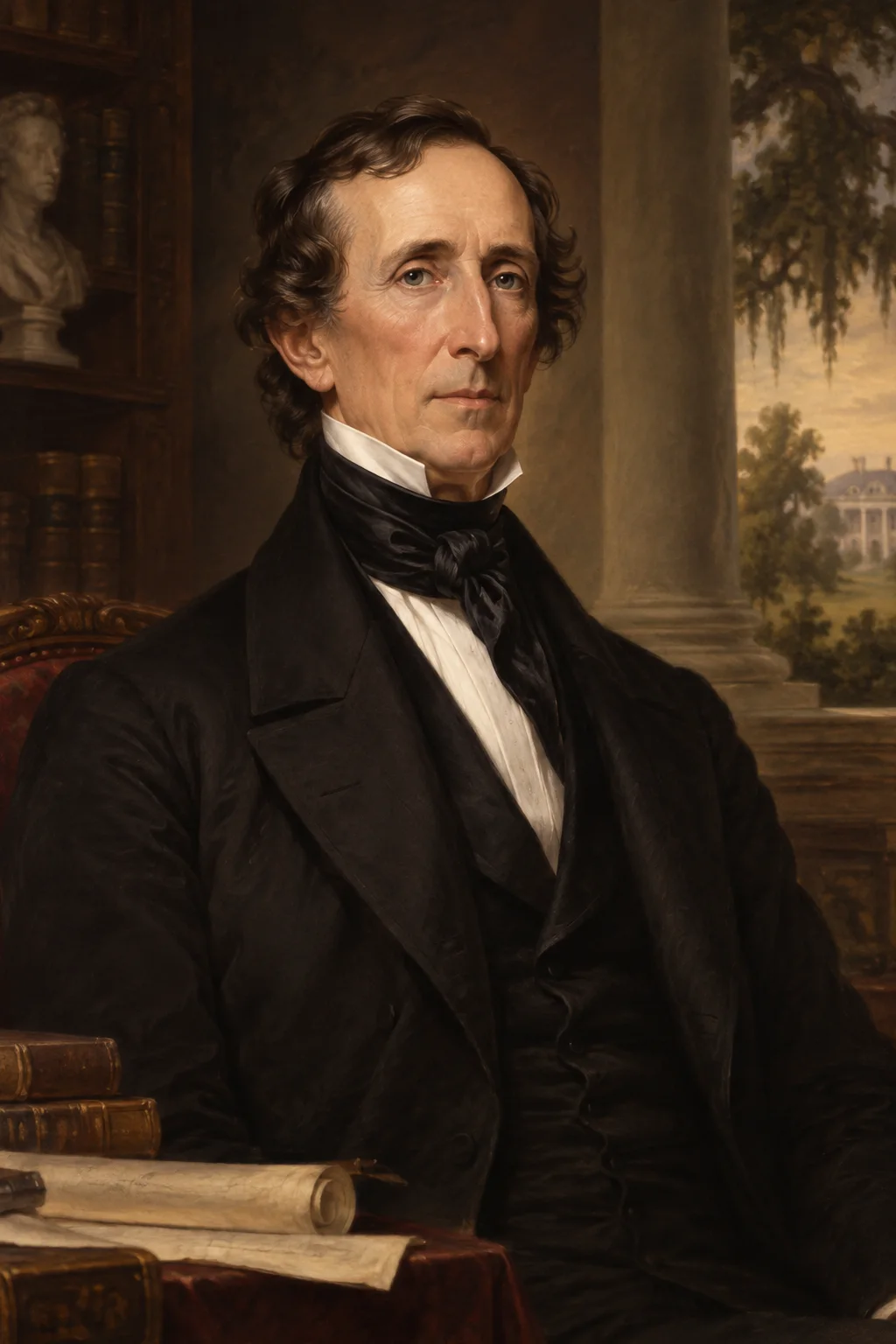
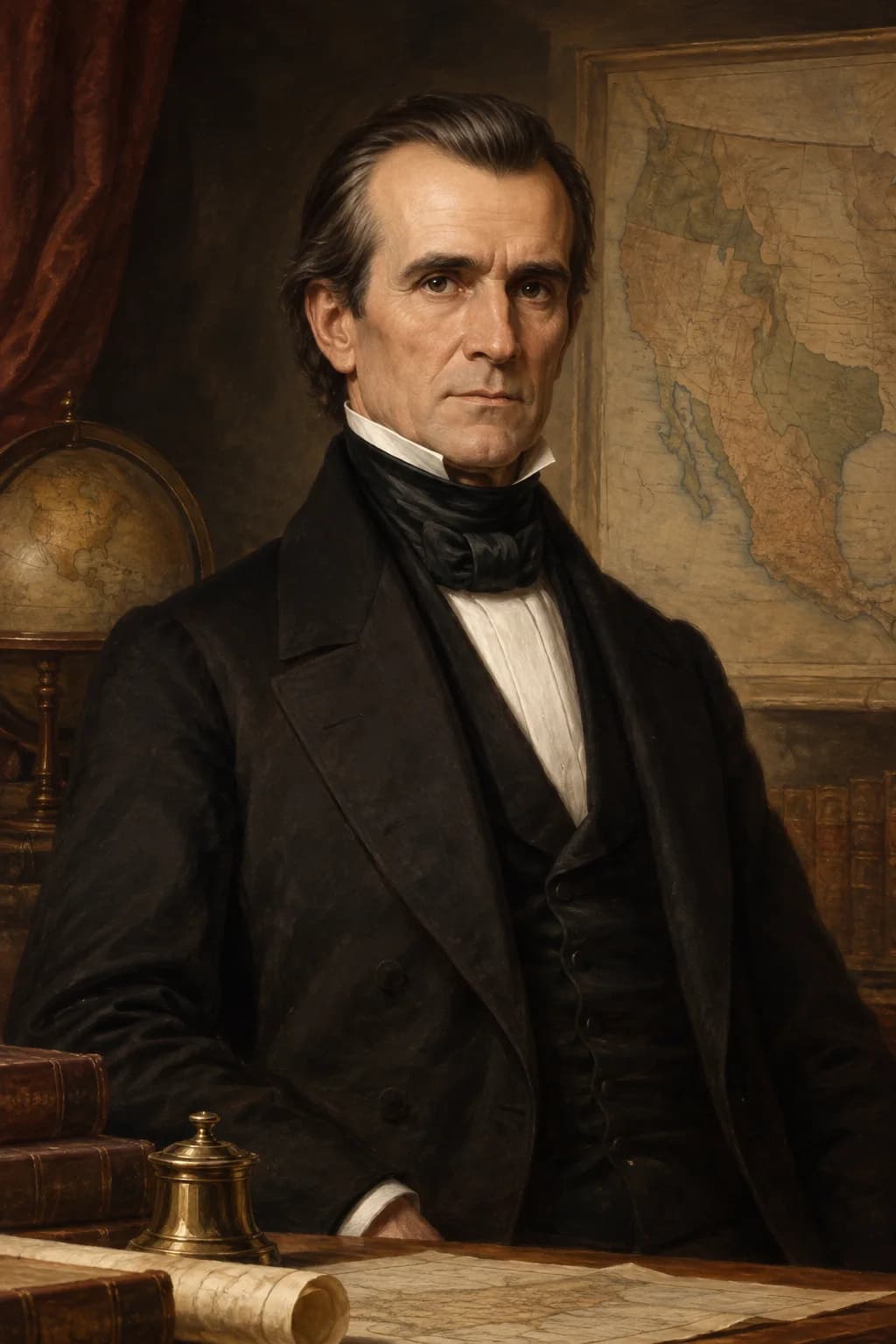
AI-generated portrait of James K. Polk in formal presidential attire
AI-assisted historical reconstruction

An illustrative reconstruction based on historical context. It is not a photograph or documentary likeness. Image policy Attribution

Quick answer

James K Polk was the 11th U.S. President. From 1845 to 1849 he expanded the United States to the Pacific through the Oregon settlement and Mexican-American War.

Born
1795 CE
Died
1849 CE
Role
11th President of the United States
Years
1795-1849 CE
Facts

James K Polk timeline facts

Selected specifics from this profile's life story.

1795–1813
Frontier upbringing

James Knox Polk was born in North Carolina in 1795 and raised in Tennessee, where frontier ambition and poor health shaped his disciplined character.

1825–1839
Rise in Congress

In Congress, Polk became Speaker of the House and one of Jacksonian Democracy's most disciplined party managers.

1845–1848
Territorial growth

Polk settled the Oregon boundary with Britain and turned Texas annexation into a confrontation with Mexico over the southwest.

1849
Short final years

Polk kept his one-term pledge and died months after leaving office, leaving a legacy of achievement inseparable from conquest and slavery's expansion crisis.

Life Journey

A focused rise shaped by ambition and expansion

Follow the story in a more continuous narrative, with a reading mode that matches how much depth you want.

Complete chronology

1795–1813

Frontier upbringing

James Knox Polk was born on 2 November 1795 in Mecklenburg County, North Carolina, and moved with his family to Tennessee as a child. His early life was marked by severe ill health, including a painful operation for urinary stones before modern anesthesia. That experience did not make him flamboyant; it made him controlled, driven and intensely focused. Tennessee's world of expanding settlement, land hunger and Jacksonian politics shaped his imagination. Polk belonged to the generation that saw continental expansion not as a question but as a national destiny, a belief that would later make his presidency both transformative and morally dangerous.


1813–1818

Academic focus

Polk's education came late but with force. At the University of North Carolina he graduated with high honors, showing the methodical seriousness that became his political signature. He was not a natural celebrity. His strengths were preparation, party loyalty and relentless work. That mattered in the Jacksonian Democratic Party, where ideology, organization and personal networks counted. Polk's mind was not especially original, but it was disciplined. He learned to master a brief, follow a line and pursue a goal until it was done.

1818–1825

Legal career

After college, Polk studied law in Nashville under Felix Grundy, one of Tennessee's leading political figures. Law gave him a profession, but politics gave him a mission. He became a devoted supporter of Andrew Jackson, whose suspicion of banks, defense of executive energy and appeal to white democratic expansion shaped Polk's career. Polk's marriage to Sarah Childress in 1824 also mattered: she was educated, politically astute and became one of his closest advisers. The image of Polk as a solitary workhorse is incomplete without her role in managing social and political relationships.

1825–1839

Rise in Congress

Polk entered the House of Representatives in 1825 and became one of Andrew Jackson's most reliable lieutenants. He defended the destruction of the Second Bank of the United States and the broader Democratic attack on concentrated financial privilege. As Speaker from 1835 to 1839, he presided during fierce partisan conflict, helping turn the speakership into a more openly party-aligned office. He was not universally loved, but he was respected for stamina and loyalty. Polk learned the mechanics of power from the inside: committees, votes, timing, pressure and the value of a clear party line.

1839–1841

State leadership

Polk's time as governor was less triumphant than his congressional career. He won in 1839, lost reelection in 1841 and failed again in 1843. These defeats could have ended his ascent. Instead, they placed him in the strange position of being nationally known, loyally Democratic and available. He remained close to Jackson and to the party's expansionist wing. His state-level setbacks sharpened his hunger for relevance and made the 1844 convention possible. Polk did not arrive as a heroic favorite; he arrived as the solution when better-known candidates blocked each other.

1844

Surprise presidency

The Democratic convention of 1844 deadlocked when Martin Van Buren's caution on Texas cost him southern support. Polk emerged as the first true dark-horse presidential nominee, acceptable because he supported annexing Texas and asserting American claims in Oregon. His campaign tied expansion to national honor and opportunity, while Whig opponent Henry Clay struggled to hold a middle position on Texas. Polk won narrowly, interpreting victory as a mandate. He entered office with four major goals: settle Oregon, acquire California and New Mexico, reduce the tariff and restore the Independent Treasury. The striking thing is not that he had a list; it is that he pursued it with such cold efficiency.

1845–1848

Territorial growth

Polk's expansionism moved on two fronts. With Britain, he compromised over Oregon at the 49th parallel in 1846, avoiding war while securing the Pacific Northwest south of that line. With Mexico, he chose a far riskier path. The annexation of Texas had already inflamed relations, and Polk sent troops under Zachary Taylor into disputed territory between the Nueces River and the Rio Grande. When fighting broke out, Polk declared that American blood had been shed on American soil, a claim his opponents challenged. The war that followed was not an accidental drift. Polk wanted California and New Mexico, tried to buy them, and then used war to secure them.

1846–1848

War and consequence

The Mexican-American War brought stunning American victories, from Taylor's northern campaign to Winfield Scott's march to Mexico City. The Treaty of Guadalupe Hidalgo in 1848 transferred California, New Mexico and other western lands to the United States in exchange for payment and recognition of Texas at the Rio Grande. For the United States, it was continental transformation. For Mexico, it was a national trauma and a massive territorial loss. Inside the United States, the war reopened the explosive question of whether slavery would expand west. The Wilmot Proviso failed, but the argument it represented did not. Polk achieved his objectives, and in doing so helped create the battlefield of the 1850s.

1849

Short final years

Polk left office in March 1849, exhausted by four years of almost manic labor, and died of cholera in June. Few presidents have entered office with clearer goals or left with more of them completed. He lowered tariffs through the Walker Tariff, restored the Independent Treasury, settled Oregon and acquired the Southwest. Yet achievement is not the same as innocence. Polk's presidency accelerated the United States' rise as a continental power while deepening the moral and political crisis over slavery. His war against Mexico remains one of the most controversial in American history, admired by some as strategic success and condemned by others as aggressive expansion. To ask why James K Polk was important is to face a president who did almost exactly what he set out to do, and whose success made the coming national reckoning harder to avoid.

Continue in context

Connected stories

Move from the profile into the wider events and settings this figure belongs to.

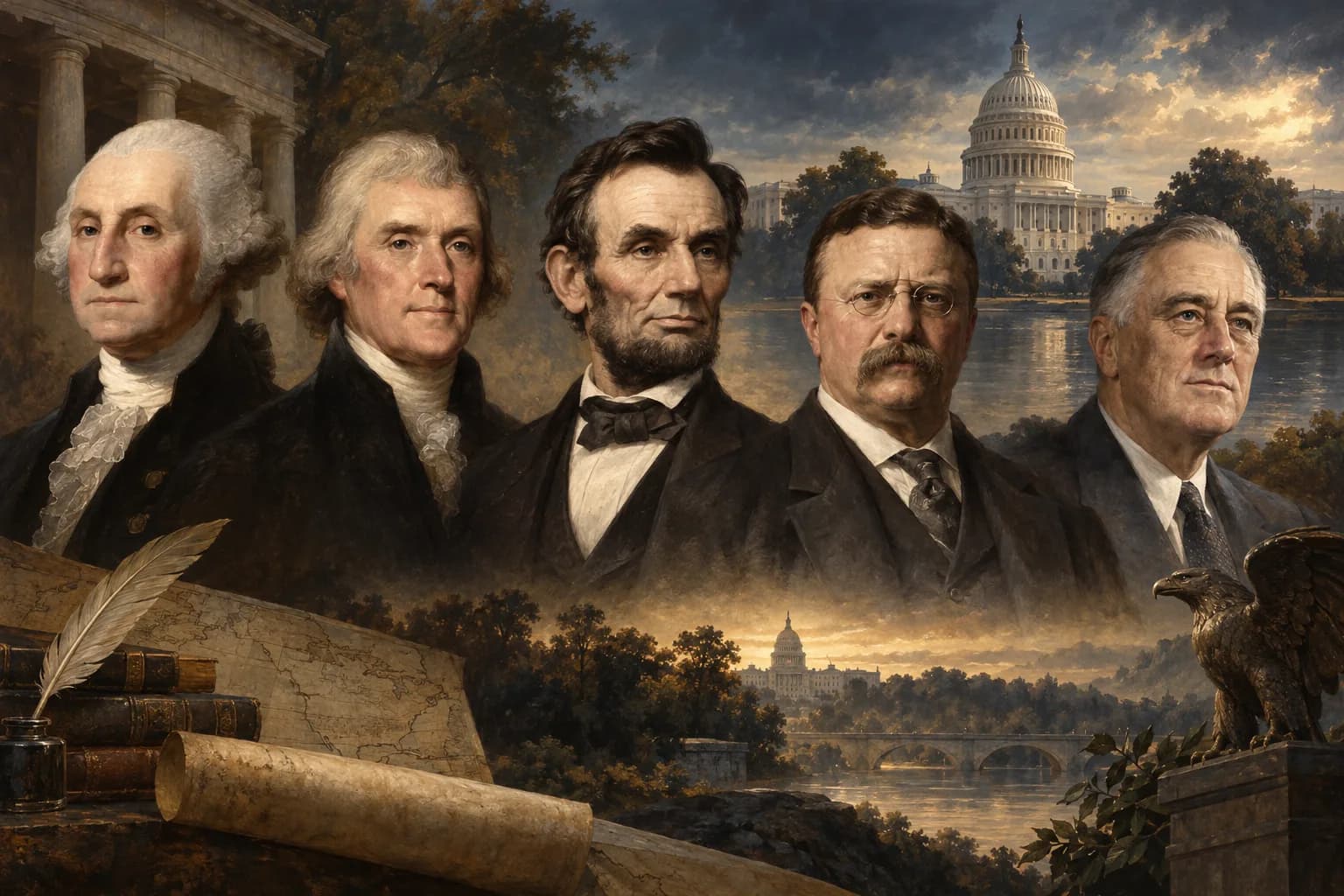
American Presidents lineage
Lineage47 presidents
American Presidents
1789 CE–present

The succession of American presidents from George Washington to today.

View lineage
Tertiary paths

Content note

This profile is written for educational use and connects to related Stories of History pages. The main portrait is an AI-assisted historical reconstruction, included as an illustrative aid rather than documentary evidence. Image policy Image attribution

References

Sources & Further Reading

Reliable reference works, archives and reading paths connected to this profile.

Further reading

  1. Encyclopaedia Britannica, Search results for James K Polk,” accessed June 2026.Open source
  2. WorldCat, Books and library holdings for James K Polk,” accessed June 2026.Open source

Primary sources

  1. Library of Congress, Search results for James K Polk,” accessed June 2026.Open source

Reviewed claim sources

Loading reviewed claim sources...

A weekly route through history

Find out first about the latest published stories, feature notes and occasional Premium offers in one weekly email.