People

Lord Elgin

James Bruce, 8th Earl of Elgin, was a British imperial administrator and diplomat. During the Second Opium War he represented Britain in China, ordered the destruction of the Old Summer Palace and helped impose the Convention of Peking.

Born
1811 CE
Died
1863 CE
Role
Diplomat and colonial administrator

British imperial envoy (1811-1863)

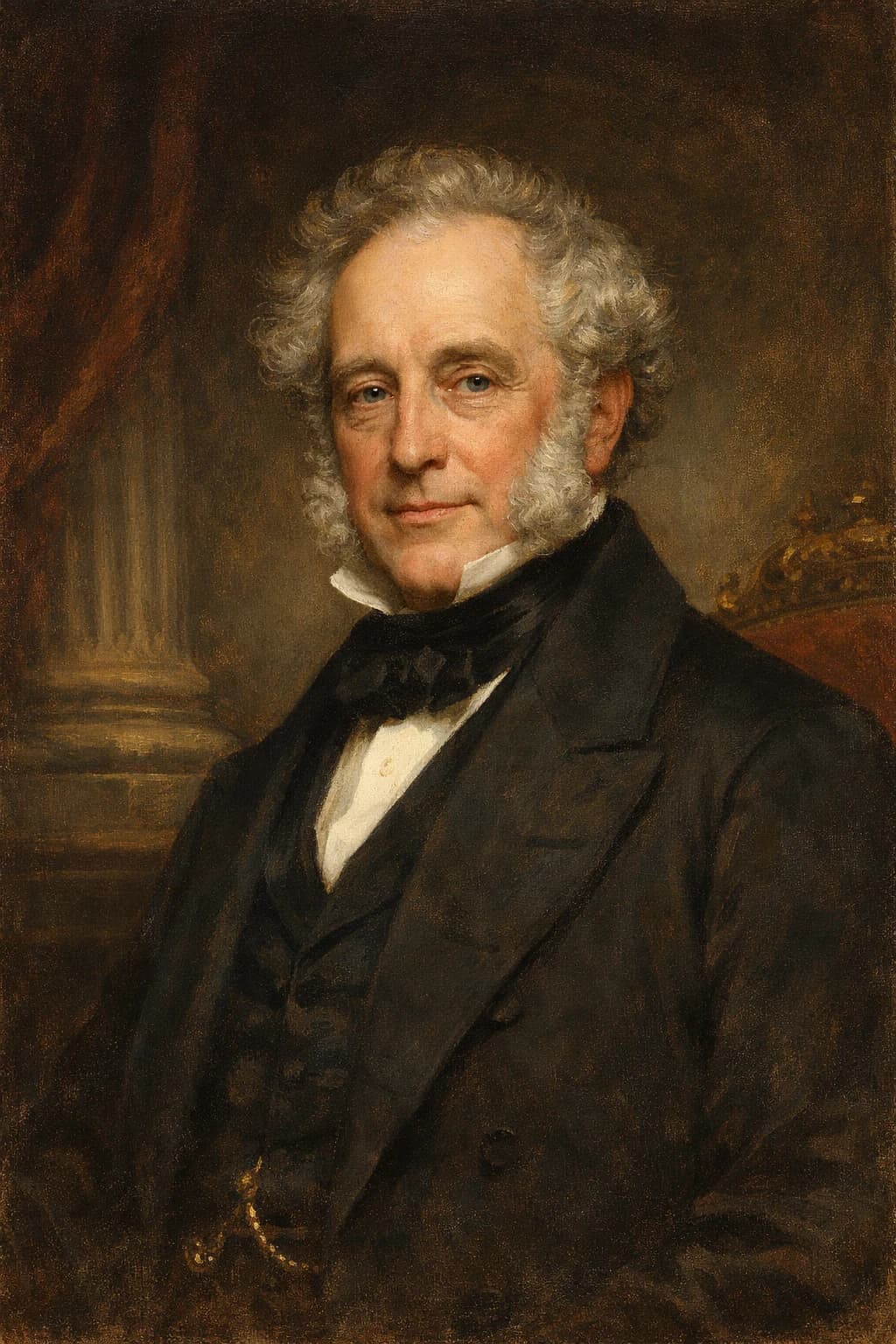
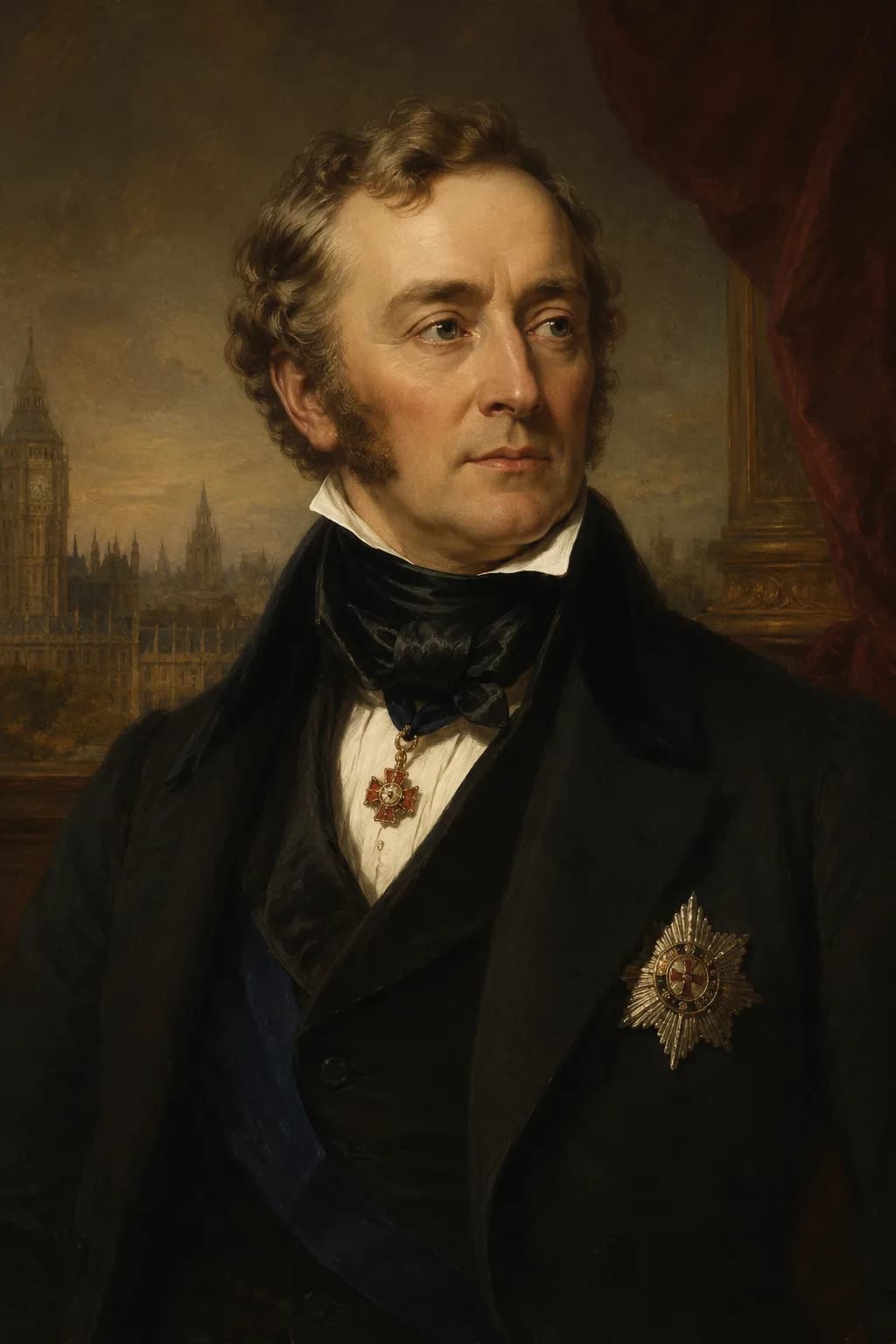
AI-generated portrait of James Bruce, 8th Earl of Elgin, in formal Victorian dress
AI-assisted historical reconstruction

An illustrative reconstruction based on historical context. It is not a photograph or documentary likeness. Image policy

Quick answer

James Bruce, 8th Earl of Elgin, was a British imperial administrator and diplomat. During the Second Opium War he represented Britain in China, ordered the destruction of the Old Summer Palace and helped impose the Convention of Peking.

Born
1811 CE
Died
1863 CE
Role
Diplomat and colonial administrator
Years
1811-1863 CE
Quick facts

Profile details

Additional identity and tagging details that are not already covered in the introduction.

Full name
James Bruce, 8th Earl of Elgin
Also known as
James Bruce, 8th Earl of Elgin
Region
Britain, Qing China, East Asia, British Empire and Qing China
Facts

Lord Elgin timeline facts

Selected specifics from this profile's life story.

1811
Born into a famous family

James Bruce was born in 1811, son of the 7th Earl of Elgin.

1857
Mission to China

Elgin was sent to China as Britain's high commissioner during the Second Opium War.

1860
Old Summer Palace

After Anglo-French prisoners were tortured and killed, Elgin ordered the destruction of the Old Summer Palace.

1860-1863
Convention of Peking

Elgin helped impose the Convention of Peking before later serving in India and dying in 1863.

Life Journey

Imperial diplomacy and the fire at Yuanmingyuan

Follow Lord Elgin from colonial administration to the violent settlement of the Second Opium War.

Complete chronology

1811

Born into a famous family

James Bruce was born into a family already associated with empire, collecting and controversy. His father, the 7th Earl of Elgin, was famous for removing the Parthenon sculptures later known as the Elgin Marbles. The younger Elgin inherited a world in which aristocratic status, imperial office and cultural power were closely connected.
1840s

Colonial administrator

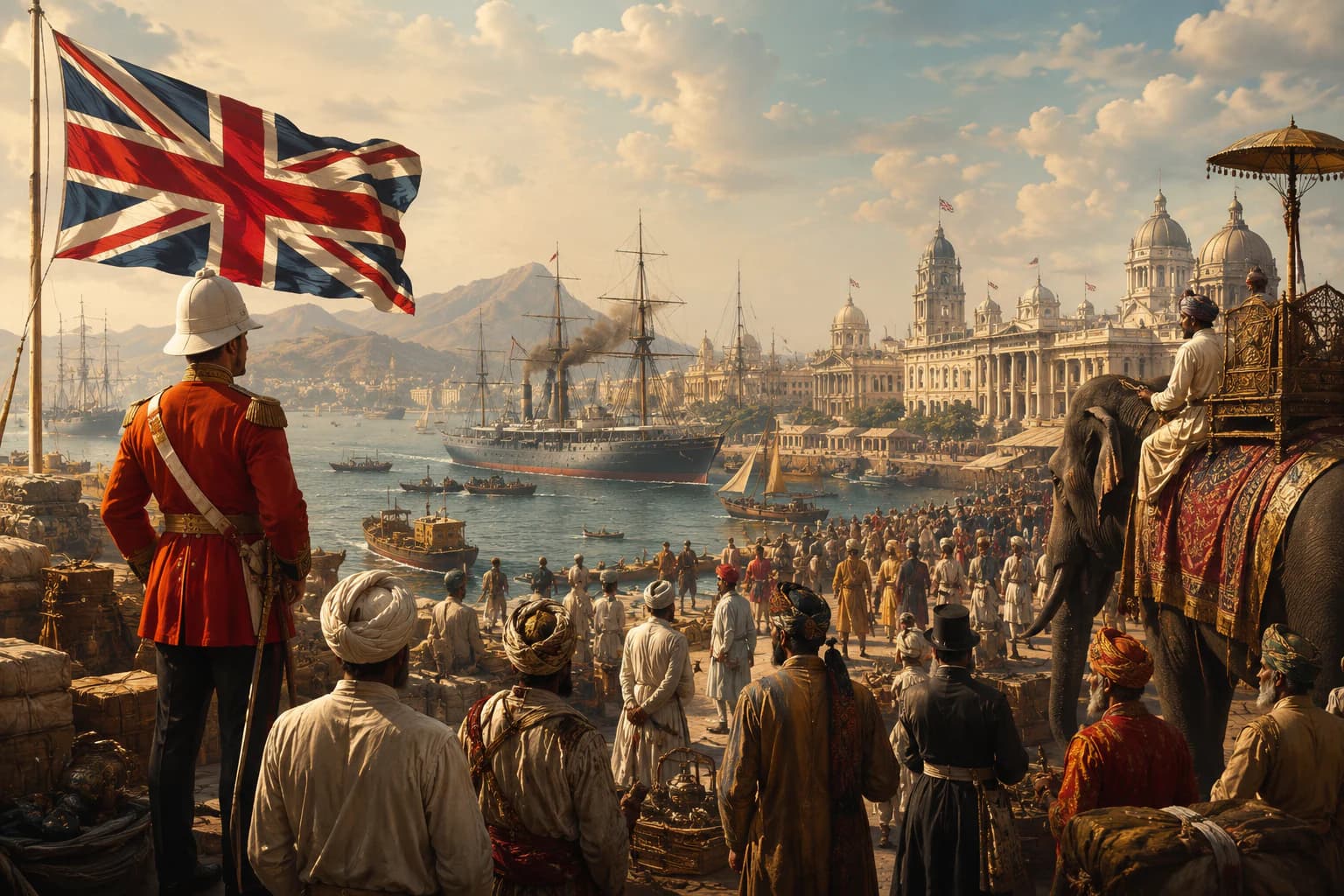
Elgin held major colonial offices before his China mission, including governorships in Jamaica and Canada. In Canada he became associated with responsible government, showing that his career was not only coercive. Like many British imperial officials, he moved between reform, administration and force depending on the setting and the interests at stake.

1857

Mission to China

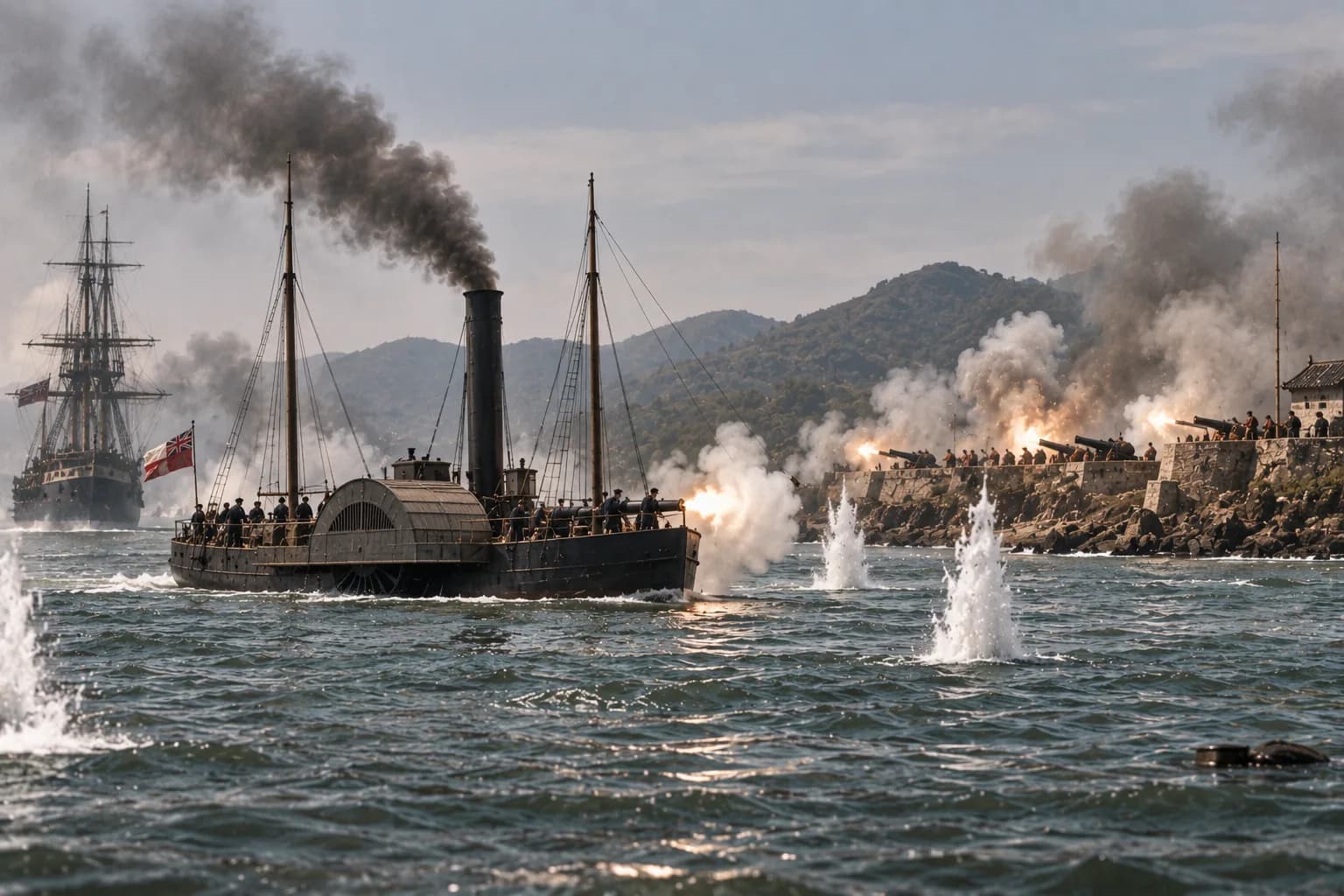
During the Second Opium War, Elgin represented Britain as a senior envoy. His task was to secure treaty revision, diplomatic access and commercial concessions. The mission unfolded alongside French participation and Qing resistance, turning negotiation into a campaign backed by military force.

1858

Treaties of Tianjin

The Treaties of Tianjin granted foreign diplomats the right to reside in Beijing, opened additional ports and expanded missionary and travel privileges. These terms struck at the symbolic and practical boundaries the Qing had tried to maintain. Ratification disputes later reignited the conflict.

1860

Old Summer Palace

The burning of the Yuanmingyuan, or Old Summer Palace, became Elgin's most infamous act in China. He justified it as punishment after the mistreatment and killing of prisoners. Yet the target was a vast imperial garden and palace complex filled with art and cultural meaning. Its destruction became an enduring symbol of foreign humiliation.

1860-1863

Convention of Peking

The Convention of Peking ratified earlier terms, opened Tianjin, imposed indemnities and ceded Kowloon south of Boundary Street to Britain. Elgin later served as Viceroy of India, dying in 1863. His career shows how Victorian imperial officials could move across continents, carrying a shared language of order, prestige and coercion.

Continue in context

Connected stories

Move from the profile into the wider events and settings this figure belongs to.

Tertiary paths

Content note

This profile is written for educational use and connects to related Stories of History pages. The main portrait is an AI-assisted historical reconstruction, included as an illustrative aid rather than documentary evidence. Image policy

References

Sources & Further Reading

Reliable reference works, archives and reading paths connected to this profile.

Further reading

  1. Encyclopaedia Britannica, Search results for Lord Elgin,” accessed June 2026.Open source
  2. WorldCat, Books and library holdings for Lord Elgin,” accessed June 2026.Open source

Primary sources

  1. Library of Congress, Search results for Lord Elgin,” accessed June 2026.Open source

Reviewed claim sources

Loading reviewed claim sources...

A weekly route through history

Find out first about the latest published stories, feature notes and occasional Premium offers in one weekly email.