People

H. H. Asquith

H. H. Asquith was Liberal Prime Minister of the United Kingdom from 1908 to 1916. He oversaw the People's Budget, the Parliament Act 1911, welfare reforms, Irish Home Rule, women's suffrage tensions, and Britain's entry into the First World War.

Born
1852 CE
Died
1928 CE
Role
Liberal Prime Minister

Liberal Prime Minister (1852–1928)

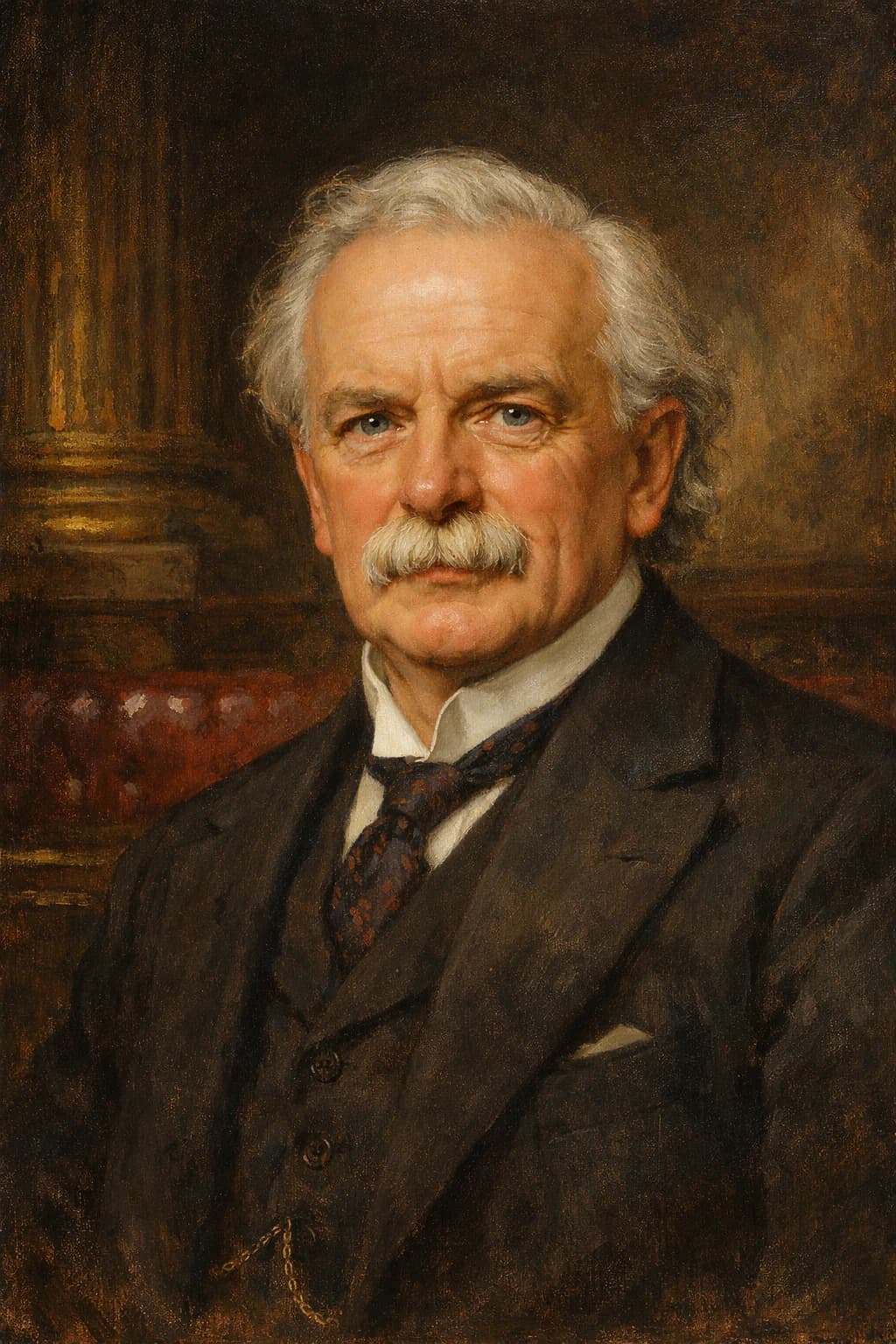
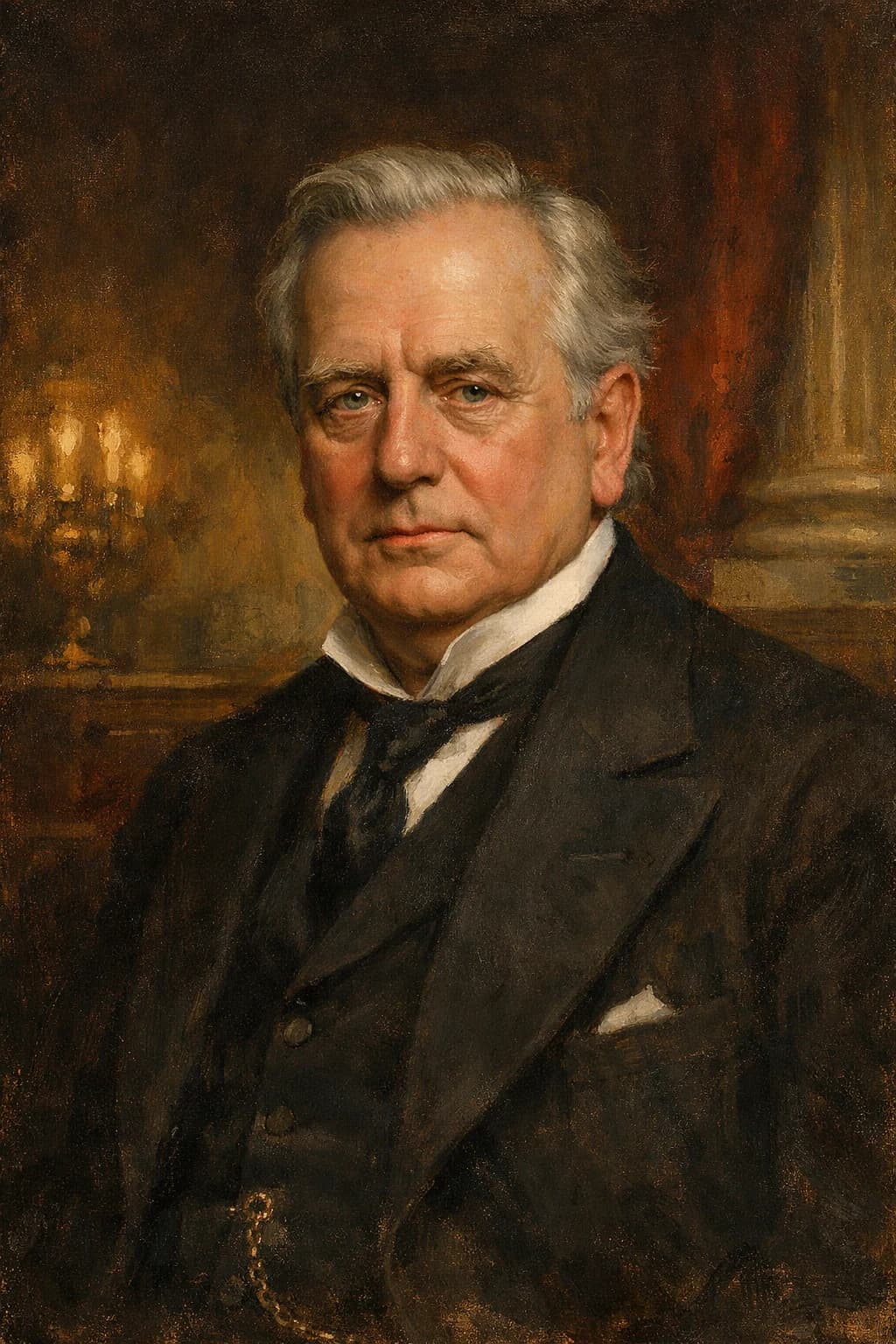
AI-generated portrait of H. H. Asquith in formal Edwardian attire
AI-assisted historical reconstruction

An illustrative reconstruction based on historical context. It is not a photograph or documentary likeness. Image policy

Quick answer

H. H. Asquith was Liberal Prime Minister of the United Kingdom from 1908 to 1916. He oversaw the People's Budget, the Parliament Act 1911, welfare reforms, Irish Home Rule, women's suffrage tensions, and Britain's entry into the First World War.

Born
1852 CE
Died
1928 CE
Role
Liberal Prime Minister
Years
1852-1928 CE
Quick facts

Profile details

Additional identity and tagging details that are not already covered in the introduction.

Full name
Herbert Henry Asquith
Also known as
Asquith, Prime Minister Asquith
Facts

H. H. Asquith timeline facts

Selected specifics from this profile's life story.

1852–1870
Humble beginnings

Herbert Henry Asquith was born in Morley, Yorkshire, in 1852, rising from modest Nonconformist roots through scholarship, discipline, and law.

1886
Entry to Parliament

Elected Liberal MP for East Fife in 1886, Asquith entered Parliament during the party's bitter split over Irish Home Rule.

1914
War begins

In August 1914 Asquith led Britain into the First World War after Germany violated Belgian neutrality and Europe descended into crisis.

1916–1928
Final years and legacy

After 1916 Asquith remained a major Liberal figure but never regained office, watching his party decline in the new mass-politics era.

Life Journey

A steady mind in a storm of change

Follow the story in a more continuous narrative, with a reading mode that matches how much depth you want.

Complete chronology

1852–1870

Humble beginnings

Asquith did not begin life inside the aristocratic networks that still shaped Victorian politics. His father died when he was young, and education became the route by which talent could overcome vulnerability. The family's Nonconformist background also mattered: it placed him within the moral and civic world that fed much of Liberal politics, rather than the Anglican landed establishment. Asquith's rise was therefore built on intellectual force, self-command, and a belief that public life should be argued through reason. He learned early to trust the power of trained judgement. That confidence would later make him formidable in Parliament and exposed in war.
1870–1874

Oxford influence

Oxford sharpened Asquith's gifts. At Balliol he entered a world that prized classics, argument, and the disciplined formation of public men. He excelled academically and learned to speak with a clarity that seemed almost judicial. Unlike politicians who moved crowds through warmth or theatrical force, Asquith convinced by arrangement: premise, evidence, conclusion. This made him one of the finest parliamentary debaters of his generation. It also shaped his limits. He could analyse a crisis with brilliance, but he was less instinctive at emotional mobilisation. In peacetime that looked like dignity. Under the pressure of total war, it could look like detachment.

1874–1886

Legal career

The law gave Asquith more than income. It trained his mind to respect procedure, precedent, careful wording, and the persuasive force of a well-made case. He became a successful barrister through composure rather than display, developing the ability to appear unruffled under pressure. That quality translated naturally into Parliament. It also contributed to his faith in institutions. Asquith believed that conflict could be managed through argument, constitutional forms, and rational compromise. For much of his career this was a strength. But the 20th century would bring conflicts that did not wait politely for argument to finish.

1886

Entry to Parliament

Asquith arrived in the Commons at a moment of Liberal fracture. Gladstone's commitment to Irish Home Rule divided the party and reshaped British politics. Asquith backed Home Rule and quickly marked himself out as a rising Liberal talent. His speeches were cool, exact, and difficult to dismiss. By the 1890s he had become Home Secretary, where he faced labour unrest, policing questions, and the hard practicalities of governing rather than opposing. He was no radical firebrand, but neither was he a passive administrator. He belonged to the Liberal tradition that sought reform through law, cabinet government, and constitutional pressure.

1905–1908

Rise to leadership

When Asquith succeeded Henry Campbell-Bannerman, he took charge of one of the most formidable cabinets in modern British history: David Lloyd George, Winston Churchill, Edward Grey, Richard Haldane, and others. The government was already moving beyond Victorian liberalism toward a more active social state. Asquith's style was collegiate and controlled. He allowed strong ministers space while keeping constitutional direction in his own hands. That method suited a cabinet of large personalities and helped carry major reforms, including old-age pensions and national insurance. Asquith's premiership before 1914 was not passive stewardship. It was the management of a Liberal high tide.

1908–1914

Reform and conflict

The crisis over Lloyd George's People's Budget in 1909 pushed Asquith into one of the great constitutional battles of British history. The Lords' rejection of the budget challenged the elected Commons' control over finance and forced two general elections in 1910. Asquith used the threat of creating Liberal peers to secure the Parliament Act 1911, which sharply limited the Lords' veto. This victory changed the balance of the constitution and opened the way for Irish Home Rule, though that issue brought Britain close to domestic crisis before 1914. Asquith also faced escalating suffrage militancy, labour unrest, and Ulster resistance. His calmness held the system together, but only just.

1914

War begins

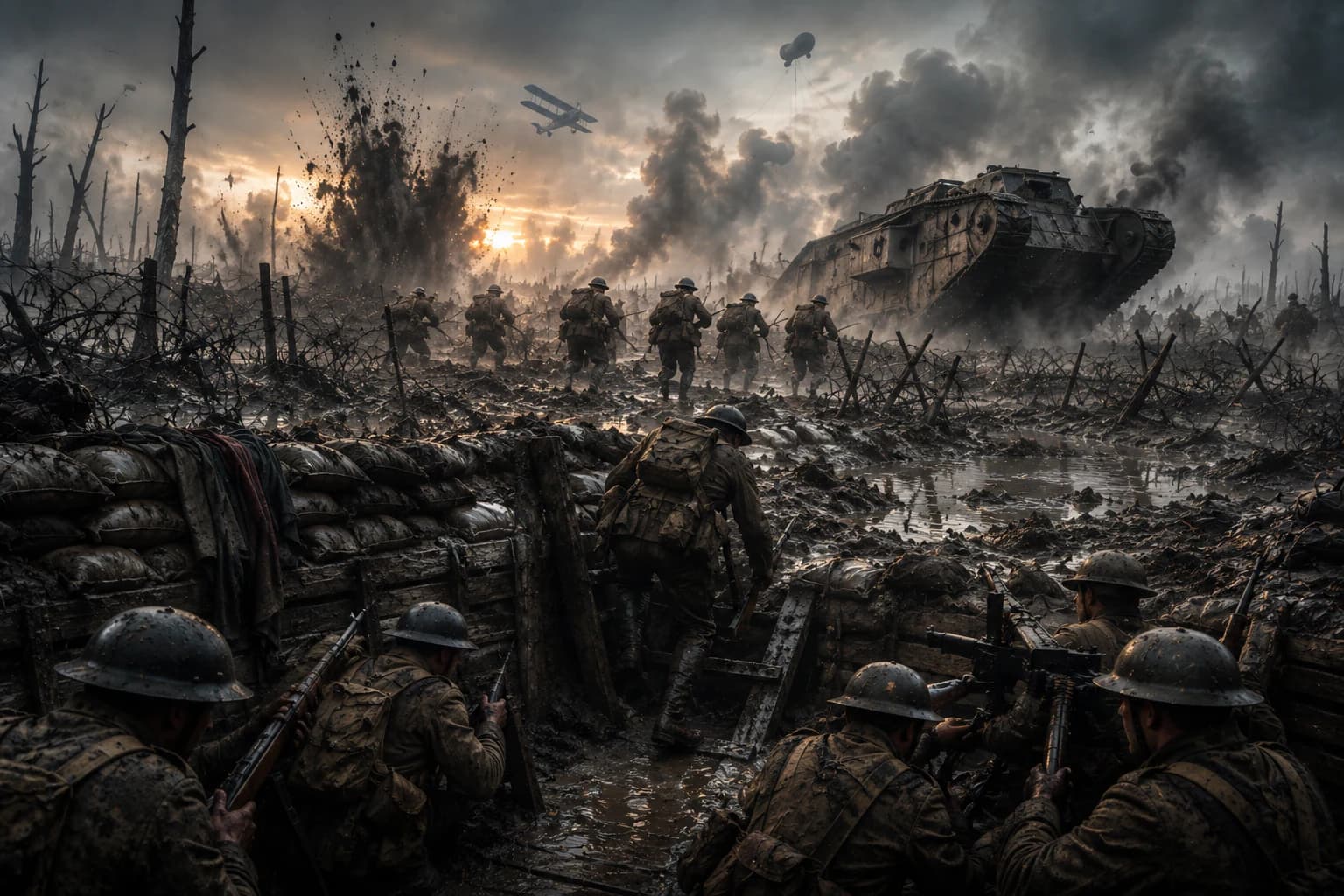
Asquith's cabinet did not rush lightly into war. The July Crisis strained Liberal unity, with some ministers deeply reluctant to enter a continental conflict. Germany's invasion of Belgium gave the government a treaty obligation and a moral argument the public could understand. Asquith's early wartime leadership projected steadiness, and the formation of a coalition in 1915 broadened political support. But the war changed the rules of government. Shell shortages, Gallipoli, conscription, casualty lists, and the demands of industrial mobilisation made traditional cabinet deliberation seem slow. The very qualities that had guided reform through constitutional crisis now struggled against the tempo of mechanised war.

1916

Loss of power

Asquith's fall was a political coup conducted through cabinet structure. Lloyd George and others wanted a smaller war committee with sharper executive authority; Asquith feared being reduced to a figurehead. Newspapers, Conservatives, and impatient colleagues increasingly framed him as too leisurely for national emergency. The death of his son Raymond on the Somme added private grief to public strain. In December 1916 he resigned, expecting perhaps to be recalled, but Lloyd George formed a new government instead. The Liberal Party split around the two men, a fracture from which it never fully recovered. Asquith had mastered Edwardian politics, but Lloyd George mastered the politics of wartime urgency.

1916–1928

Final years and legacy

Asquith's post-premiership was marked by dignity, bitterness, and diminishing power. He continued to lead the Asquithian Liberals, entered the Lords as Earl of Oxford and Asquith, and remained respected for intellect and constitutional seriousness. But the world had moved. Labour rose, the Conservatives adapted, and Lloyd George's coalition politics left old Liberal structures broken. Asquith's legacy is therefore double. He was one of Britain's most important reforming prime ministers, central to the Parliament Act, welfare reform, and Irish Home Rule. He was also the leader whose methods failed under total war and whose fall helped destroy the Liberal Party as a party of government.

Continue in context

Connected stories

Move from the profile into the wider events and settings this figure belongs to.

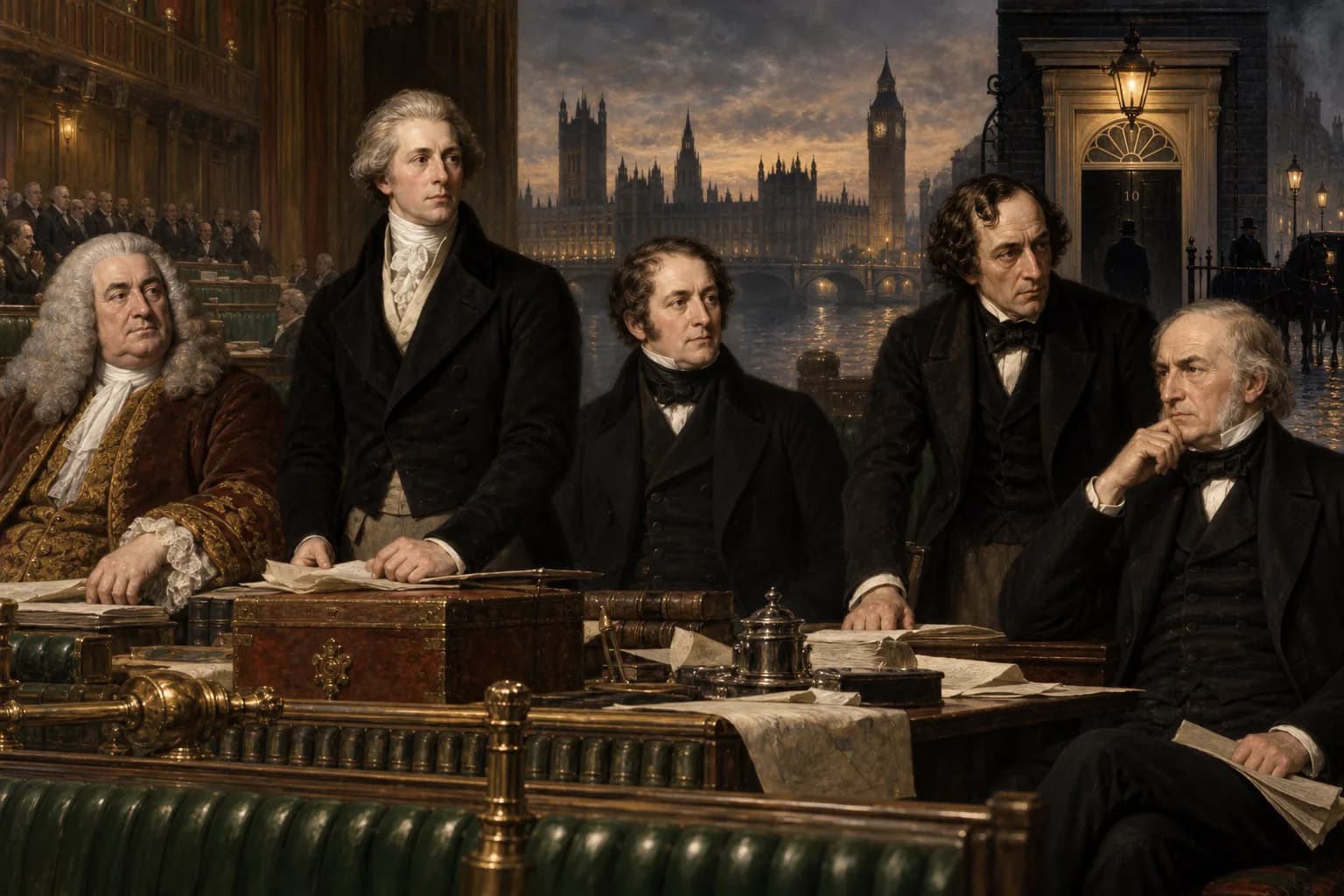
British Prime Ministers lineage
LineagePrime ministers in sequence
British Prime Ministers
1721 CE–present

Explore British prime ministers from Walpole to the present.

View lineage
Tertiary paths

Content note

This profile is written for educational use and connects to related Stories of History pages. The main portrait is an AI-assisted historical reconstruction, included as an illustrative aid rather than documentary evidence. Image policy

References

Sources & Further Reading

Reliable reference works, archives and reading paths connected to this profile.

Further reading

  1. Encyclopaedia Britannica, Search results for H. H. Asquith,” accessed June 2026.Open source
  2. WorldCat, Books and library holdings for H. H. Asquith,” accessed June 2026.Open source

Primary sources

  1. Library of Congress, Search results for H. H. Asquith,” accessed June 2026.Open source

Reviewed claim sources

Loading reviewed claim sources...

A weekly route through history

Find out first about the latest published stories, feature notes and occasional Premium offers in one weekly email.