Complete chronology
Full overview and deeper context for every journey step.
1777-1797
Virginia roots
Henry Clay was born in Hanover County, Virginia, during the American Revolution and grew up in a changing republic where law, land, and westward settlement shaped ambition. After limited formal schooling, he trained as a legal clerk and moved to Lexington, Kentucky, in 1797. The move mattered. Kentucky placed him in a rapidly growing western society tied to slavery, land speculation, and national expansion, but also distant enough from eastern elites for a gifted lawyer and speaker to rise quickly.
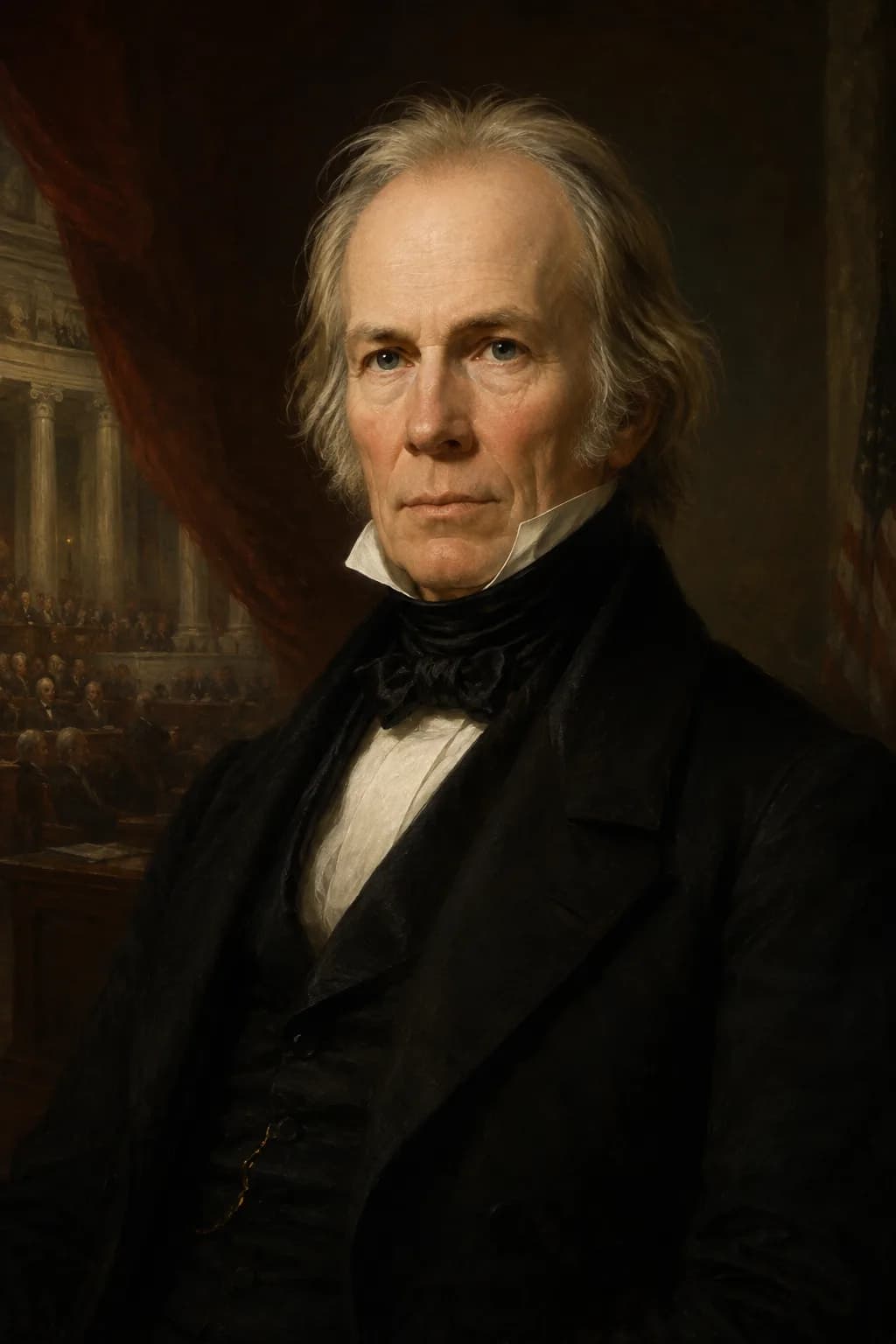
Clay's western base gave him a national voice rooted outside the older Atlantic political elite.
1803-1815
Congressional rise
Clay's political ascent was unusually fast. After serving in Kentucky's legislature and brief appointed terms in the U.S. Senate, he won election to the House of Representatives and was chosen Speaker on his first day in 1811. He used the speakership aggressively, helping make it a centre of party leadership rather than a passive presiding office. As a leading War Hawk, Clay supported the War of 1812 and later helped negotiate the Treaty of Ghent, giving him a reputation for both nationalist energy and diplomatic skill.
He turned institutional position into active leadership, changing what congressional power could look like.
1816-1824
American System
After the War of 1812, Clay argued that the United States needed a stronger economic framework. His American System called for protective tariffs to support manufacturing, federal investment in roads and canals, and a national bank to stabilize credit. The programme reflected his broad nationalism: Clay wanted a republic knit together by commerce, infrastructure, and shared economic development. It also drew fierce opposition from those who feared federal power or saw tariffs as favouring one region over another.
Clay saw economic policy as a way to bind a large republic into a functioning nation.
1820
Missouri crisis
The Missouri crisis exposed how dangerous slavery had become to national politics. Missouri's bid for statehood threatened the balance between free and slave states in the Senate, while northern and southern representatives clashed over whether Congress could limit slavery's expansion. Clay helped guide the compromise that admitted Missouri as a slave state and Maine as a free state, while restricting slavery in much of the Louisiana Purchase north of 36 degrees 30 minutes. The deal preserved the Union's political balance, but it did not resolve the moral or constitutional conflict underneath.
His greatest compromises often bought time while leaving the central conflict alive.
1824-1844
National ambition
Clay's influence never translated into the presidency he wanted. In 1824, after the election went to the House of Representatives, he supported John Quincy Adams over Andrew Jackson and became Adams's secretary of state. Jackson's supporters denounced the result as a corrupt bargain, damaging Clay for years. He later helped build the Whig Party around opposition to Jacksonian executive power and support for congressional government, economic development, and ordered reform. Clay lost presidential campaigns, but he remained a politician others had to answer.
Political failure at the highest office did not prevent him from shaping national choices for decades.
1850-1852
Final compromise
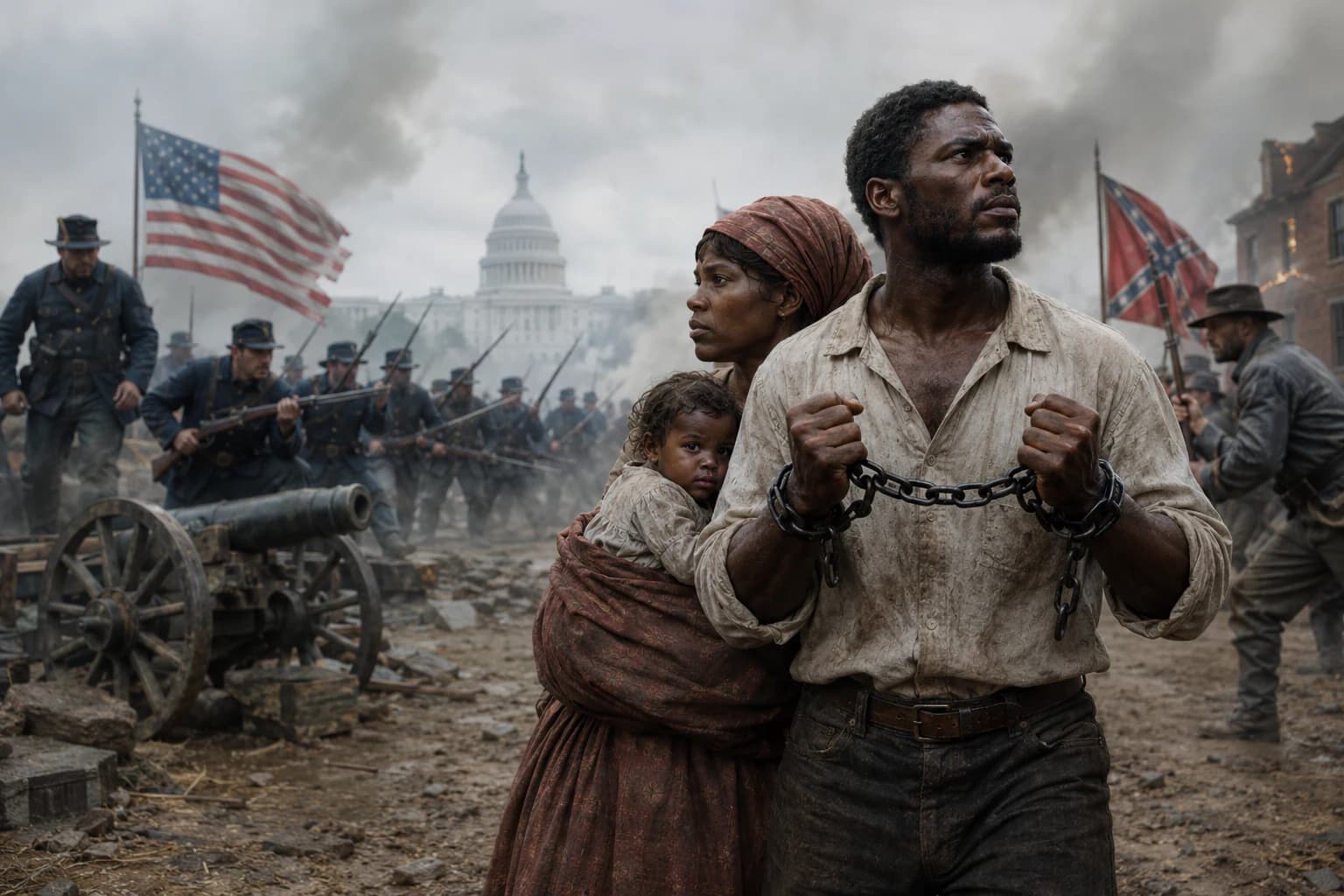
The territories gained from Mexico reopened the slavery question with new urgency. Clay introduced a package that became the Compromise of 1850: California entered as a free state, territorial questions were left partly to popular sovereignty, the slave trade ended in Washington, D.C., and the Fugitive Slave Act was strengthened. Clay hoped to preserve the Union once more, but the settlement showed the limits of compromise politics. The Fugitive Slave Act especially pulled Northern communities into slavery's enforcement and deepened moral resistance. Clay died in 1852, before the crisis he had spent his life managing finally broke into war.
Clay's legacy is inseparable from both his commitment to Union and the failure of compromise to settle slavery.