← People

Geoffrey of Anjou

Geoffrey of Anjou was count of Anjou and Duke of Normandy. His marriage to Empress Matilda joined two inheritances, and his conquest of Normandy gave their son Henry II a base for power. His nickname later named an English dynasty.

Born
1113 CE
Died
1151 CE
Role
Count of Anjou and Duke of Normandy
Full name
Geoffrey V, Count of Anjou and Duke of Normandy
Also known as
Geoffrey Plantagenet, Geoffrey V of Anjou, Geoffrey, Count of Anjou

Count of Anjou and Duke of Normandy (1113–1151)

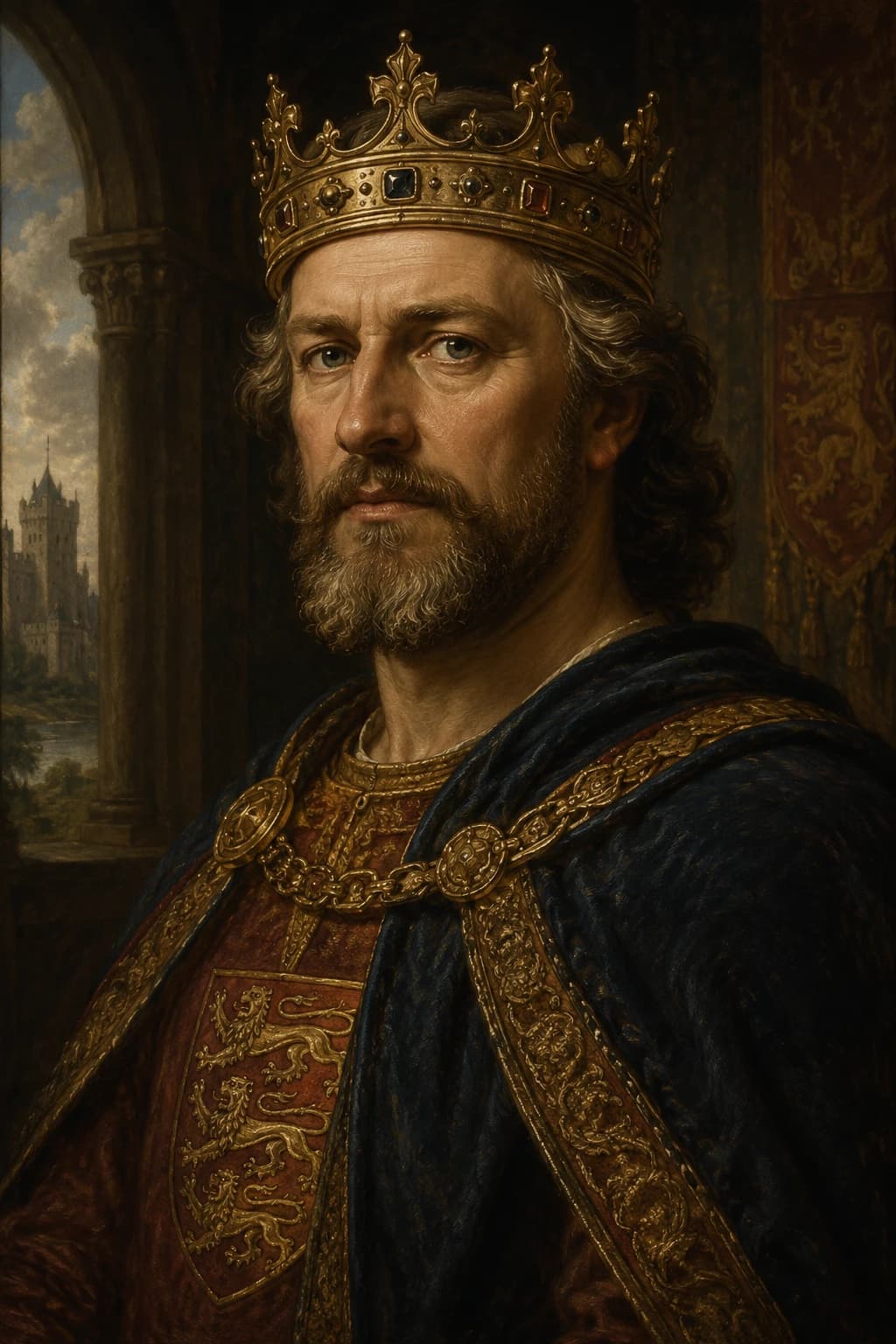
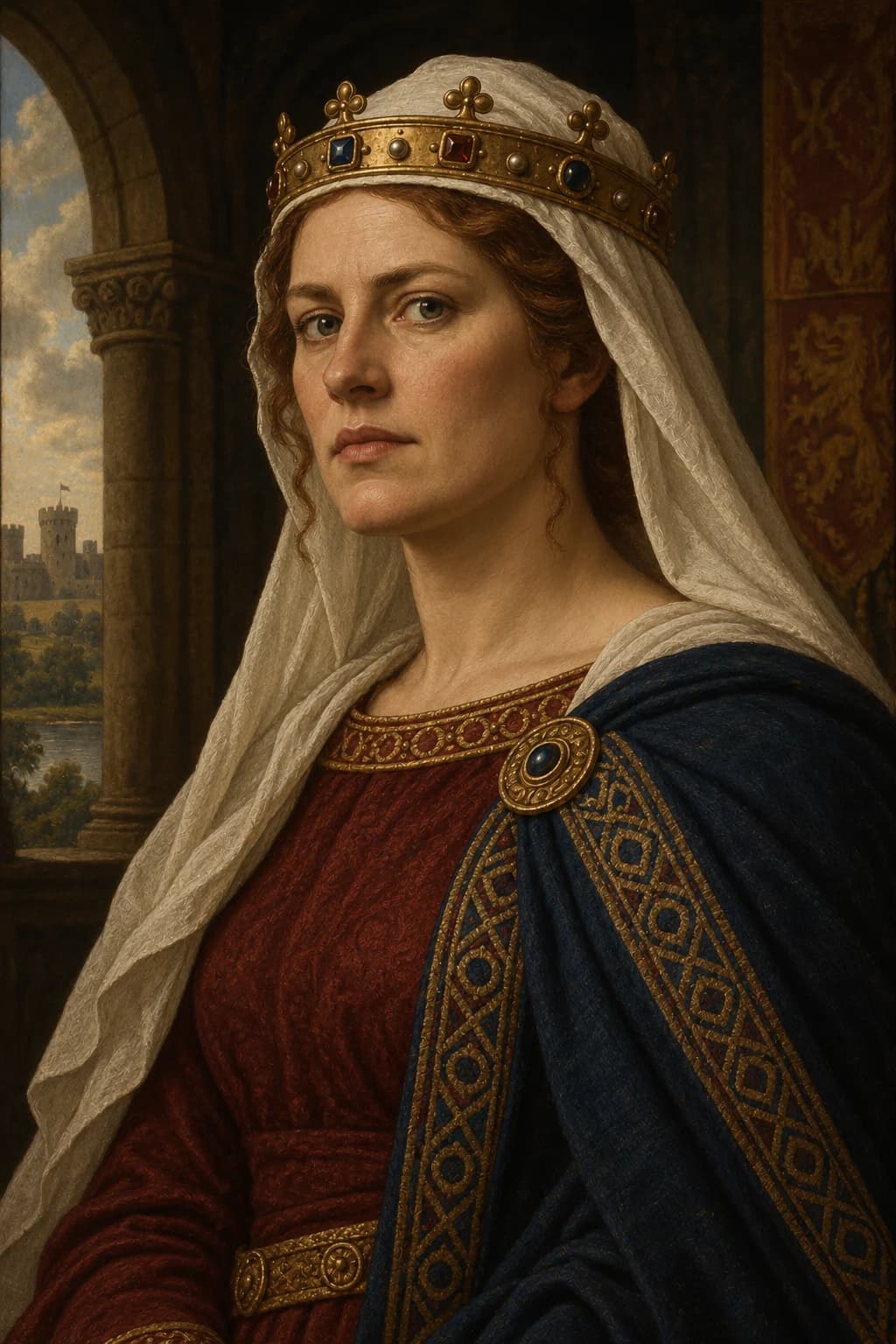
AI-generated portrait of Geoffrey of Anjou in period clothing; an interpretive reconstruction, not a documented likeness
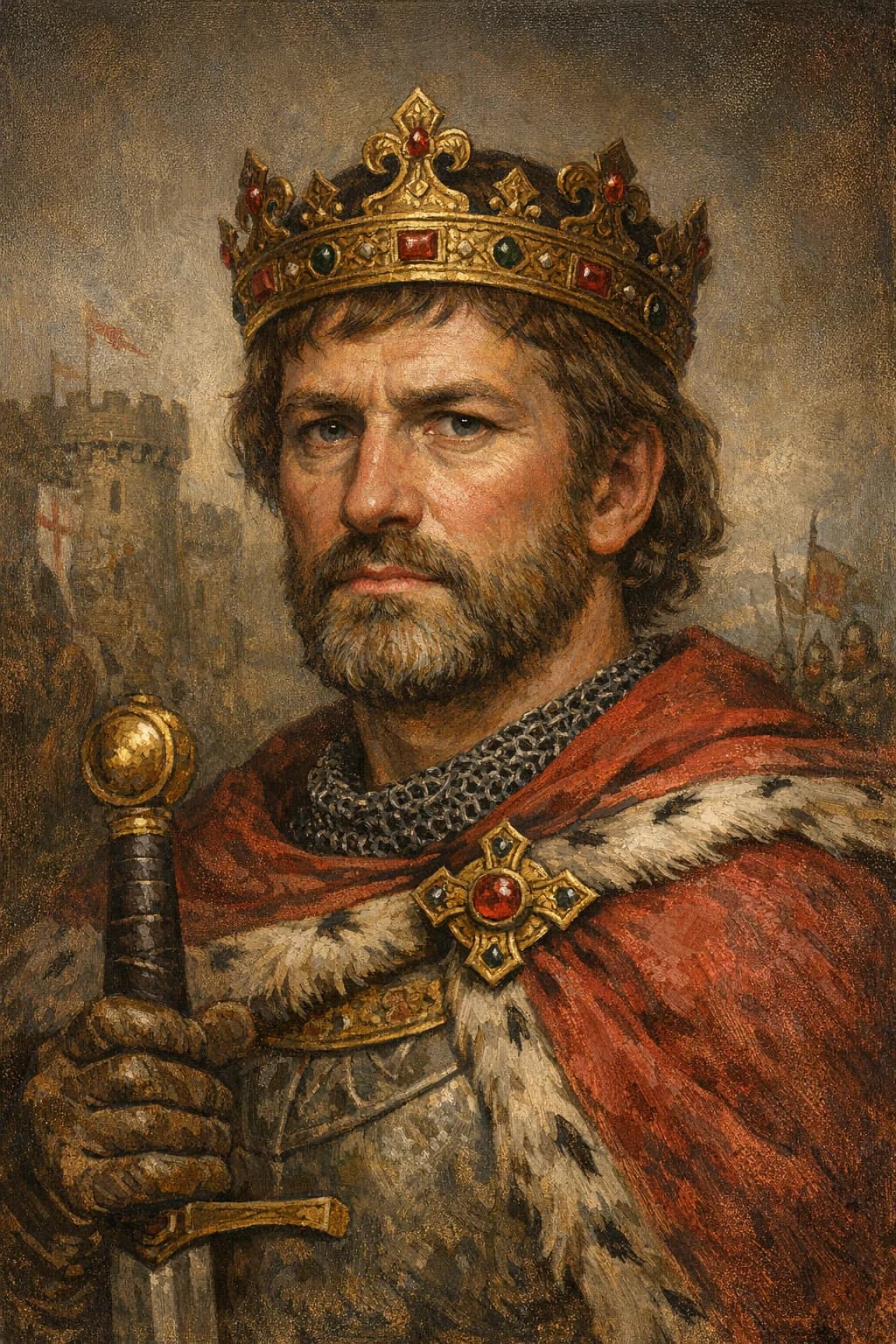
AI-assisted historical reconstruction

An illustrative reconstruction based on historical context. It is not a photograph or documentary likeness. Image policy

Life Journey

The Angevin count behind the Plantagenet name

Follow Geoffrey from his Angevin inheritance to the conquest of Normandy and the future of his sons.

Complete chronology

1113–1128

Heir to Anjou

Geoffrey was the son of Fulk of Anjou and Eremburga of Maine. Their lands placed him within a network of competing lordships in western France, where castles, marriages and local loyalties mattered as much as grand titles. Anjou’s relationship with Normandy had long included rivalry. Geoffrey’s early prospects were those of a regional count, expected to defend his inheritance and keep powerful neighbours and vassals in check. The future English dynasty did not yet exist as a political project. It grew from the opportunities opened by an unexpected marriage and a disputed succession.
1128

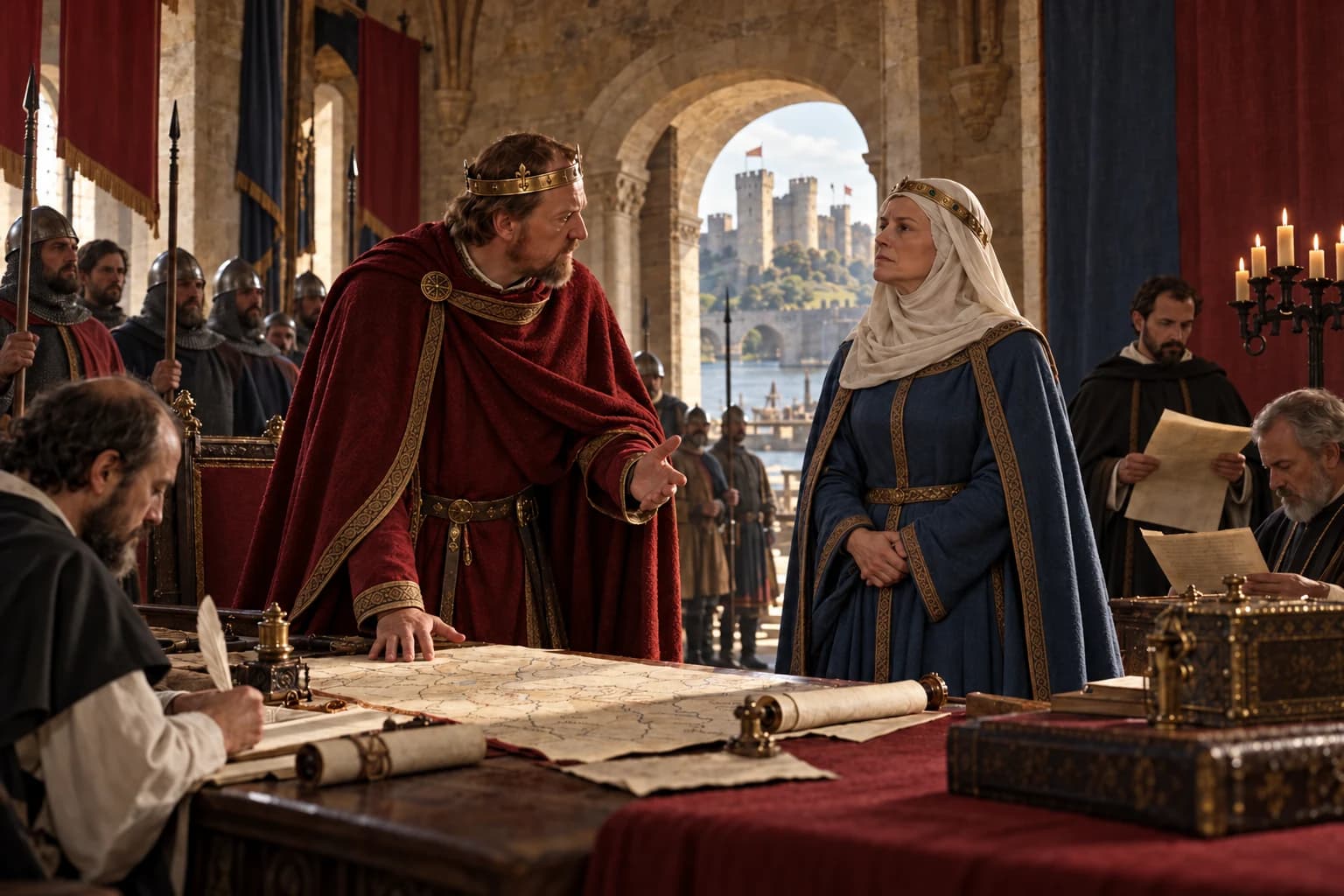
A marriage across a rivalry

The marriage arranged by Henry I joined Geoffrey to a woman with imperial experience and a claim to England and Normandy. Matilda was considerably older than her new husband and brought a status beyond anything his county alone could offer. For Henry, the union secured a useful alliance on Normandy’s border. For Norman nobles, an Angevin husband could look like a threat to established interests. The match therefore created both opportunity and opposition. It supplied the family with an argument for a much larger inheritance without providing an easy way to take possession of it.

1129–1132

A count in his own right

Fulk’s departure to pursue a new position in the kingdom of Jerusalem left Geoffrey responsible for Anjou and Maine. He was still young, but the expectations of lordship were immediate: hold castles, collect revenues and enforce authority among nobles who had interests of their own. His marriage to Matilda experienced a period of separation before reconciliation. These troubles mattered politically as well as personally, because the alliance depended on their household continuing to function. Geoffrey’s later conquests rested on first maintaining a viable base at home, rather than simply possessing a prestigious wife.

1133–1135

The next generation

The birth of Henry supplied the marriage with a future beyond the immediate contest for authority. Two more sons followed, making the household a dynastic centre rather than an alliance between two individuals alone. Henry I could see a grandson who might eventually unite Matilda’s inheritance with Geoffrey’s lands. Yet birth did not solve the practical question of succession. Henry I died in 1135 while relations with the couple were strained, and Stephen rapidly secured England. Geoffrey’s family possessed powerful claims, but their opponents had gained the crown and the advantage of established rule.

1135–1139

A divided inheritance

Geoffrey concentrated on Normandy while Matilda pursued the wider succession. The duchy was not a single prize waiting to be handed over: its nobles, towns and fortresses could support different leaders or change allegiance as circumstances shifted. Geoffrey’s early campaigns encountered resistance and setbacks. Stephen’s responsibilities in England made sustained attention to Normandy harder, but that alone did not ensure Angevin success. Geoffrey had to build control through repeated pressure and negotiation. The contest illustrates why medieval titles described claims to authority more easily than they guaranteed obedience on the ground.

1139–1143

Matilda fights in England

Matilda’s arrival in England in 1139 opened a more direct contest for the crown. Geoffrey remained focused on the continental lands, making their effort geographically divided but strategically connected. Stephen could not easily secure both kingdoms of interest at once, and his capture in 1141 further weakened the authority behind Norman resistance. Even so, Matilda’s English victories proved reversible. Geoffrey’s task was to turn the family’s gains into something more durable: a territorial base that would remain useful whether or not Matilda reached coronation. Normandy became increasingly important to that calculation.

1144

Normandy secured

The capture of Rouen marked a decisive stage in Geoffrey’s conquest of Normandy. By 1144 he could assume the title Duke of Normandy with effective control over most of the duchy. The achievement transformed the balance of the succession struggle. Matilda remained unable to secure England, but her husband had taken the continental inheritance associated with her father’s monarchy. Normandy also supplied their eldest son with resources, contacts and a recognised position. Geoffrey had done more than win a series of campaigns: he had altered the territory from which the next claimant could act.

1150–1151

Henry takes the lead

Passing Normandy to Henry allowed the young prince to exercise ducal authority while Geoffrey was still alive. It also clarified how the family’s political future would move forward. Geoffrey died in 1151, aged thirty-eight, before Henry’s marriage to Eleanor of Aquitaine or accession to England. Those later events greatly expanded a base Geoffrey had helped create. His lifetime ended before the fullest consequences of his campaigns appeared. The son’s subsequent success depended on both parents: Matilda supplied the English hereditary claim, and Geoffrey supplied much of the continental power needed to make it credible.

1151 and after

A nickname becomes a dynasty

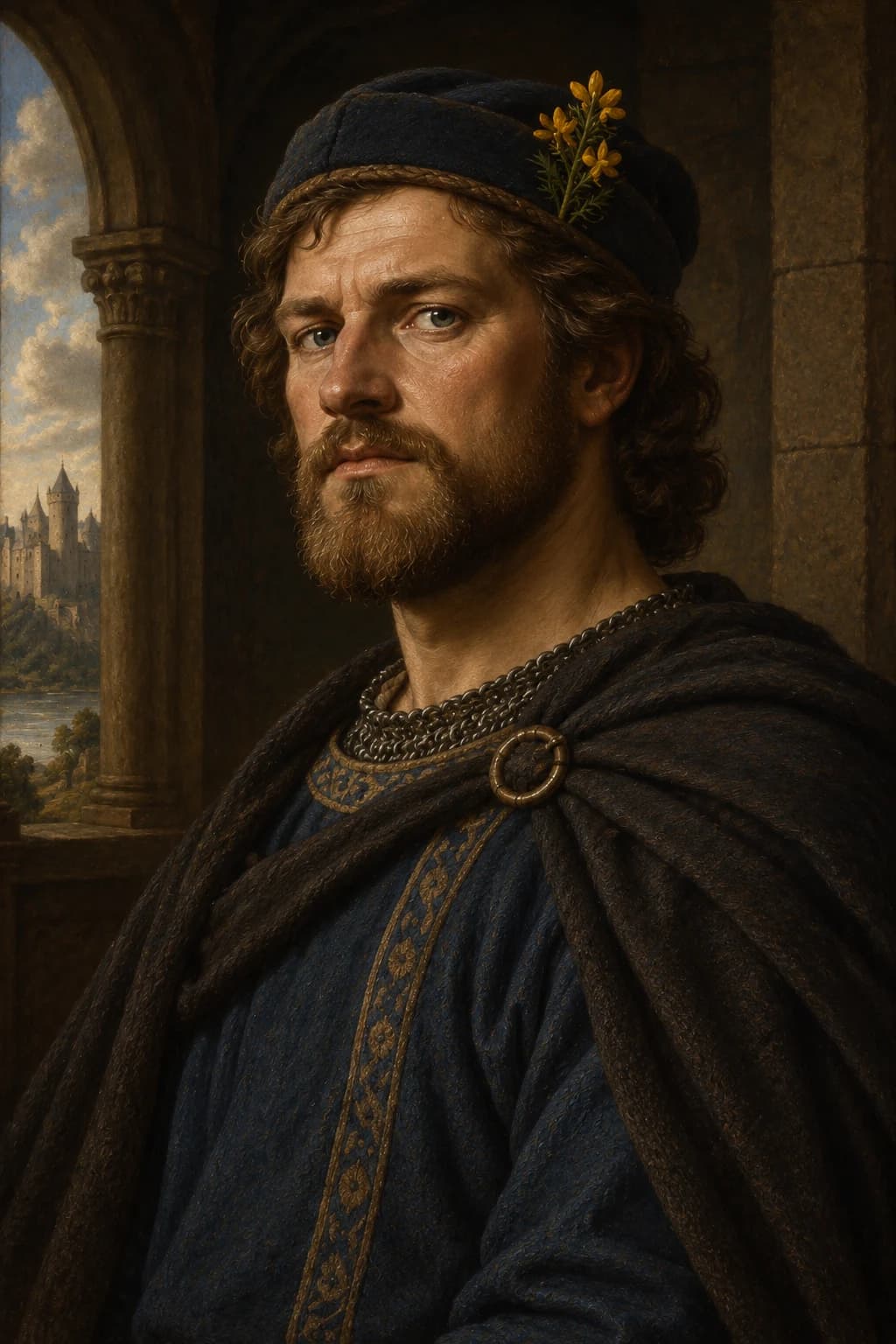
The association between Geoffrey and broom, called genêt in French, became the traditional explanation of the name Plantagenet. The story should be treated as a tradition attached to his nickname, rather than proof of a documented daily habit. Henry II and his immediate successors did not routinely use Plantagenet as a modern family surname. Its later adoption and historians’ usage gathered different branches of the dynasty under one name. Geoffrey never ruled England, but the name attached to him became shorthand for the centuries of English royal history that followed his son’s accession.

Continue in context

Connected stories

Move from the profile into the wider events and settings this figure belongs to.

Tertiary paths

Content note

This profile is written for educational use and connects to related Stories of History pages. The main portrait is an AI-assisted historical reconstruction, included as an illustrative aid rather than documentary evidence. Image policy

References

Sources & Further Reading

Reliable reference works, archives and reading paths connected to this profile.

Sources used

  1. CNRS, Institut de recherche et d’histoire des textes, “Geoffroy V d’Anjou (Geoffroy Plantagenêt, 1113–1151),” accessed 2 October 2026.

    Authority record for Geoffrey’s identity, dates and Norman title.

    Open source
  2. Columbia University, Epistolae, “Matilda of England, empress,” accessed 2 October 2026.

    Marriage, family and the contest for Henry I’s inheritance.

    Open source
  3. Wikisource, Encyclopaedia Britannica (1911), “Geoffrey Plantagenet,” accessed 2 October 2026.

    Historical biographical reference; the outdated 1129 marriage date is not followed.

    Open source
  4. Westminster Abbey, “Matilda (Maud), wife of Henry I,” accessed 2 October 2026.

    Relationship between Geoffrey, Matilda and Henry II.

    Open source

Further reading

  1. Encyclopaedia Britannica, “Search results for Geoffrey of Anjou,” accessed June 2026.Open source
  2. WorldCat, “Books and library holdings for Geoffrey of Anjou,” accessed June 2026.Open source

Primary sources

  1. Library of Congress, “Search results for Geoffrey of Anjou,” accessed June 2026.Open source

Reviewed claim sources

Loading reviewed claim sources...

A monthly route through history

Find out first about the latest published stories, feature notes and occasional Premium offers in one monthly email.