← People

Frederick II

Frederick II, Holy Roman Emperor (1194–1250) was holy roman emperor and king of sicily. A Sicilian king with an imperial crown, he built a powerful southern monarchy, negotiated for Jerusalem and spent much of his reign confronting popes who feared his reach.

Born
1194 CE
Died
1250 CE
Role
Holy Roman Emperor and King of Sicily
Full name
Frederick II, Holy Roman Emperor
Also known as
Frederick II of Hohenstaufen, Frederick II, King of Sicily

Holy Roman Emperor and King of Sicily (1194–1250)

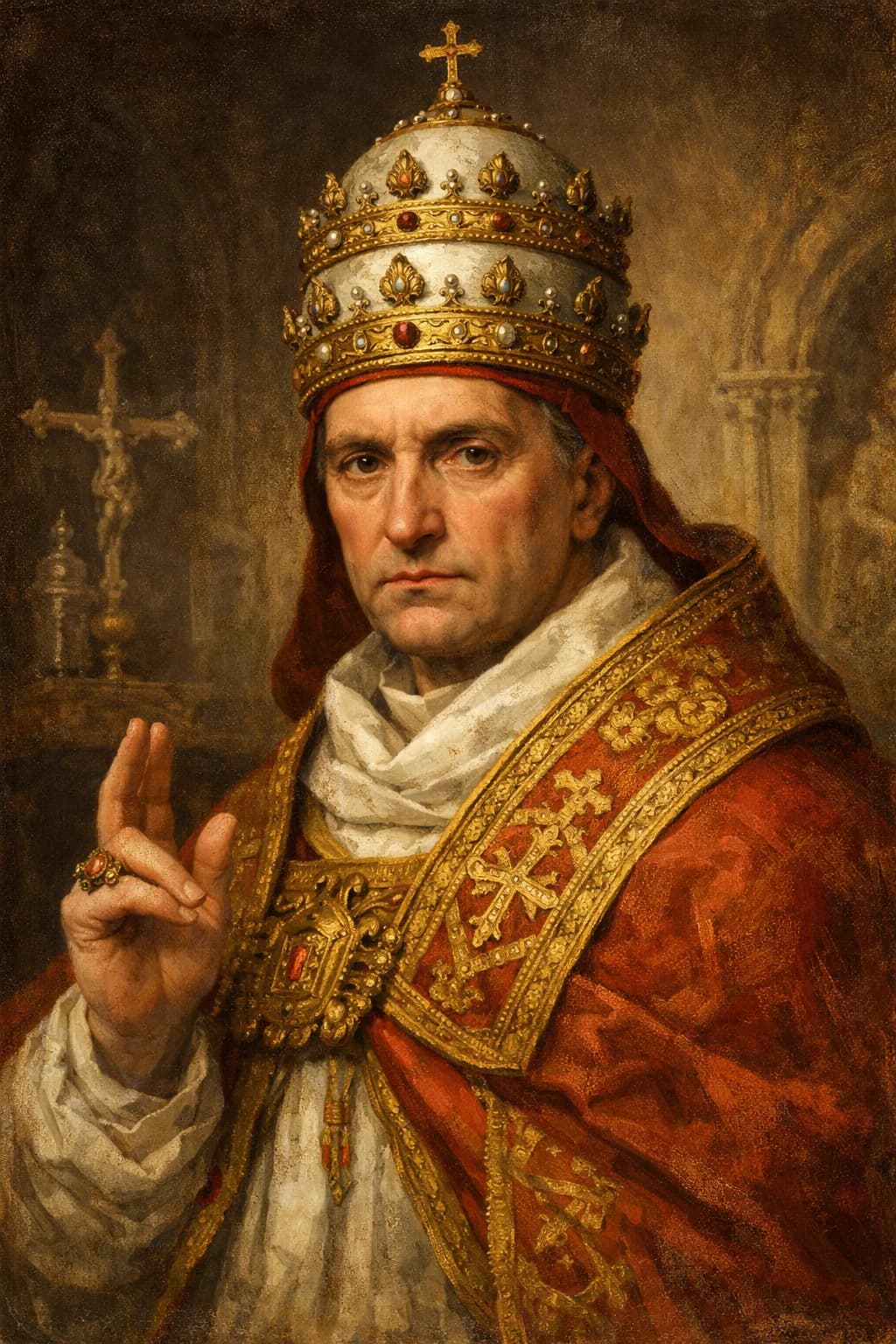
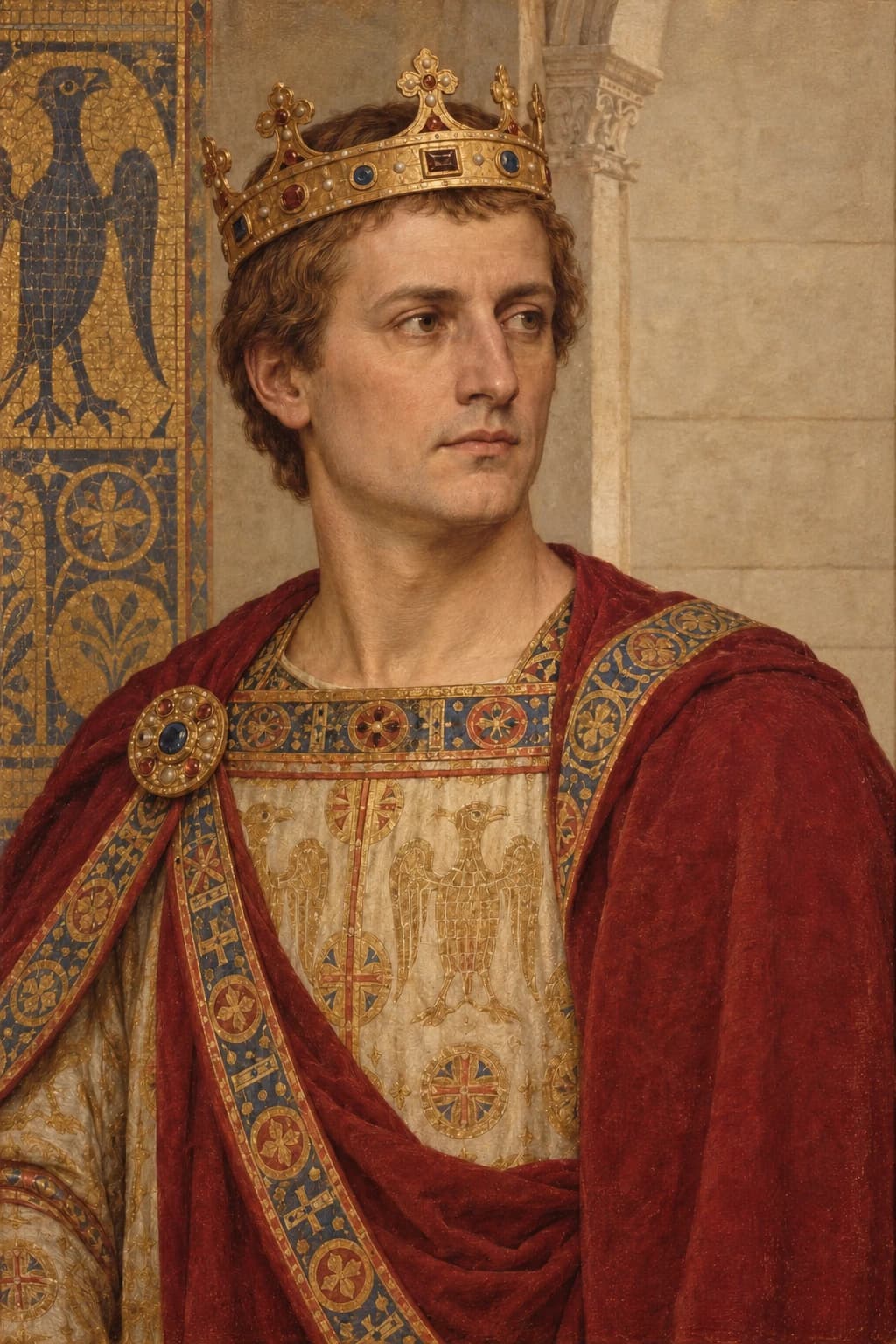
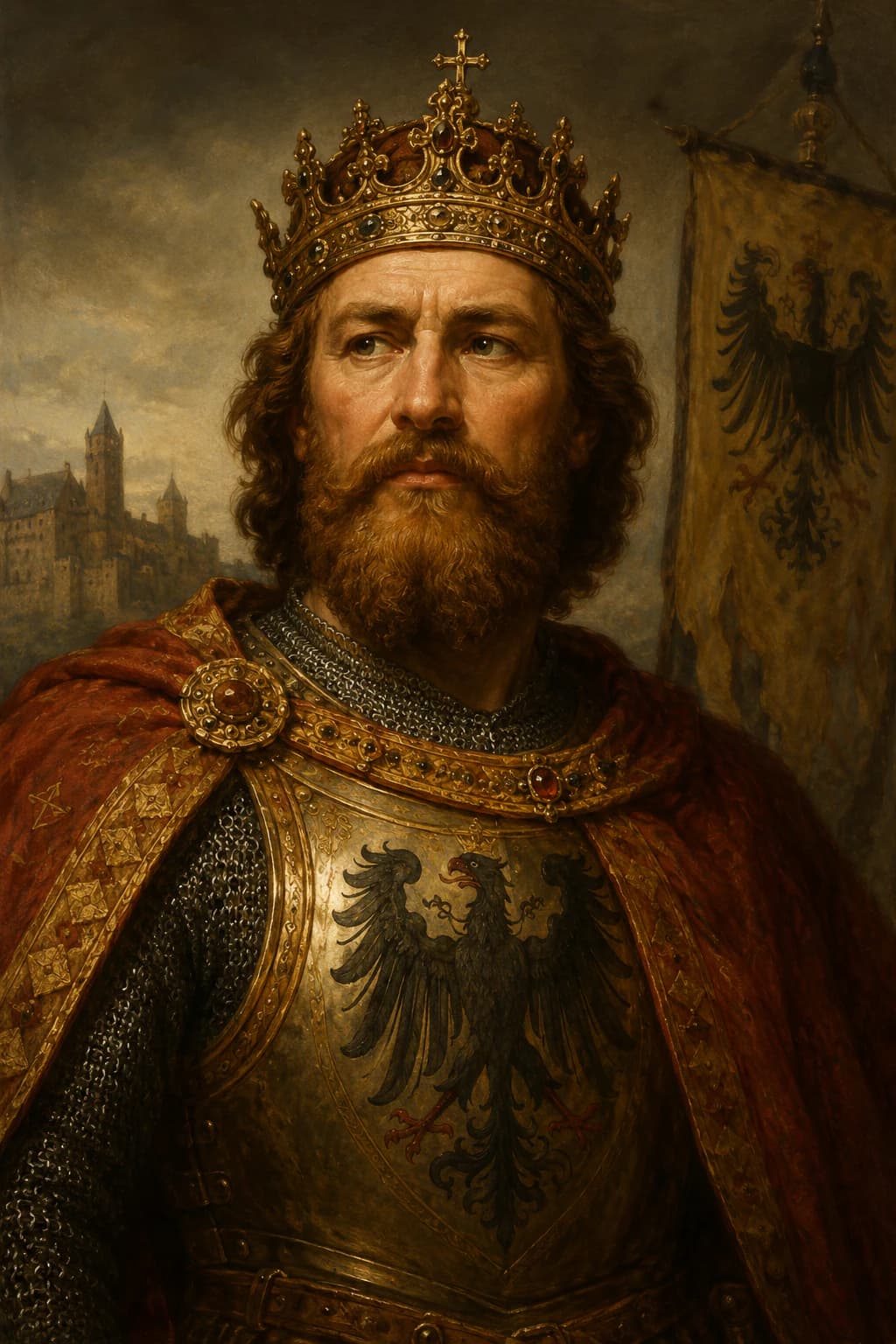
AI-generated portrait of Frederick II, Holy Roman Emperor in period clothing; an illustrative historical reconstruction, not a documentary likeness
AI-assisted historical reconstruction

An illustrative reconstruction based on historical context. It is not a photograph or documentary likeness. Image policy Attribution

Life Journey

The emperor whose power stretched across Italy

Follow Frederick from a vulnerable Sicilian childhood to diplomacy, legislation and a struggle with the papacy.

Complete chronology

1194–1198

A child with two inheritances

The Hohenstaufen and Norman inheritances gave Frederick claims in different political worlds. He became king of Sicily in 1198, while his northern dynastic interests remained caught in rivalries over the German crown. Constance’s death left the child under papal guardianship. Possessing a royal title offered little security when others controlled the resources needed to exercise it.
1198–1211

Growing up in Sicily

The Sicilian monarchy inherited administrative experience from Norman, Byzantine and Islamic rule. Frederick grew up amid struggles over who would govern in his name. As he came of age, he sought to recover control over the kingdom. Its Mediterranean setting influenced his court, but cultural variety did not make royal government free of coercion or political calculation.

1212–1215

Winning the northern crown

The pope’s conflict with Otto IV opened an opportunity for Frederick, whose dynastic claim needed recognition from the German princes. He crossed the Alps and built support during a contested succession. Coronation at Aachen in 1215 strengthened his position. The journey demonstrated that even a ruler with an impressive inheritance depended on the decisions of other powerful participants.

1220

Emperor, with Sicily still his

The coronation of 1220 joined Frederick’s German kingship to imperial dignity without removing his separate Sicilian kingdom. Papal concerns were geographical as well as spiritual: one dynasty held interests north and south of the papal lands. Agreements about crusading and the relationship between the kingdoms temporarily managed that tension, but did not make it disappear.

1224

Learning serves the monarchy

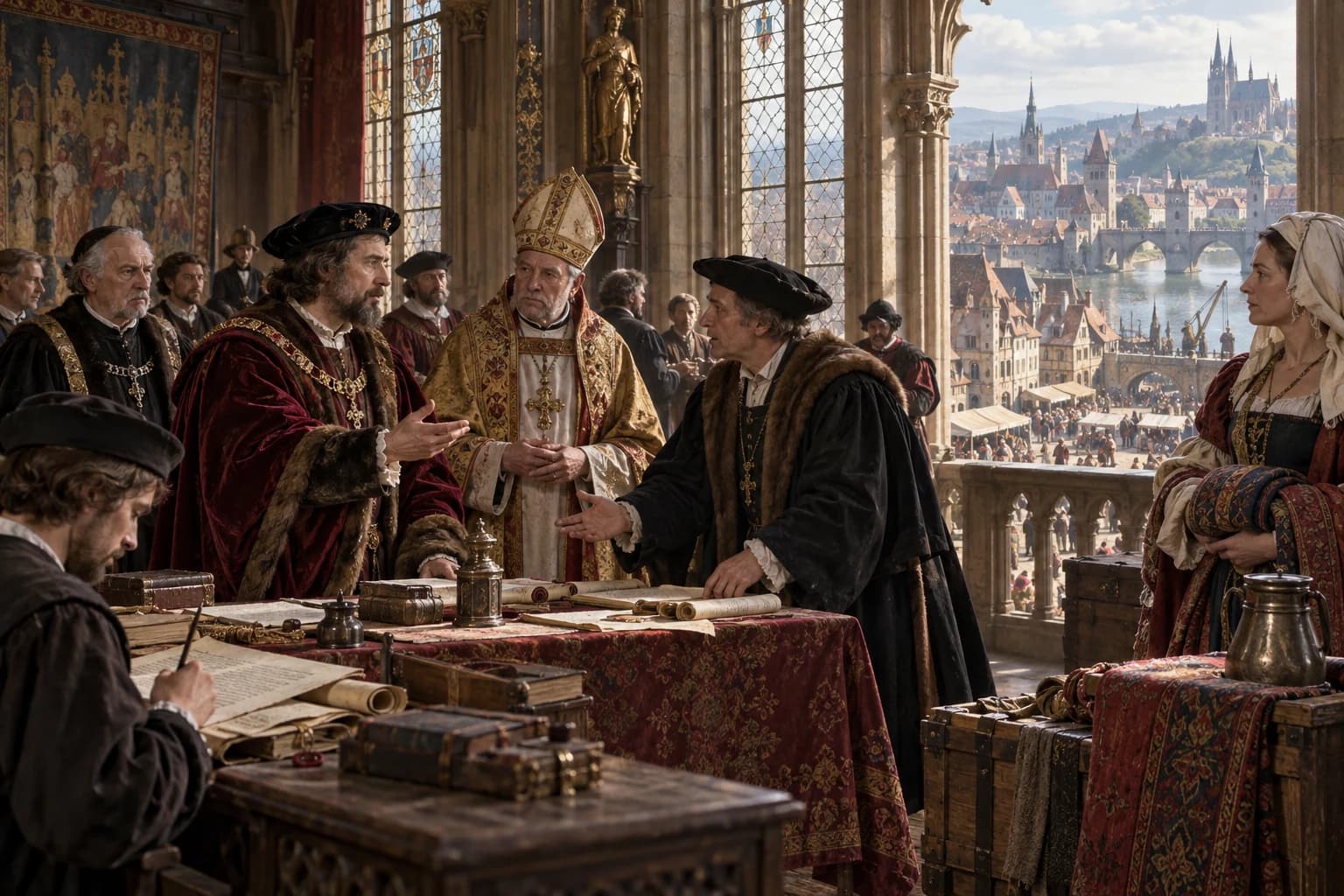
The founding letter announced a place of study within Frederick’s own kingdom. Legal education was useful to a monarchy that required administrators and wanted to keep expertise close to its court. Patronage therefore served intellectual life and the practical demands of government. Frederick’s interest in learning should not be separated from the political institutions he sought to strengthen.

1228–1229

Jerusalem through negotiation

Papal punishment did not prevent Frederick from leading his eastern expedition. Negotiation with al-Kamil produced a settlement in 1229 that transferred Jerusalem while safeguarding Muslim control of important holy sites. It was a conditional diplomatic arrangement, not an end to regional conflict. Its success did not reconcile Frederick with every church leader or secure his western lands.

1231

Law in the Sicilian kingdom

The legislation gathered and extended the rules of the southern monarchy, asserting the ruler’s authority over justice and public order. Its institutional setting was the kingdom of Sicily, not a single bureaucracy covering the entire empire. In the German lands Frederick continued to depend on princes with established privileges. His different approaches reflected the resources available in each realm.

1230s–1245

The papal conflict returns

Victories did not give Frederick uncontested authority in northern Italy. Cities and popes had reasons to resist the reach of his dynasty, while renewed papal penalties encouraged political opposition. The declaration of deposition at the Council of Lyon intensified the dispute without automatically removing him. Authority remained something that armies, allies and rival claims tested on the ground.

1248–1250

A powerful ruler, an unstable succession

Frederick died with the conflict unresolved. His southern monarchy had acquired durable legal and educational institutions, while the Hohenstaufen position elsewhere remained exposed. Successors faced papal opposition and competing claims rather than a settled imperial inheritance. His legacy combines impressive administrative achievements with the limits of a ruler whose many titles never produced a single, secure political order.

Continue in context

Connected stories

Move from the profile into the wider events and settings this figure belongs to.

Tertiary paths

Content note

This profile is written for educational use and connects to related Stories of History pages. The main portrait is an AI-assisted historical reconstruction, included as an illustrative aid rather than documentary evidence. Image policy Image attribution

References

Sources & Further Reading

Reliable reference works, archives and reading paths connected to this profile.

Sources used

  1. World History Encyclopedia, “Frederick II,” accessed 2 October 2026.

    Broad chronology and papal conflict; evaluative claims and questionable timeline details are not adopted.

    Open source
  2. Università degli Studi di Napoli Federico II, “Cenni biografici,” accessed 2 October 2026.

    Sicilian kingship, imperial rule and cultural patronage.

    Open source
  3. Reti Medievali / University of Naples, “Le costituzioni di Melfi,” accessed 2 October 2026.

    Extracts from the 1231 legislation and its administrative setting.

    Open source
  4. University of Naples, 800th anniversary, “Storia,” accessed 2 October 2026.

    The university foundation of 1224 and its founding letter.

    Open source

Further reading

  1. Encyclopaedia Britannica, “Search results for Frederick II,” accessed June 2026.Open source
  2. WorldCat, “Books and library holdings for Frederick II,” accessed June 2026.Open source

Primary sources

  1. Library of Congress, “Search results for Frederick II,” accessed June 2026.Open source

Reviewed claim sources

Loading reviewed claim sources...

A monthly route through history

Find out first about the latest published stories, feature notes and occasional Premium offers in one monthly email.