← People

Francis II

Francis II, Holy Roman Emperor (1768–1835) was holy roman emperor and emperor of austria. The last Holy Roman Emperor, he laid down the old imperial crown under Napoleonic pressure while preserving a separate Austrian empire and helping build Europe’s conservative postwar order.

Born
1768 CE
Died
1835 CE
Role
Holy Roman Emperor and Emperor of Austria
Full name
Francis II, Holy Roman Emperor
Also known as
Francis I of Austria, Franz II, Franz I of Austria

Holy Roman Emperor and Emperor of Austria (1768–1835)

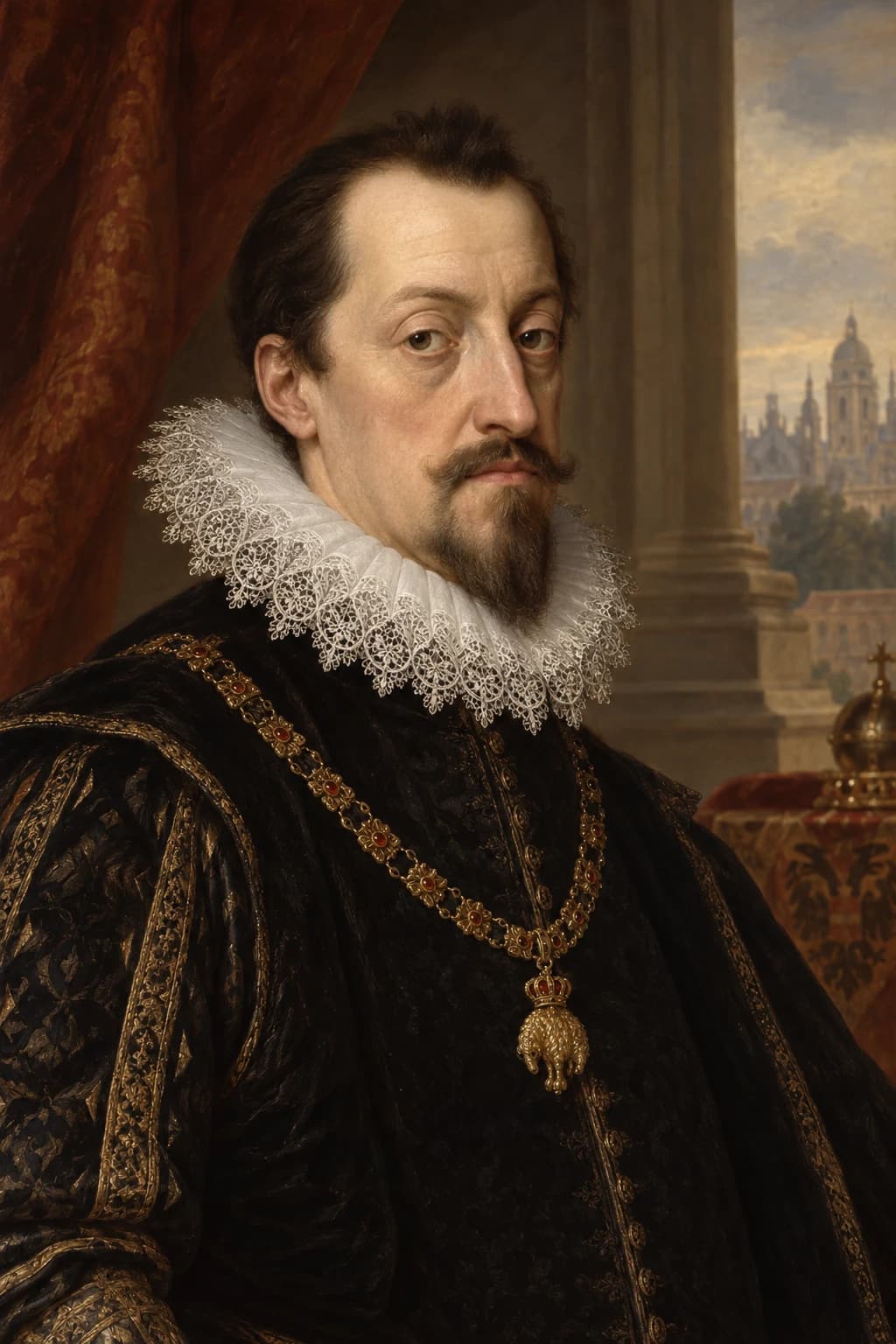
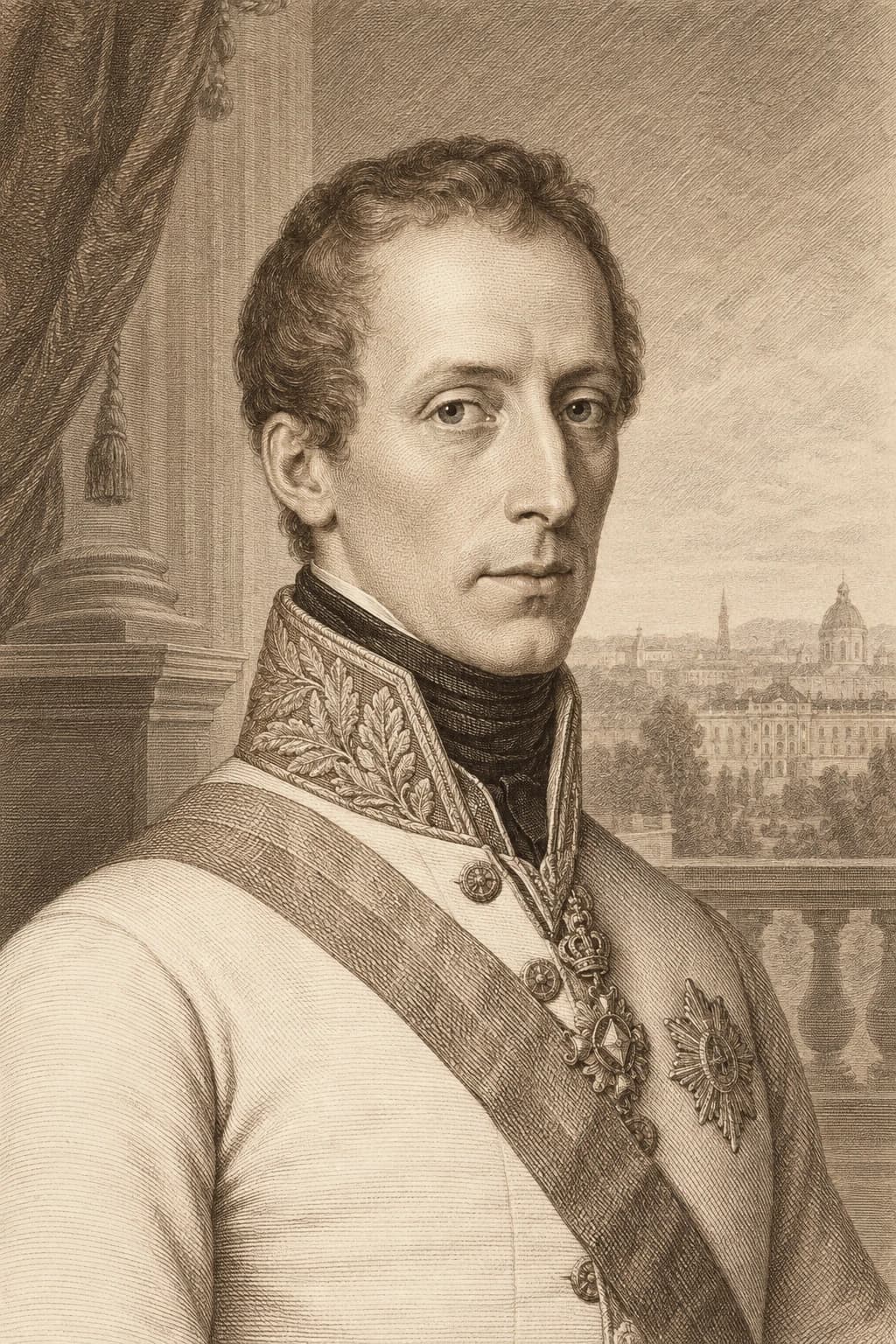
AI-generated portrait of Francis II, Holy Roman Emperor in period clothing; an illustrative historical reconstruction, not a documentary likeness
AI-assisted historical reconstruction

An illustrative reconstruction based on historical context. It is not a photograph or documentary likeness. Image policy Attribution

Life Journey

The ruler who survived the end of his empire

Follow Francis through revolutionary war, two imperial titles and Austria’s return to great-power diplomacy.

Complete chronology

1768–1784

Born in Florence

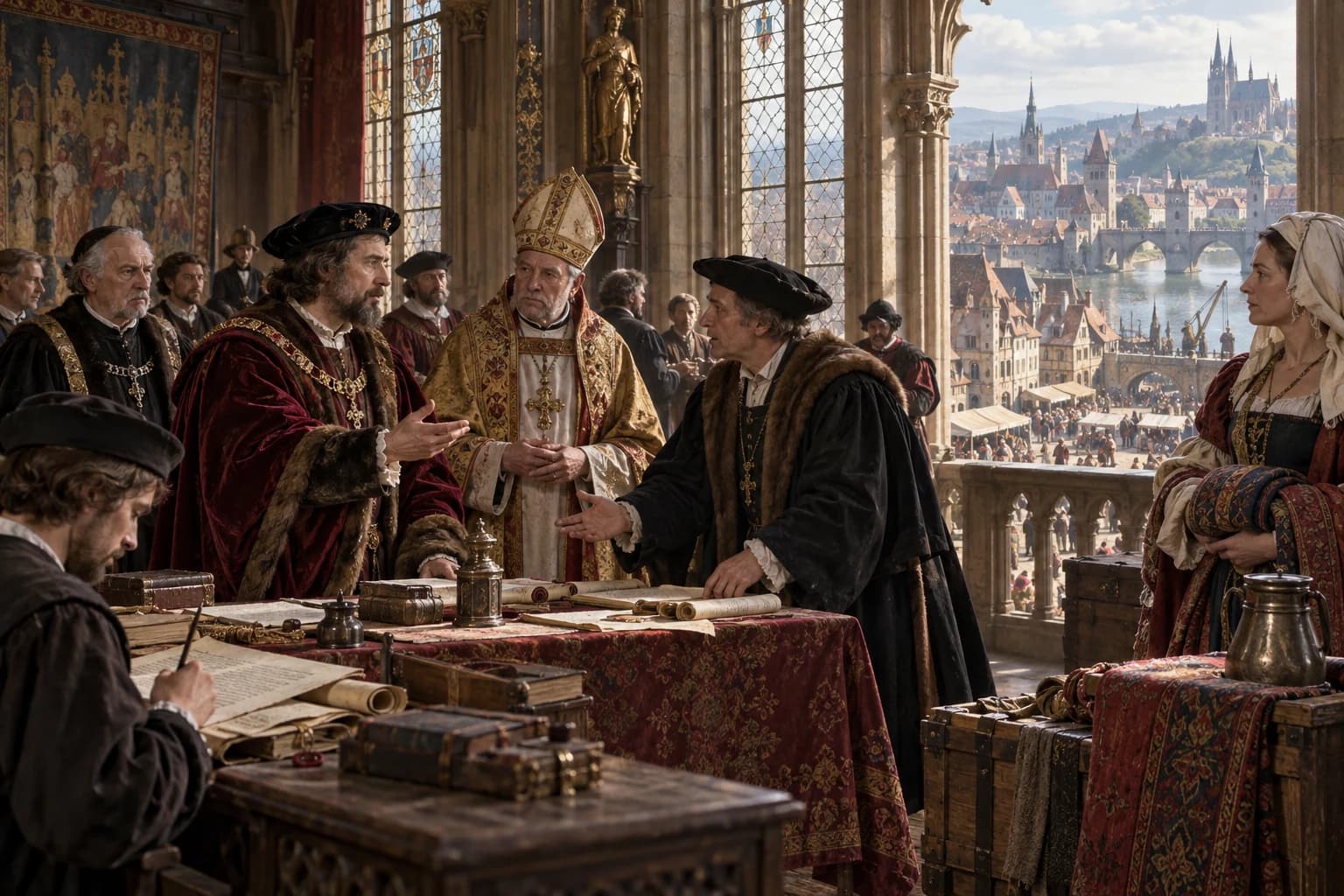
Francis was born into the Habsburg-Lorraine family while its senior members governed different territories. His childhood in Florence connected him to a large dynastic household rather than immediately to the imperial court in Vienna. As a likely future successor, he carried expectations that went beyond personal advancement. His education was preparation for preserving a ruling house and its possessions.
1784–1792

An apprentice in Vienna

Training at the imperial court placed Francis under the demanding supervision of Joseph II. After Joseph’s death, Leopold became emperor, but died in 1792 after only a short reign. Francis therefore inherited major responsibilities while still young. Preparation for government could not prepare him fully for the revolutionary upheaval already changing the conditions in which monarchs exercised power.

1792

A crown amid revolution

His accession coincided with the breakdown of relations between France and the Habsburg monarchy. The new emperor had to defend his hereditary territories while exercising authority in a wider empire whose rulers had their own interests. These responsibilities were connected but not identical. Revolutionary warfare made that distinction increasingly important as coordinated resistance proved difficult.

1790s–1803

Napoleon changes the balance

Military defeats and negotiated settlements altered the resources available to Francis and other rulers. Territorial compensation enlarged some states while secularisation dismantled many ecclesiastical territories. The Holy Roman Empire’s balance changed before its title disappeared. Francis faced an institutional order losing members and relationships that had helped sustain its shared political framework.

1804

A second imperial title

The new title preserved imperial rank for the Habsburg dynasty amid Napoleon’s rise. It belonged to Francis’s hereditary monarchy, whose lands had never been identical to the Holy Roman Empire. The two titles therefore referred to different political structures. Creating the Austrian Empire did not simply rename the older elective empire or automatically end its institutions.

1805–1806

Laying down the old crown

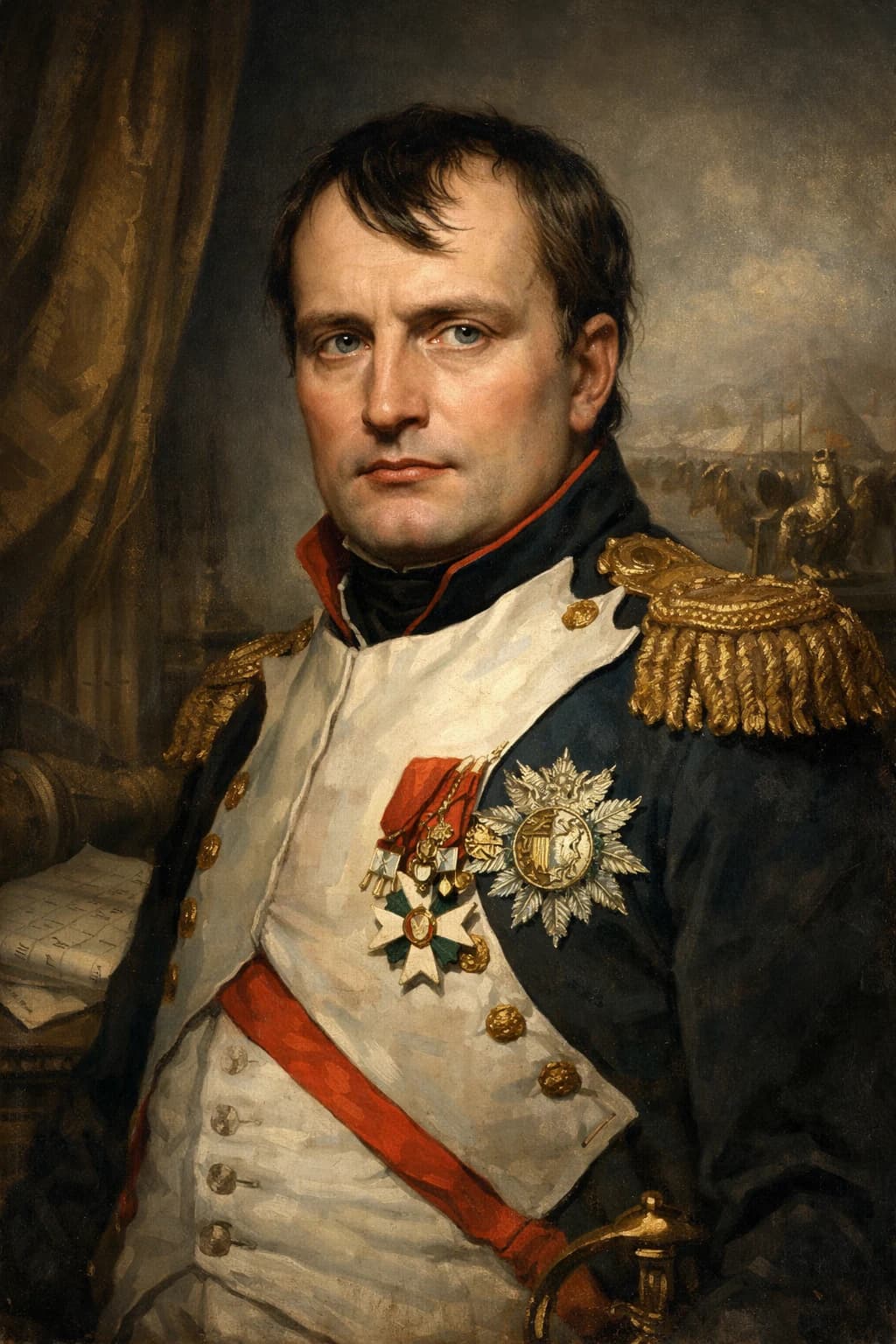
Napoleon’s military position allowed German rulers to organise under French protection and withdraw from the empire. Francis’s declaration released the remaining imperial obligations as he abandoned the title. There was no successor to the Holy Roman crown. His Austrian monarchy continued, showing how a dynasty could survive the end of an institution with which it had long been associated.

1809–1810

Defeat, then a dynastic accommodation

Military resistance in 1809 failed to reverse Napoleon’s dominance. The marriage of 1810 offered an accommodation between families that had repeatedly fought. It did not erase rivalry or make later policy predictable. Francis’s choices reflected the need to preserve the monarchy under pressure, using dynastic connection when immediate military options had proved costly.

1813–1815

Returning to the European settlement

Napoleon’s weakening position created room for renewed Austrian action. Metternich helped shape diplomacy, while Francis supplied the authority and ceremonial setting of the monarchy. The Vienna settlement restored Austria’s great-power position without reviving the Holy Roman Empire. German political arrangements now followed a different framework, demonstrating that victory did not require a return to every institution of the past.

1815–1835

Order at the cost of freedom

The monarchy presented Francis as a dependable paternal ruler while Metternich defended the postwar settlement. Limits on expression and political organisation helped contain opposition, but did not remove the social and national tensions developing within the state. Francis’s long survival can therefore be read as dynastic success and as a system that restricted change rather than resolving its underlying pressures.

Continue in context

Connected stories

Move from the profile into the wider events and settings this figure belongs to.

Tertiary paths

Content note

This profile is written for educational use and connects to related Stories of History pages. The main portrait is an AI-assisted historical reconstruction, included as an illustrative aid rather than documentary evidence. Image policy Image attribution

References

Sources & Further Reading

Reliable reference works, archives and reading paths connected to this profile.

Sources used

  1. Die Welt der Habsburger, “Franz II (I): The ‘apprentice emperor’,” accessed 2 October 2026.

    Florentine childhood and preparation for succession.

    Open source
  2. Die Welt der Habsburger, “Franz II (I),” accessed 2 October 2026.

    Life dates and distinction between Holy Roman and Austrian titles.

    Open source
  3. Die Welt der Habsburger, “Franz I and the Austrian Empire,” accessed 2 October 2026.

    Austrian title, military defeats and the dynastic response.

    Open source
  4. Die Welt der Habsburger, “The ‘good emperor Franz’ and his hatchet man,” accessed 2 October 2026.

    Congress of Vienna, Metternich, censorship and later rule.

    Open source
  5. Fondation Napoléon, “Creation of the Confederation of the Rhine, 12 July, 1806,” accessed 2 October 2026.

    German territorial changes and dissolution of the old empire.

    Open source

Further reading

  1. Encyclopaedia Britannica, “Search results for Francis II,” accessed June 2026.Open source
  2. WorldCat, “Books and library holdings for Francis II,” accessed June 2026.Open source

Primary sources

  1. Library of Congress, “Search results for Francis II,” accessed June 2026.Open source

Reviewed claim sources

Loading reviewed claim sources...

A monthly route through history

Find out first about the latest published stories, feature notes and occasional Premium offers in one monthly email.