People

Desiderius

Desiderius was the last king of the Lombards, ruling from 756 until Charlemagne conquered the Lombard kingdom in 774. His conflict with the papacy and sheltering of Carloman's family drew him into Charlemagne's Italian campaign.

Died
c. 786 CE
Role
King of the Lombards

King of the Lombards (r. 756-774)

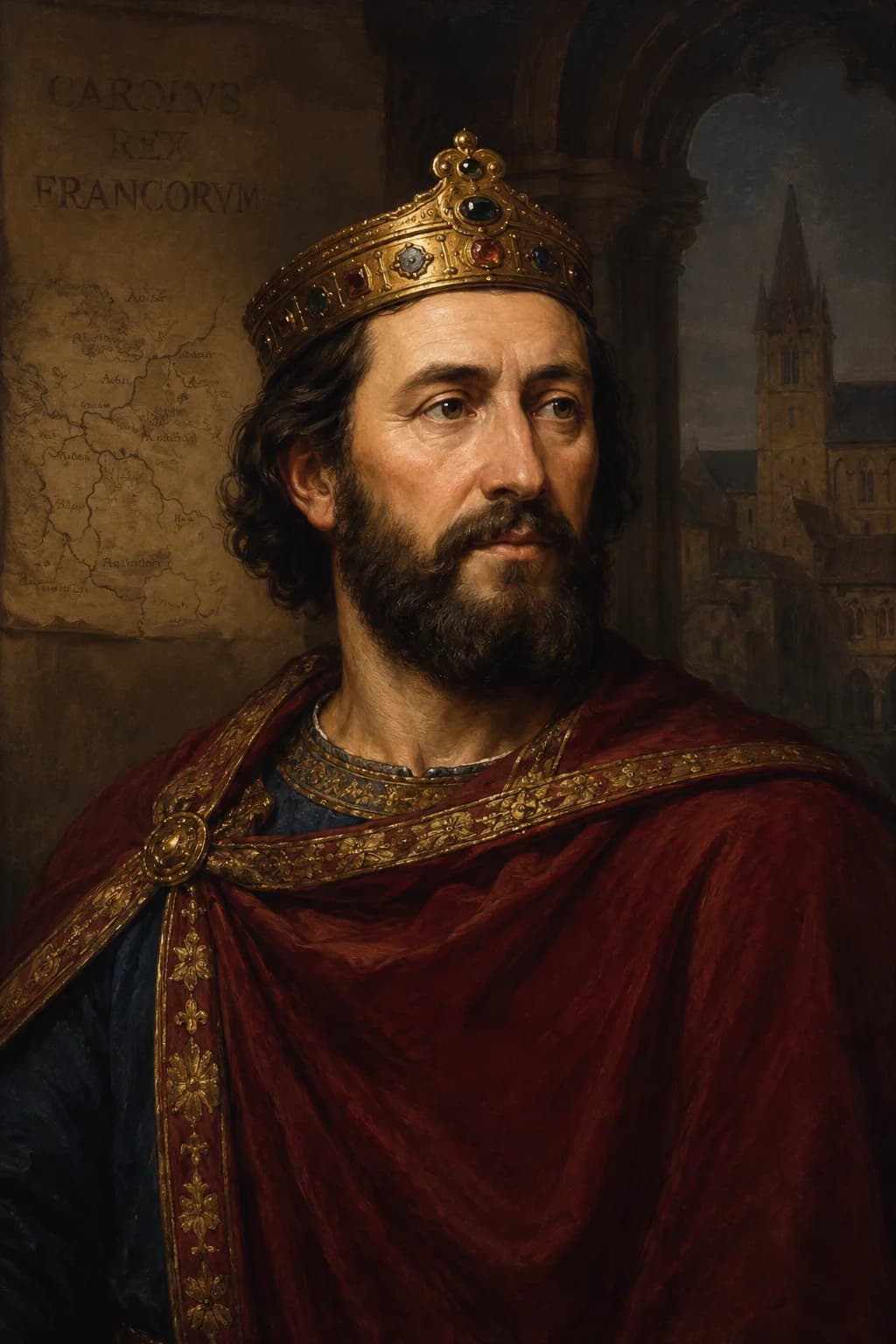
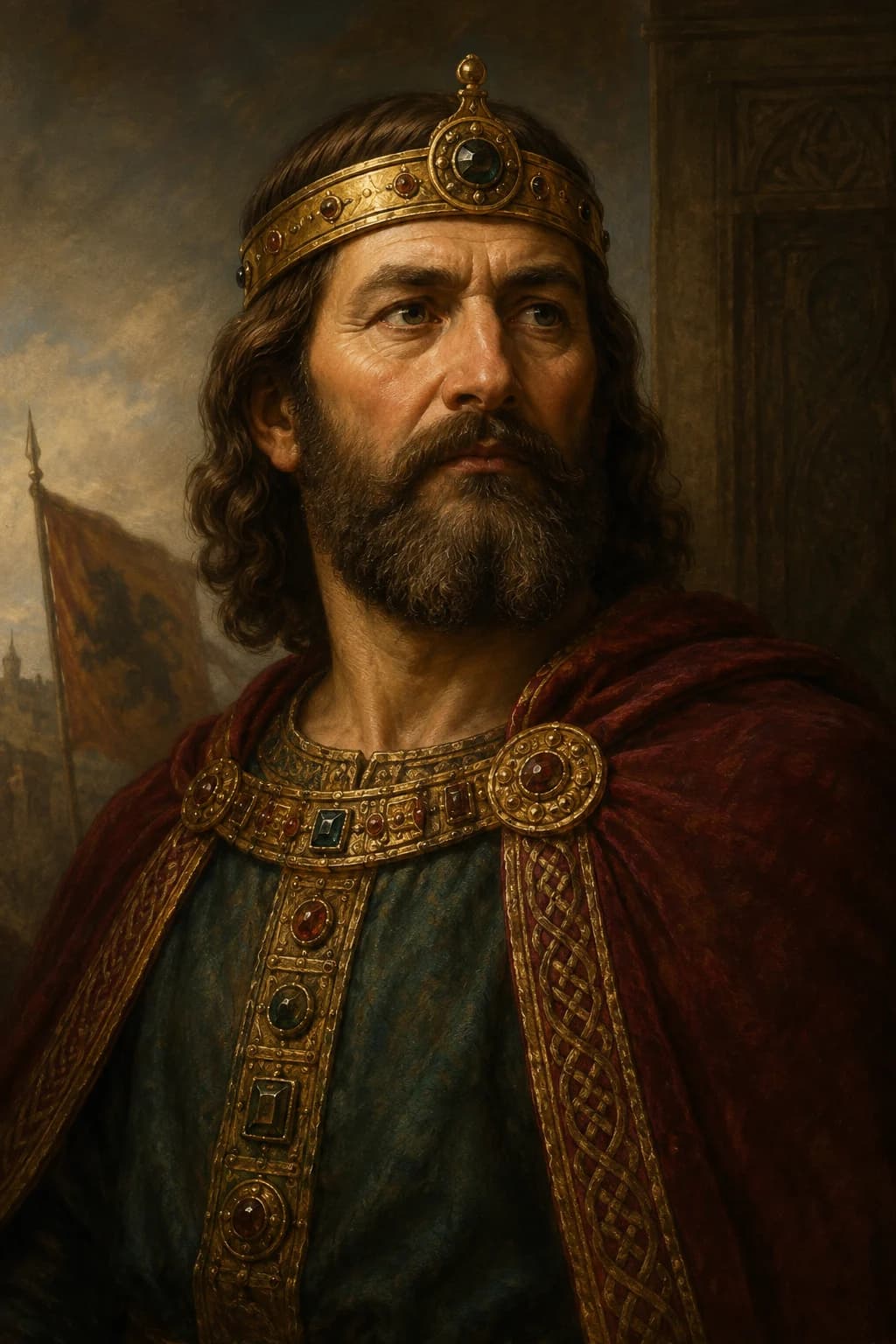
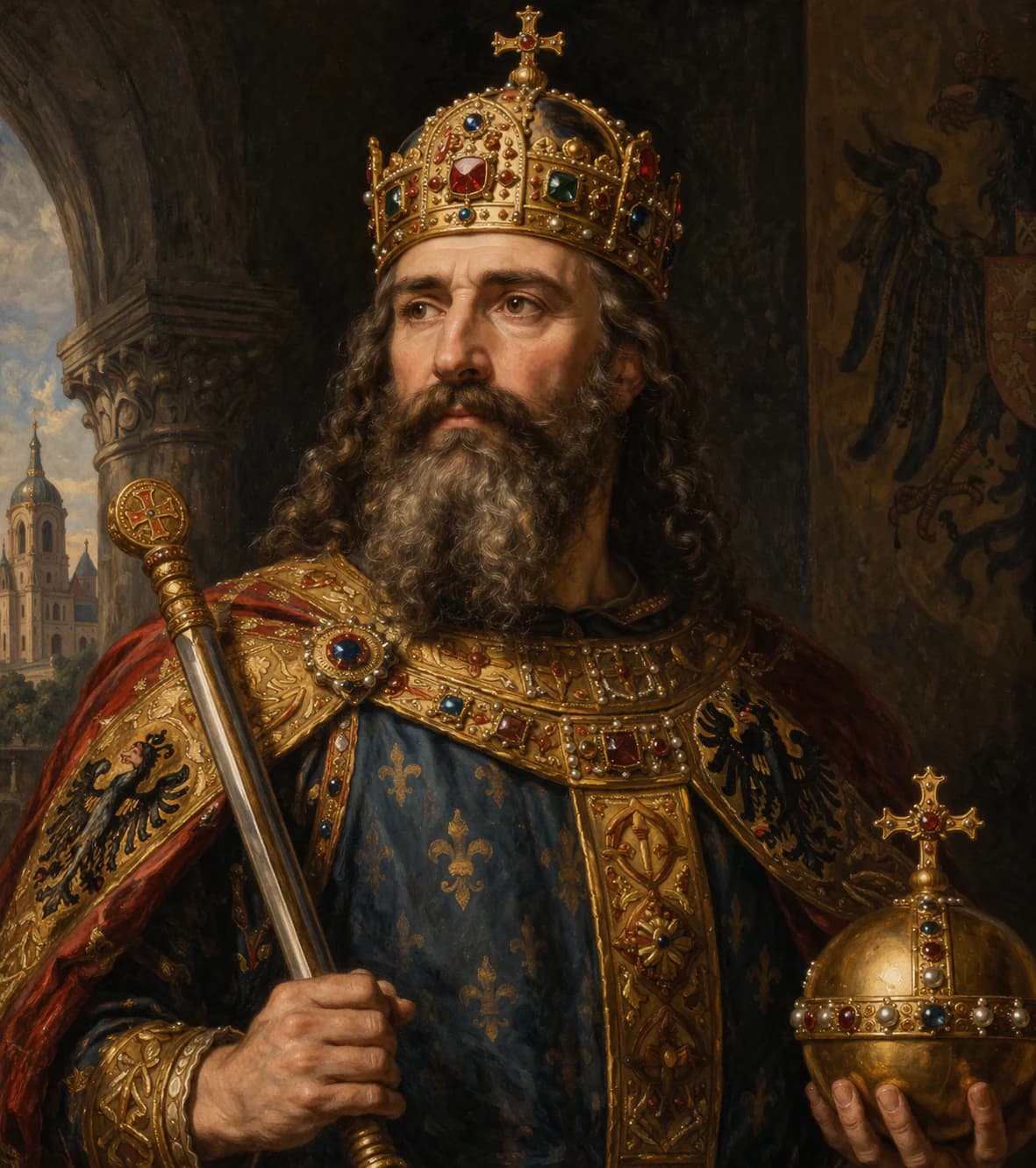
AI-generated portrait of Desiderius, last king of the Lombards
AI-assisted historical reconstruction

An illustrative reconstruction based on historical context. It is not a photograph or documentary likeness. Image policy

Quick answer

Desiderius was the last king of the Lombards, ruling from 756 until Charlemagne conquered the Lombard kingdom in 774. His conflict with the papacy and sheltering of Carloman's family drew him into Charlemagne's Italian campaign.

Died
c. 786 CE
Role
King of the Lombards
Years
Died c. 786 CE
Quick facts

Profile details

Additional identity and tagging details that are not already covered in the introduction.

Also known as
Didier of Lombardy
Facts

Desiderius timeline facts

Selected specifics from this profile's life story.

756
Lombard power in Italy

Desiderius became king of the Lombards in 756, ruling a kingdom whose power in Italy often brought it into conflict with the papacy.

760s
Pressure on the papacy

His expansion and pressure on papal territories helped keep the popes dependent on Frankish protection.

773-774
The siege of Pavia

Charlemagne crossed the Alps, besieged Pavia, and forced Desiderius to surrender in 774.

774 and after
After the conquest

Charlemagne took the title King of the Lombards, while Desiderius disappeared into monastic captivity.

Life Journey

The last Lombard king

Follow Desiderius from Lombard rule in Italy to the siege that ended his kingdom.

Complete chronology

756

Lombard power in Italy

Desiderius came to the Lombard throne after a period of instability and ruled from a kingdom centred in northern Italy. The Lombards had been part of Italian politics since the sixth century, controlling large territories while Rome and the papacy tried to preserve room for independent action. His kingship therefore began inside a delicate triangle: Lombard ambition, papal anxiety and Frankish protection.
760s

Pressure on the papacy

Desiderius negotiated, campaigned and pressured across central and northern Italy. The papacy had already turned toward the Franks under Pepin III because Byzantine protection was unreliable and Lombard pressure was immediate. Desiderius could sometimes compromise, but his kingdom's position made conflict with Rome hard to avoid. Every Lombard advance raised the question of whether the pope needed Frankish arms again.

771

A dynastic refuge

When Charlemagne's brother Carloman died in 771, Carloman's widow Gerberga and their children sought refuge at Desiderius's court. That decision made Lombard Italy a place where a potential challenge to Charlemagne's sole rule could survive. For Desiderius, the refugees offered leverage. For Charlemagne, they made the Lombard kingdom not only a papal problem but a family and succession problem.

773-774

The siege of Pavia

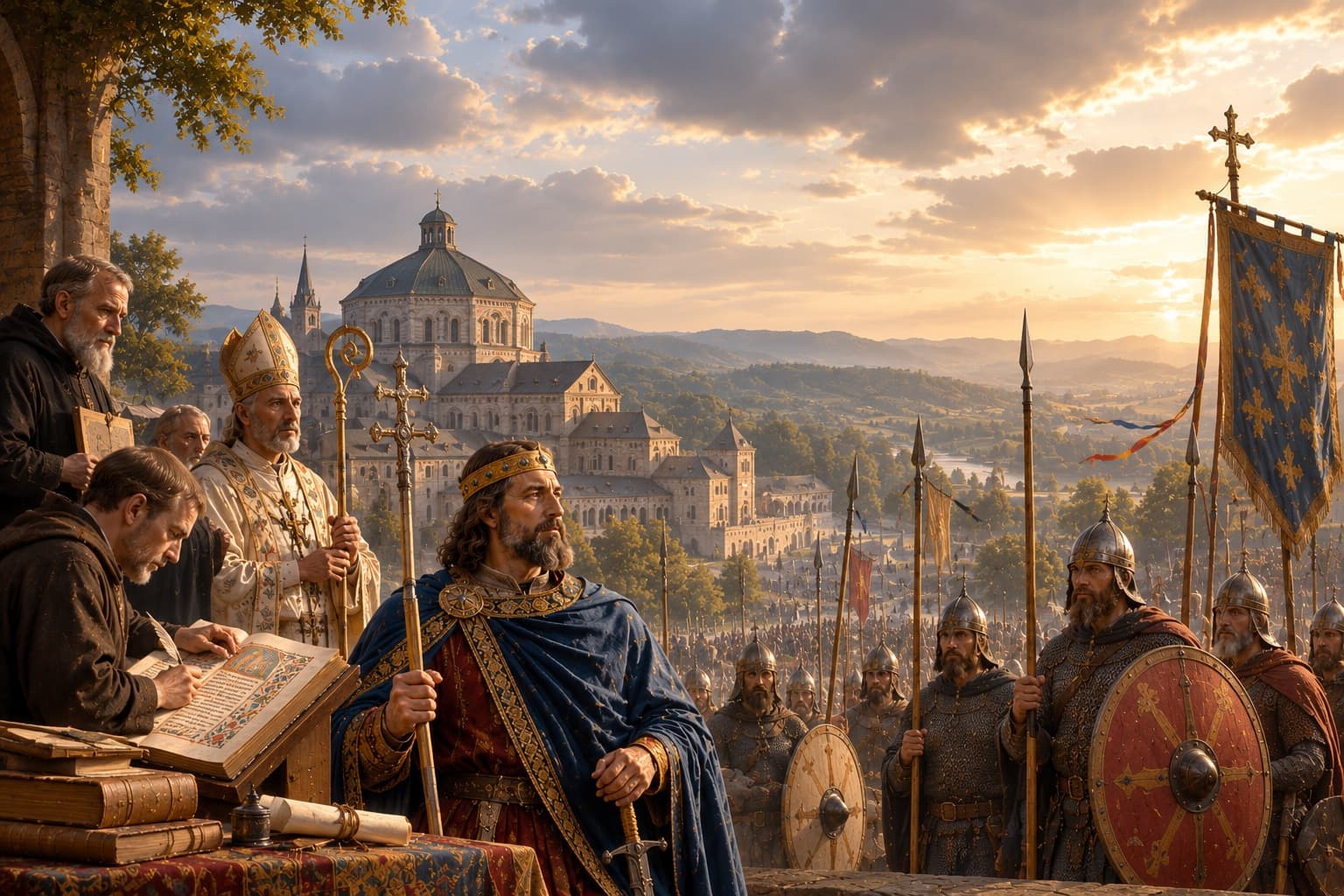
Charlemagne's Italian campaign showed the reach of Frankish power. His armies crossed Alpine routes, pressed into Lombard territory and settled into the long siege of Pavia. Desiderius held the Lombard capital, but isolation and pressure wore down resistance. In 774 he surrendered, and the independent Lombard kingdom came to an end.

774 and after

After the conquest

Charlemagne did not simply install a client after victory. He took the Lombard crown himself, styling his authority as lawful succession as well as conquest. Desiderius was removed from power and, according to the usual account, sent into monastic confinement. His fall left a lasting mark because it made Frankish power central to Italian politics and deepened the alliance between the Carolingians and the papacy.

Continue in context

Connected stories

Move from the profile into the wider events and settings this figure belongs to.

Tertiary paths

Content note

This profile is written for educational use and connects to related Stories of History pages. The main portrait is an AI-assisted historical reconstruction, included as an illustrative aid rather than documentary evidence. Image policy

References

Sources & Further Reading

Reliable reference works, archives and reading paths connected to this profile.

Further reading

  1. Encyclopaedia Britannica, Search results for Desiderius,” accessed June 2026.Open source
  2. WorldCat, Books and library holdings for Desiderius,” accessed June 2026.Open source

Primary sources

  1. Library of Congress, Search results for Desiderius,” accessed June 2026.Open source

Reviewed claim sources

Loading reviewed claim sources...

A weekly route through history

Find out first about the latest published stories, feature notes and occasional Premium offers in one weekly email.