Context
Introduction
Overview
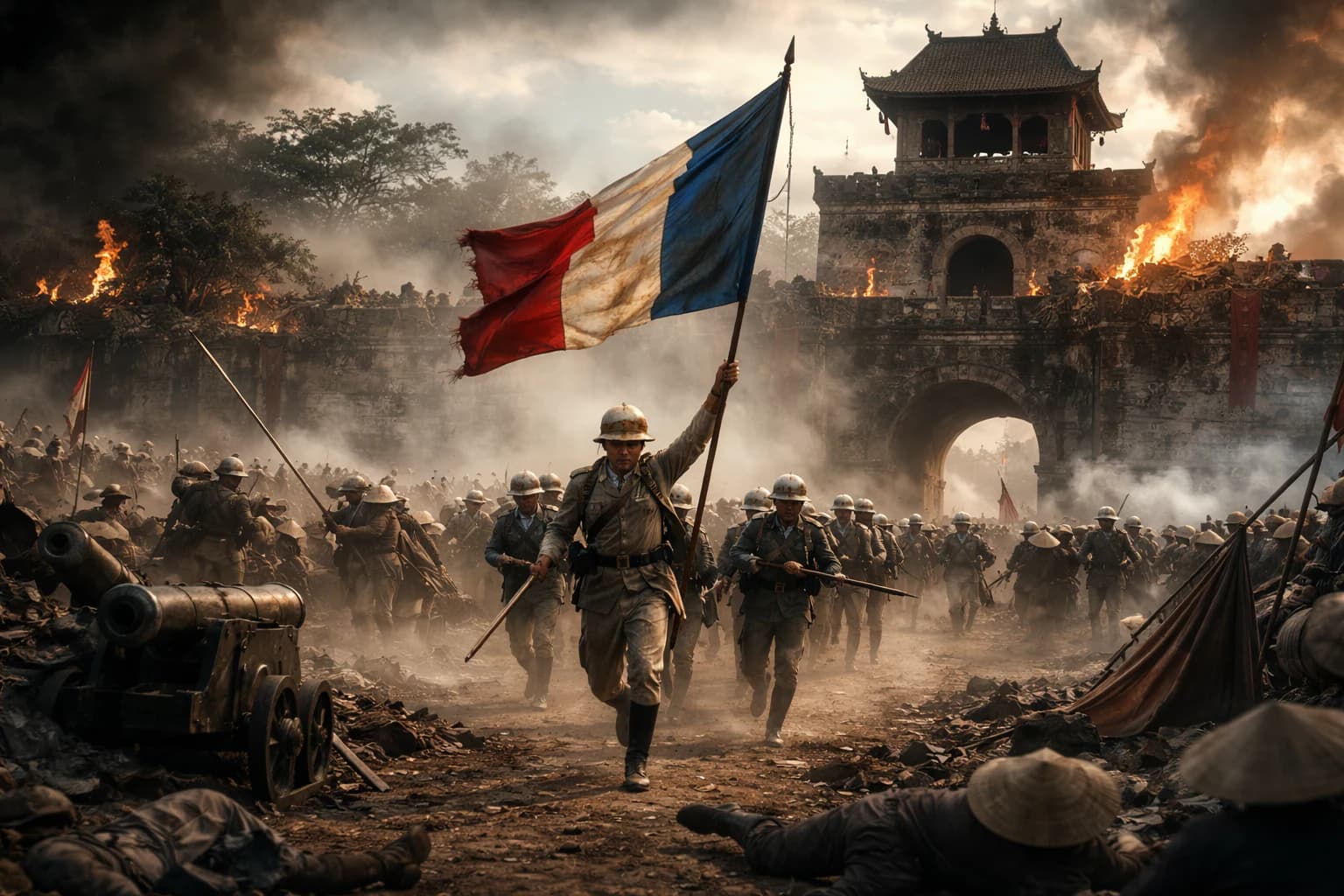
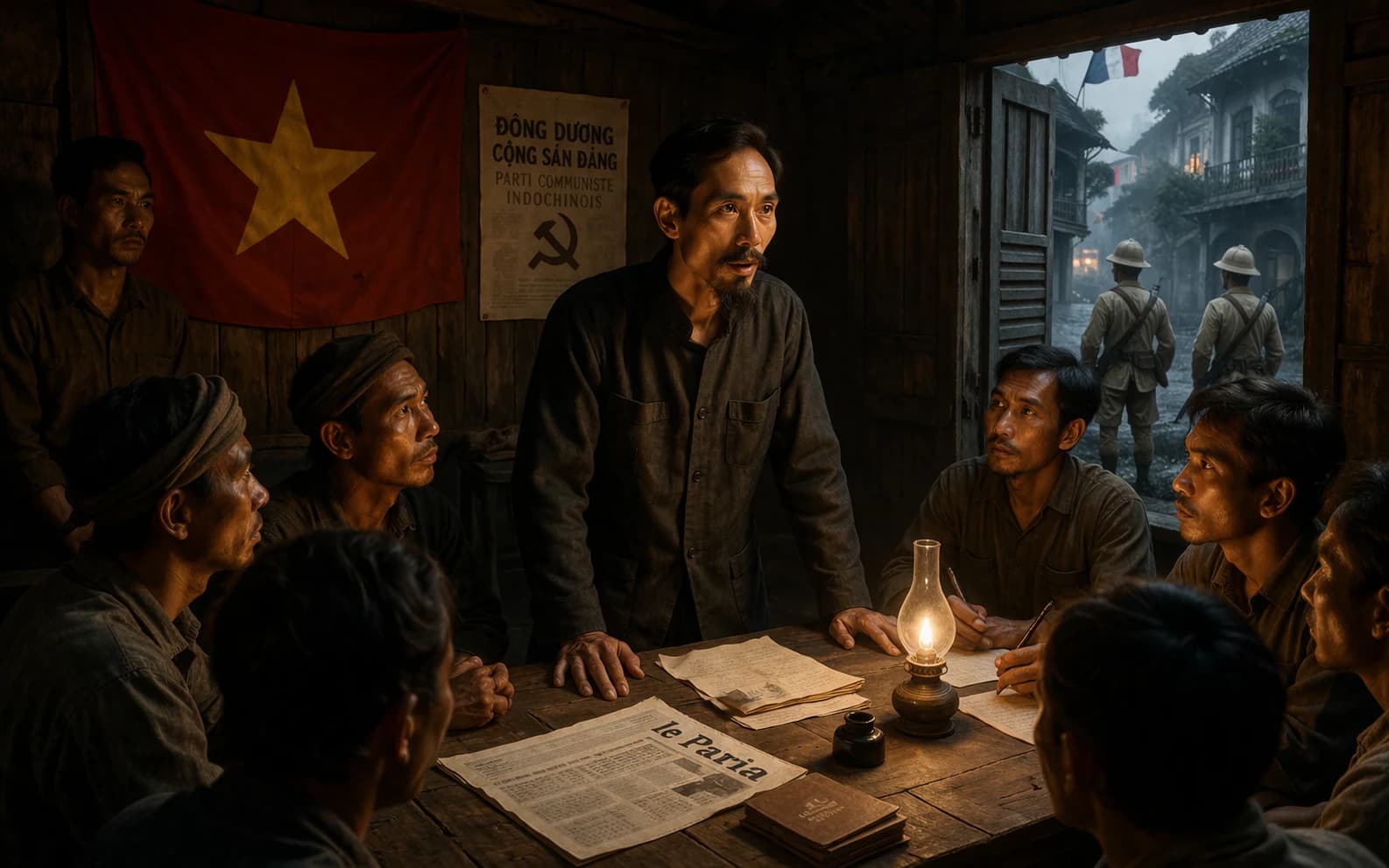
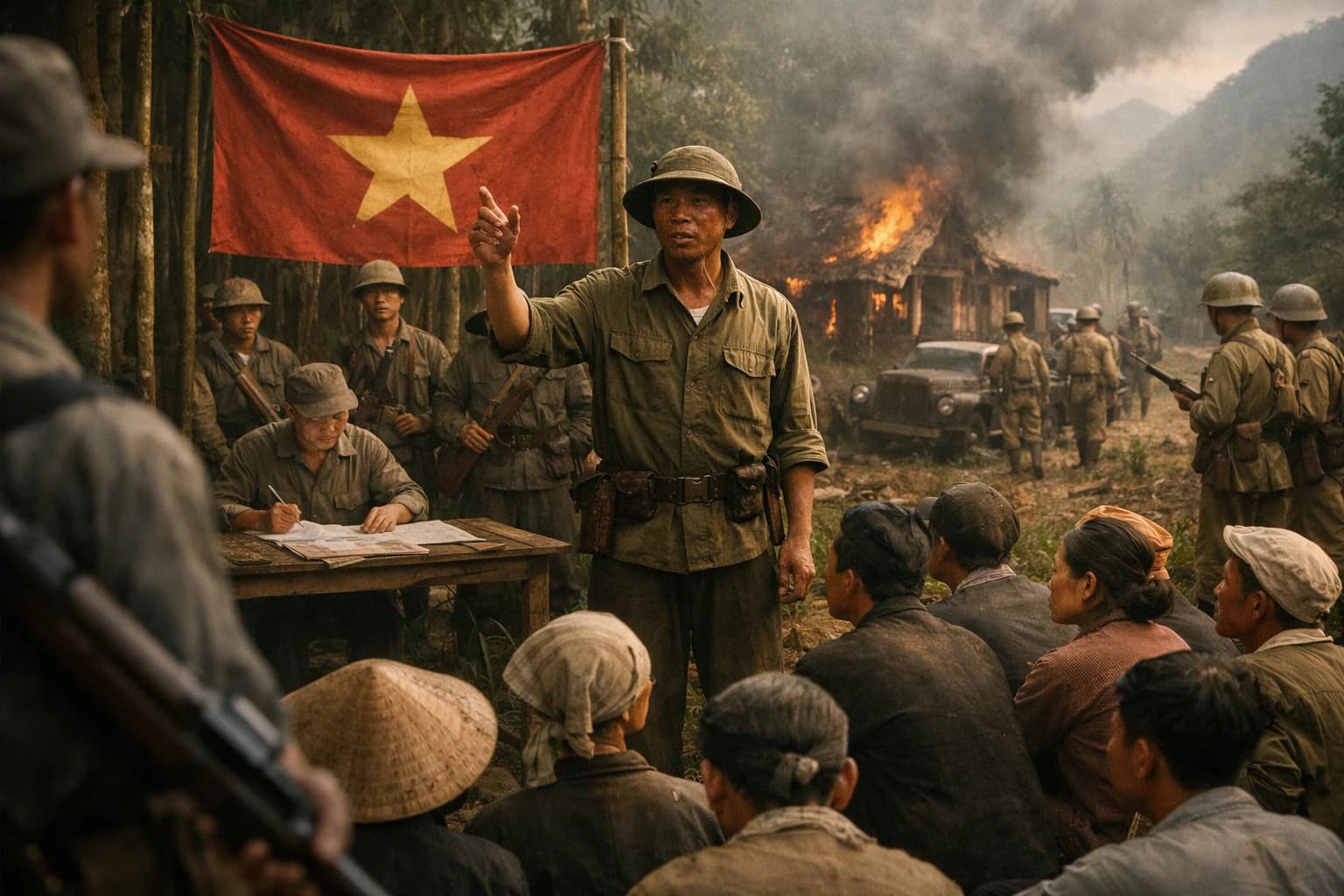
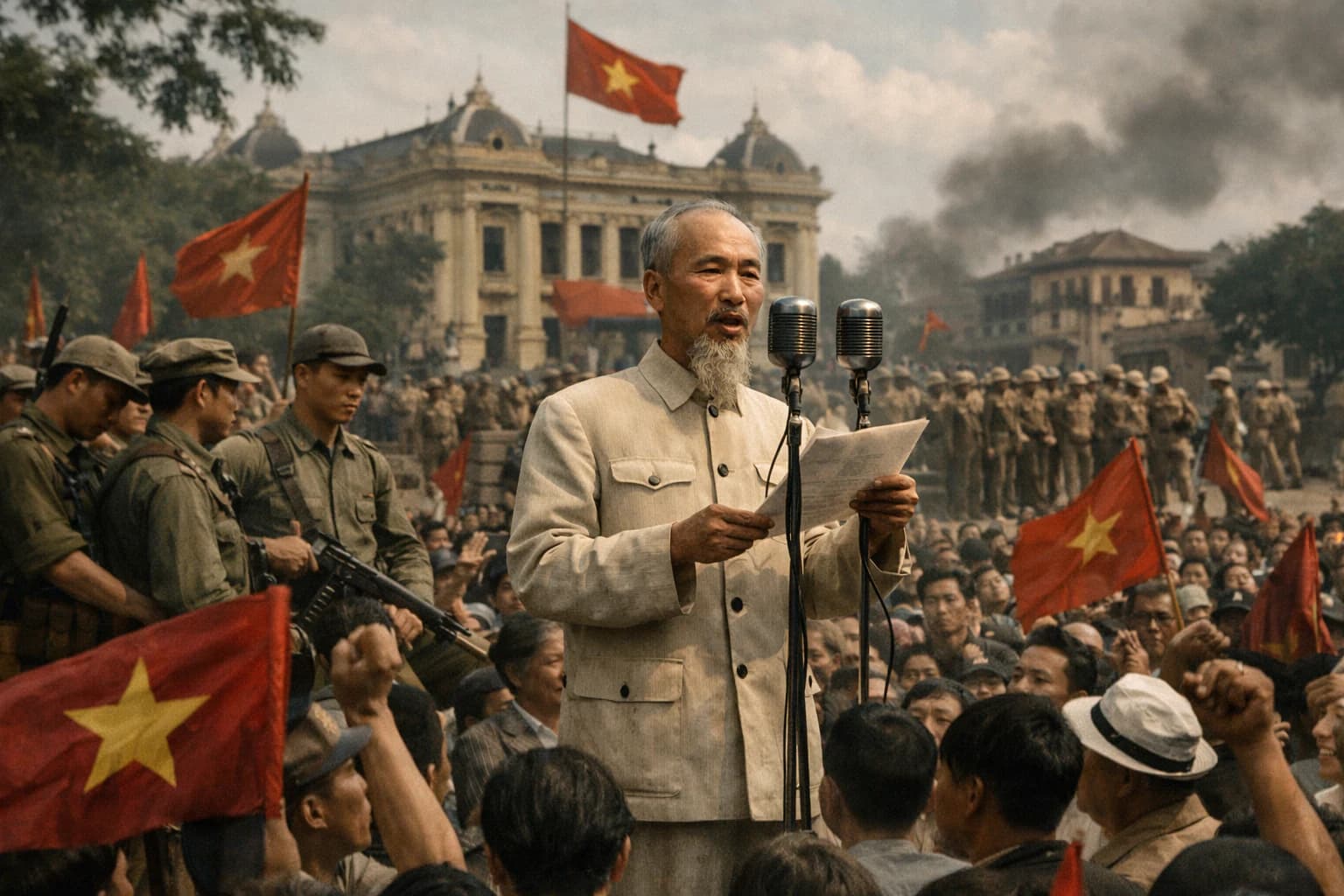
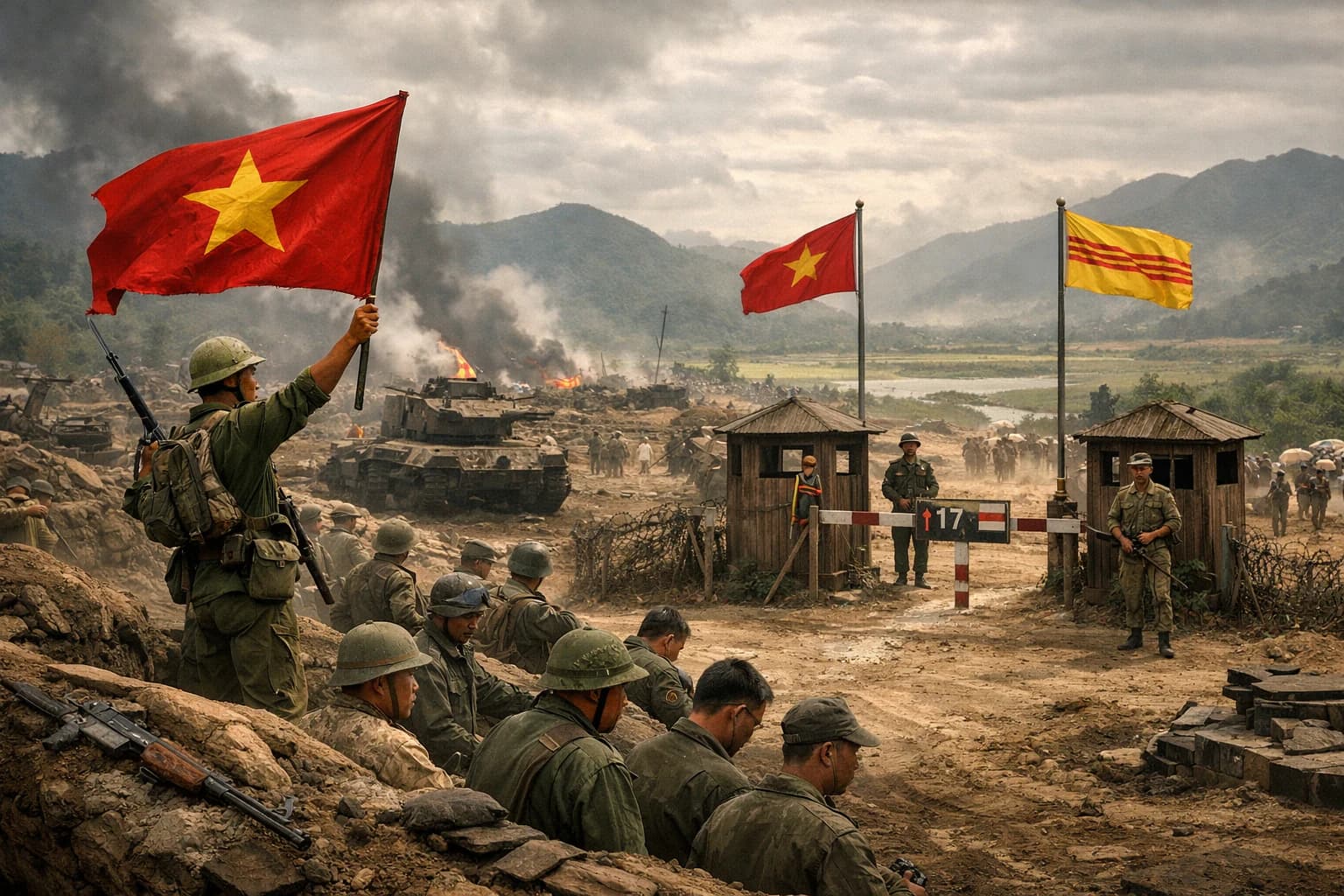
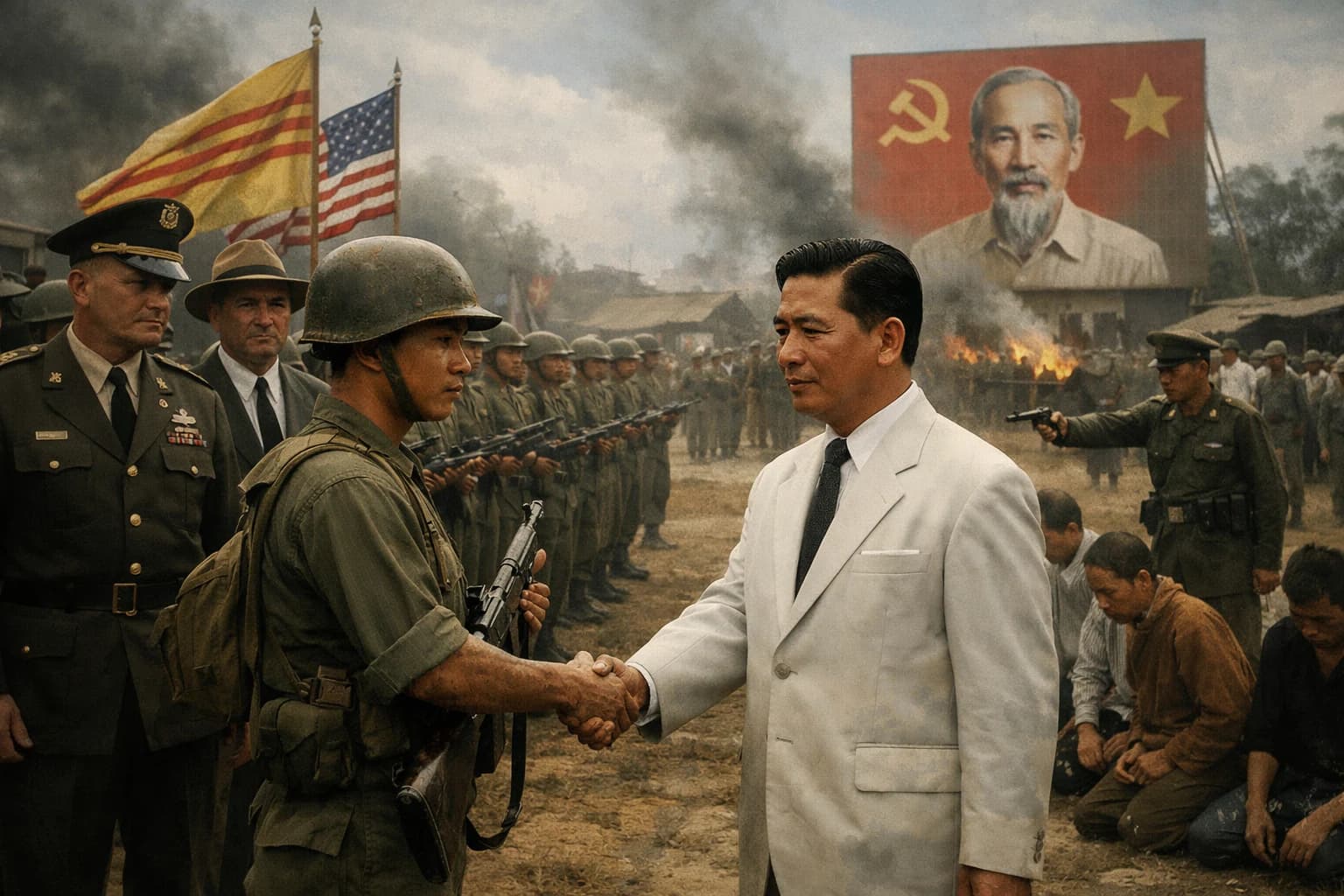
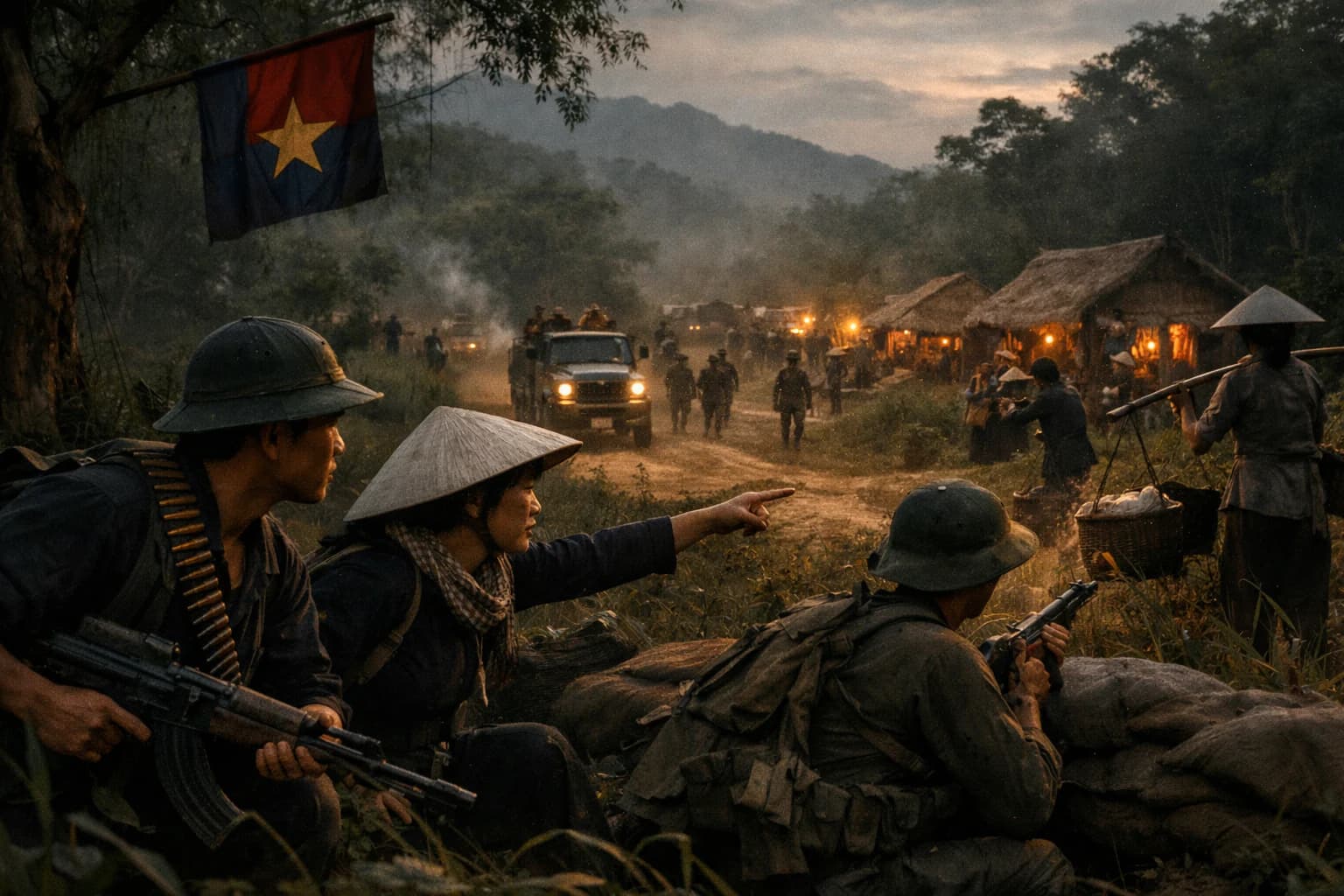
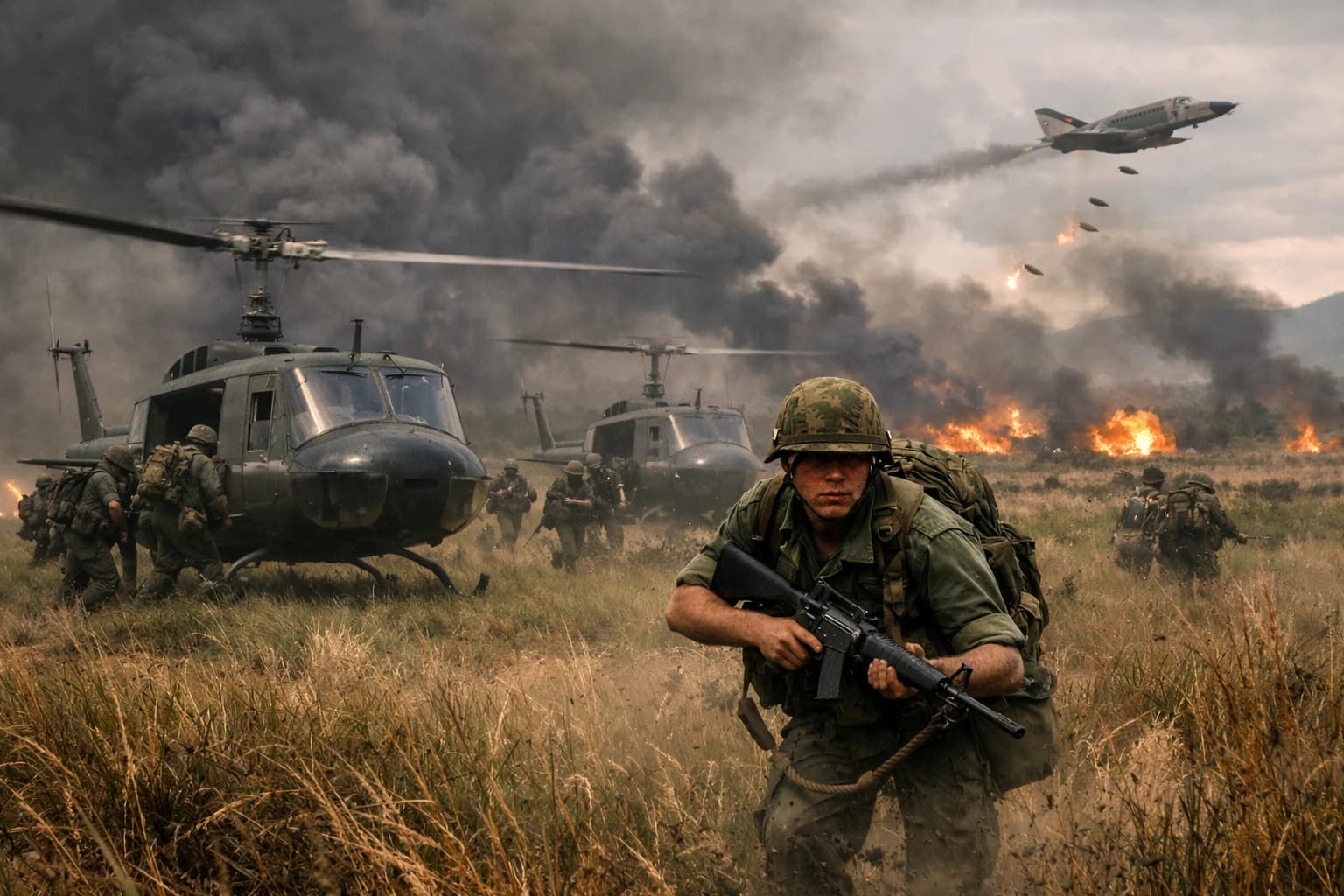
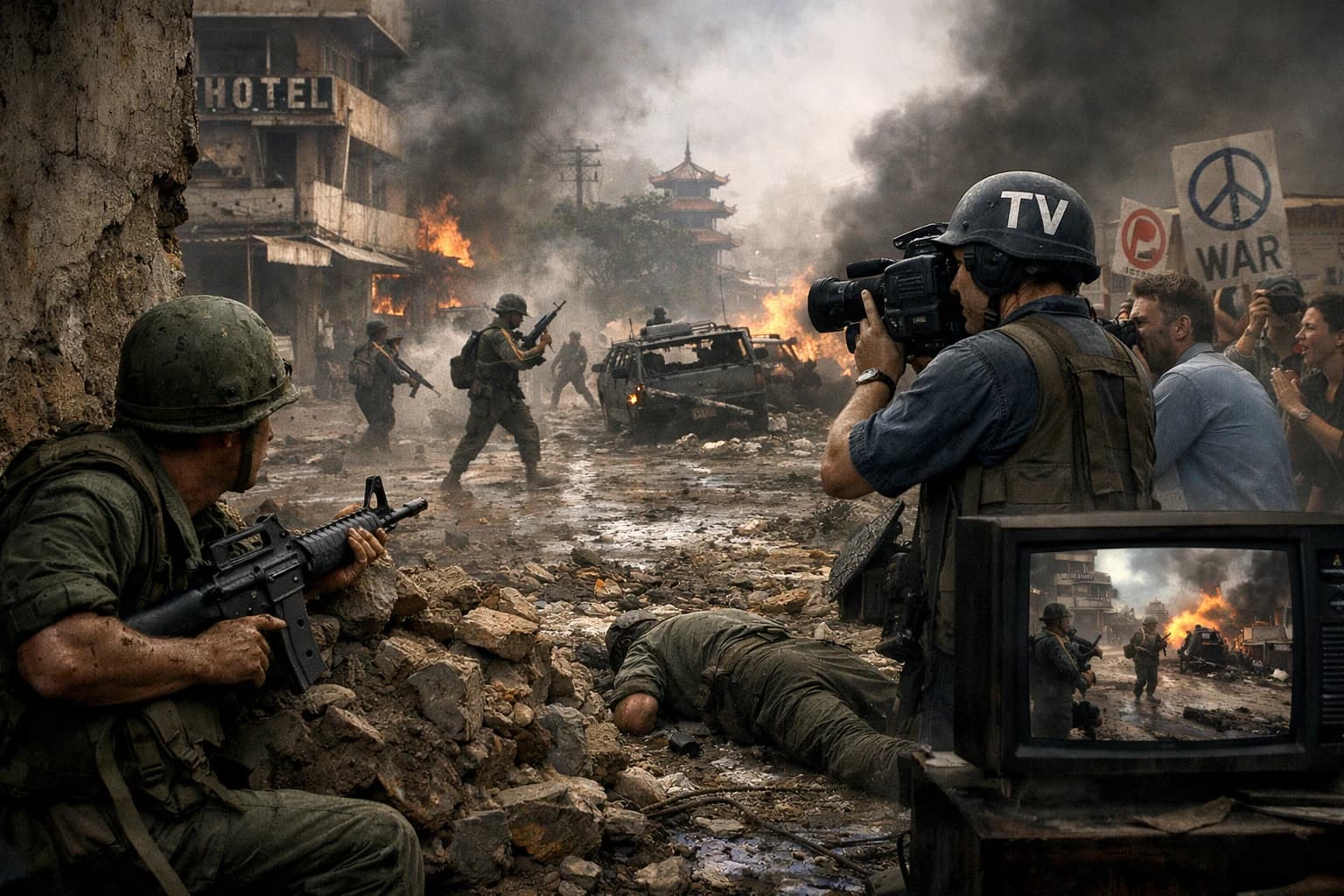
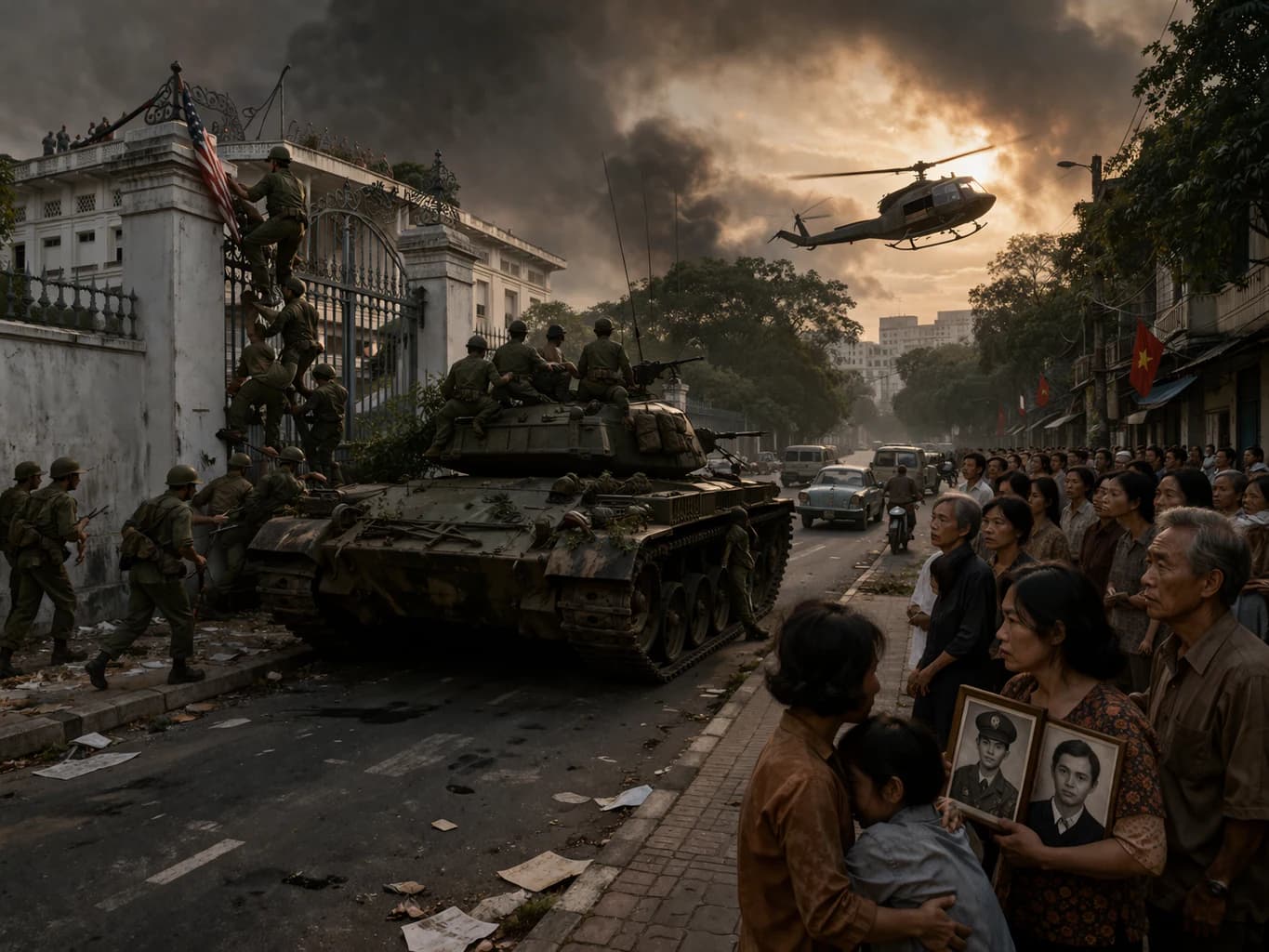
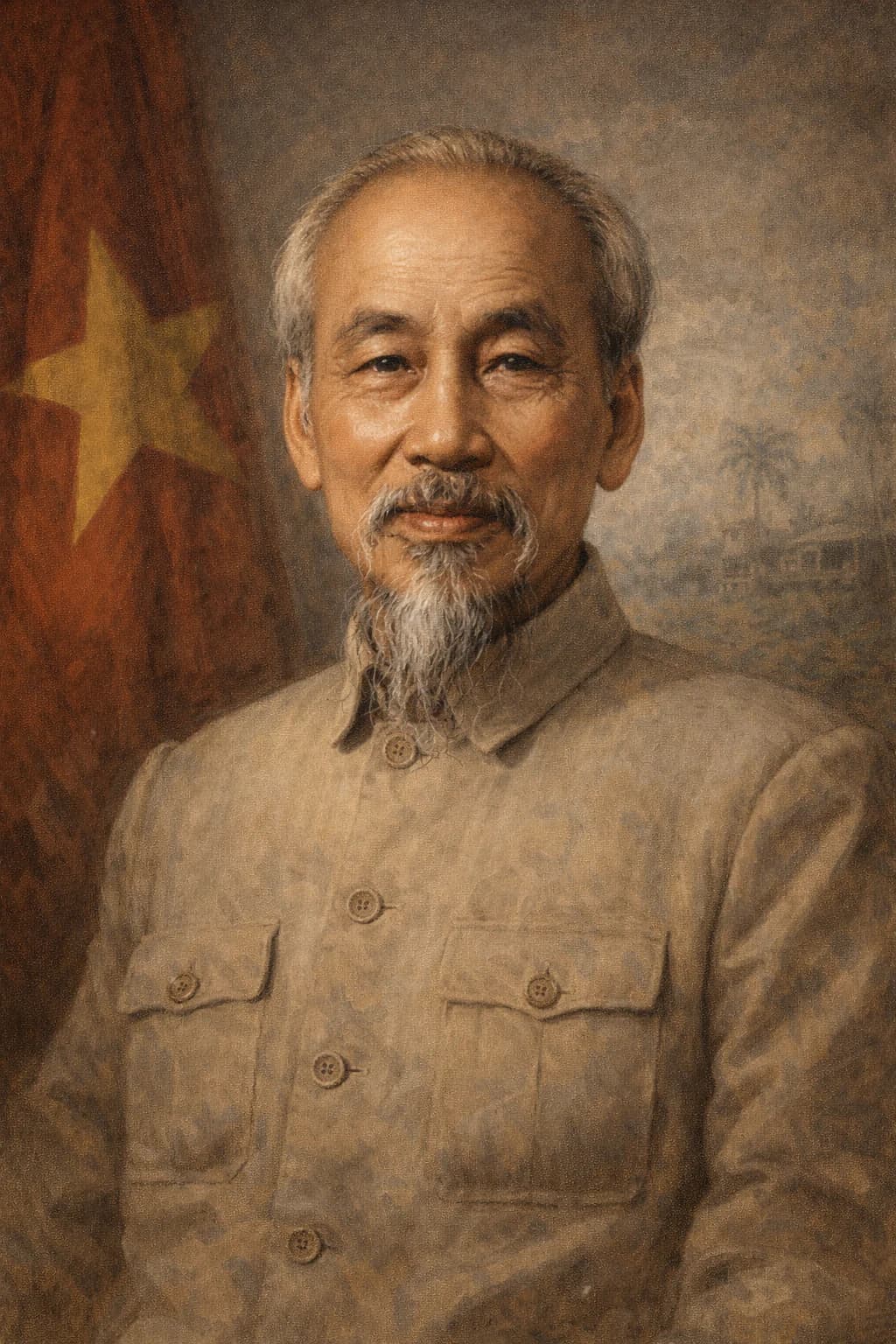
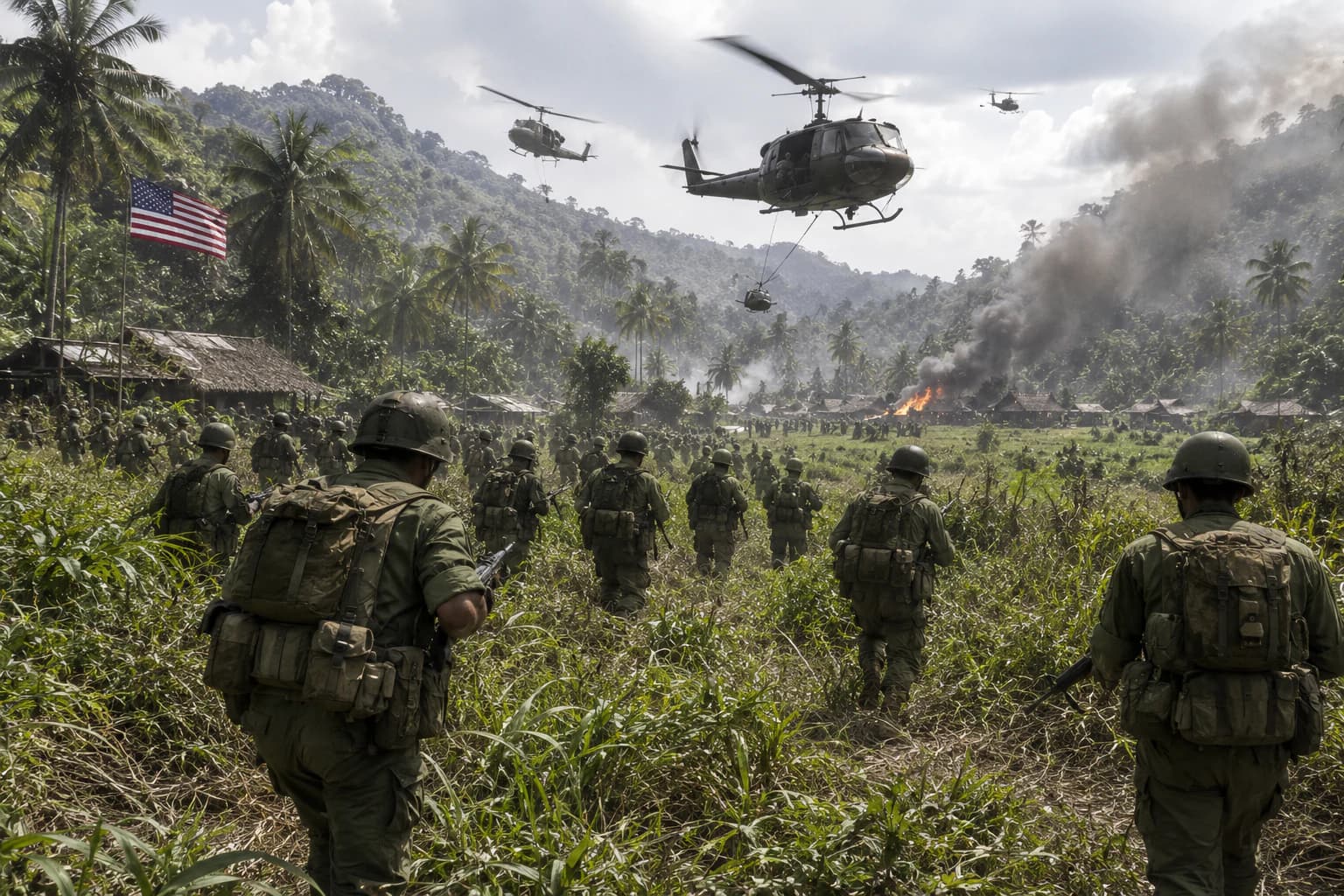
The Vietnam War was a long conflict shaped by decolonisation, Vietnamese nationalism, communist revolution, Cold War rivalry, and American intervention. From French colonial rule and the division of Vietnam to guerrilla warfare, bombing campaigns, protest movements, and reunification, the war became one of the defining conflicts of the twentieth century. Its outcome transformed Vietnam, damaged U.S. confidence, and reshaped debates about empire, ideology, and military power.
What you’ll learn: You’ll understand how Vietnam became the center of a Cold War showdown, why the war was so difficult to win, and how its consequences reached far beyond Southeast Asia.
Key forces
- The Vietnam War was both a civil conflict within Vietnam and a major Cold War struggle between rival ideologies.
- American intervention turned a regional conflict into a global crisis with enormous human and political costs.
- The war spread into Laos and Cambodia, showing how local wars can destabilize entire regions.
- North Vietnam’s victory in 1975 changed Southeast Asia and deeply affected US politics, memory, and foreign policy.