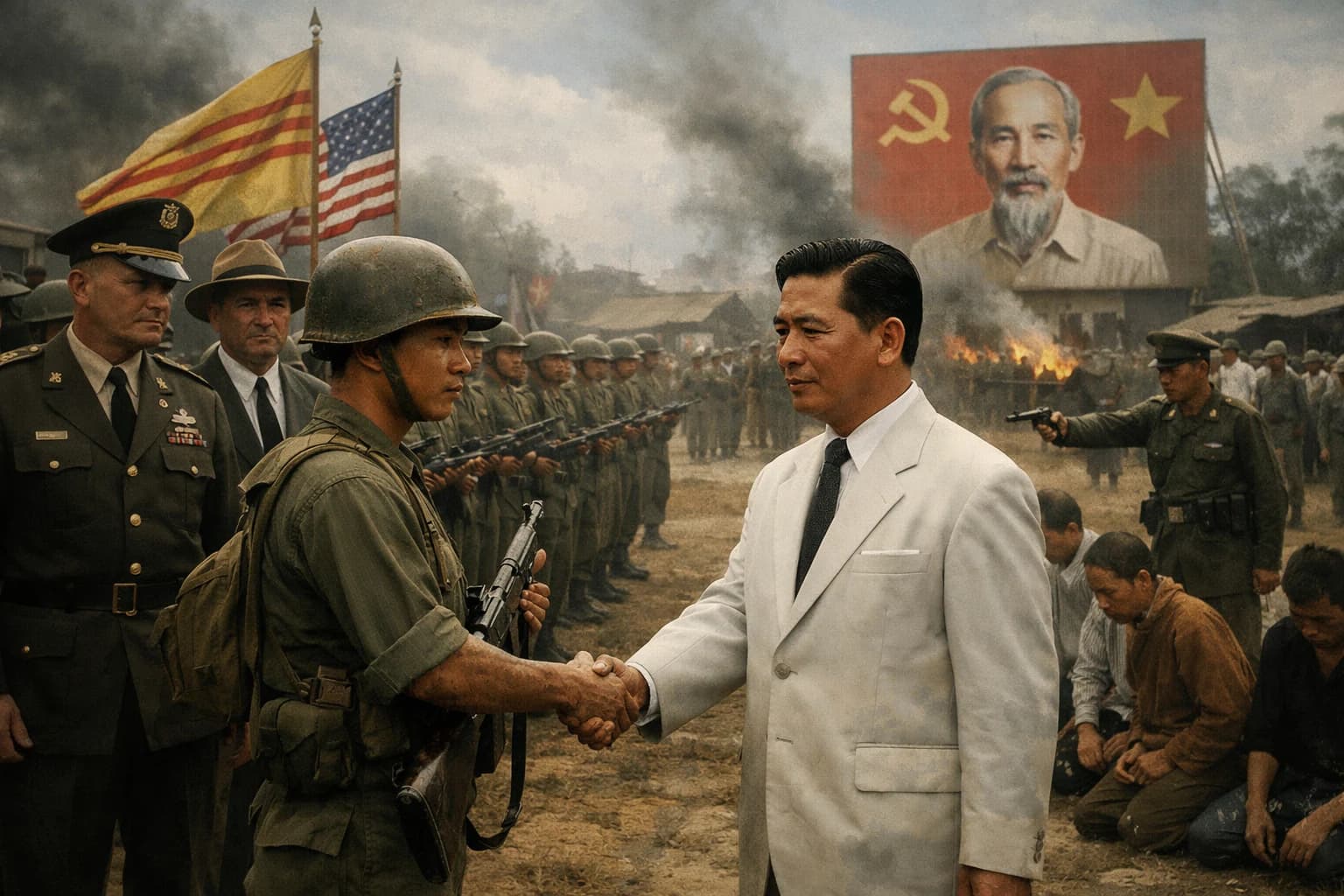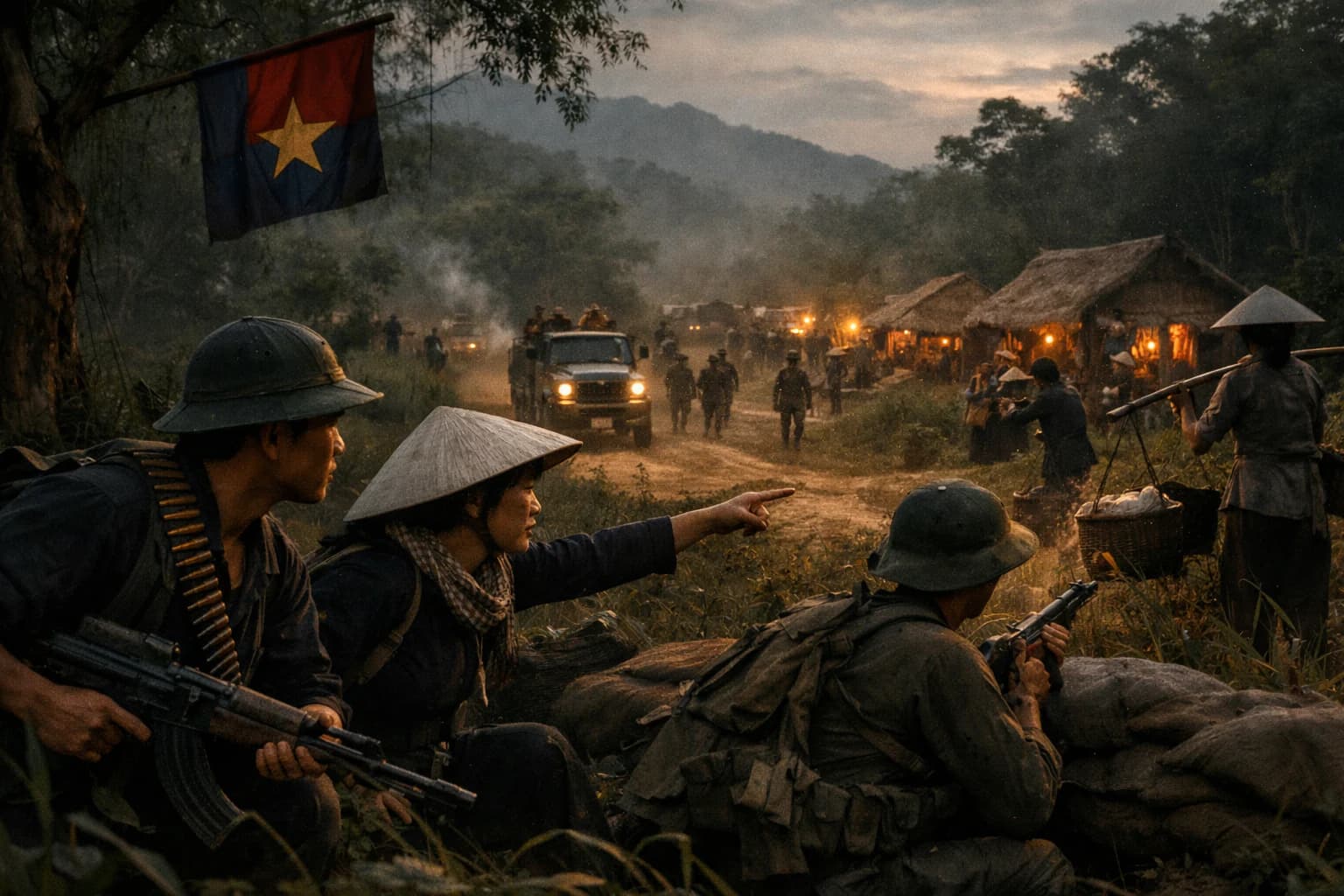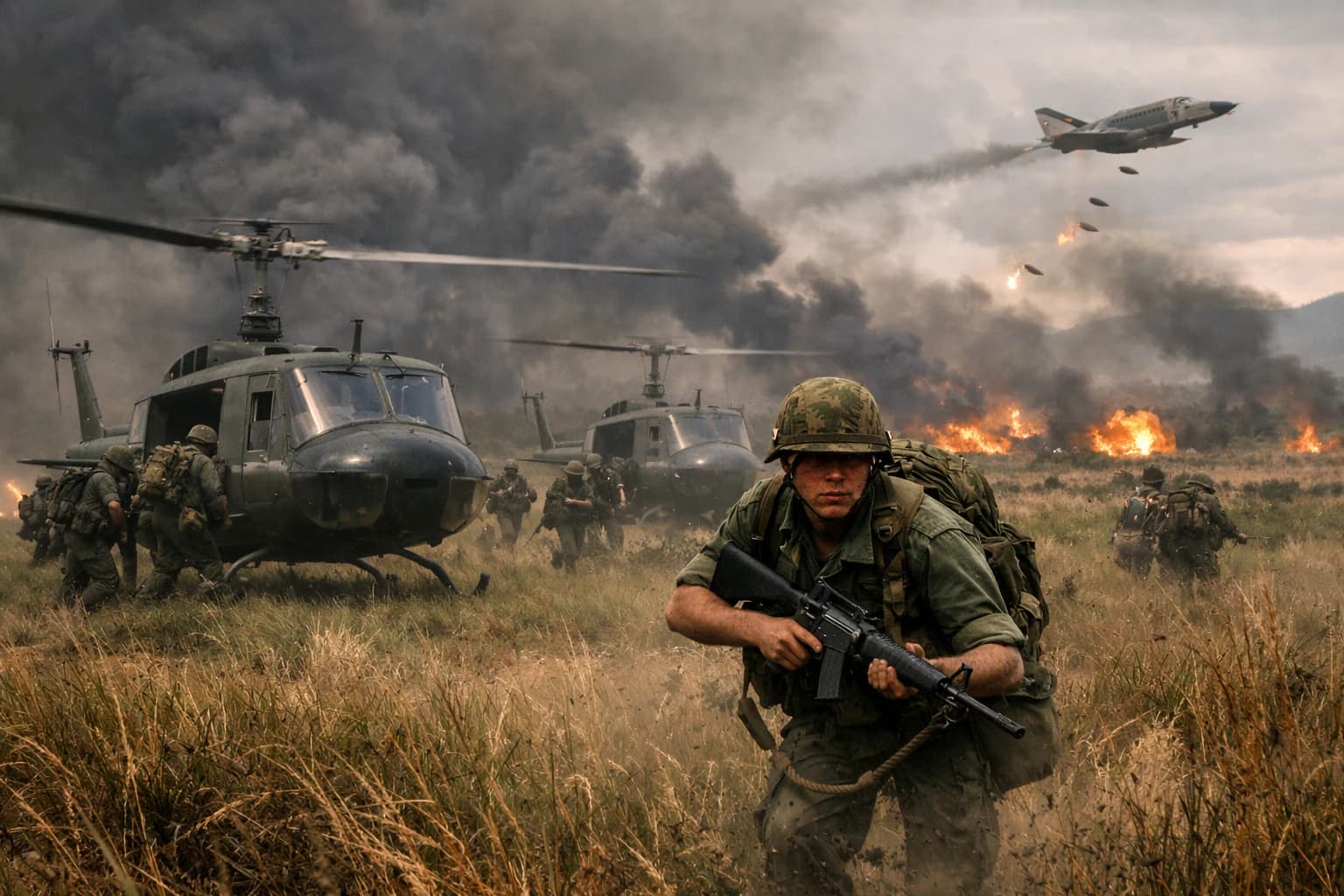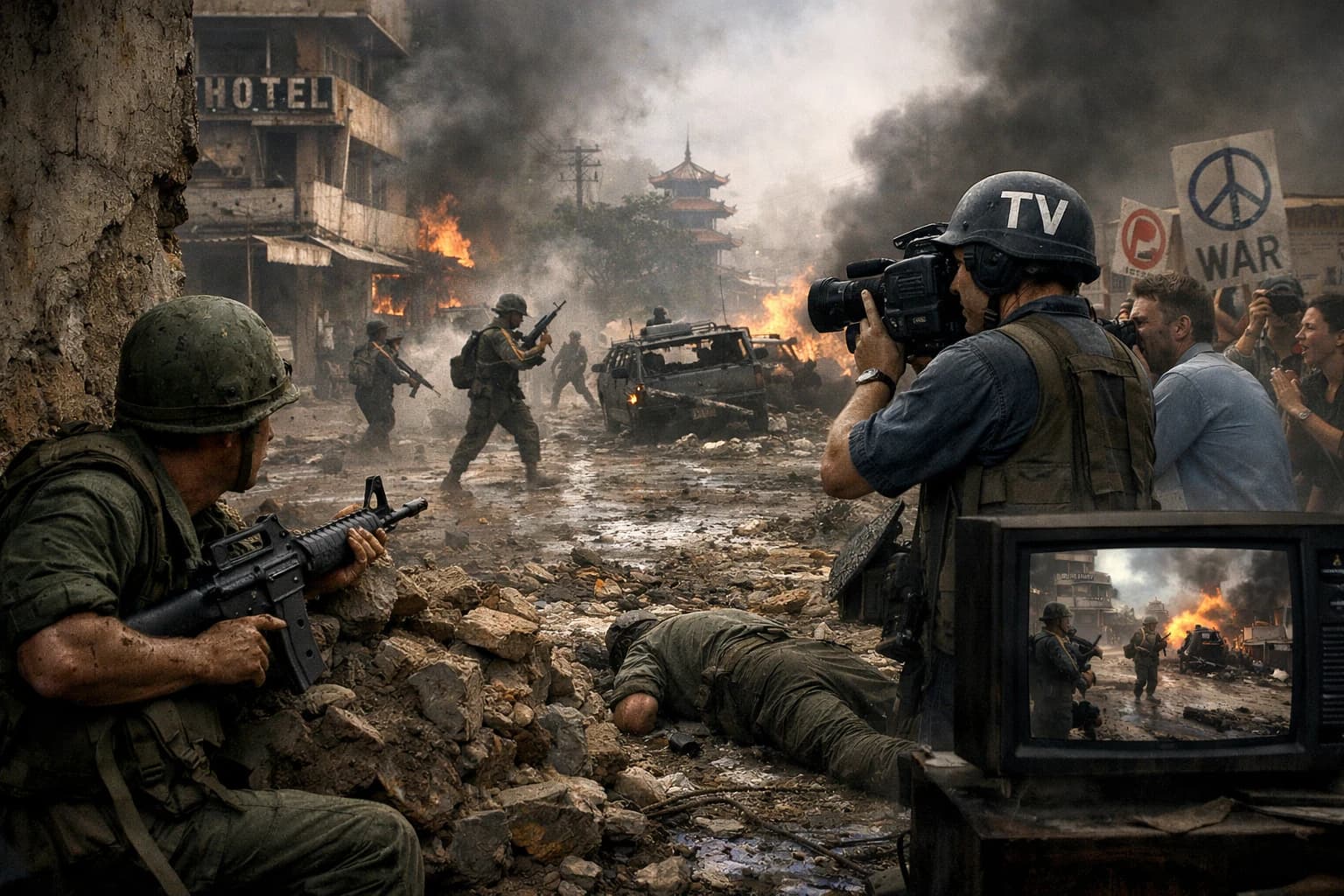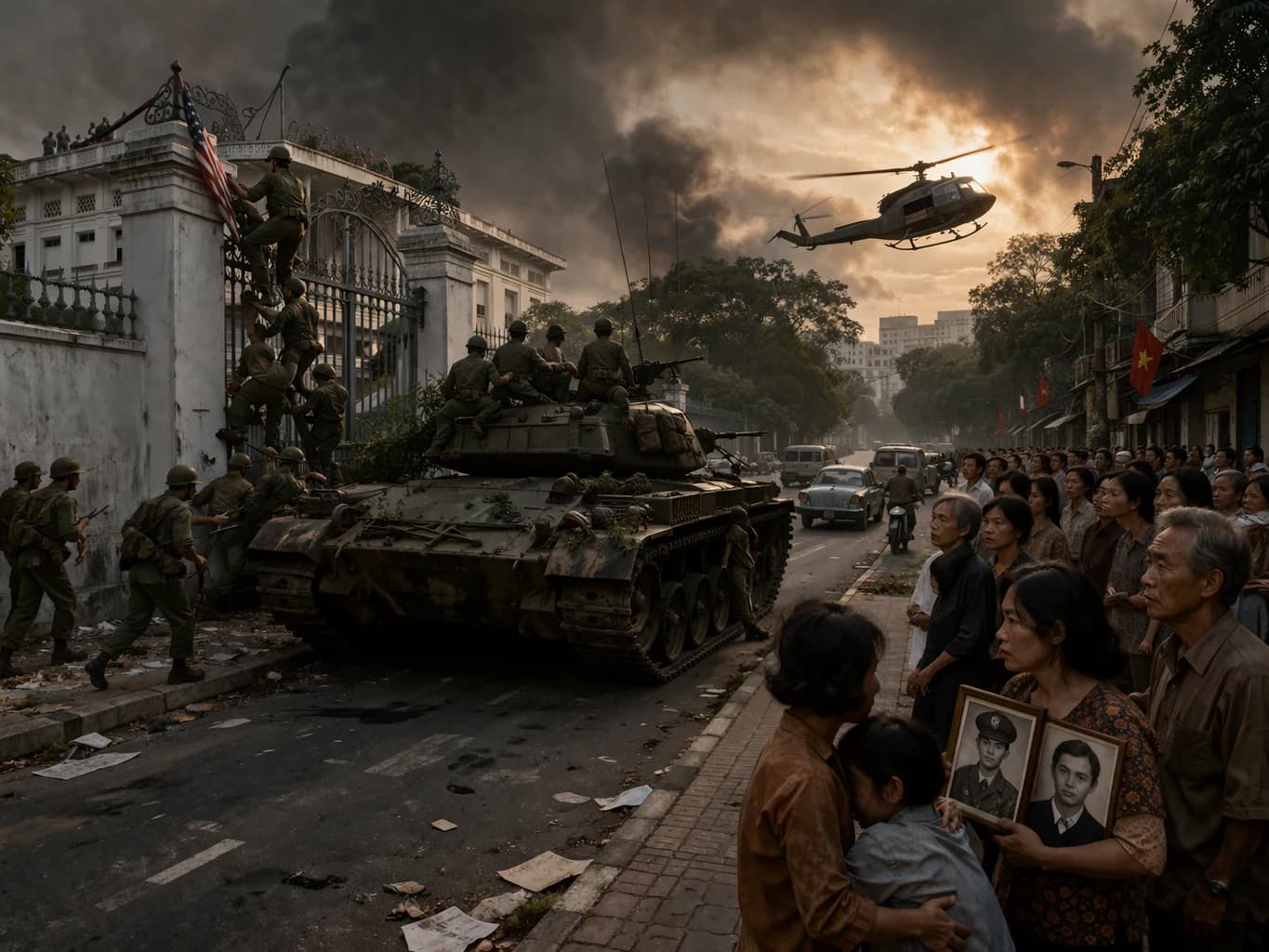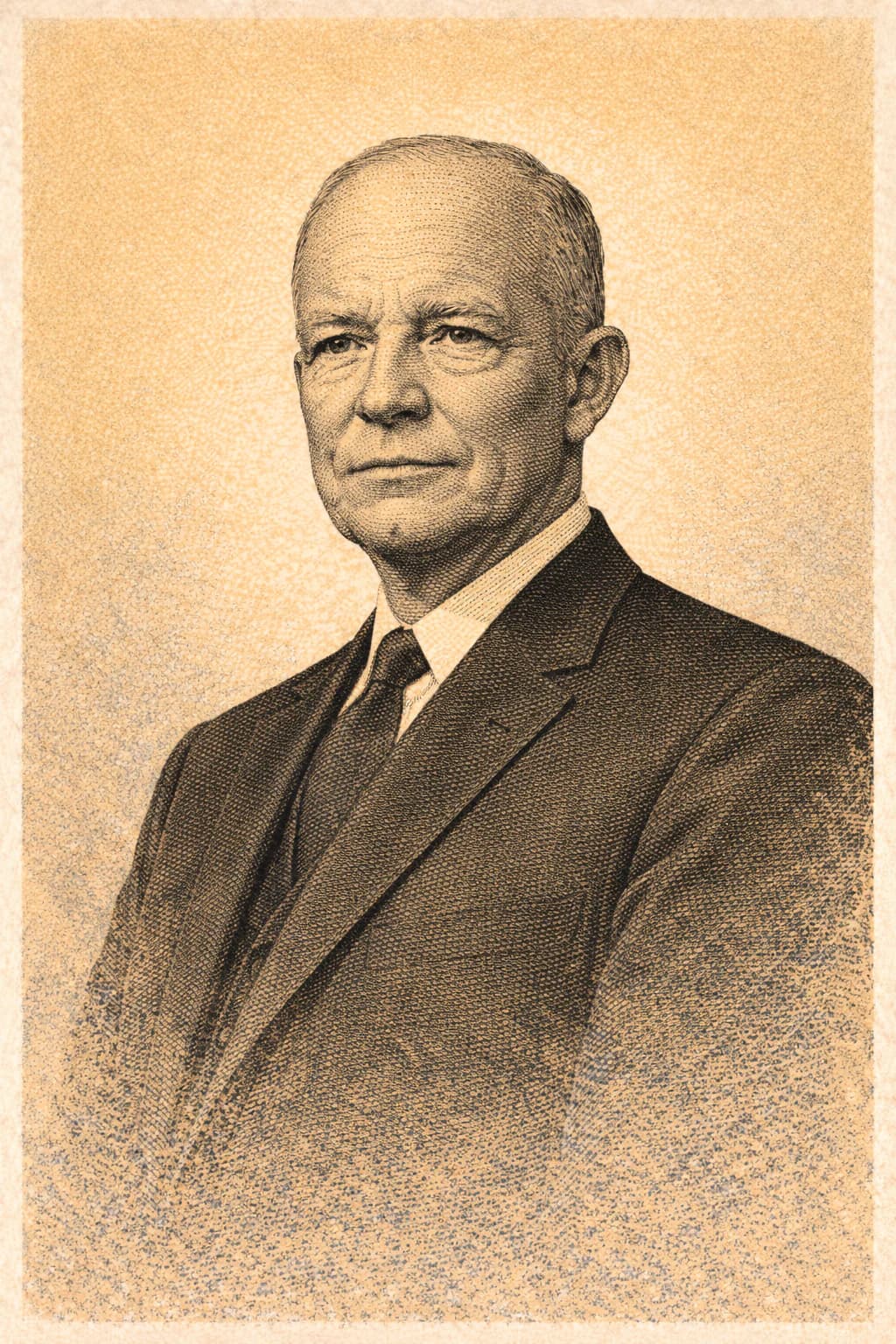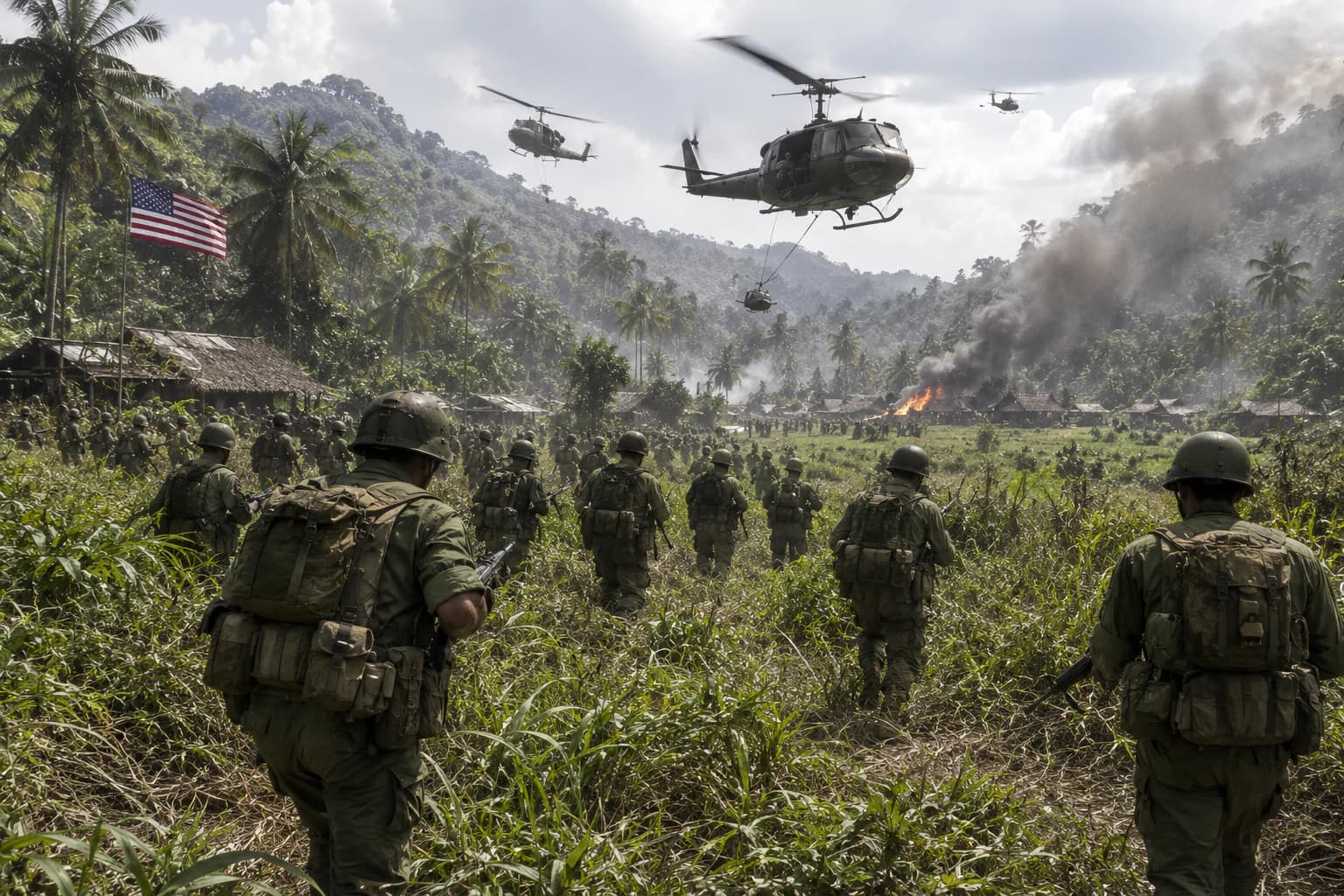
American soldiers arriving in Vietnam as helicopters and jungle warfare define the conflict.
Premium Story

The Vietnam War

Follow the Vietnam War through decolonisation, Cold War escalation, guerrilla conflict, protest, and reunification.

11 chapters

Next

Content note

This story discusses war, violence, persecution, and death in an educational historical context.

Context

Introduction

Overview

The Vietnam War was a long conflict shaped by decolonisation, Vietnamese nationalism, communist revolution, Cold War rivalry, and American intervention. From French colonial rule and the division of Vietnam to guerrilla warfare, bombing campaigns, protest movements, and reunification, the war became one of the defining conflicts of the twentieth century. Its outcome transformed Vietnam, damaged U.S. confidence, and reshaped debates about empire, ideology, and military power.

What you’ll learn: You’ll understand how Vietnam became the center of a Cold War showdown, why the war was so difficult to win, and how its consequences reached far beyond Southeast Asia.

Key forces

French Conquest of Vietnam
1858 CE
Step 1 of 101858 CEAccessible mode

French Conquest of Vietnam

In 1858, French forces attacked Vietnam and opened the door to colonial rule. What began as military pressure grew into a takeover that changed who held power and how people imagined their future.

Before this, the Nguyễn dynasty ruled Vietnam through an emperor, royal officials, and local village leaders. The court still claimed authority, but it faced internal strain and outside pressure.

France said it was protecting missionaries and trade, but it wanted land, influence, and control. Step by step, military defeats and unequal treaties weakened the dynasty.

The emperor still sat on the throne, but real power was slipping away.

French rule expanded from the south into the rest of the country. Vietnam was broken into colonial zones, and French officials began directing taxes, land, and administration.

For ordinary people, this meant heavier burdens, loss of control, and growing anger. Scholars, peasants, court loyalists, and local fighters resisted in different ways.

That resistance did not stop conquest right away, but it created a lasting idea: foreign rule had to be challenged. Later nationalist and independence movements grew from that belief.

Ho Chi Minh and Revolutionary Nationalism
1930 CE
Step 2 of 101930 CEAccessible mode

Ho Chi Minh and Revolutionary Nationalism

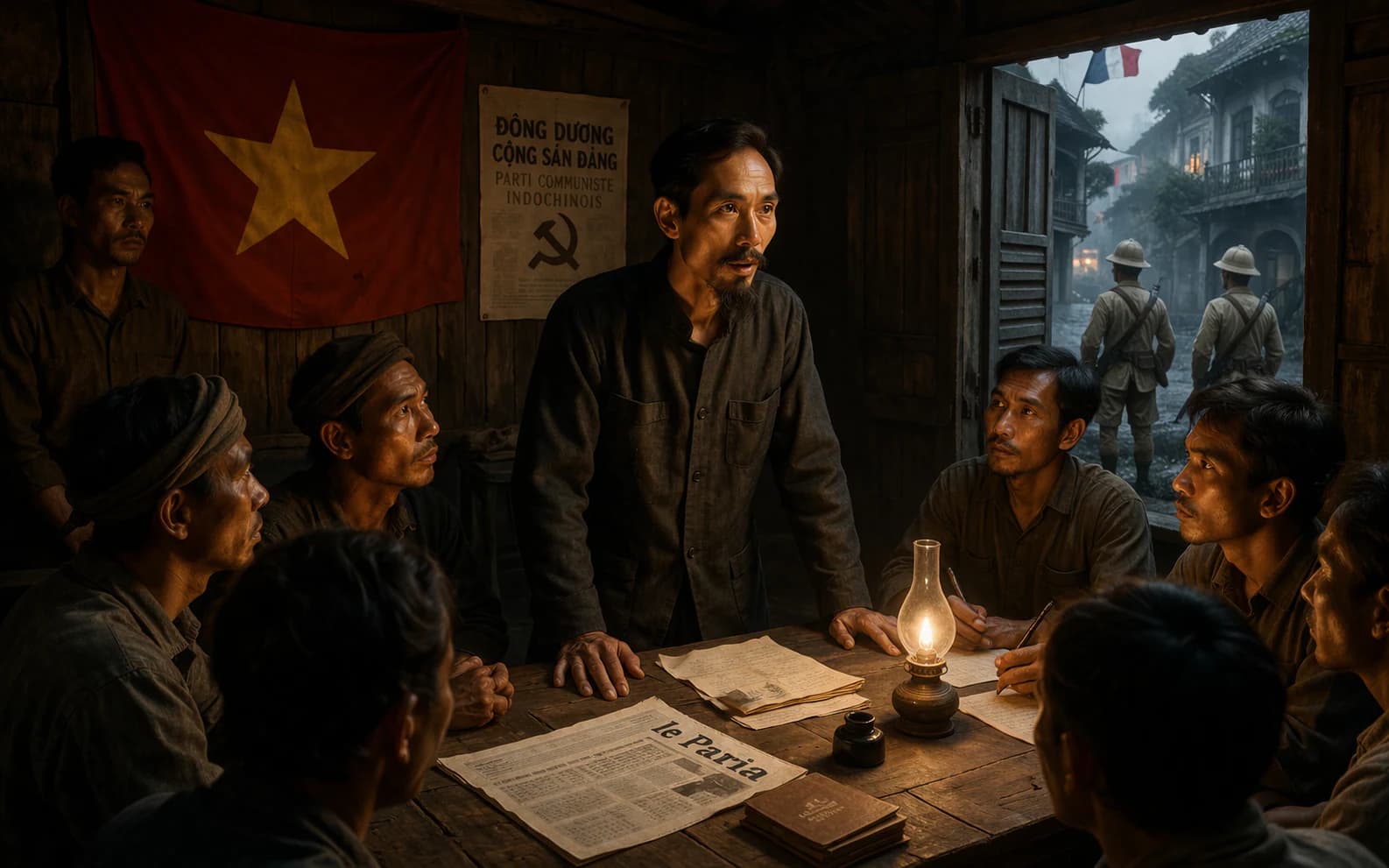
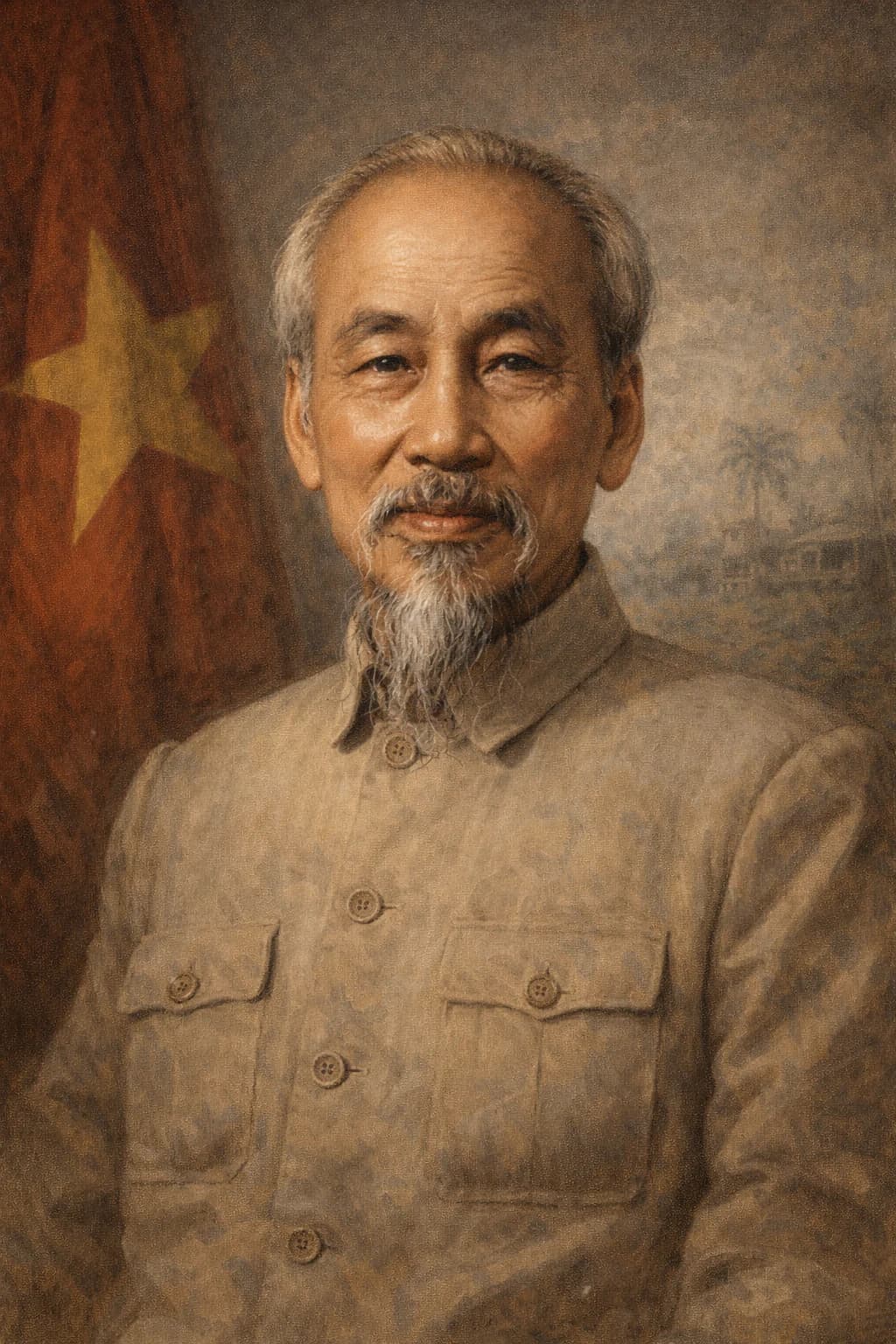
In 1930, a new kind of Vietnamese politics began to take shape. Ho Chi Minh helped turn anger at French rule into an organized movement with a clear plan.

Before this, many Vietnamese people resented colonial rule, high taxes, and land loss. But resistance was scattered, and most peasants had little power.

Ho Chi Minh connected the fight for national freedom with socialist ideas about class and inequality. That gave the movement both a national goal and a social program.

Independence and social change were starting to move together.

In 1930, he helped found the Indochinese Communist Party. It aimed to organize workers and peasants, challenge French rule, and build disciplined resistance.

This changed village life and politics. Poor farmers were no longer just subjects of empire. They were being asked to act, organize, and imagine a different future.

That merger of nationalism and revolution shaped Vietnam for decades. It helps explain how anti-colonial protest became a mass struggle strong enough to challenge an empire.

The Viet Minh Take the Lead
1941 CE
Step 3 of 101941 CEAccessible mode

The Viet Minh Take the Lead

In 1941, Vietnam was under pressure from two foreign powers at once. That chaos gave revolutionaries a real opening.

For years, France had ruled Vietnam. Then World War II brought Japanese troops, while French officials still tried to stay in charge.

This split weakened colonial control. Ho Chi Minh and other nationalists saw a chance to build a wider movement for independence.

War broke the old system and gave rebels room to organize.

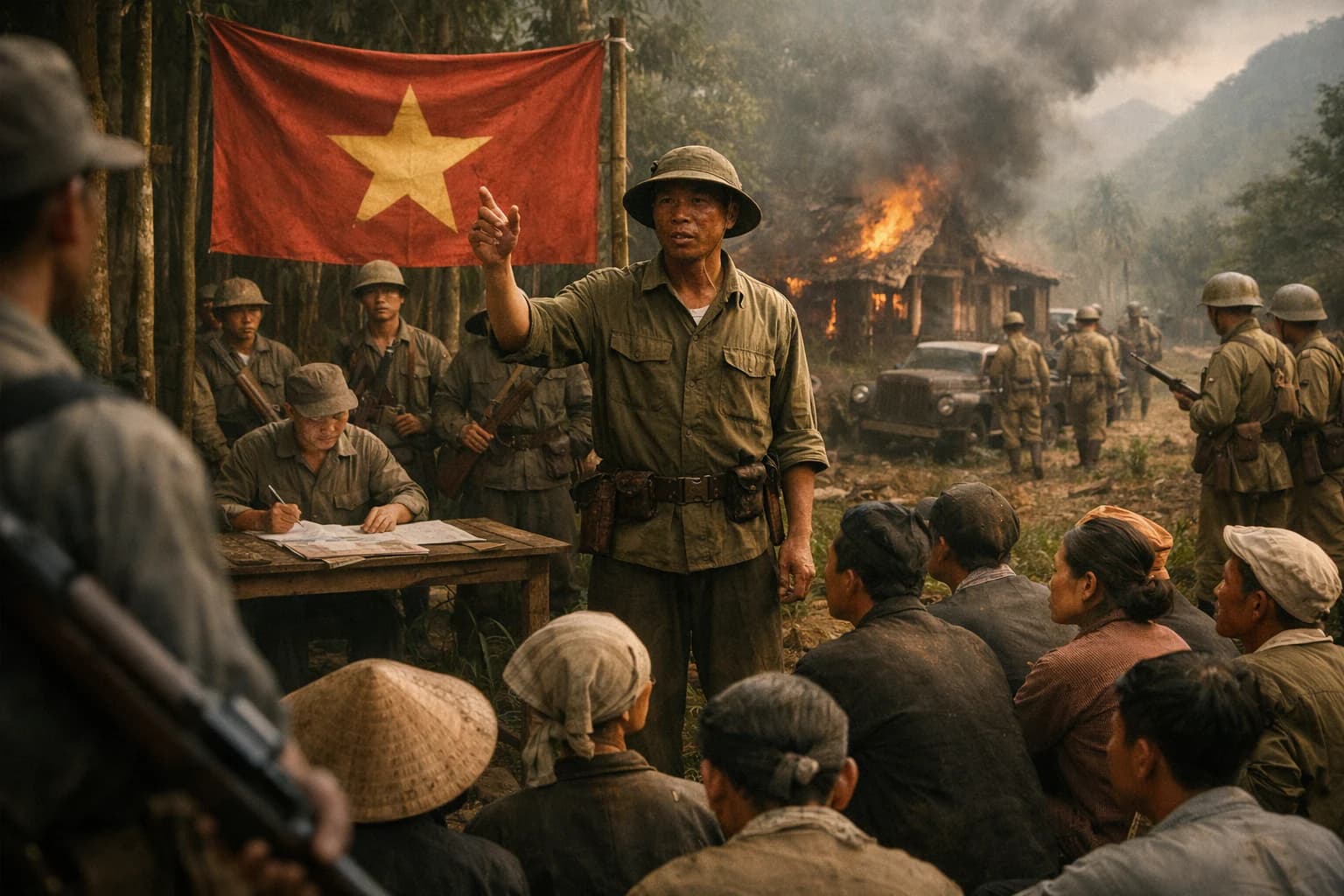
In 1941, they formed the Viet Minh, a broad front meant to unite different groups against foreign rule. They built bases in the countryside and trained small guerrilla units.

As war brought fear, hunger, and disorder, more villagers turned to the movement. The Viet Minh offered leadership, protection, and a clear goal.

This was the moment when resistance became organized revolution. It helps explain how wartime crisis turned into the fight that reshaped Vietnam.

Premium

You've reached the turning point

The opening chapters show Vietnam's struggle emerging from colonial rule and Cold War pressure. Premium follows the war as it widens: French power collapses, rival Vietnamese states harden, America commits itself, and victory becomes harder to define than survival.

Continue into the reversals, crises and human stakes that make the story matter.

Unlock full story

What Premium unlocks next

  1. 4The August Revolution
  2. 5Dien Bien Phu Breaks French Rule
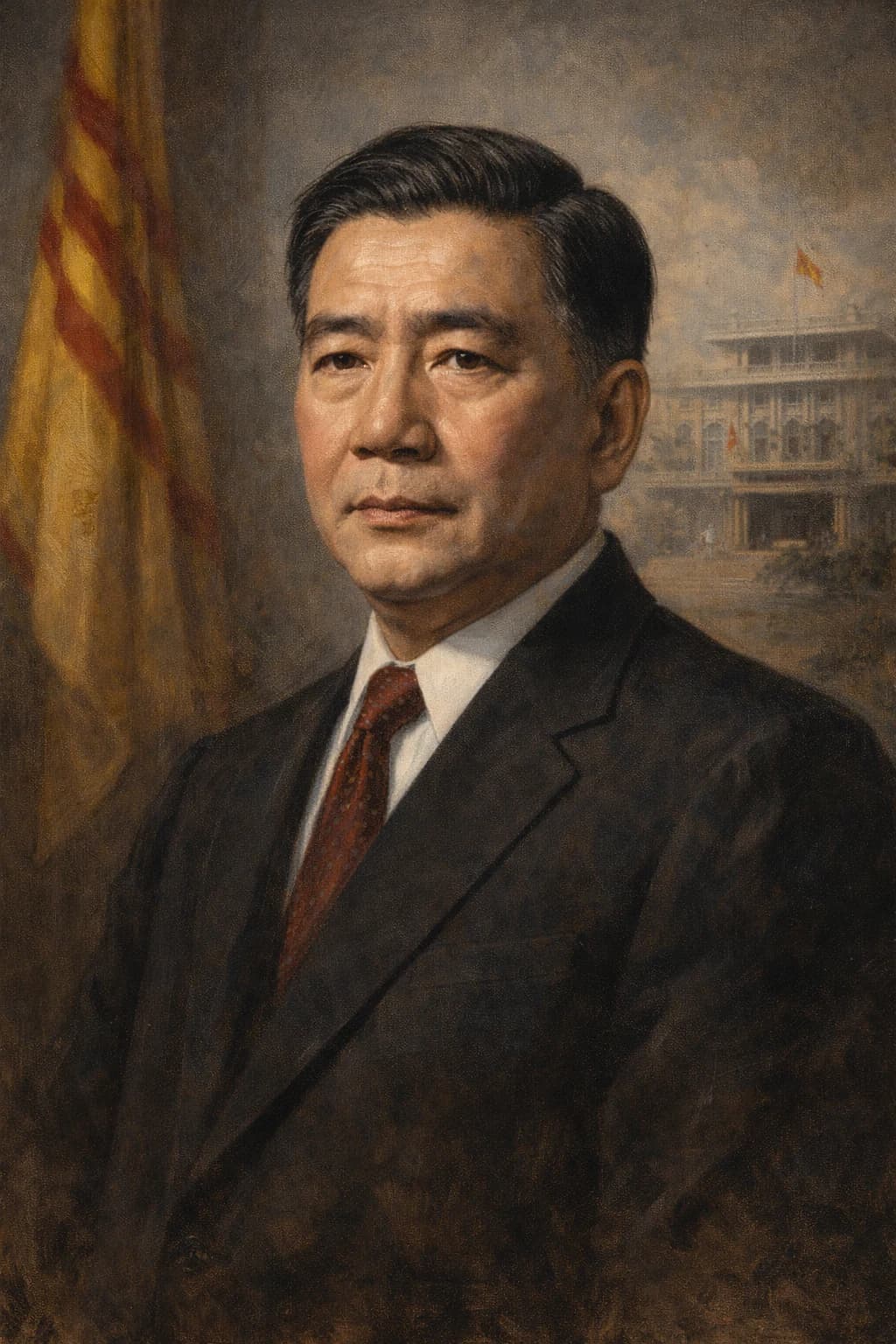
  3. 6Ngo Dinh Diem Builds South Vietnam
  4. 7The National Liberation Front Rises
  5. 8America Enters a Full-Scale War
  6. 9Tet Shatters the Illusion of Victory
  7. 10Saigon Falls and the War Endures

Browse stories

Browse stories for free

Explore the people connected to this turning point or enjoy one of our free stories.

Unlock full storyBrowse stories

References

Sources & Further Reading

Reliable sources, primary-source collections and reading paths connected to this page.

Sources used

  1. Office of the Historian, U.S. Department of State, The Gulf of Tonkin and the Escalation of the Vietnam War,” Open source
  2. U.S. National Archives, Vietnam War Records,” Open source

Further reading

  1. Fredrik Logevall, Embers of War, Random House.

Primary sources

  1. U.S. National Archives, The Pentagon Papers,” Open source

A weekly route through history

Find out first about the latest published stories, feature notes and occasional Premium offers in one weekly email.