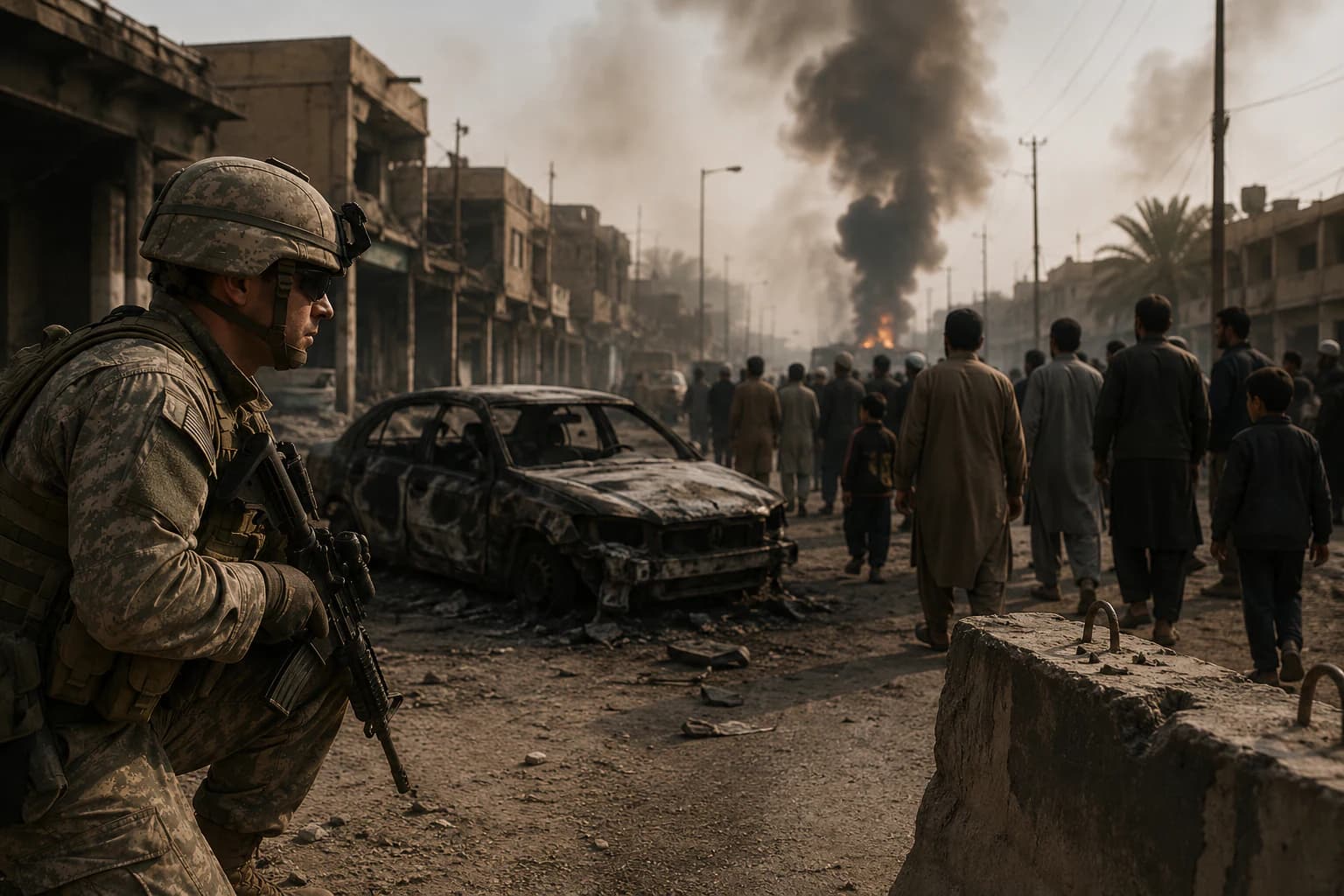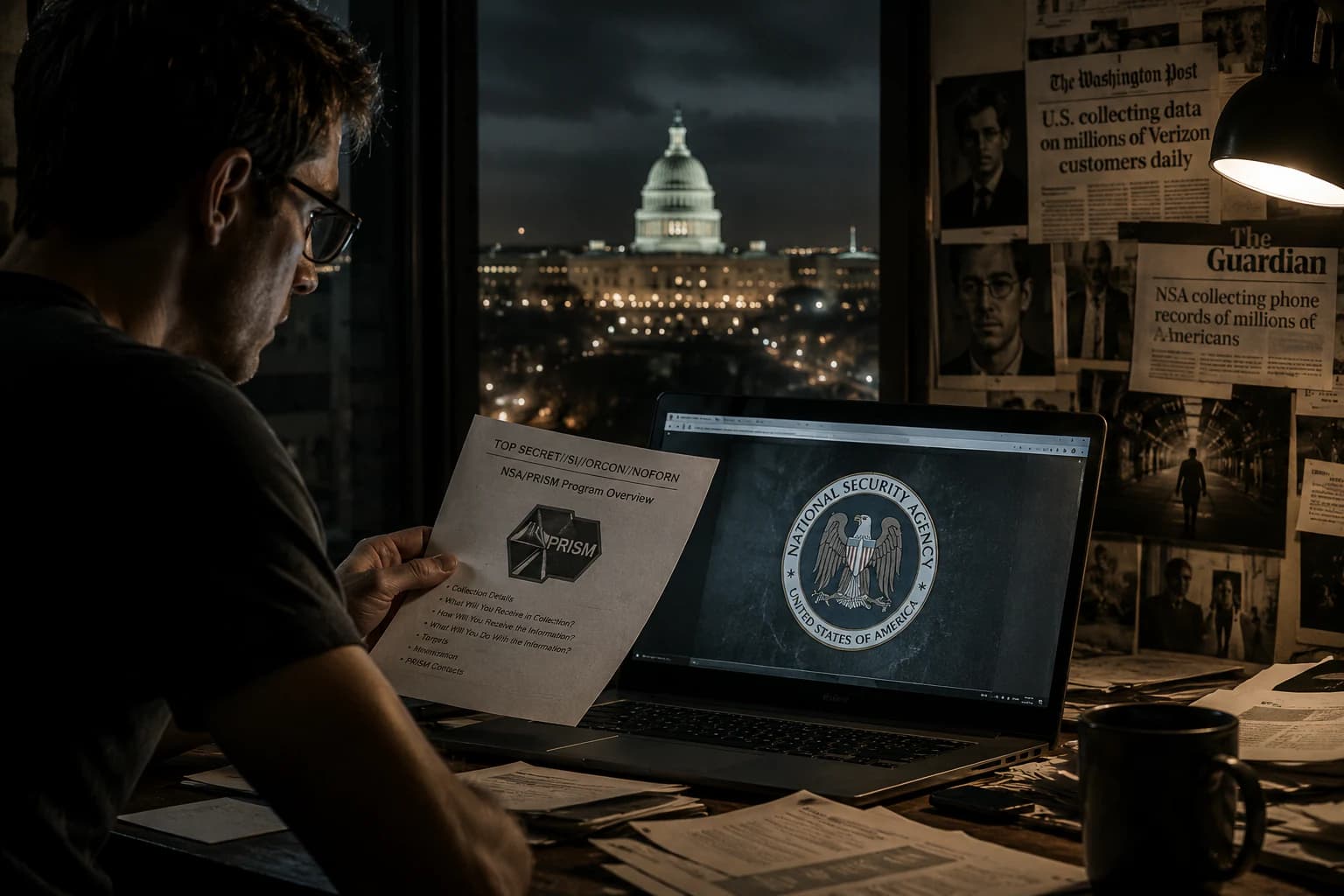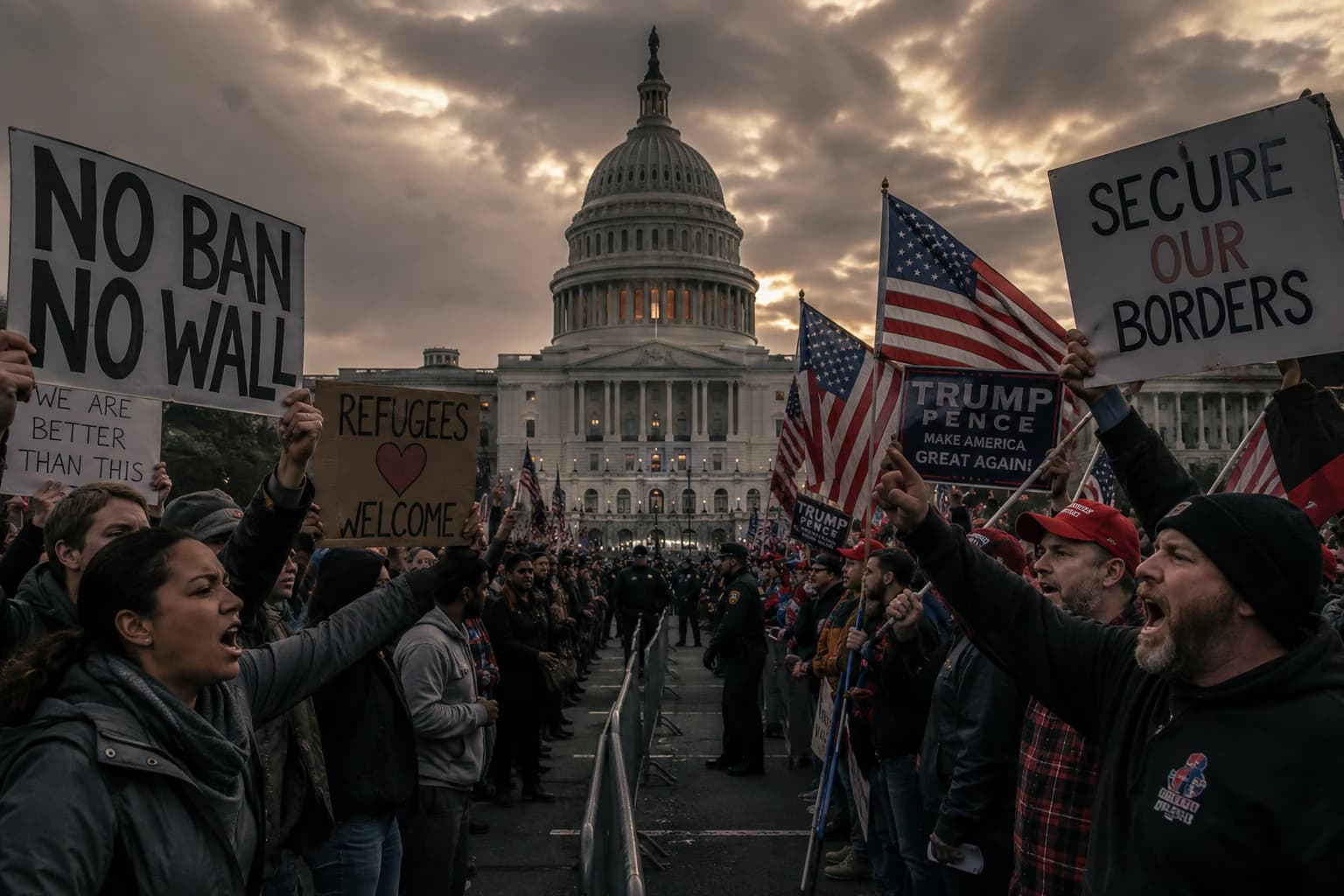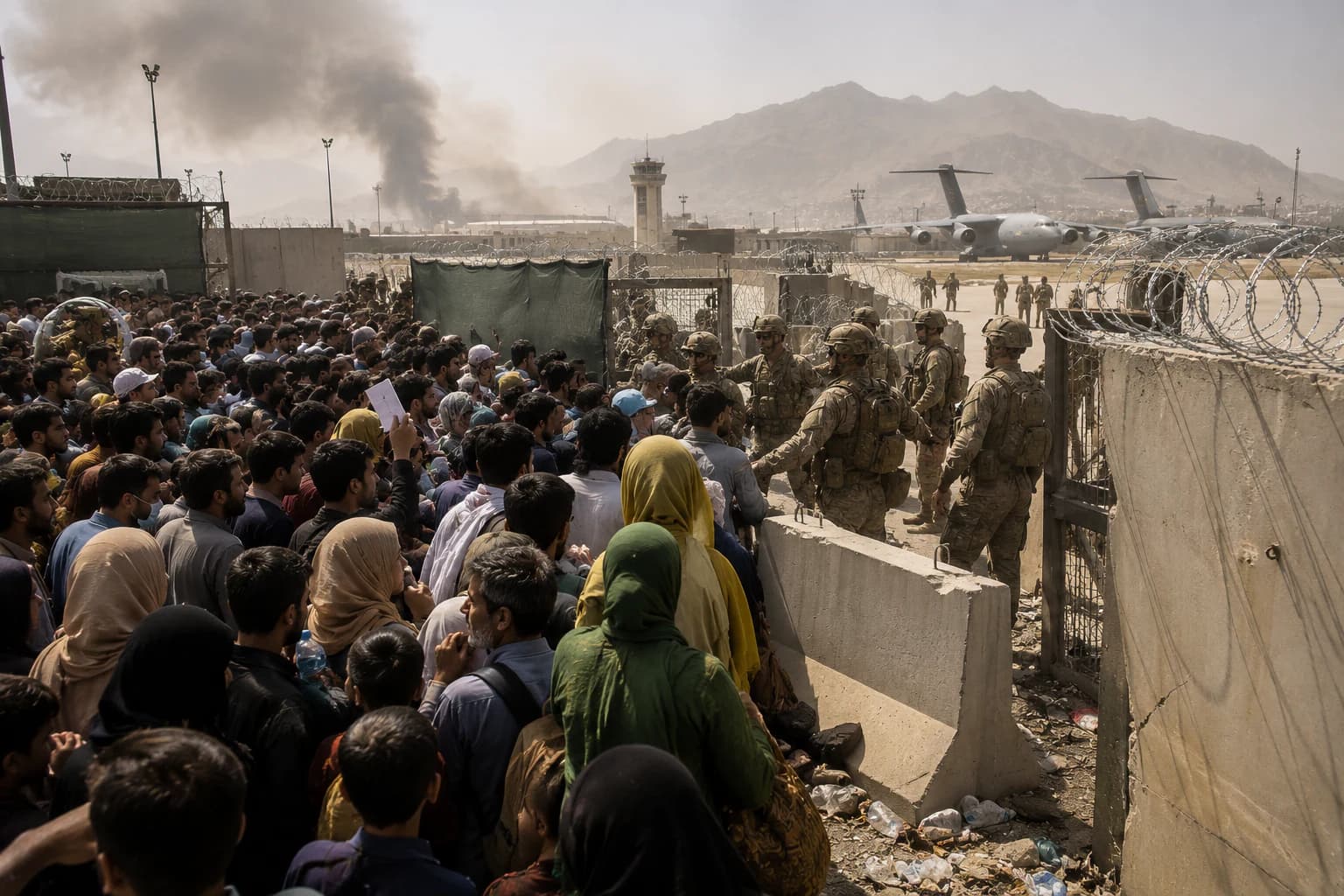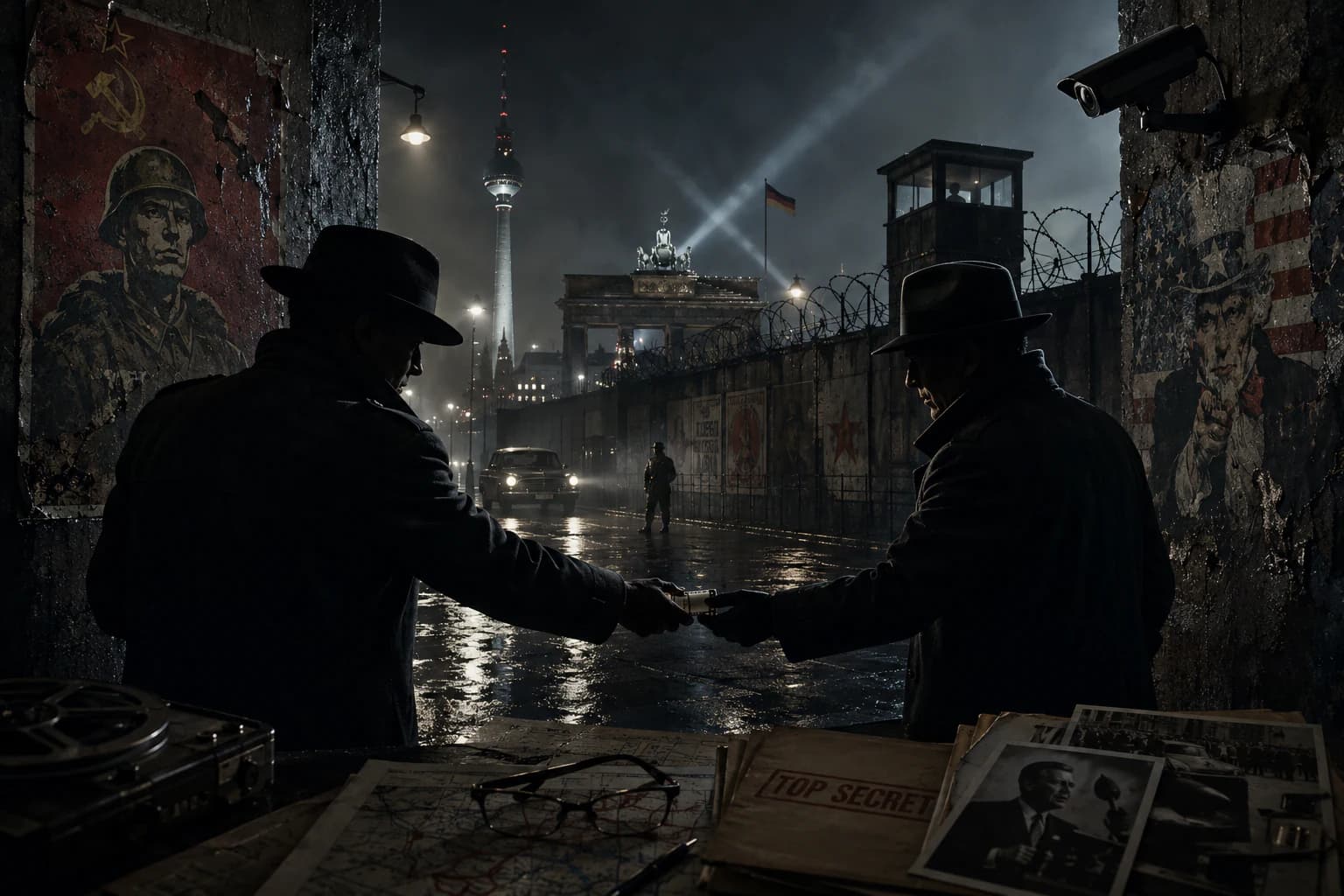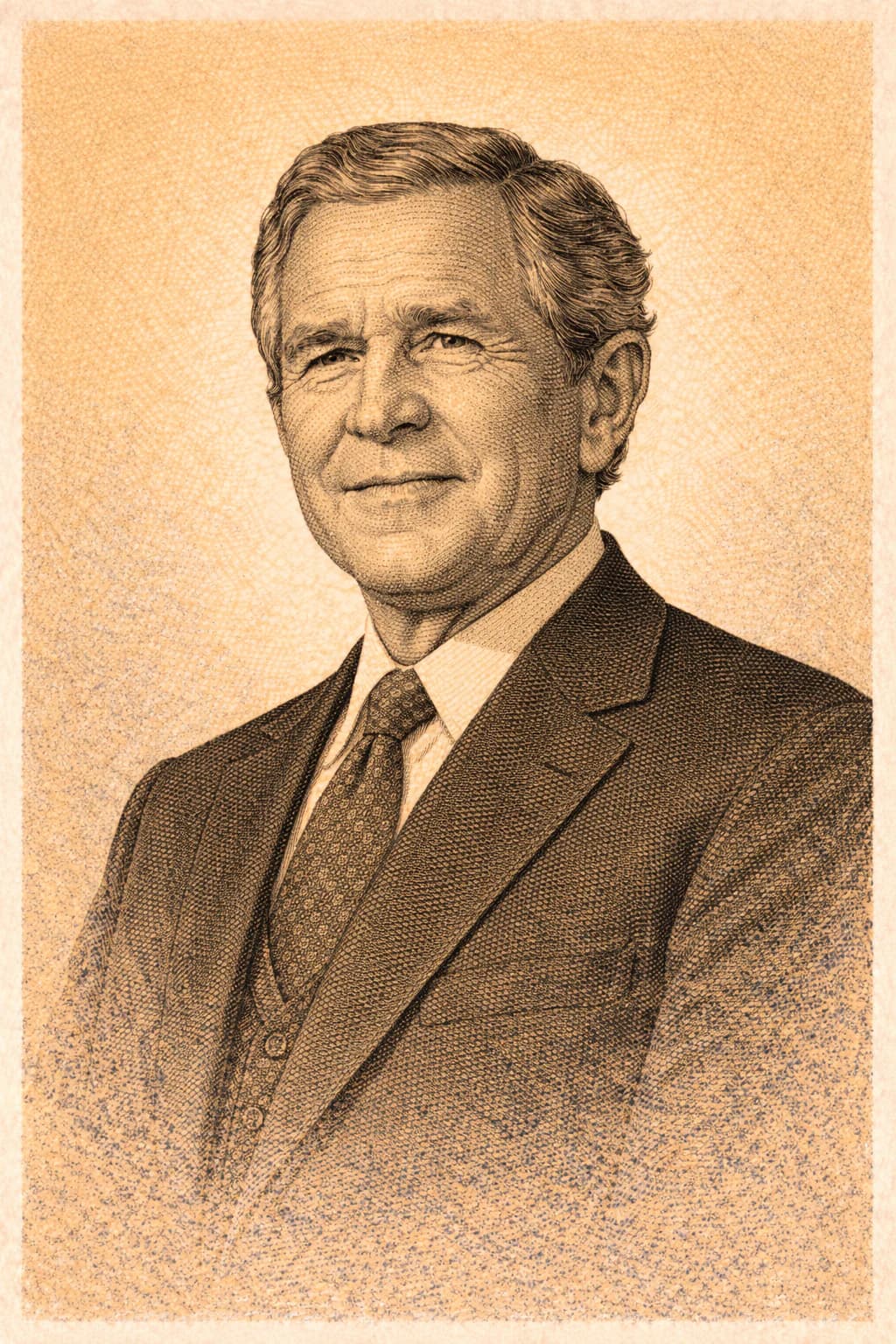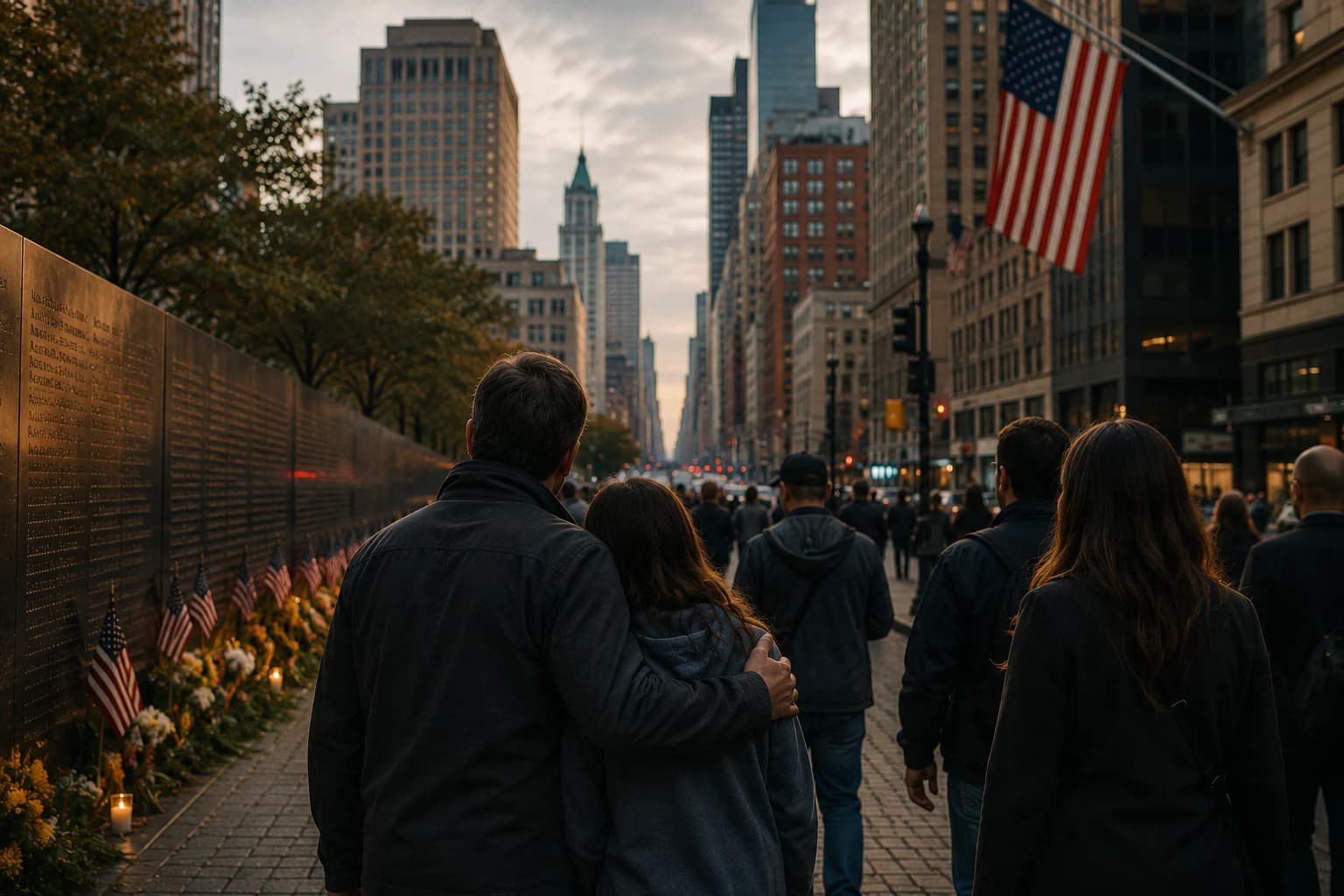
Lower Manhattan in smoke, the Pentagon under guard, and American soldiers framed against the long post-9/11 wars.
Premium Story

The United States After 9/11

Follow how 9/11 reshaped American power through war, homeland security, surveillance, polarization, and a hard reckoning over U.S. global leadership.

11 chapters

Next
Context

Introduction

What you'll learn: You will trace how 9/11 changed American security, politics, identity, and foreign policy—and why the choices made after the attacks still shape the United States and the wider world.

Key forces

The Attacks on September 11
2001 CE
Step 1 of 102001 CEAccessible mode

The Attacks on September 11

On September 11, 2001, four hijacked passenger planes were used as weapons against the United States.

Two planes struck the World Trade Center in . The towers burned, then collapsed in front of the world.

Another plane hit the near , showing that even the center of American military power was vulnerable.

One morning broke the illusion of safety.

A fourth plane, Flight 93, crashed in after passengers fought back. It never reached its target.

Nearly three thousand people were killed, and the shock was immediate, raw, and deeply personal.

Americans suddenly understood that danger could arrive inside normal civilian life. That fear changed politics, war, and daily routines for decades.

The War on Terror Begins
2001 CE
Step 2 of 102001 CEAccessible mode

The War on Terror Begins

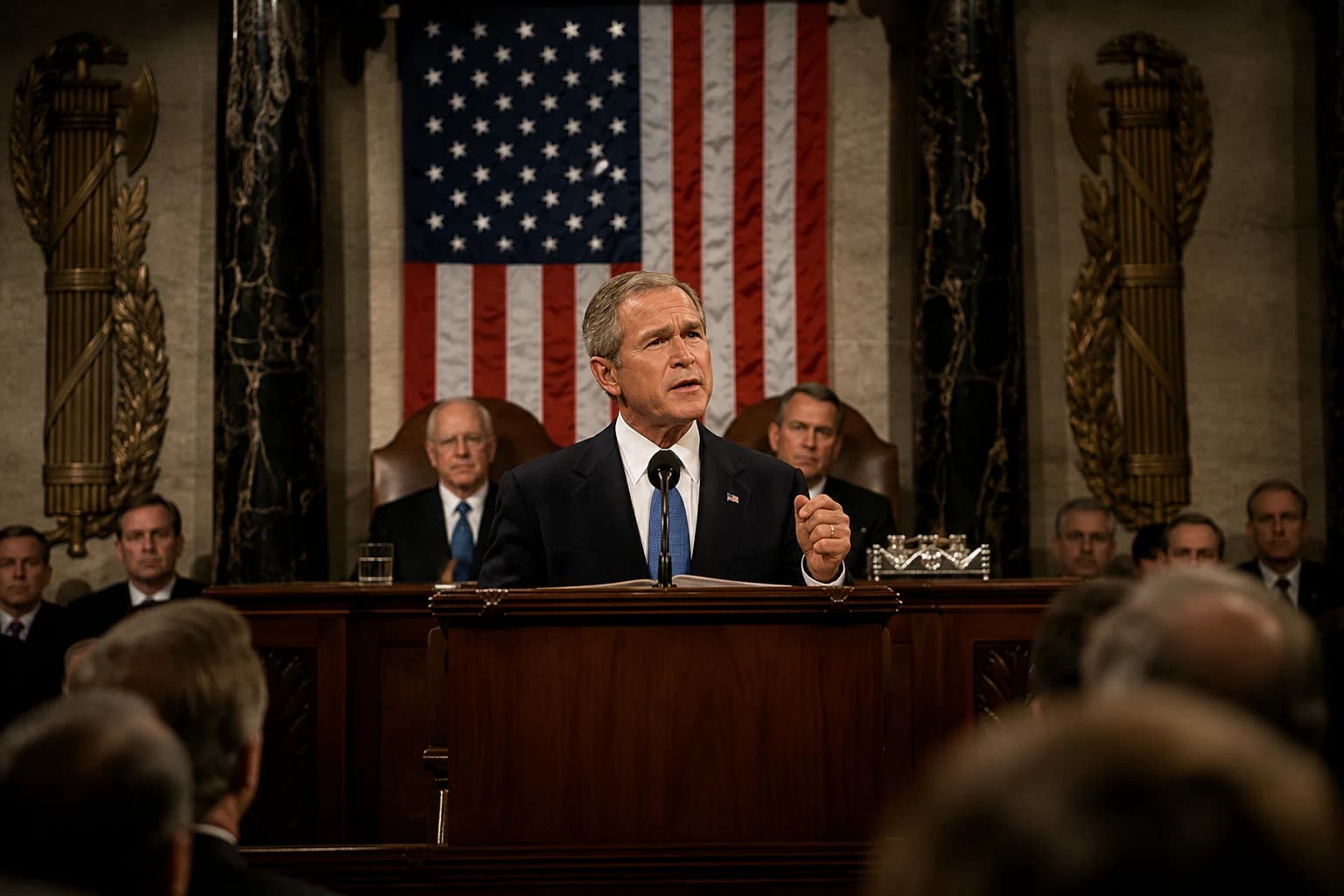
After the attacks, President George W. Bush said the United States was entering a War on Terror.

That phrase changed everything. Terrorism was no longer treated mainly as a crime to investigate and punish.

described it as a worldwide conflict that would involve armies, intelligence agencies, allies, and long campaigns across many countries.

The fight was framed as global and open-ended.

Bush warned governments that they were either with the United States or with the terrorists. Many countries felt pressure to choose sides.

The new language made the struggle much bigger than al-Qaeda alone. It pulled security, politics, religion, and foreign policy into one frame.

That gave the United States broad freedom to act, but it also opened the door to a war with no simple border and no clear finish line.

The Invasion of Afghanistan
2001 CE
Step 3 of 102001 CEAccessible mode

The Invasion of Afghanistan

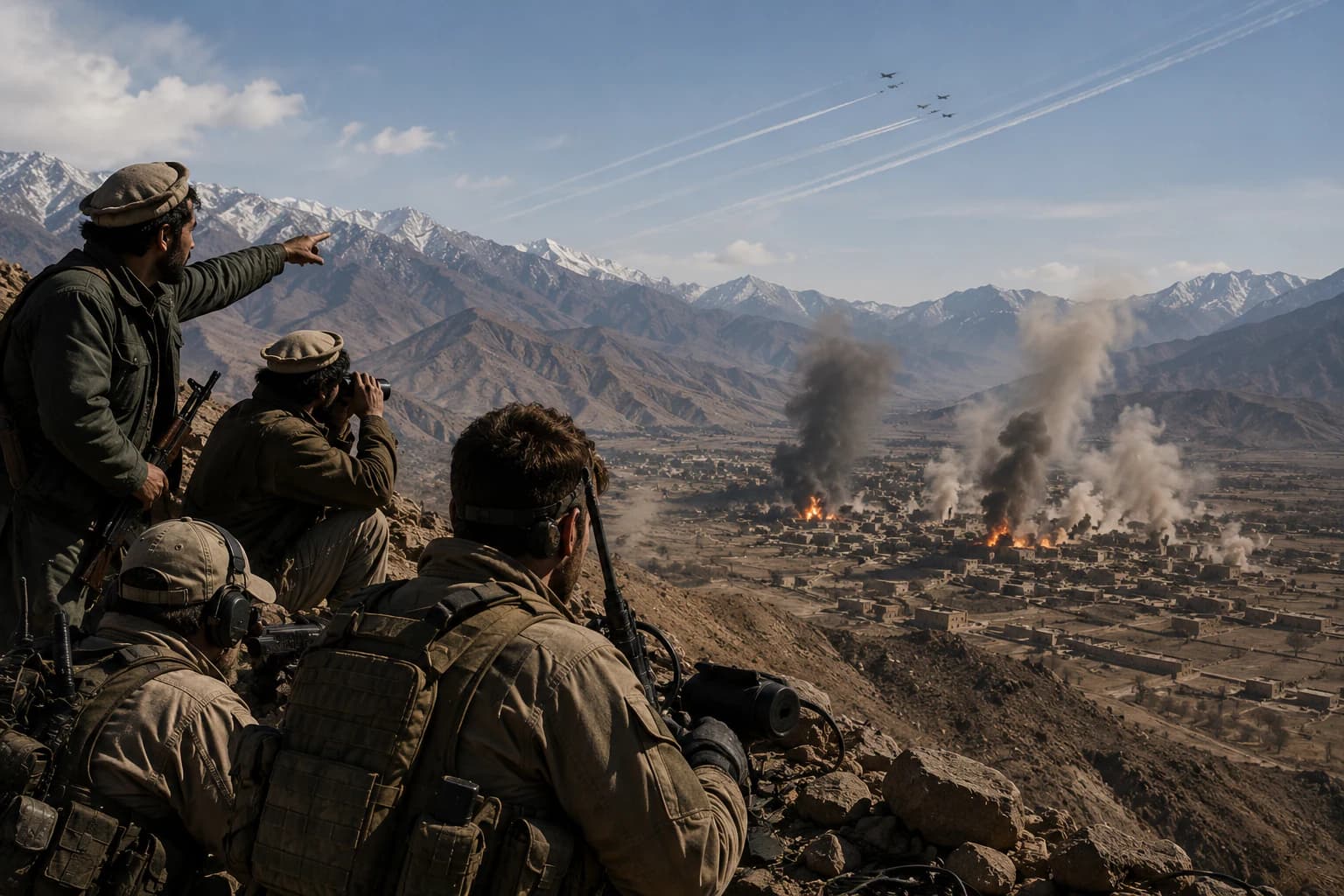
In October 2001, the United States and its allies invaded .

The Taliban government had sheltered al-Qaeda leaders, including Osama bin Laden, and refused to hand them over.

American air power, special forces, and Afghan anti-Taliban fighters moved quickly. By the end of the year, the Taliban regime had fallen.

The first campaign looked fast and justified.

Many Americans saw as a direct response to 9/11, unlike later wars that would be harder to defend.

But removing a government was easier than building a stable new state. The Taliban was damaged, not destroyed.

What began as a mission to punish al-Qaeda soon became a long occupation shaped by insurgency, state-building, and aims that kept growing.

Premium

You've reached the turning point

The opening chapters show shock turning into war. Premium follows the long aftermath: security expands at home, Iraq becomes a second battlefield, insurgency drains confidence and the United States is left changed by wars that prove hard to end.

Continue into the reversals, crises and human stakes that make the story matter.

Unlock full story

What Premium unlocks next

  1. 4Homeland Security Takes Shape
  2. 5The Patriot Act Expands Surveillance
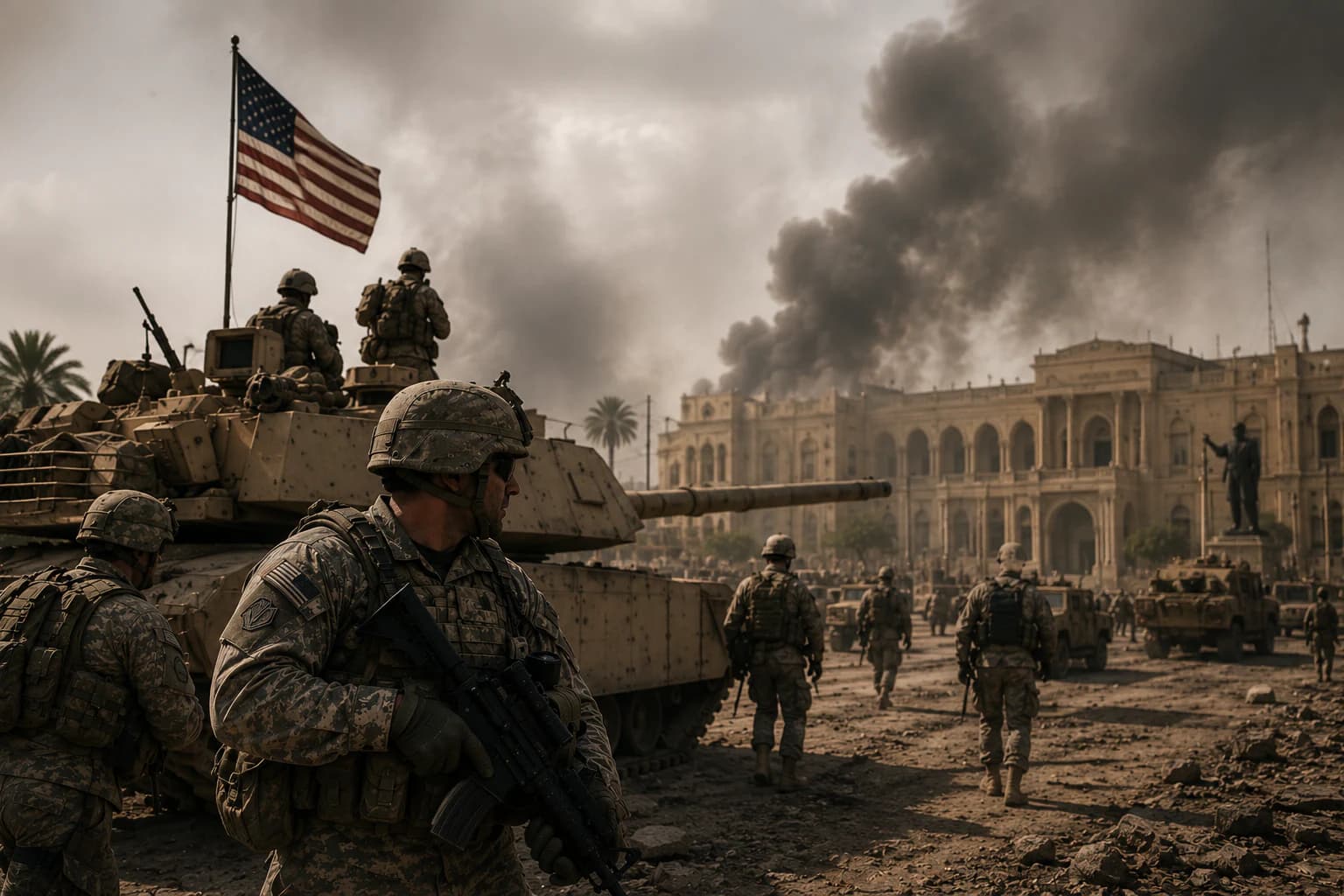
  3. 6The Road to Iraq
  4. 7Occupation and Insurgency
  5. 8The Security State at Home
  6. 9Polarization After Endless War
  7. 10The Afghanistan Withdrawal

Browse stories

Browse stories for free

Explore the people connected to this turning point or enjoy one of our free stories.

Unlock full storyBrowse stories

References

Sources & Further Reading

Reliable sources, primary-source collections and reading paths connected to this page.

Sources used

  1. National Commission on Terrorist Attacks Upon the United States, The 9/11 Commission Report,” Open source
  2. National September 11 Memorial & Museum, Digital Exhibitions,” Open source

Further reading

  1. Spencer Ackerman, Reign of Terror, Viking.

Primary sources

  1. George W. Bush Presidential Library, September 11, 2001,” Open source

Image references

  1. Library of Congress, September 11, 2001 Web Archive,” Open source

A weekly route through history

Find out first about the latest published stories, feature notes and occasional Premium offers in one weekly email.