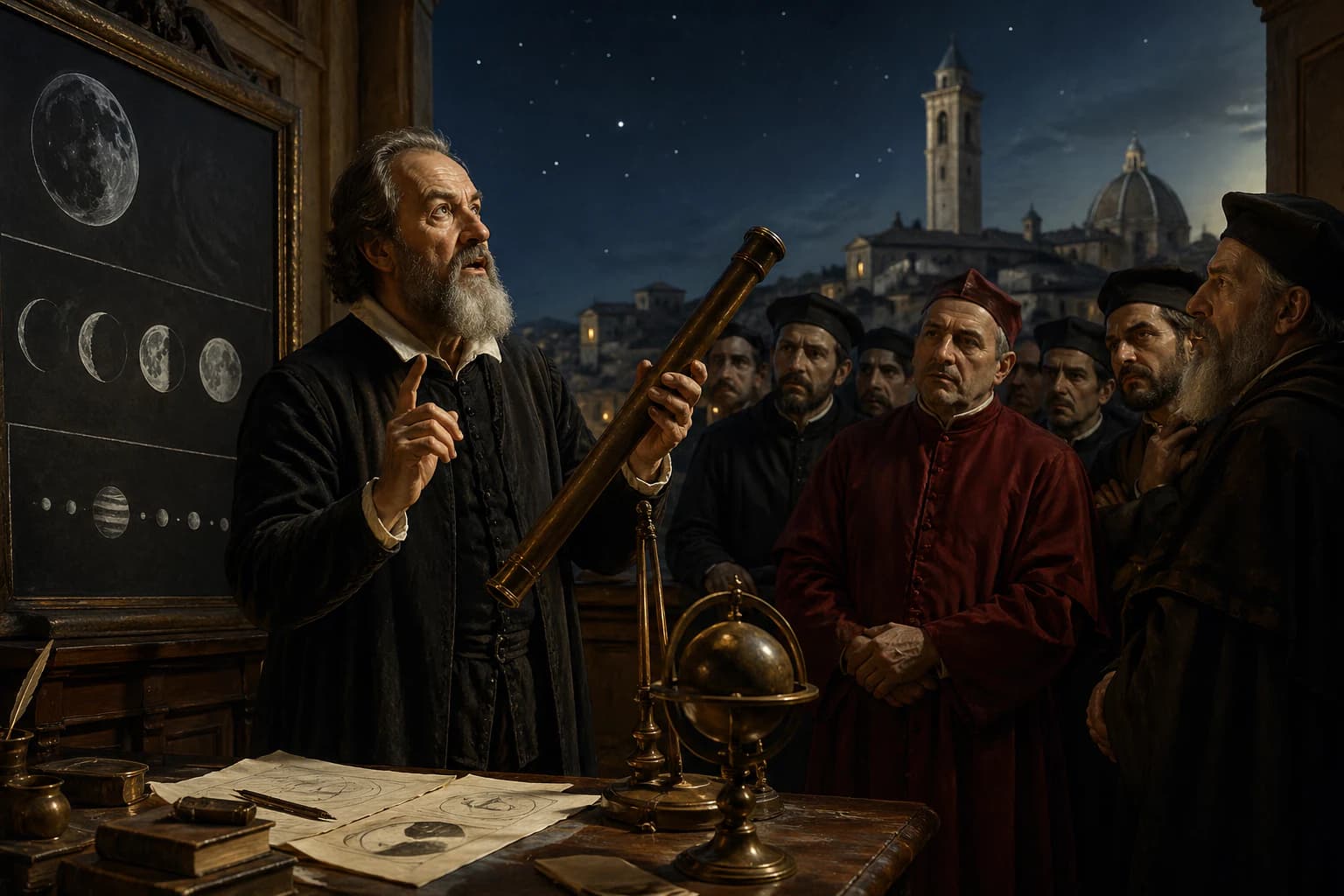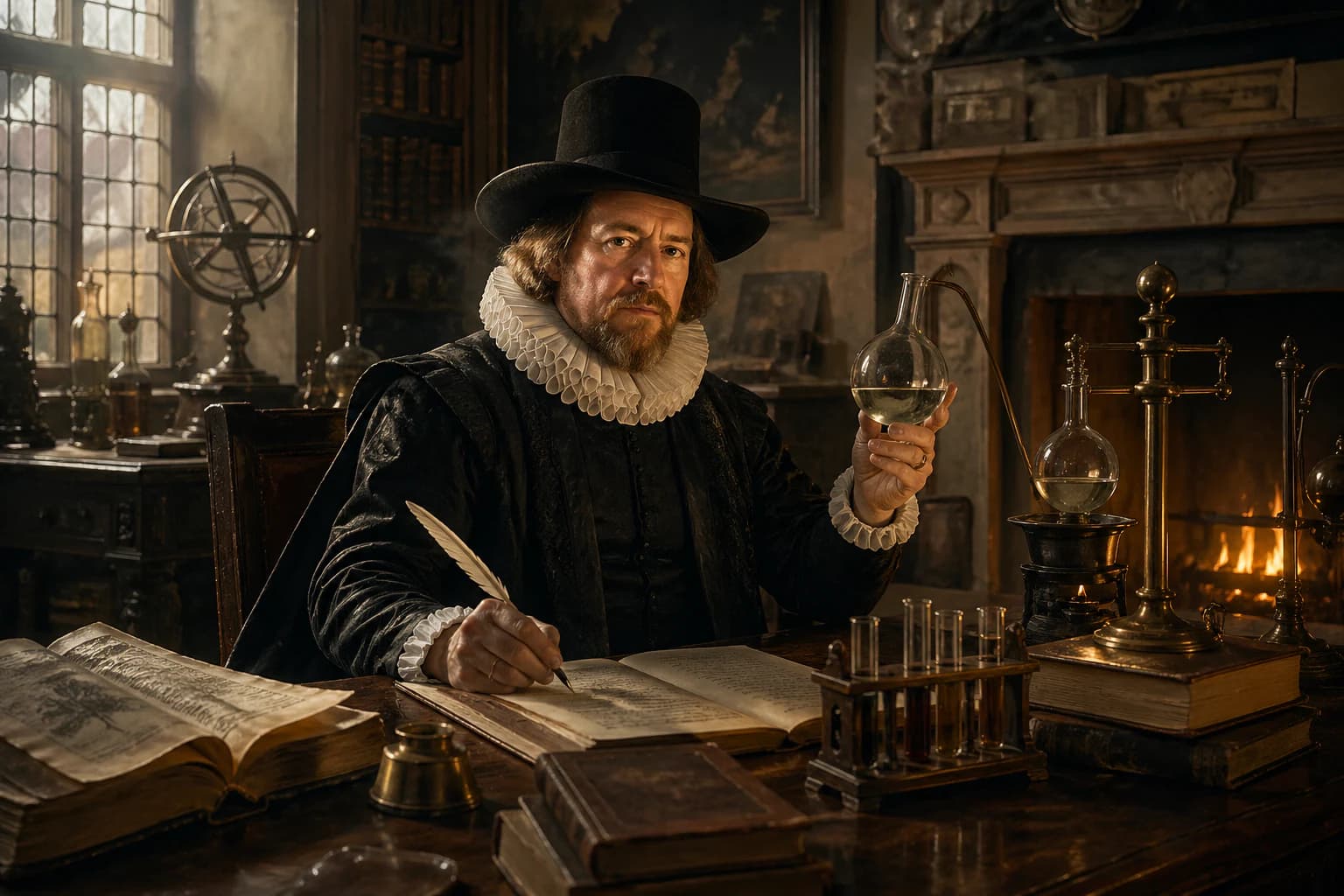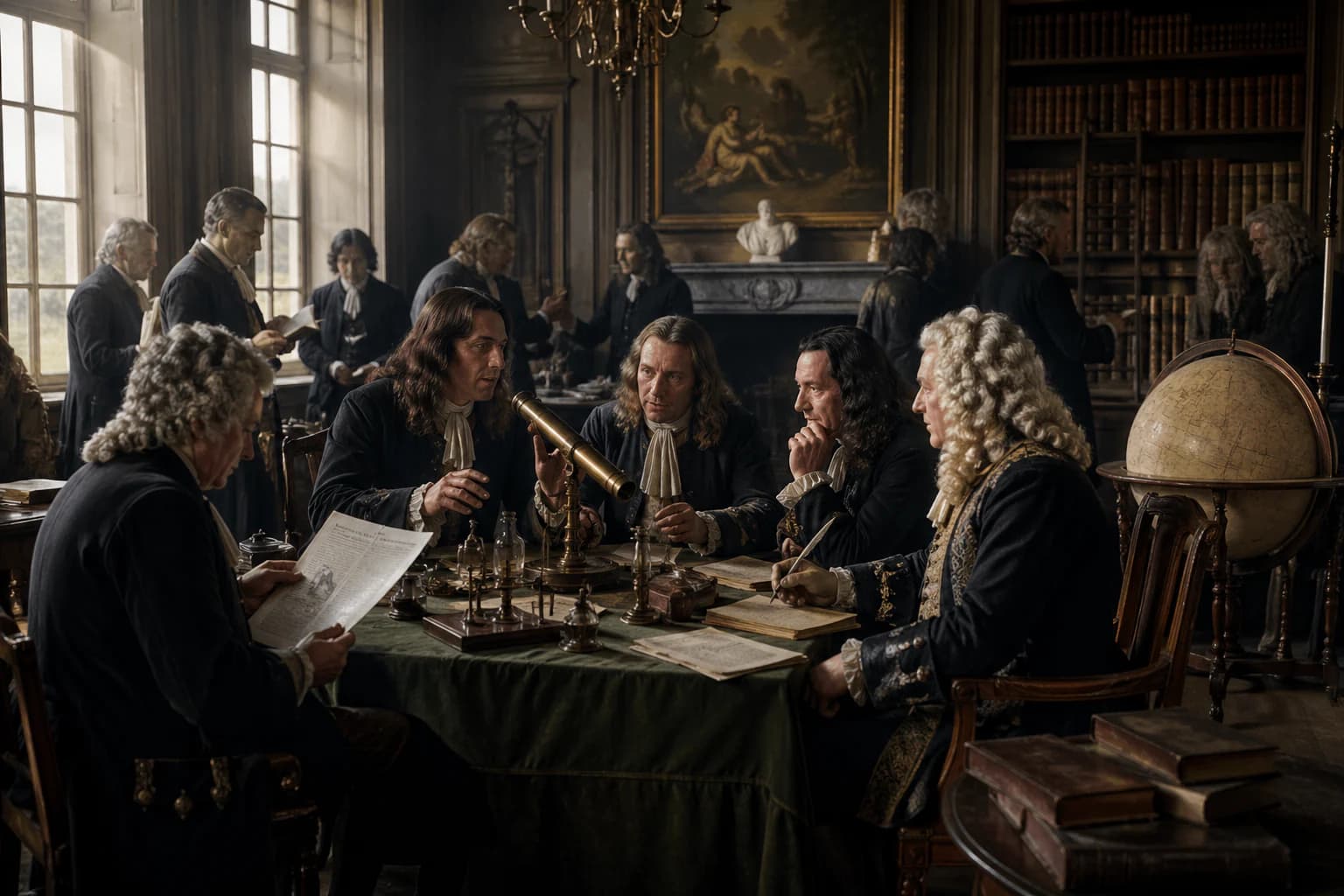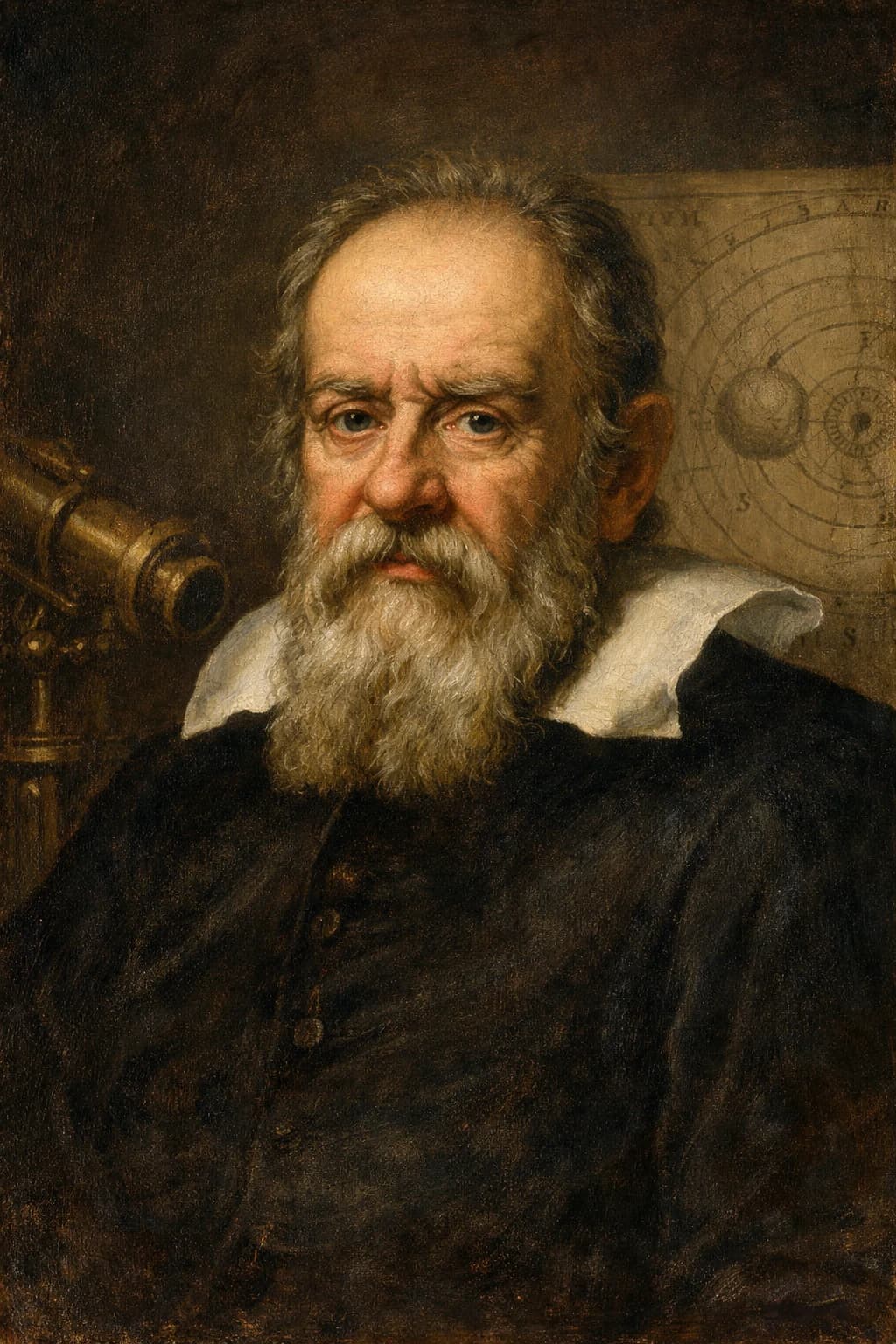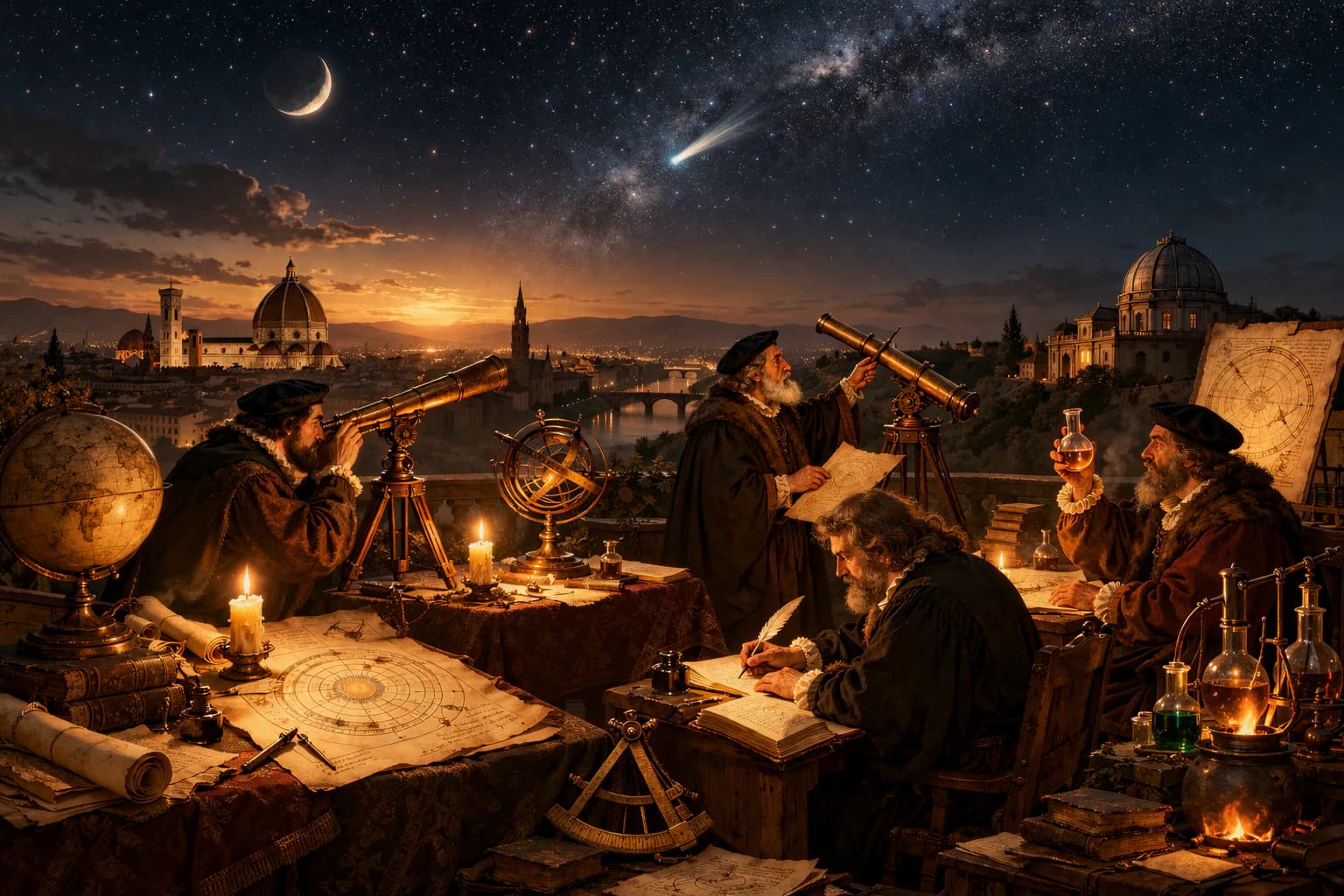
Early modern scientists observing the cosmos with telescopes and instruments.
Premium Story

The Scientific Revolution

Discover the Scientific Revolution, when observation, experiment, mathematics, and doubt remade human knowledge.

11 chapters

Next
Context

Introduction

Overview

The Scientific Revolution was the transformation of knowledge in early modern Europe, when observation, experiment, mathematics, and new instruments challenged older explanations of nature. Thinkers such as Copernicus, Galileo, Kepler, Newton, and others changed understandings of astronomy, physics, anatomy, and method. It helped create modern science, but also developed within older worlds of religion, philosophy, patronage, and debate.

What you'll learn: You will see how older frameworks gave way to new methods, why instruments and mathematics mattered, and how science became an institution as well as a way of thinking.

Key forces

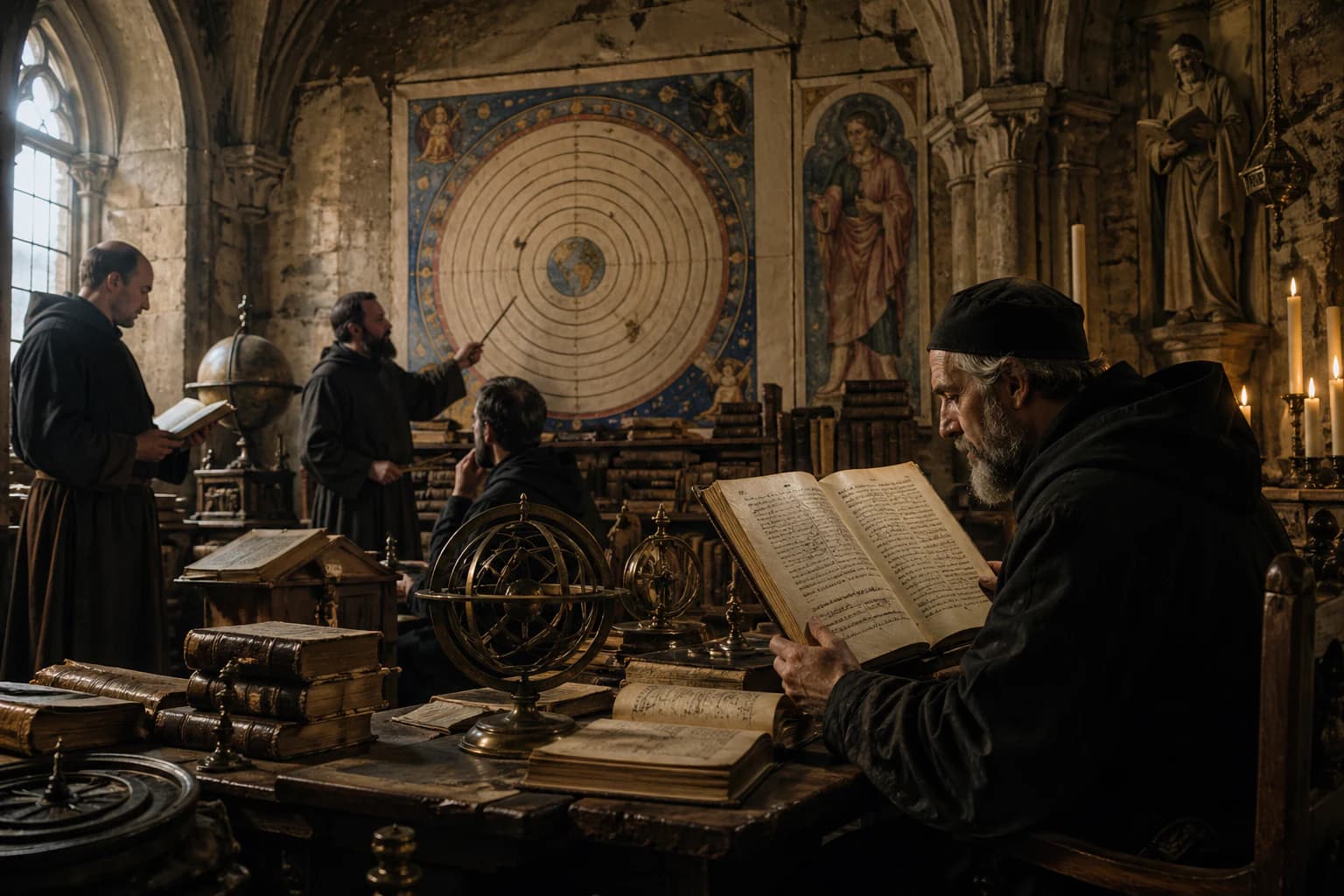
Medieval scholars studying Aristotelian texts and celestial diagrams in a candlelit scriptorium.
1200 CE
Step 1 of 101200 CEAccessible mode

The Medieval Framework of Nature

For most people in medieval Europe, the universe was not a mystery to be solved. It was an order to be understood.

Medieval thinkers built their picture of the world on the writings of ancient Greek scholars, above all Aristotle and Ptolemy. These men had lived over a thousand years earlier, but their ideas were still treated as definitive.

Aristotle's world was divided into two zones. The Earth sat at the centre, heavy and imperfect. The heavens above moved in perfect circles, driven by pure, unchanging forces. Everything had its natural place.

To understand the world, you read the right books.

Ptolemy had mapped the night sky using this system. His model placed the Earth at the centre of the cosmos, with the Sun, Moon, and planets revolving around it.

The Church accepted and built upon these ideas. Scholars called scholastics worked to bring ancient learning and Christian belief together. Knowledge came from tradition, not from experiments.

This framework felt complete. The question was not whether it was right. It simply was the way things were.

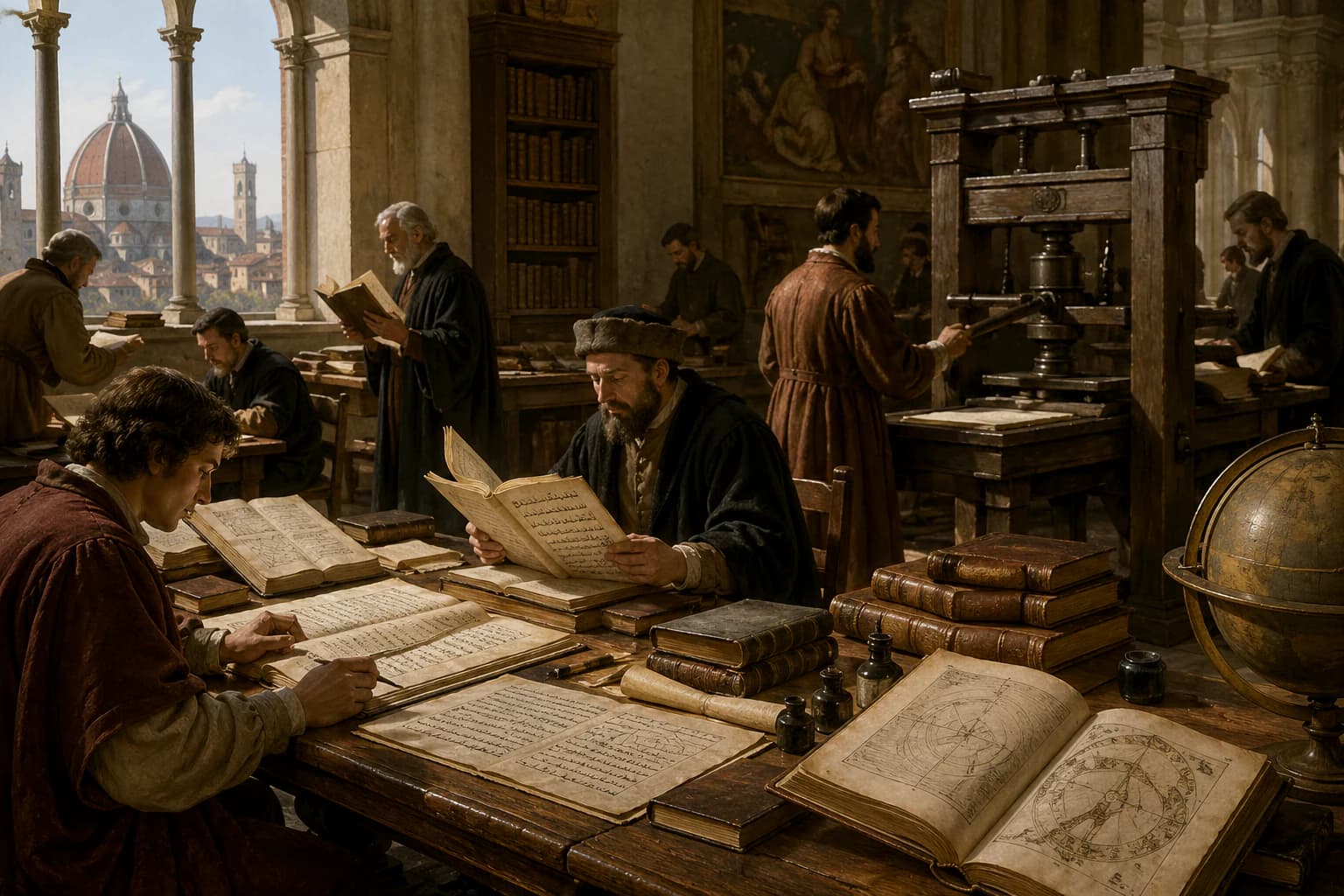
Renaissance scholars in Florence examining ancient Greek manuscripts alongside a printing press.
1453 CE
Step 2 of 101453 CEAccessible mode

The Recovery of Ancient Knowledge

Before new ideas could challenge the old world, lost knowledge had to return.

In 1453, Constantinople fell to the Ottoman Empire. Greek scholars fled west, carrying with them manuscripts that had not been read in western Europe for centuries.

This helped spark the Renaissance, a period when scholars and artists looked back to ancient Greece and Rome for inspiration. Reading old texts with fresh eyes sometimes meant seeing them differently.

Old books, read again, started new questions.

Arabic scholars had also preserved and extended ancient knowledge. Works on mathematics, medicine, and astronomy had been translated and expanded for centuries. European universities began to encounter these texts more widely.

The printing press, invented in the 1450s, changed everything. Ideas that once stayed in a few libraries could now reach thousands of readers across Europe.

This spread of ideas created a climate where inherited authority could be questioned. Scholars could compare sources, spot contradictions, and ask whether the old masters had always been right.

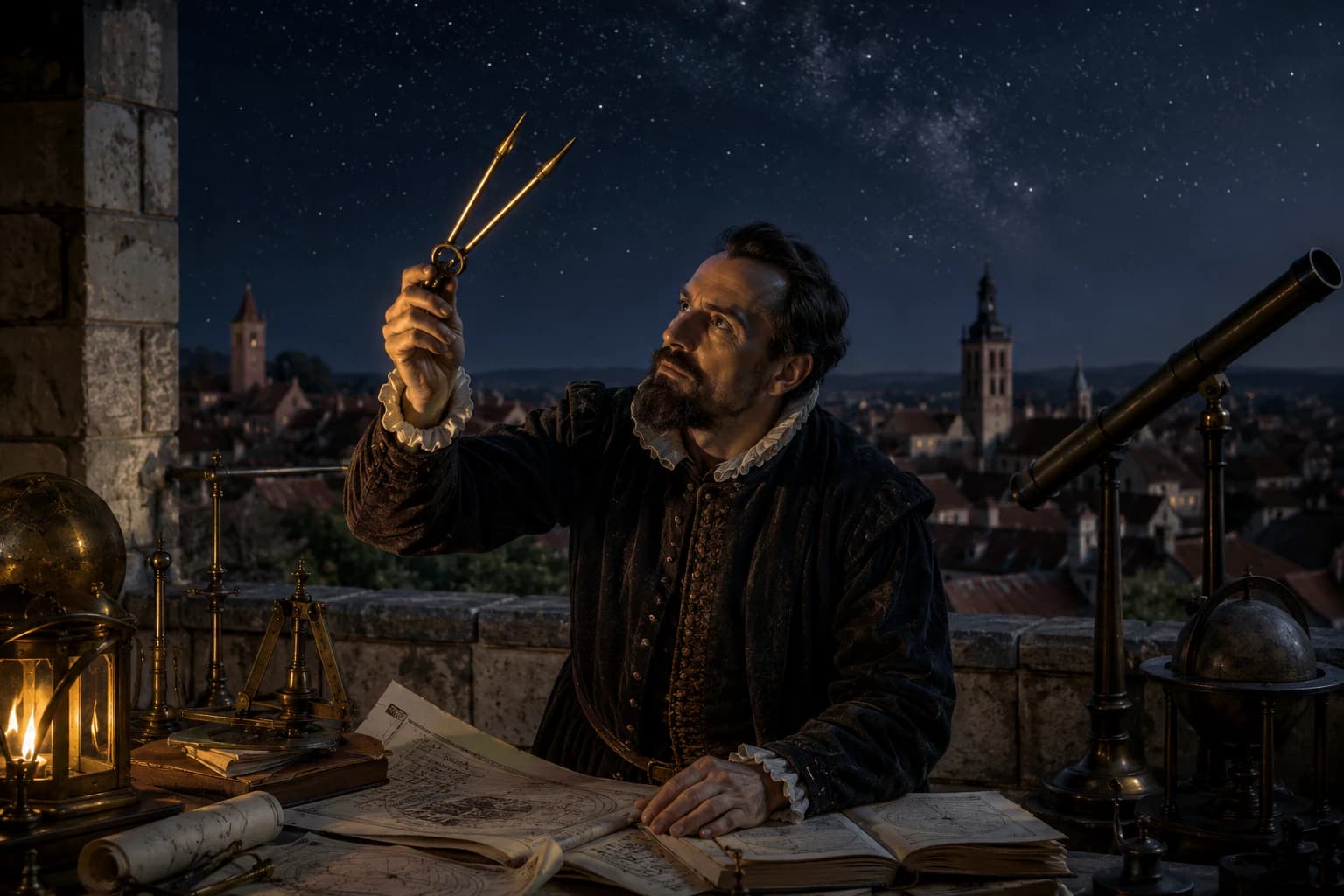
Nicolaus Copernicus at his desk in Frombork, surrounded by astronomical instruments and diagrams of a Sun-centred cosmos.
1543 CE
Step 3 of 101543 CEAccessible mode

Copernicus Reorders the Heavens

A Polish astronomer quietly rewrote where the Earth stood in the universe.

Nicolaus Copernicus spent decades studying the movements of the planets. The existing system, which put Earth at the centre of the cosmos, needed constant adjustments to match what astronomers actually saw.

Copernicus proposed a different idea: the Earth was not the centre. The Sun was. The planets, including Earth, orbited the Sun in circular paths.

Moving the Earth was one of the most daring ideas in the history of human thought.

He published his model in 1543, the year he died. He called it De revolutionibus. The book laid out the heliocentric system with careful mathematics, not religious argument.

The immediate reaction was muted. Some scholars found it useful for calculations. Others rejected it. But the idea was now in print, available to anyone who picked up the book.

Copernicus did not overturn ancient astronomy overnight. But he placed a question at the heart of it that could not easily be put aside: what if the Earth was not special?

Premium

You've reached the turning point

The opening chapters show inherited knowledge beginning to loosen its grip. Premium follows the unsettling turn: bodies are studied differently, the heavens stop behaving as expected, and experiment and mathematics begin to challenge old authorities.

Continue into the reversals, crises and human stakes that make the story matter.

Unlock full story

What Premium unlocks next

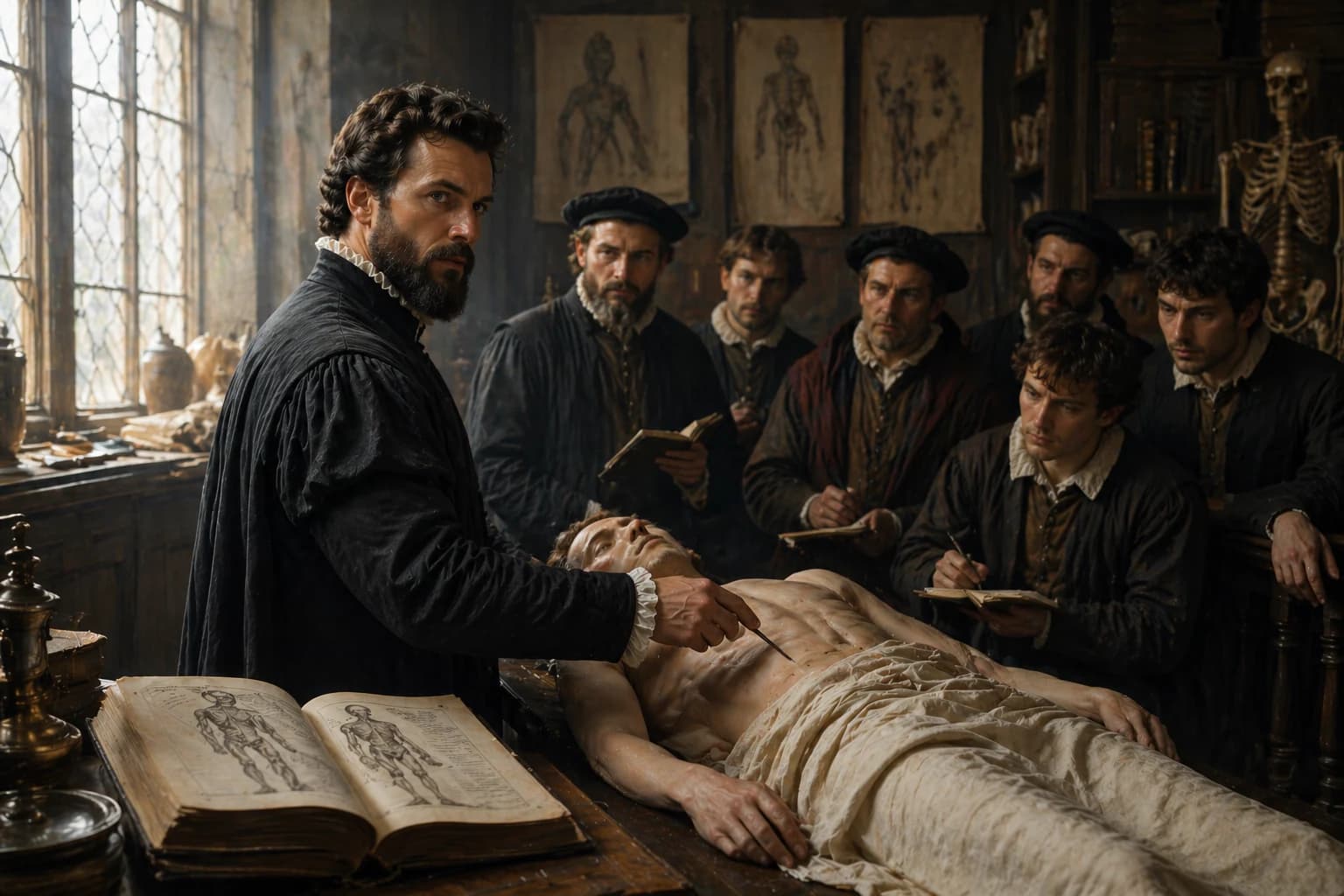
  1. 4Vesalius Remakes Anatomy
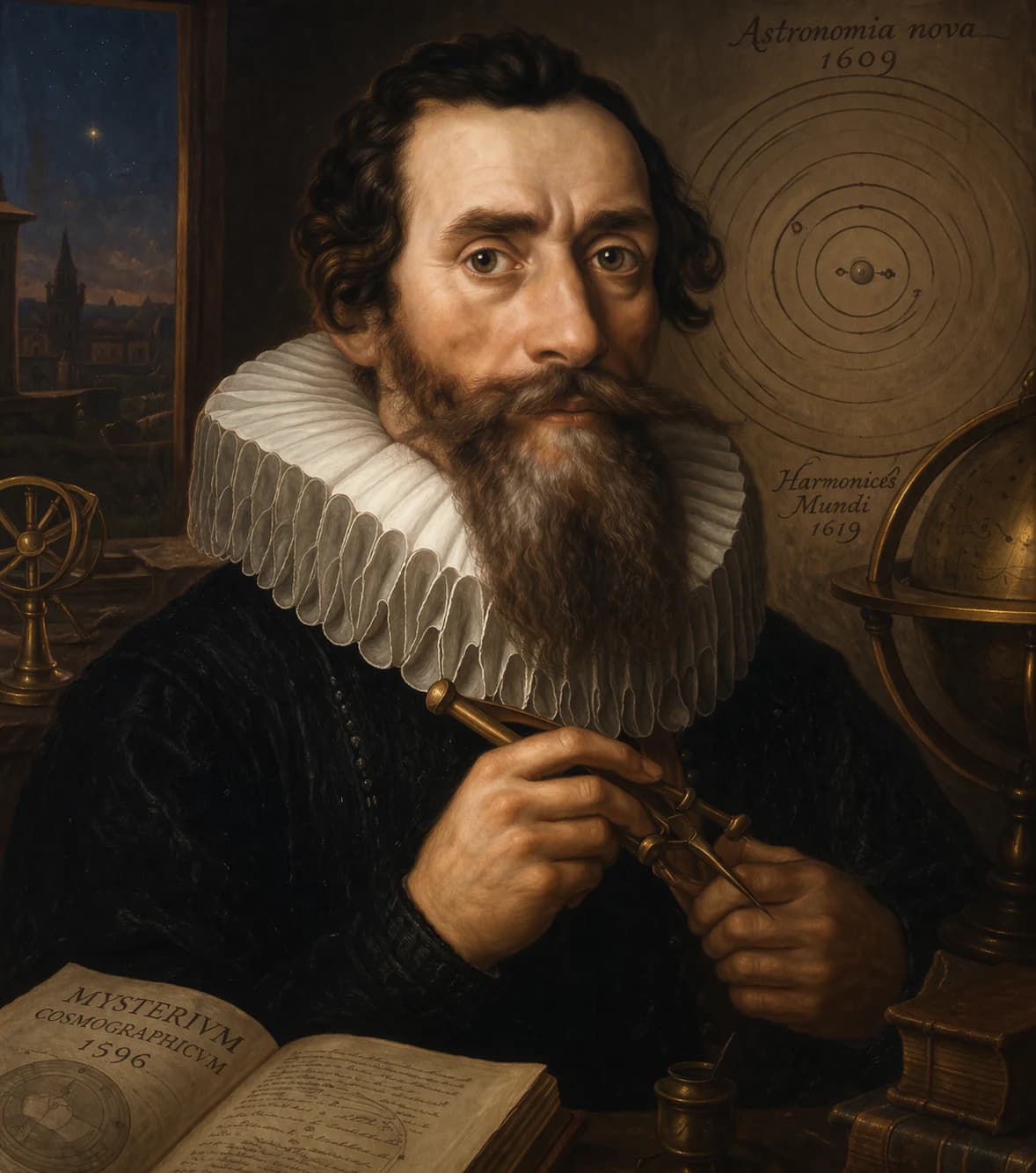
  2. 5Kepler Finds Mathematical Order
  3. 6Galileo Challenges the Old Cosmos
  4. 7Bacon Defines Experimental Knowledge
  5. 8Descartes Rebuilds Certainty
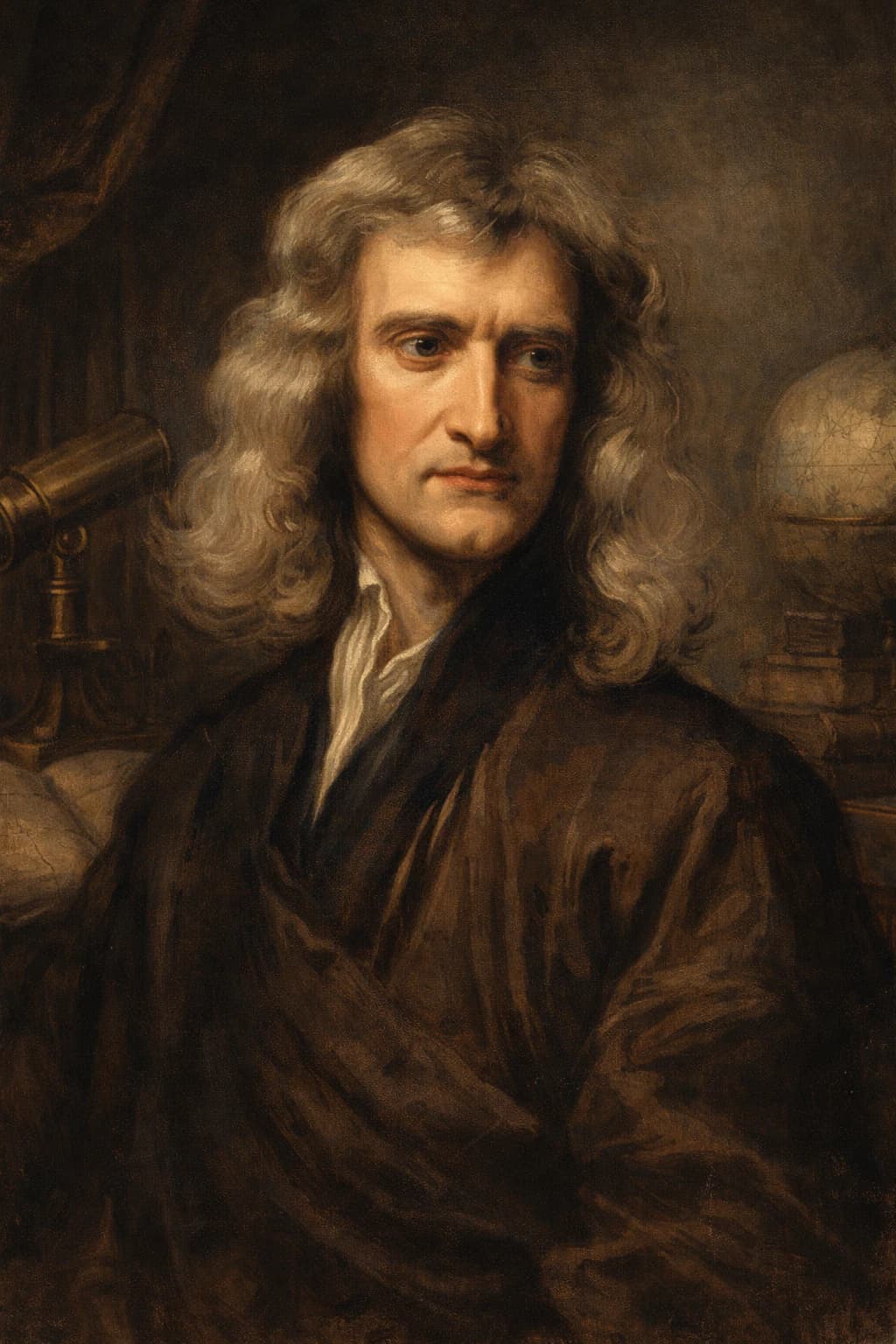
  6. 9Newton Unifies the Physical World
  7. 10Science Becomes a Modern Institution

Browse stories

Browse stories for free

Explore the people connected to this turning point or enjoy one of our free stories.

Unlock full storyBrowse stories

References

Sources & Further Reading

Reliable sources, primary-source collections and reading paths connected to this page.

Sources used

  1. Encyclopaedia Britannica, Scientific Revolution,” Open source
  2. Rice University, The Galileo Project,” Open source

Further reading

  1. Steven Shapin, The Scientific Revolution, University of Chicago Press.

Primary sources

  1. Fordham University, Internet Modern History Sourcebook: Scientific Revolution,” Open source

Image references

  1. Museo Galileo, Collections,” Open source

A weekly route through history

Find out first about the latest published stories, feature notes and occasional Premium offers in one weekly email.