Context
Introduction
Overview
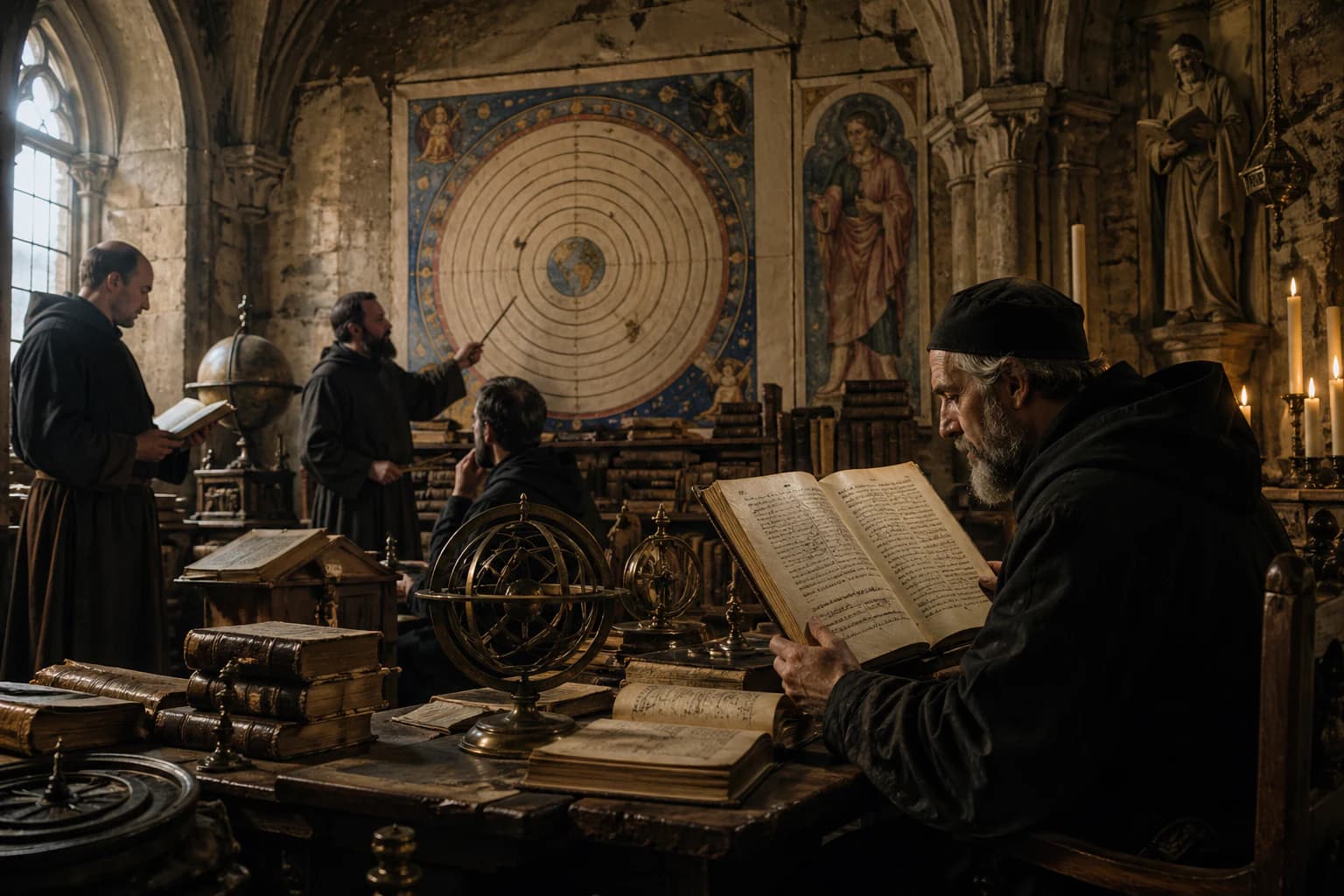
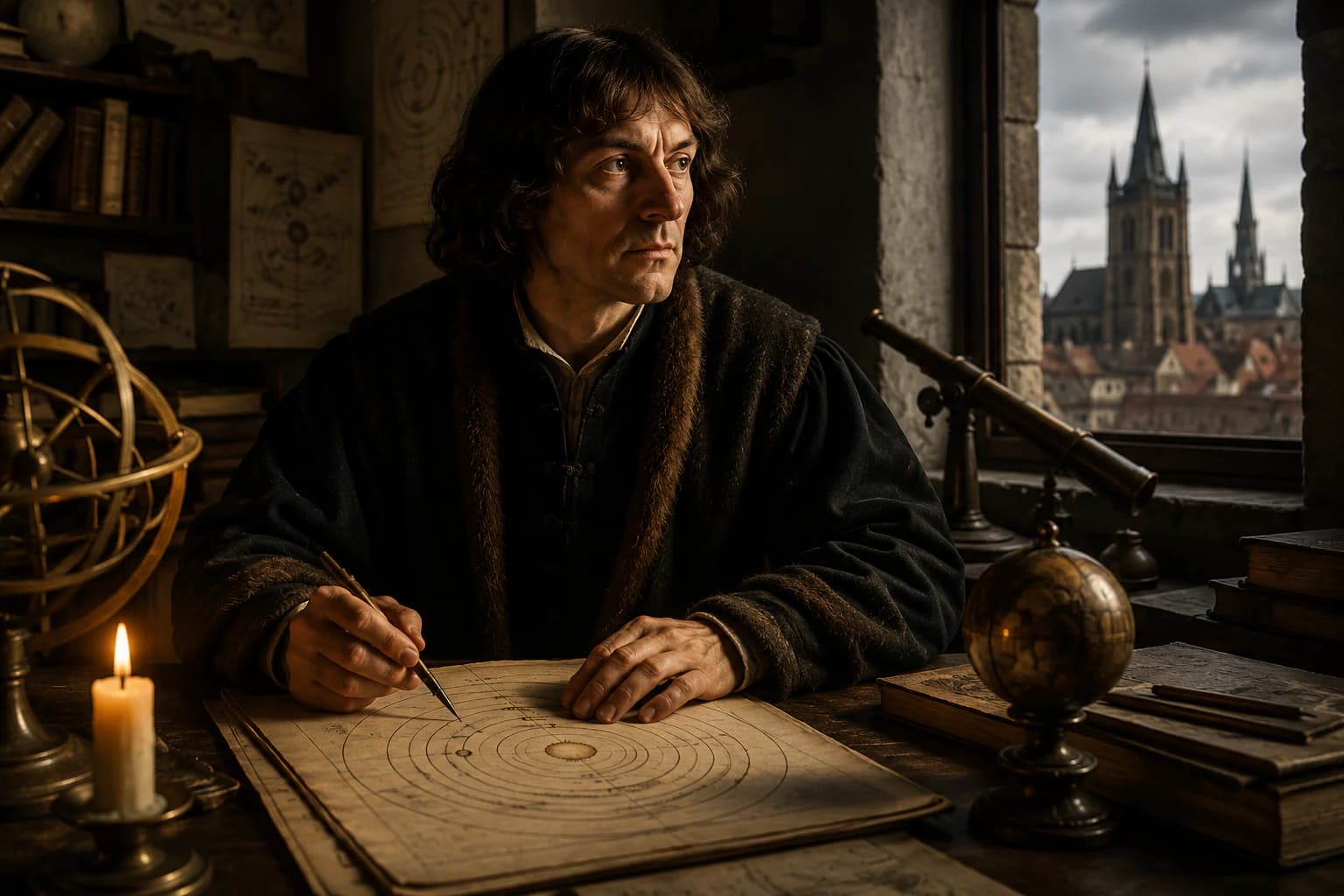
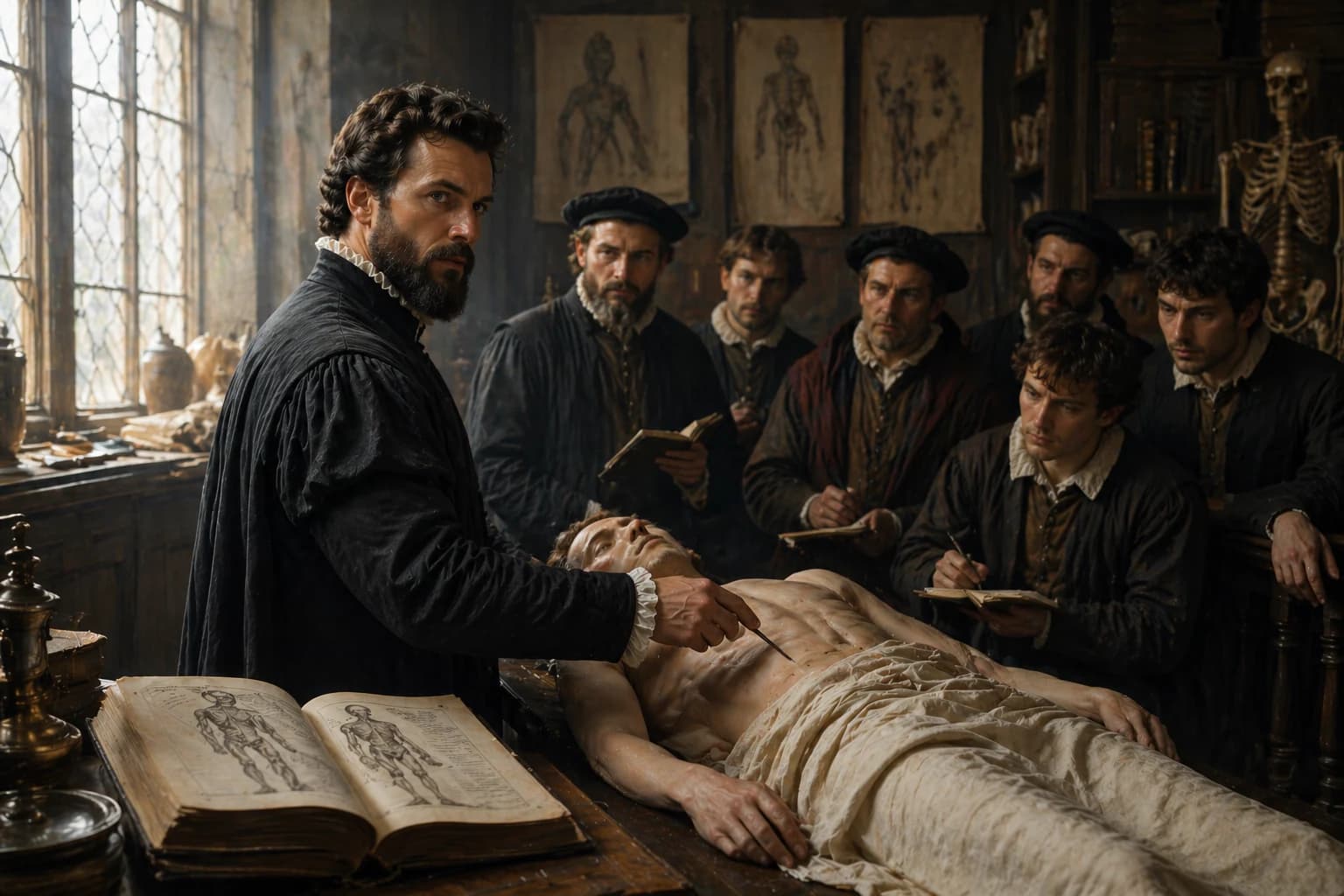
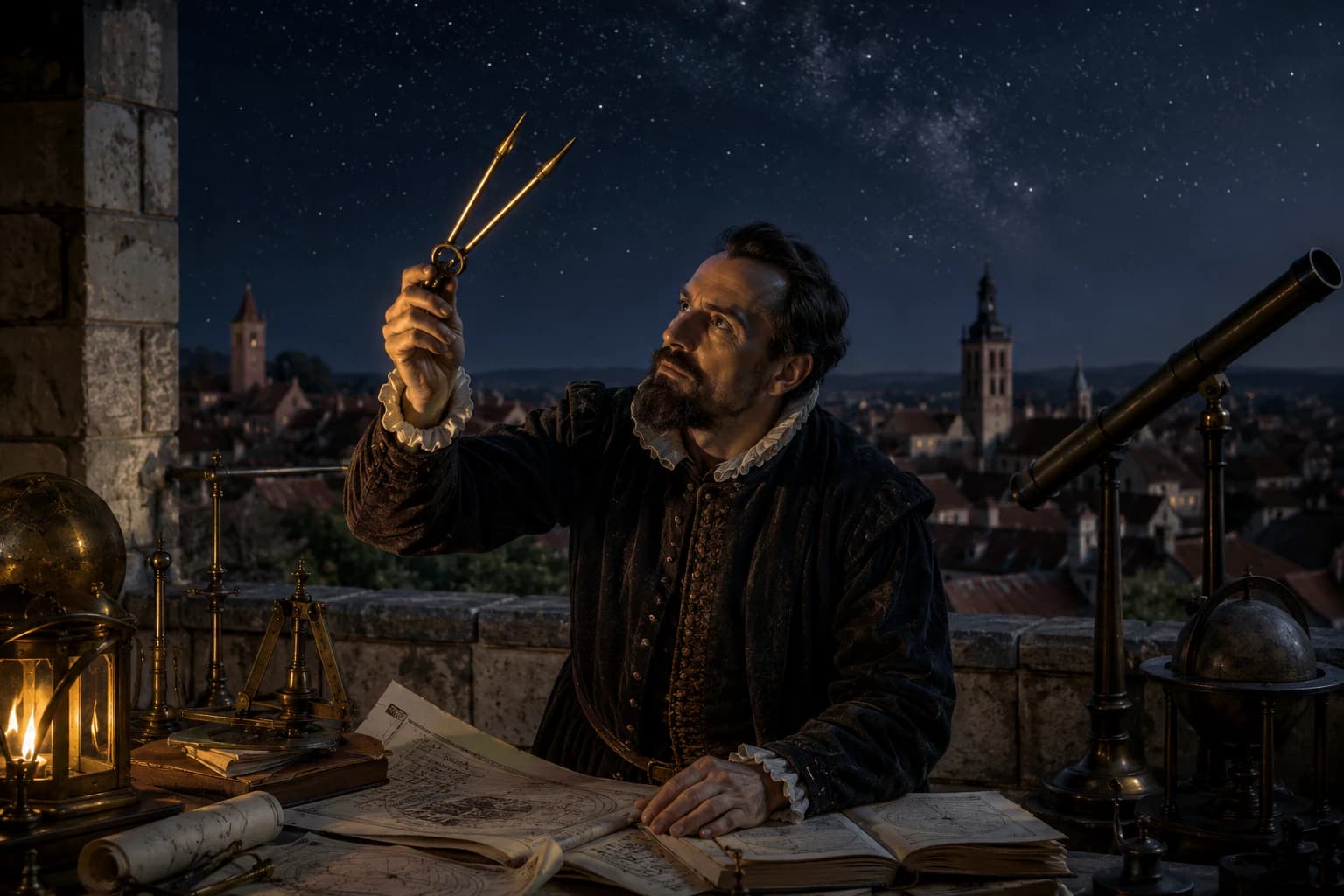
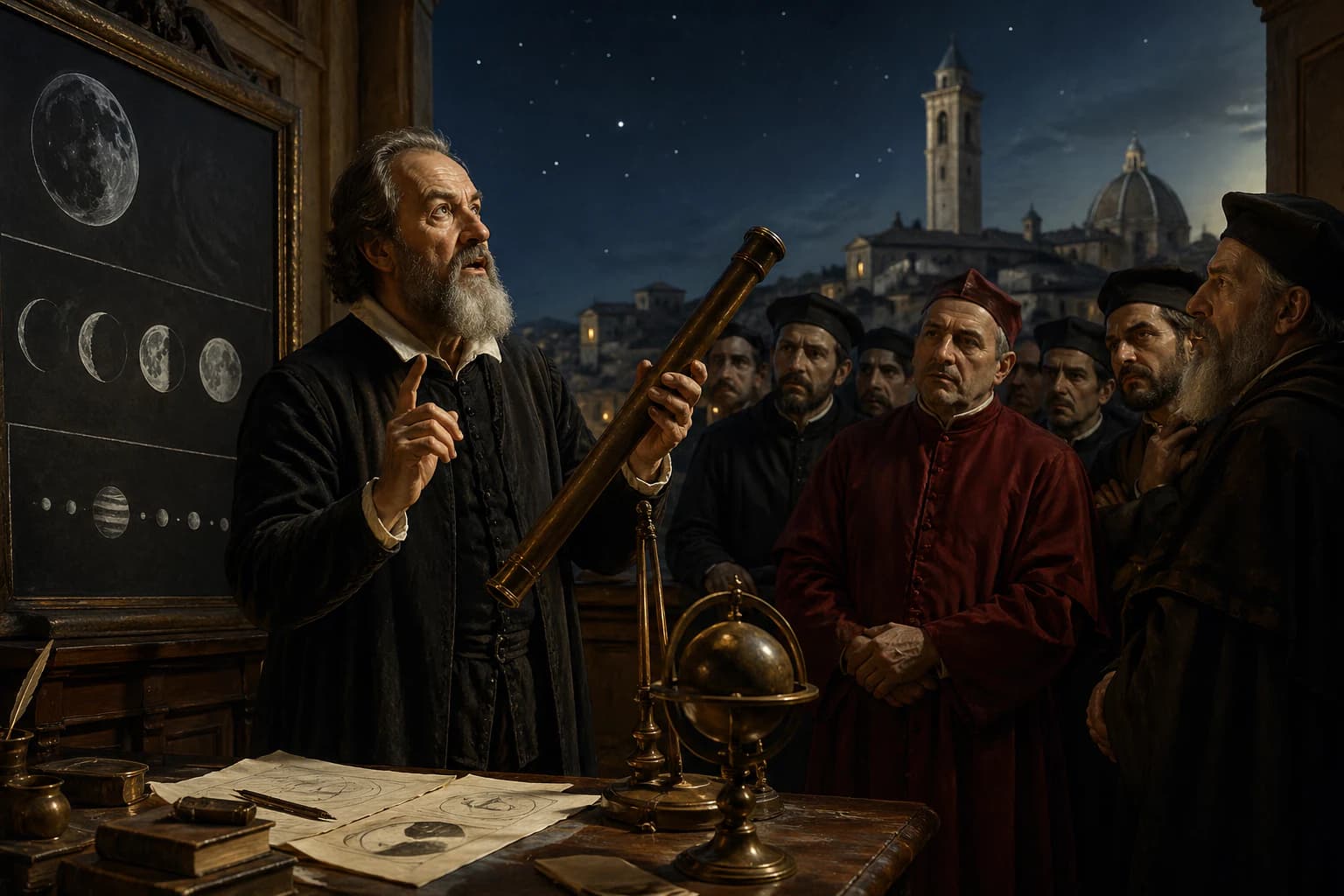
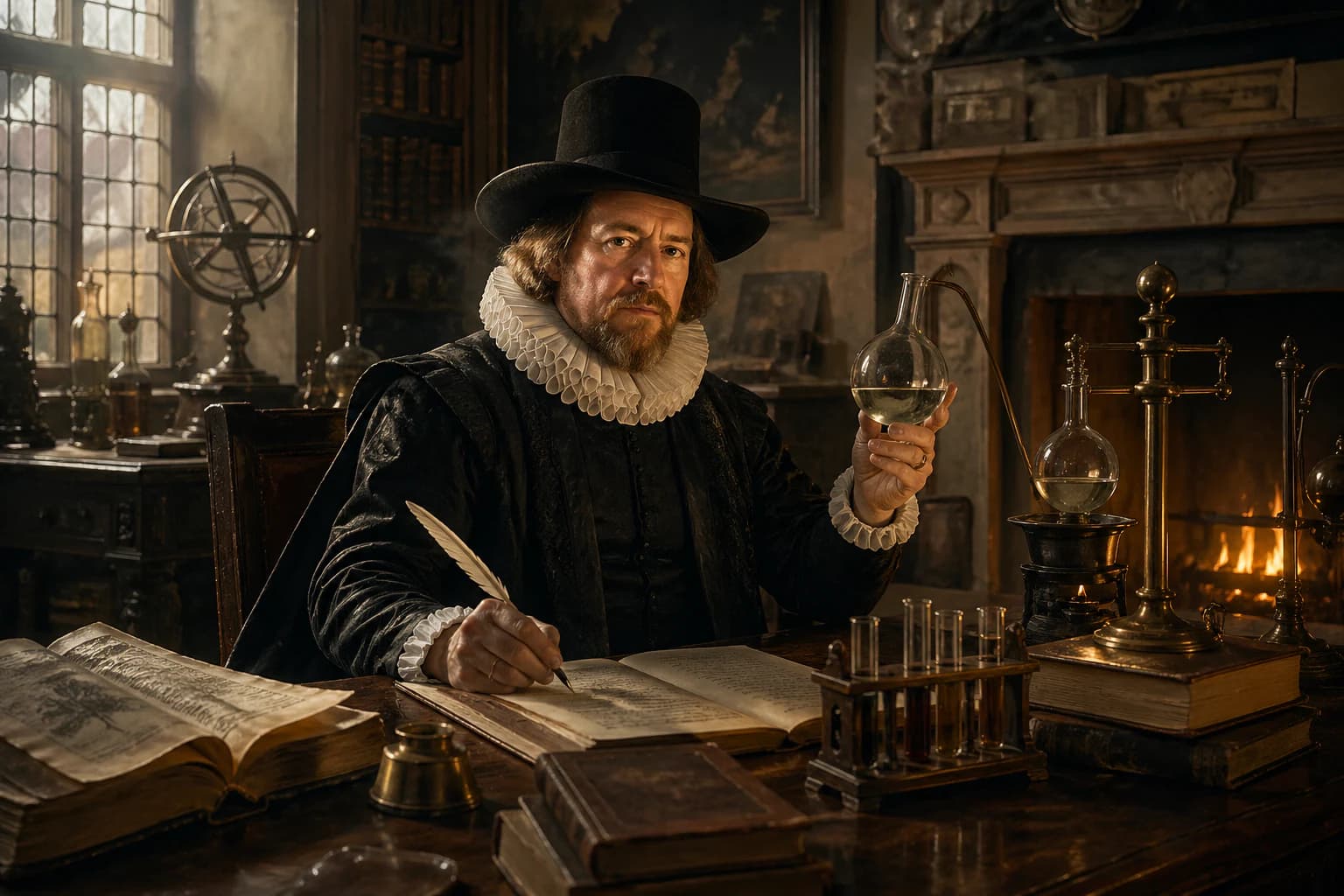
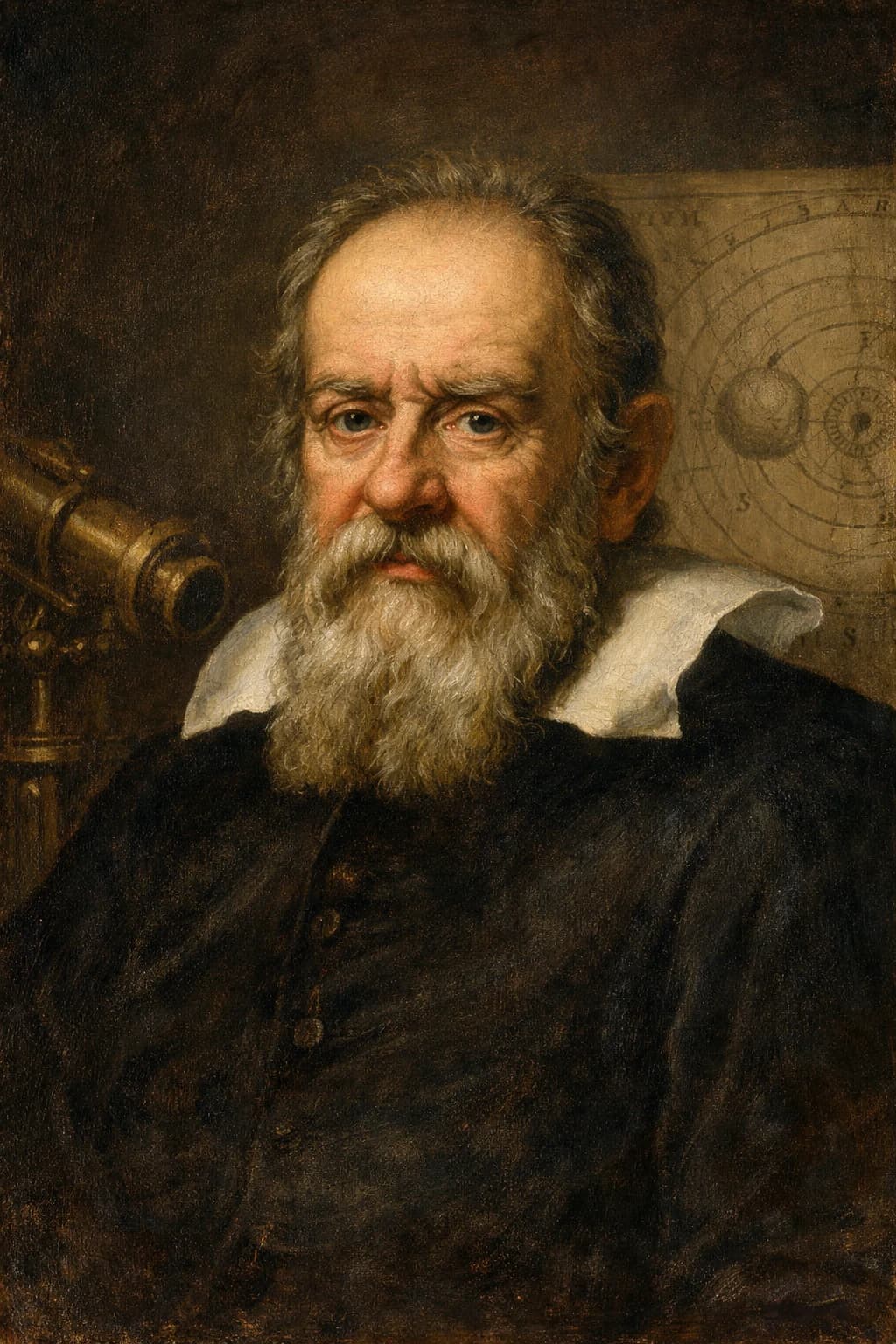
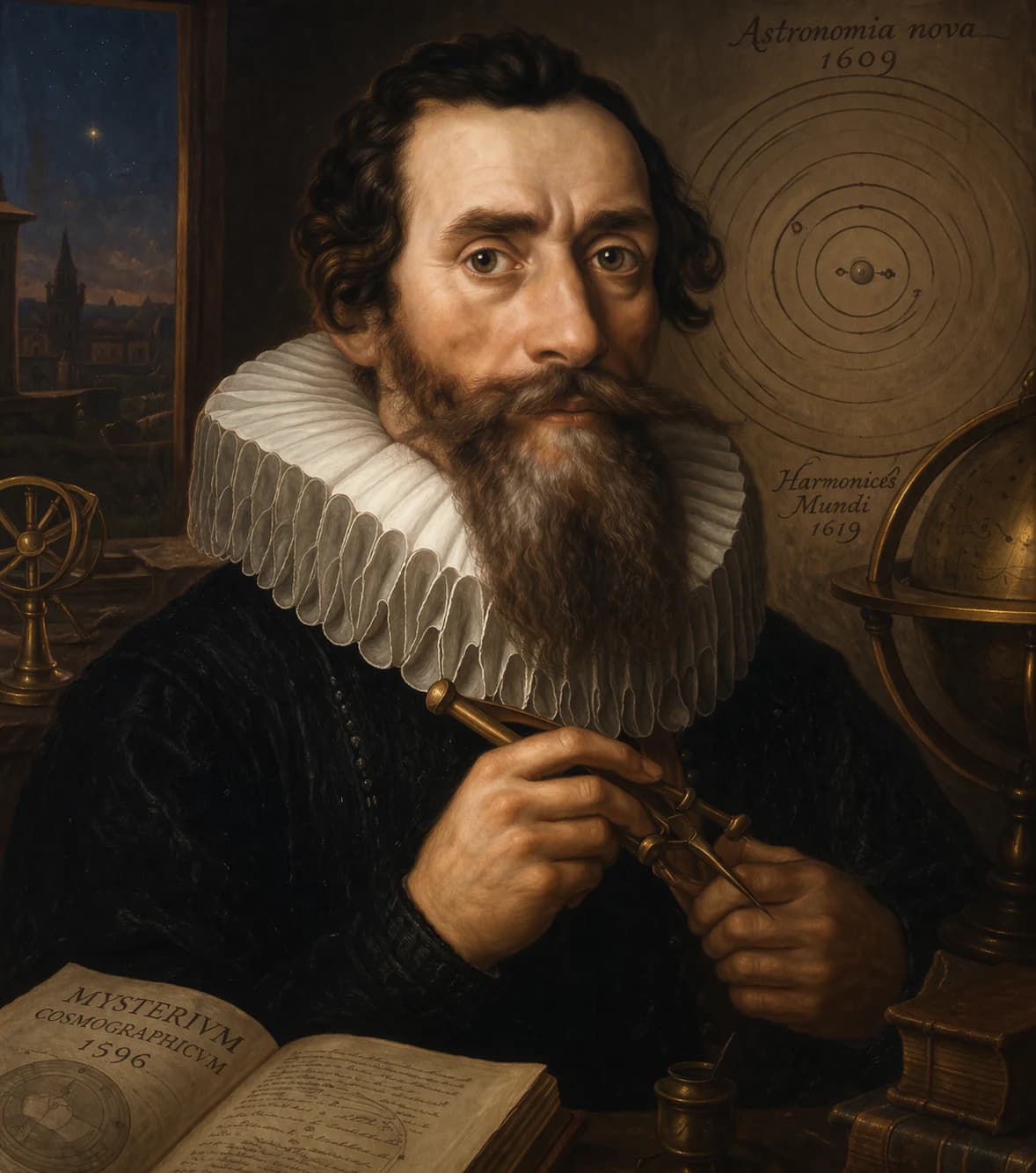
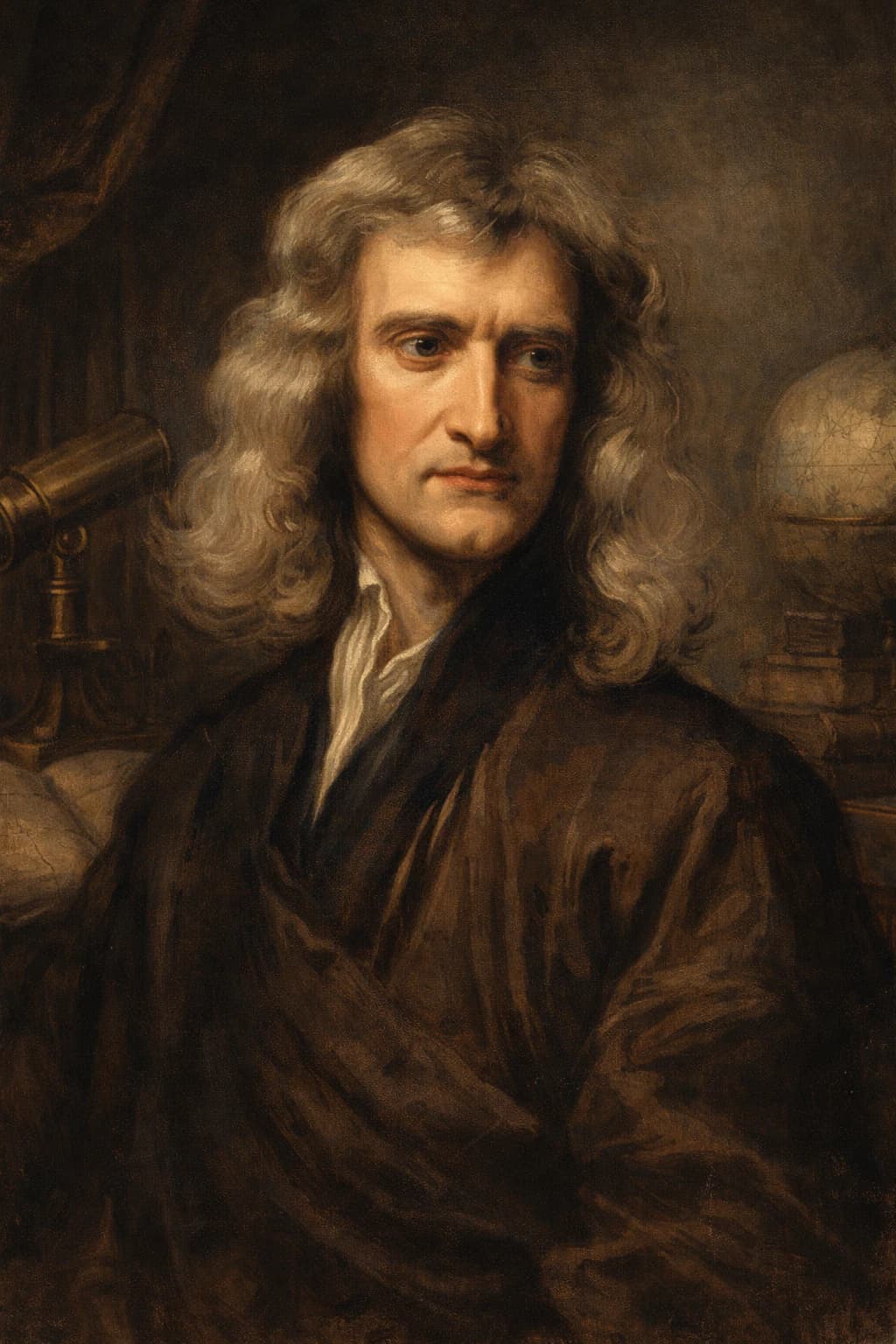
The Scientific Revolution was the transformation of knowledge in early modern Europe, when observation, experiment, mathematics, and new instruments challenged older explanations of nature. Thinkers such as Copernicus, Galileo, Kepler, Newton, and others changed understandings of astronomy, physics, anatomy, and method. It helped create modern science, but also developed within older worlds of religion, philosophy, patronage, and debate.
What you'll learn: You will see how older frameworks gave way to new methods, why instruments and mathematics mattered, and how science became an institution as well as a way of thinking.
Key forces
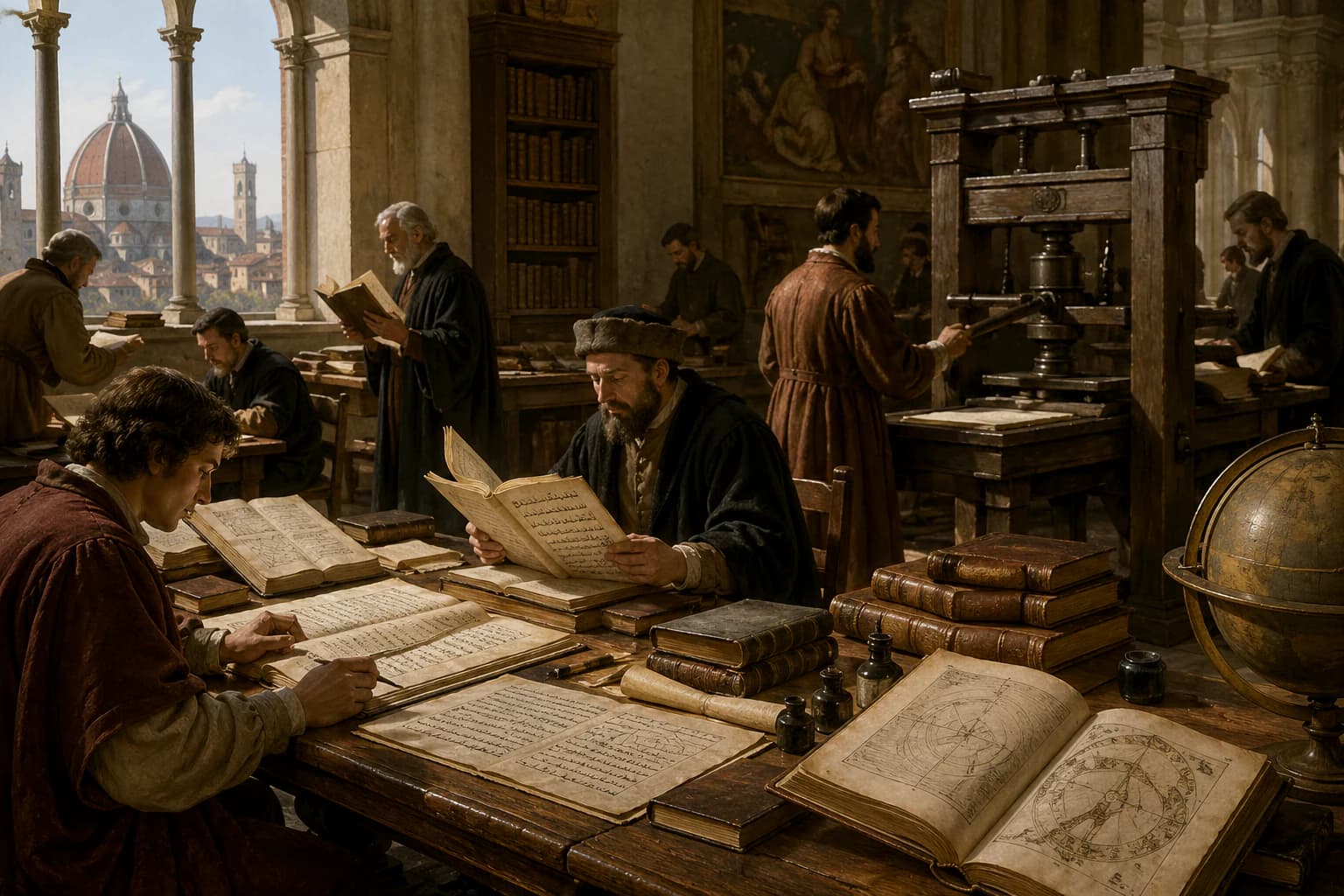
- The Scientific Revolution built on medieval, ancient, Islamic, craft, and Renaissance knowledge.
- Observation, experiment, mathematics, and instruments gained new authority.
- Astronomy, anatomy, physics, and natural philosophy were transformed.
- Older authorities were challenged but not simply discarded overnight.