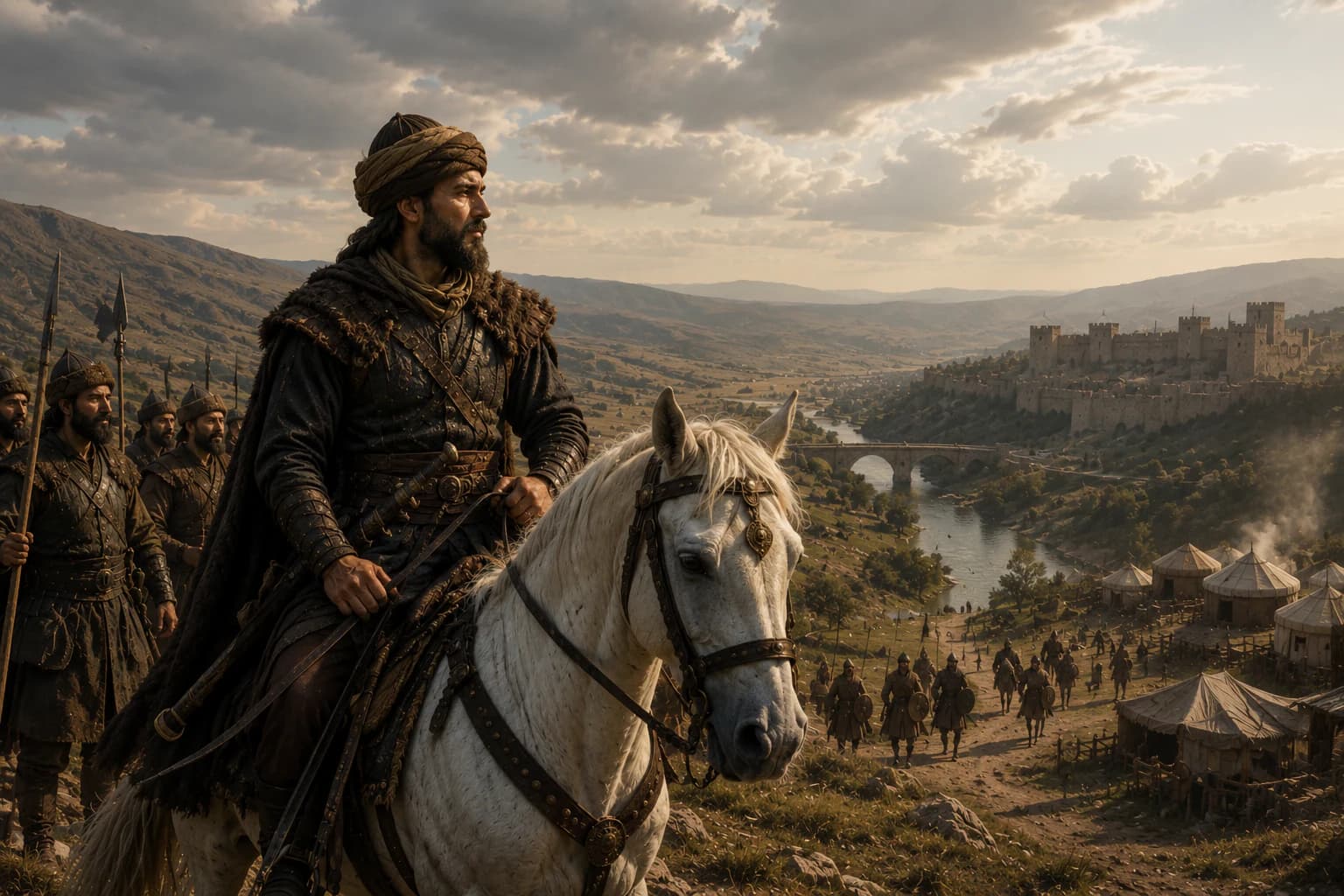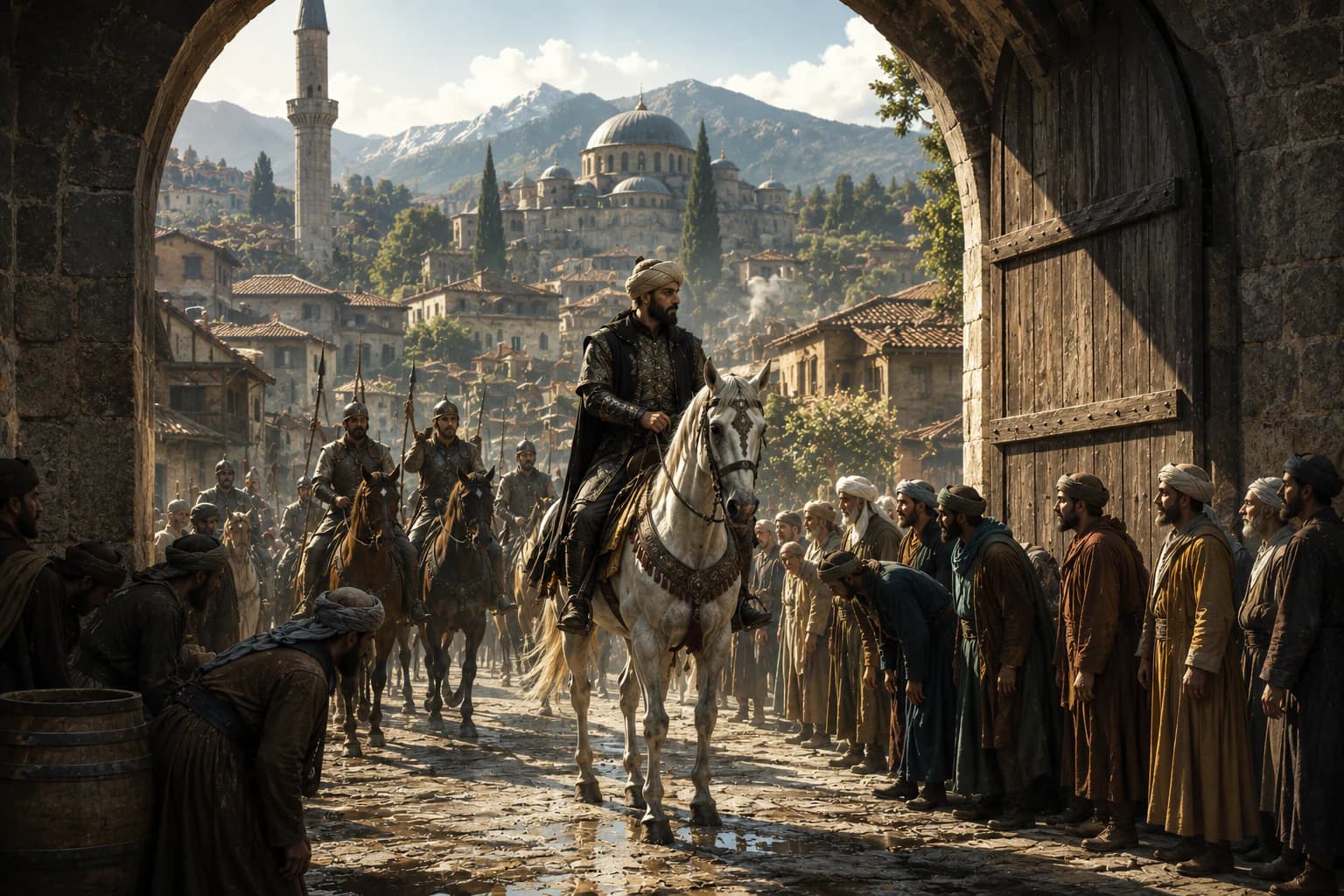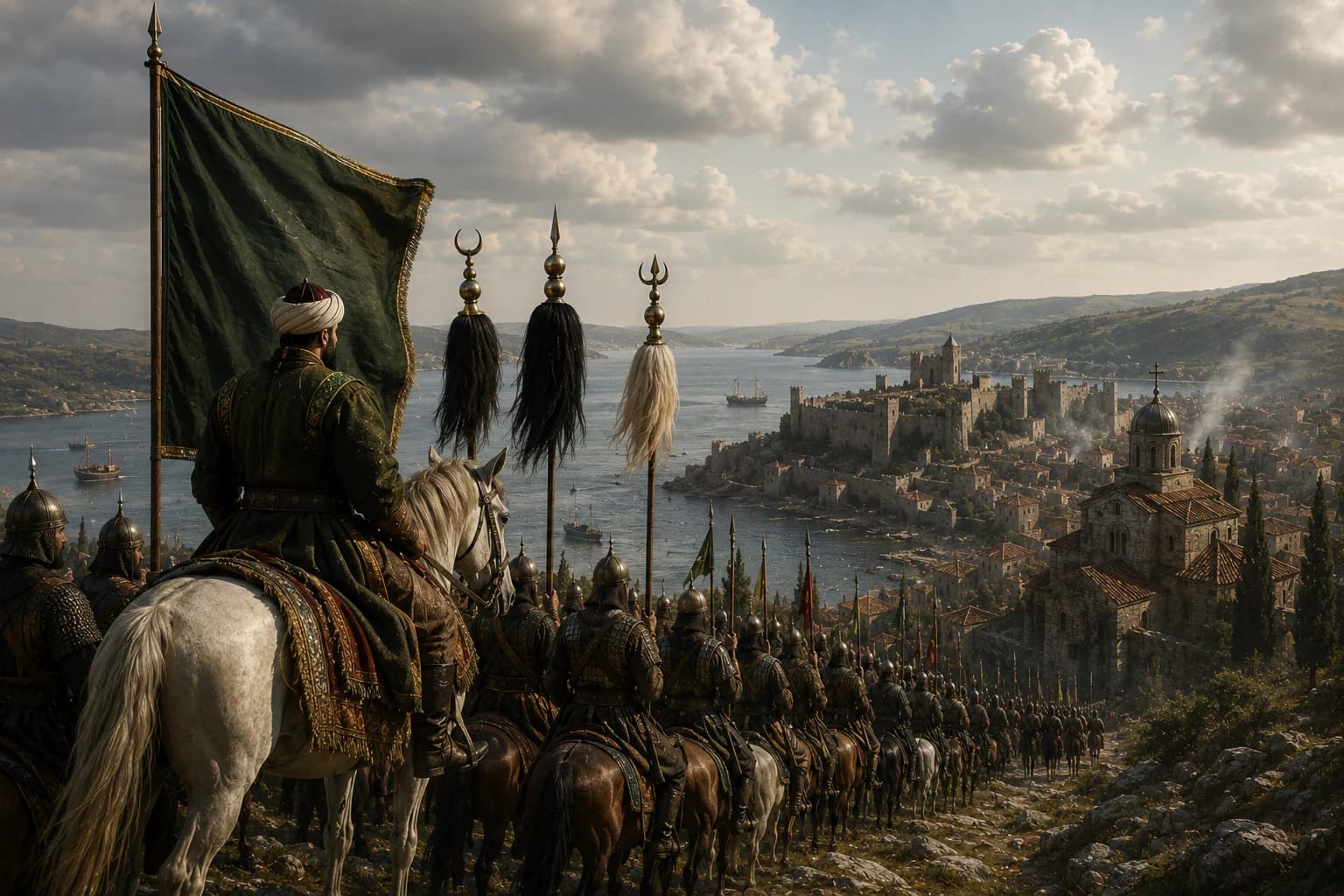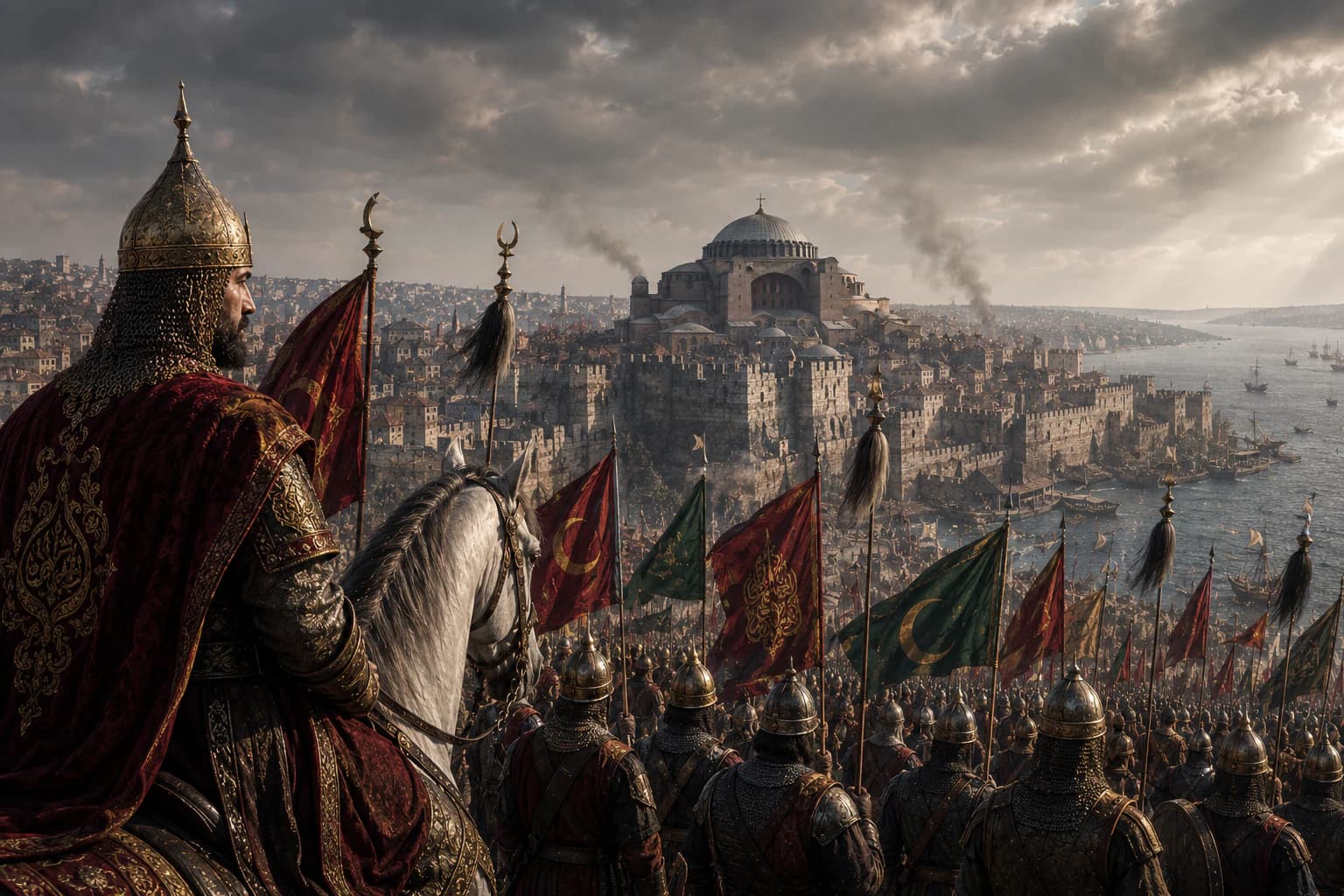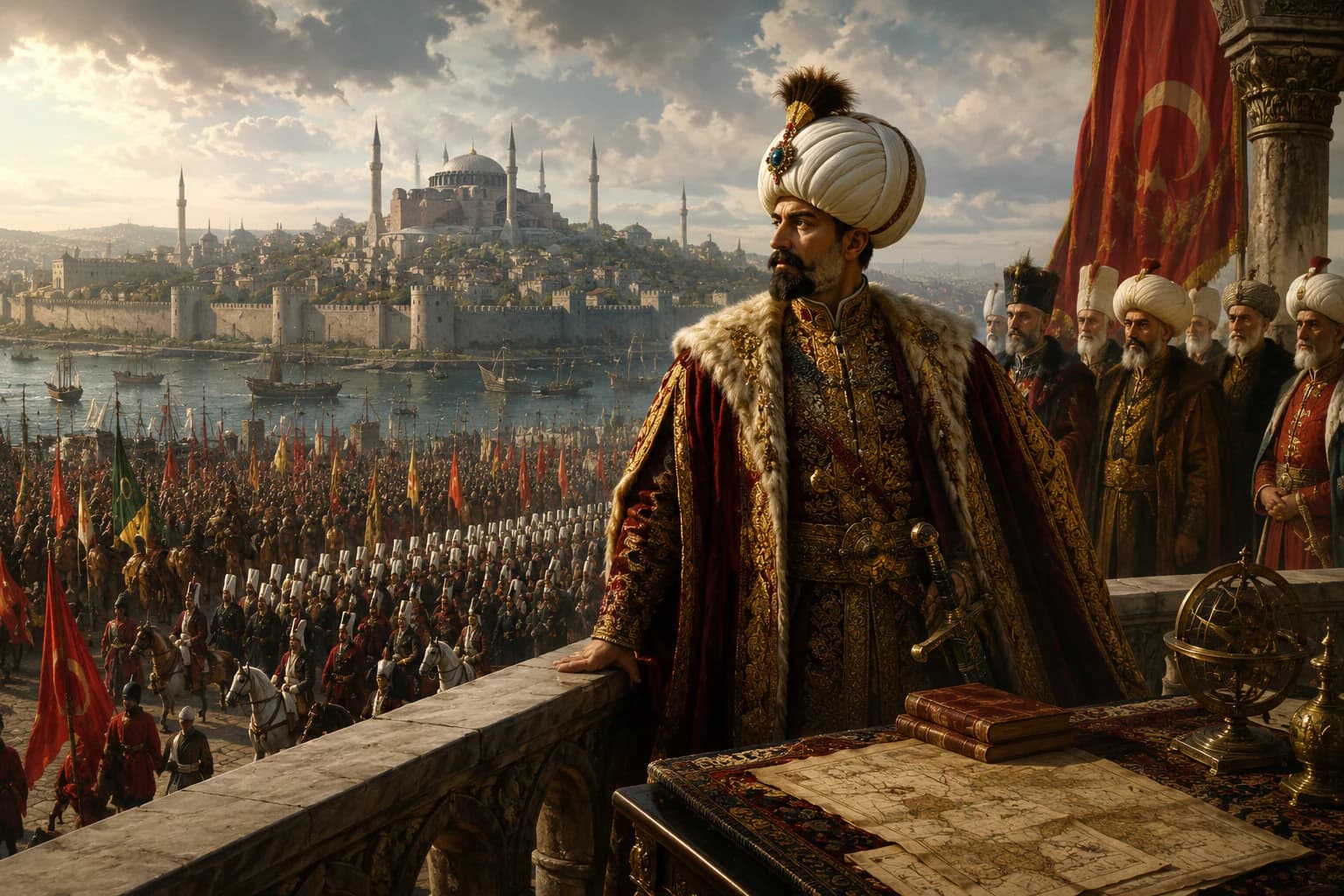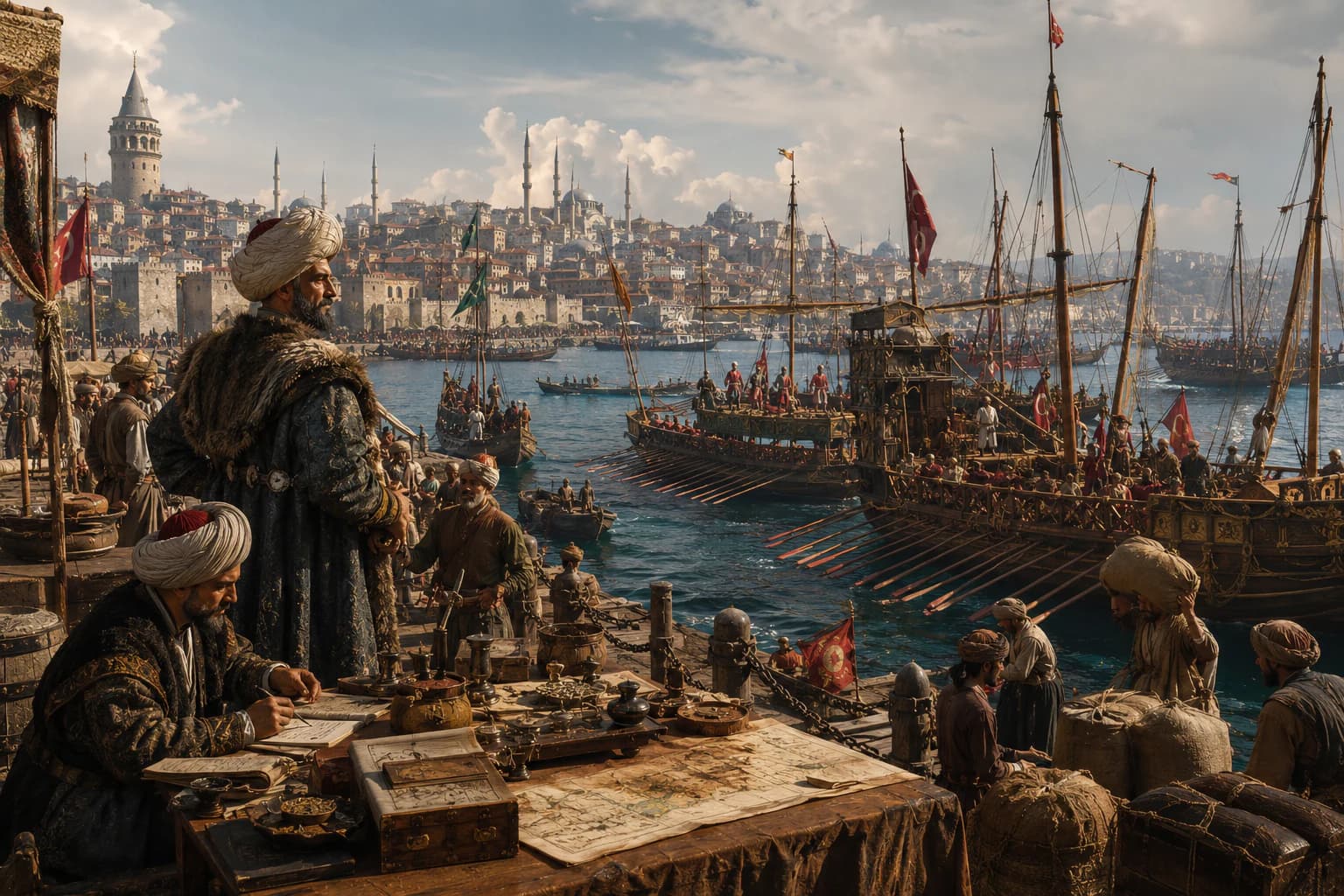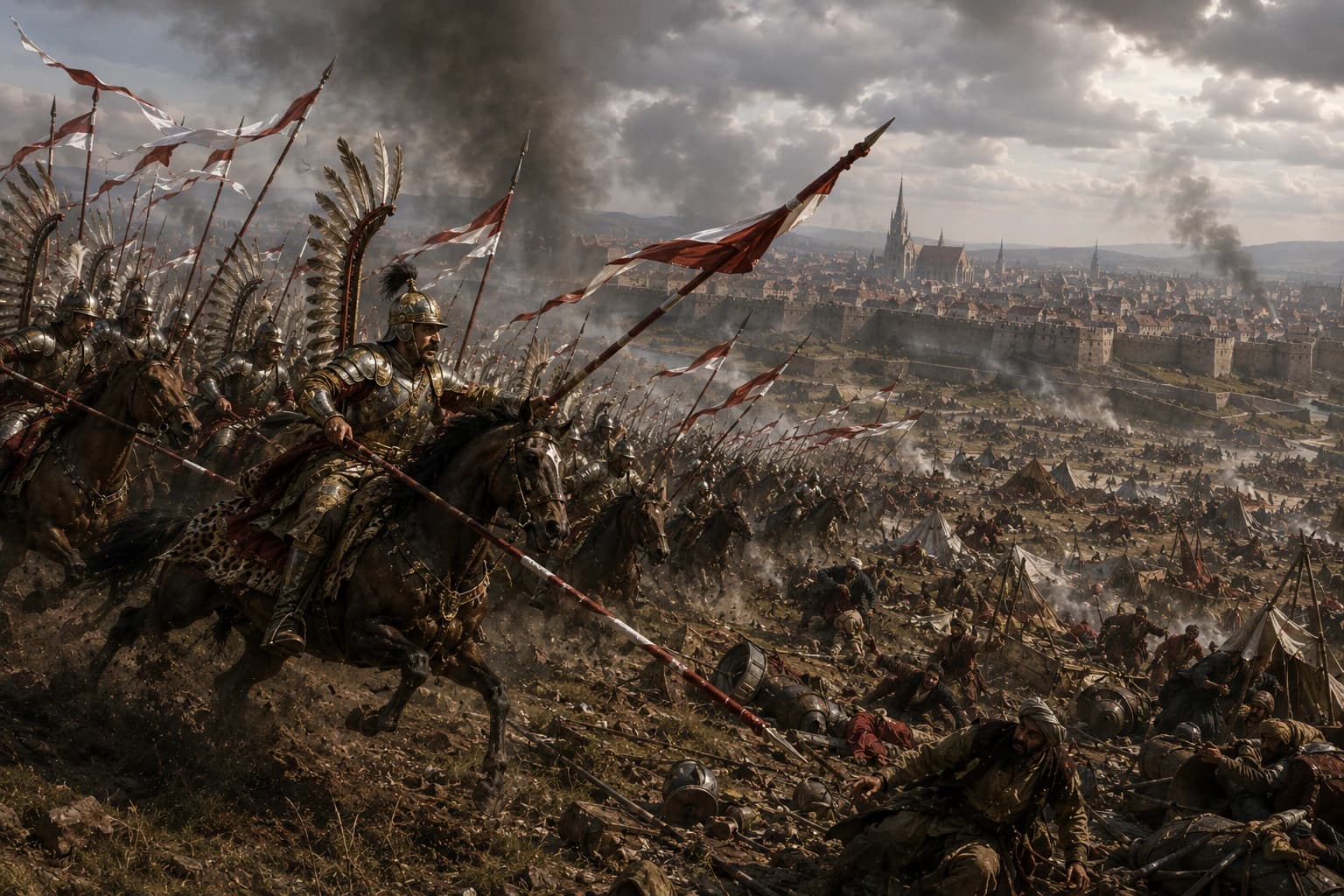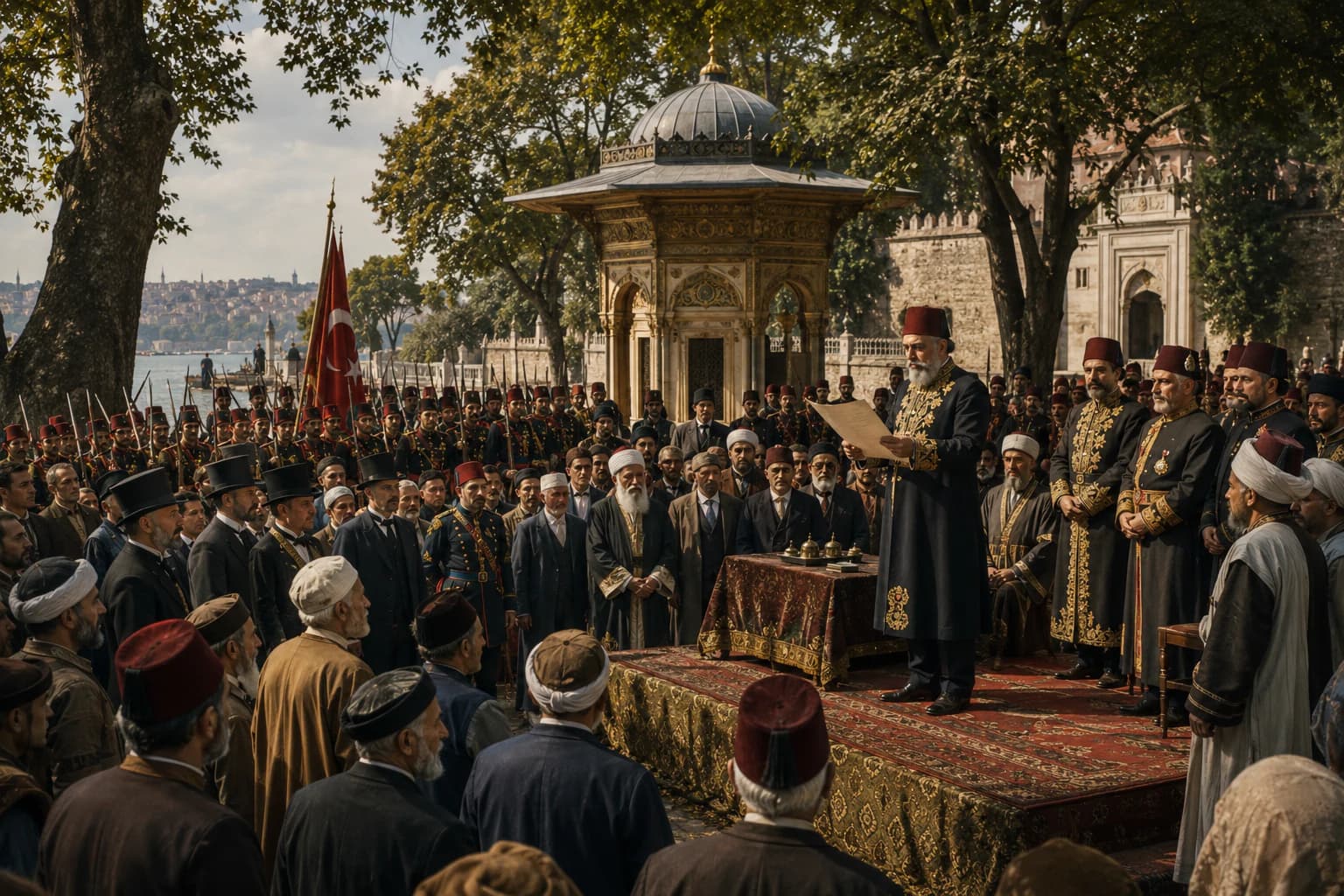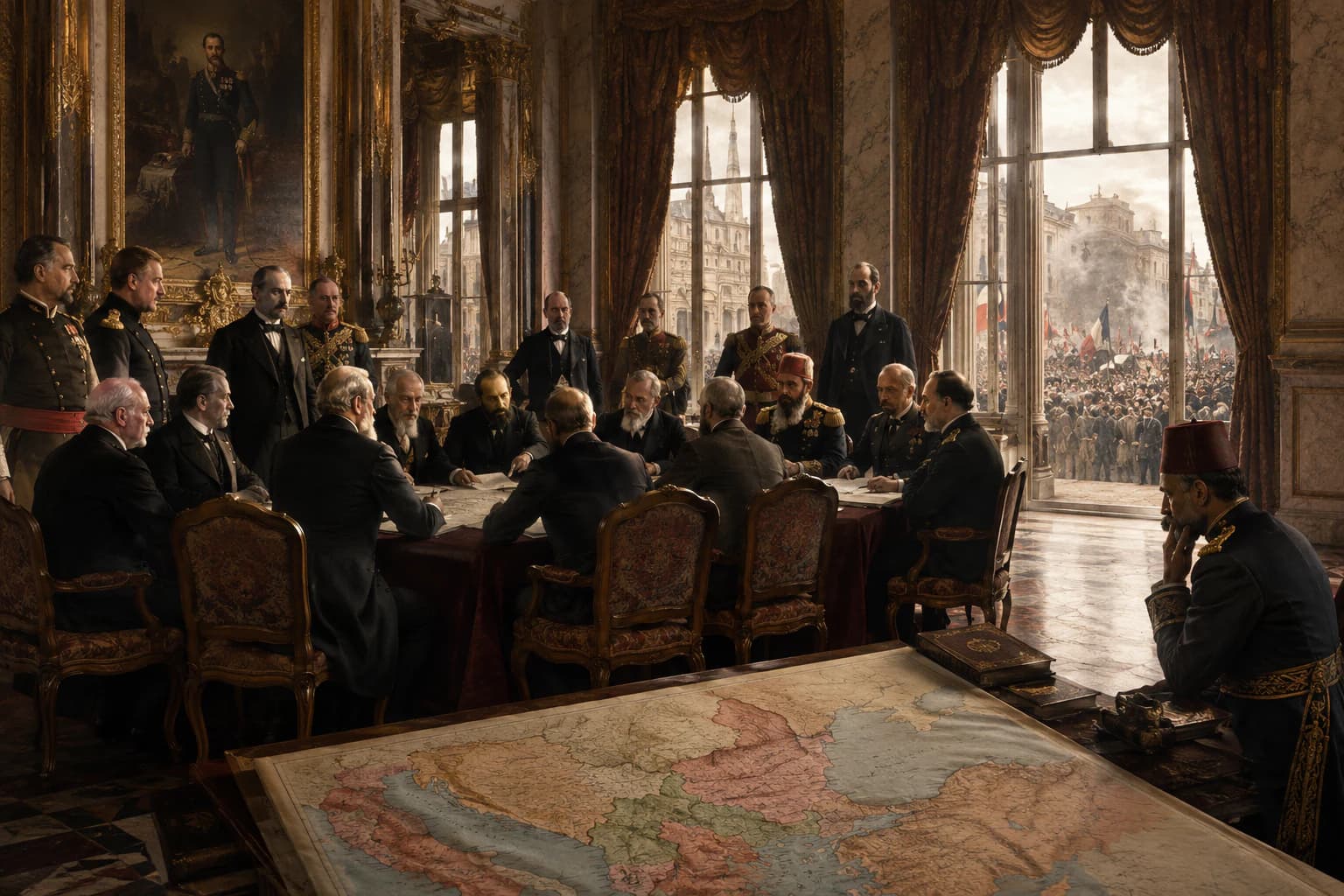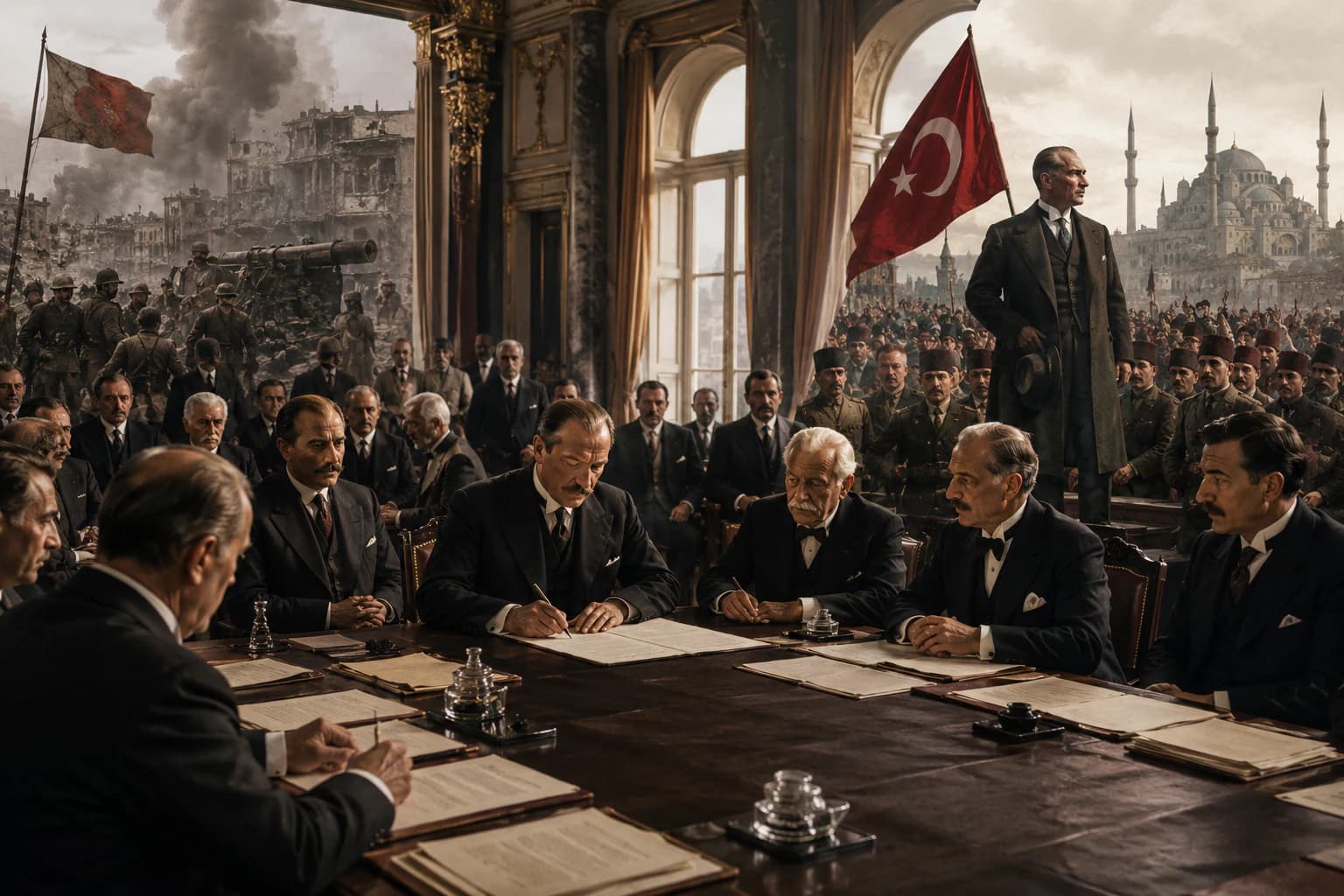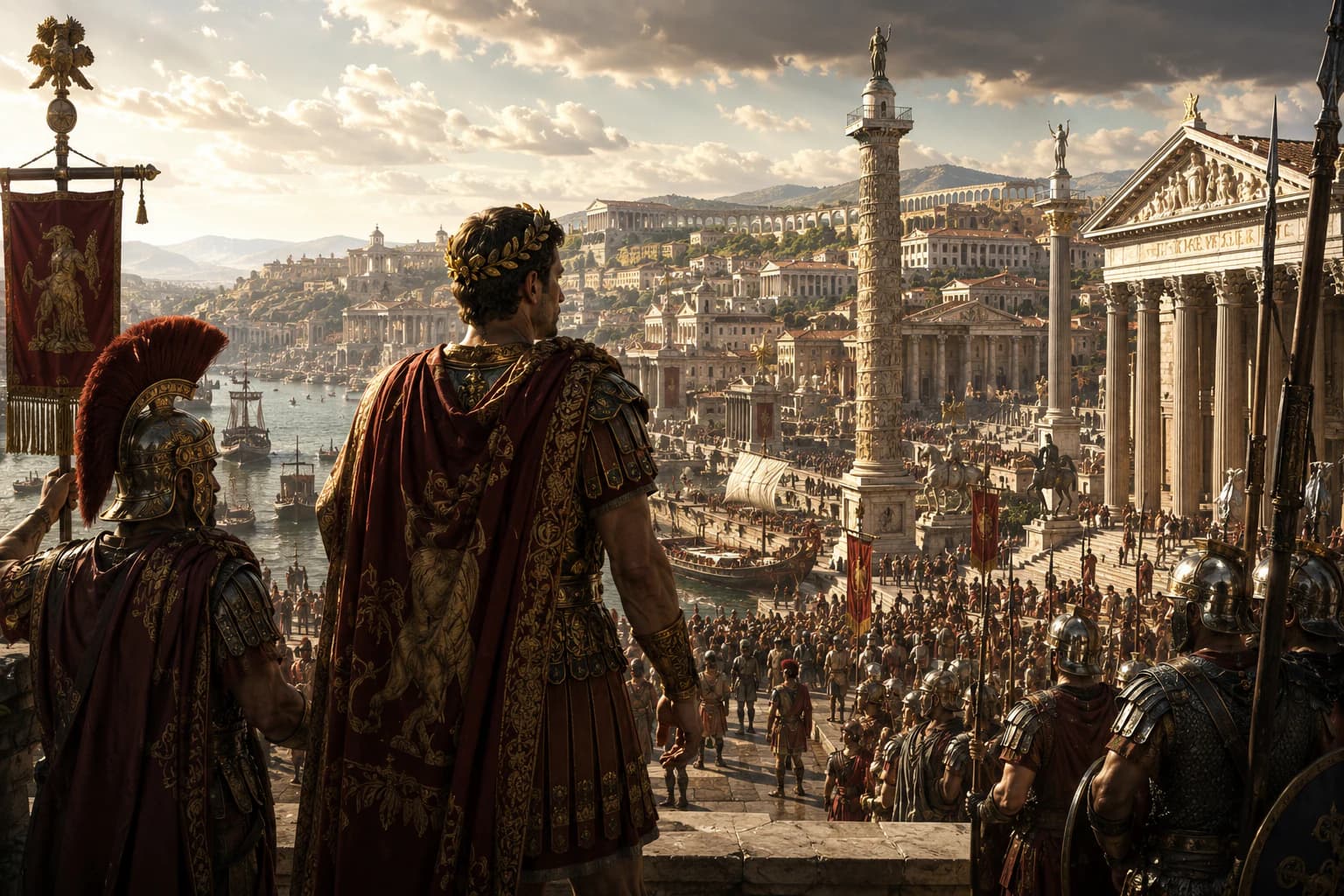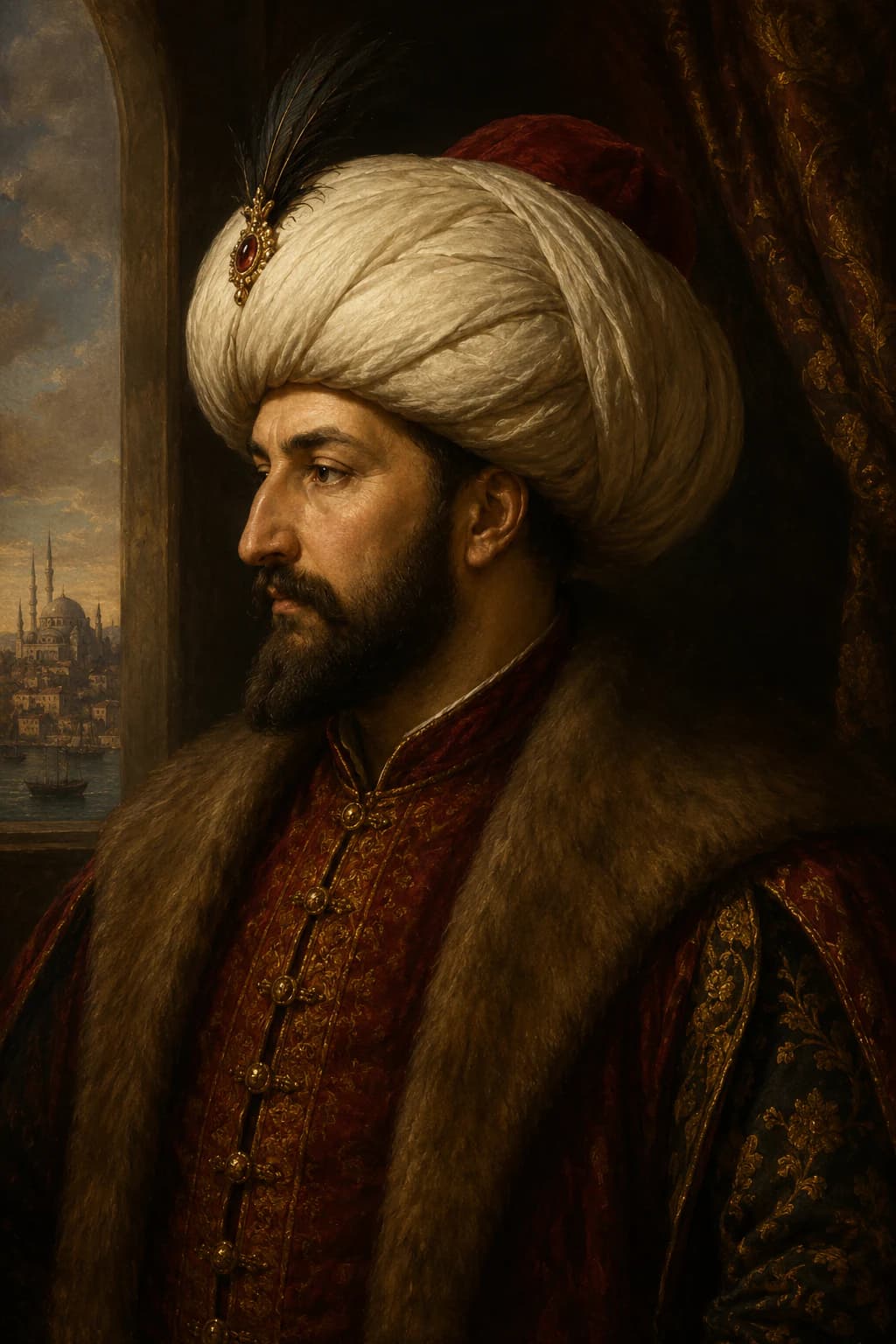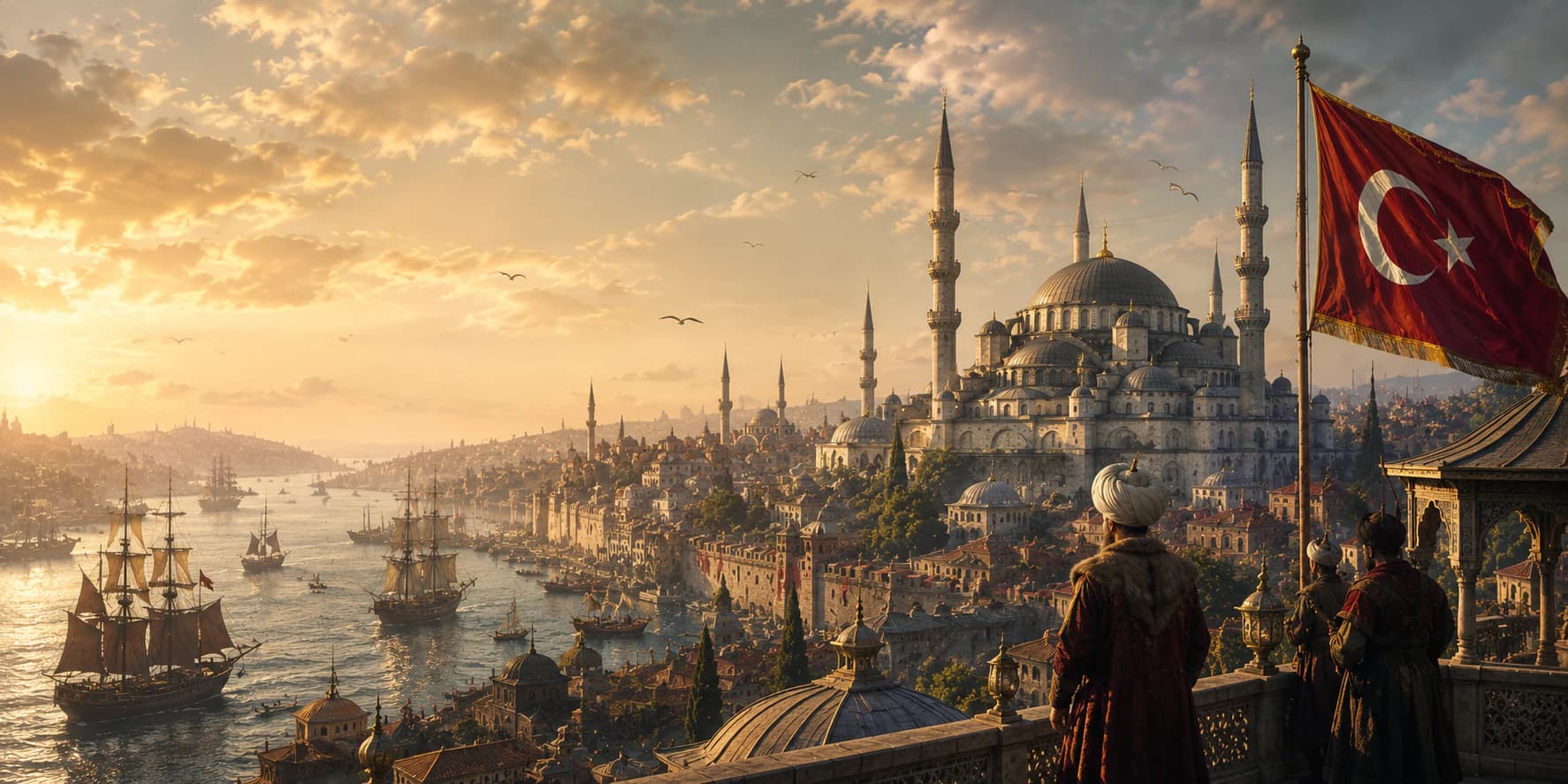
Ottoman banners over Istanbul, with soldiers, merchants, mosques, and imperial ships linking three continents.
Premium Story

The Ottoman Empire

Follow the Ottoman Empire from frontier warband to world empire, reforming state, and modern collapse.

11 chapters

Next
Context

Introduction

Overview

The Ottoman Empire grew from a small frontier principality in Anatolia into a vast multiethnic empire spanning parts of Europe, the Middle East, and North Africa. From the conquest of in 1453 to its collapse after the First World War, the empire shaped Islamic, Mediterranean, Balkan, and European history. Its long life was marked by military expansion, religious diversity, reform, nationalism, and the struggle to survive in a changing world.

What you'll learn: You will follow how frontier warfare became imperial government, why reform could not fully stop imperial breakup, and how Ottoman collapse reshaped the modern world.

Key forces

Osman's Frontier Principality
1299 CE
Step 1 of 101299 CEAccessible mode

Osman's Frontier Principality

Around 1299, the Ottomans began as one small principality on a violent frontier between Byzantine lands and Turkish-speaking Anatolia.

Osman I did not rule a rich kingdom. He led a frontier warband in a region where power changed quickly and borders were unstable.

His followers included nomads, fighters, and local allies drawn by land, plunder, and status. This mix made the group flexible and hard to predict.

Ghazi warfare against nearby Byzantine strongholds gave Osman prestige. Success in battle attracted more men, which made new campaigns possible.

Frontier society helped him. Local Christians, Muslims, and mixed communities often cared more about security and taxes than old imperial loyalties.

Because this principality sat at a fault line between collapsing and rising powers, even small victories had big consequences.

That is why the Ottoman rise began here: a small state in the right place, built for expansion from day one.

Bursa Becomes a Capital
1326 CE
Step 2 of 101326 CEAccessible mode

Bursa Becomes a Capital

In 1326, the Ottomans captured , turning a frontier force into a state with an urban center.

was wealthy, productive, and connected to regional trade. Taking it gave the Ottomans far more money than raiding could provide.

The city became an early Ottoman capital. From there, rulers could organize taxation, courts, and military supply in a more stable way.

Urban control also changed legitimacy. Governing a major city made the dynasty look less like a warband and more like a lasting regime.

Mosques, markets, and charitable endowments tied political authority to daily life and public order.

sat close to Byzantine territories still under pressure. That made it a strong launch point for further campaigns.

With , the Ottomans gained what every rising power needs: wealth, administration, and a base that could sustain expansion.

Premium

You've reached the turning point

The opening chapters show a frontier principality becoming an imperial power. Premium follows the empire at its most revealing: Constantinople falls, rule stretches across continents, reform tries to answer decline, and nationalism begins to pull the old order apart.

Continue into the reversals, crises and human stakes that make the story matter.

Unlock full story

What Premium unlocks next

  1. 3The Crossing into Europe
  2. 4The Conquest of Constantinople
  3. 5Suleiman's Imperial Order
  4. 6Trade Routes and Imperial Wealth
  5. 7The Siege of Vienna Fails
  6. 8The Tanzimat Reforms
  7. 9Nationalism Breaks the Empire
  8. 10The Empire Ends at Lausanne

Browse stories

Browse stories for free

Explore the people connected to this turning point or enjoy one of our free stories.

Unlock full storyBrowse stories

References

Sources & Further Reading

Reliable sources, primary-source collections and reading paths connected to this page.

Sources used

  1. Encyclopaedia Britannica, Ottoman Empire,” Open source
  2. The Metropolitan Museum of Art, The Ottoman Empire, 1300-1600,” Open source

Further reading

  1. Caroline Finkel, Osman's Dream, Basic Books.

Primary sources

  1. Fordham University, Internet Modern History Sourcebook,” Open source

A weekly route through history

Find out first about the latest published stories, feature notes and occasional Premium offers in one weekly email.