Context
What Was the Industrial Revolution?
Overview
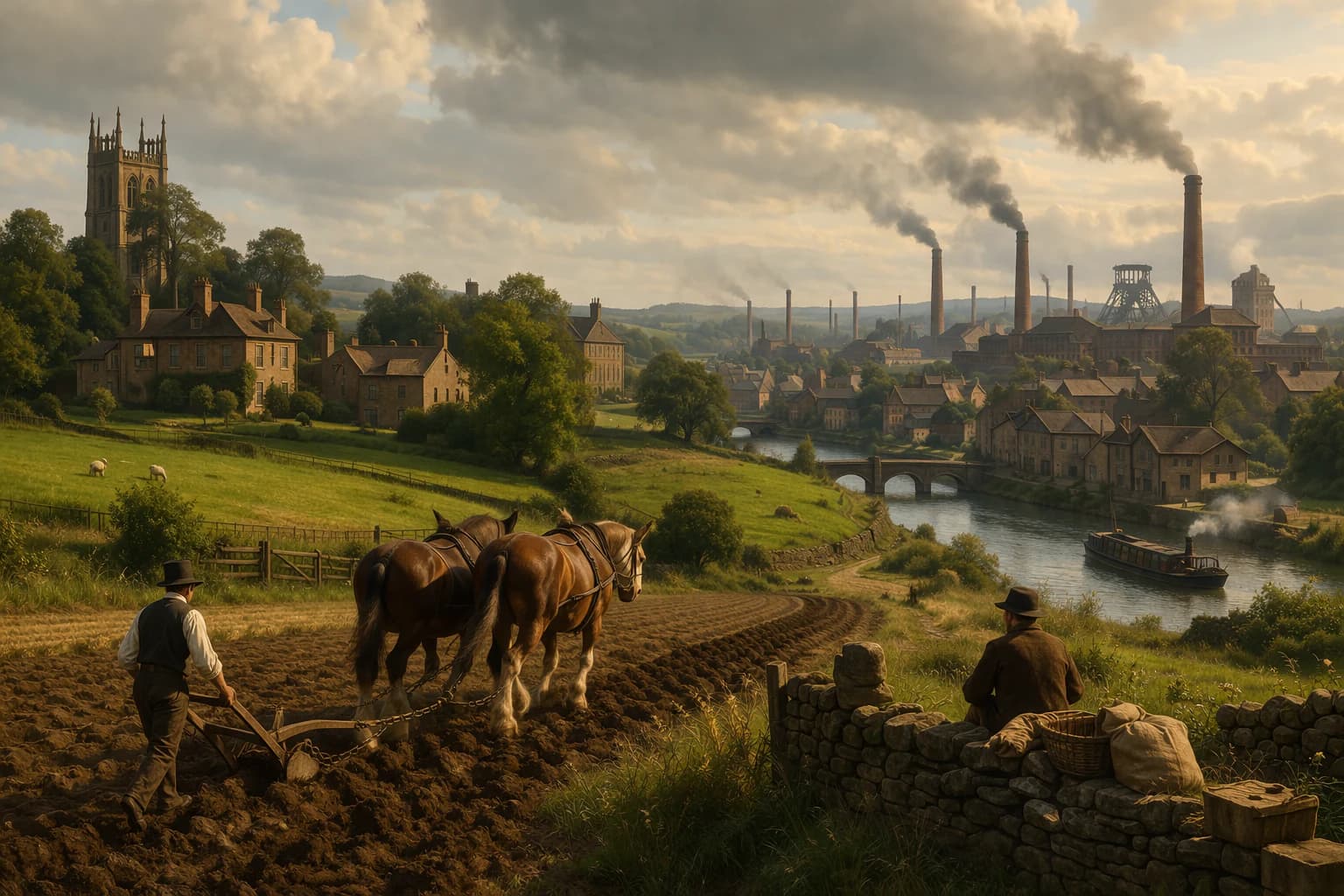
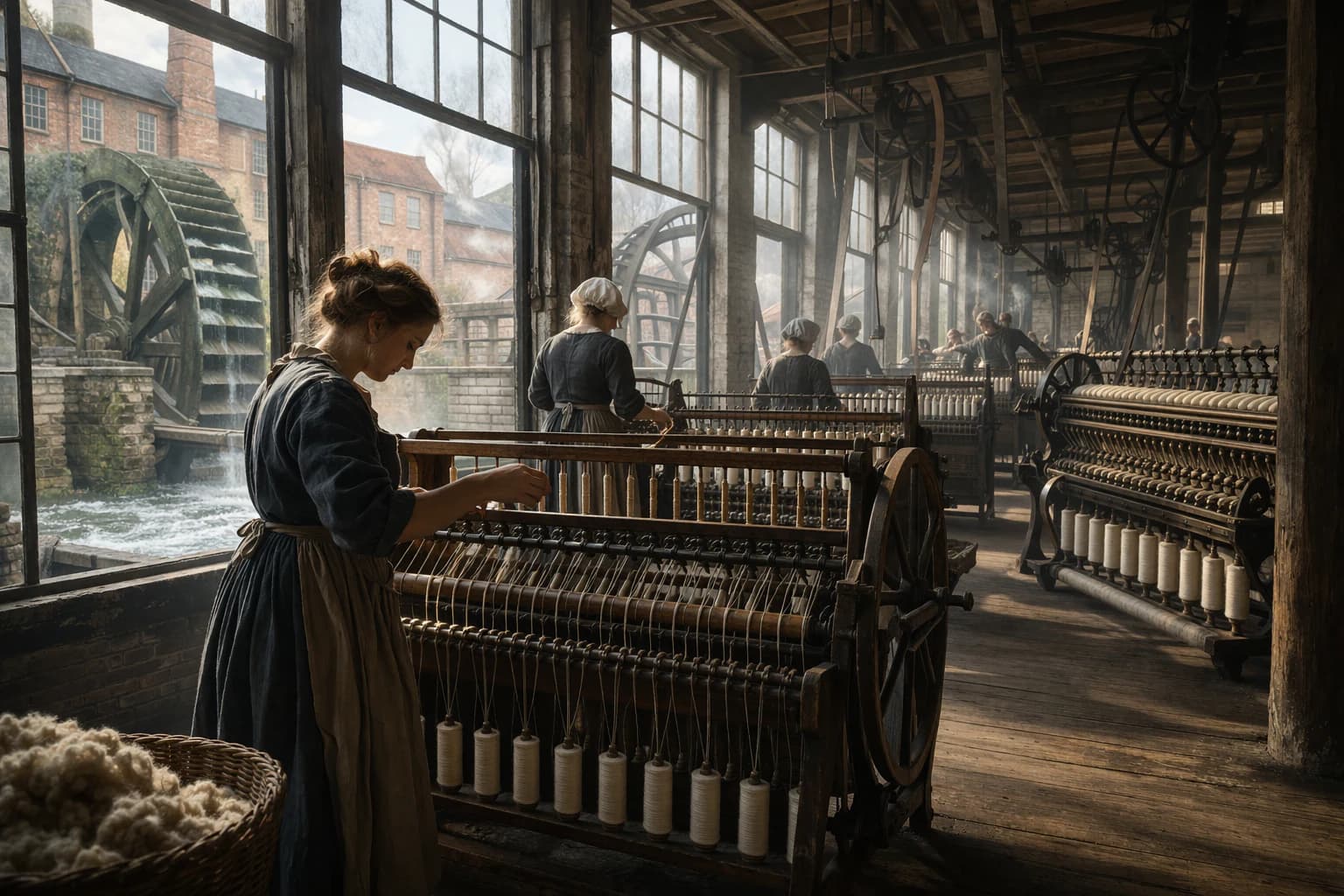
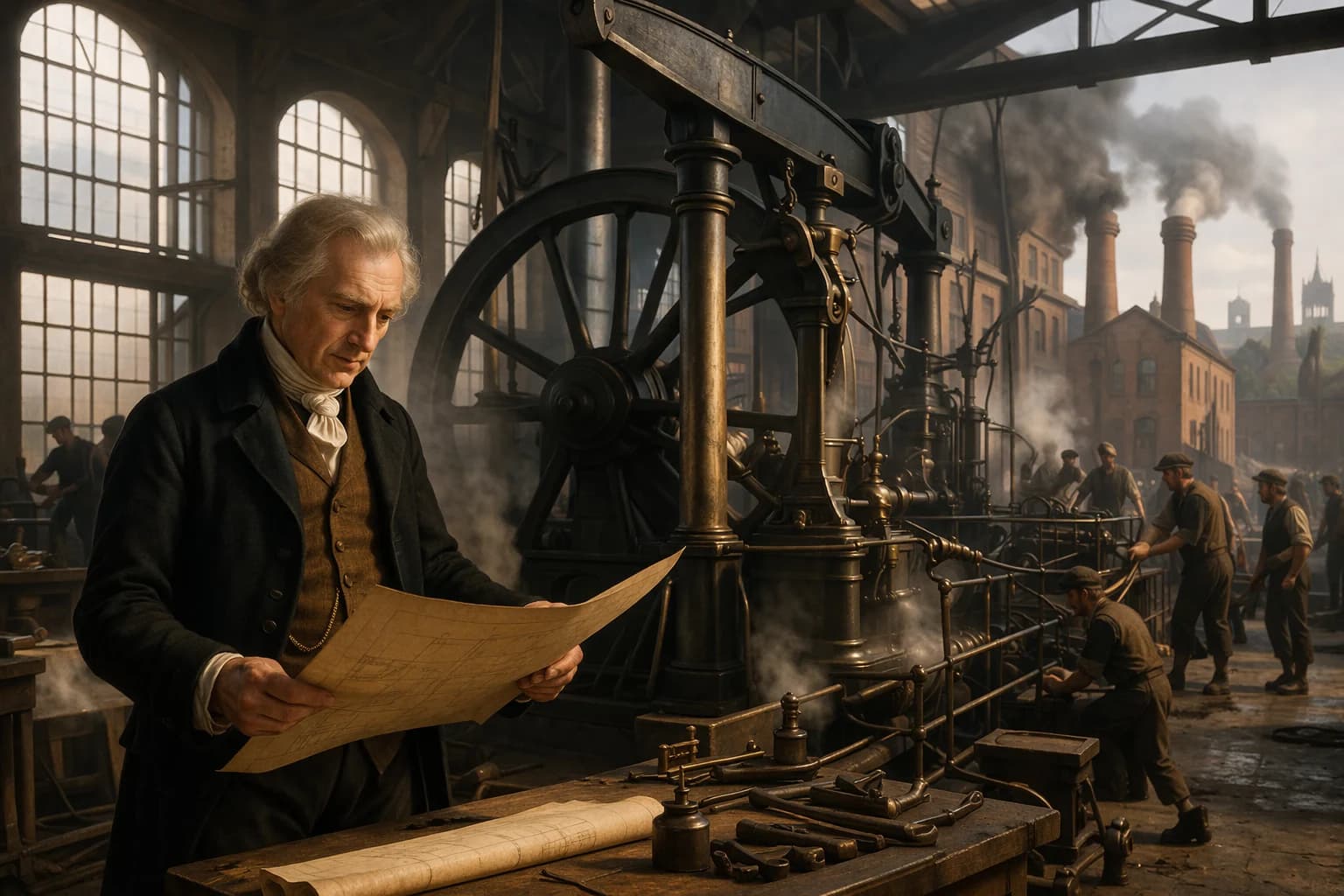
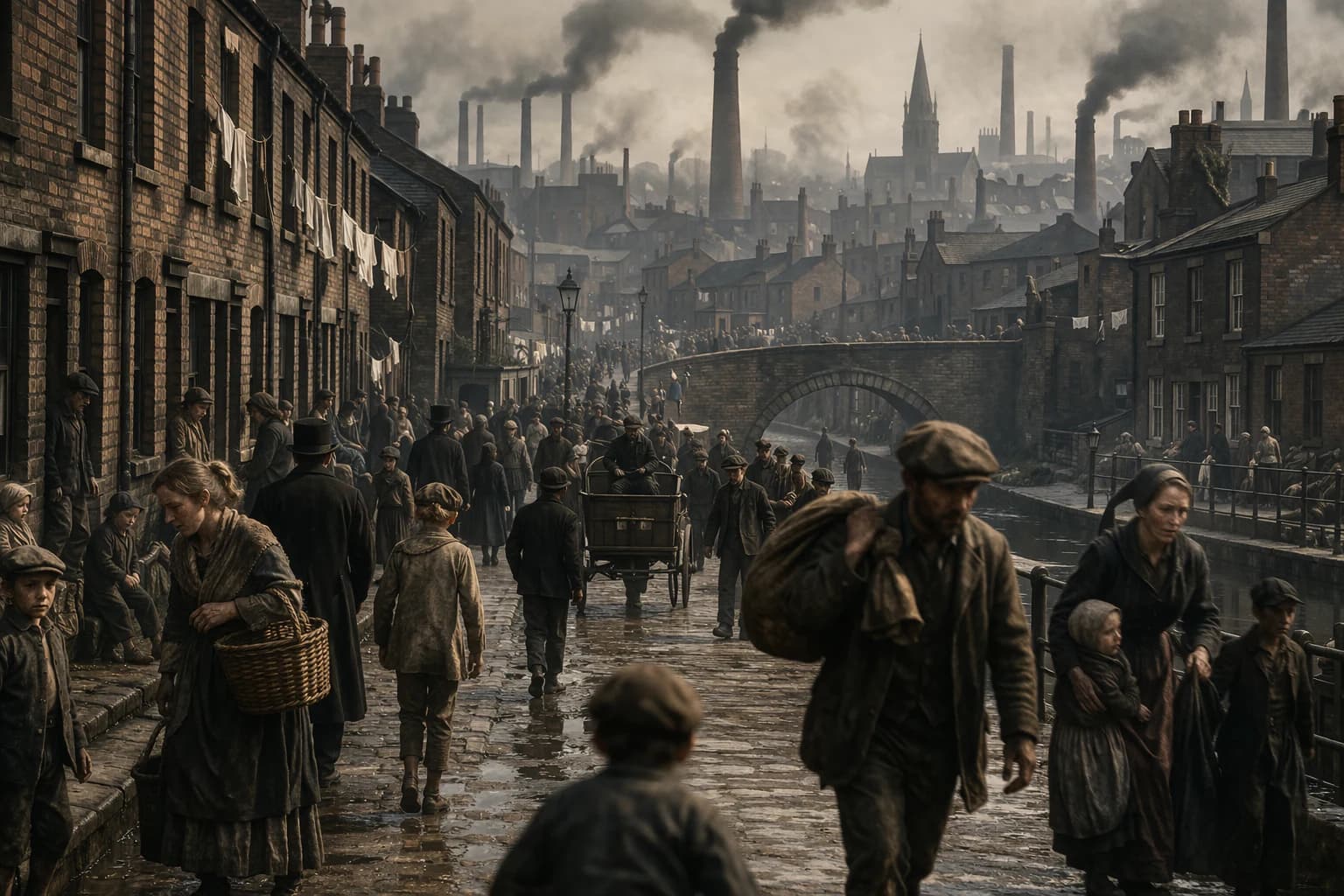
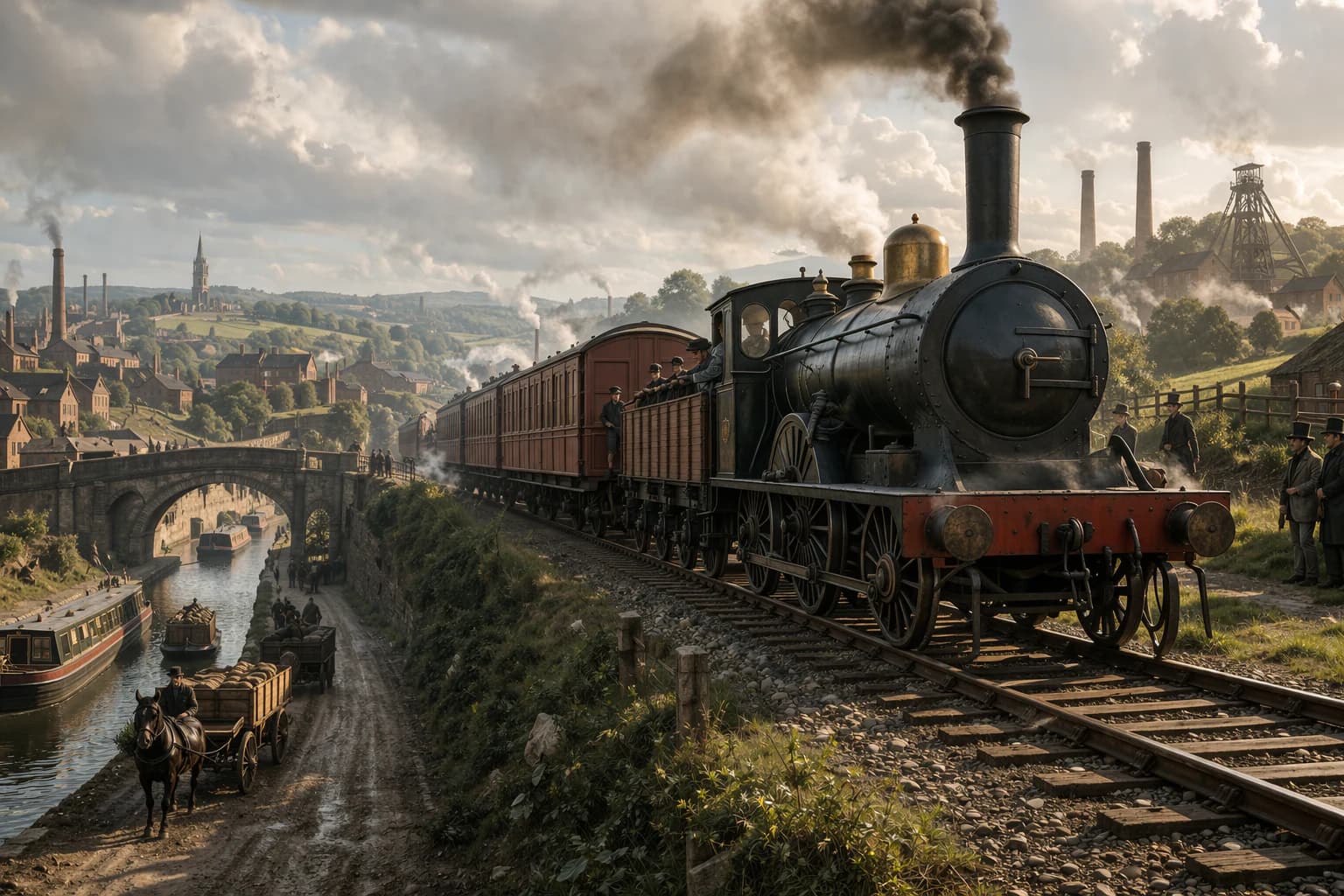
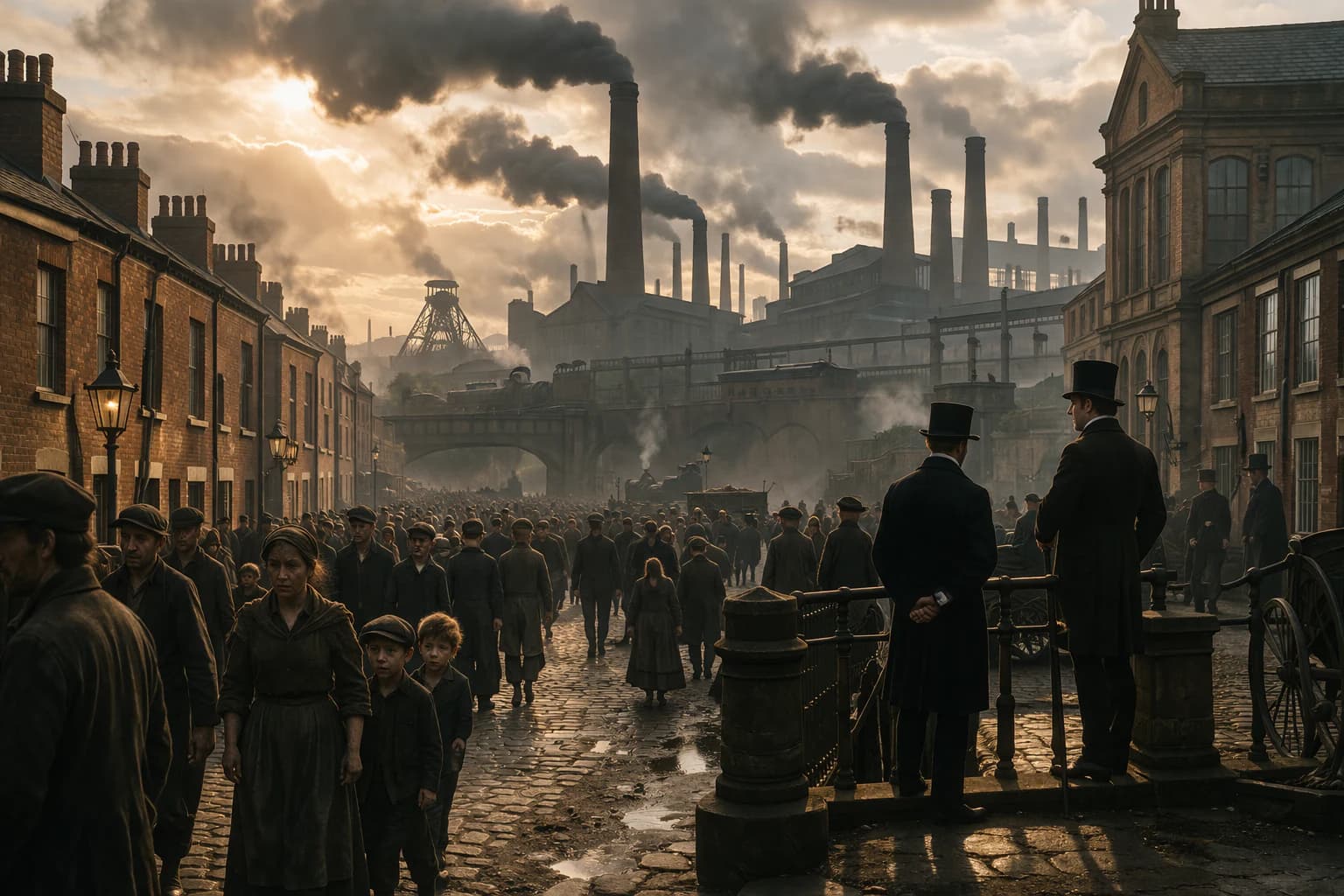
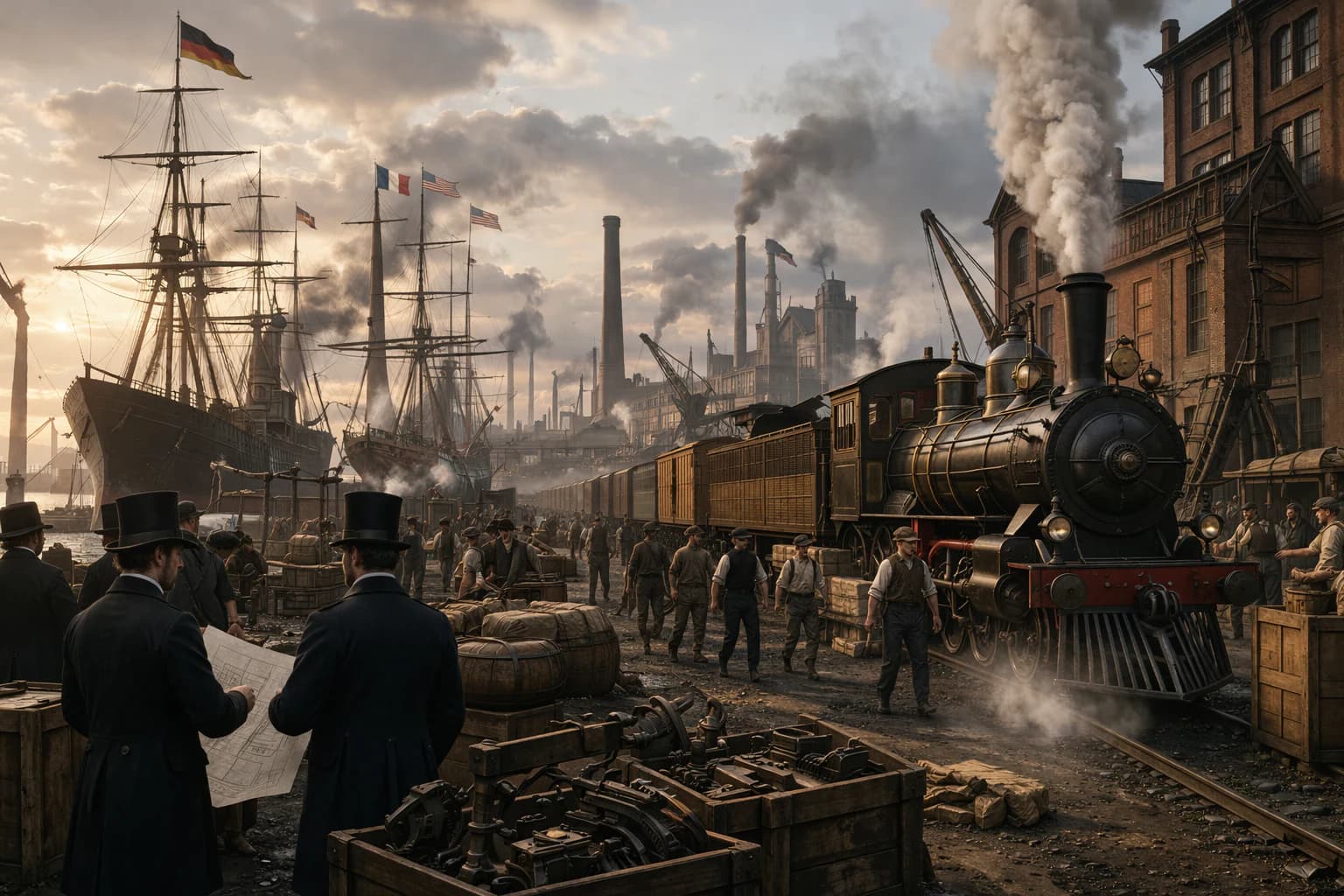
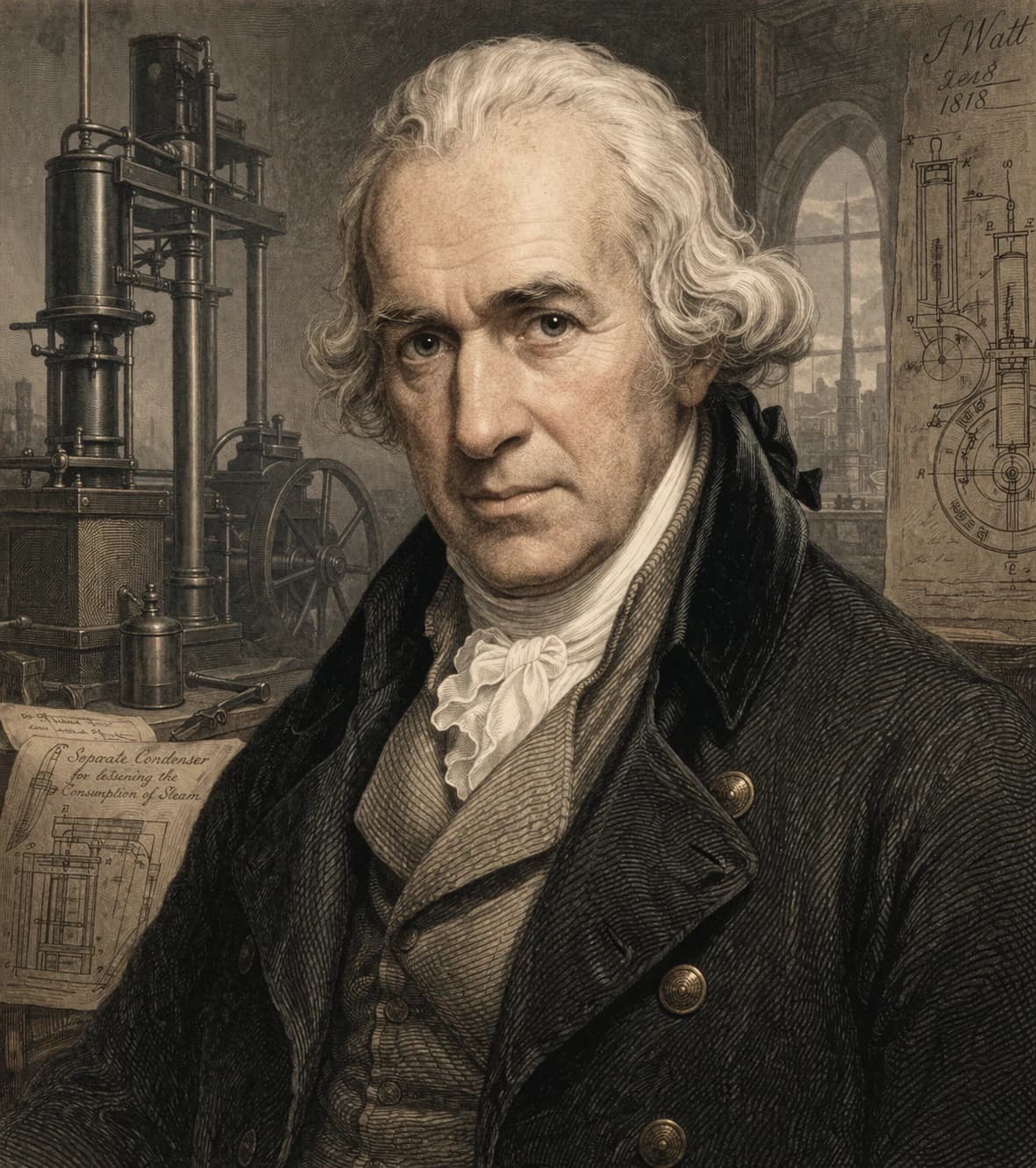
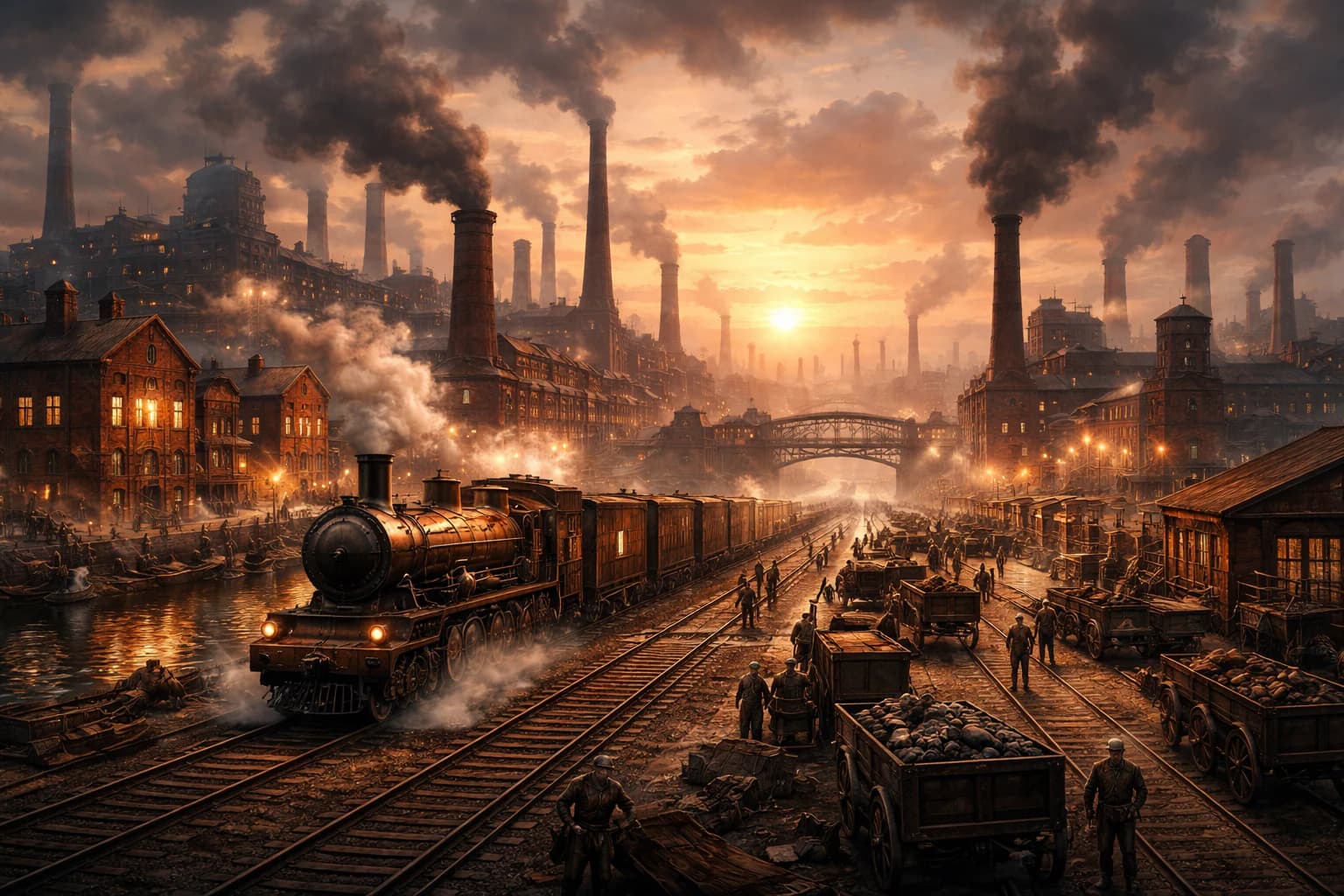
The Industrial Revolution was the transformation of work, energy, transport, and society that began in Britain in the eighteenth century and spread across the world. Machines, factories, coal, steam power, railways, and new systems of production changed how goods were made and how people lived. It created modern industry and urban life, but also brought harsh working conditions, environmental change, and deep social inequality.
What you’ll learn: You’ll see how industrialisation changed the way people worked, travelled, lived, and related to one another. You’ll also understand why this period had such a lasting impact on modern cities, economies, and daily life.
Key forces
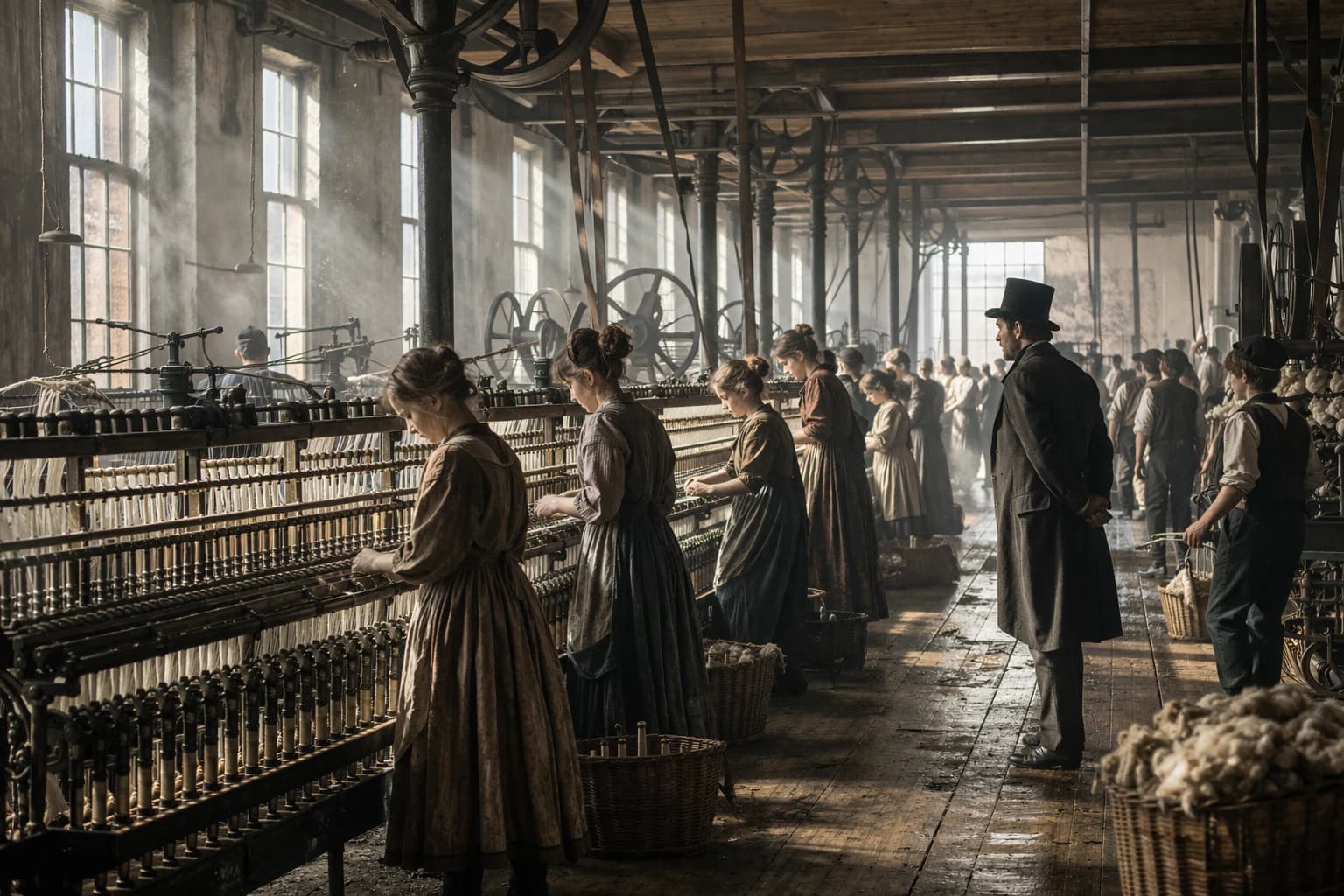
- Industrialisation shifted work from homes and small workshops into factories powered by machines, steam, and fossil fuels.
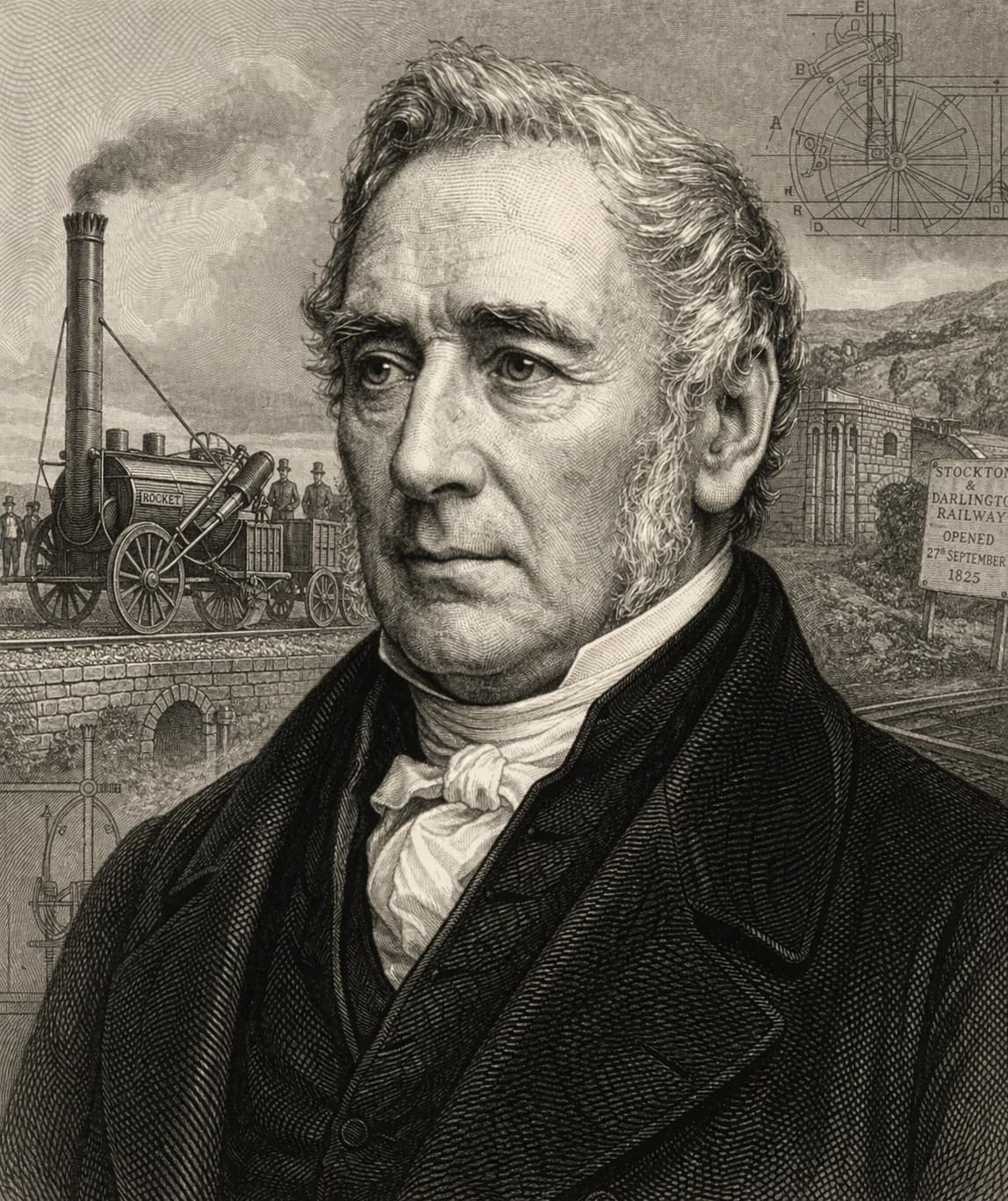
- New transport systems such as canals, railways, and steamships accelerated trade, mobility, and economic growth.
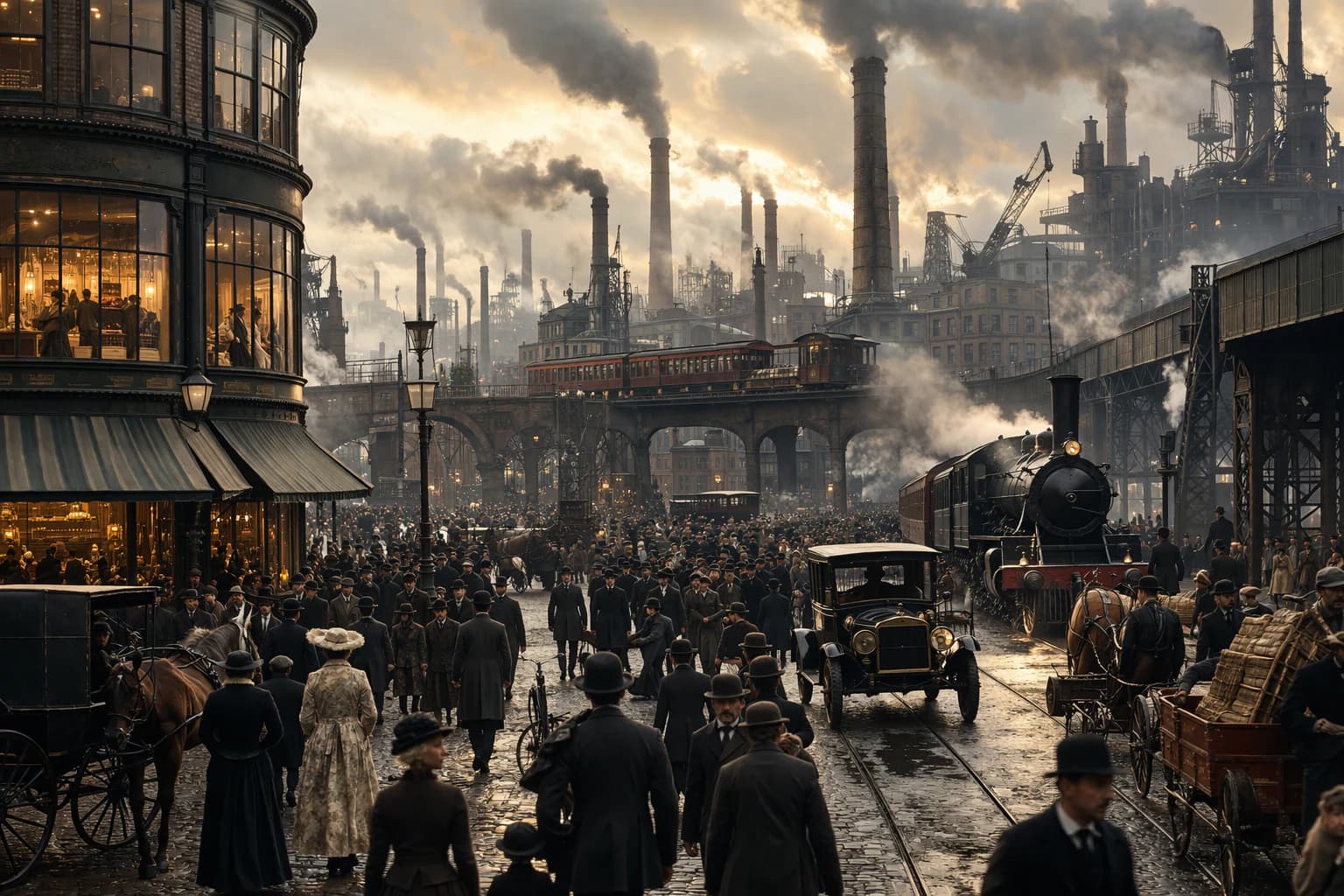
- Fast urban growth created modern industrial cities while also producing overcrowding, pollution, and harsh living conditions.
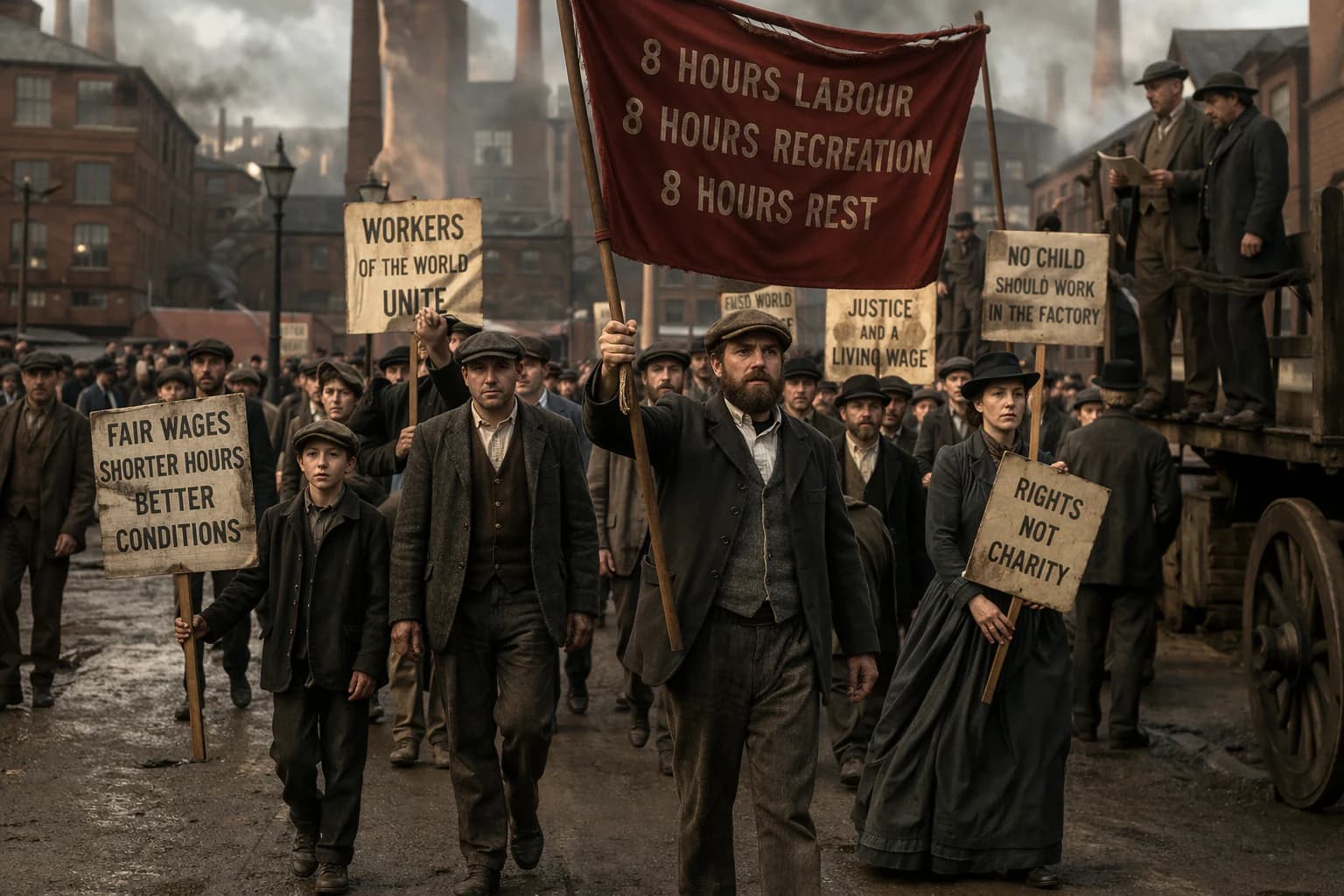
- The Industrial Revolution reshaped class relations and everyday life, helping create the modern world of wage labour, mass production, and consumer goods.