Context
Introduction
Overview
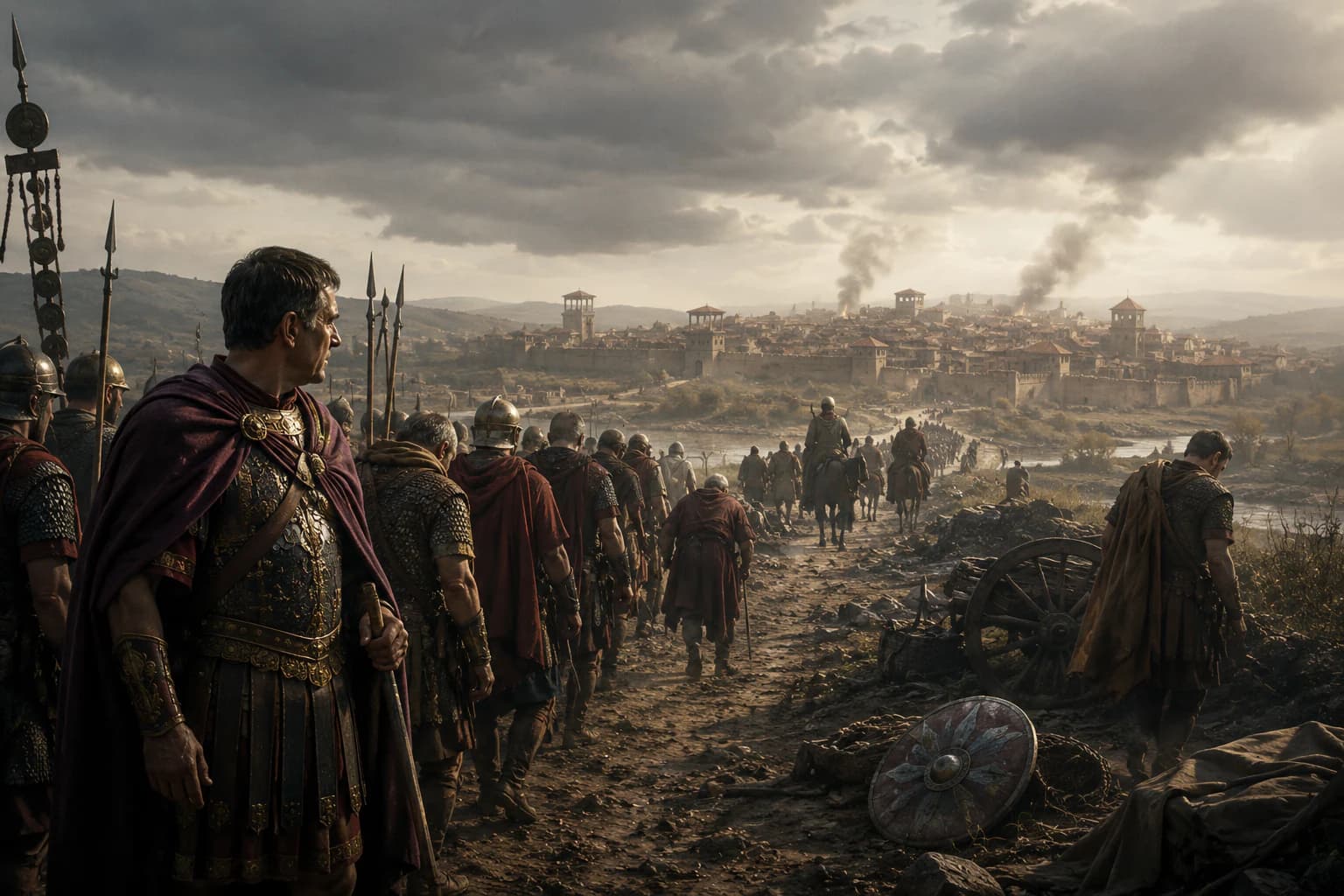
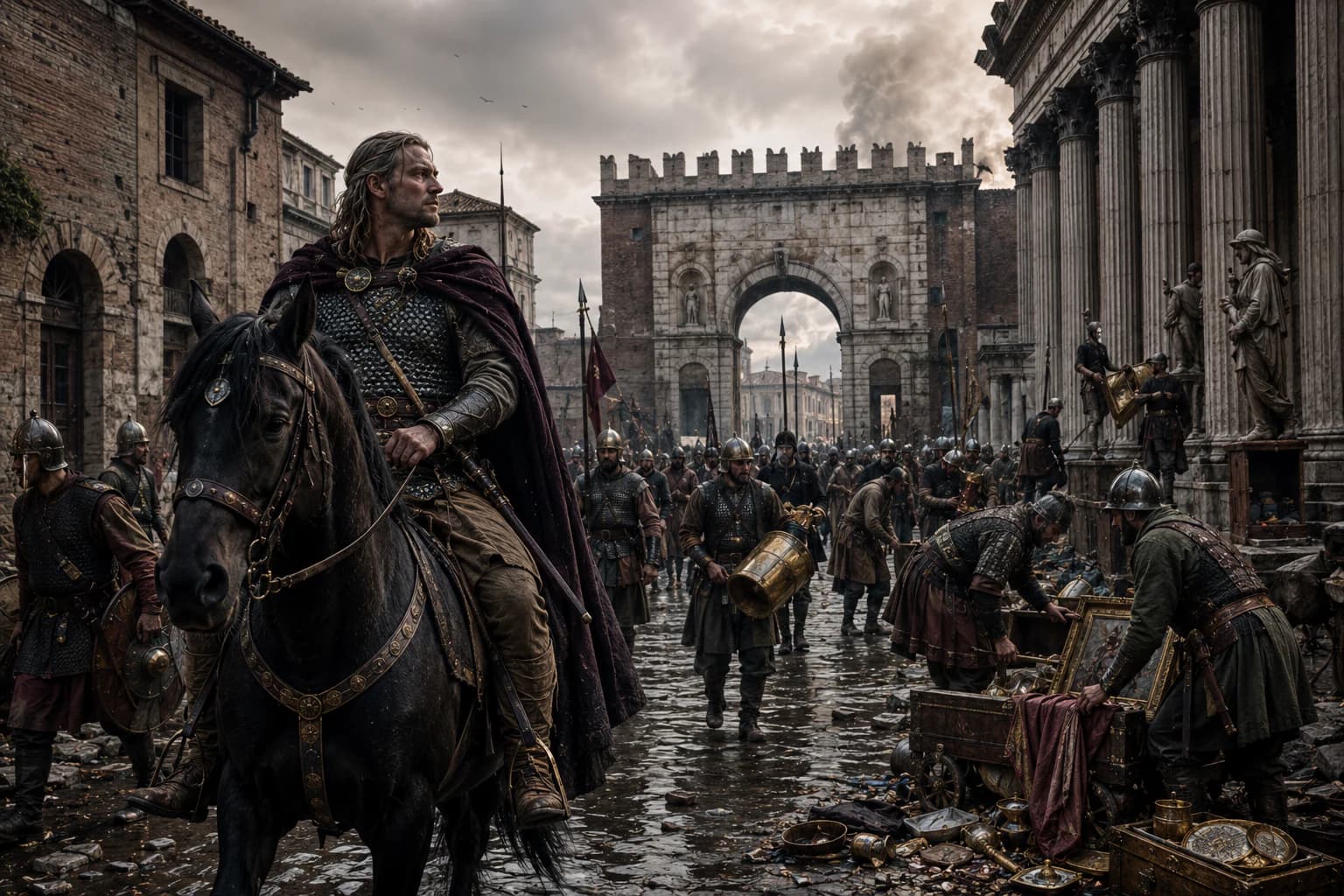
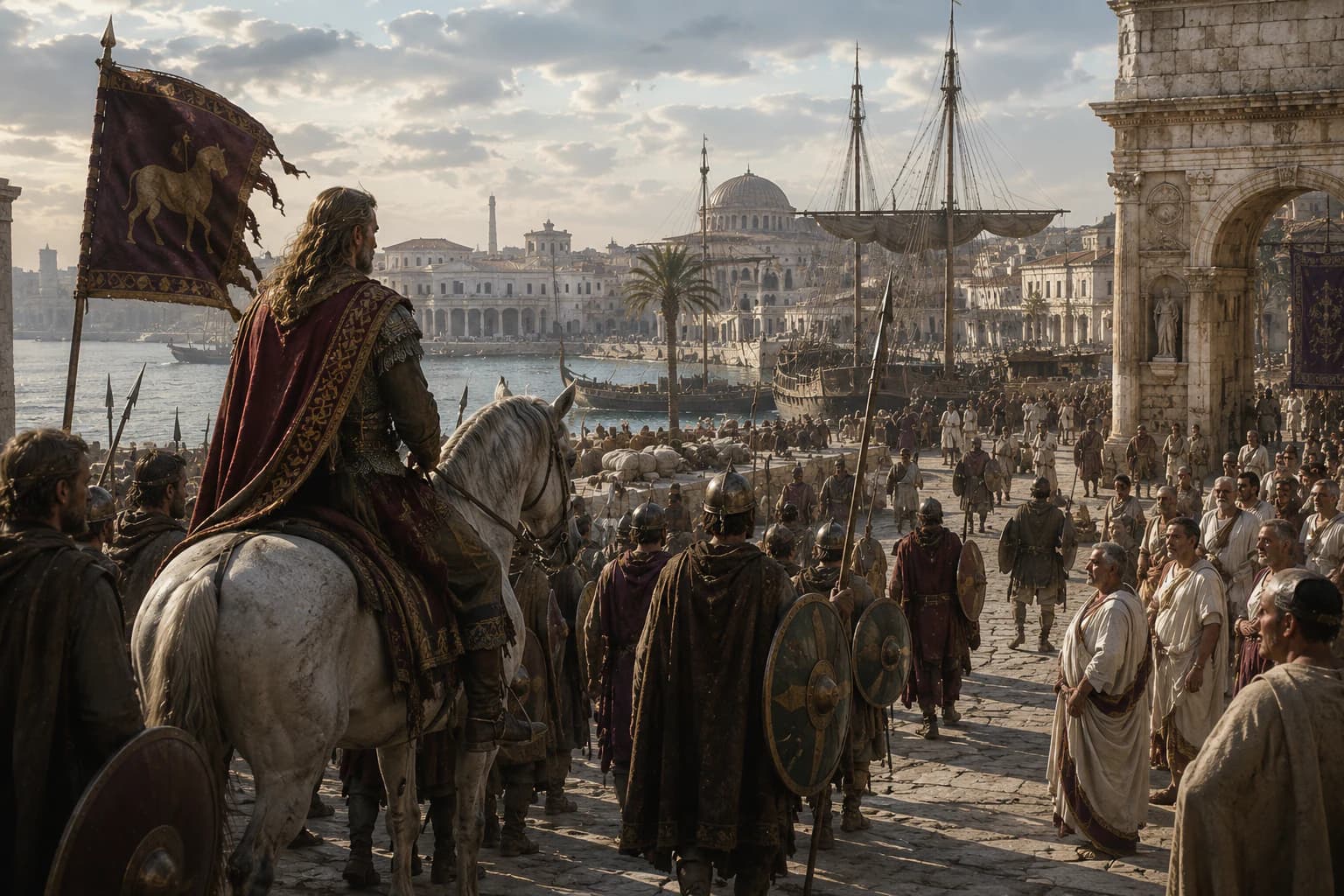
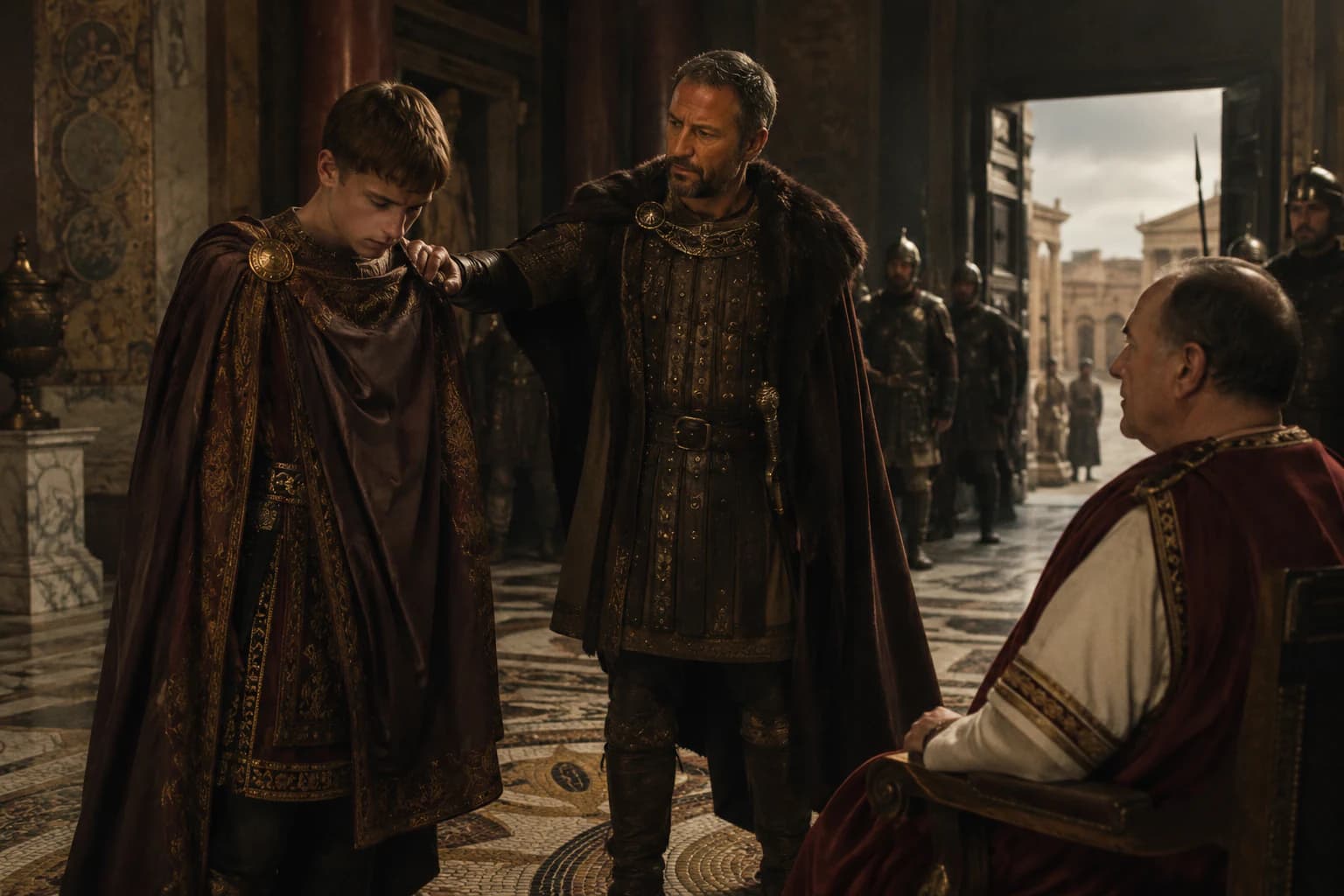
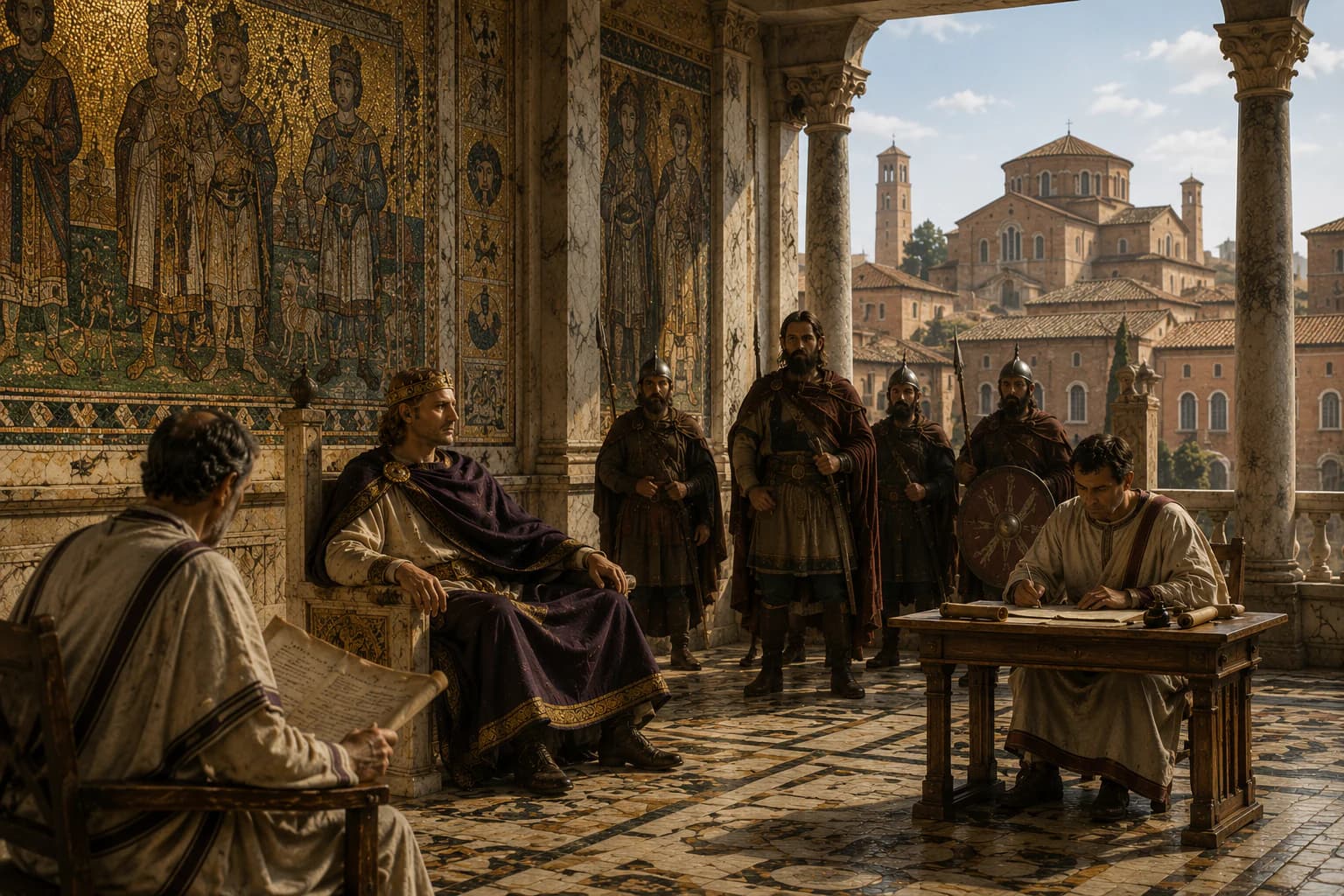
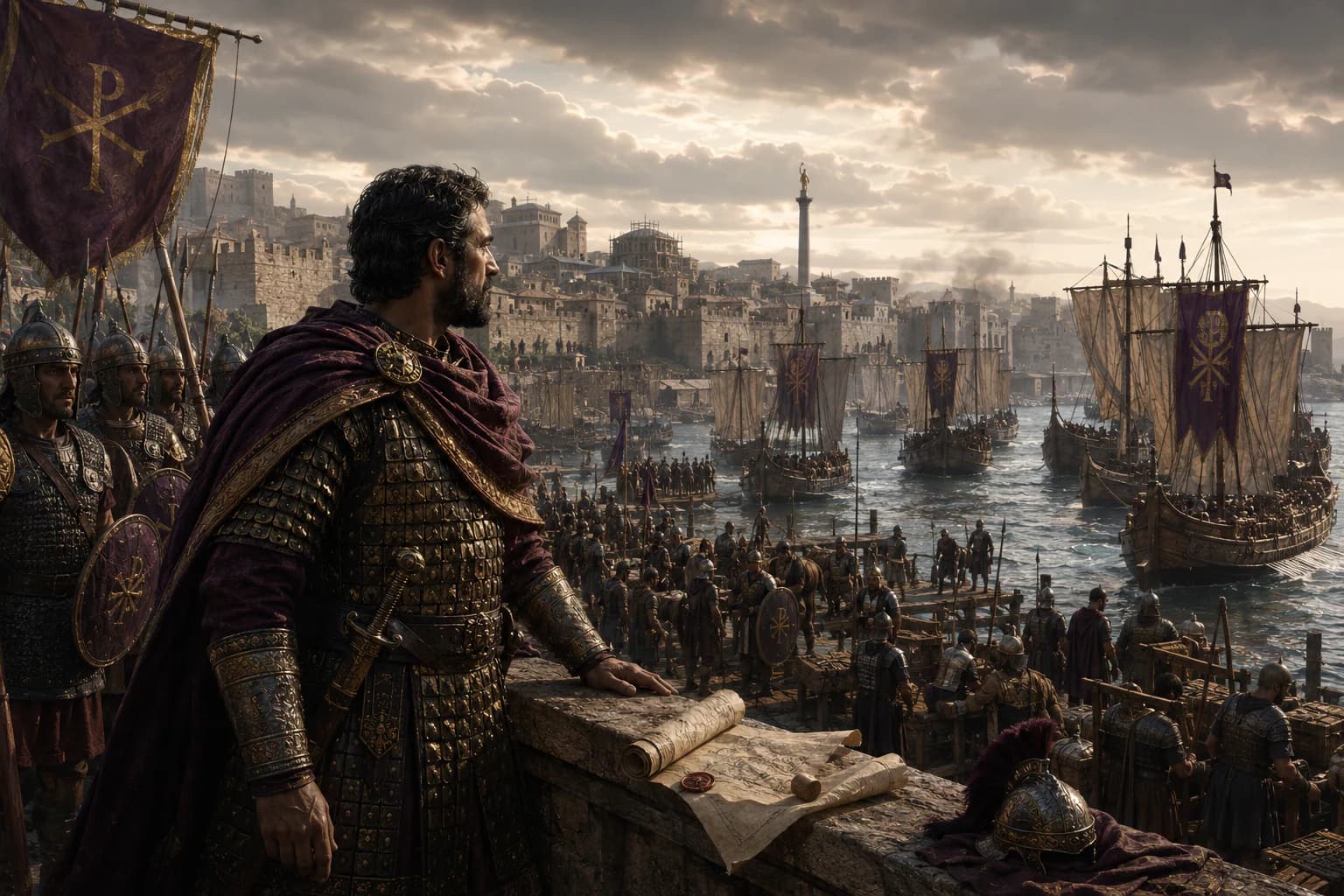
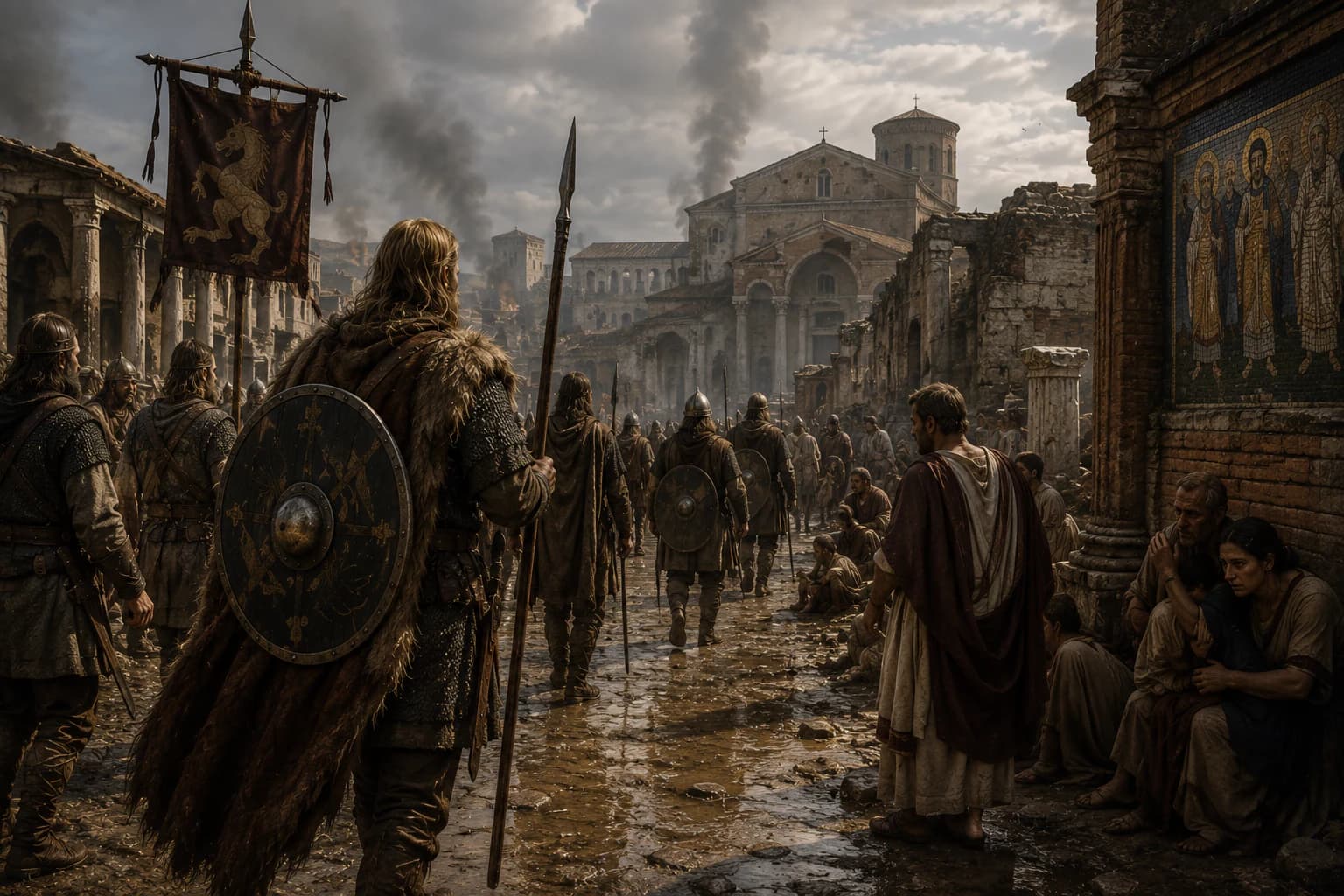
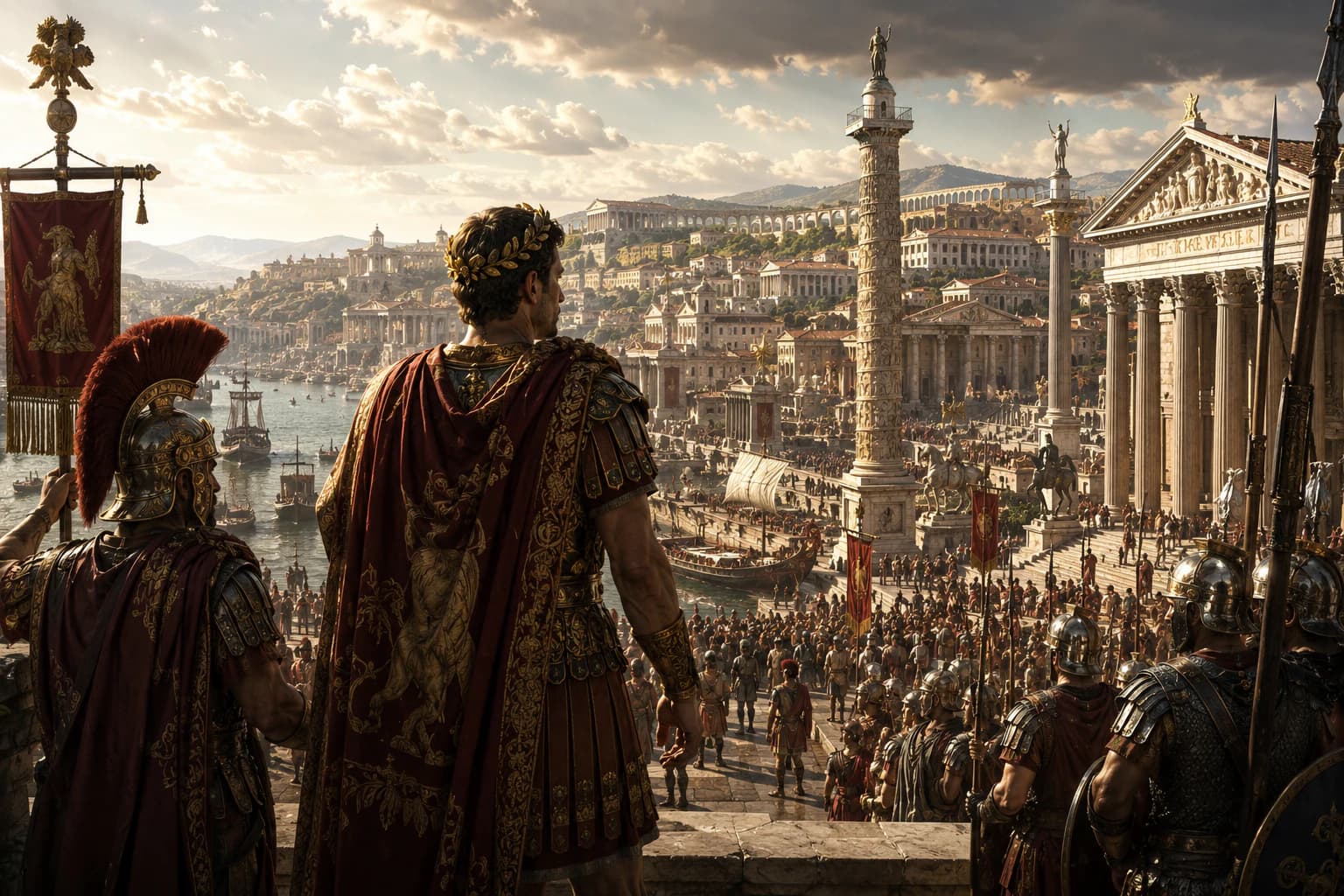
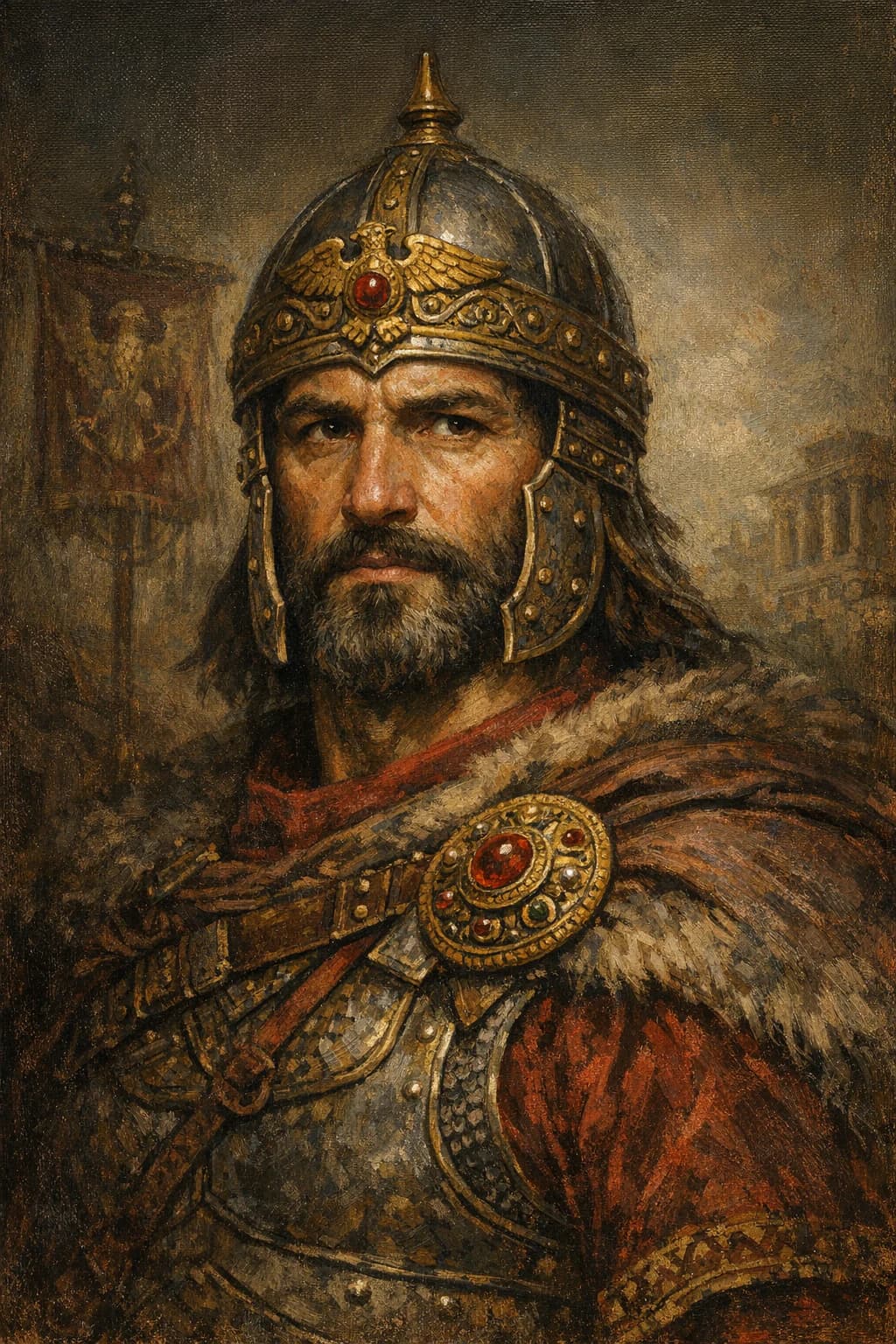
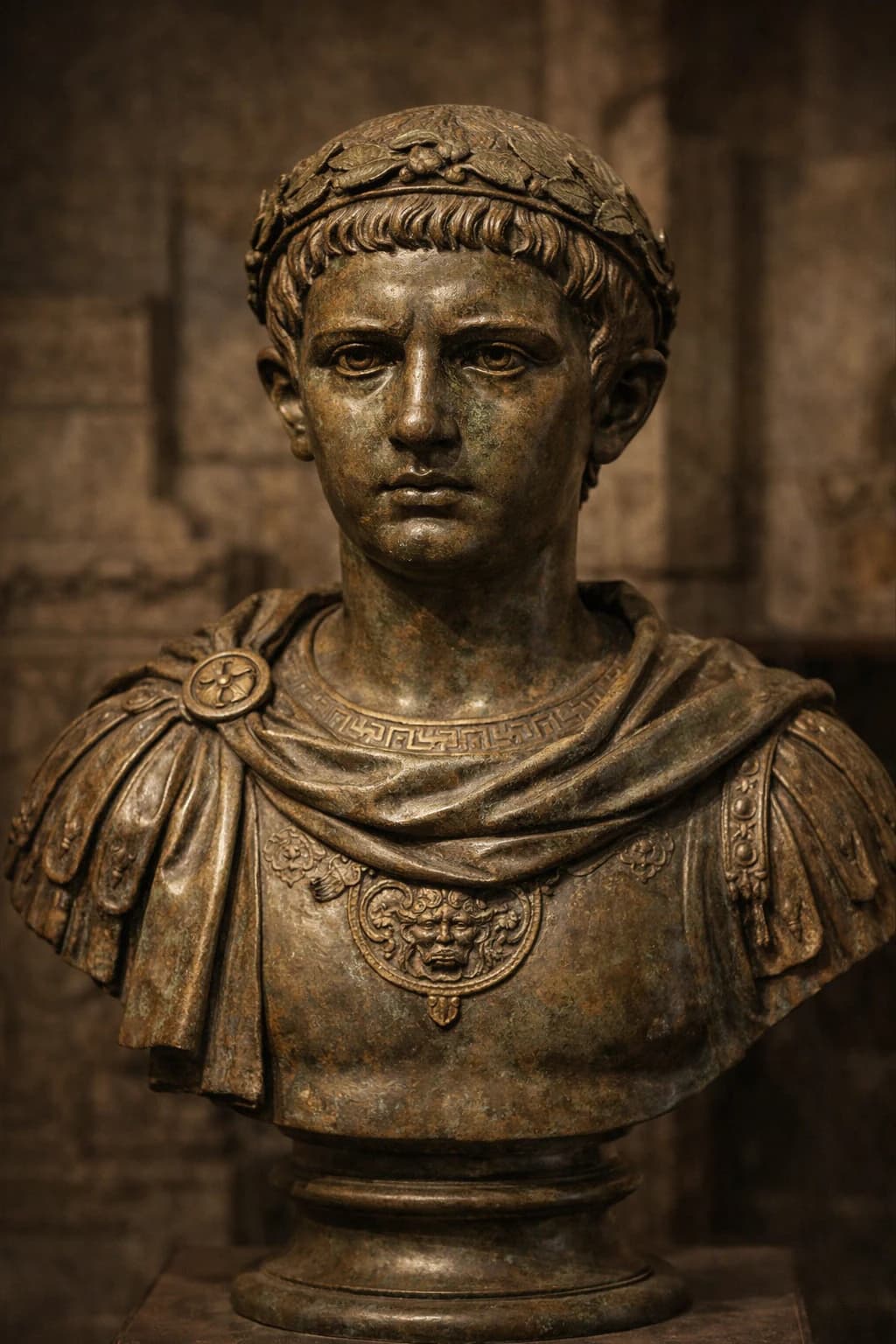
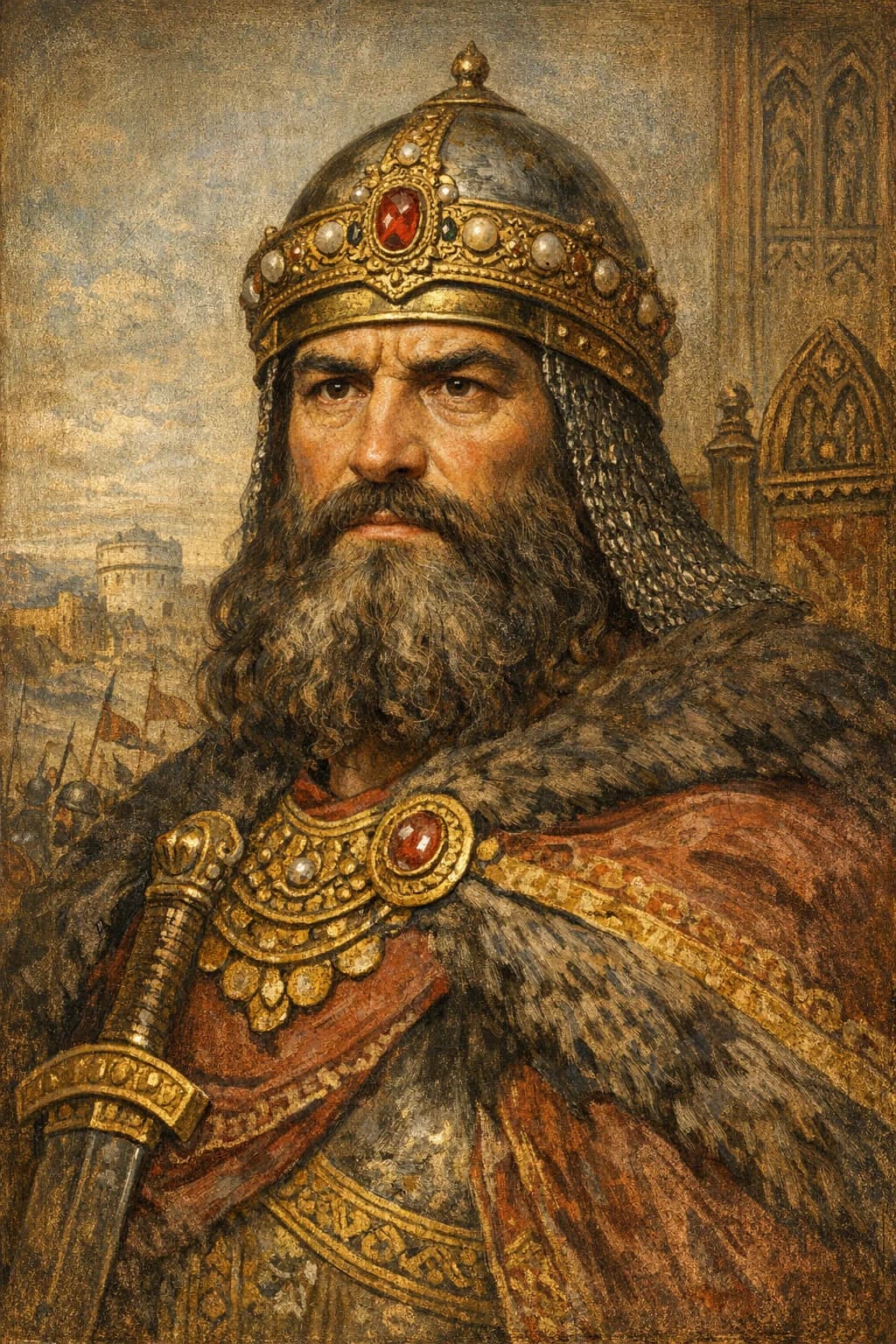
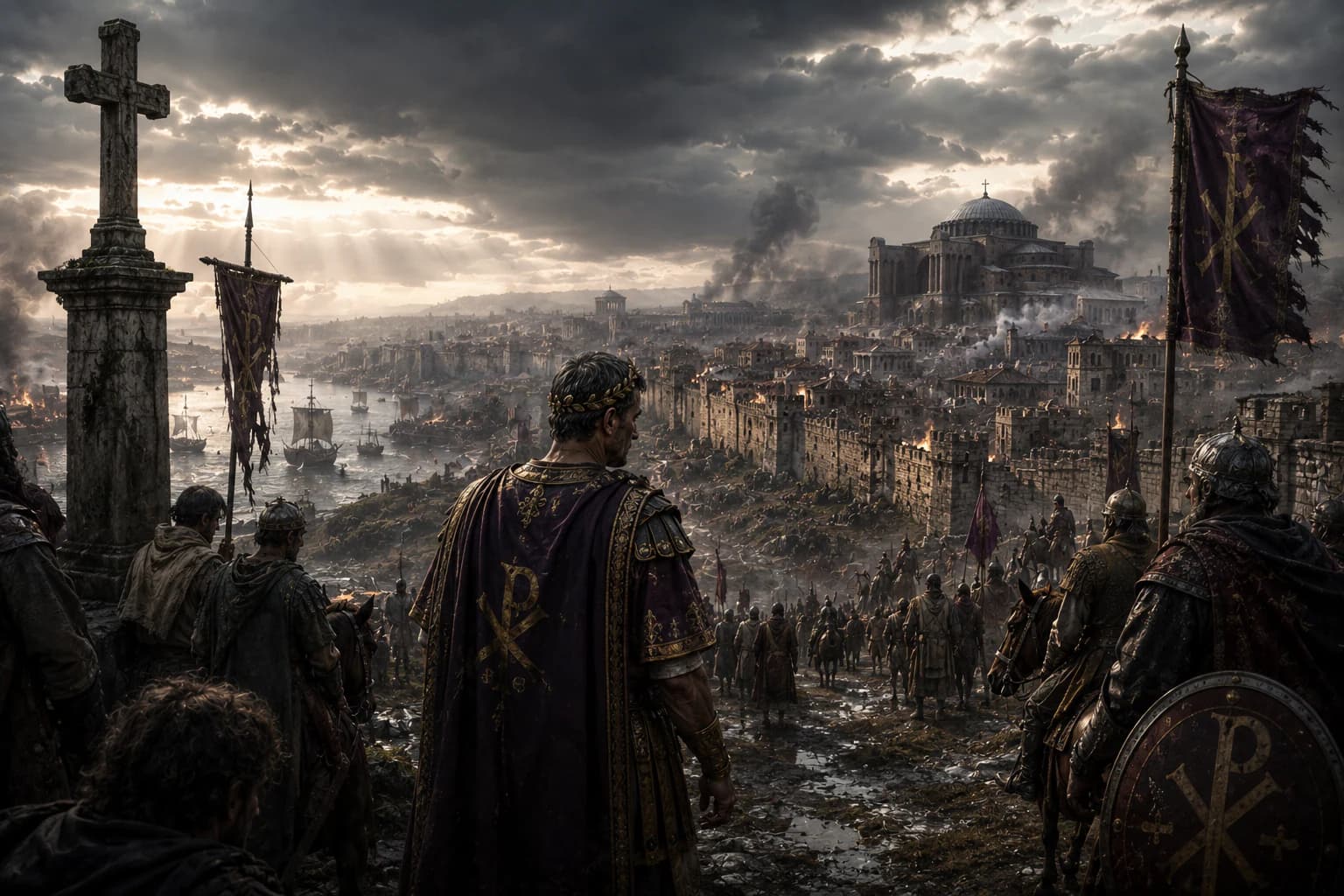
The fall of and the rise of early medieval Europe marked the transformation of the western Roman world into new kingdoms, Christian institutions, and regional powers. As imperial authority weakened, Gothic, Frankish, Anglo-Saxon, and other successor societies built new political orders on Roman foundations. This period did not simply erase ; it remade its inheritance into the medieval world of kings, bishops, monasteries, and local lordship.
What you'll learn: You'll see how one of history's greatest empires gave way to a new world through a mix of invasion, adaptation, religious change, and the rise of new powers, and why the echoes of that transformation still shape Europe today.
Key forces
- The Western Roman Empire did not collapse suddenly but eroded over a century of military pressure, political instability, and fiscal strain.
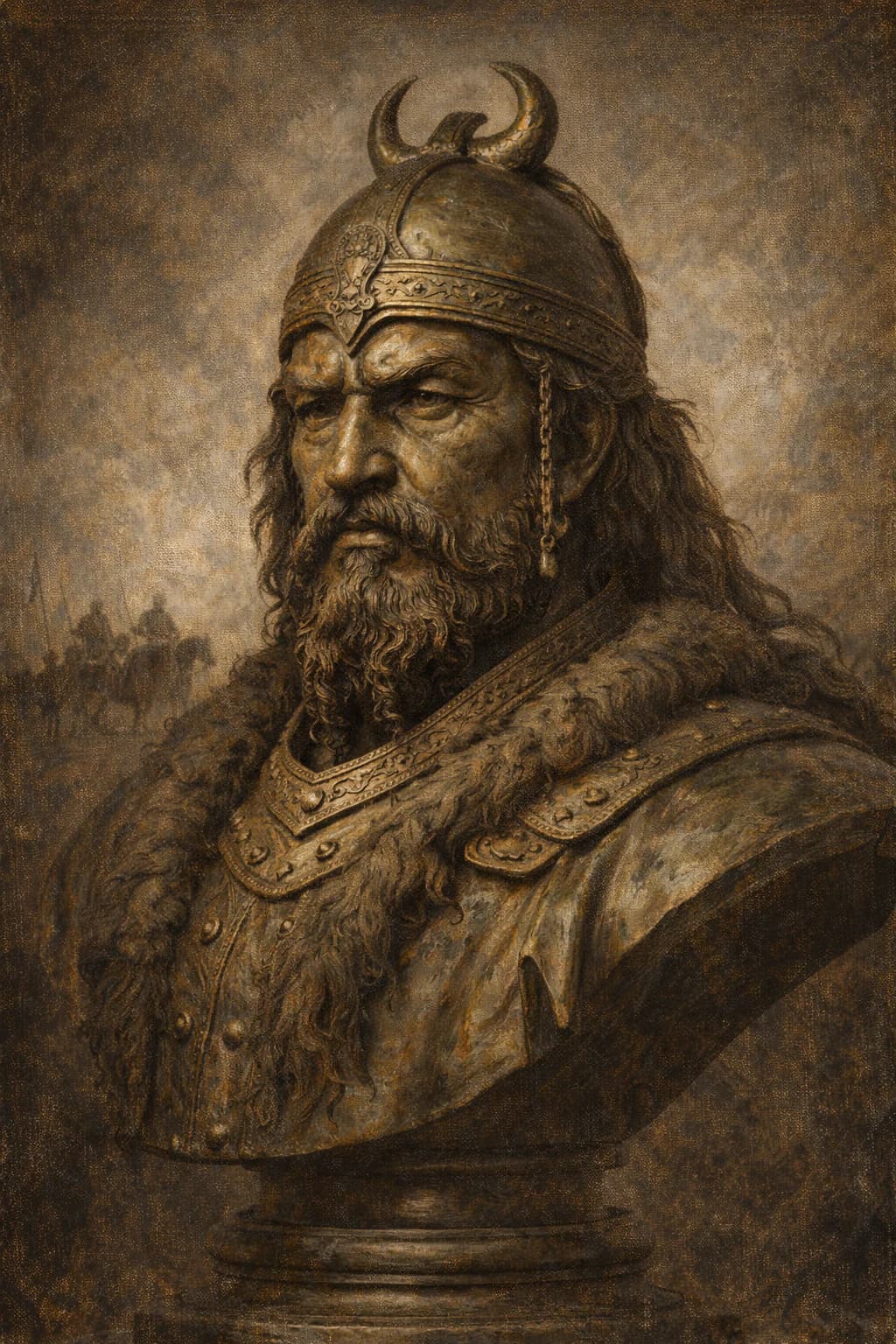
- Germanic successor kingdoms preserved elements of Roman law, Latin culture, and administration even as they reshaped the political map.
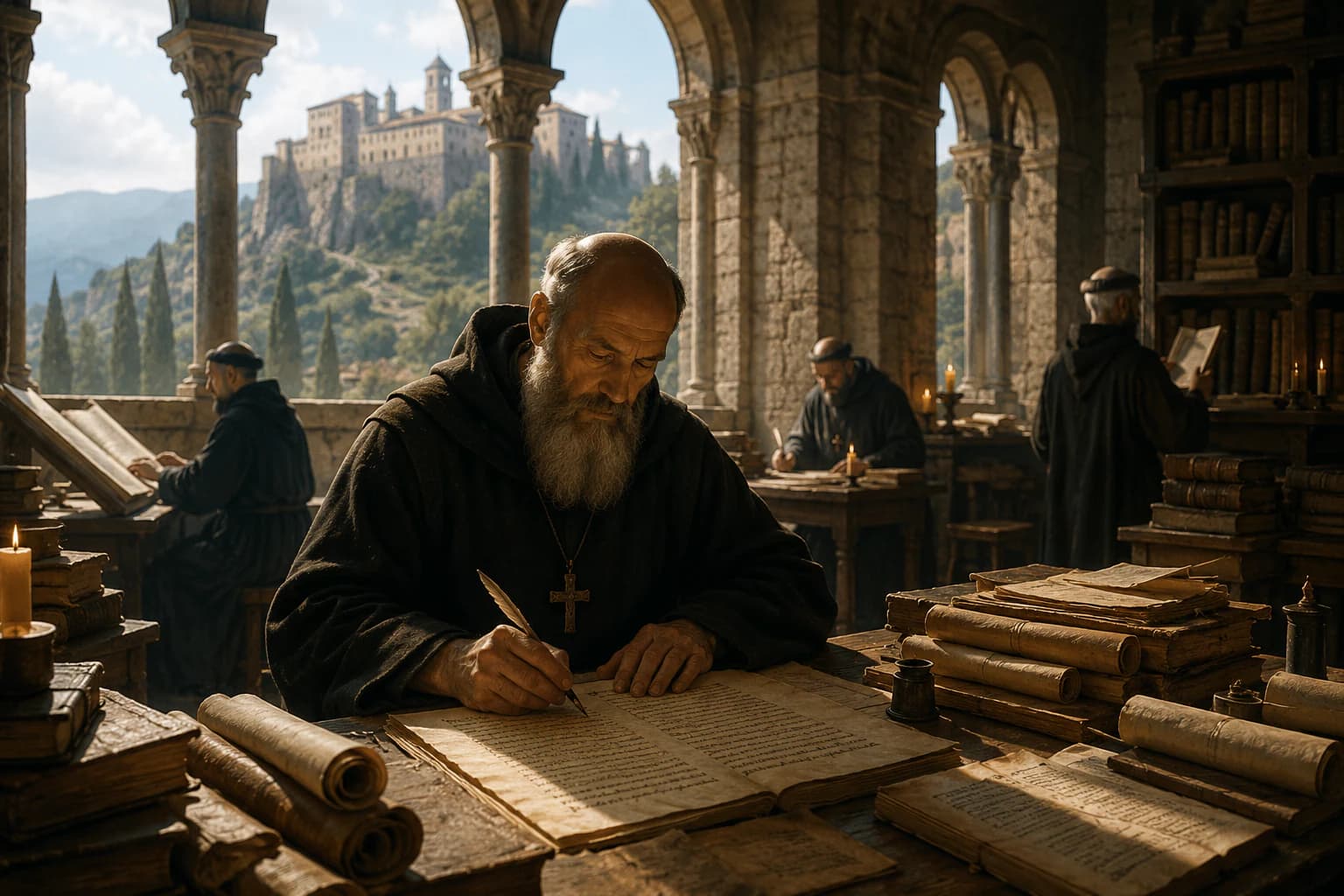
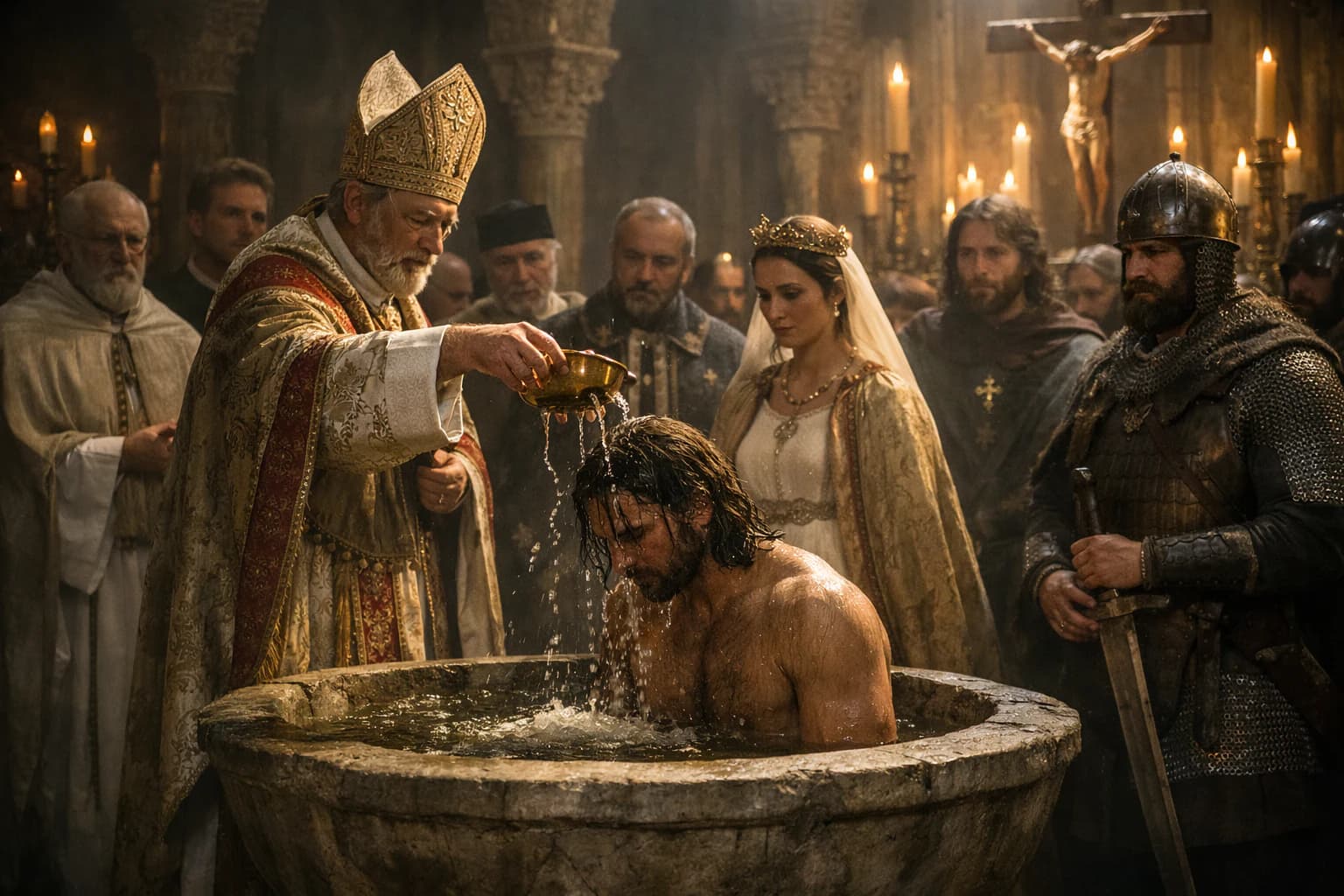
- The Christian Church became the most durable institution of late antiquity, providing continuity through an age of fragmentation.
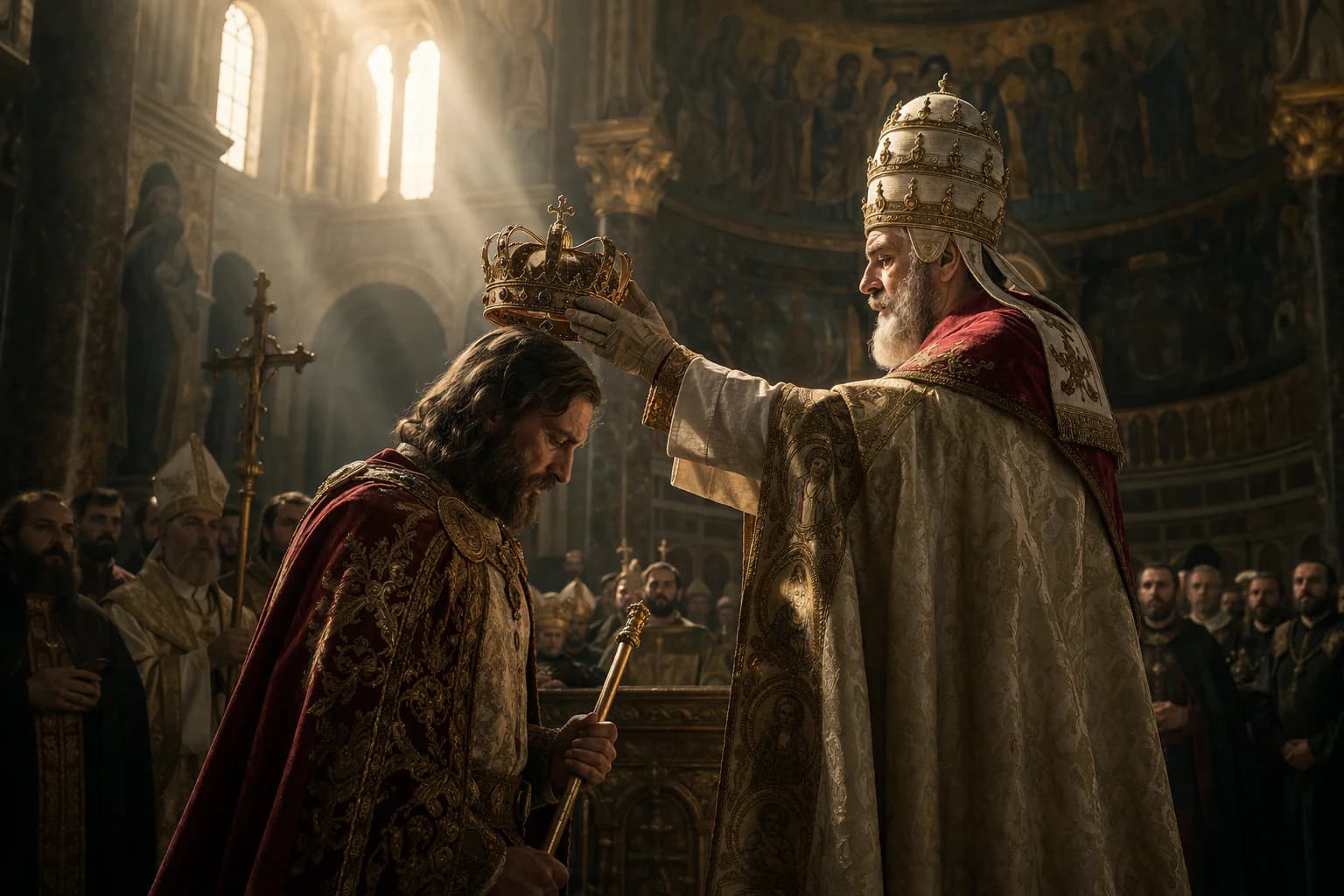
- Charlemagne's coronation in 800 CE marked the emergence of a new medieval European order built on Roman and Christian foundations.