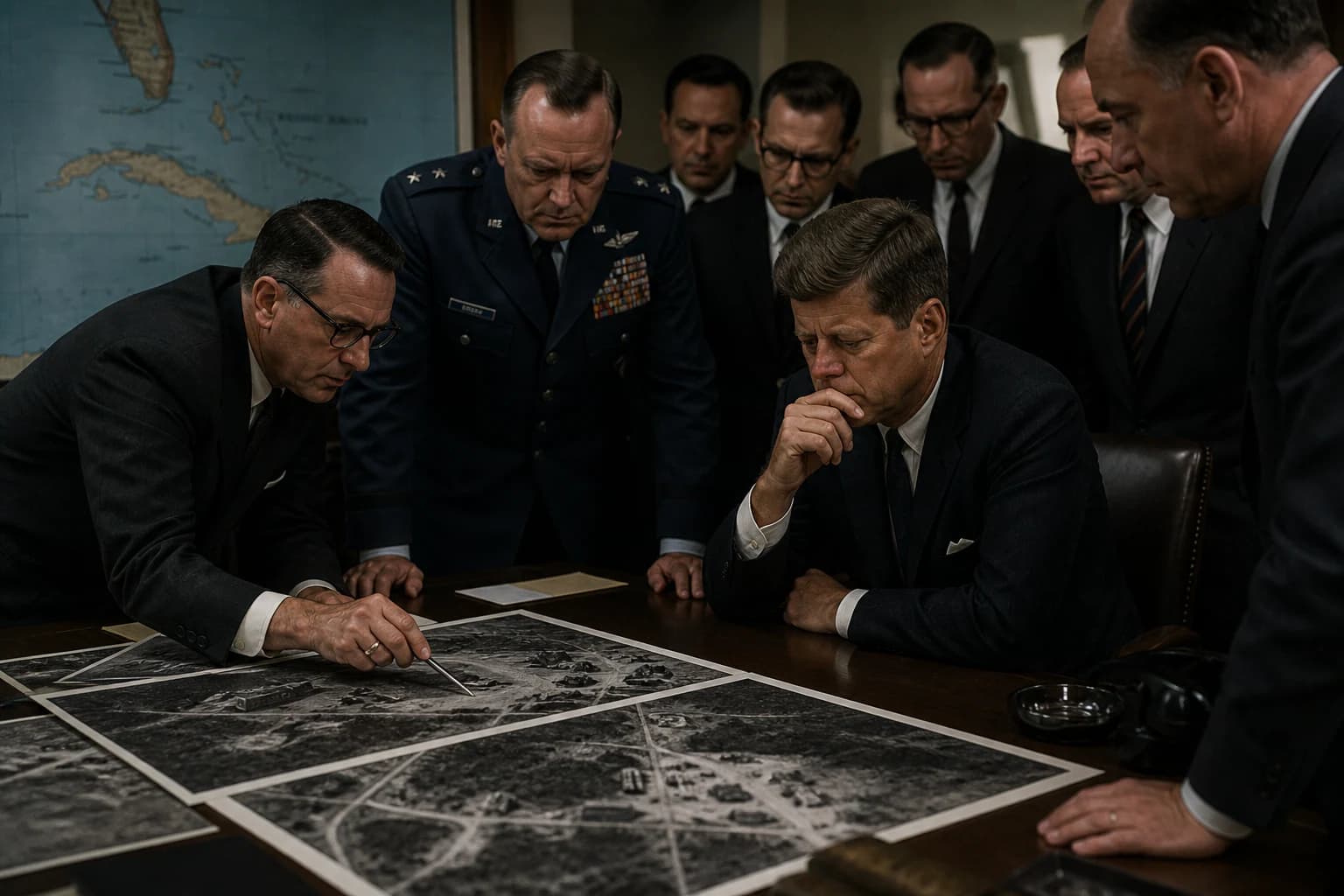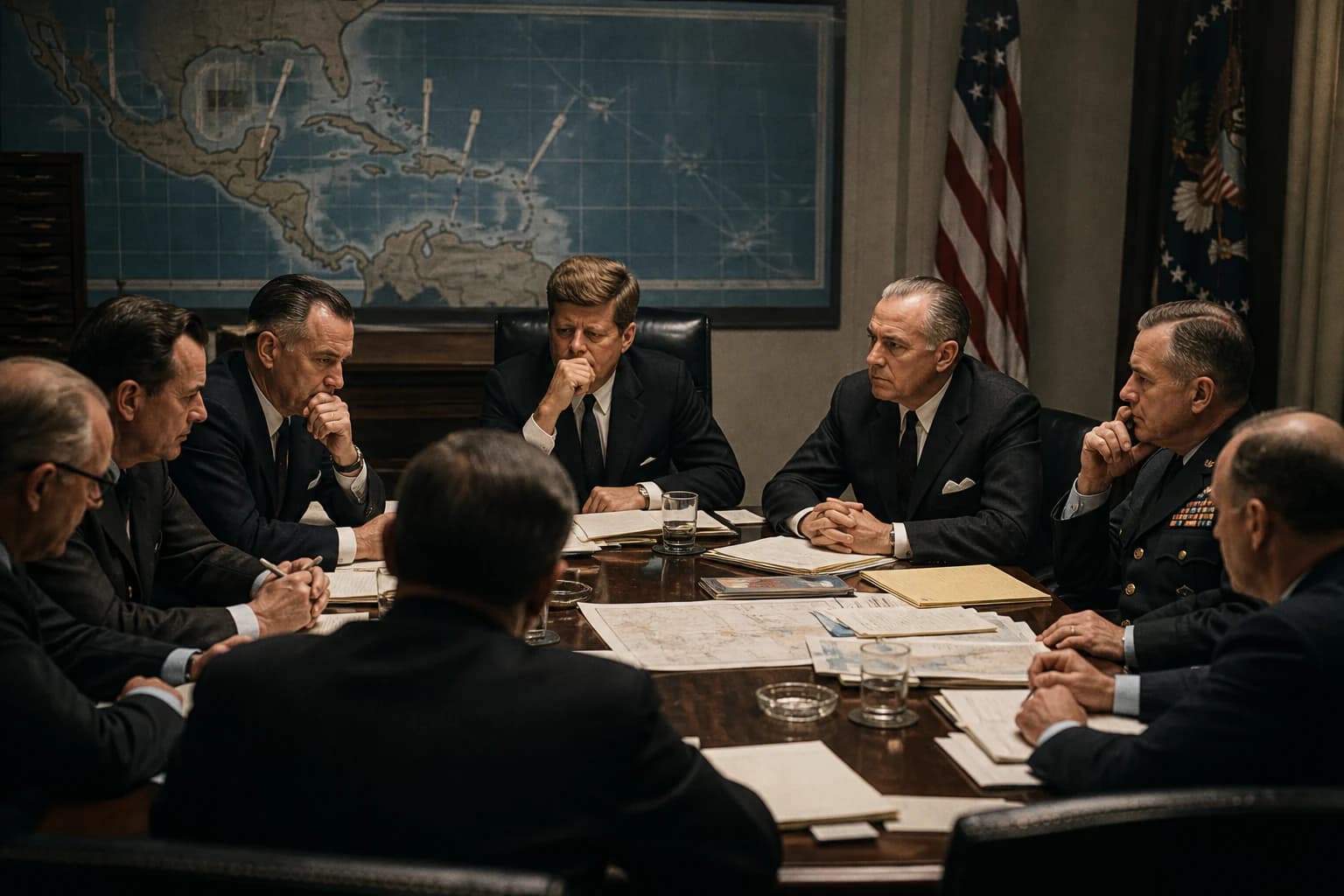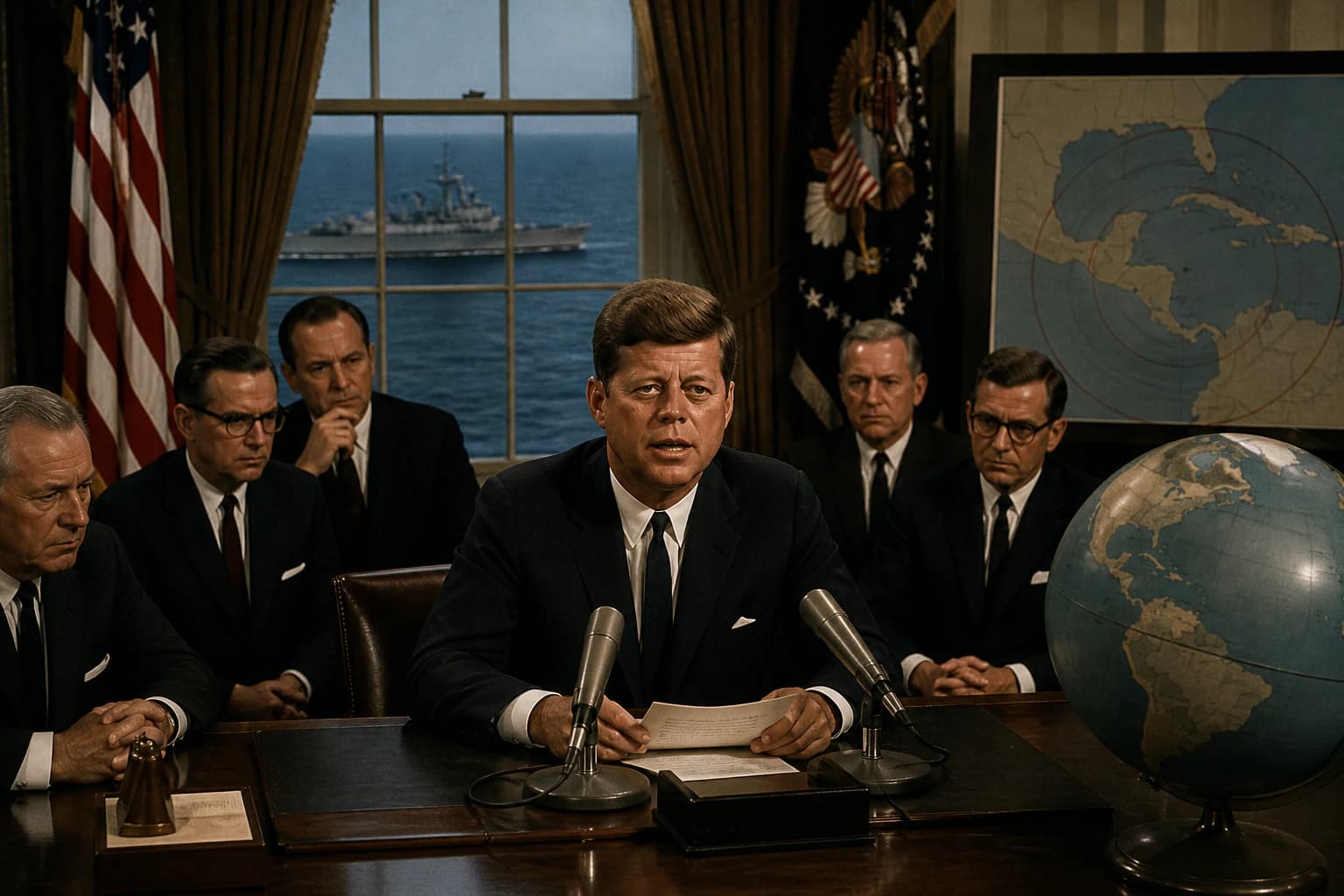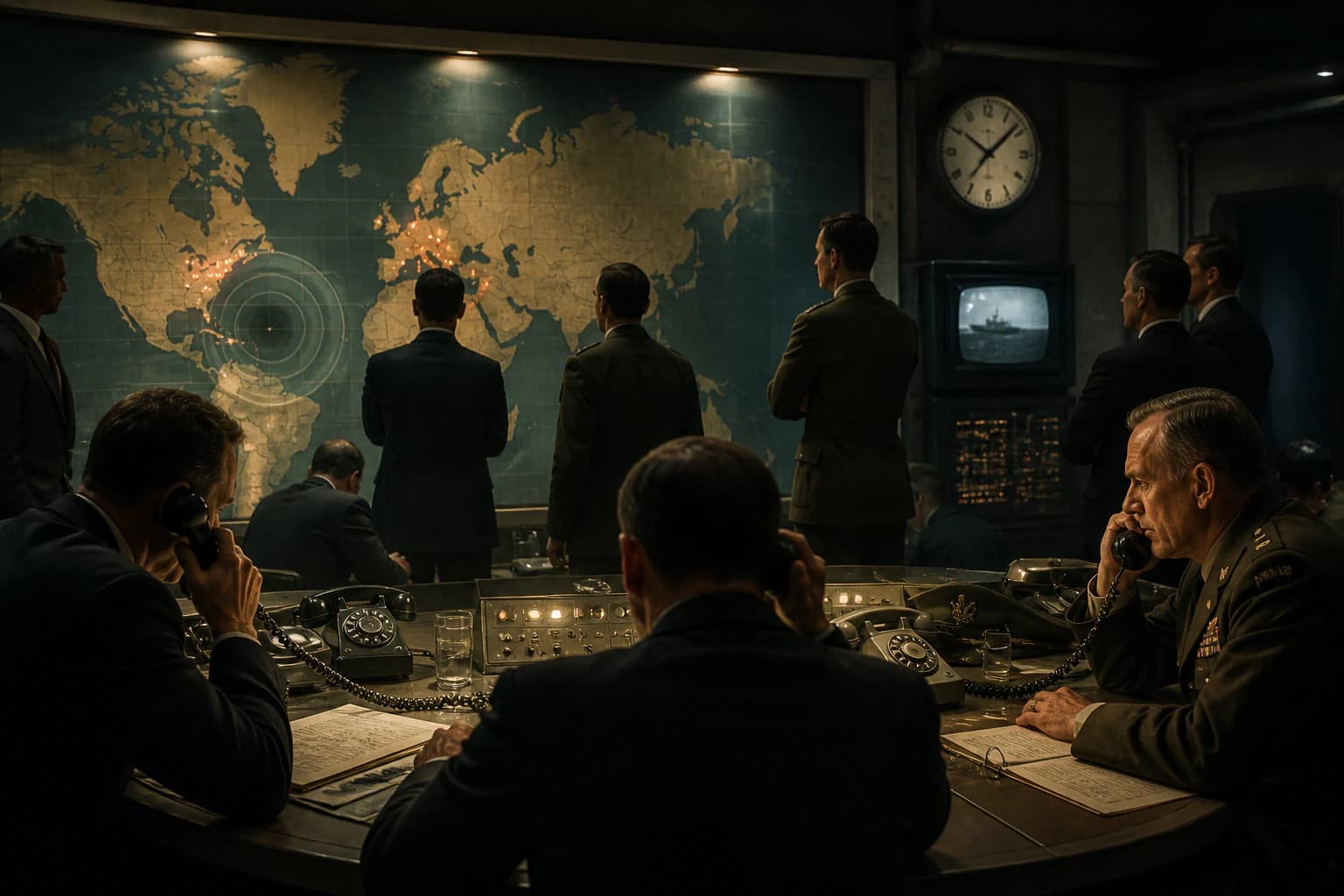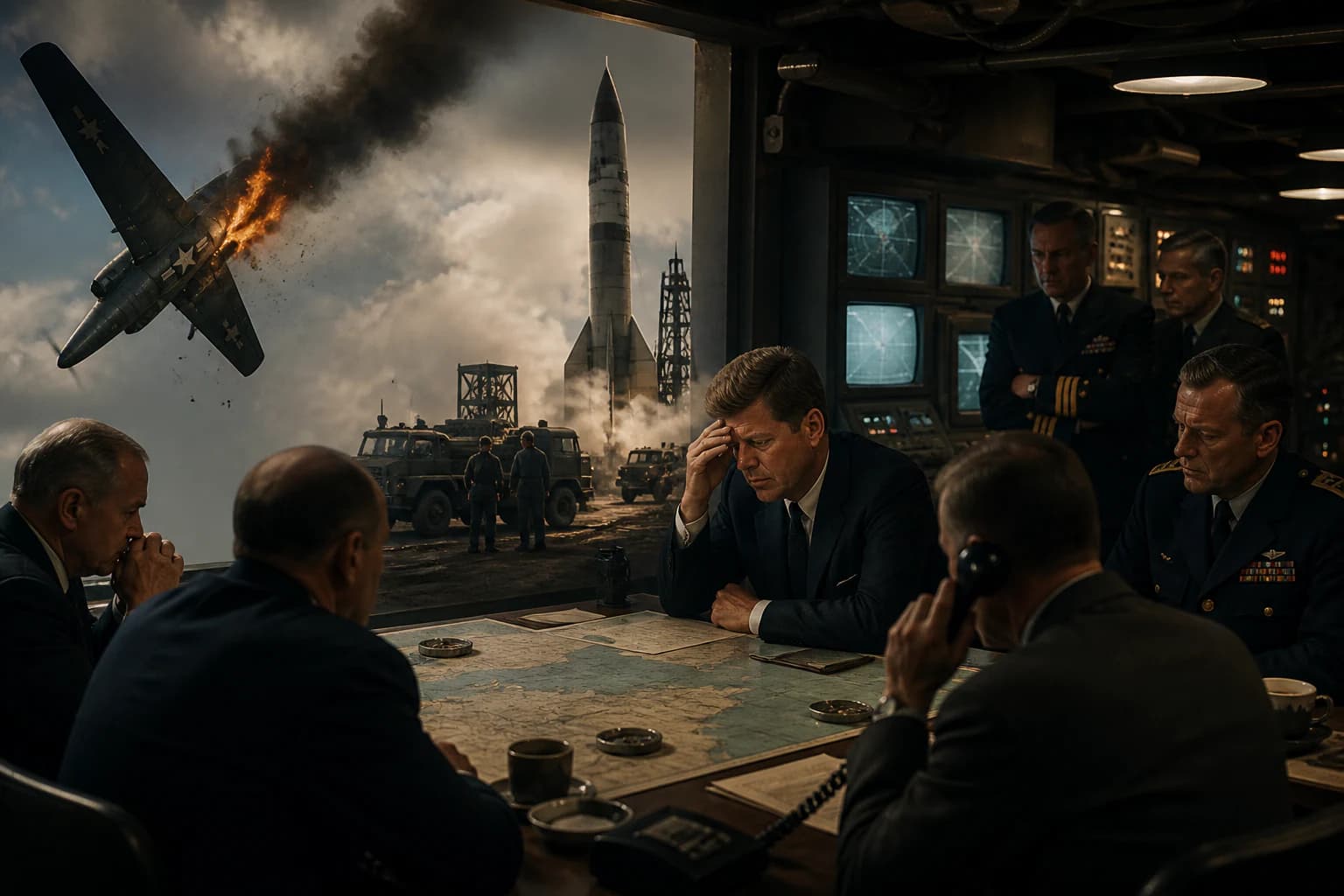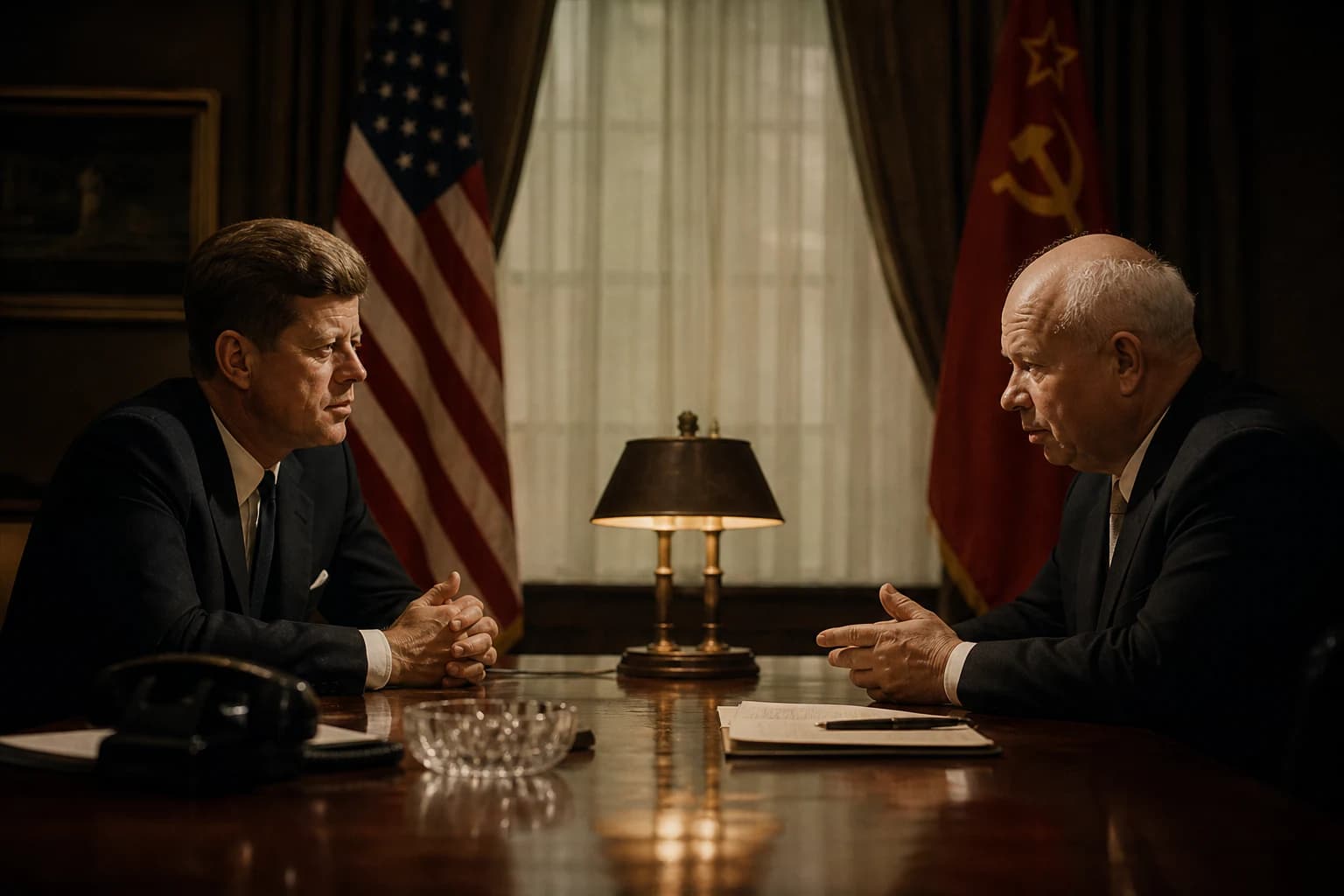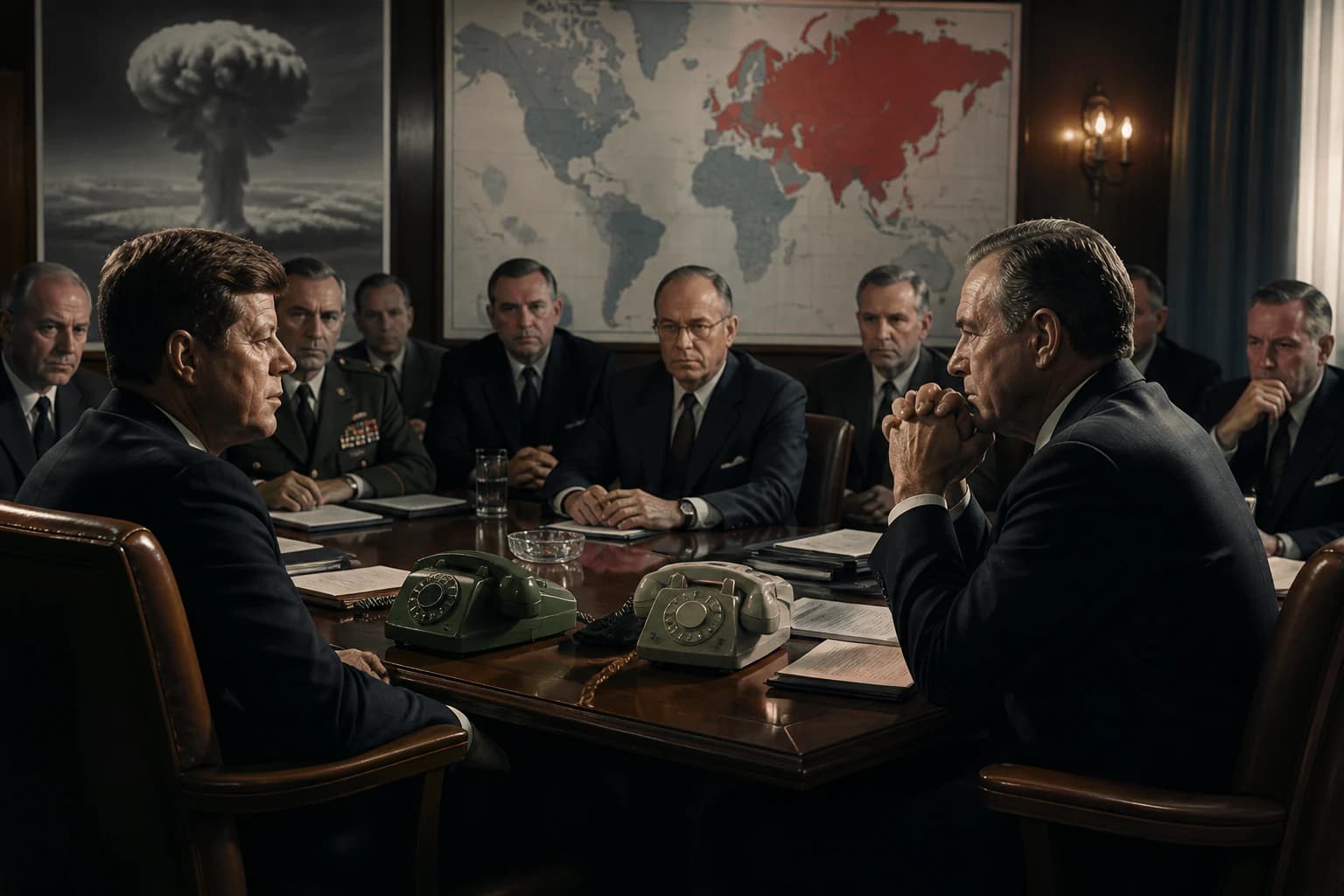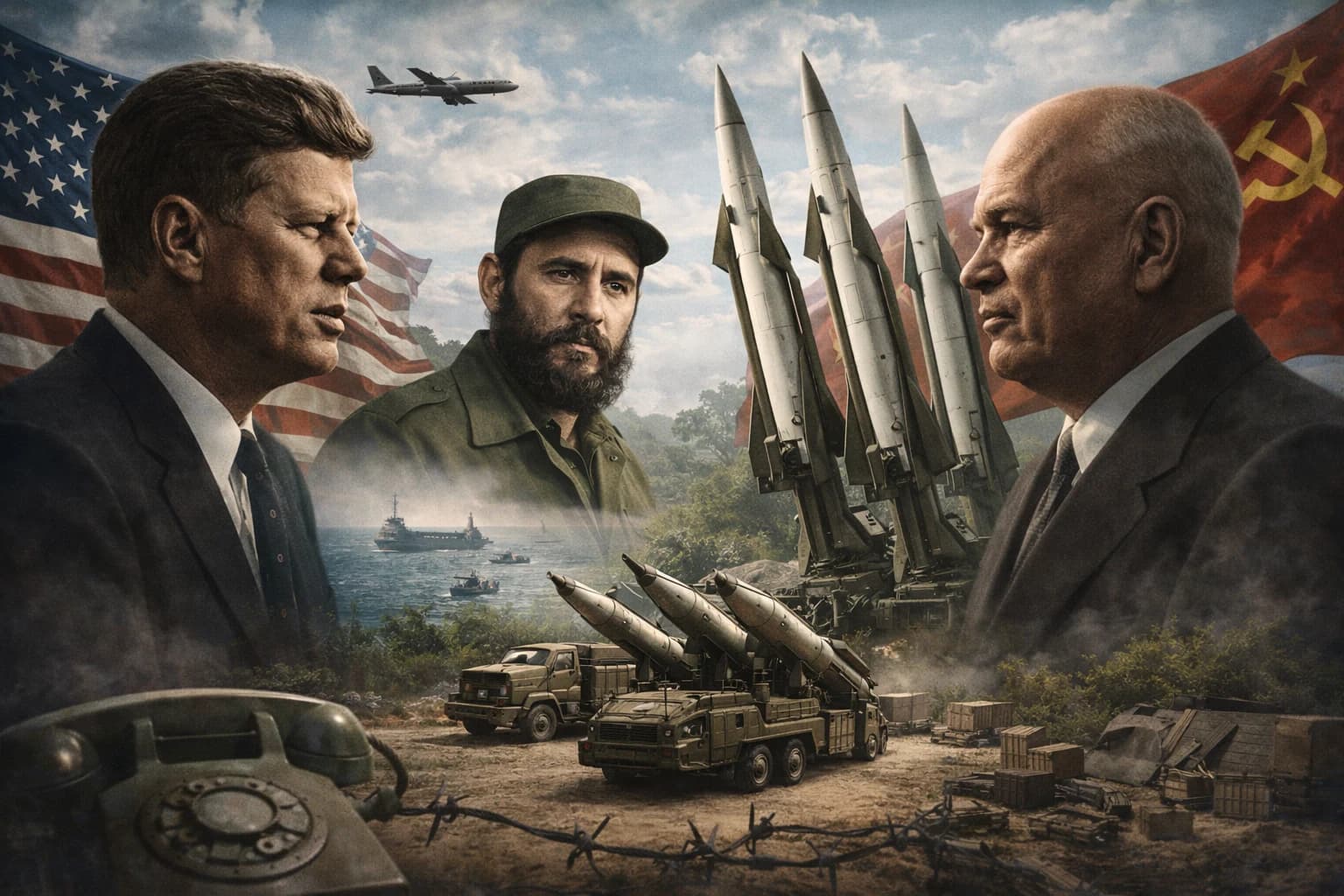
US Navy ships encircling a Soviet cargo vessel in the Caribbean while reconnaissance photographs of missile sites are spread across a situation room table in Washington
Premium Story

The Cuban Missile Crisis

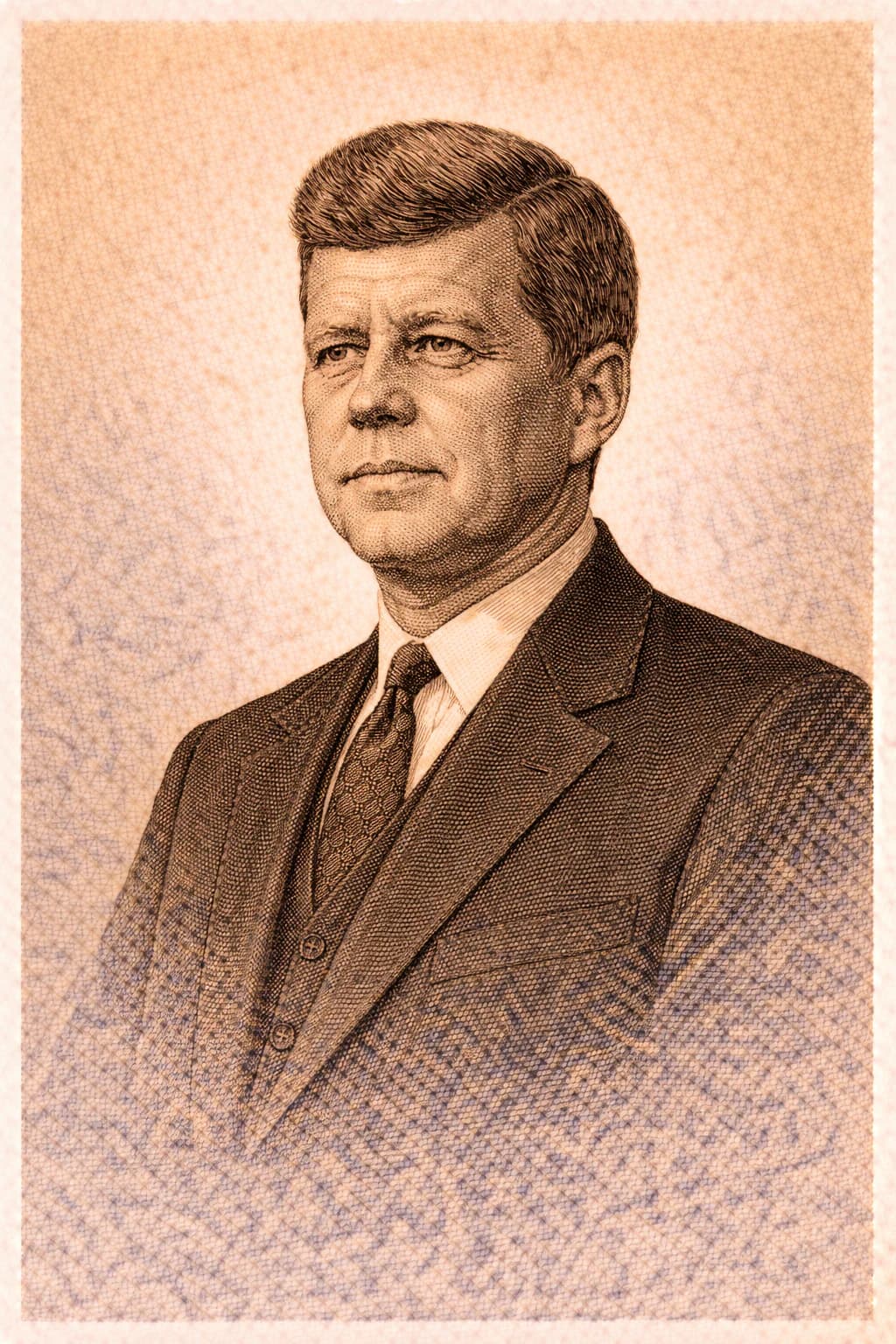
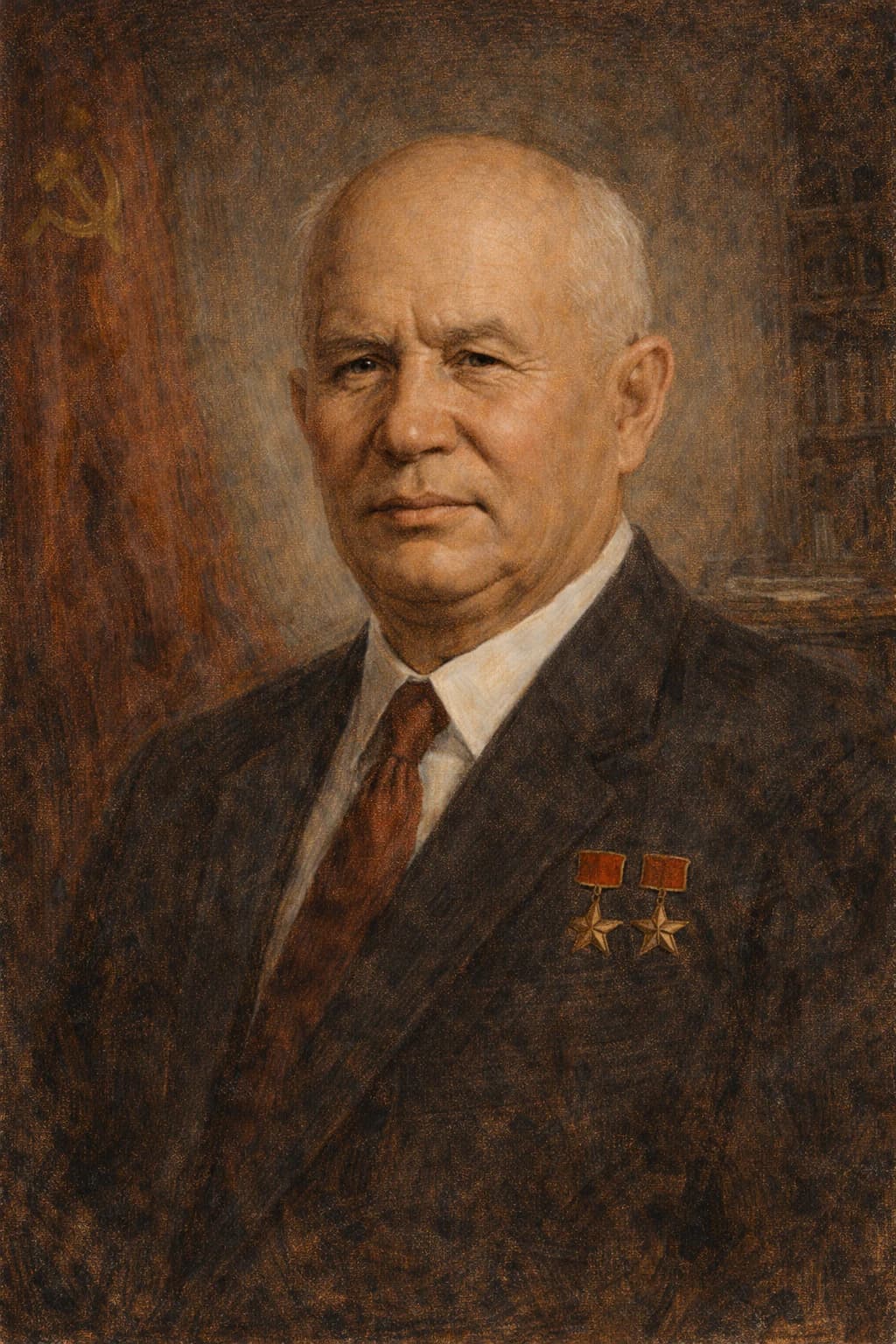
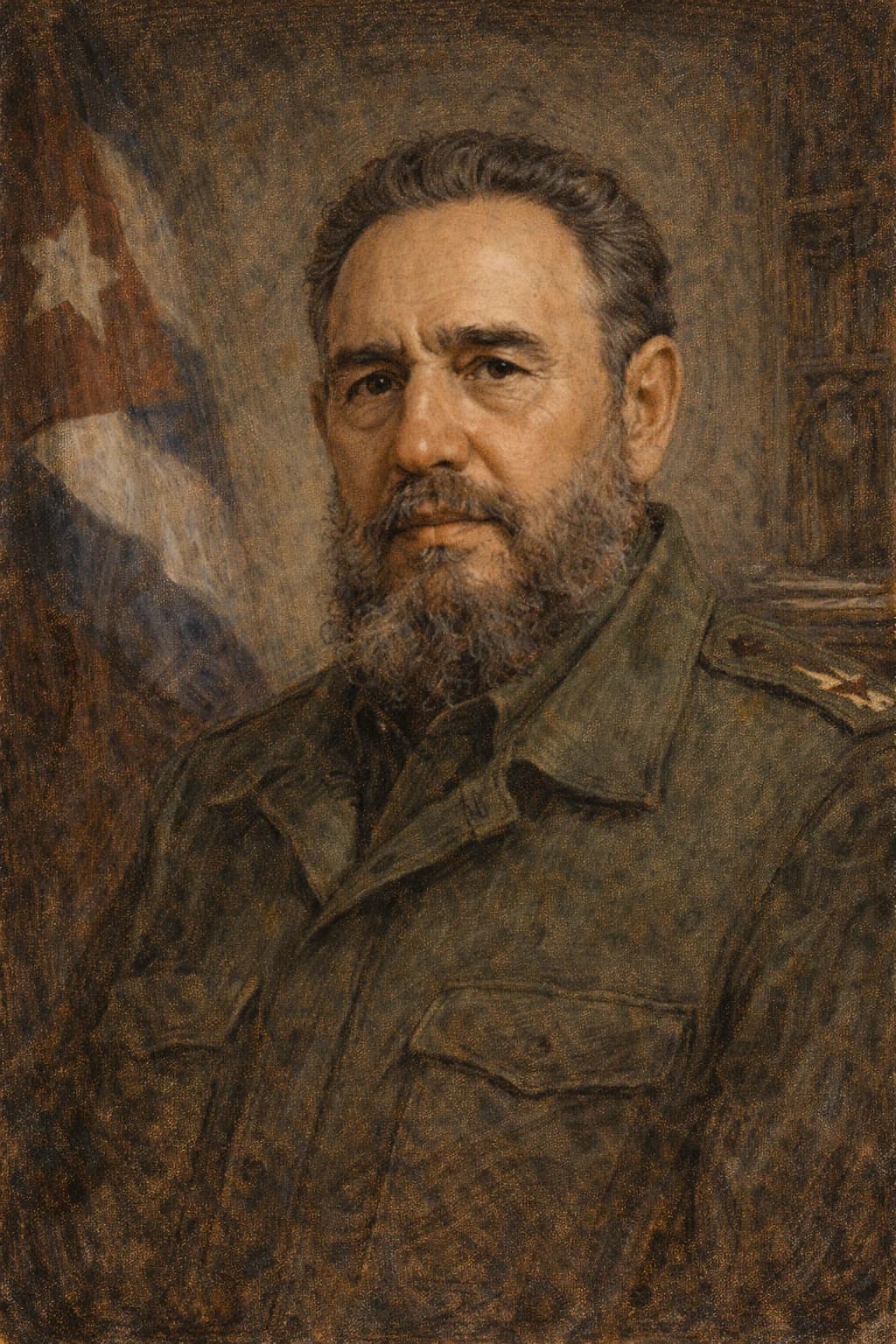
Relive the Cuban Missile Crisis, thirteen days when Kennedy, Khrushchev, and Castro brought the world to the nuclear brink.

11 chapters

Next
Context

Introduction

What you'll learn: You'll understand how the crisis began, how it was managed, how close the world came to nuclear war, and what it taught both superpowers about the limits of nuclear brinkmanship.

Key forces

The Revolution Changes Cuba
1959 CE
Step 1 of 101959 CEAccessible mode

The Revolution Changes Cuba

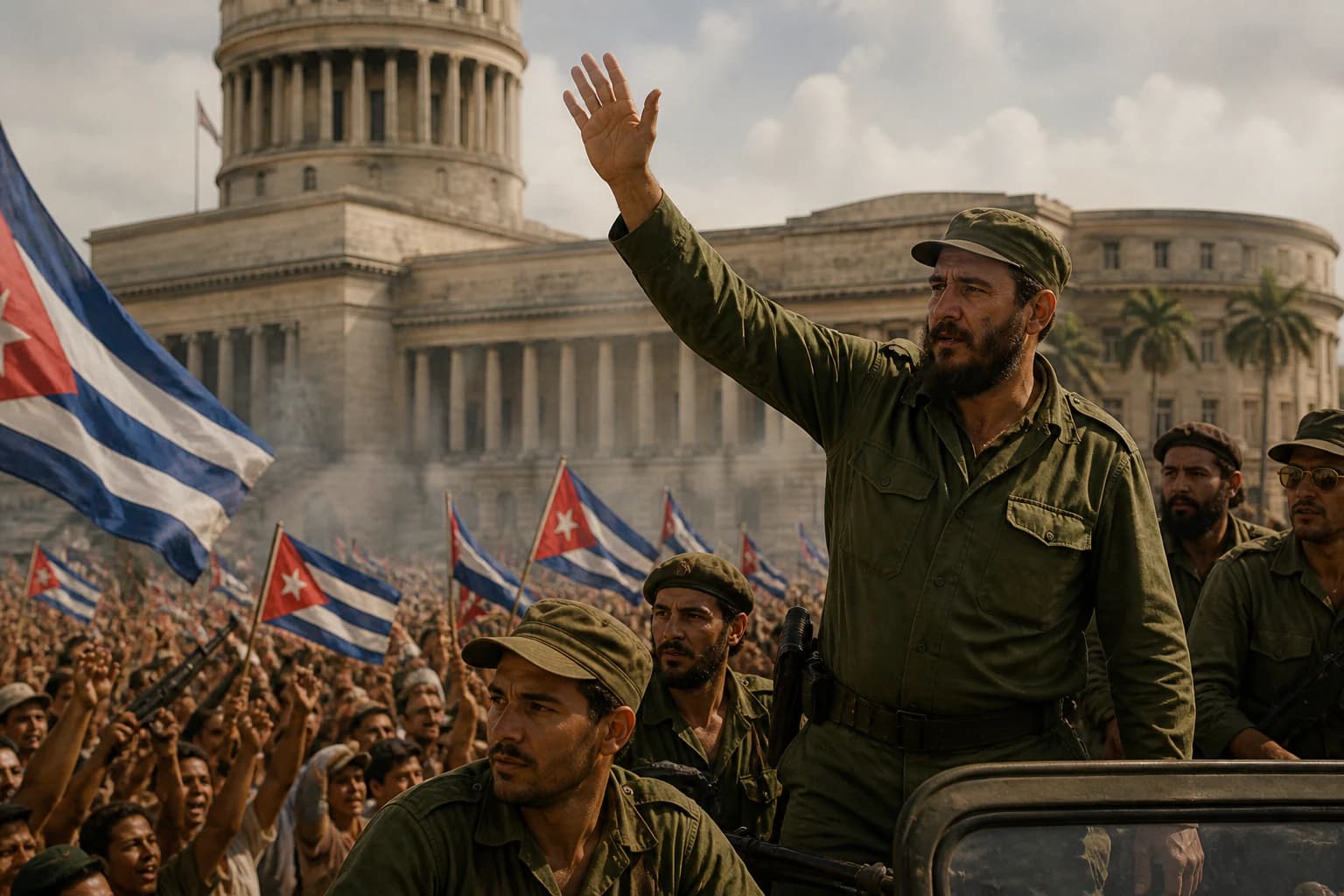
Cuba was once firmly under American influence. In 1959, a revolution changed everything — and set off a chain of events that nearly ended the world.

Before 1959, Cuba was run by a dictator called Batista who had American backing. Most Cubans were poor. American companies controlled much of the island's economy. There was deep resentment.

Fidel Castro led a revolution that overthrew Batista on 1 January 1959. He quickly took over American-owned businesses and moved toward communism. The United States cut off trade and began planning to remove him.

Cuba's revolution turned a Caribbean island into a front line of the Cold War — ninety miles from Florida.

Castro needed protection. The Soviet Union offered military support and trade. Cuba moved firmly into the Soviet camp. saw this as a direct threat on its doorstep.

This matters because those tensions — between Cuba, the United States, and the Soviet Union — would boil over just over three years later when Soviet nuclear missiles were secretly installed on the island.

The Bay of Pigs Fails
1961 CE
Step 2 of 101961 CEAccessible mode

The Bay of Pigs Fails

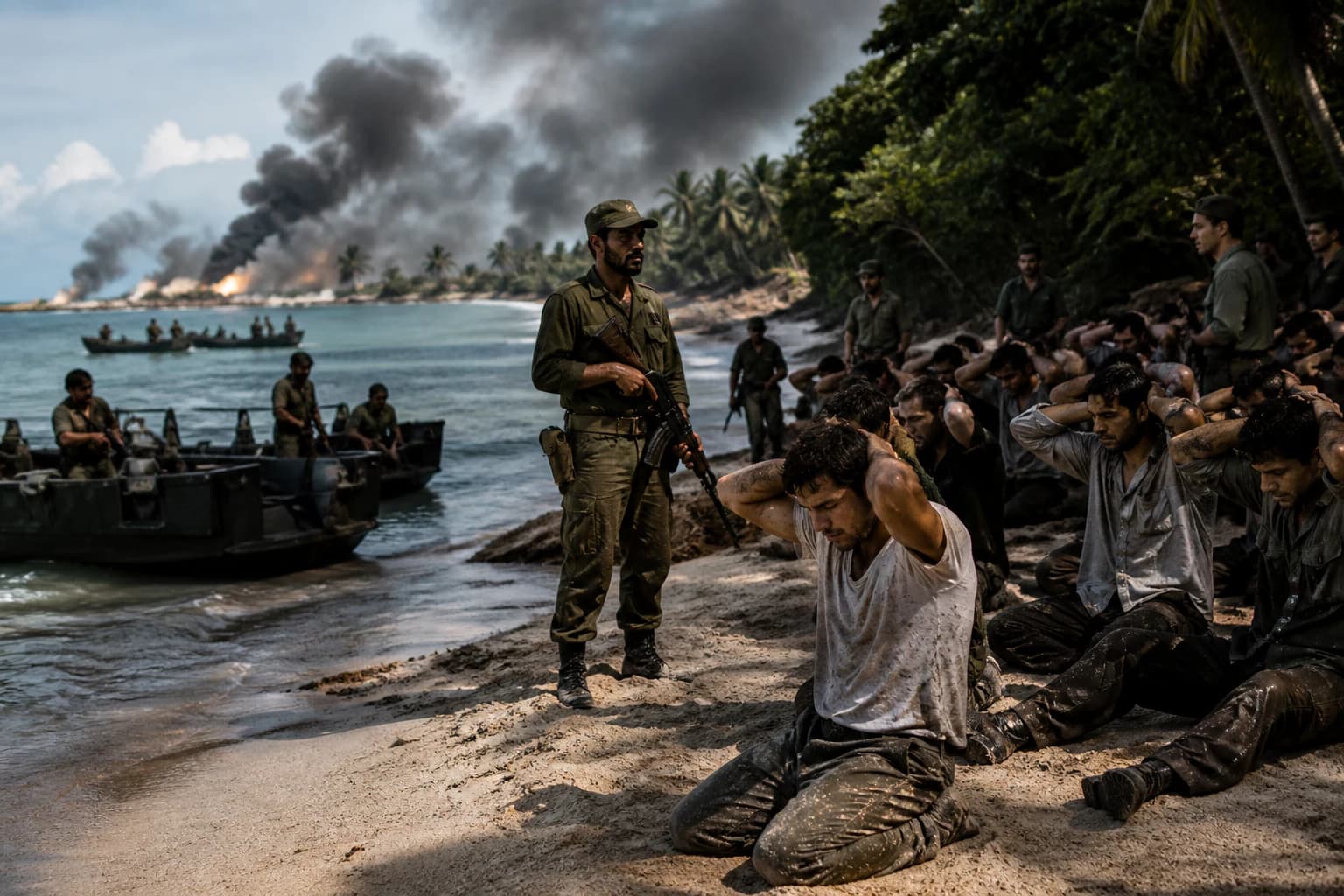
In April 1961, the United States tried to overthrow Castro using a secret CIA-backed invasion. It failed badly — and the failure made things much worse.

The CIA trained about 1,400 Cuban exiles to invade Cuba and topple Castro. Kennedy inherited the plan and approved it, but refused to provide US air support. Without that cover, the invasion failed within three days.

The men who landed at the Bay of Pigs were captured. It was an embarrassing failure. Kennedy looked weak. Castro looked stronger than ever.

The failed invasion convinced Castro he needed nuclear protection — and convinced Khrushchev that Kennedy could be pushed around.

Khrushchev concluded that Kennedy was not a tough opponent. That miscalculation would lead him to make a far bigger gamble the following year.

Castro, meanwhile, was convinced the Americans would try again. He turned to the Soviet Union for serious military protection — including, eventually, nuclear missiles.

Khrushchev Sends Missiles
1962 CE
Step 3 of 101962 CEAccessible mode

Khrushchev Sends Missiles

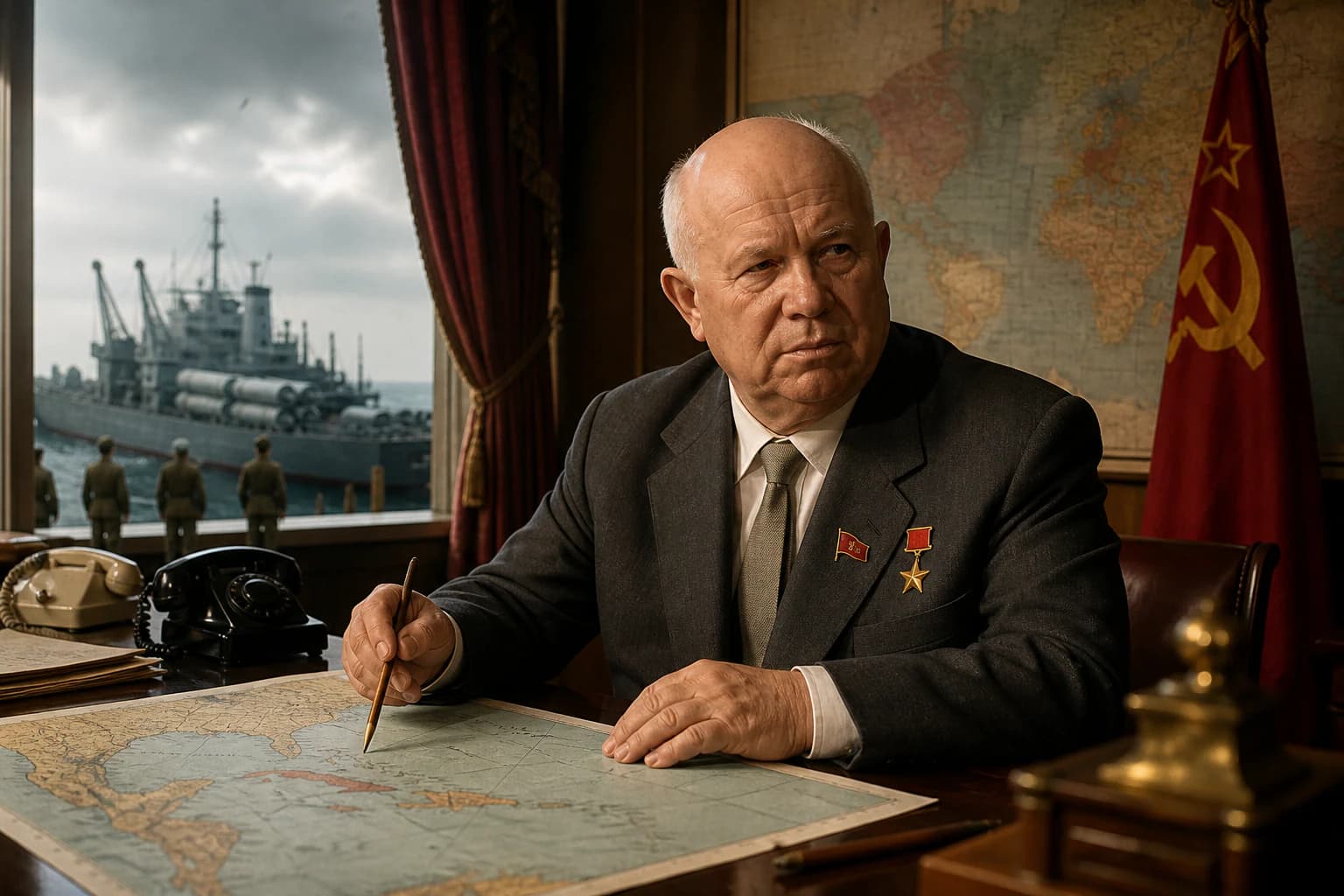
Khrushchev secretly decided to place Soviet nuclear missiles in Cuba. It was an enormous gamble — driven by fear, strategy, and a serious misjudgement of Kennedy.

The Soviet Union was far behind the United States in nuclear weapons. America had roughly 5,000 warheads; the Soviets had around 300. The US also had missiles in Turkey, pointing at Soviet cities. Khrushchev wanted to close the gap.

Cuba seemed like the perfect solution. Soviet missiles there would threaten American cities and give the Soviets leverage they lacked. It would also protect Castro from another US invasion attempt.

Khrushchev thought he could install nuclear missiles in secret, then reveal them as a done deal Kennedy would have to accept.

The Soviets shipped missiles, soldiers, and equipment to Cuba hidden in cargo freighters. Construction of launch sites began in mid-1962. Everything depended on the Americans not finding out until the missiles were ready.

They were found out. American spy planes had been photographing Cuba regularly. What they captured in October 1962 triggered the most dangerous crisis in history.

Premium

You've reached the turning point

The opening chapters show Cuba becoming the flashpoint of Cold War fear. Premium follows thirteen days when private decisions carried global risk: missiles are discovered, advisers debate war, and a secret bargain helps the world step back from catastrophe.

Continue into the reversals, crises and human stakes that make the story matter.

Unlock full story

What Premium unlocks next

  1. 4The Missiles Are Discovered
  2. 5ExComm Debates War
  3. 6Kennedy Orders a Quarantine
  4. 7The World Holds Its Breath
  5. 8The Crisis Nearly Breaks
  6. 9The Secret Deal
  7. 10Brinkmanship Leaves a Legacy

Browse stories

Browse stories for free

Explore the people connected to this turning point or enjoy one of our free stories.

Unlock full storyBrowse stories

References

Sources & Further Reading

Reliable sources, primary-source collections and reading paths connected to this page.

Sources used

  1. Office of the Historian, U.S. Department of State, The Cuban Missile Crisis, October 1962,” Open source
  2. John F. Kennedy Presidential Library and Museum, Cuban Missile Crisis,” Open source

Further reading

  1. Aleksandr Fursenko and Timothy Naftali, One Hell of a Gamble, W. W. Norton.

Primary sources

  1. National Security Archive, The Cuban Missile Crisis,” Open source

A weekly route through history

Find out first about the latest published stories, feature notes and occasional Premium offers in one weekly email.