Complete chronology
Full overview and deeper context for every journey step.
1917–1936
Privileged upbringing
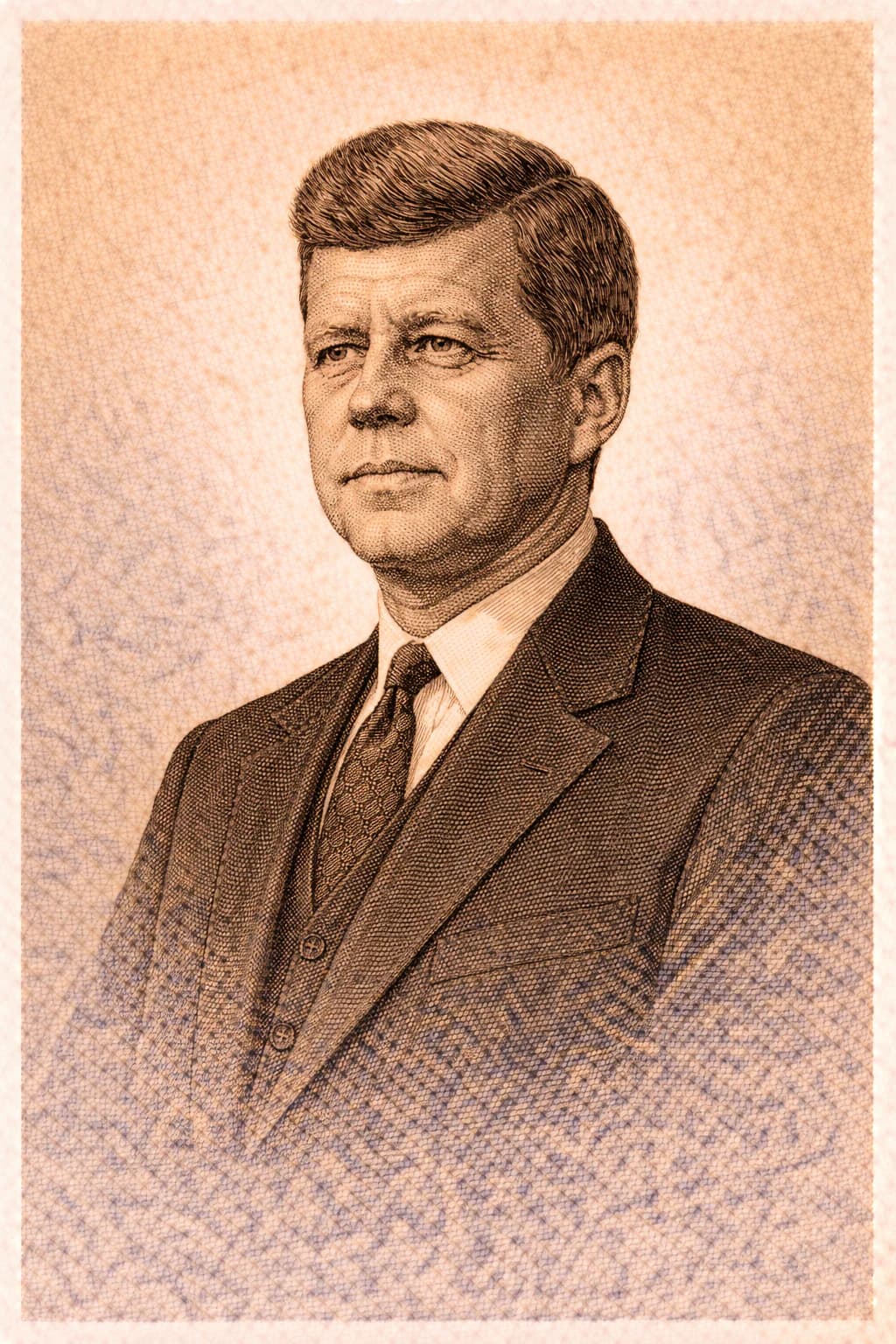
John Fitzgerald Kennedy was born on 29 May 1917 in Brookline, Massachusetts, into a family that treated public achievement almost as a duty. His father, Joseph P. Kennedy, was rich, politically connected and determined that his sons would matter in a country still shaped by anti-Catholic prejudice and old Protestant elites. Kennedy grew up with privilege, competition and chronic illness. He attended elite schools, travelled widely and watched power at close range while his father served as U.S. ambassador to Britain. The Kennedy story later became wrapped in glamour, but its foundations were demanding and dynastic. Jack Kennedy learned early that charm could conceal pain, and that politics was both performance and inheritance.
Privilege can open doors, but personal resilience determines how those opportunities are used.
1941–1945
War experience
Kennedy served in the U.S. Navy during the Second World War despite serious health problems. In August 1943, his patrol torpedo boat, PT-109, was rammed and sunk by a Japanese destroyer in the Solomon Islands. Kennedy helped surviving crewmen reach safety, towing an injured man by clenching the strap of his life jacket in his teeth as they swam. The episode became central to his public biography: courage under pressure, youth tested by war, leadership made visible. It also gave Kennedy a direct understanding of military danger that later mattered during Cold War crises. He was no armchair warrior, even if his later image was carefully polished.
Direct experience of conflict can profoundly shape a leader’s approach to future crises.
1946–1952
Entry into politics
The Kennedy family's original political hopes rested heavily on Joseph Kennedy Jr., who was killed in the war in 1944. Jack Kennedy became the heir to those ambitions. In 1946 he ran for Congress in Massachusetts's 11th district with money, organization, veterans' prestige and relentless family support. He was not yet a legislative heavyweight, but he was disciplined, personable and effective at retail campaigning. His early career was shaped by Cold War liberalism, anticommunism and the need to prove that a Catholic politician could command national trust. Kennedy was already learning how biography could be turned into political capital.
Political momentum often grows from a mix of timing, preparation, and public connection.
1953–1960
Senate years
Kennedy moved from the House to the Senate after defeating Henry Cabot Lodge Jr. in 1952. His Senate record was respectable but not transformative; his importance lay in national positioning. During recovery from back surgery, he worked on Profiles in Courage, which won the Pulitzer Prize, though the role of adviser Ted Sorensen in shaping the book remains part of the story. Kennedy cultivated an image of intellectual seriousness, war heroism and generational change. He also had to manage anti-Catholic prejudice, proving to Protestant voters that his religion would not place him under church control. By 1960 he was young, famous and ready.
Preparation for leadership often happens in roles that allow observation as much as action.
1960
Presidential campaign
The 1960 election was one of the closest in American history. Kennedy ran on the idea of a New Frontier, arguing that the United States needed vigor in the Cold War, civil rights, science and economic growth. The televised debates with Richard Nixon became famous because Kennedy looked calm and fresh while Nixon appeared drawn and uncomfortable, though radio listeners often judged the debate differently. Kennedy's Catholicism remained a major issue, and his Houston speech on church and state was essential to reassuring voters. His victory did not produce a sweeping mandate, but it announced a change in political style: younger, televised, elegant and intensely managed.
A compelling vision can tip the balance even in closely divided contests.
1961
Early presidency
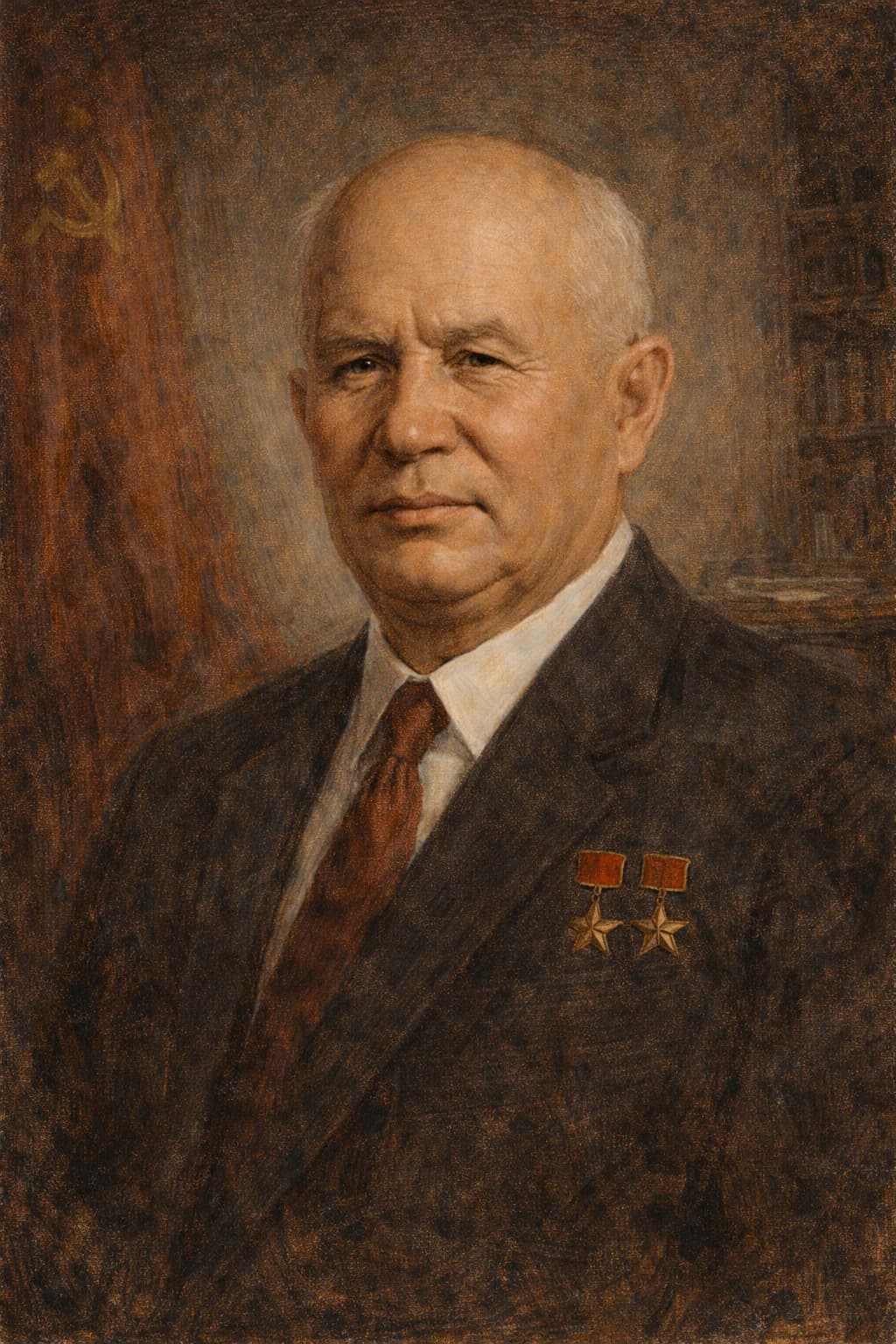
Kennedy entered office in January 1961 with soaring rhetoric, but early events were humbling. The Bay of Pigs invasion, a CIA-backed attempt to overthrow Fidel Castro in Cuba, collapsed disastrously in April 1961. Kennedy accepted public responsibility, but the failure damaged U.S. credibility and hardened Cuban-Soviet alignment. At the Vienna summit that June, Soviet leader Nikita Khrushchev judged the young president inexperienced, increasing Cold War pressure over Berlin. Kennedy responded by strengthening defense, creating the Peace Corps and setting the goal of landing an American on the moon before the decade ended. His presidency mixed idealism with rapid education in danger.
Early failure can become a foundation for stronger leadership if lessons are taken seriously.
1962
Crisis management
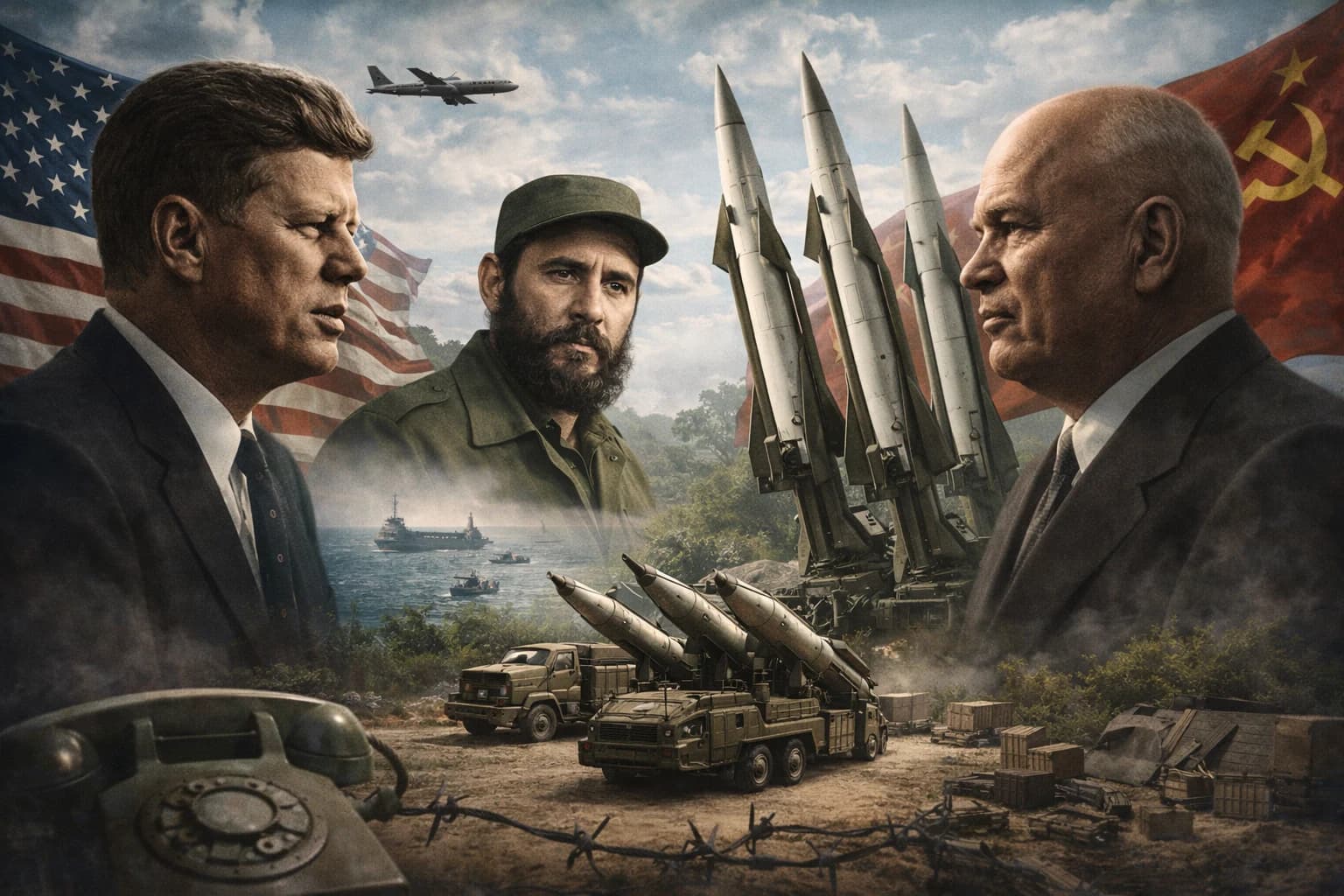
The Cuban Missile Crisis was Kennedy's defining test. When U.S. reconnaissance discovered Soviet nuclear missiles in Cuba, some advisers urged air strikes or invasion. Kennedy chose a naval quarantine while publicly demanding missile removal and privately searching for a way both superpowers could step back. The crisis ended when Khrushchev agreed to withdraw the missiles; the United States secretly agreed to remove Jupiter missiles from Turkey and pledged not to invade Cuba. Kennedy's handling was not flawless, and luck mattered. But his refusal to let military momentum dictate policy helped prevent catastrophe. The episode remains one of the clearest cases where presidential restraint mattered as much as resolve.
Restraint can be as powerful as force in moments of extreme tension.
1961–1963
Vision and reform
Kennedy's domestic record was unfinished and uneven. He inspired public service through the Peace Corps, backed the space program and made the moon landing a national Cold War project. On civil rights, he moved cautiously at first, fearing southern Democratic resistance, but events in Birmingham and the courage of civil rights activists pushed him toward a stronger bill in 1963. That legislation would become the Civil Rights Act under Lyndon Johnson. Kennedy also increased U.S. advisers in South Vietnam, leaving one of the most debated questions of his legacy: whether he would have escalated as Johnson did or sought a different path. The evidence allows argument, not certainty.
Leadership often involves balancing urgent problems with future ambitions.
1963
Assassination and legacy
Kennedy was shot and killed in Dallas, Texas, on 22 November 1963. Lee Harvey Oswald was arrested and then murdered by Jack Ruby before trial, feeding decades of conspiracy theories despite official conclusions that Oswald acted as the assassin. Kennedy's death transformed his presidency into memory before it could become a full record. The style, youth and unfinished agenda became part of the myth of Camelot, a term Jacqueline Kennedy helped attach to the administration after his death. Historical judgment has become more sober, noting health secrecy, womanizing, cautious civil rights politics and Cold War misjudgments alongside genuine crisis leadership and public inspiration. To ask why John F Kennedy was important is to see a short presidency whose symbolic power became almost as consequential as its policies.
A life cut short can magnify both accomplishments and unrealized potential.