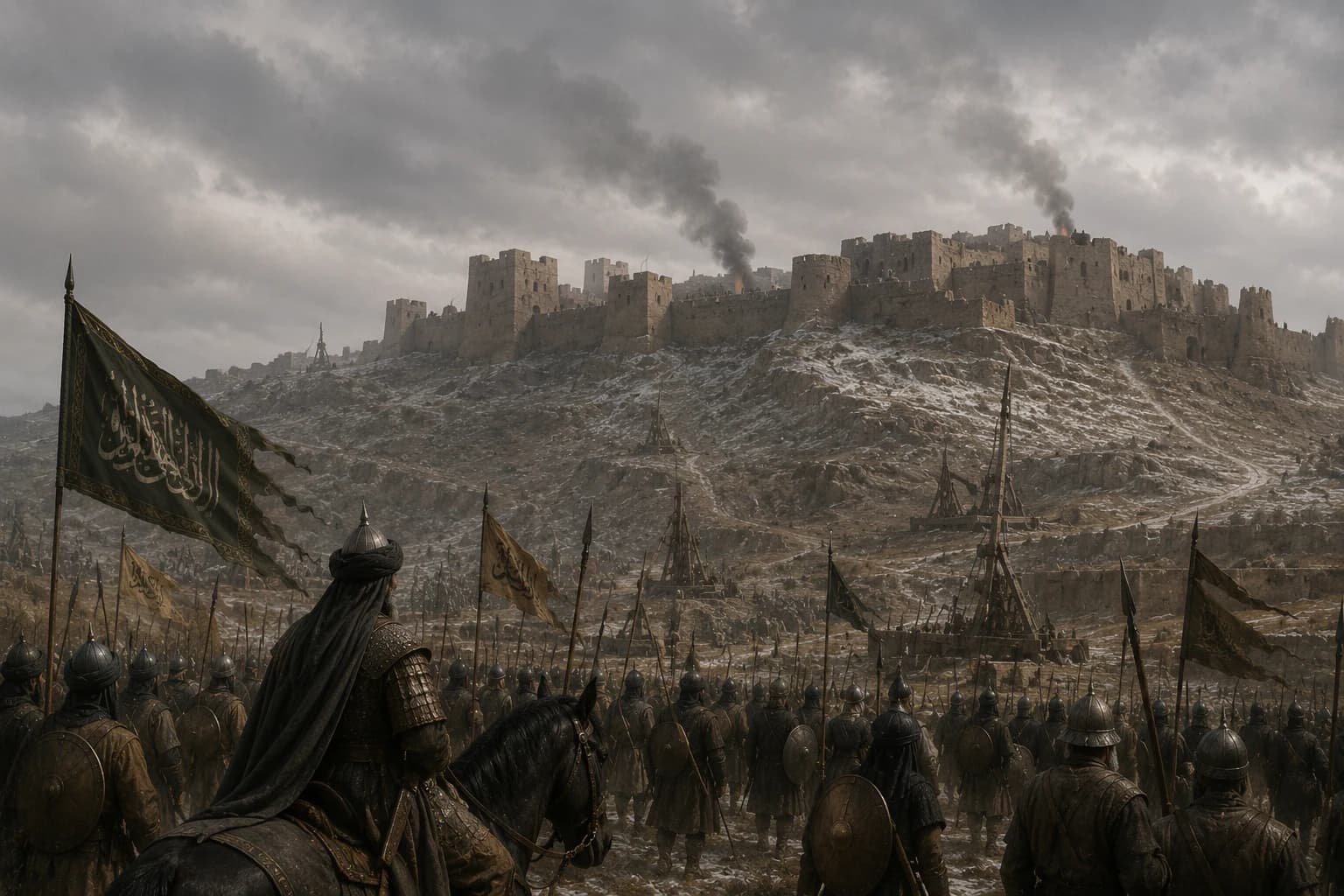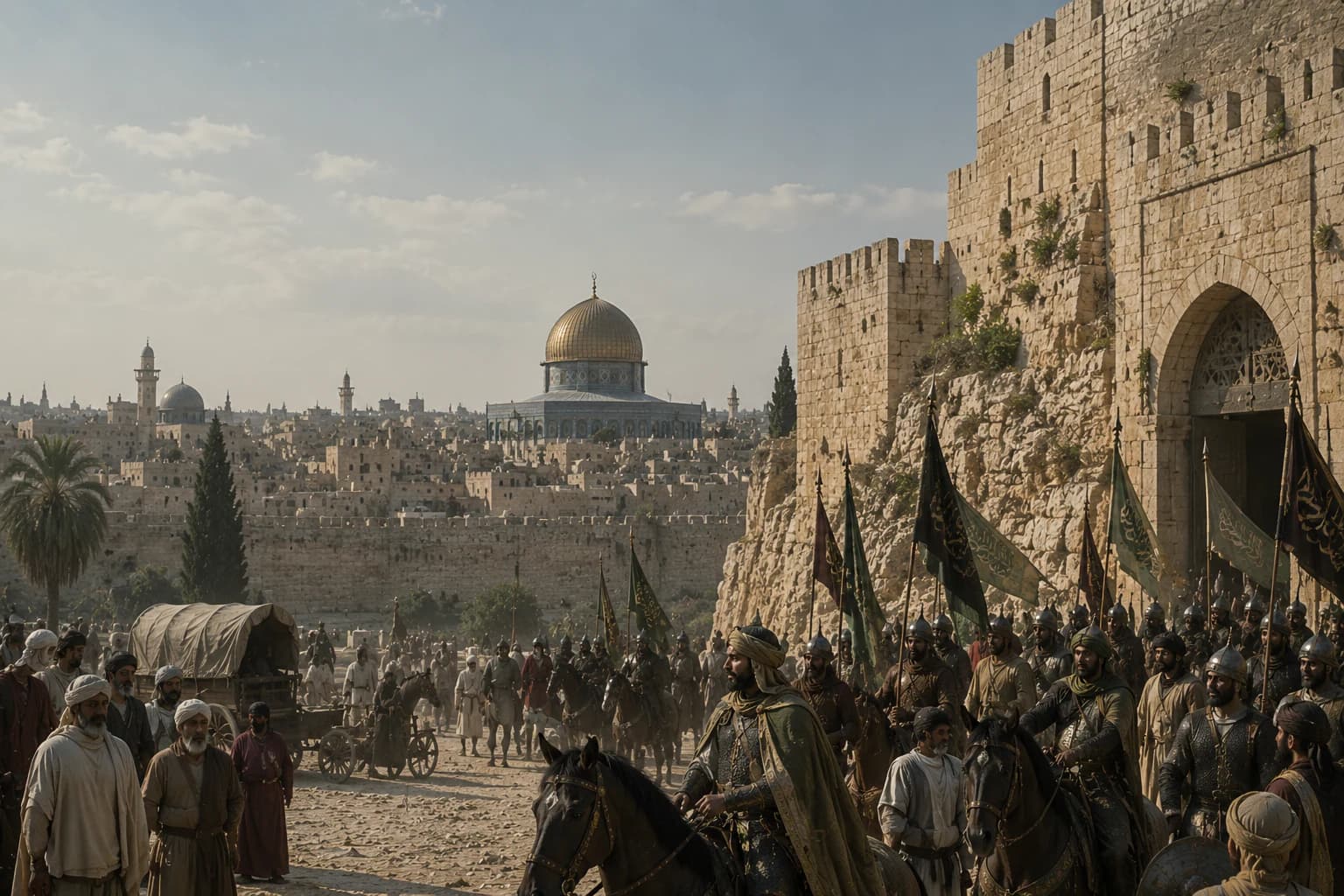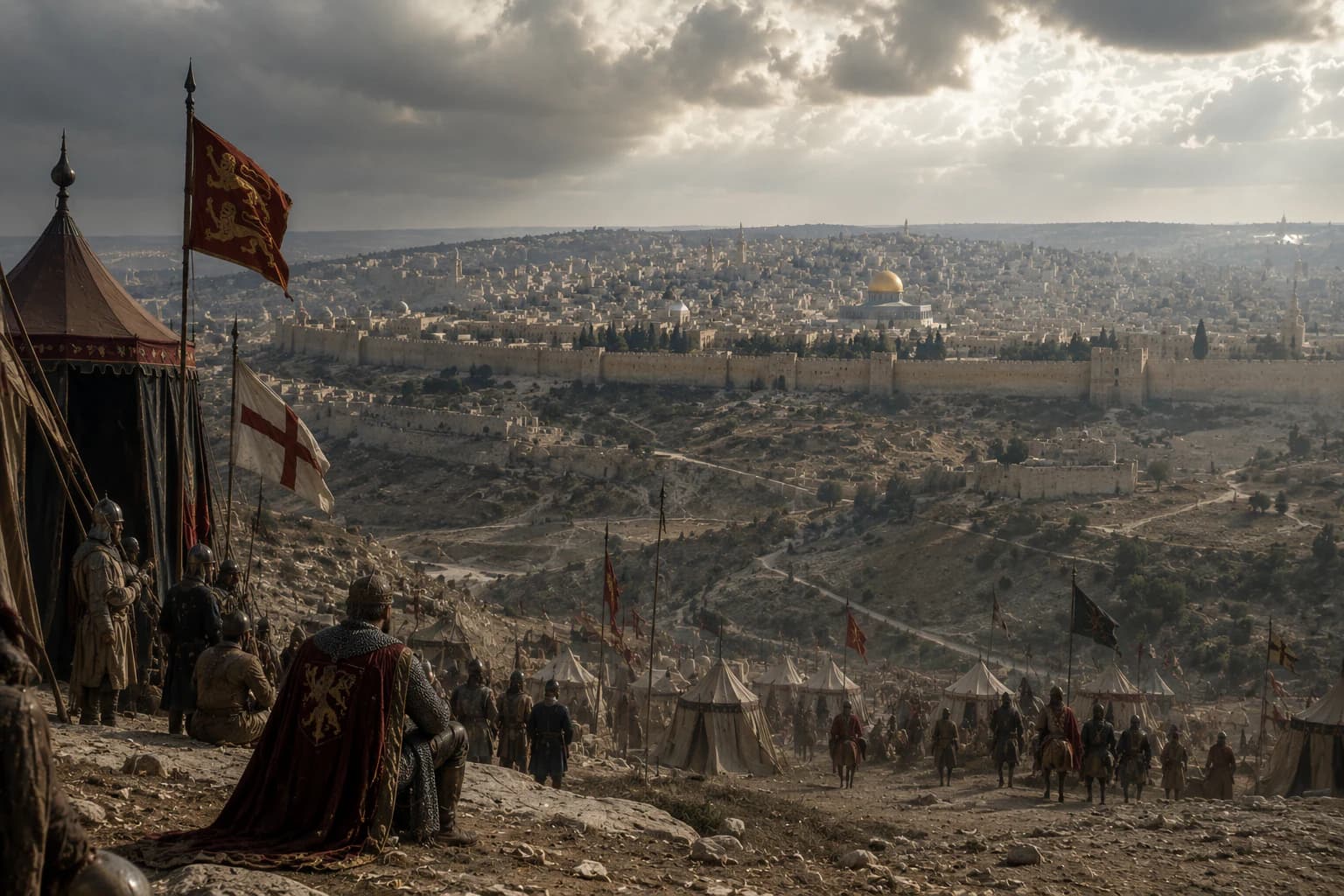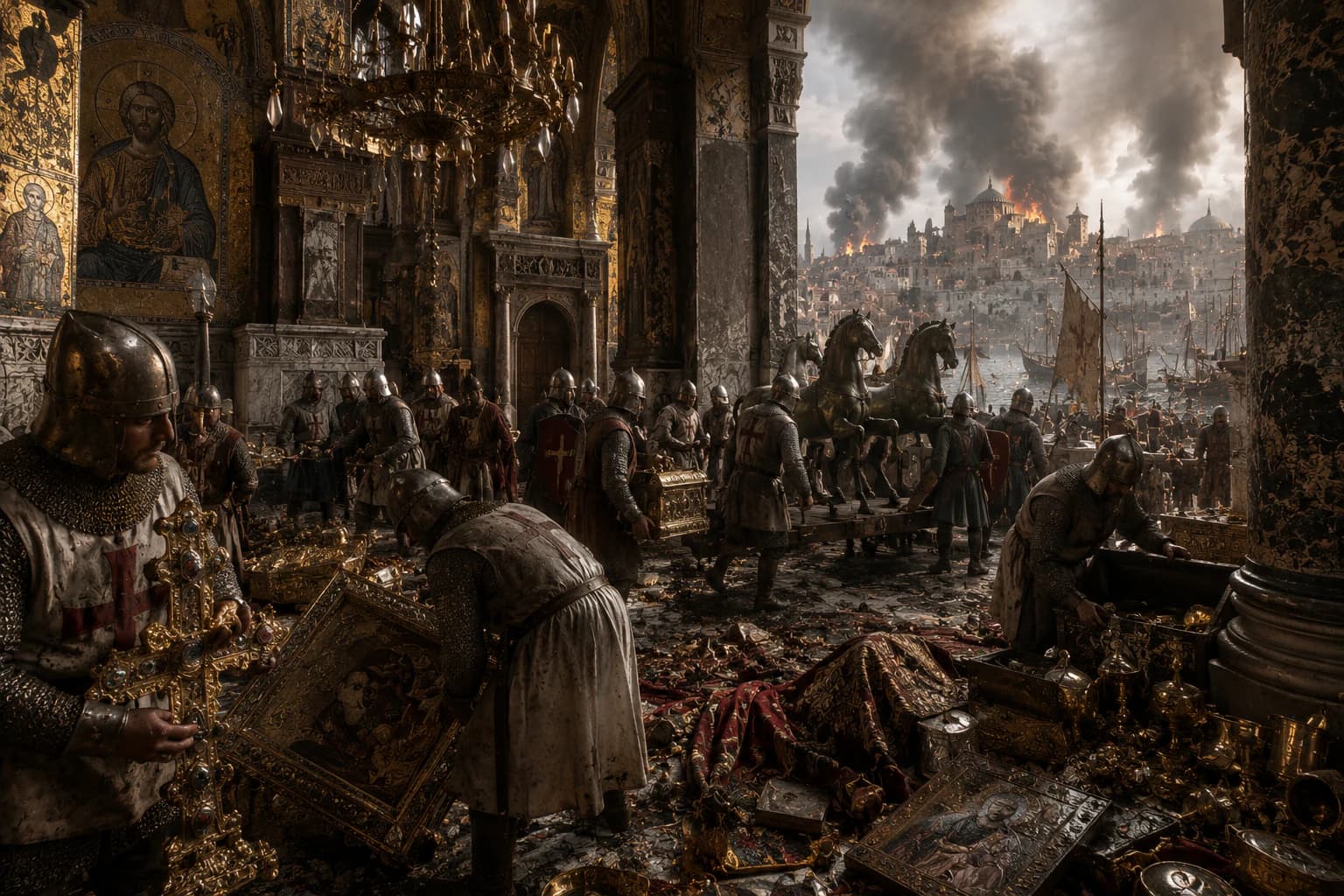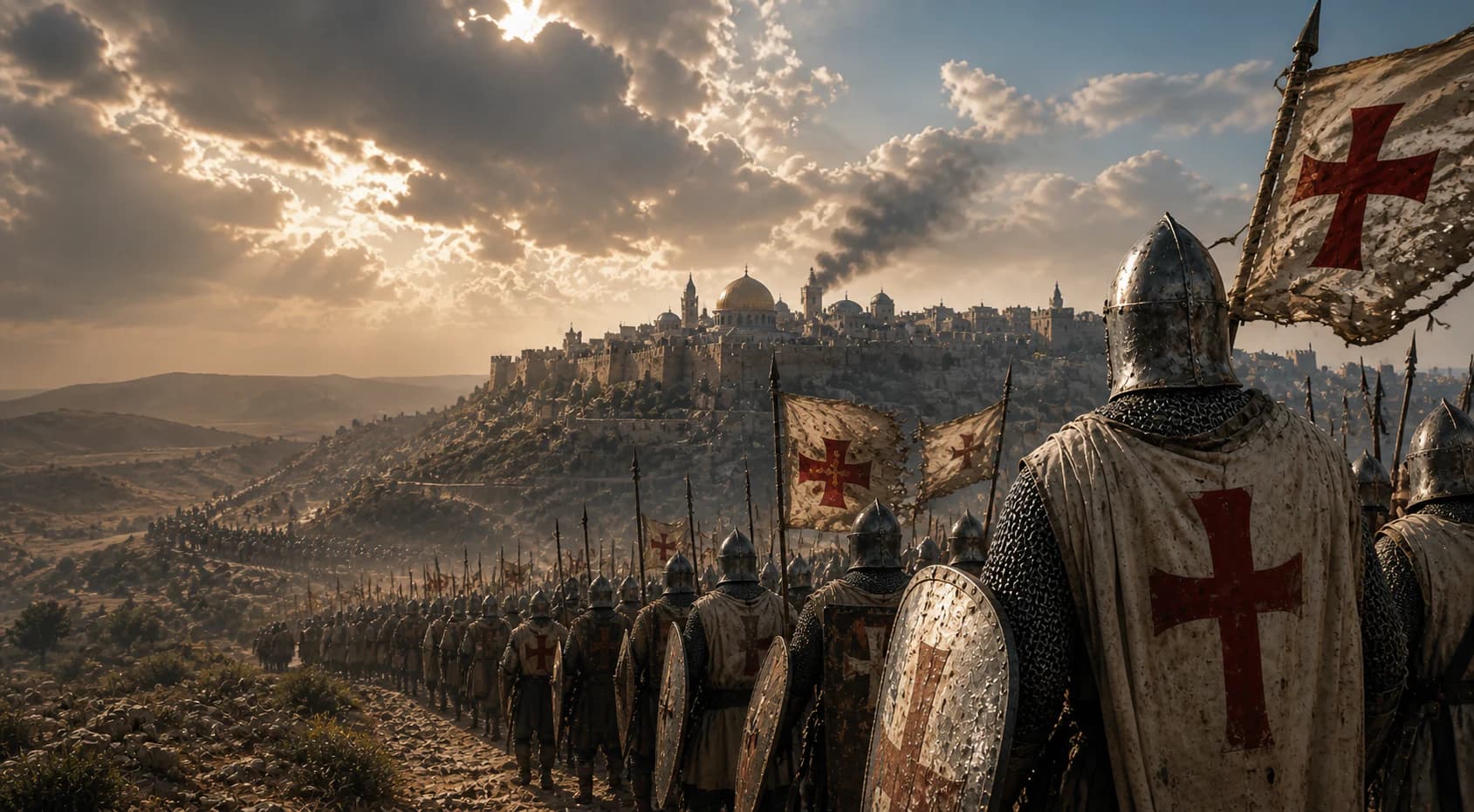
Crusader knights marching beneath a blazing sun toward the walled city of Jerusalem
Premium Story

The Crusades

March through the Crusades, from Clermont and Jerusalem to Saladin, Constantinople, and Acre’s fall.

11 chapters

Next

Content note

This story discusses war, violence, persecution, and death in an educational historical context.

Context

Introduction

Overview

The Crusades were a series of religious wars and armed expeditions launched by western Christians from the late eleventh century, especially toward and the eastern Mediterranean. They combined faith, violence, papal authority, land hunger, and political ambition. The Crusades reshaped relations between Christians, Muslims, and Jews, created crusader states, encouraged cultural exchange, and left a long and contested legacy.

What you'll learn: You will see why crusading began, how changed hands, how crusader states survived, and why the movement widened far beyond its first aim.

Key forces

The Call at Clermont
1095 CE
Step 1 of 101095 CEAccessible mode

The Call at Clermont

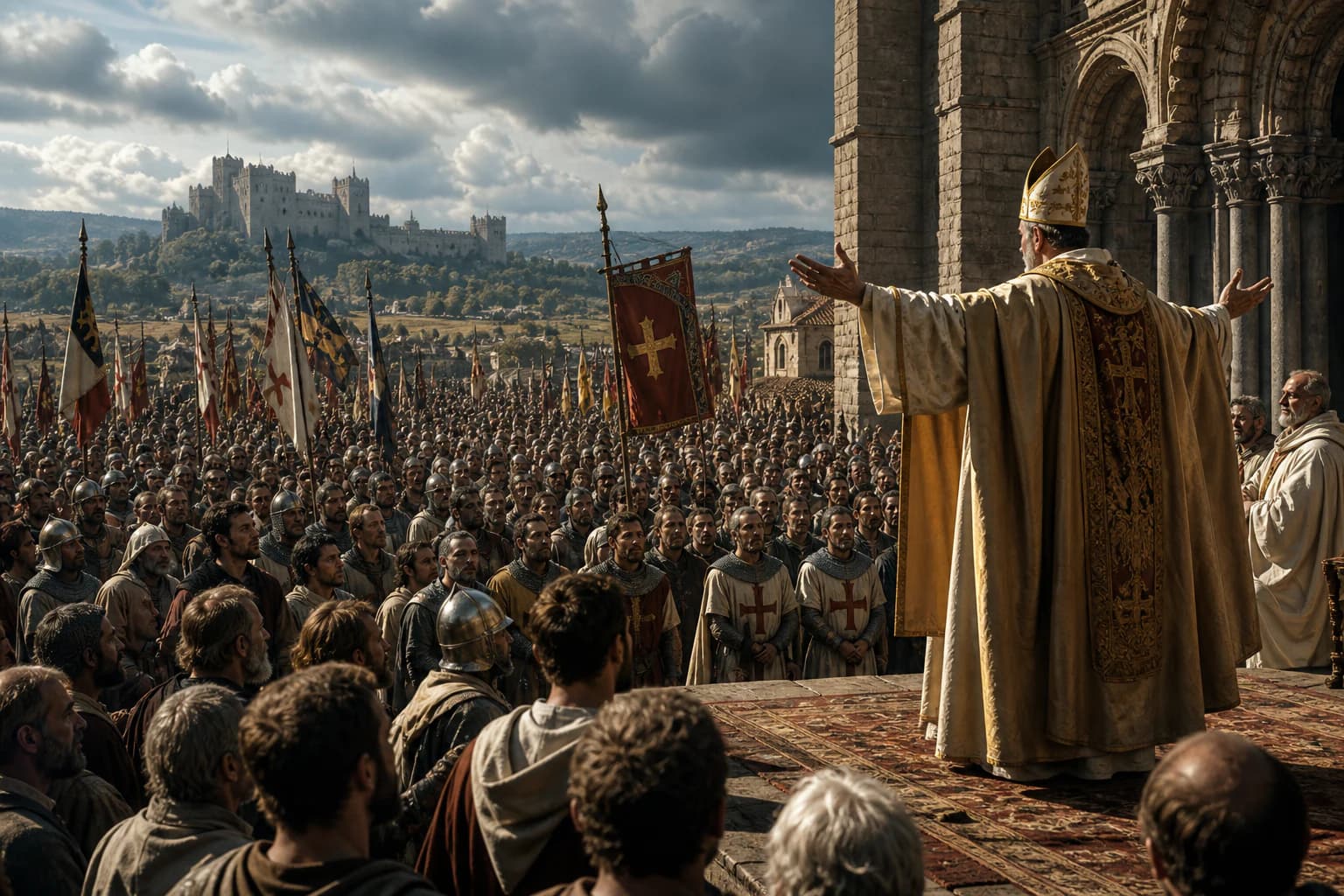
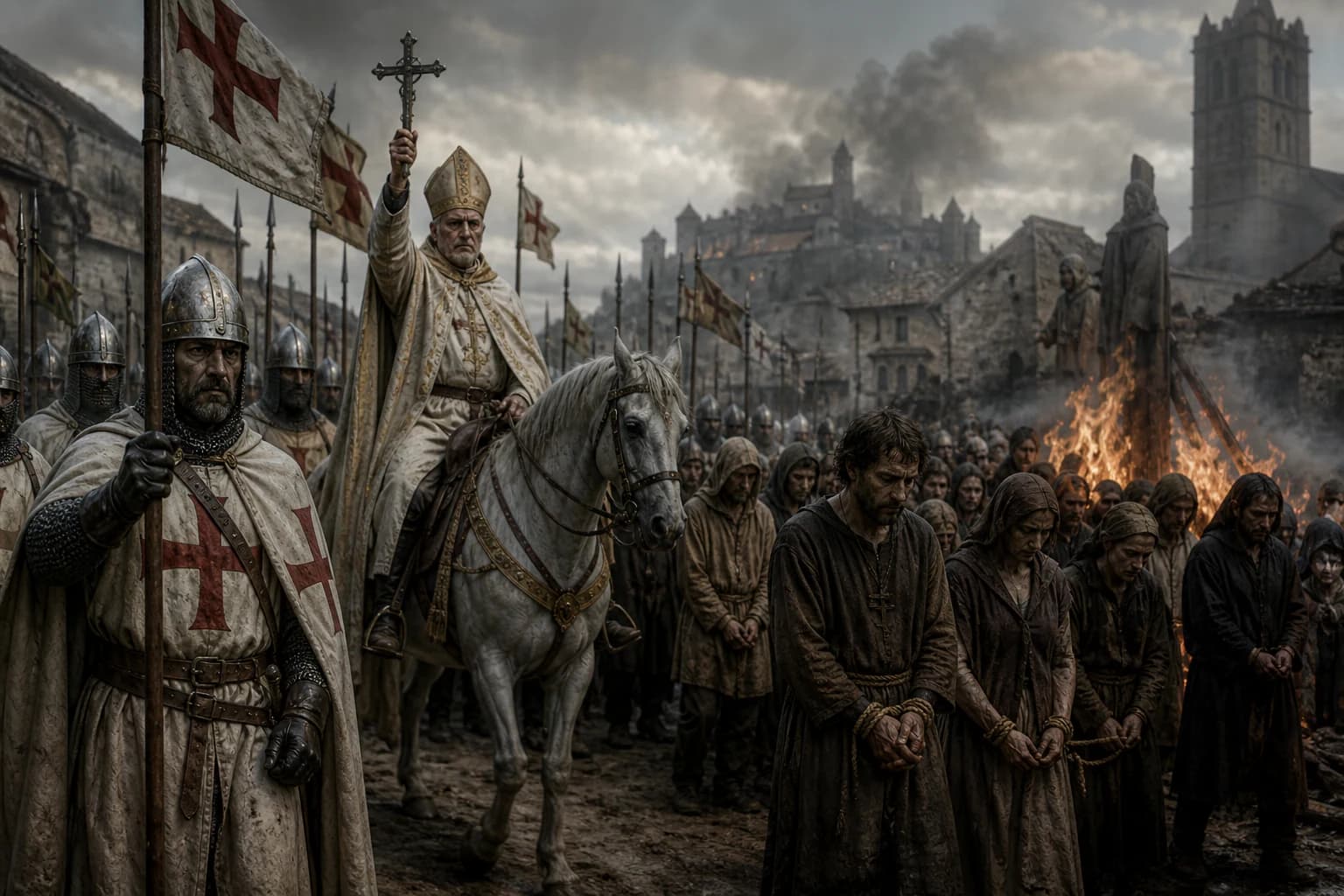
In 1095, a single speech by the Pope launched two centuries of holy war between Christian and Muslim worlds.

The Byzantine Empire was in trouble. The Seljuk Turks had taken much of its territory in what is now Turkey. The emperor in appealed to Pope Urban II for military help.

Urban saw his opportunity. At a church council in , France, he called on the knights of Europe to march to and fight for the Christian faith.

The crowds reportedly cried out before Urban had finished speaking. The idea had already taken hold.

The appeal worked for different reasons. Knights wanted glory and the forgiveness of their sins. The Pope wanted to expand his authority. Everyone wanted , the holiest city in Christianity.

This was something new. For the first time, warfare and religious devotion were officially fused into a single mission. Fighting became an act of worship.

This still matters today. The conflicts that began in 1095 left deep wounds between Christian and Muslim communities that shaped politics and tensions for centuries — and have not entirely healed.

The Road to Jerusalem
1096 CE
Step 2 of 101096 CEAccessible mode

The Road to Jerusalem

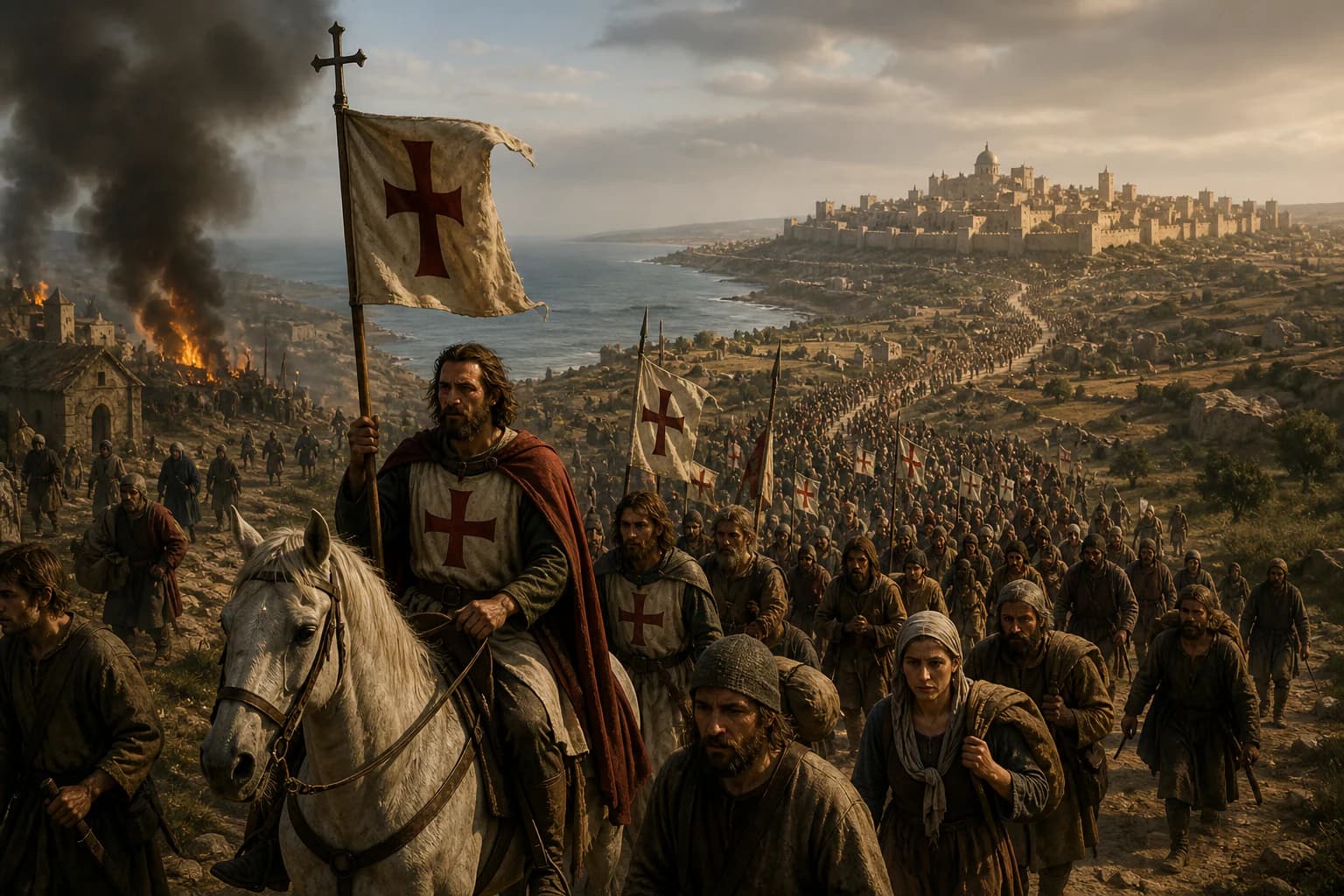
Thousands of people answered the Pope's call. The march to was chaotic, deadly, and marked by violence long before any crusader reached the Holy Land.

The First Crusade actually started in two waves. The first was a poorly organised flood of ordinary people, led by preachers like Peter the Hermit. They left too early, with few supplies, and most died before reaching .

The second wave was better organised. Noble armies from France, Normandy, and southern Italy gathered in late 1096 and began the long march east through Byzantium and into Syria.

The journey was its own ordeal — and it had barely begun.

Along the way, some crusaders turned on Jewish communities in cities like , , and . Thousands of Jews were killed in what became known as the Rhineland massacres.

The march east was brutal. Heat, hunger, disease, and hostile territory killed enormous numbers. But enough survived to continue, and to reach the walls of .

These events set a pattern that would repeat throughout the crusading era: extraordinary religious energy combined with extreme violence, often directed at the wrong people.

The Capture of Jerusalem
1099 CE
Step 3 of 101099 CEAccessible mode

The Capture of Jerusalem

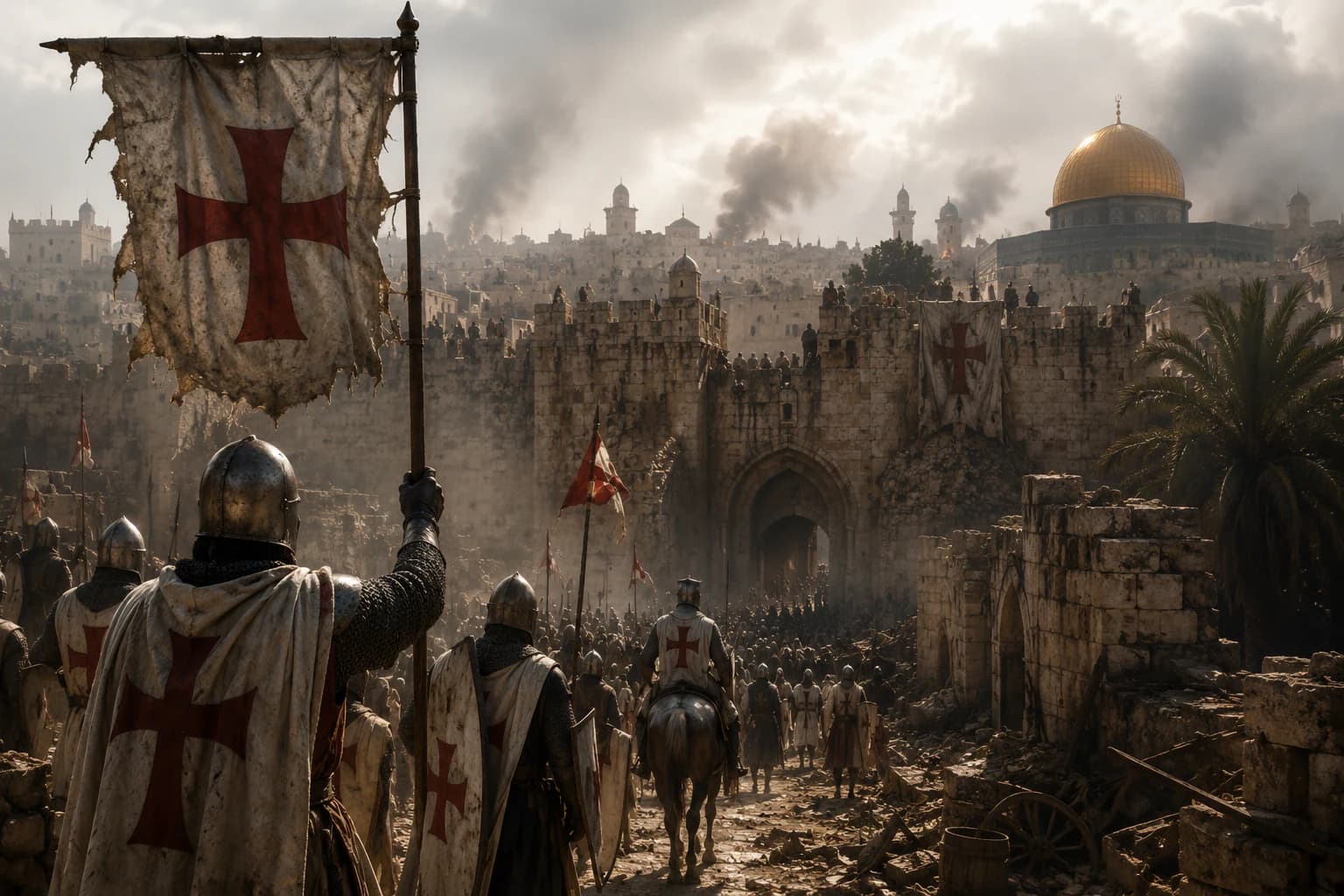
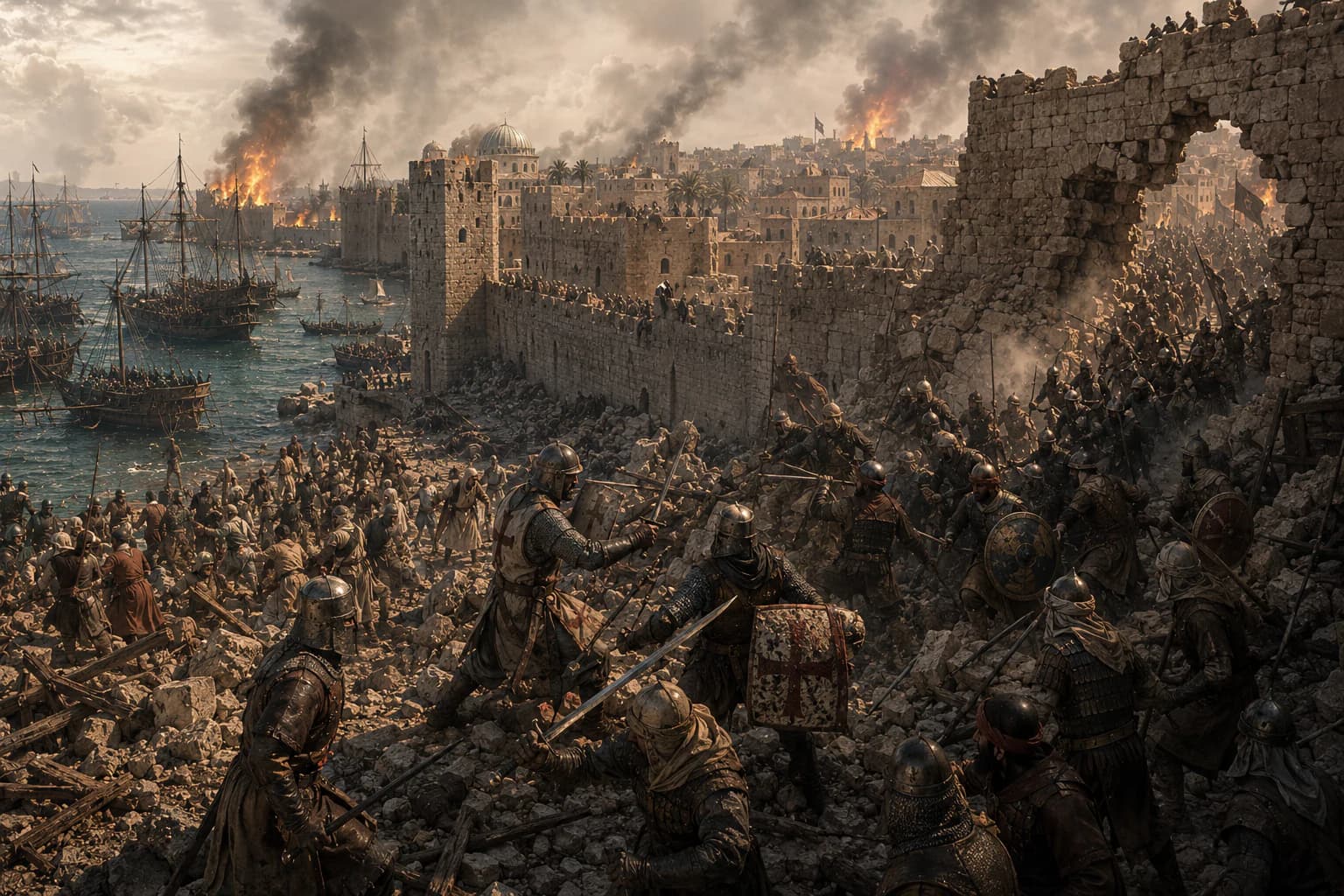
In July 1099, crusader armies broke into . What followed was a massacre remembered for centuries — as both triumph and horror.

After three years of brutal marching and fighting, the crusaders finally reached in June 1099. They had lost enormous numbers to battle, disease, and starvation.

The siege lasted about five weeks. When the walls were finally breached, the crusaders swept in and killed most of the city's population — Muslims and Jews alike.

The fall of in 1099 was one of the bloodiest days of the medieval world.

For the crusaders, this was a holy moment. They believed they were fulfilling God's will. Many wept as they prayed at .

For Muslim and Jewish communities, it was a catastrophe. The memory of the massacre lasted for centuries and became a central reference point in how the Islamic world understood the crusaders.

This event sits at the heart of how people understand the Crusades. It shows how sincere religious belief and extreme violence can exist together — and why this history is still deeply contested.

Premium

You've reached the turning point

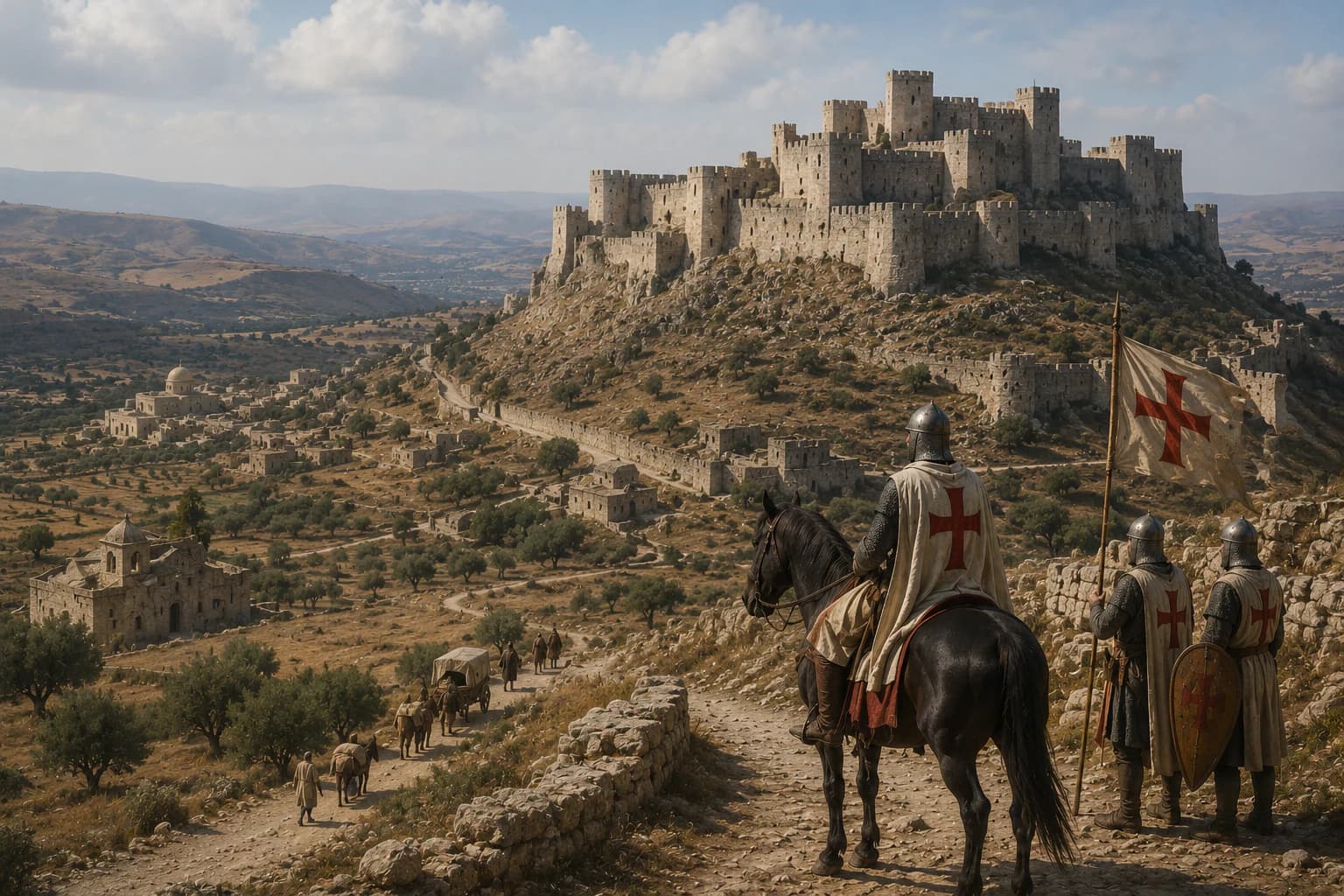
The opening chapters show a call to holy war becoming an armed journey east. Premium follows the harder legacy: crusader states struggle to survive, Muslim counterattack gathers strength, Jerusalem changes hands and the violence spreads beyond the land first promised.

Continue into the reversals, crises and human stakes that make the story matter.

Unlock full story

What Premium unlocks next

  1. 4The Crusader States
  2. 5The Rise of Muslim Counterattack
  3. 6Saladin Takes Jerusalem
  4. 7The Third Crusade
  5. 8The Sack of Constantinople
  6. 9Crusading Beyond the Holy Land
  7. 10The Fall of Acre

Browse stories

Browse stories for free

Explore the people connected to this turning point or enjoy one of our free stories.

Unlock full storyBrowse stories

References

Sources & Further Reading

Reliable sources, primary-source collections and reading paths connected to this page.

Sources used

  1. Encyclopaedia Britannica, Crusades,” Open source
  2. The British Library, The Crusades,” Open source

Further reading

  1. Christopher Tyerman, God's War: A New History of the Crusades, Harvard University Press.

Primary sources

  1. Fordham University, Internet Medieval Sourcebook: Crusades,” Open source

A weekly route through history

Find out first about the latest published stories, feature notes and occasional Premium offers in one weekly email.