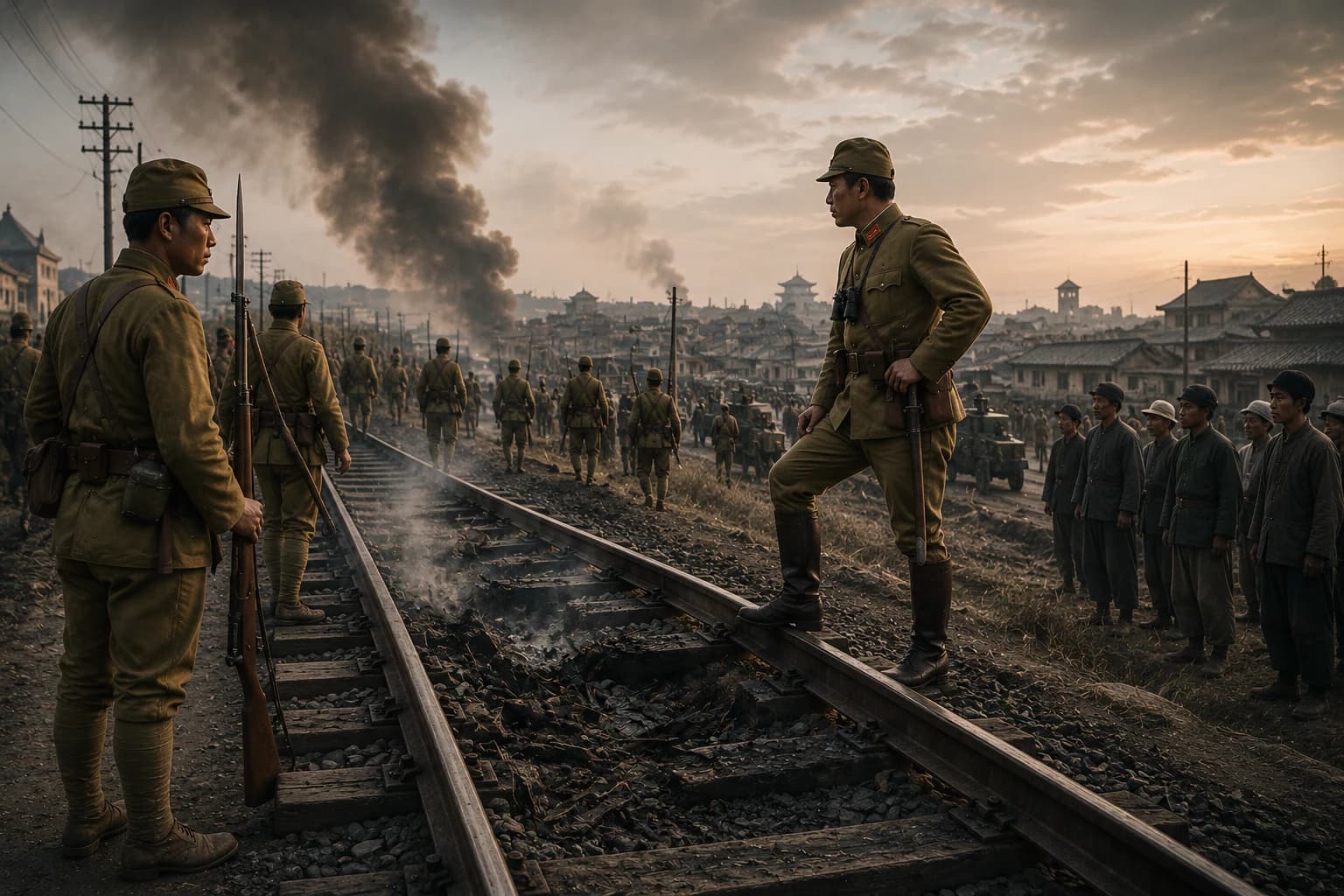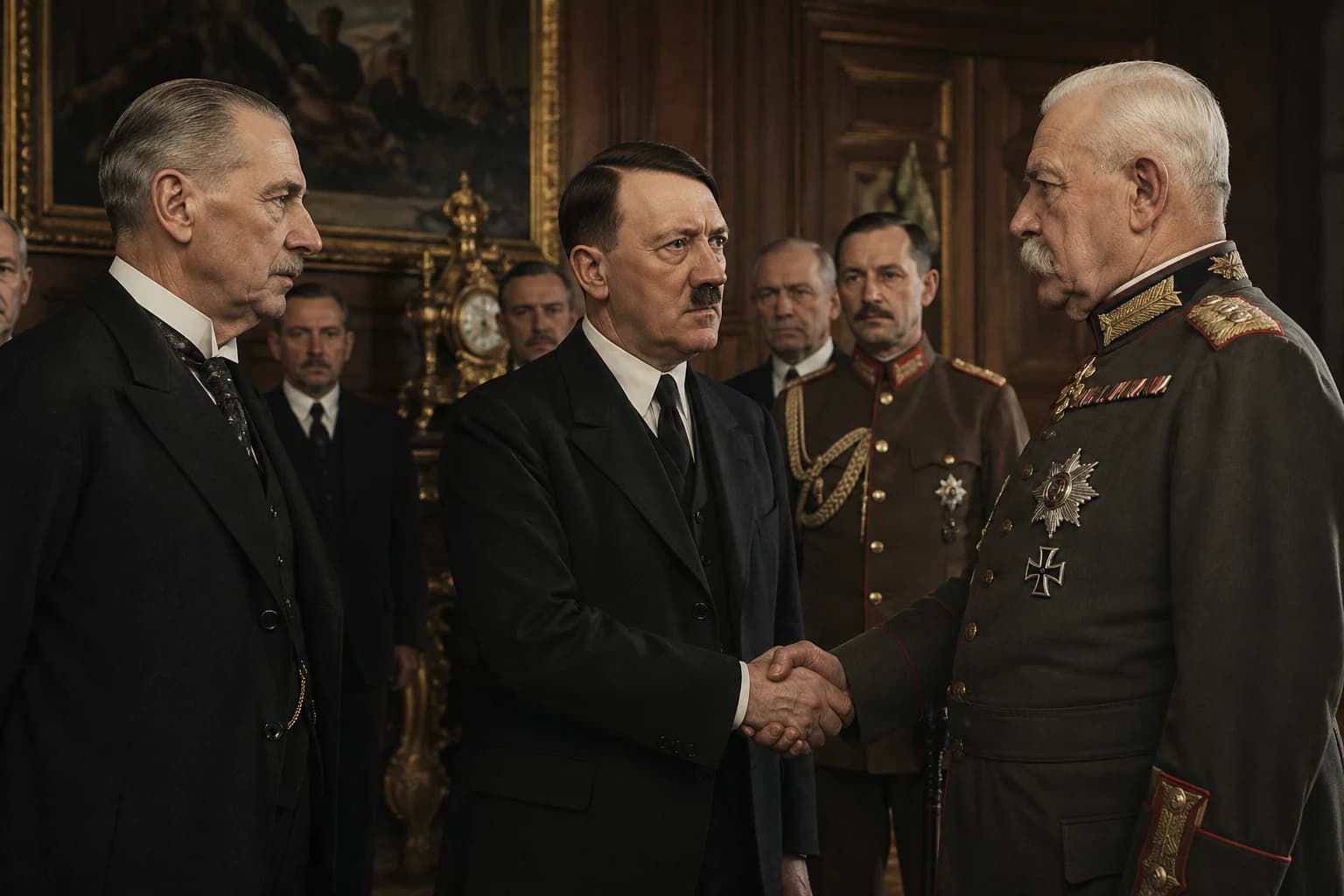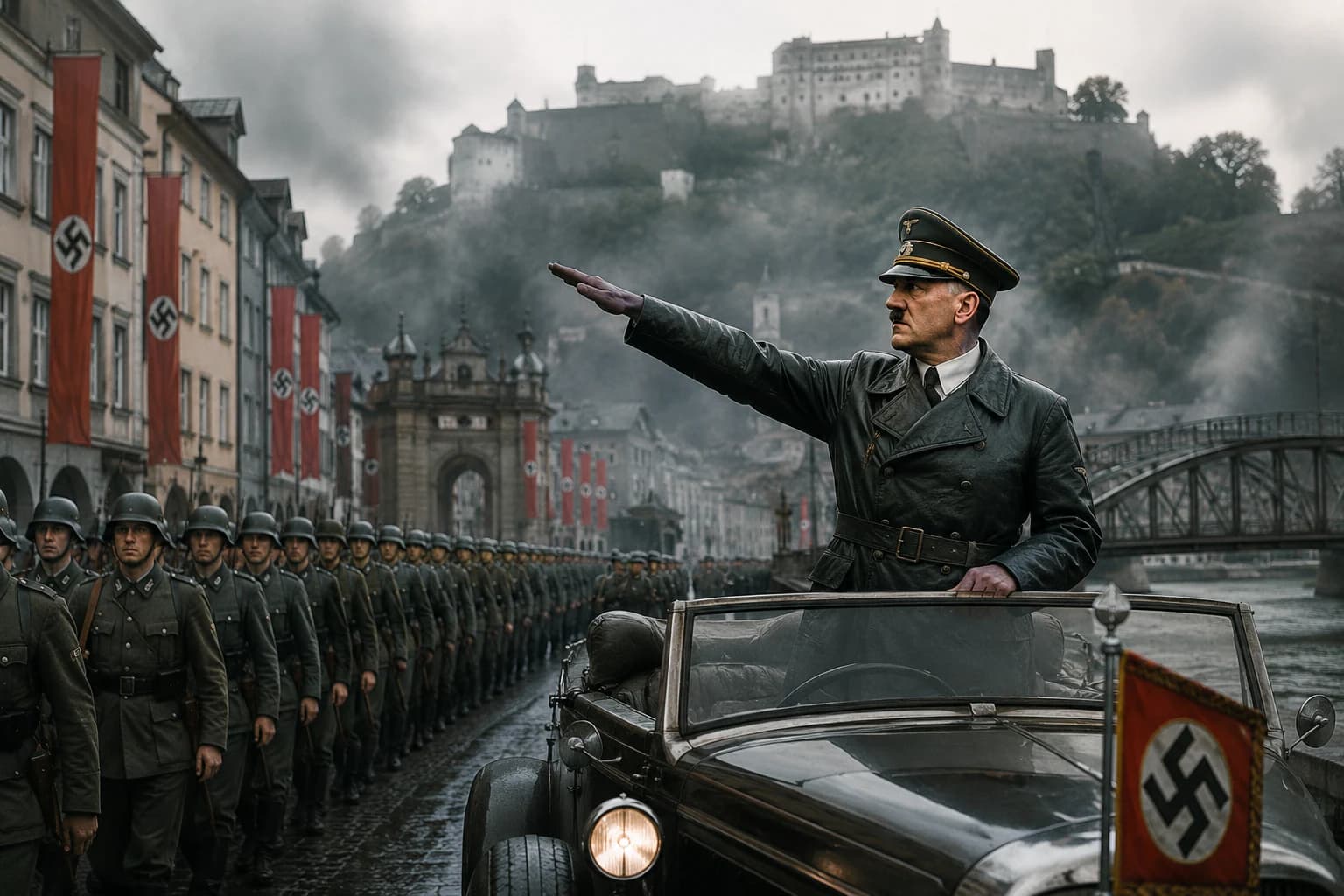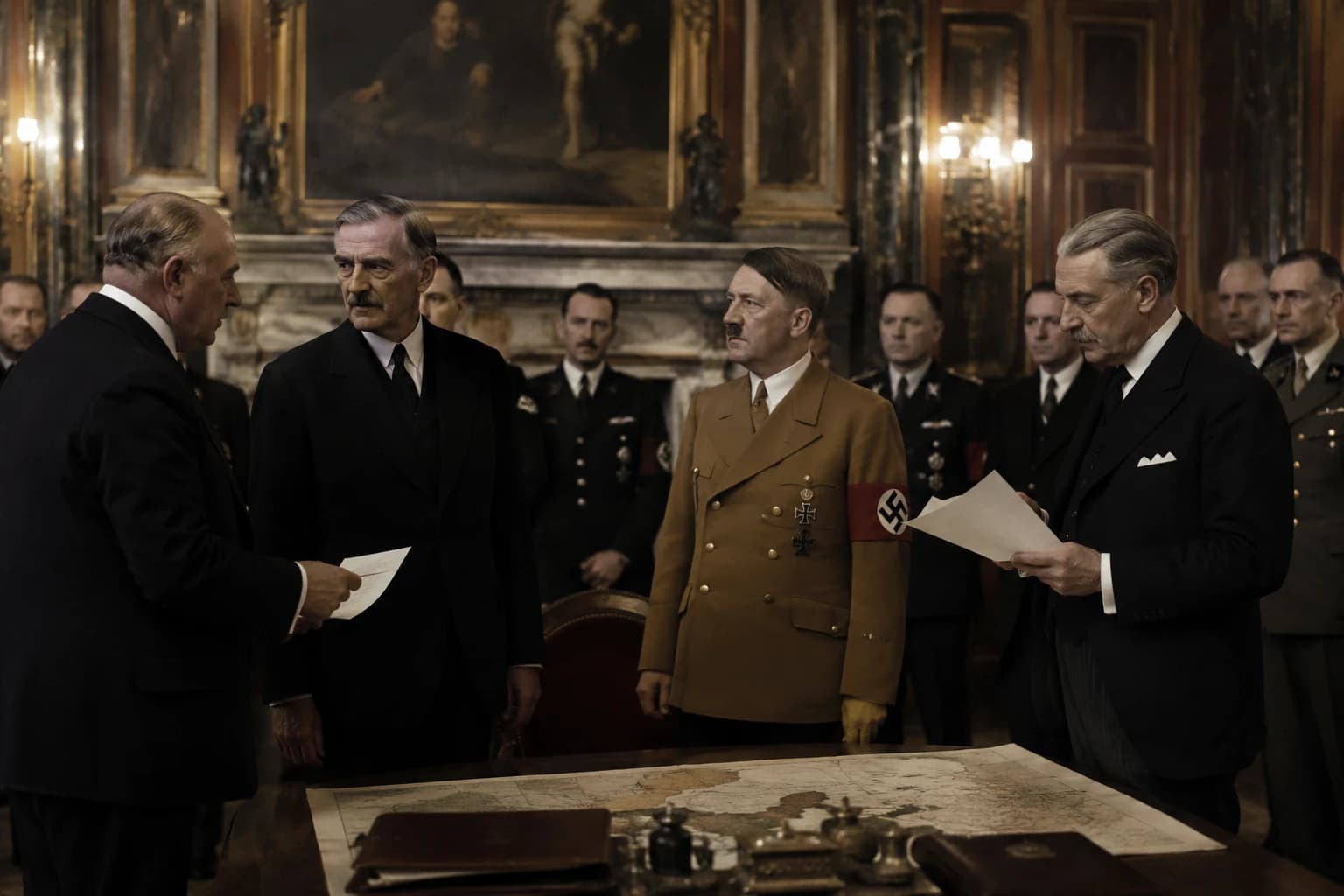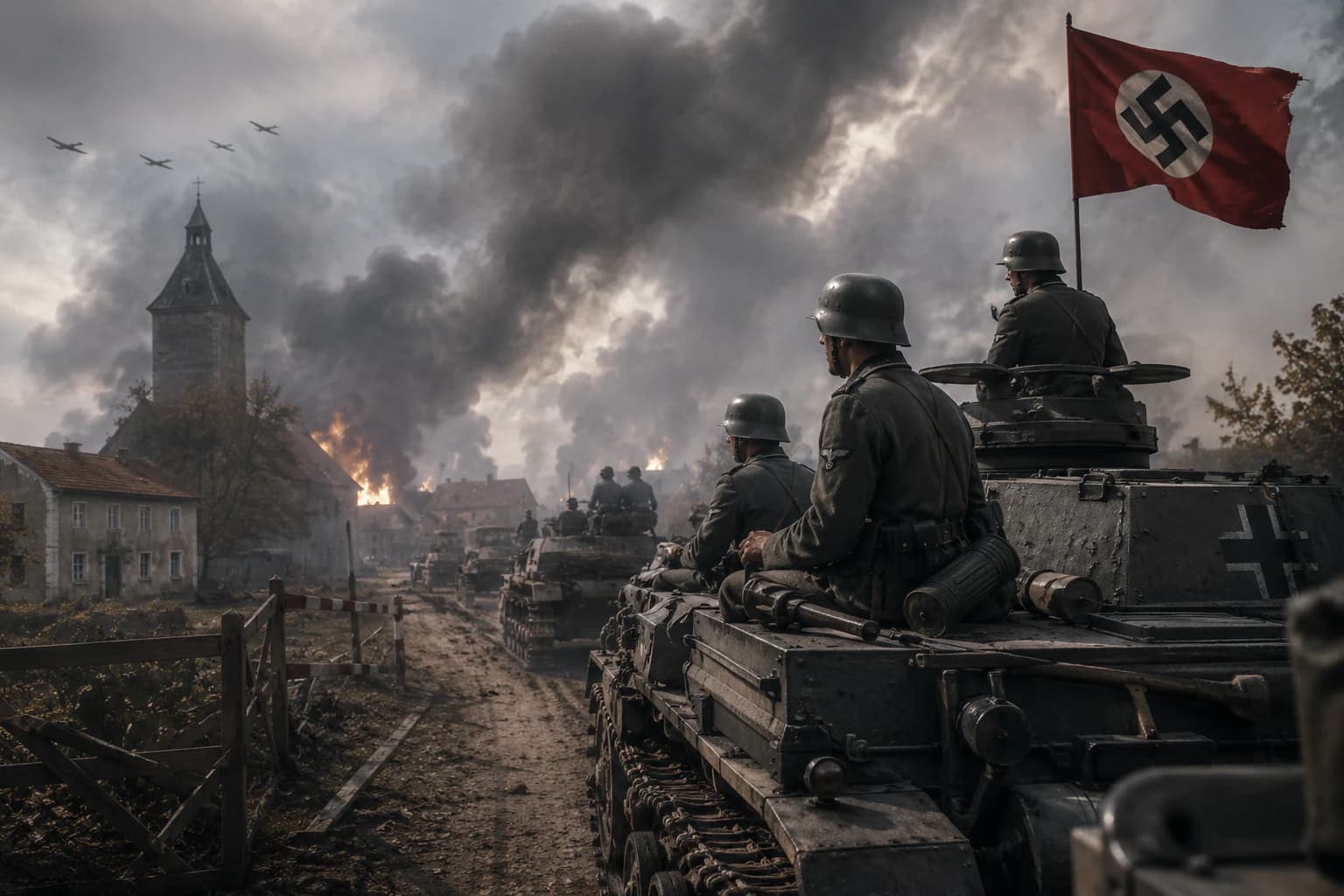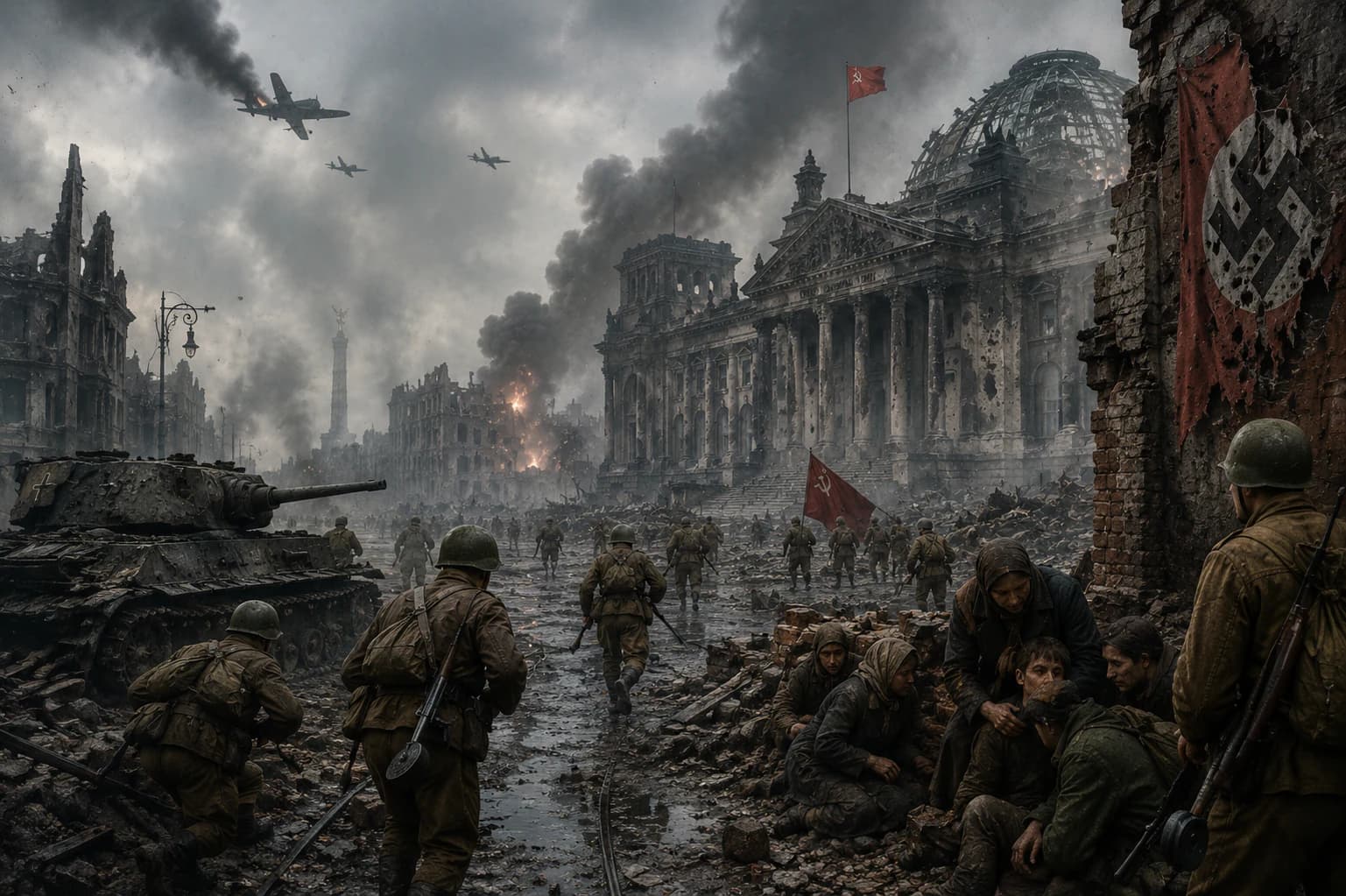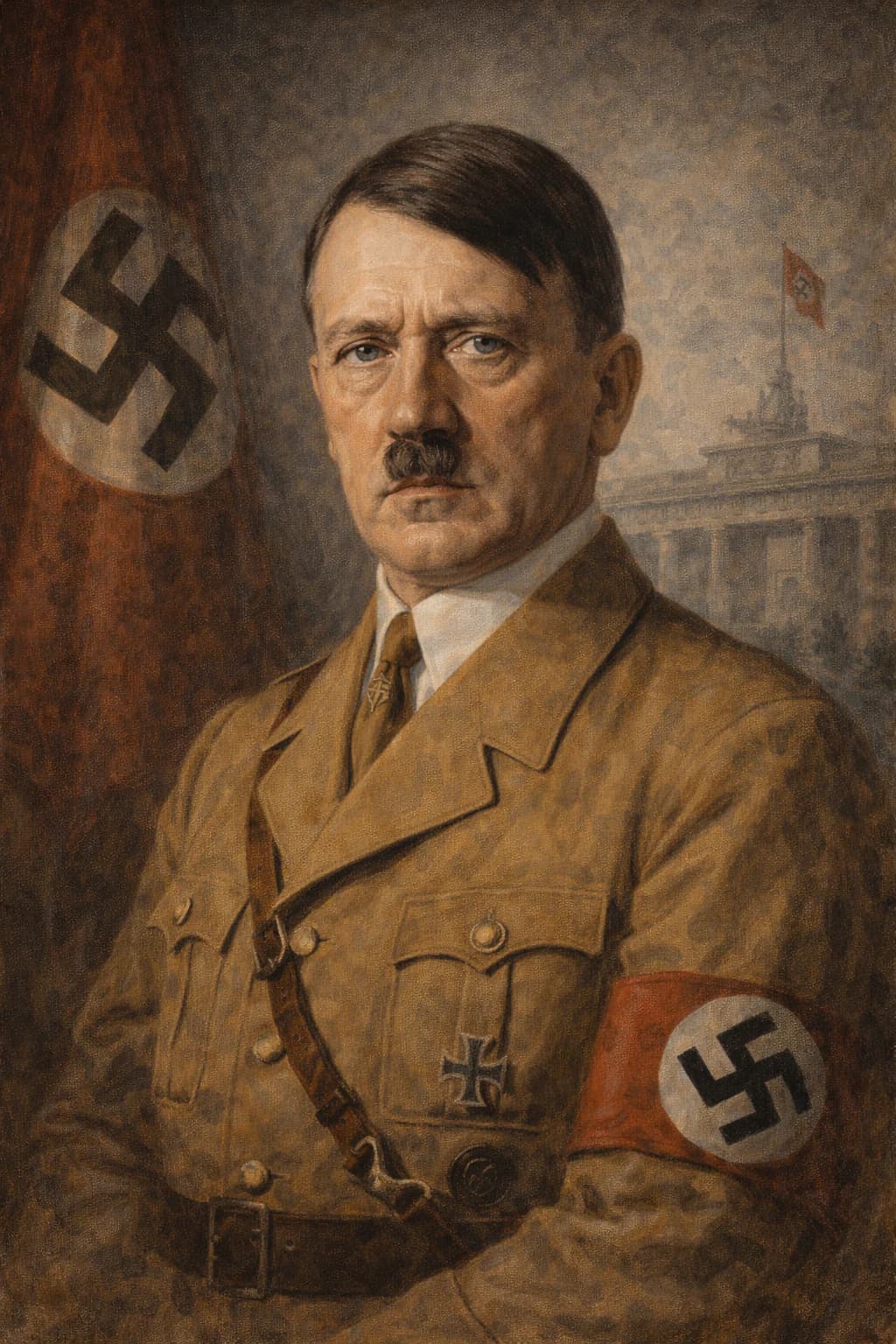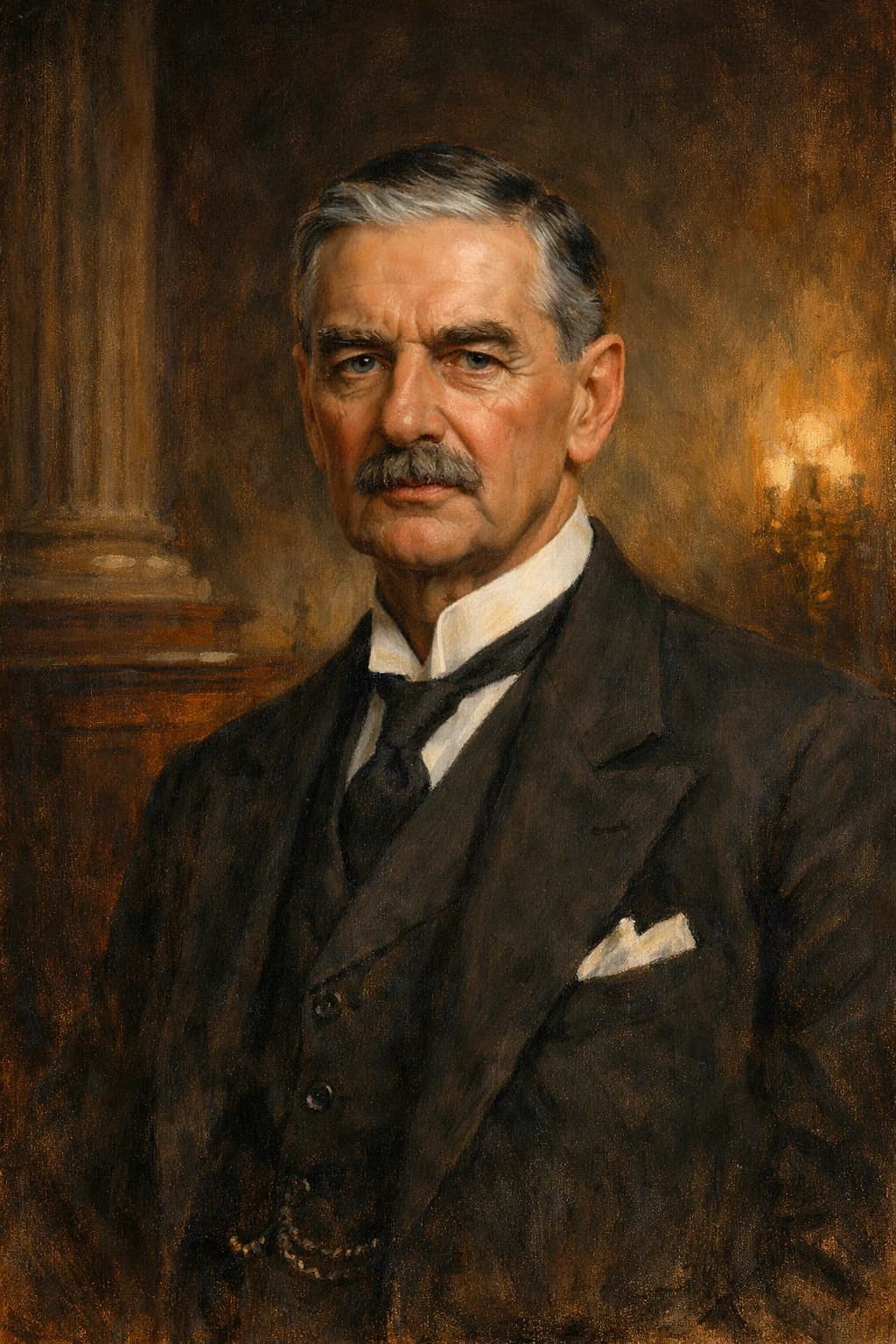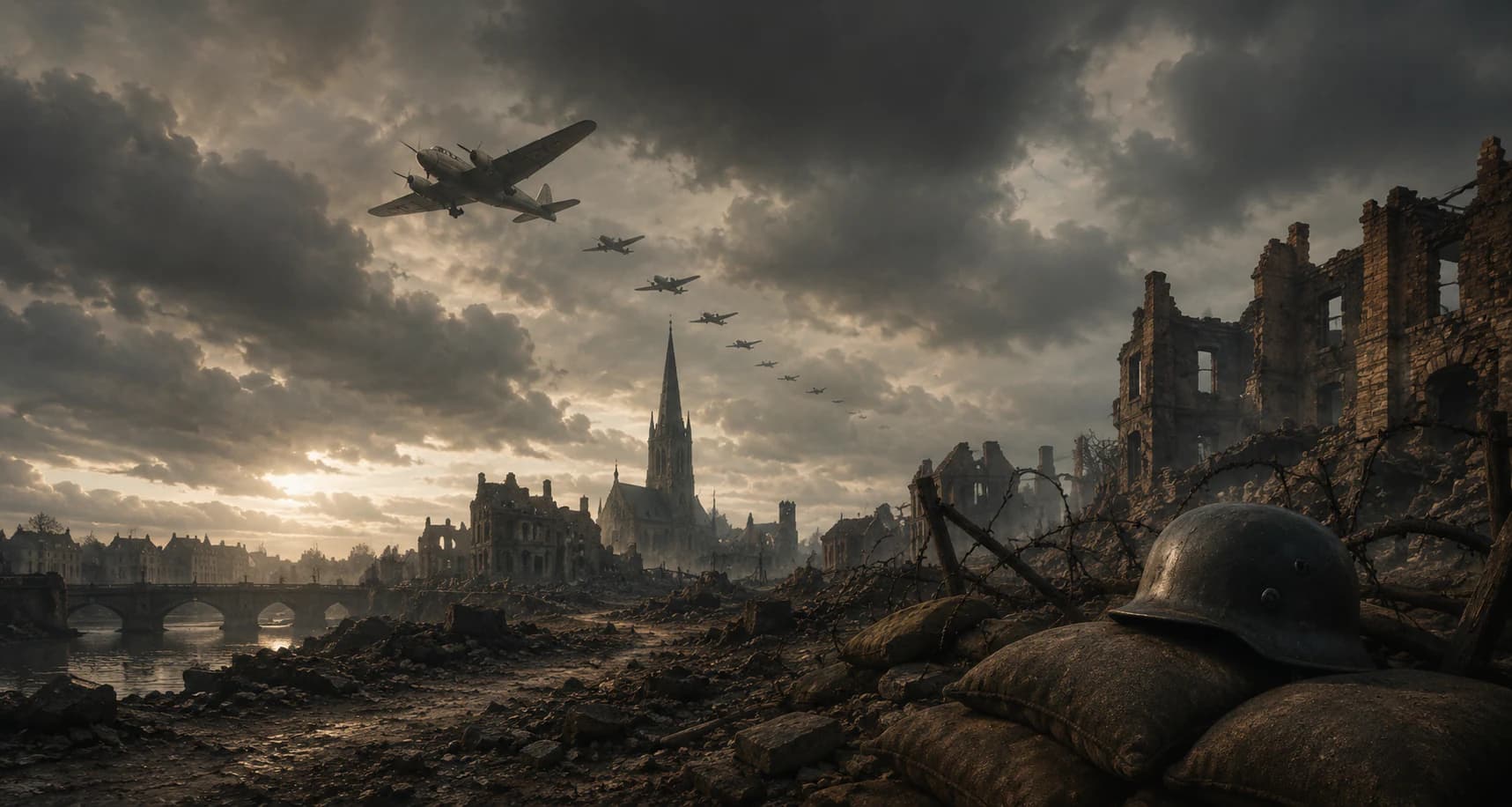
Europe in the 1930s: marching columns, mass rallies, and the shadow of another war gathering over the continent.
Premium Story

The Causes of the Second World War

Trace the layered causes of WWII through Versailles, fascism, depression, appeasement, and the failure of collective security.

11 chapters

Next
Context

Introduction

What you'll learn: You will trace the layered causes of the Second World War, from the flawed peace of 1919 through economic collapse, the rise of fascism, the failure of collective security, and the policy of appeasement, to the invasion of Poland that finally triggered war.

Key forces

The Treaty of Versailles
1919 CE
Step 1 of 101919 CEAccessible mode

The Treaty of Versailles

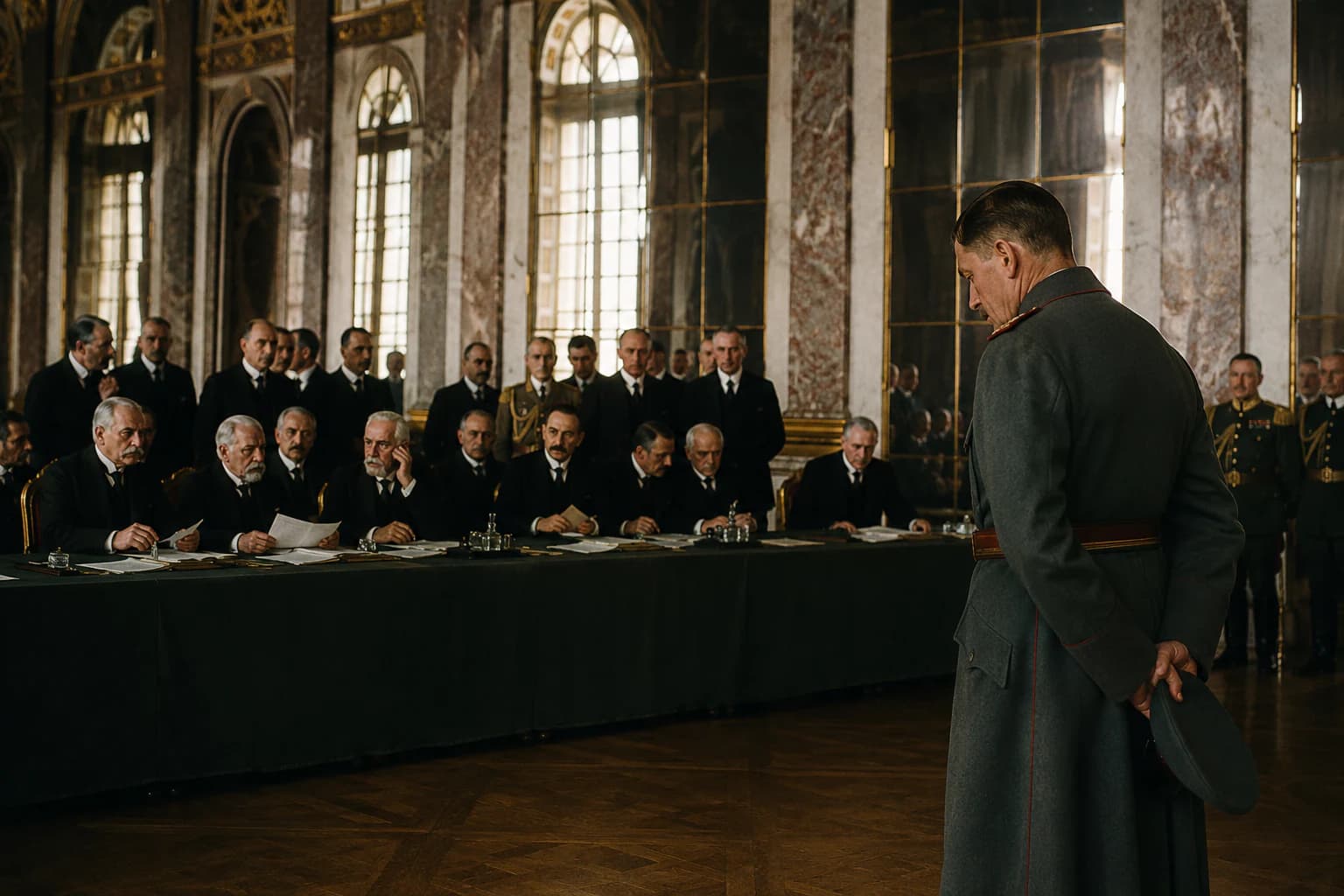
In June 1919, the victorious Allied powers imposed a peace settlement on Germany at . It was meant to prevent another war. Instead, it planted the seeds of one.

Germany lost significant territory. went to France. A large corridor of land went to the new Polish state, cutting off from the rest of Germany.

A clause assigning full war guilt to Germany provided the legal basis for reparations — enormous payments meant to compensate the Allied powers for the costs of the war.

Germany's military was stripped down. Its army was capped at 100,000 men. Its navy was reduced. No air force was permitted at all.

Most Germans rejected the settlement as a dictated and unjust peace. Resentment ran deep across the political spectrum and never fully faded.

That anger would fuel extreme politics for a generation. Adolf Hitler built his movement on the promise to destroy , and millions listened.

Fascism Takes Power in Italy
1922 CE
Step 2 of 101922 CEAccessible mode

Fascism Takes Power in Italy

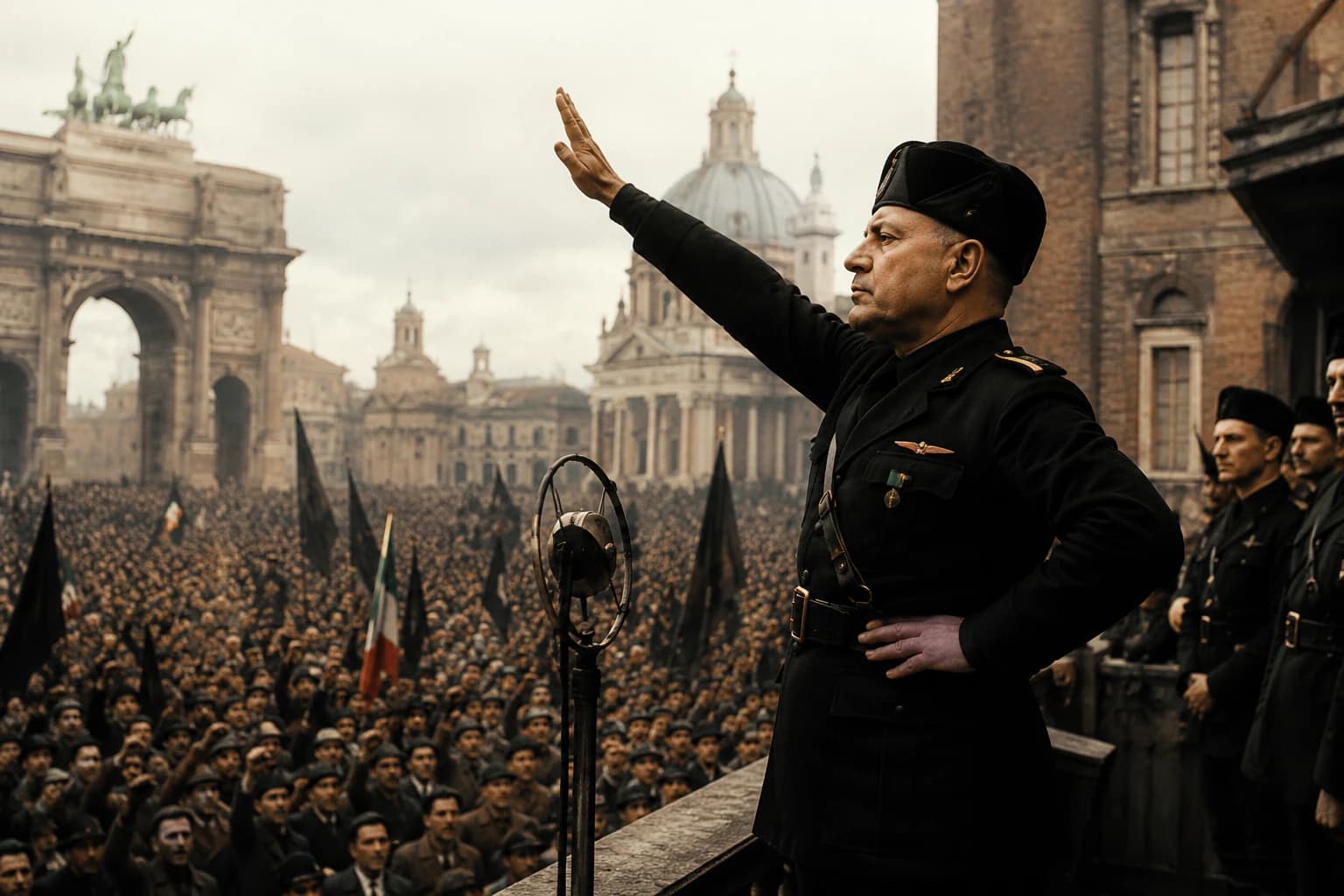
In October 1922, Benito Mussolini became prime minister of Italy. It was fascism's first major political victory.

Italy had fought in the First World War on the winning side but came away feeling cheated. The peace settlement had not delivered the territorial gains nationalists expected, and resentment was intense.

Italy's government appeared weak. Strikes paralysed key industries. Socialist movements gained ground. Middle-class voters and landowners wanted order and strong leadership.

Mussolini's Fascist movement offered extreme nationalism, contempt for parliament, and organised violence against political opponents. His Blackshirt squads broke strikes and terrorised left-wing groups.

When fascists marched on in October 1922, the king stepped back and appointed Mussolini as prime minister. Within a few years, Italy had become a one-party dictatorship.

Fascism had proved it could take power. It offered a template for authoritarian movements across Europe, and Hitler in Germany watched Mussolini closely and drew his own lessons.

The Weakness of the Weimar Republic
1923 CE
Step 3 of 101923 CEAccessible mode

The Weakness of the Weimar Republic

Germany's new democracy was born in crisis, and 1923 brought its most dangerous test.

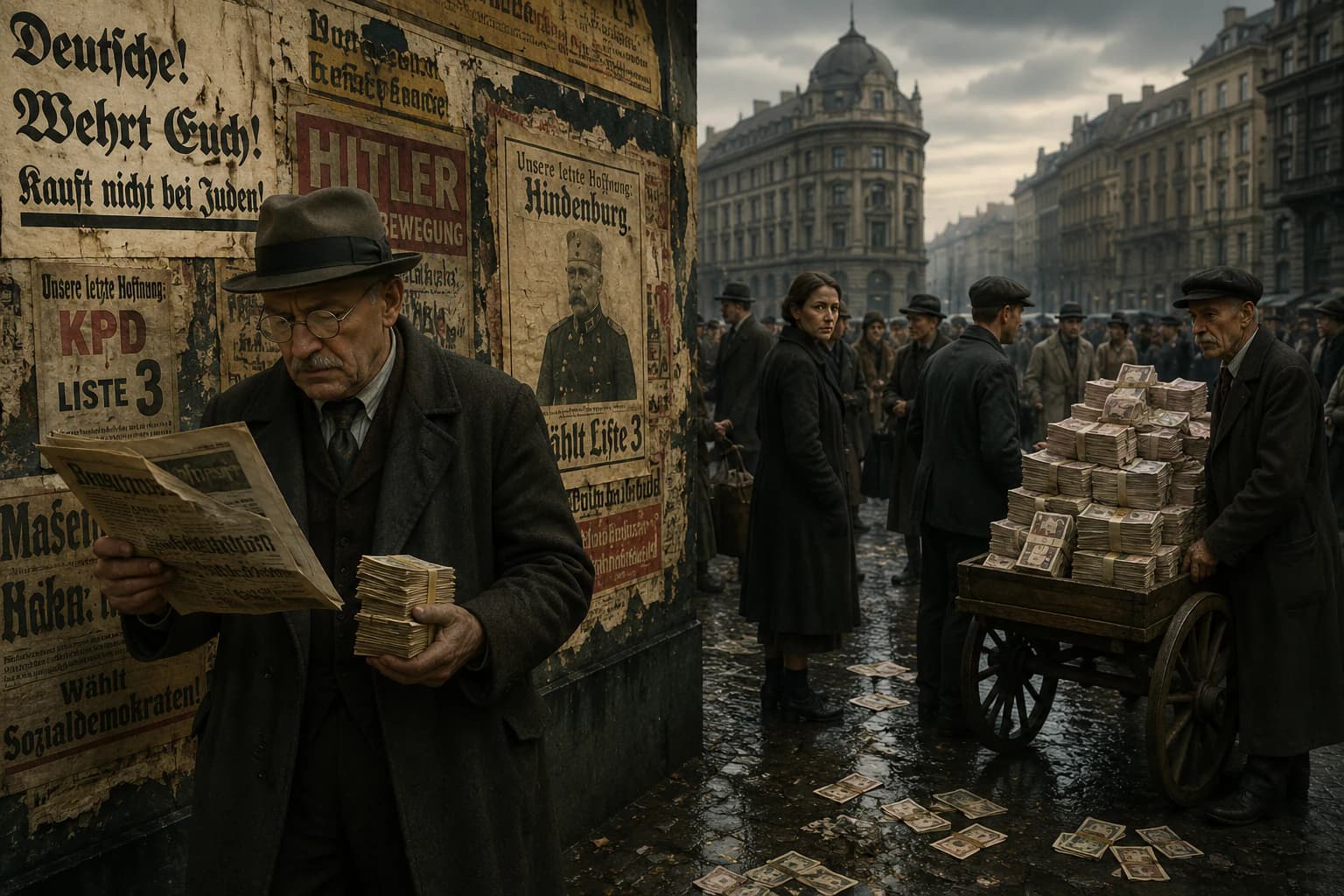
France and Belgium occupied Germany's industrial in January 1923 after Germany fell behind on reparations payments. The German government responded by paying striking workers with newly printed money.

Hyperinflation followed. Prices rose millions of times over in a matter of months. Savings were wiped out overnight. The middle class was ruined, and trust in the new republic collapsed alongside the currency.

Political violence intensified. Communists pushed for revolution. Nationalists blamed the republic for Germany's humiliations. In November 1923, Adolf Hitler led a failed coup in .

The republic survived. A new currency restored stability, and reparations were renegotiated. But the damage to confidence in democracy ran deep and did not fully heal.

The Weimar constitution had built-in weaknesses too. Emergency powers allowed the president to govern by decree. These provisions, later exploited by Hitler, made the constitutional framework fragile from the start.

Premium

You've reached the turning point

The opening chapters show the peace after 1919 leaving anger, fear and weakness behind. Premium follows the collapse of deterrence: economic crisis strengthens extremists, aggressive states test the world, and appeasement fails before Poland is invaded.

Continue into the reversals, crises and human stakes that make the story matter.

Unlock full story

What Premium unlocks next

  1. 4The Great Depression
  2. 5Japan Expands in Manchuria
  3. 6Hitler Becomes Chancellor
  4. 7The Failure of Collective Security
  5. 8German Rearmament
  6. 9Appeasement at Munich
  7. 10The Invasion of Poland

Browse stories

Browse stories for free

Explore the people connected to this turning point or enjoy one of our free stories.

Unlock full storyBrowse stories

References

Sources & Further Reading

Reliable sources, primary-source collections and reading paths connected to this page.

Sources used

  1. The National Archives, The Cabinet Papers: Road to War,” Open source
  2. United States Holocaust Memorial Museum, World War II in Europe,” Open source

Further reading

  1. Richard Overy, The Origins of the Second World War, Routledge.

Primary sources

  1. Yale Law School, The Munich Agreement,” Open source

A weekly route through history

Find out first about the latest published stories, feature notes and occasional Premium offers in one weekly email.