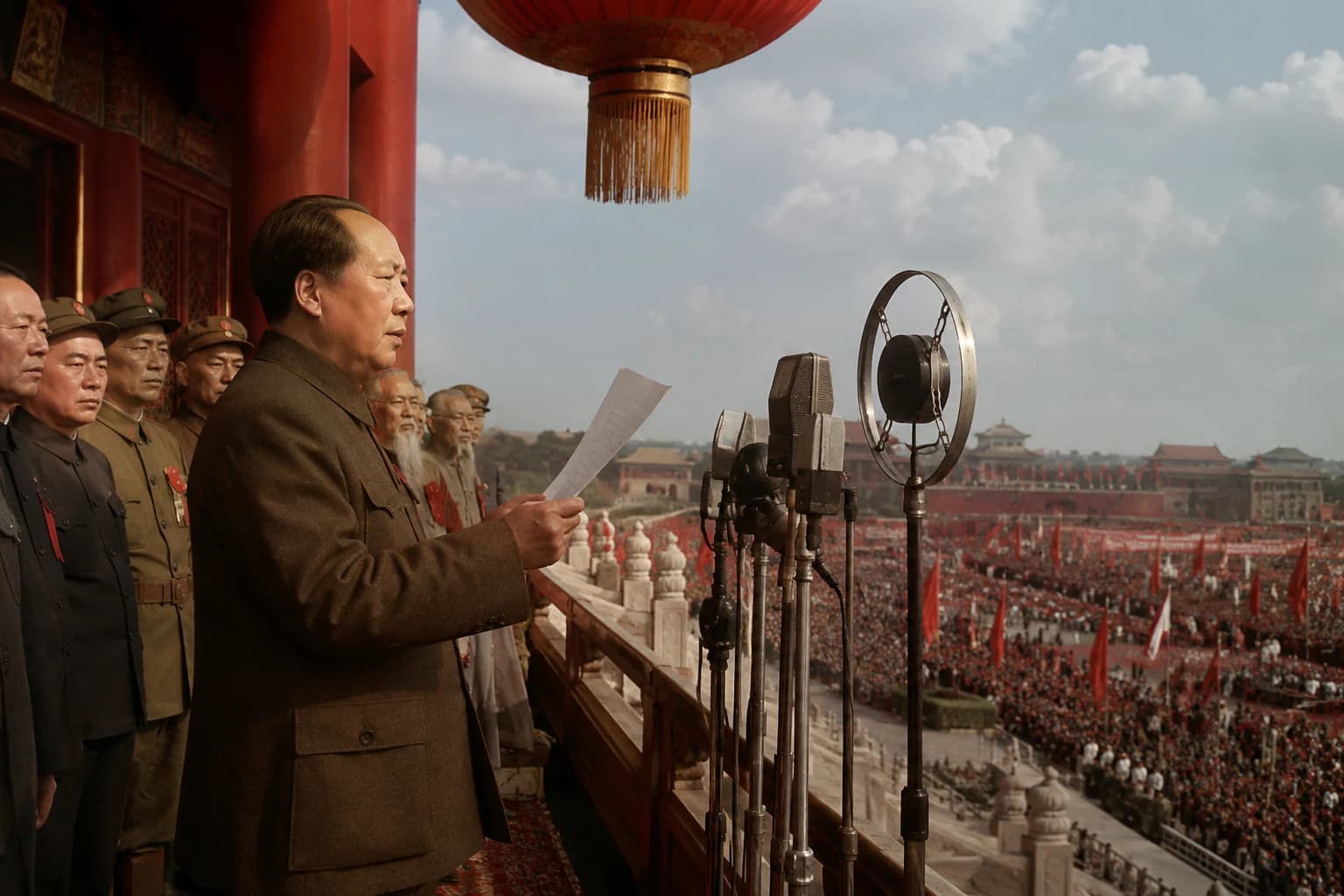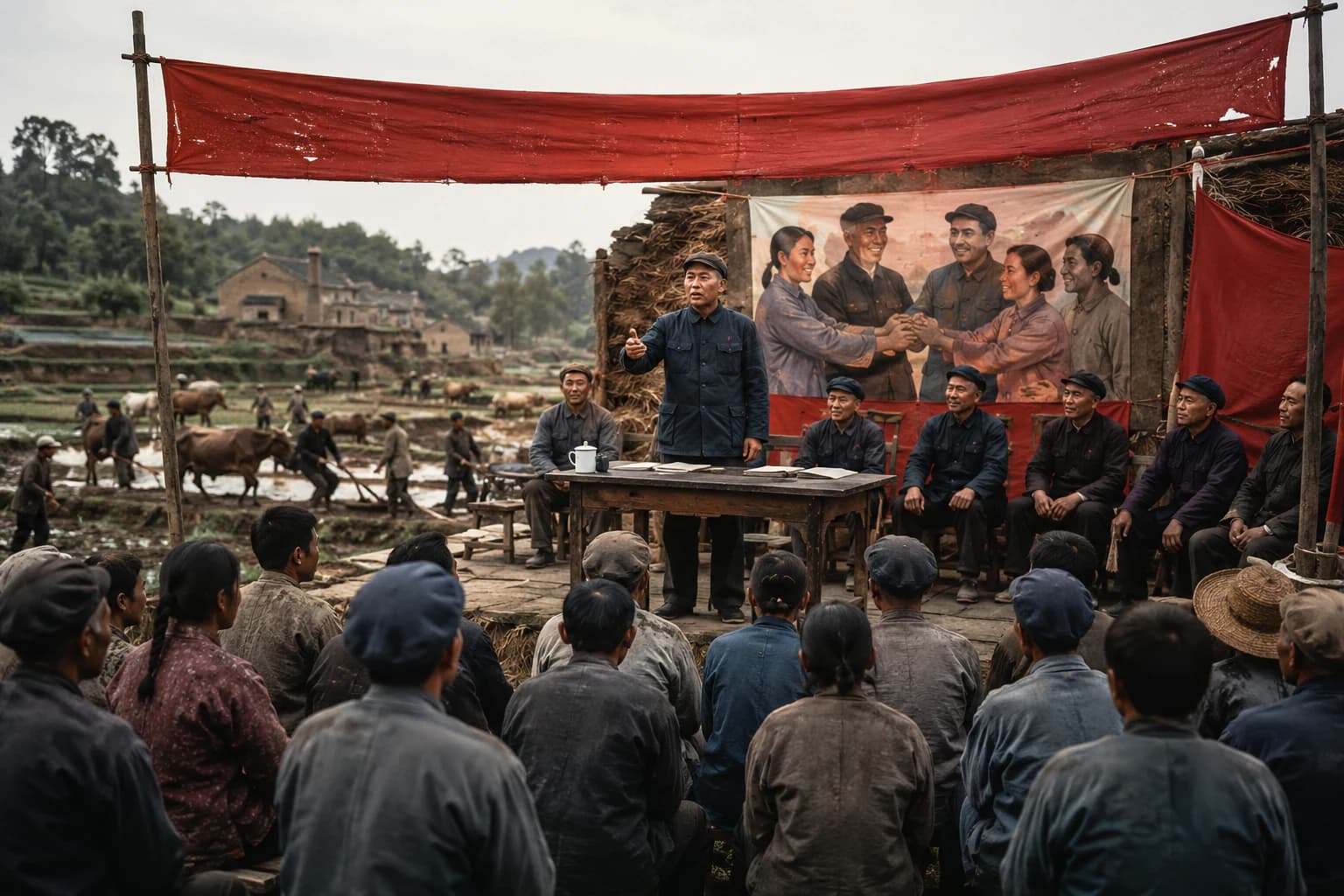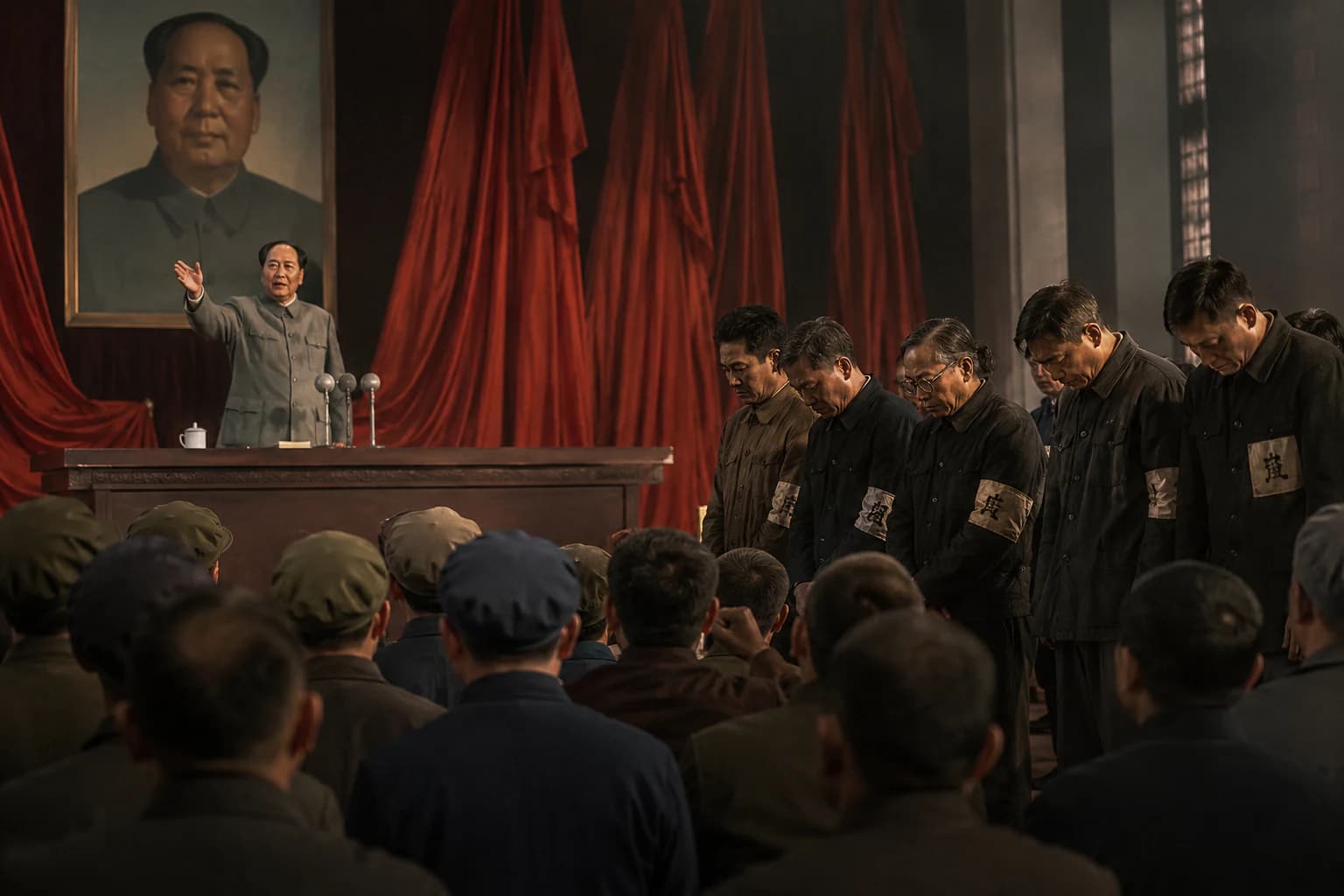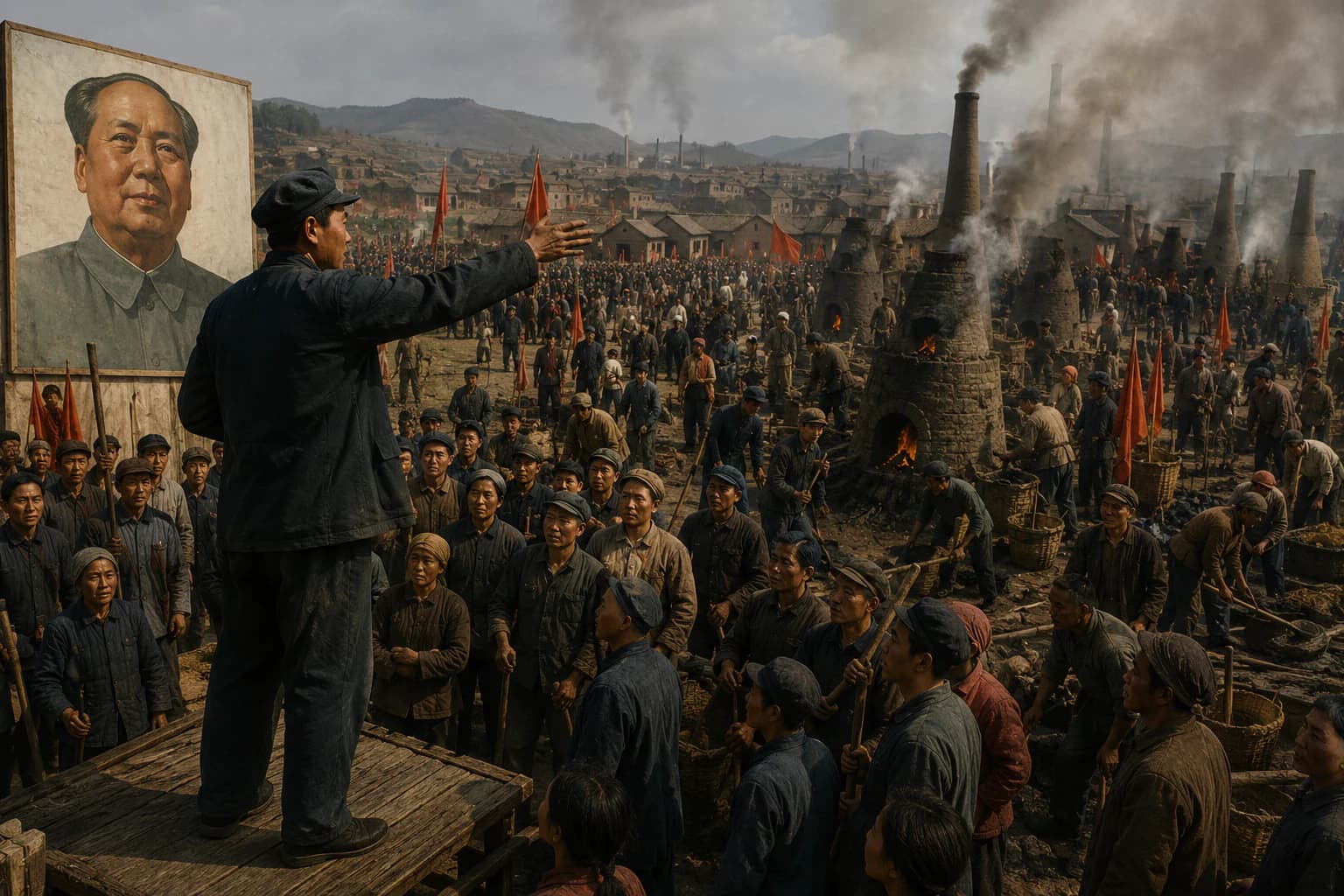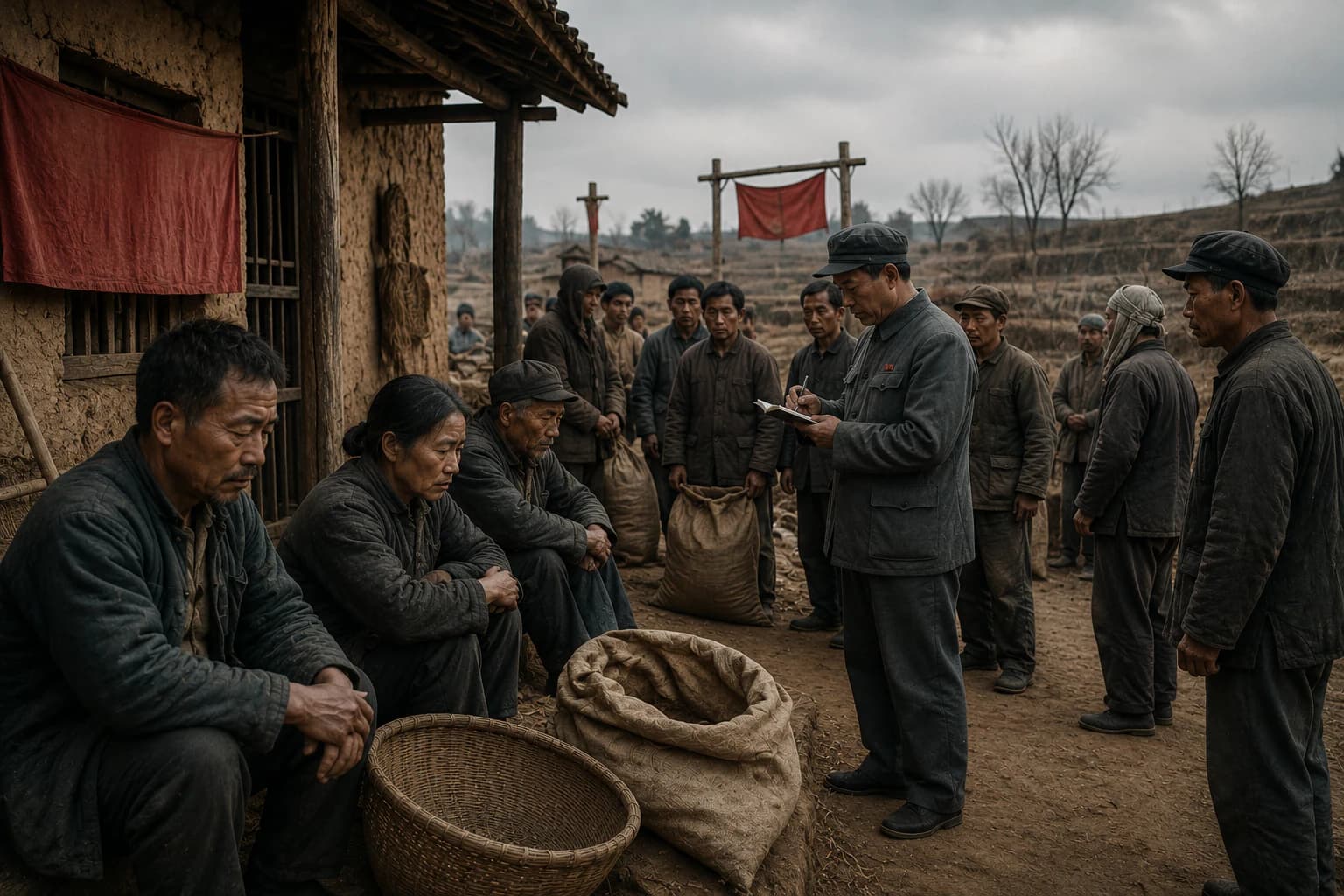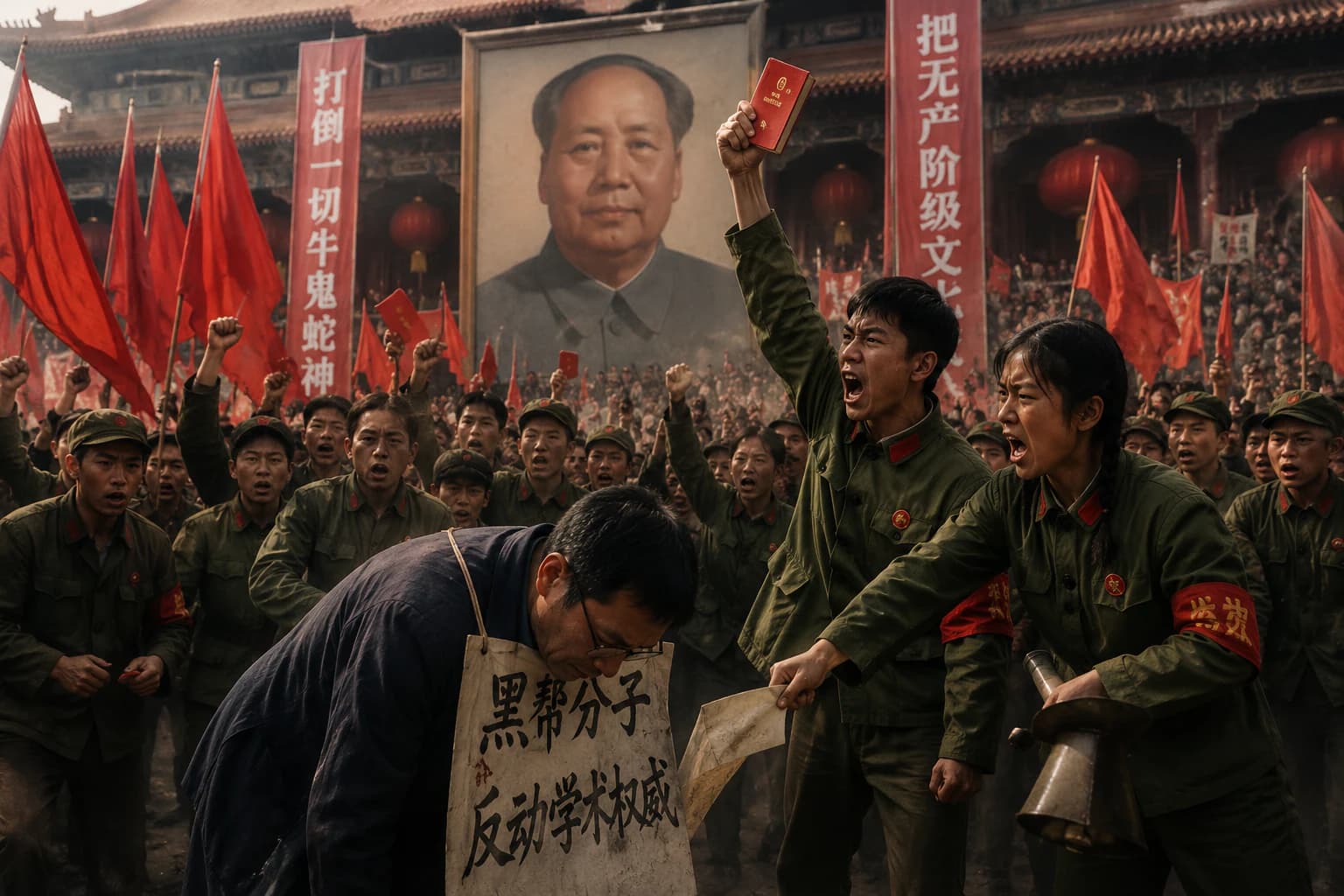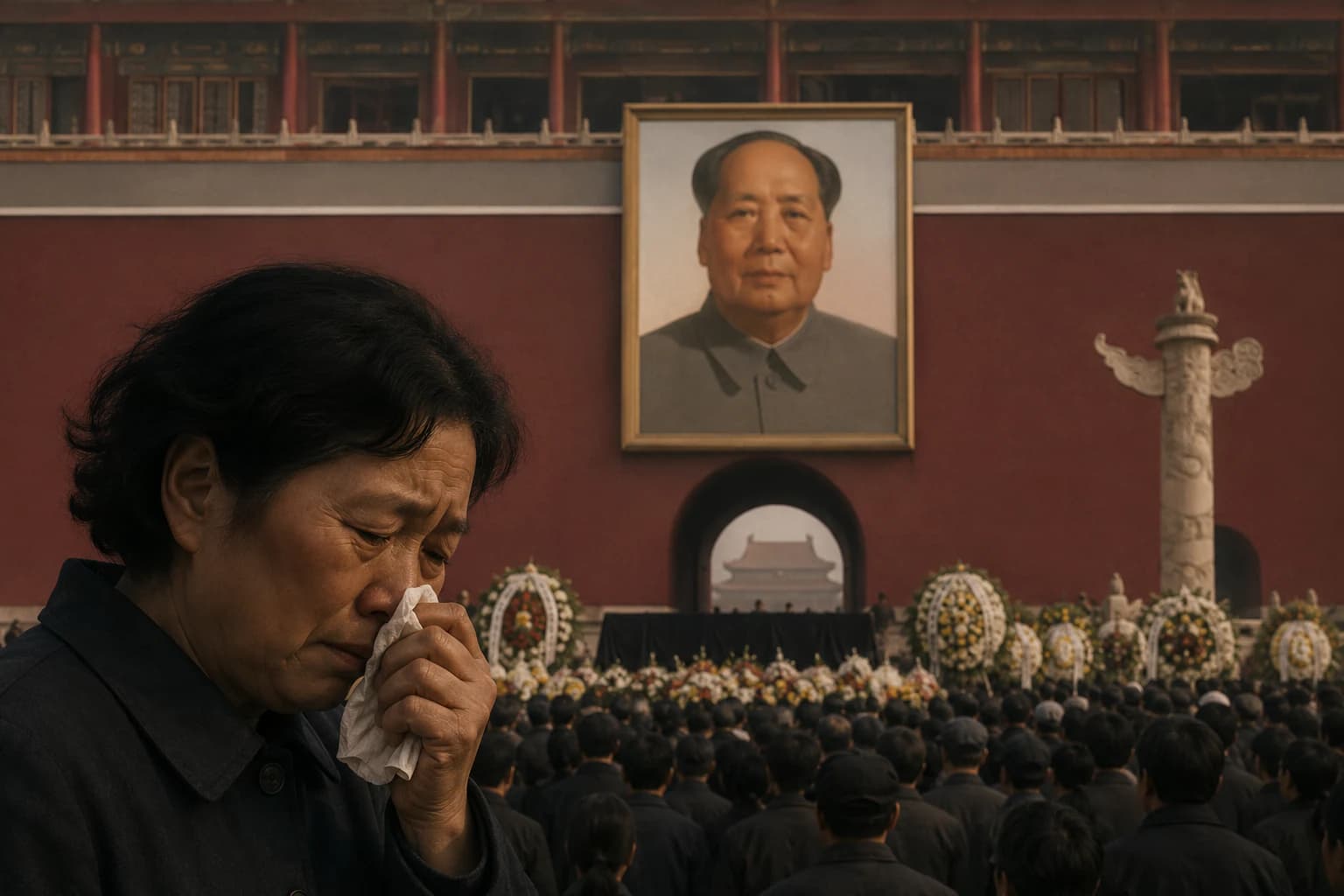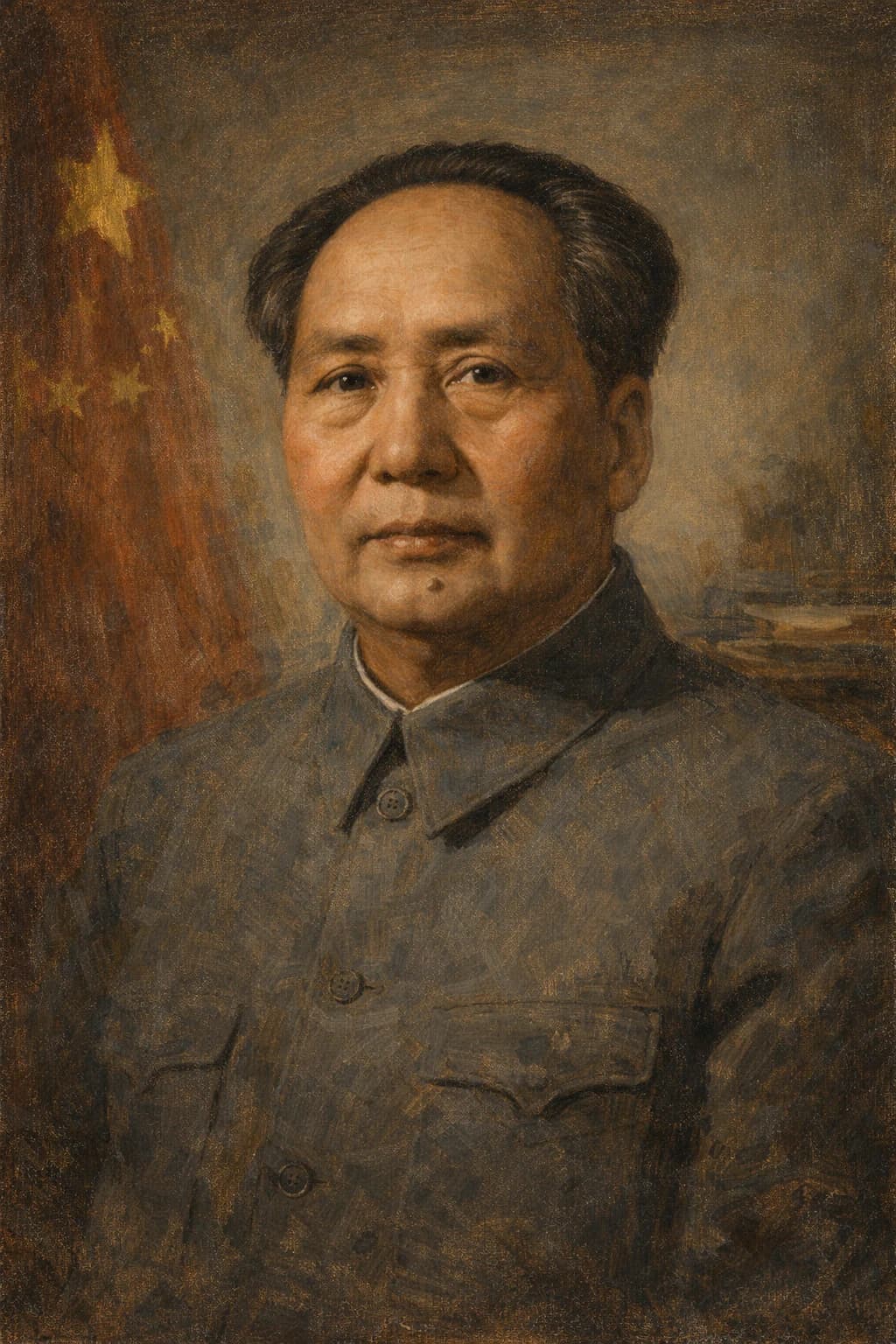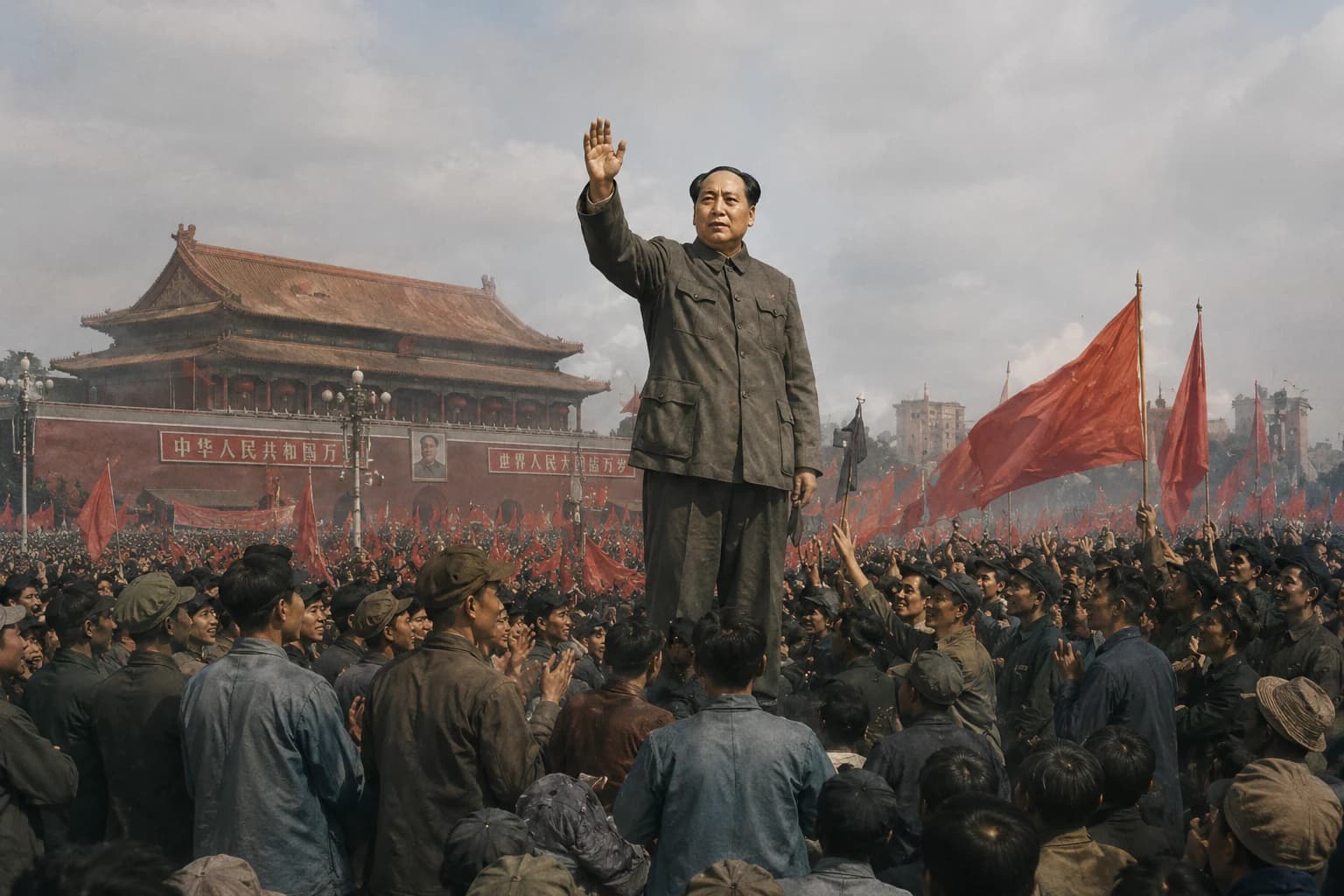
Mao Zedong addressing crowds in revolutionary China beneath red banners and state slogans.
Premium Story

Mao's China

Trace Mao's China from revolutionary victory to one-party rule, famine, Cultural Revolution, and enduring political legacy.

11 chapters

Next
Context

Introduction

What you'll learn: You will see how Mao's revolution built a strong party-state, why radical campaigns caused catastrophe, and how this era still frames Chinese politics today.

Key forces

The Communist Victory
1949 CE
Step 1 of 101949 CEAccessible mode

The Communist Victory

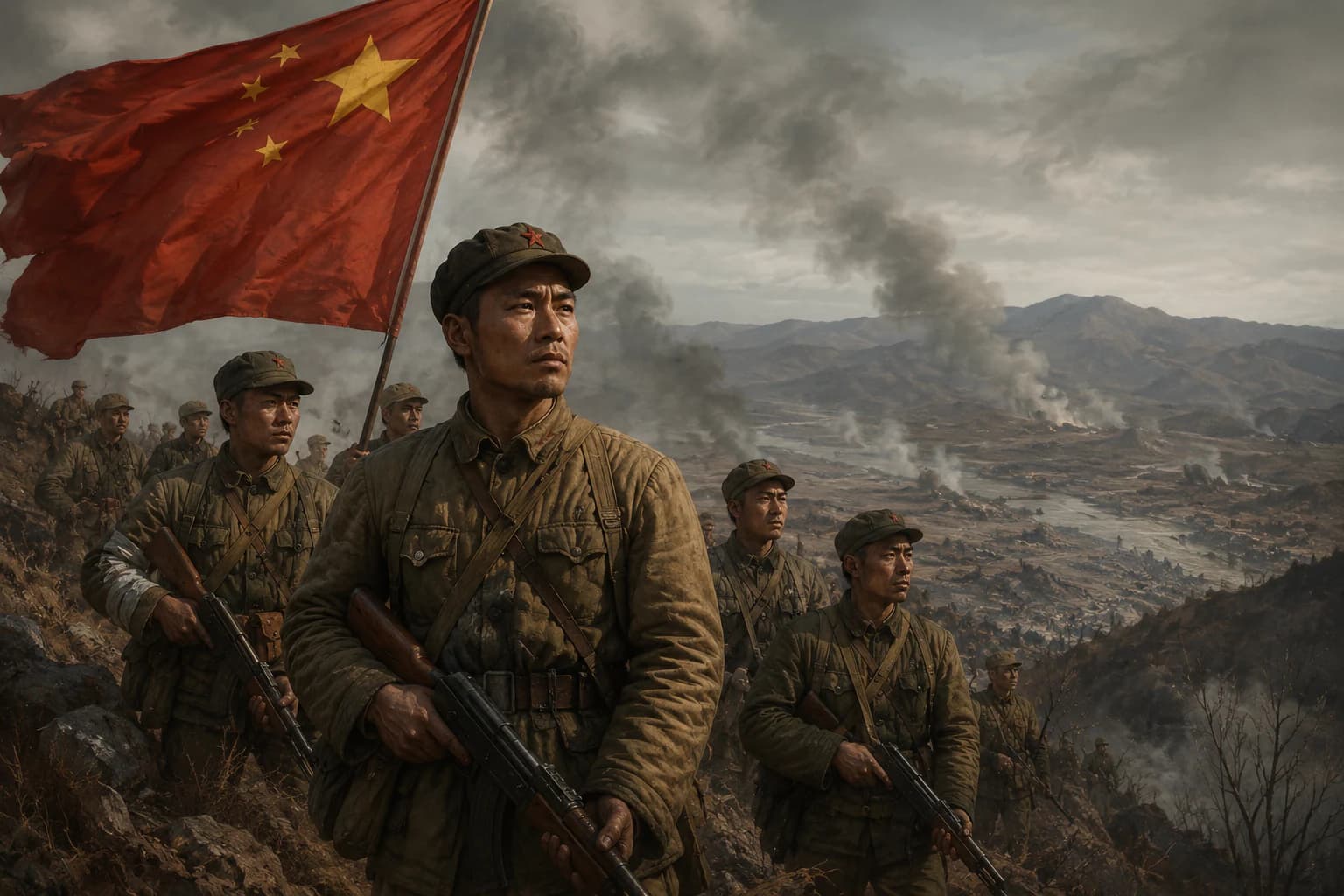
In 1949, Mao Zedong's Communist forces won the Chinese Civil War and declared a new state: the People's Republic of China.

For years, China had been torn by war, invasion, inflation, and corruption. Many people wanted order, land, and a government that looked stronger than the old one.

The Nationalist government under Chiang Kai-shek lost control on the mainland and retreated to . The Communist Party took and then most major cities.

Mao promised national unity, social justice, and a complete break with old elites. Landlords, warlords, and corrupt officials would no longer dominate ordinary life.

The victory mattered beyond China. It changed the Cold War balance and showed that a huge non-European country could be remade by communist revolution.

This was not just a change of leaders. It was the start of a new political system that would reshape daily life for hundreds of millions of people.

Building One Party Rule
1950 CE
Step 2 of 101950 CEAccessible mode

Building One Party Rule

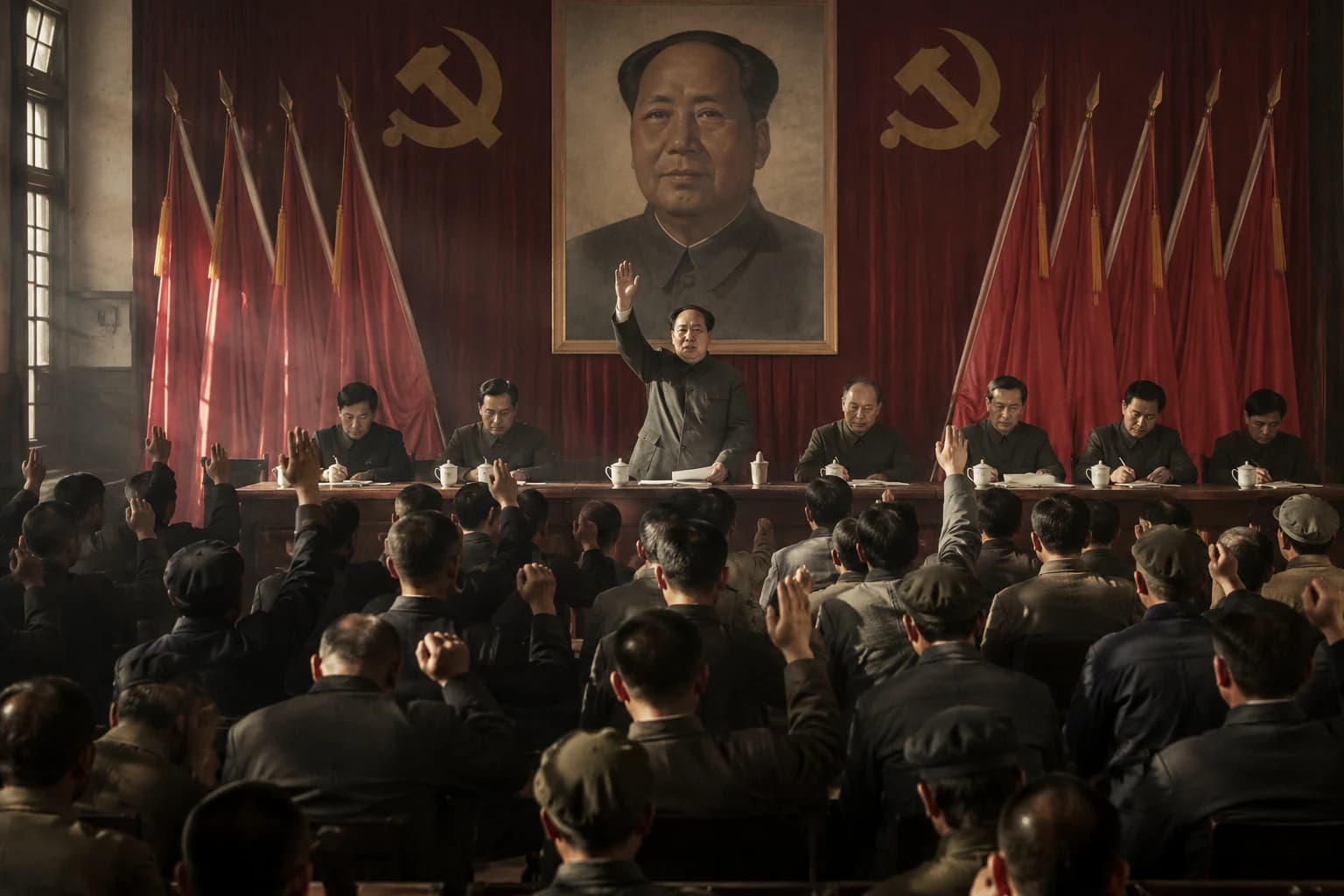
After 1949, the Communist Party moved quickly to make sure no rival force could challenge its power.

The party took control of the army, courts, police, newspapers, schools, and local government. Important decisions came through party structures, not open elections.

Campaigns targeted people labeled enemies of the revolution, including former officials, businessmen, and suspected opponents. Fear became part of politics.

Cadres were sent into towns and villages to monitor loyalty and organize public meetings. Political language entered workplaces, classrooms, and family life.

Mao's authority grew as these systems hardened. Debate inside the party still existed, but public political space became very narrow.

This one-party structure gave the state unusual reach and speed. It also made future policy mistakes harder to challenge before they became disasters.

Land Reform
1951 CE
Step 3 of 101951 CEAccessible mode

Land Reform

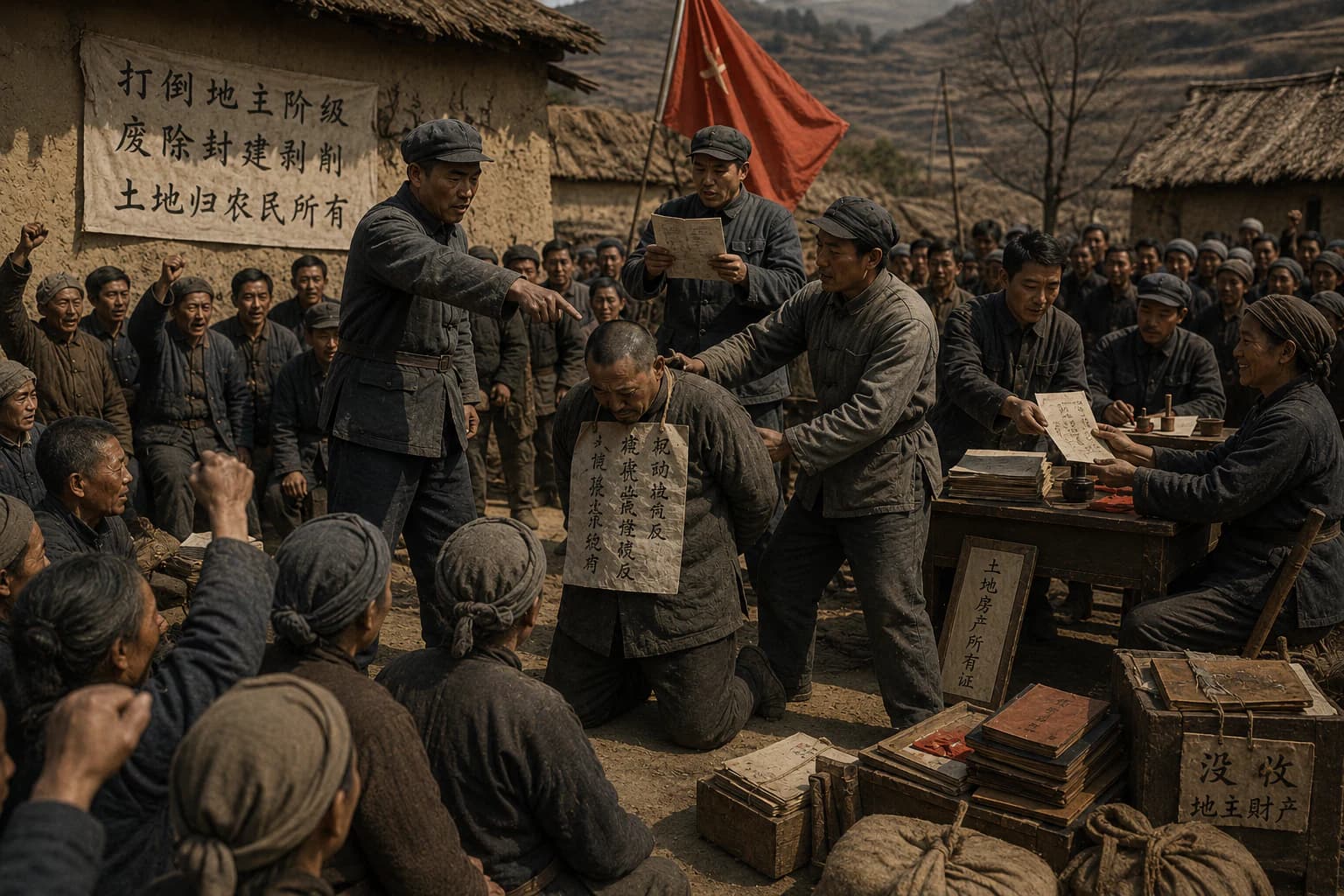
Land reform changed village life by taking land from landlords and giving it to peasant families.

For many poor farmers, this looked like justice. Land had been concentrated for generations, and rent and debt kept families trapped.

Party work teams entered villages, classified households by class, and organized struggle meetings. Landlords were publicly accused and often beaten or killed.

The campaign destroyed old local power networks. Families that once controlled labor, credit, and village politics were removed or silenced.

Millions received plots, tools, or animals. That built support for the new state and tied many peasants to Communist rule.

But the violence mattered. Land reform was both redistribution and terror, shaping rural politics through hope, fear, and permanent political labels.

Premium

You've reached the turning point

The opening chapters show Mao's revolution becoming state power. Premium follows the human stakes of that transformation: collectivisation, ideological campaigns, famine and cultural upheaval remake China while the party learns how to survive catastrophe.

Continue into the reversals, crises and human stakes that make the story matter.

Unlock full story

What Premium unlocks next

  1. 4The Korean War
  2. 5Collectivisation Begins
  3. 6The Hundred Flowers Trap
  4. 7The Great Leap Forward
  5. 8The Great Famine
  6. 9The Cultural Revolution
  7. 10Mao's Long Shadow

Browse stories

Browse stories for free

Explore the people connected to this turning point or enjoy one of our free stories.

Unlock full storyBrowse stories

References

Sources & Further Reading

Reliable sources, primary-source collections and reading paths connected to this page.

Sources used

  1. Encyclopaedia Britannica, Mao Zedong,” Open source
  2. Wilson Center Digital Archive, Chinese Civil War,” Open source

Further reading

  1. Frank Dikotter, The Cultural Revolution: A People's History, 1962-1976, Bloomsbury.

Primary sources

  1. Marxists Internet Archive, Mao Zedong Reference Archive,” Open source

A weekly route through history

Find out first about the latest published stories, feature notes and occasional Premium offers in one weekly email.