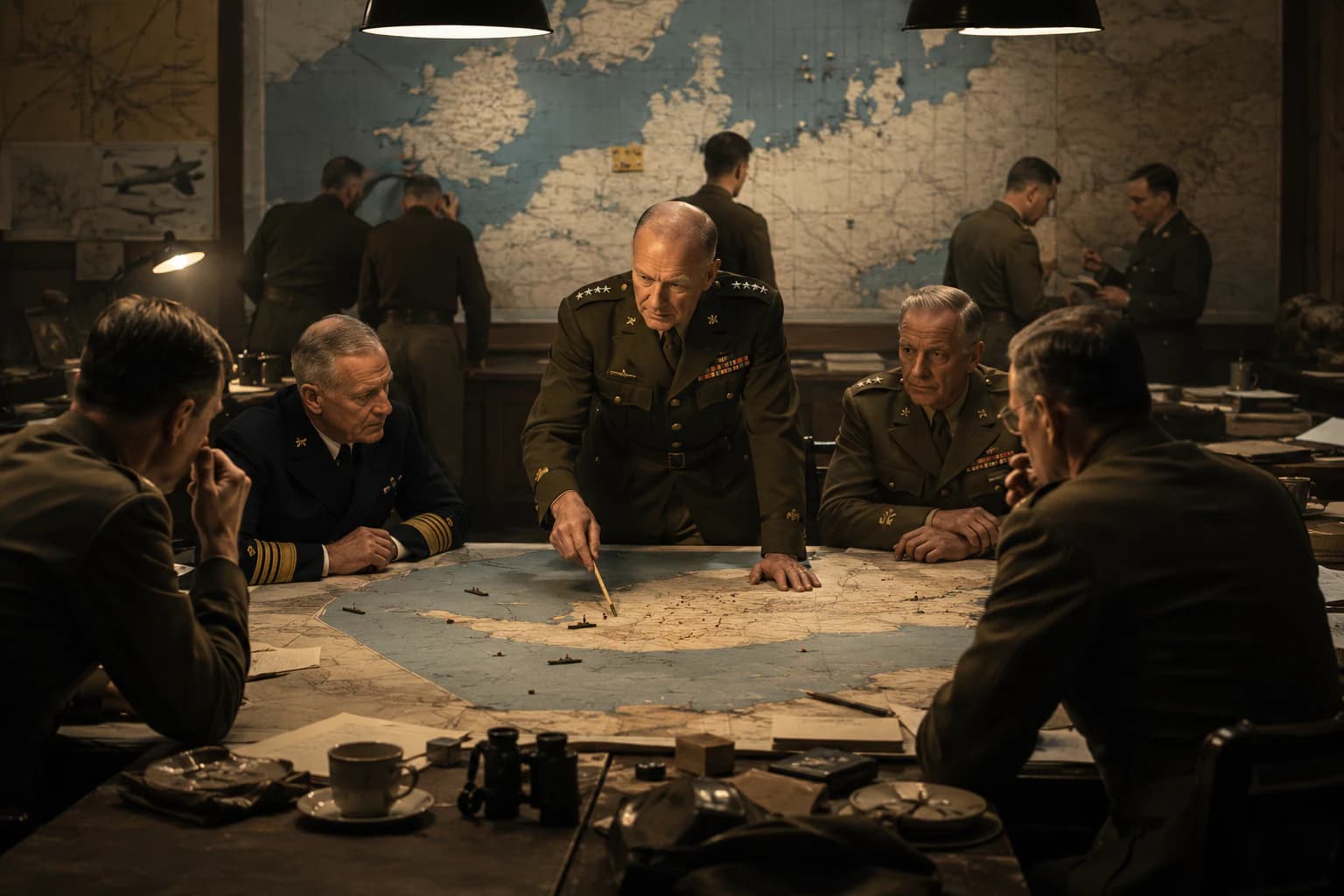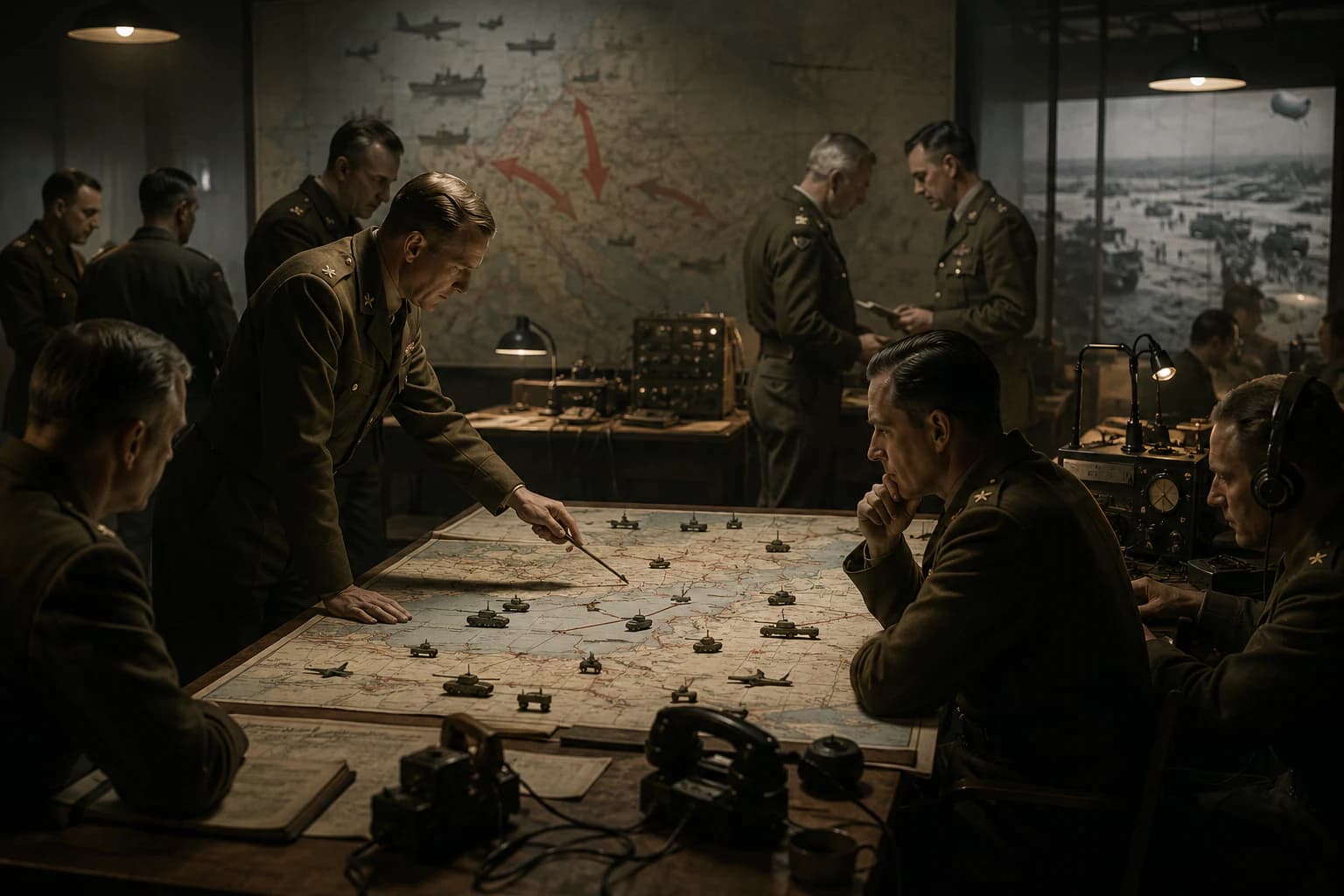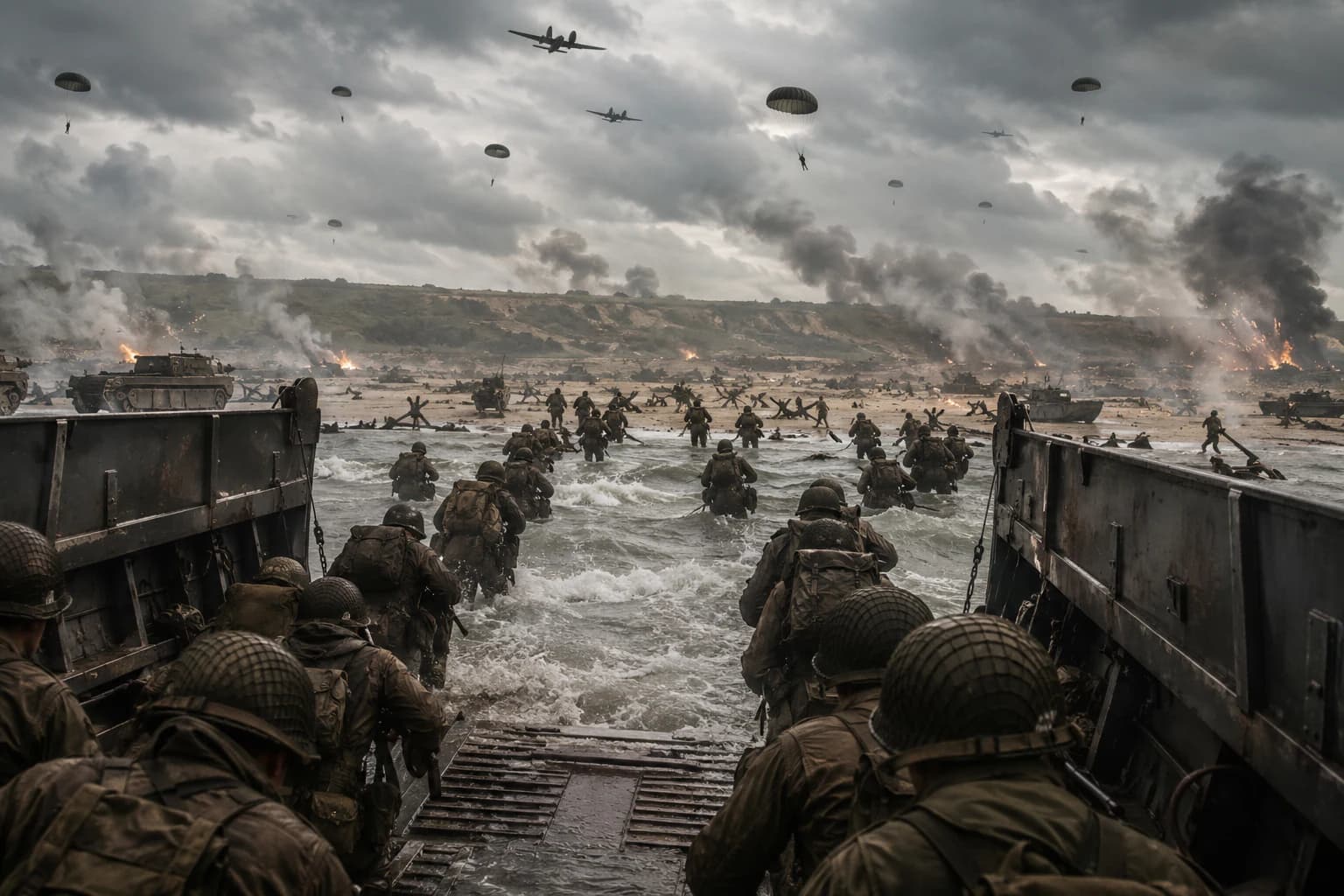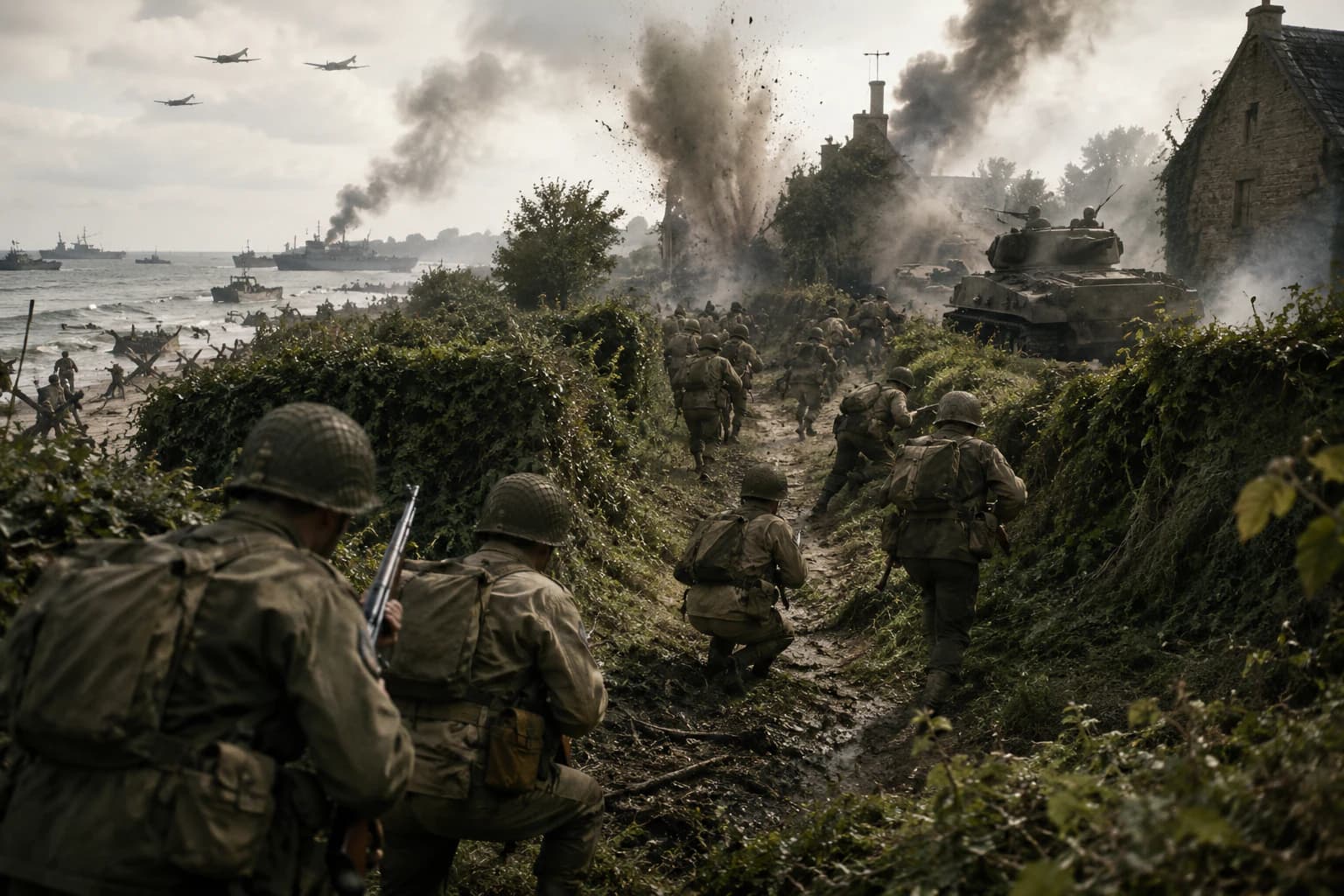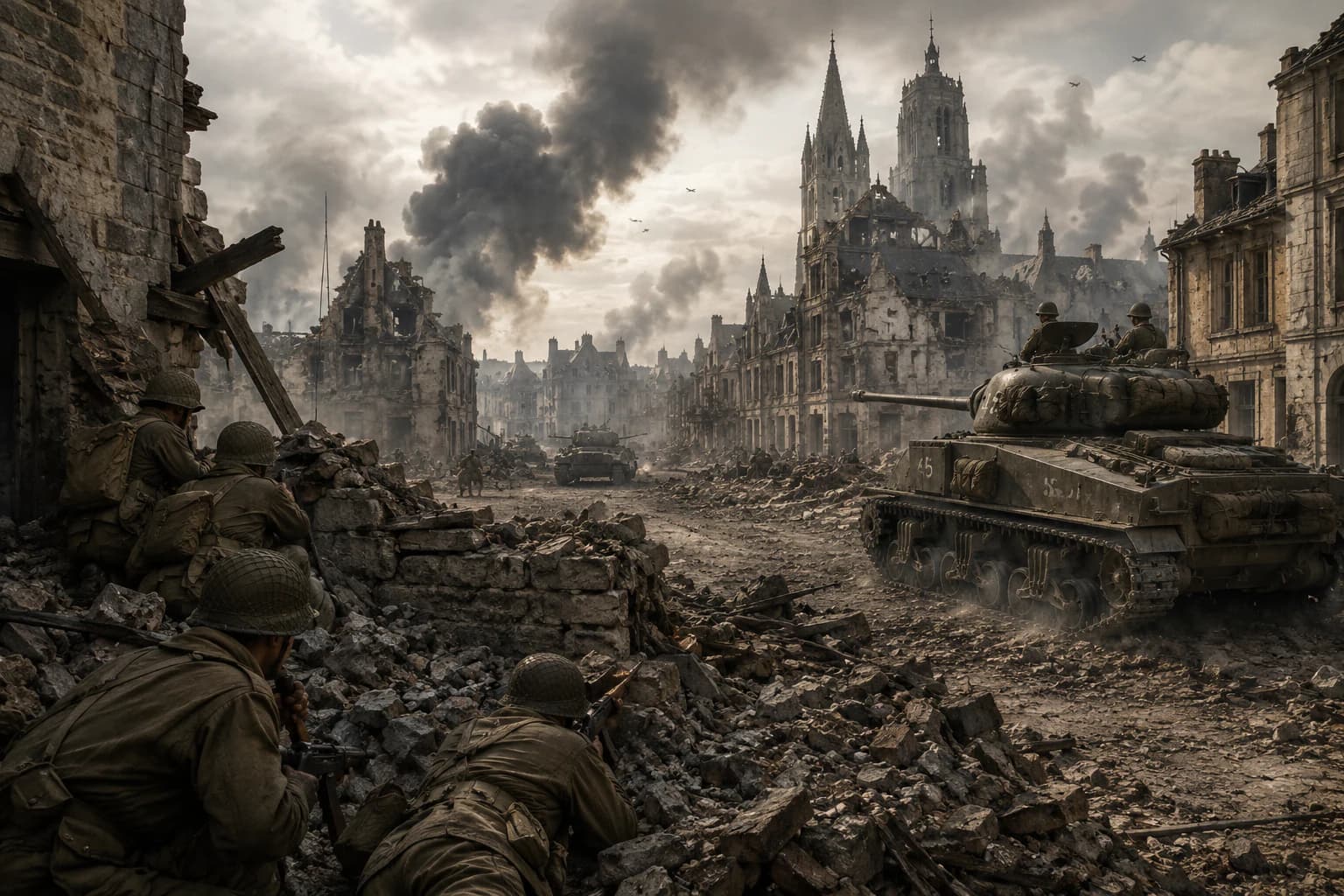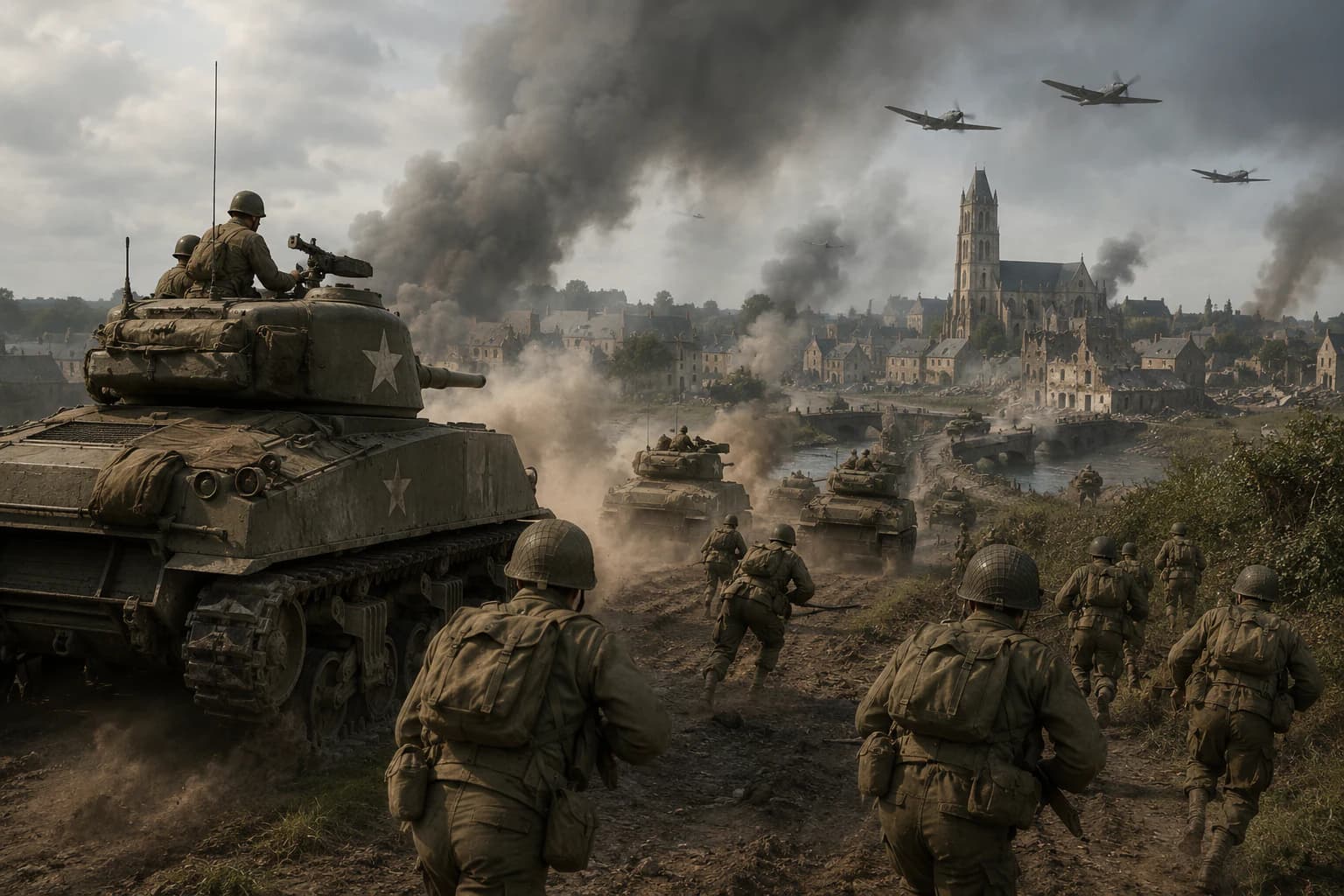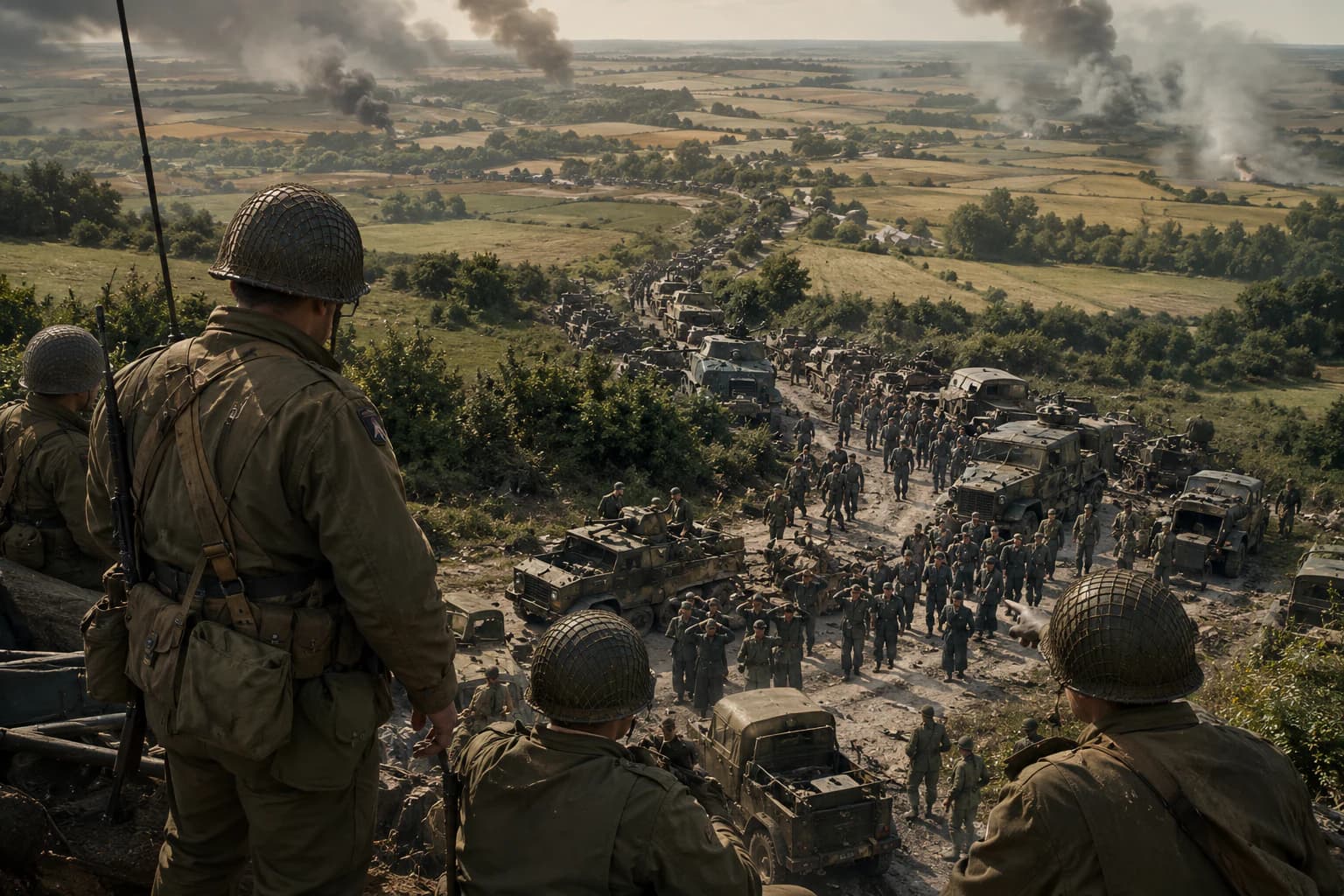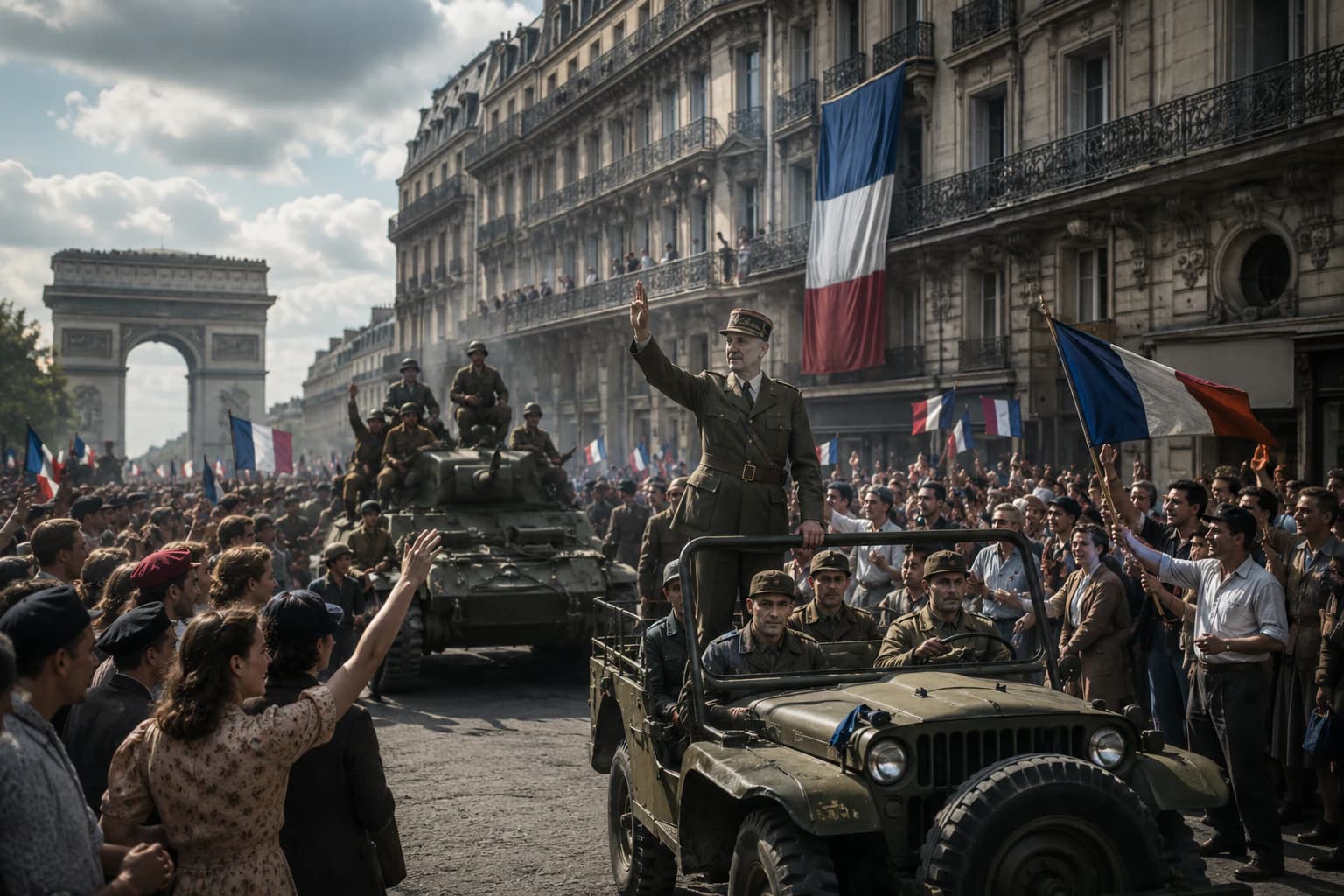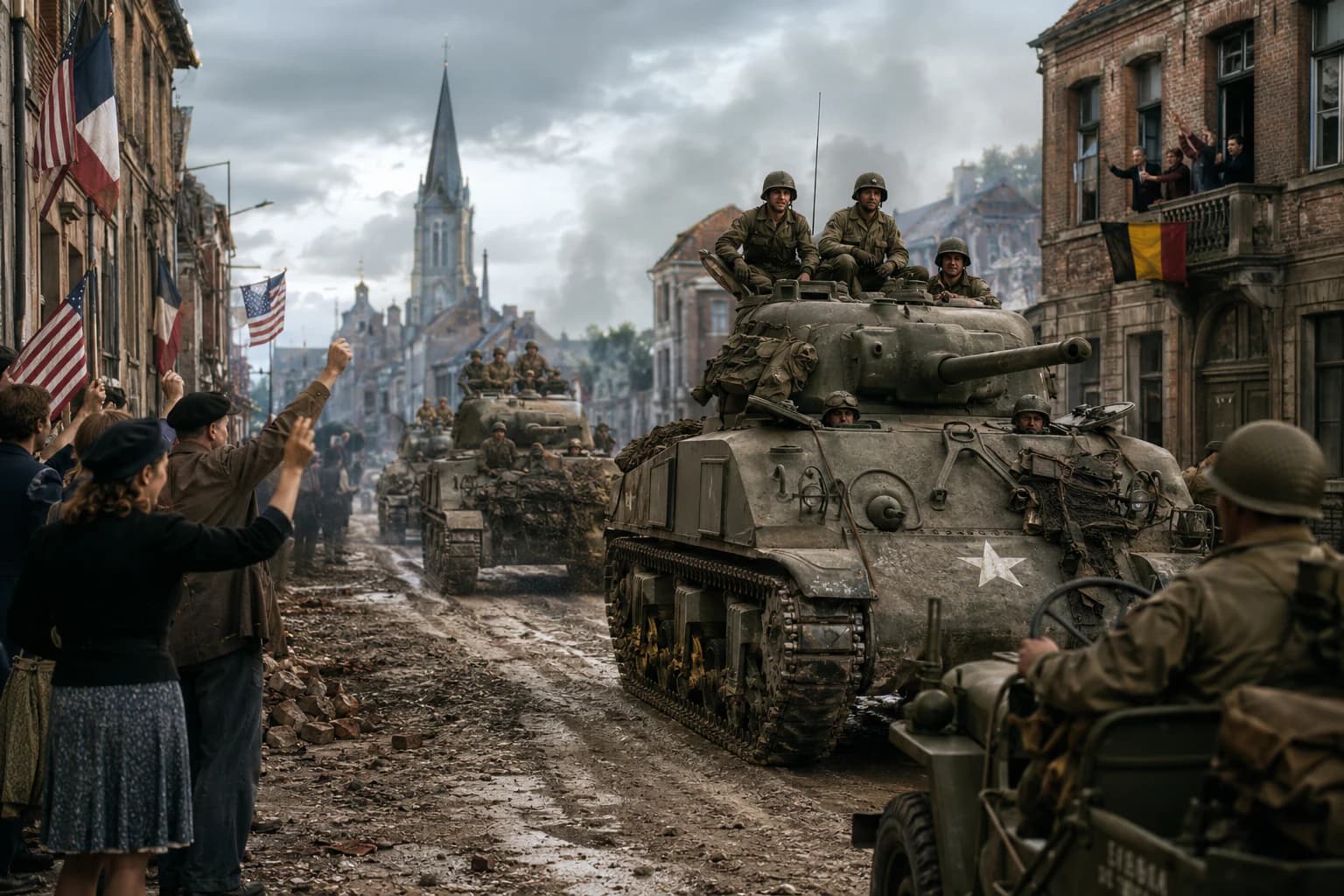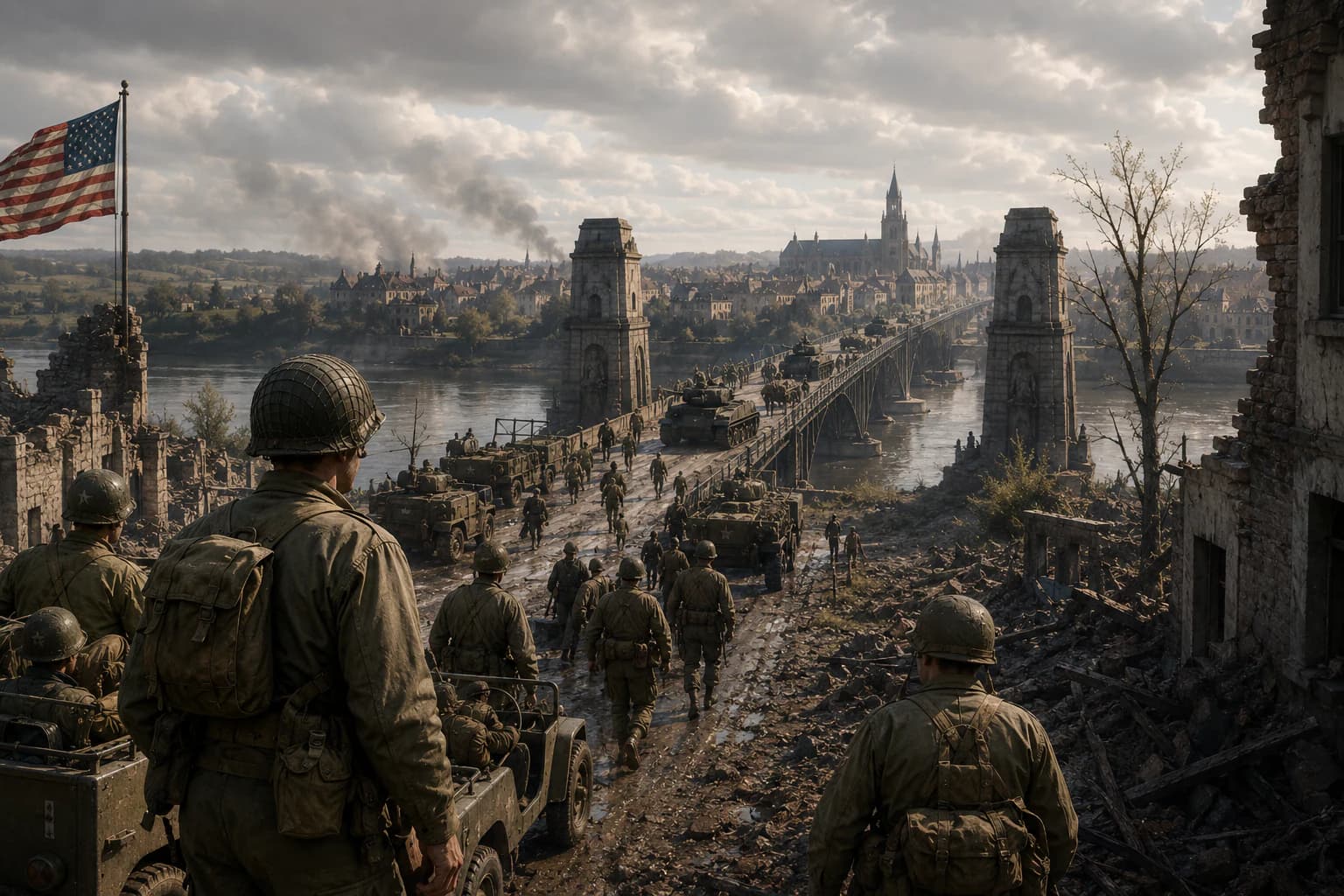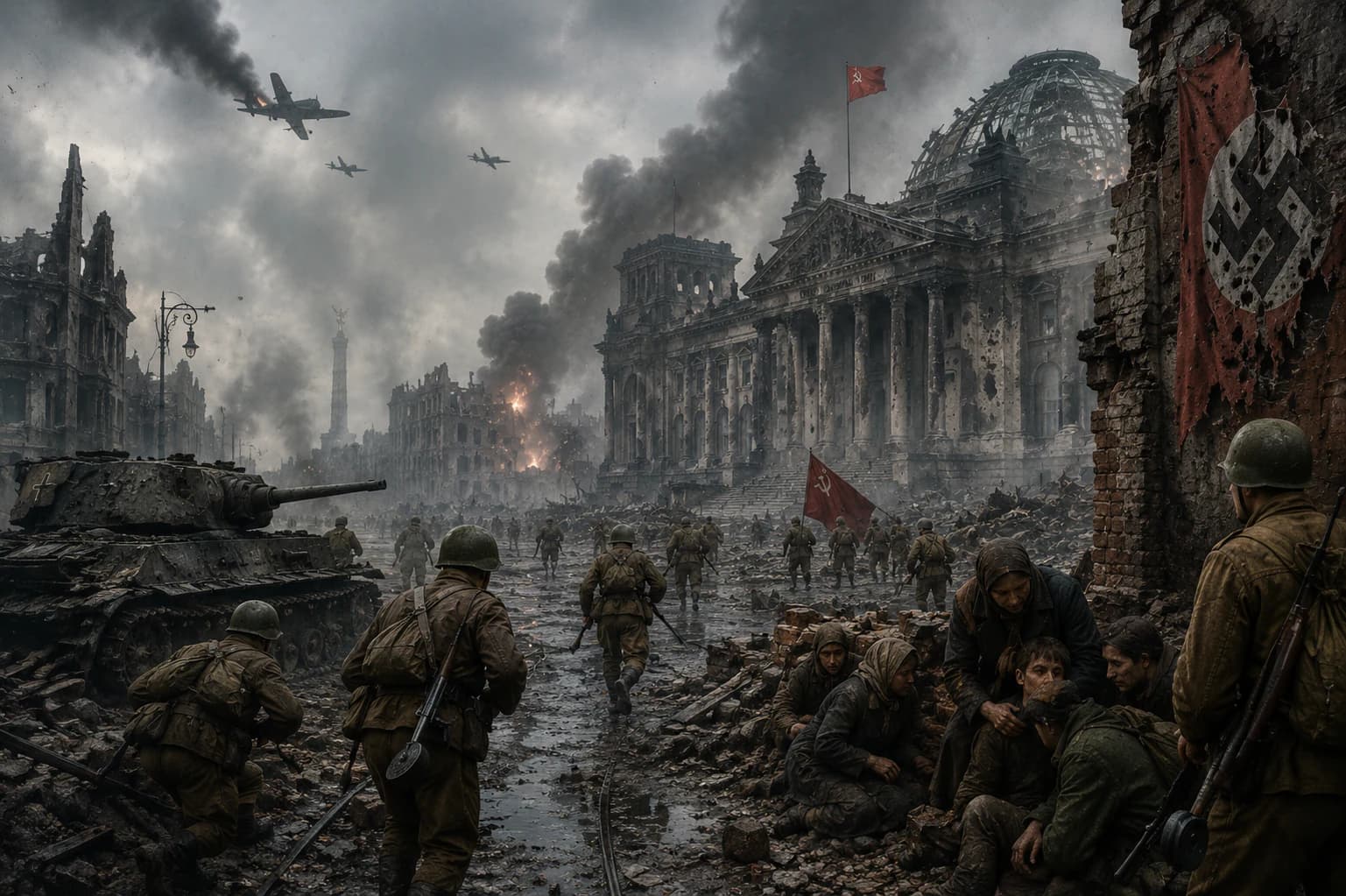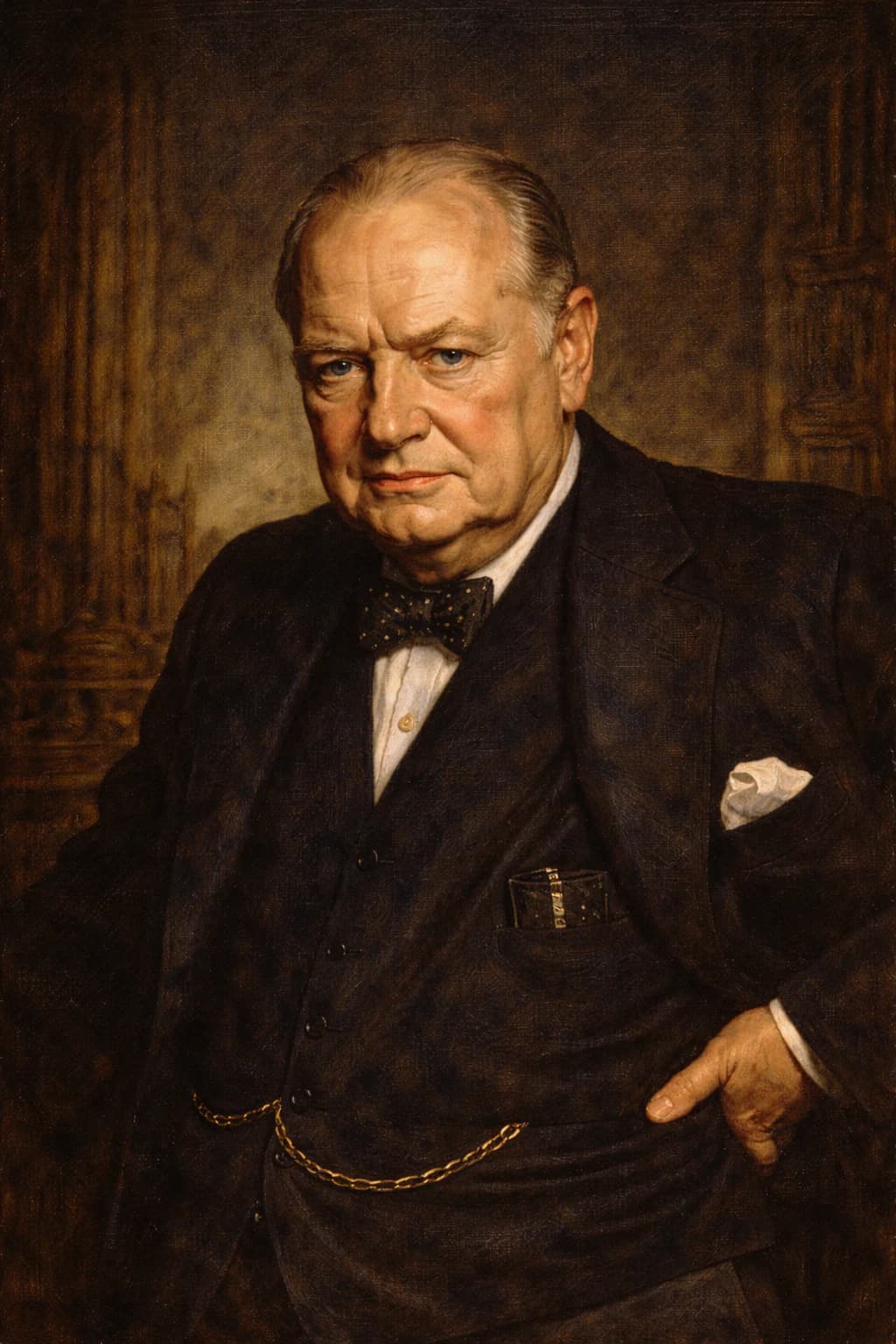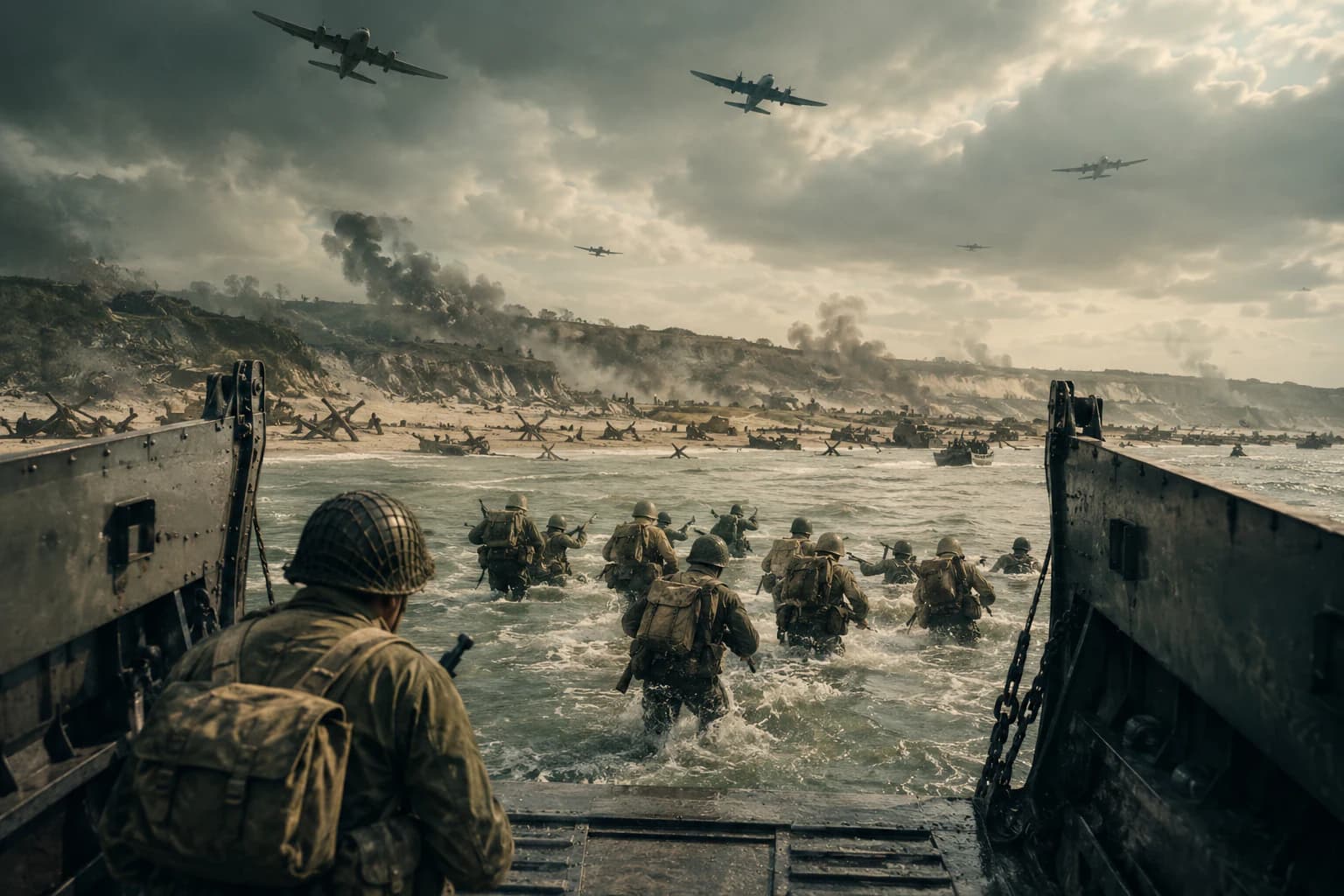
Allied troops landing in Normandy as landing craft open under fire and smoke rises across the coast in June 1944.
Premium Story

D-Day and the Liberation of Europe

Follow Overlord from planning and deception to Normandy, liberation, and the final Allied drive into Germany.

11 chapters

Next
Context

Introduction

What you'll learn: You'll trace how D-Day was planned, fought, and expanded into a broader liberation campaign, and why its consequences still shape Europe's memory of war and freedom.

Key forces

Planning Operation Overlord
1943 CE
Step 1 of 101943 CEAccessible mode

Planning Operation Overlord

After years of argument, the western Allies finally committed in 1943 to a full invasion of Nazi-occupied France. This became Operation Overlord.

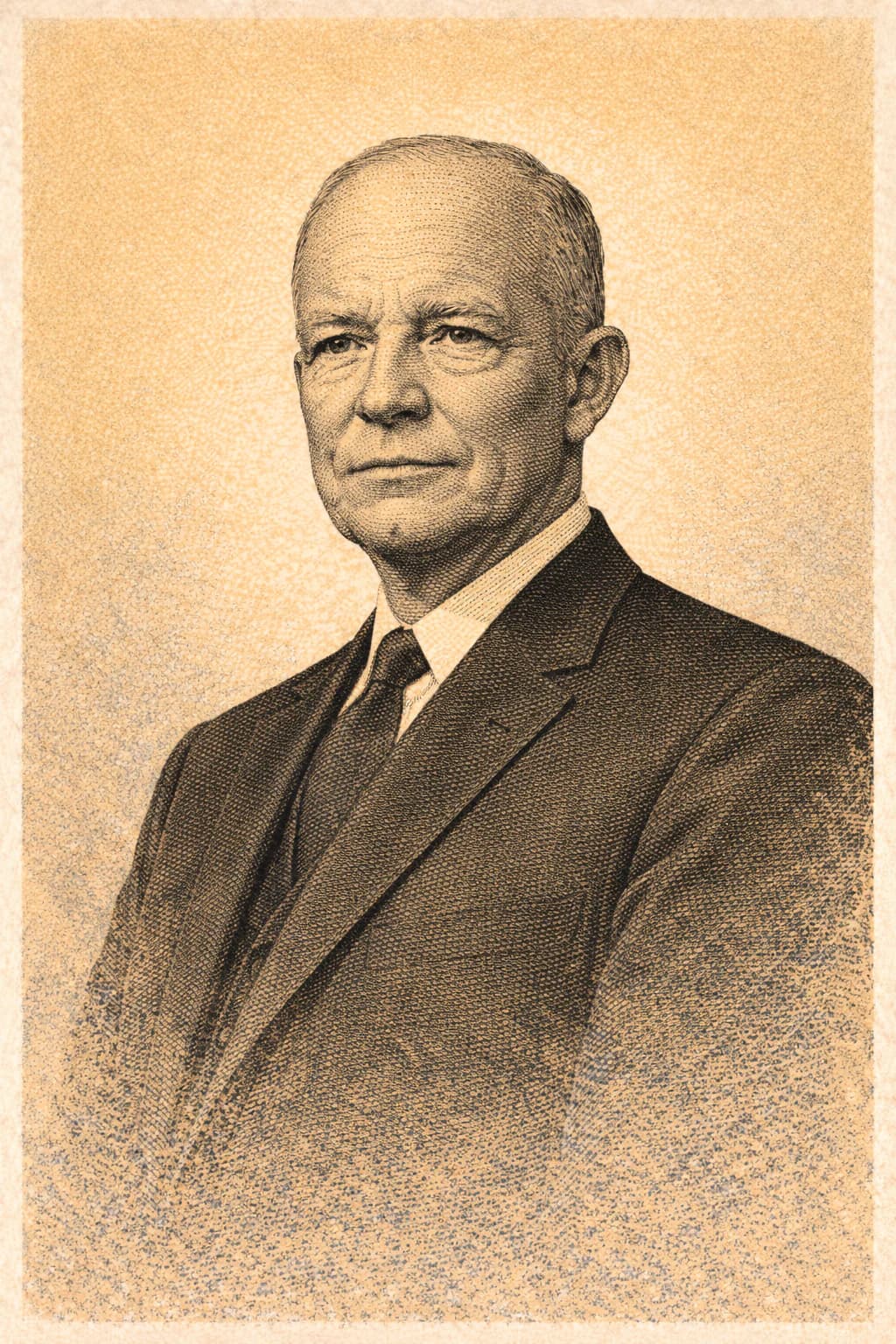
The plan needed one commander, so Dwight D. Eisenhower led a combined force of Americans, British, Canadians, and others. Armies, navies, and air forces had to act as one system.

was chosen because it was less heavily defended than Pas-de-Calais, still within fighter range from Britain, and wide enough for several beach landings at once.

Behind the scenes, factories built landing craft, engineers prepared artificial harbors, and planners designed deception to keep Germany guessing. Overlord showed that victory depended on logistics and coordination as much as battlefield courage.

It also mattered politically. A failed landing would strengthen Nazi control and strain Allied unity, while success could reopen Europe and show occupied peoples that liberation was becoming real.

The Deception Before D-Day
1944 CE
Step 2 of 101944 CEAccessible mode

The Deception Before D-Day

Before D-Day, the Allies knew surprise mattered as much as firepower. If German reserves rushed quickly to , the invasion might fail.

Operation Fortitude built a giant illusion. Fake camps, inflatable tanks, dummy landing craft, and staged radio traffic created the image of a huge force in southeast England.

The deception pointed to Pas-de-Calais, the shortest crossing to France. German commanders already expected that area, so the Allied trick confirmed what many wanted to believe.

Double agents fed Berlin carefully controlled information that reinforced the story. On 6 June, this confusion helped delay German decisions and bought the Allies critical time to secure their beaches.

Deception saved lives because it changed timing. Every German unit held back near Calais gave the soldiers in a better chance to survive the first critical days.

The Normandy Landings
1944 CE
Step 3 of 101944 CEAccessible mode

The Normandy Landings

On 6 June 1944, Allied forces launched D-Day. Troops landed at Utah, Omaha, Gold, Juno, and Sword while paratroopers dropped inland before dawn.

Warships and aircraft struck German defenses first, but many positions survived. At Omaha especially, soldiers came ashore under intense fire and suffered very heavy losses.

British, Canadian, and American units fought through mines, wire, and bunkers to secure exits from the beaches. Airborne troops captured bridges, roads, and causeways to protect the landings.

By nightfall, the Allies held a foothold in France. D-Day did not end the war, but it opened a permanent western front that Germany could not ignore while also fighting the Soviet Union.

People remember the scale, but the meaning was strategic. D-Day proved the Allies could return in force, sustain that return, and begin dismantling Nazi occupation in the west.

Premium

You've reached the turning point

The opening chapters show the Allies preparing the gamble of landing in occupied France. Premium follows what happens after the beaches: the fight bogs down in Normandy, Paris is liberated, and the road to Germany opens through exhaustion and sacrifice.

Continue into the reversals, crises and human stakes that make the story matter.

Unlock full story

What Premium unlocks next

  1. 4The Fight for the Beachhead
  2. 5The Battle for Caen
  3. 6The Breakout at Saint Lo
  4. 7The Falaise Pocket
  5. 8The Liberation of Paris
  6. 9The Drive Across Western Europe
  7. 10The Road to Germany

Browse stories

Browse stories for free

Explore the people connected to this turning point or enjoy one of our free stories.

Unlock full storyBrowse stories

References

Sources & Further Reading

Reliable sources, primary-source collections and reading paths connected to this page.

Sources used

  1. Imperial War Museums, What You Need To Know About D-Day,” Open source
  2. The National WWII Museum, D-Day and the Normandy Campaign,” Open source

Further reading

  1. Antony Beevor, D-Day: The Battle for Normandy, Viking.

Primary sources

  1. U.S. National Archives, D-Day Records,” Open source

Image references

  1. Imperial War Museums, Collection search: D-Day,” Open source

A weekly route through history

Find out first about the latest published stories, feature notes and occasional Premium offers in one weekly email.