Ducal power
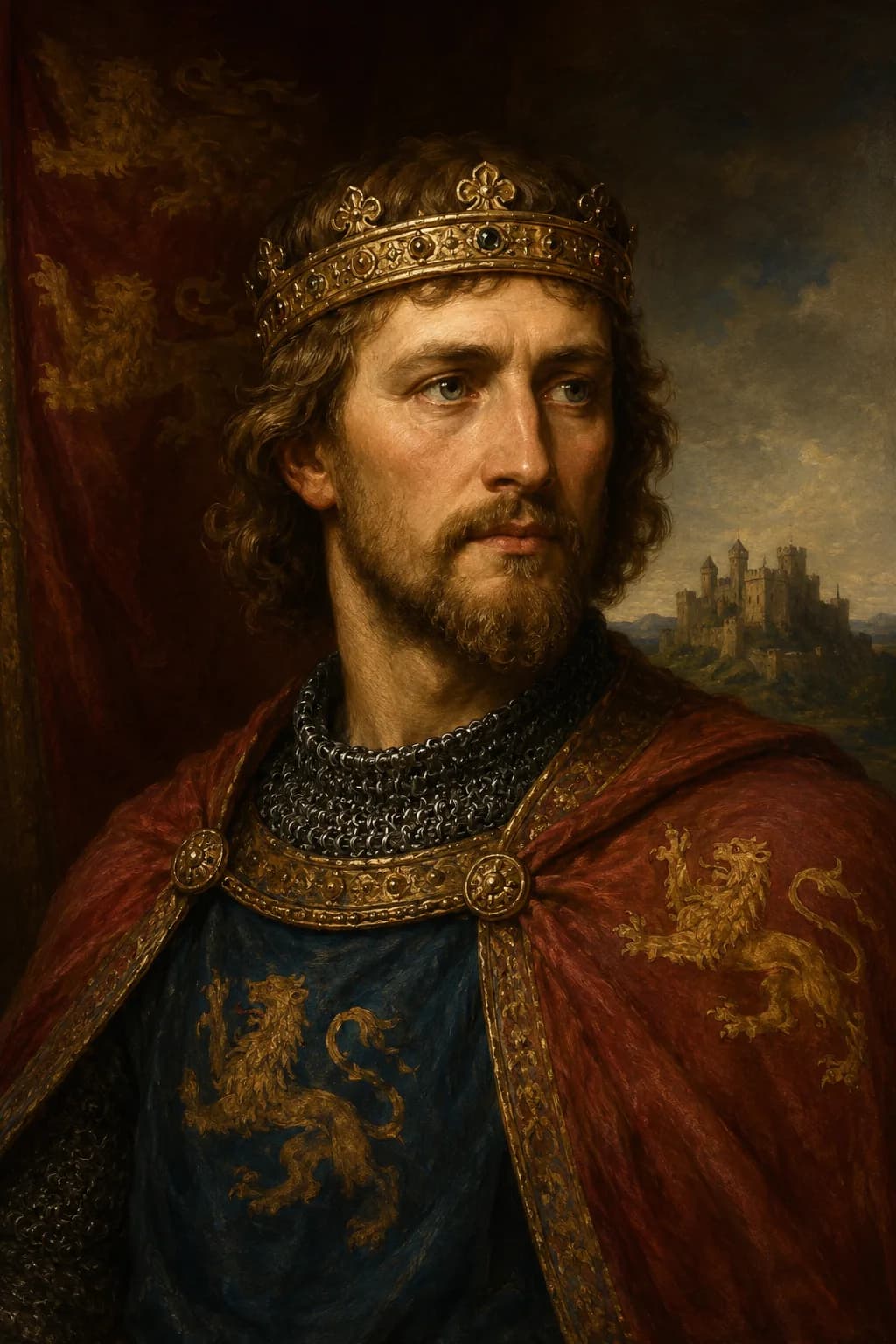
William ruled as duke of Aquitaine and count of Auvergne in a fragmented post-Carolingian political world.
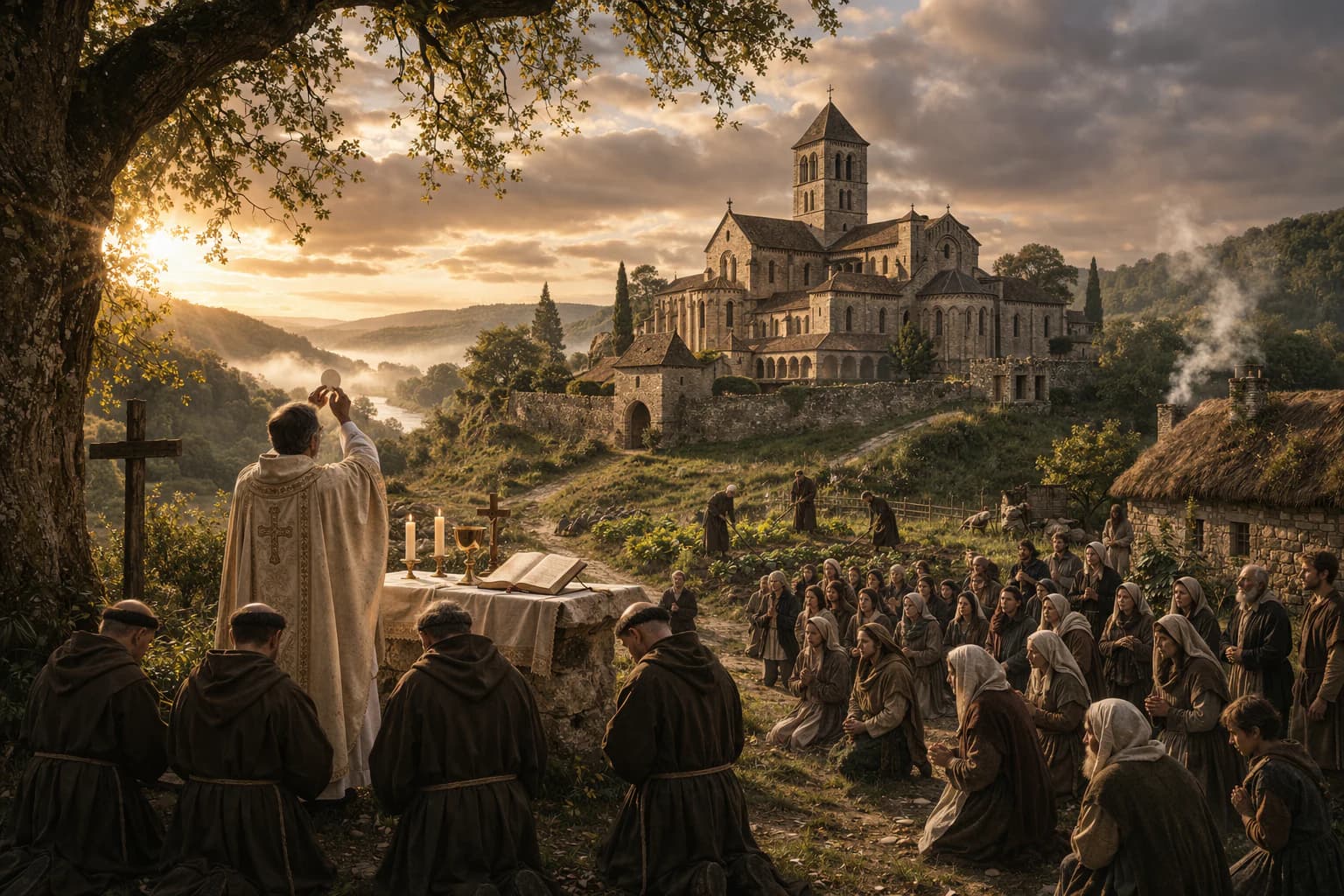
William I, Duke of Aquitaine, also known as William the Pious, founded the monastery of Cluny in 910. His charter freed the house from local lay control and helped launch the Cluniac reform movement.
Duke of Aquitaine (c. 875-918)

Additional identity and tagging details that are not already covered in the introduction.
Selected specifics from this profile's life story.
William ruled as duke of Aquitaine and count of Auvergne in a fragmented post-Carolingian political world.
In 910 William founded the monastery of Cluny and placed it under unusually strong protection from secular interference.
William's charter made independence from lay control the foundation for Cluny's later reforming influence.
William died in 918, but Cluny grew into one of the most influential reform centres in medieval Europe.
Follow William of Aquitaine from regional lordship to one of medieval monasticism's most important foundations.
William ruled as duke of Aquitaine and count of Auvergne in a fragmented post-Carolingian political world.
In 910 William founded the monastery of Cluny and placed it under unusually strong protection from secular interference.
William's charter made independence from lay control the foundation for Cluny's later reforming influence.
William died in 918, but Cluny grew into one of the most influential reform centres in medieval Europe.
Move from the profile into the wider events and settings this figure belongs to.


This profile is written for educational use and connects to related Stories of History pages. Illustrations are original artistic interpretations.
Find out first about the latest published stories, feature notes and occasional Premium offers in one weekly email.