People

Saint Boniface

Saint Boniface was an Anglo-Saxon missionary from Devon who evangelised in Germany, worked closely with the papacy, reformed Frankish churches, and was killed in Frisia in 754.

Born
c. 675 CE
Died
754 CE
Role
Missionary bishop

Anglo-Saxon missionary bishop (c. 675-754)

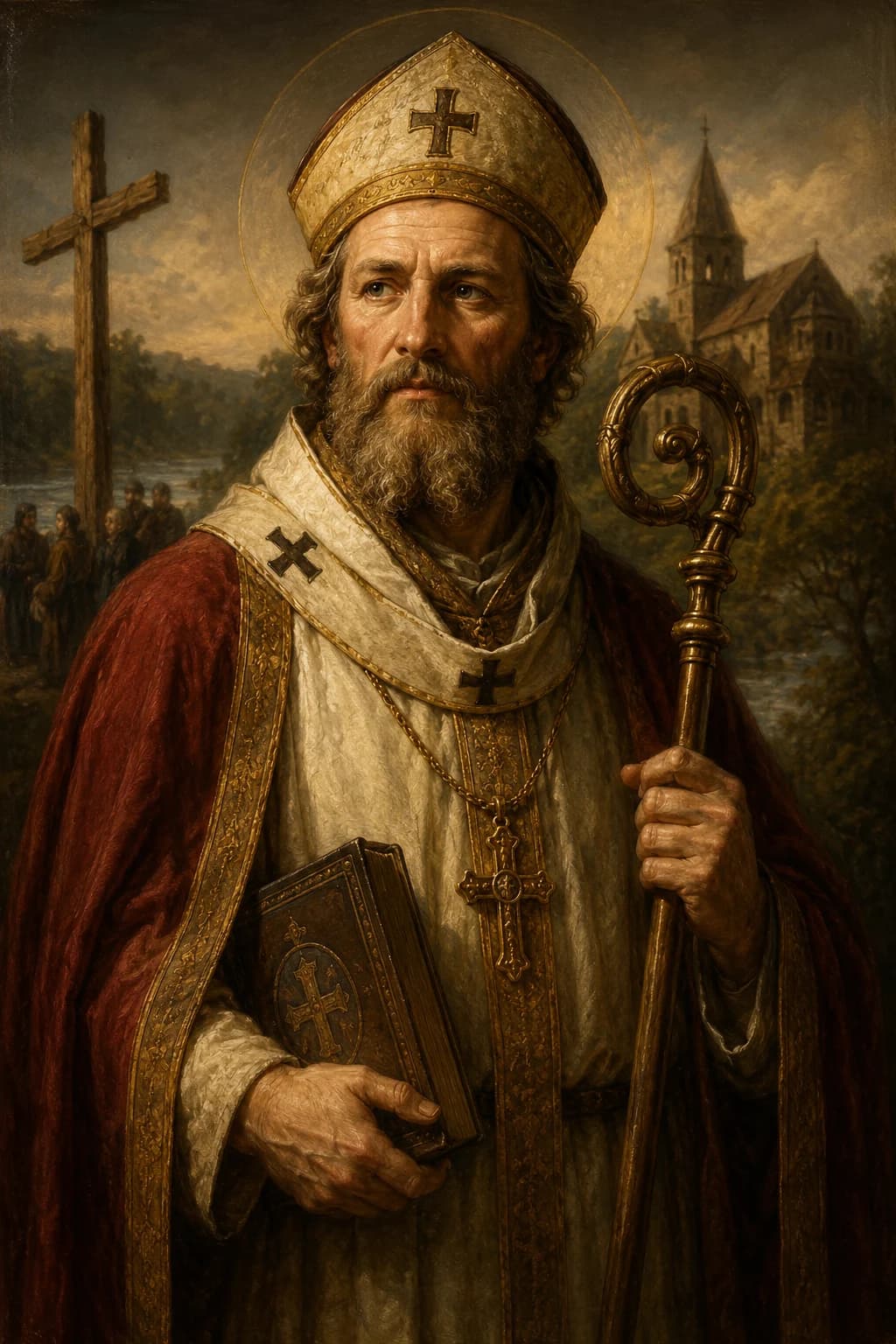
AI-generated portrait of Saint Boniface in bishop's vestments holding a crozier and book
AI-assisted historical reconstruction

An illustrative reconstruction based on historical context. It is not a photograph or documentary likeness. Image policy

Quick answer

Saint Boniface was an Anglo-Saxon missionary from Devon who evangelised in Germany, worked closely with the papacy, reformed Frankish churches, and was killed in Frisia in 754.

Born
c. 675 CE
Died
754 CE
Role
Missionary bishop
Years
c. 675-754 CE
Quick facts

Profile details

Additional identity and tagging details that are not already covered in the introduction.

Also known as
Boniface of Mainz, Wynfrith, Winfrid
Facts

Saint Boniface timeline facts

Selected specifics from this profile's life story.

c. 675-716
Monastic training

Boniface was born in Anglo-Saxon England as Wynfrith and trained in monastic communities before leaving for mission abroad.

716-722
Mission east

He attempted mission in Frisia and then turned toward German lands with papal backing.

730s-740s
Church organiser

Boniface founded and reorganised bishoprics, promoted discipline, and helped connect the Frankish church more firmly to Rome.

754
Martyrdom

Boniface was killed in Frisia in 754 while continuing missionary work late in life.

Life Journey

From Devon monk to architect of German Christianity

Follow Boniface from Anglo-Saxon monastic training to mission, reform, and martyrdom.

Complete chronology

c. 675-716

Monastic training

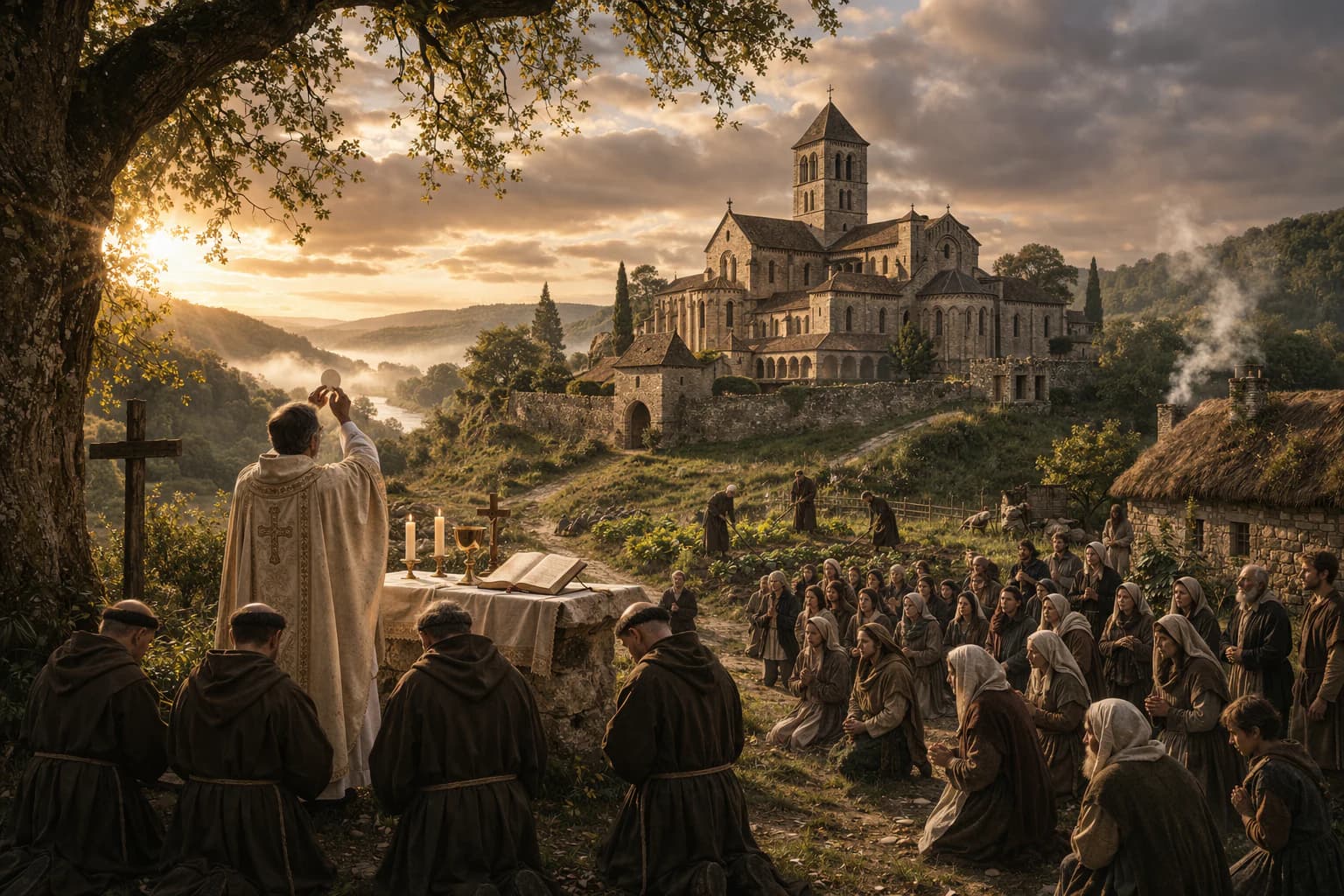
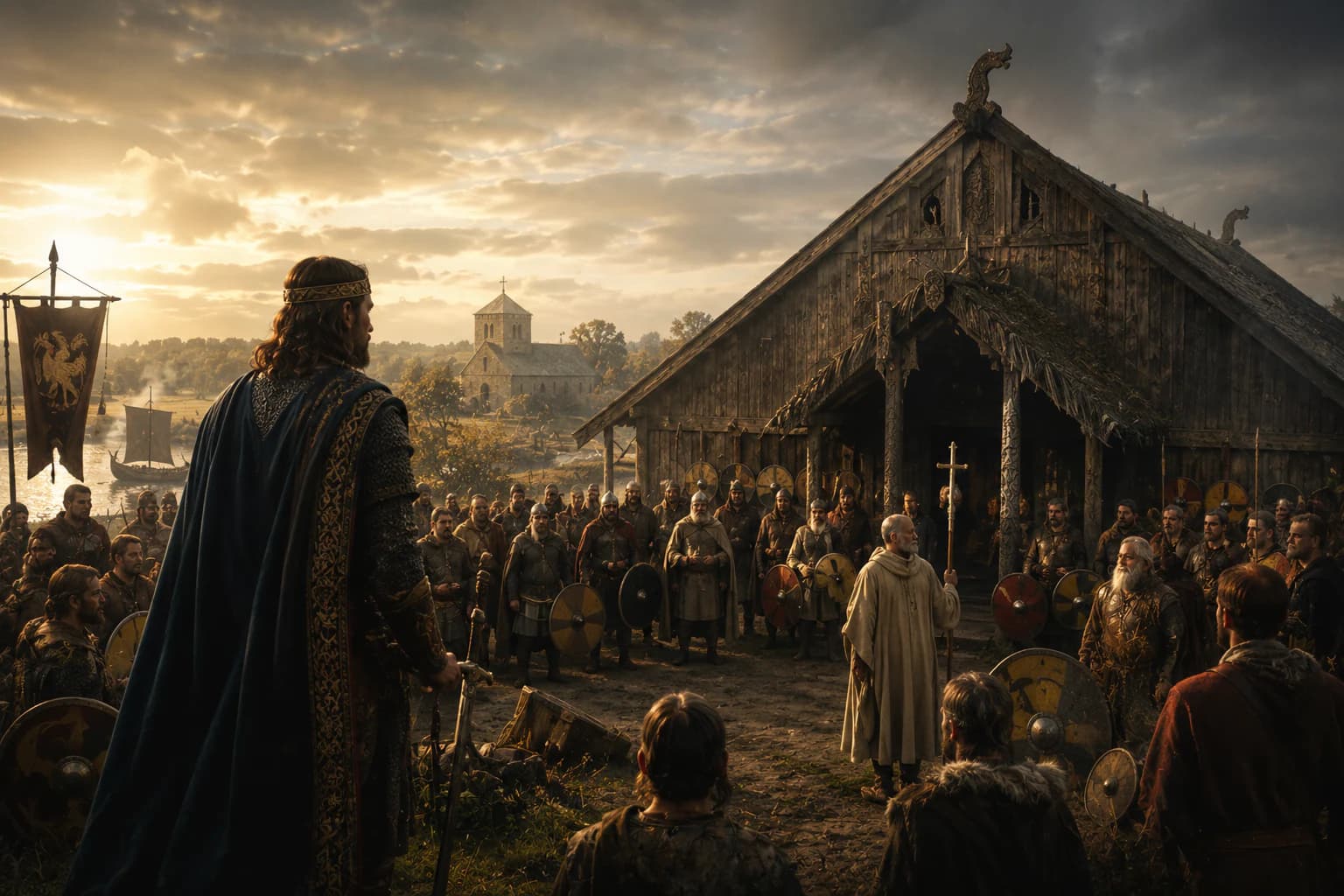
Boniface was born in Wessex, probably around 675, and was originally known as Wynfrith or Winfrid. His early life belonged to the world of Anglo-Saxon monasteries, where Latin learning, scripture, liturgy, discipline, and manuscript culture were joined together. That formation mattered deeply. The English Church had itself grown from Roman mission, royal patronage, and monastic organisation. Boniface inherited that model and eventually carried it back across the Channel, not as a solitary preacher improvising in the forest, but as a trained churchman who understood that conversion needed schools, bishops, letters, patrons, and durable institutions.
716-722

Mission east

Boniface's first missionary efforts in Frisia were difficult and did not produce the breakthrough he hoped for. Rather than abandon the work, he sought Roman approval and a clearer commission. Pope Gregory II supported him, gave him the name Boniface, and authorised his preaching among peoples east of the Rhine. This papal connection became one of the defining features of his career. Boniface was not merely expanding Christianity in a general sense; he was binding new and unstable Christian communities to Roman authority.

723

Public confrontation

The most famous episode in Boniface's mission is the felling of the sacred oak at Geismar, often associated with the god Donar or Thor. The story survives through hagiographical sources, so its details should be read as religious memory as well as event. Its meaning, however, is clear: Boniface represented a Christianity willing to challenge local sacred power in public. The point was not only to win an argument about belief, but to show that the Christian God and the Roman-backed church could command loyalty where older cults had once carried authority.

730s-740s

Church organiser

Boniface's lasting importance lies as much in organisation as in evangelism. He founded or reformed churches and monasteries, corresponded extensively with popes and patrons, and worked to strengthen clerical discipline in Frankish and German regions. His activity helped create a more coherent ecclesiastical structure east of the Rhine and made papal authority more concrete there. He was part missionary, part reformer, part administrator. That combination made him central to the development of the medieval Church as an institution capable of crossing frontiers and then staying there.

754

Martyrdom

In 754, Boniface returned to Frisia, the difficult mission field where his career had begun. There he and his companions were killed, probably near Dokkum. Medieval memory treated his death as martyrdom: the missionary who had spent his life extending and disciplining the Church died in the field of mission. His legacy endured through the churches, monasteries, and reform networks he helped build. For the Rise of the Medieval Church, Boniface matters because he shows what Augustine's earlier mission made possible: English Christianity became not only a convert, but a sender of missionaries.

Continue in context

Connected stories

Move from the profile into the wider events and settings this figure belongs to.

Tertiary paths

Content note

This profile is written for educational use and connects to related Stories of History pages. The main portrait is an AI-assisted historical reconstruction, included as an illustrative aid rather than documentary evidence. Image policy

References

Sources & Further Reading

Reliable reference works, archives and reading paths connected to this profile.

Further reading

  1. Encyclopaedia Britannica, Search results for Saint Boniface,” accessed June 2026.Open source
  2. WorldCat, Books and library holdings for Saint Boniface,” accessed June 2026.Open source

Primary sources

  1. Library of Congress, Search results for Saint Boniface,” accessed June 2026.Open source

Reviewed claim sources

Loading reviewed claim sources...

A weekly route through history

Find out first about the latest published stories, feature notes and occasional Premium offers in one weekly email.