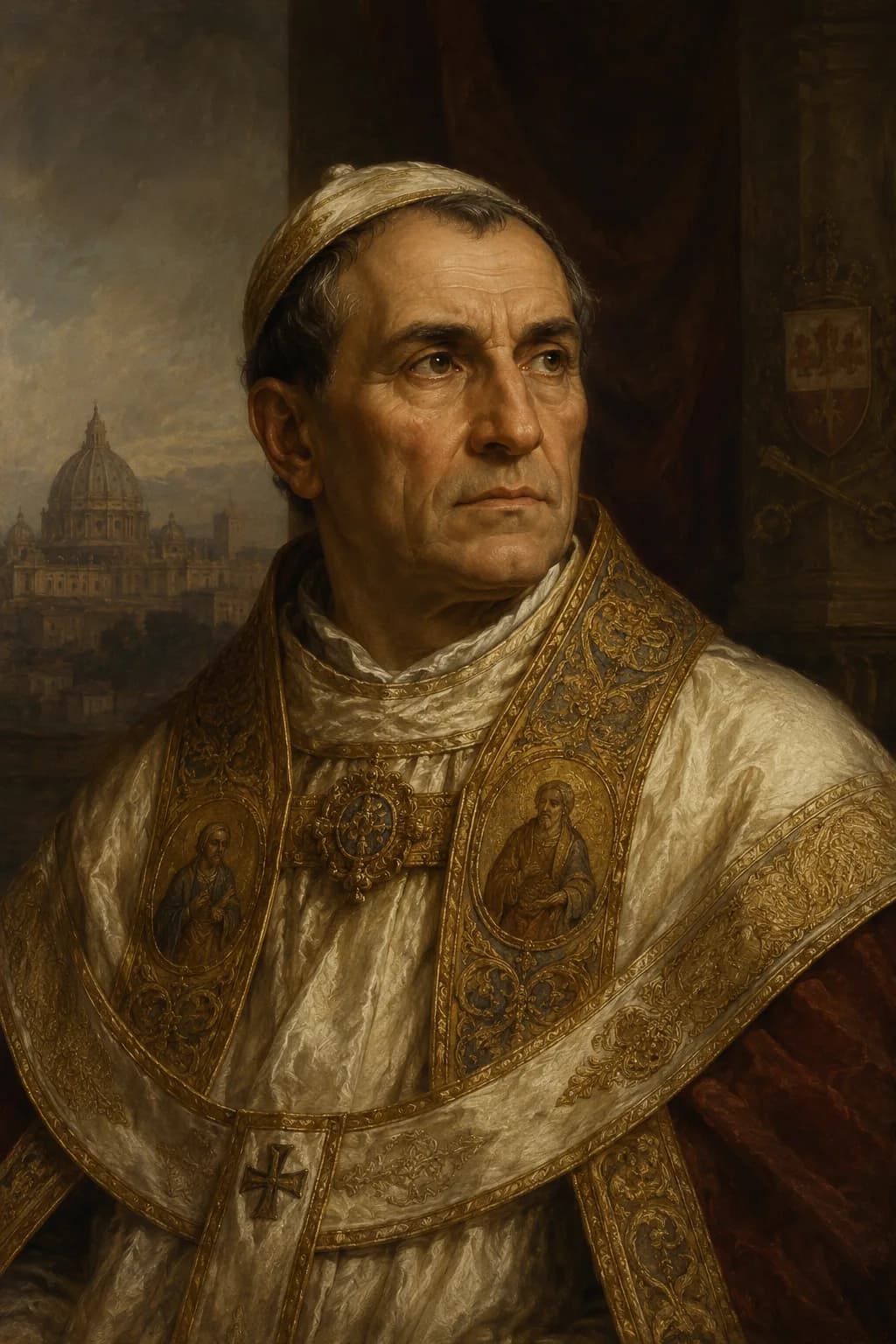
Roman cleric
Leo rose through the Roman church before becoming pope in 440, during the final decades of western imperial instability.
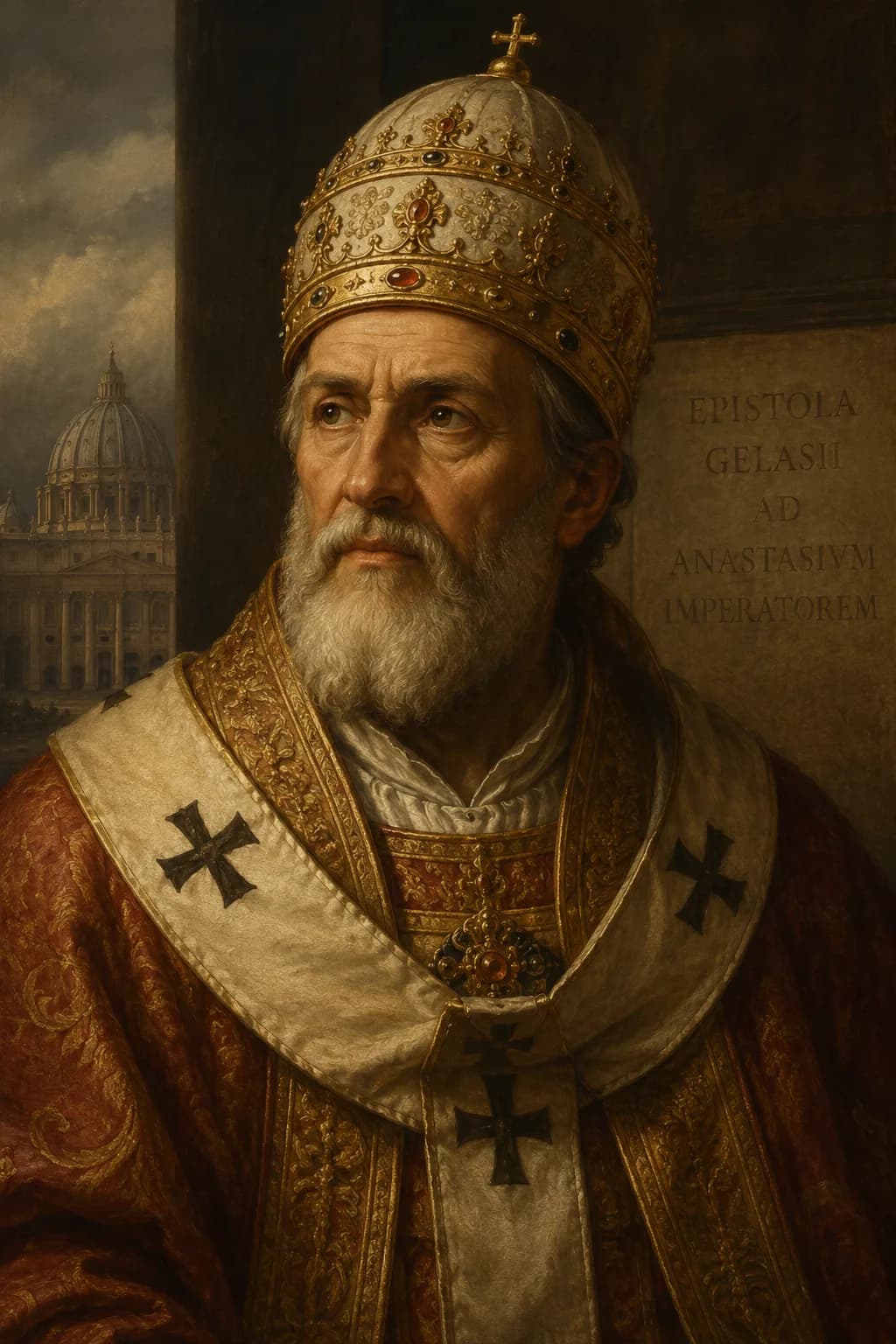
Pope Leo I, known as Leo the Great, served as pope from 440 to 461. He developed Roman primacy, influenced the Council of Chalcedon through the Tome of Leo, and helped define the papacy's authority in the late Roman world.
Pope (c. 400-461)

Additional identity and tagging details that are not already covered in the introduction.
Selected specifics from this profile's life story.
Leo rose through the Roman church before becoming pope in 440, during the final decades of western imperial instability.
Leo argued that the bishop of Rome held special authority through succession from Saint Peter.
Leo's Tome influenced the Council of Chalcedon, which defined Christ as fully divine and fully human.
Leo's papacy was remembered for diplomacy in a dangerous age, including his famous meeting with Attila the Hun.
Follow Leo I through doctrine, diplomacy, and the early language of papal primacy.
Leo rose through the Roman church before becoming pope in 440, during the final decades of western imperial instability.
Leo argued that the bishop of Rome held special authority through succession from Saint Peter.
Leo's Tome influenced the Council of Chalcedon, which defined Christ as fully divine and fully human.
Leo's papacy was remembered for diplomacy in a dangerous age, including his famous meeting with Attila the Hun.
Move from the profile into the wider events and settings this figure belongs to.


This profile is written for educational use and connects to related Stories of History pages. Illustrations are original artistic interpretations.
Find out first about the latest published stories, feature notes and occasional Premium offers in one weekly email.