People

Paul Kruger

Paul Kruger was the Boer leader and president of the South African Republic whose resistance to British imperial power made him central to the Anglo-Boer conflict and Afrikaner memory.

Born
1825 CE
Died
1904 CE
Role
President of the South African Republic

President of the South African Republic (1825-1904)

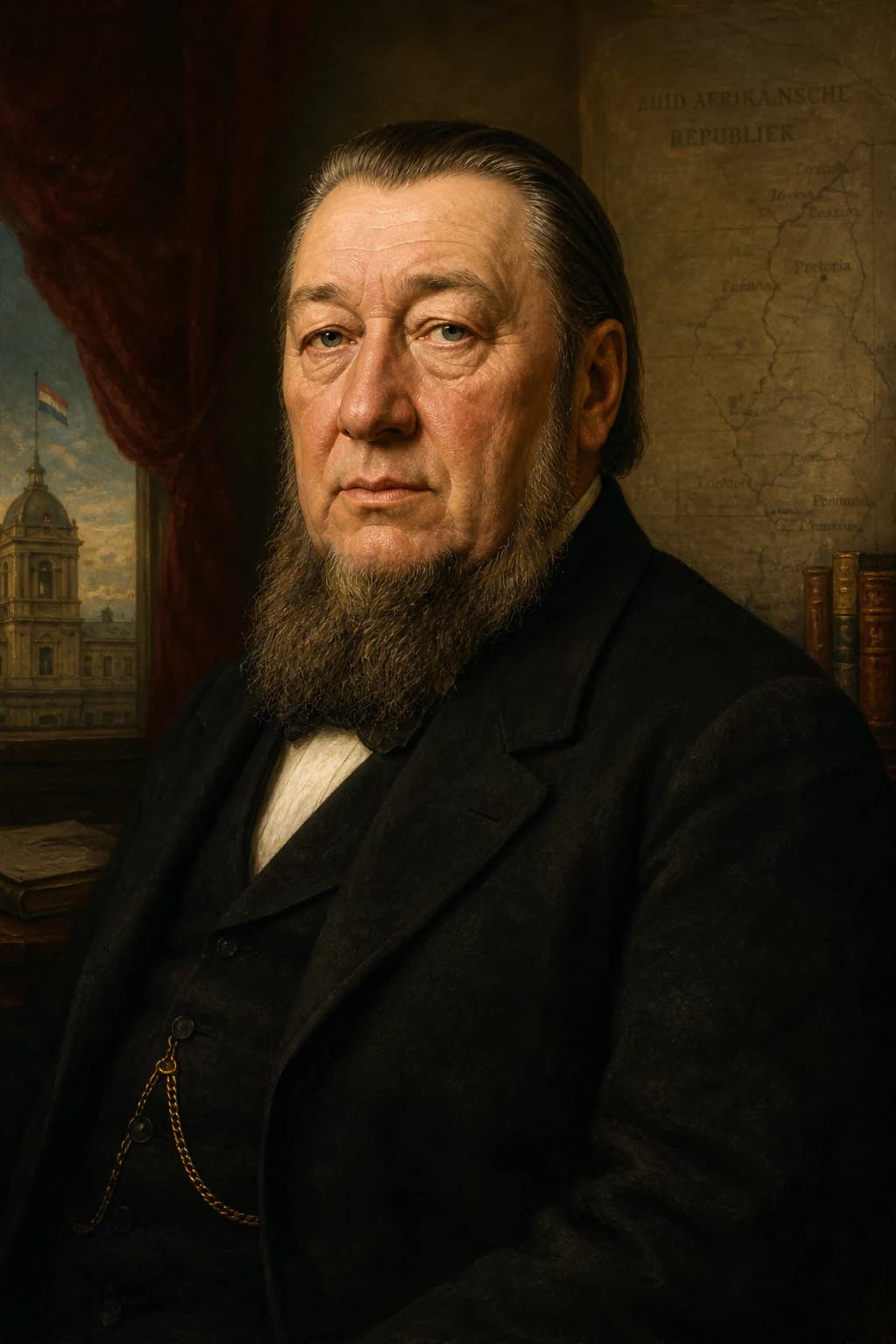
AI-generated portrait of Paul Kruger
AI-assisted historical reconstruction

An illustrative reconstruction based on historical context. It is not a photograph or documentary likeness. Image policy

Quick answer

Paul Kruger was the Boer leader and president of the South African Republic whose resistance to British imperial power made him central to the Anglo-Boer conflict and Afrikaner memory.

Born
1825 CE
Died
1904 CE
Role
President of the South African Republic
Years
1825-1904 CE
Quick facts

Profile details

Additional identity and tagging details that are not already covered in the introduction.

Full name
Stephanus Johannes Paulus Kruger
Also known as
Oom Paul
Facts

Paul Kruger timeline facts

Selected specifics from this profile's life story.

1825
Frontier origins

Paul Kruger was born in the Cape Colony and grew up amid Boer migration, frontier conflict, and the search for independence beyond British rule.

1850s-1870s
Republic politics

Kruger became a military and political figure in the South African Republic, defending Boer autonomy through diplomacy, internal struggle, and armed resistance.

1899-1902
Boer War

The Second Boer War made Kruger an international symbol of resistance, though he left South Africa before the conflict ended in British victory.

1904
Exile and legacy

Kruger died in Switzerland in 1904, remembered as a defender of Boer independence and a controversial figure in South Africa's imperial past.

Life Journey

Why Paul Kruger matters

Follow the story in a more continuous narrative, with a reading mode that matches how much depth you want.

Complete chronology

1825

Frontier origins

Stephanus Johannes Paulus Kruger was born on 10 October 1825 near the eastern Cape frontier, a world shaped by settler movement, imperial expansion, and violent contests over land. As a child he moved north with Voortrekker communities during the Great Trek, absorbing the habits of a frontier society that prized religious discipline, armed self-reliance, and suspicion of outside authority. He had little formal schooling, but he learned politics through commandos, church life, family networks, and the practical business of survival. His youth coincided with the formation of Boer republics beyond the formal reach of Cape administration. That experience mattered deeply: Kruger did not treat independence as an abstract constitutional idea. For him, republican autonomy was tied to family, faith, land, and the memory of having deliberately moved away from British control.
1850s-1870s

Republic politics

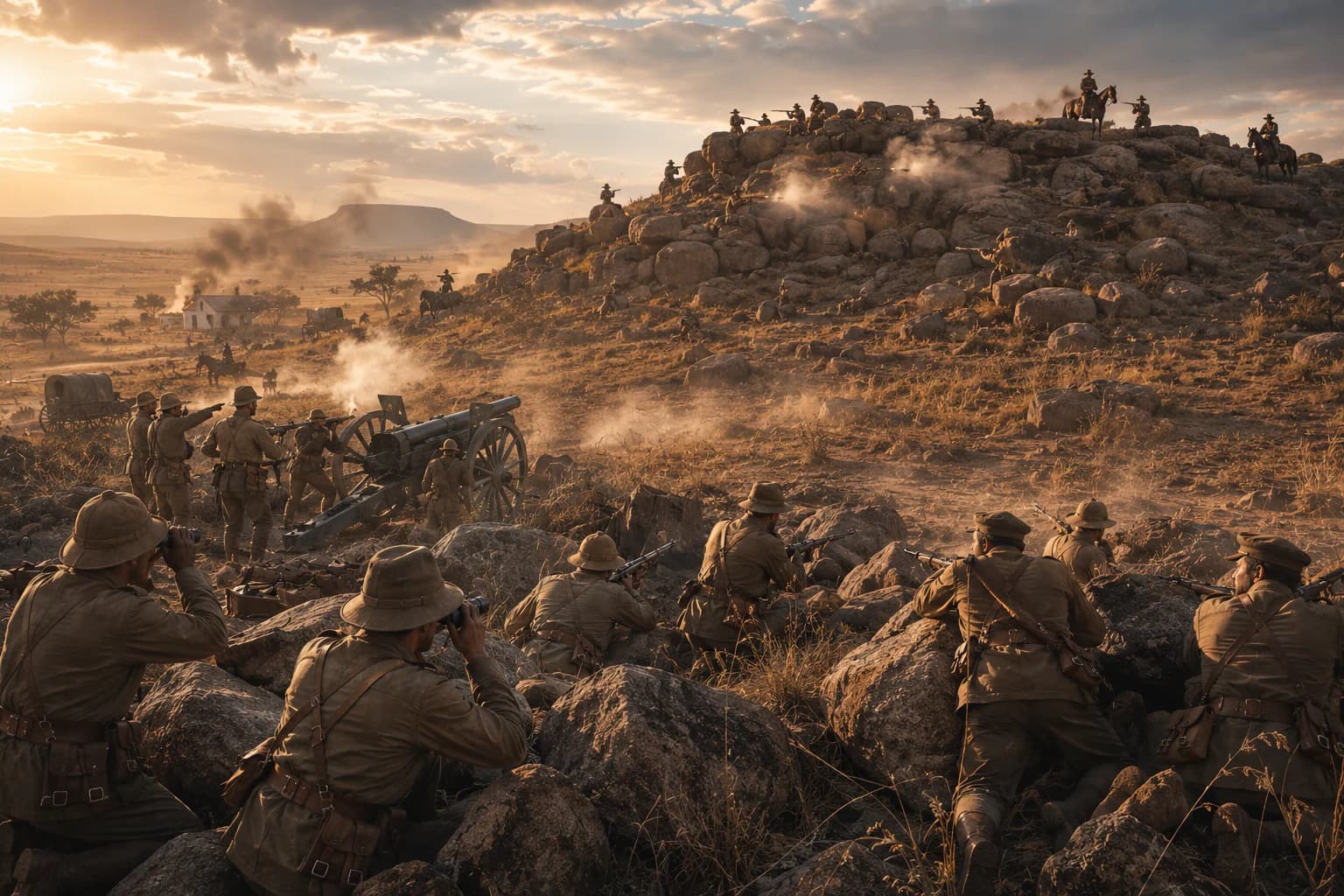
By the 1850s Kruger had become prominent in the South African Republic, also known as the Transvaal. He served as a commandant and then commandant-general, gaining authority in a society where military leadership and political legitimacy often overlapped. The republic was fragile: rival Boer factions argued over leadership, African polities resisted settler expansion, and British officials watched the region with growing strategic interest. Kruger was not simply a rustic obstructionist, as hostile British caricature later suggested. He was a skilled negotiator who understood both the limits and leverage of a small republic. When Britain annexed the Transvaal in 1877, he helped lead the campaign to restore independence. The First Boer War of 1880-1881, ending after Boer victory at Majuba Hill and the Pretoria Convention, established him as one of the central defenders of Transvaal self-rule.

1883

President

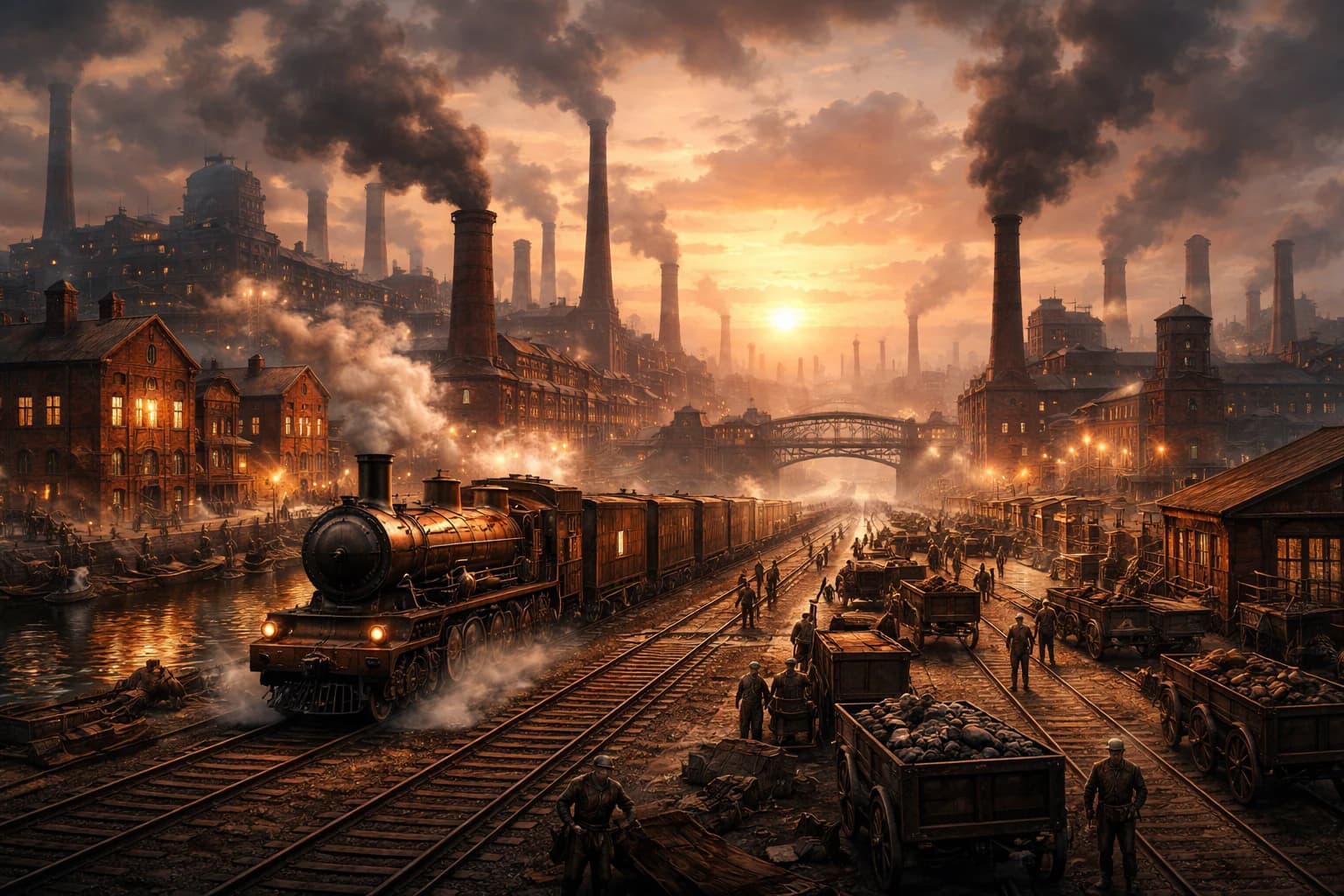
Kruger was elected president of the South African Republic in 1883 and remained its dominant political figure for most of the next two decades. His presidency was transformed by the discovery of gold on the Witwatersrand in 1886. Johannesburg grew with astonishing speed, drawing foreign miners and investors, many of them British, into a Boer republic whose institutions had been built for a smaller agrarian society. These newcomers, known as Uitlanders, demanded political rights; Kruger feared that rapid enfranchisement would turn the republic into a British-dominated state by electoral means. The dispute over voting rights became entangled with mining capital, imperial ambition, and the strategic dreams of men such as Cecil Rhodes. Kruger made concessions at times but resisted reforms that threatened Boer control. His critics saw backwardness; his supporters saw a president trying to keep a small republic from being swallowed by money and empire.

1899-1902

Boer War

Tension hardened after the failed Jameson Raid of 1895, a British-backed attempt linked to Rhodes's circle that confirmed Kruger's deepest fears about imperial designs on the Transvaal. Negotiations with High Commissioner Alfred Milner broke down in 1899, and war followed in October. Kruger, then in his seventies, was too old to command in the field, but he embodied the republic's cause. The early Boer offensives gave way to British reinforcement, the fall of Pretoria in June 1900, and a guerrilla struggle across the veld. Kruger left for Europe in late 1900 to seek diplomatic support, but no great power intervened against Britain. From exile he watched the war become harsher, with scorched-earth tactics and concentration camps devastating Boer civilian life. The Treaty of Vereeniging in 1902 ended the republic's independence, though it preserved the cultural memory of resistance that later Afrikaner nationalism would cultivate.

1904

Exile and legacy

Paul Kruger died in Clarens, Switzerland, on 14 July 1904, two years after the Boer republics accepted British rule. His body was later returned to South Africa for burial in Pretoria. His legacy is powerful and contested. To many Afrikaners he became Oom Paul, the stubborn patriarch who refused to surrender republican independence to an empire armed with finance, troops, and global prestige. To many others, his world also represented a racially exclusive republic built on settler power and deeply unequal relations with African communities. Both truths matter. Kruger was neither a simple freedom fighter in the modern democratic sense nor a mere relic blocking progress. He was a nineteenth-century Boer statesman defending a small white republic in a region transformed by gold, migration, capitalism, and imperial competition. His life remains essential to understanding the Anglo-Boer conflict, the making of modern South Africa, and the emotional force of political memory.

Continue in context

Connected stories

Move from the profile into the wider events and settings this figure belongs to.

Tertiary paths

Content note

This profile is written for educational use and connects to related Stories of History pages. The main portrait is an AI-assisted historical reconstruction, included as an illustrative aid rather than documentary evidence. Image policy

References

Sources & Further Reading

Reliable reference works, archives and reading paths connected to this profile.

Further reading

  1. Encyclopaedia Britannica, Search results for Paul Kruger,” accessed June 2026.Open source
  2. WorldCat, Books and library holdings for Paul Kruger,” accessed June 2026.Open source

Primary sources

  1. Library of Congress, Search results for Paul Kruger,” accessed June 2026.Open source

Reviewed claim sources

Loading reviewed claim sources...

A weekly route through history

Find out first about the latest published stories, feature notes and occasional Premium offers in one weekly email.