People

Konstantin Chernenko

Konstantin Chernenko was a Soviet leader. He served as General Secretary from 1984 to 1985, between Yuri Andropov and Mikhail Gorbachev, during the final years of late Soviet stagnation.

Born
1911 CE
Died
1985 CE
Role
Soviet leader

Soviet leader (1911–1985)

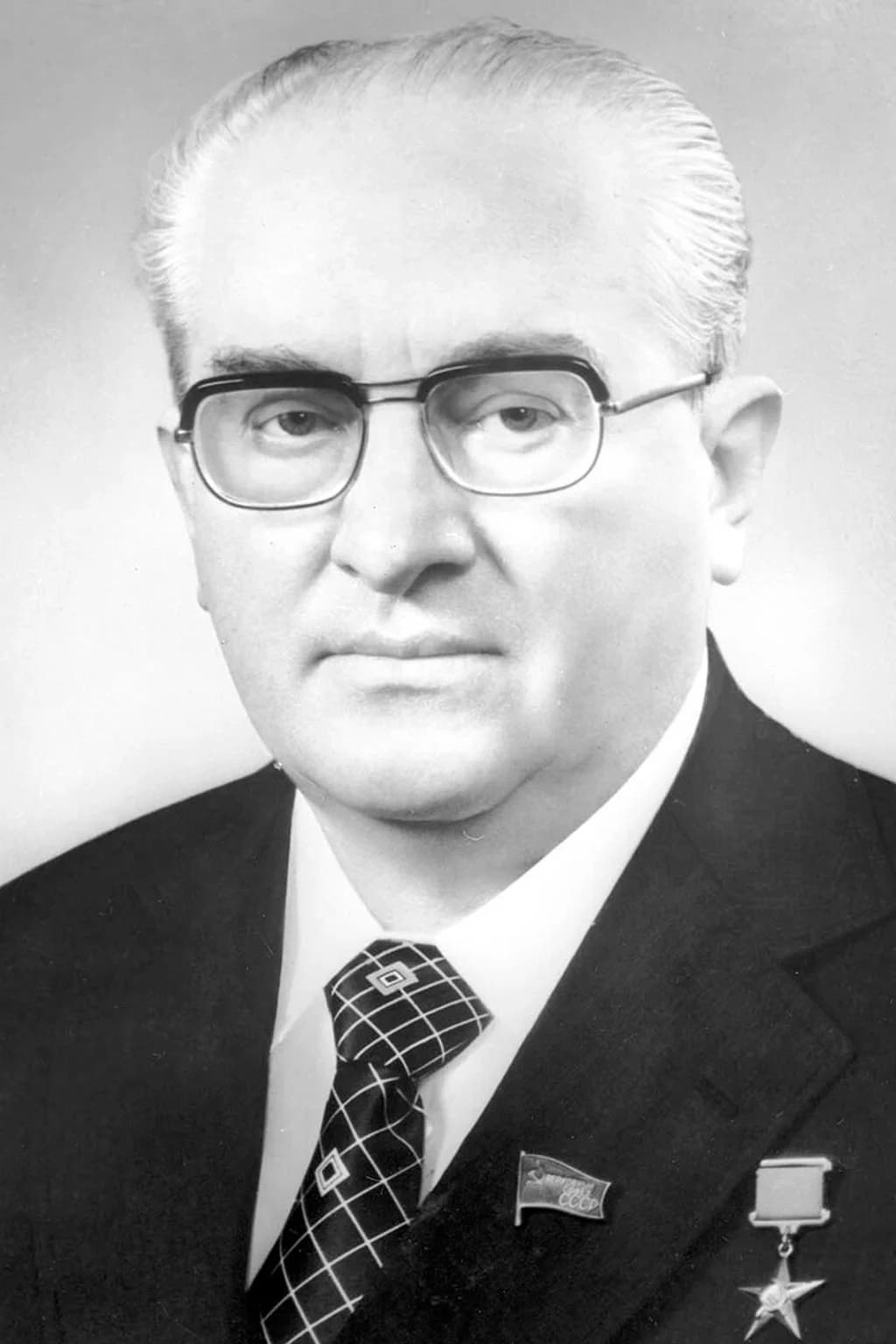
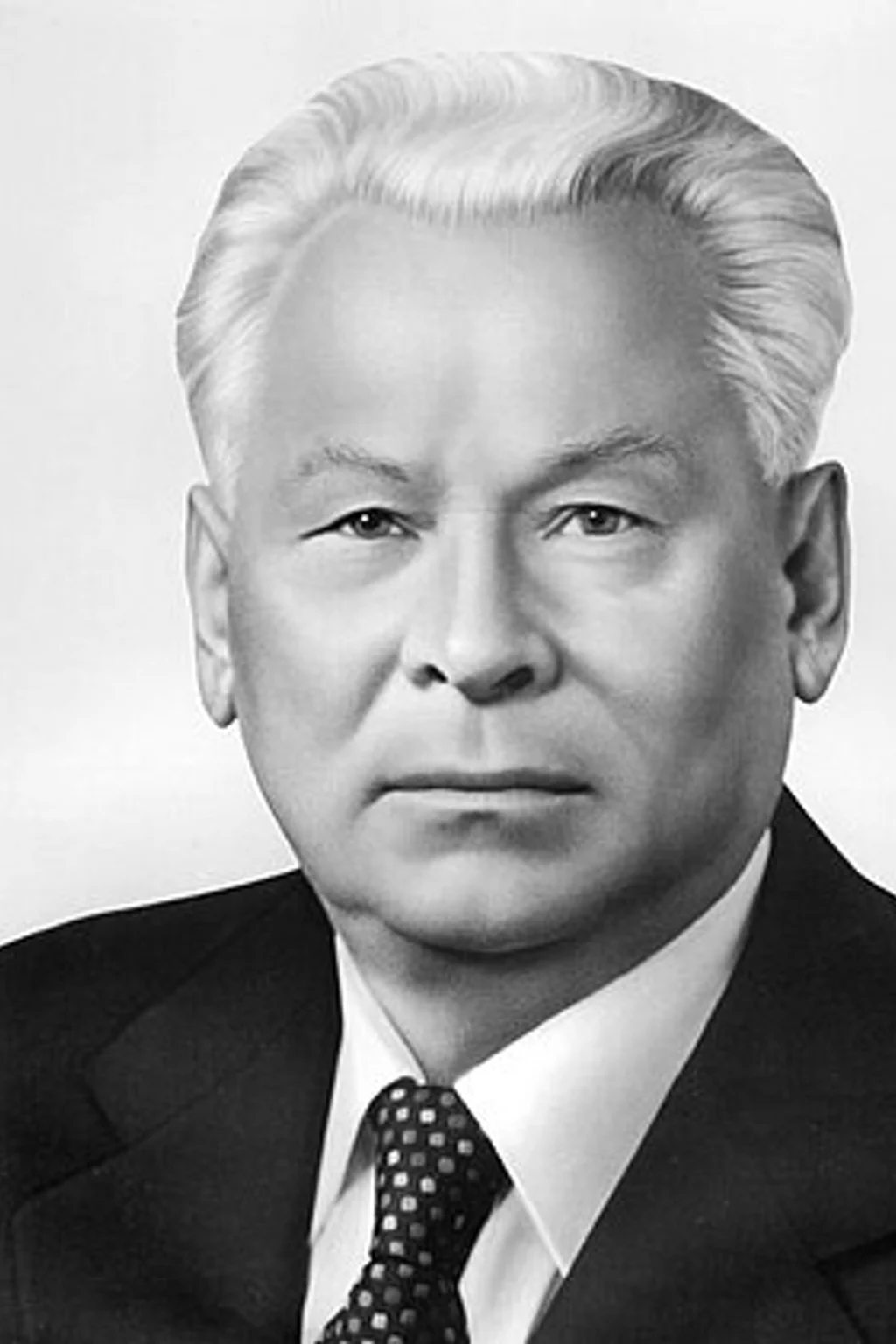
Portrait photograph of Konstantin Chernenko
Historical photograph

A real historical or editorial image is used here. Source, licence and transformation details are publicly recorded. Image policy Attribution

Quick answer

Konstantin Chernenko was a Soviet leader. He served as General Secretary from 1984 to 1985, between Yuri Andropov and Mikhail Gorbachev, during the final years of late Soviet stagnation.

Born
1911 CE
Died
1985 CE
Role
Soviet leader
Years
1911-1985 CE
Quick facts

Profile details

Additional identity and tagging details that are not already covered in the introduction.

Full name
Konstantin Ustinovich Chernenko
Also known as
Chernenko, Konstantin Chernenko Soviet leader
Facts

Konstantin Chernenko timeline facts

Selected specifics from this profile's life story.

1911–1920s
Siberian Beginnings

Born in Siberia before the Russian Revolution, Chernenko came from a poor rural background and entered politics through Soviet youth organisations.

1956–1964
Central Apparatus

Chernenko moved to Moscow and worked in the Communist Party's central bureaucracy, strengthening his reputation as a trusted administrator.

1984
Brief Rule

After Andropov's death, Chernenko became General Secretary in February 1984 and Chairman of the Presidium of the Supreme Soviet in April.

1985
Final Interregnum

Chernenko died in March 1985 and was succeeded by Mikhail Gorbachev, whose reforms transformed the Soviet Union.

Life Journey

From party functionary to last leader of stagnation

Follow the story in a more continuous narrative, with a reading mode that matches how much depth you want.

Complete chronology

1911–1920s

Siberian Beginnings

Konstantin Ustinovich Chernenko was born in 1911 in Bolshaya Tes, in the Yeniseysk region of Siberia, far from the ceremonial rooms where he would one day appear as head of the Soviet state. His origins were modest, rooted in a rural society transformed by revolution, collectivisation and the expansion of Communist authority into local life. Like many Soviet officials of his generation, his pathway upward began through youth and party structures rather than inherited privilege. The young Chernenko did not become known as a theoretician, soldier or public speaker. He became an organiser, a propagandist and an administrator, the kind of man who advanced by making the machinery of the party run.
1930s–1940s

Propaganda Training

Chernenko joined the Communist Party in 1931, during the violent and transformative years of Stalin's rule. He served in border troops and then developed as a party propagandist, working in political education and agitation. These roles demanded loyalty, ideological fluency and attention to instructions from above. They also taught him the Soviet habit of treating language as a tool of power: slogans, reports, meetings and controlled messages mattered because they shaped what could publicly be said. Chernenko's gifts were bureaucratic rather than visionary. He proved dependable in a system where dependability could be more valuable than brilliance.

1948–1956

Brezhnev Connection

Chernenko's decisive political connection was formed in the Moldavian Soviet Socialist Republic, where he worked in agitation and propaganda after the Second World War. There he came into the orbit of Leonid Brezhnev, then an important regional party figure. The relationship changed Chernenko's prospects. Brezhnev valued loyal staff who could manage documents, appointments and internal communication without creating political drama. Chernenko fitted that need perfectly. When Brezhnev rose, Chernenko rose with him. This patronage did not make him powerful overnight, but it placed him near a leader whose long dominance would define Soviet politics for nearly two decades.

1956–1964

Central Apparatus

In 1956, Chernenko moved into the Communist Party's central apparatus in Moscow. The transfer placed him in the administrative heart of Soviet power, where careers were shaped less by public speeches than by access, paperwork and proximity. He handled propaganda and organisational responsibilities at a time when Nikita Khrushchev was shaking the system through de-Stalinisation and restless reform. Chernenko did not become associated with that reforming energy. His strengths lay in continuity, discipline and personal loyalty. In the capital, he learned how decisions were prepared, circulated and protected before they appeared as policy.

1964–1982

Brezhnev's Gatekeeper

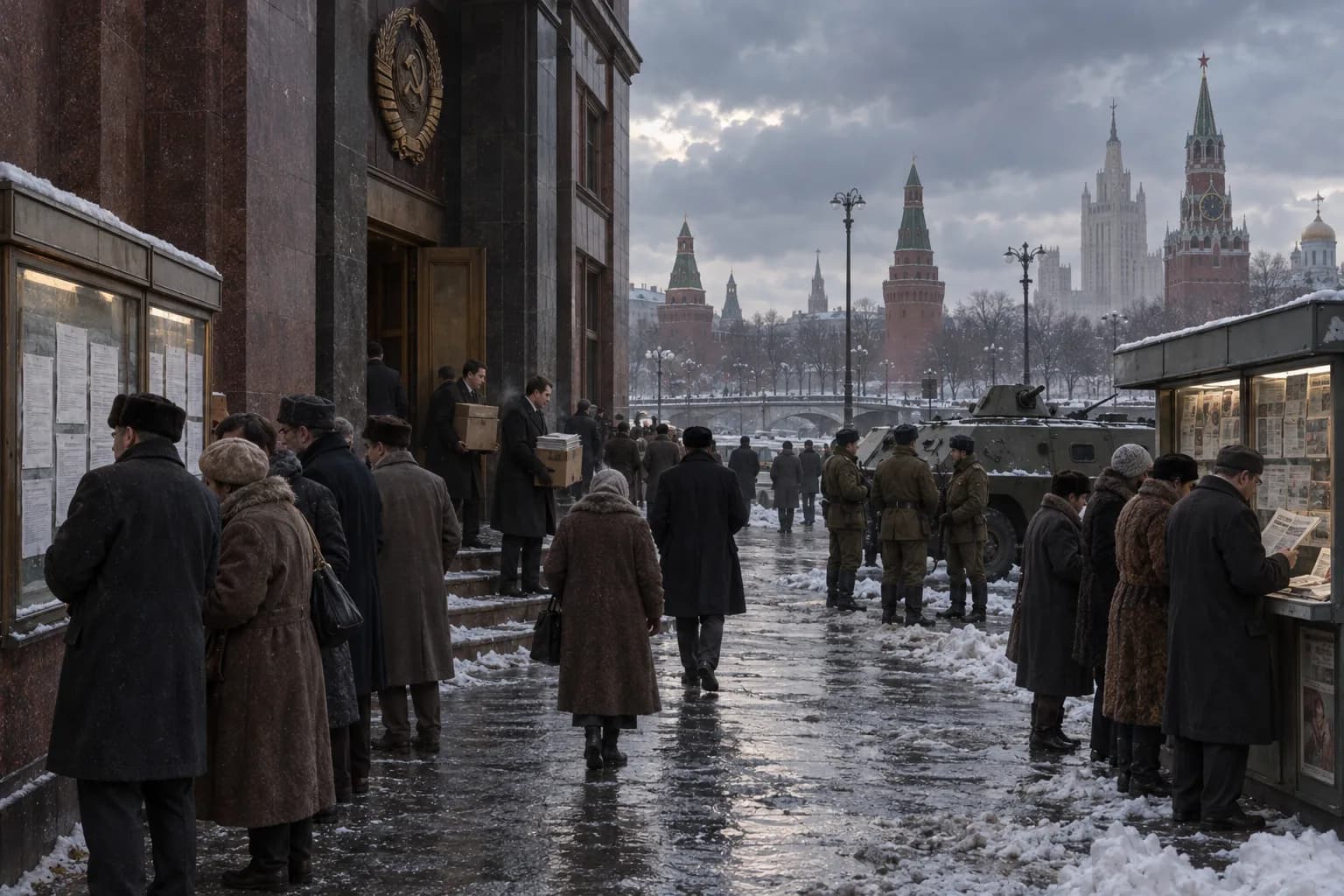
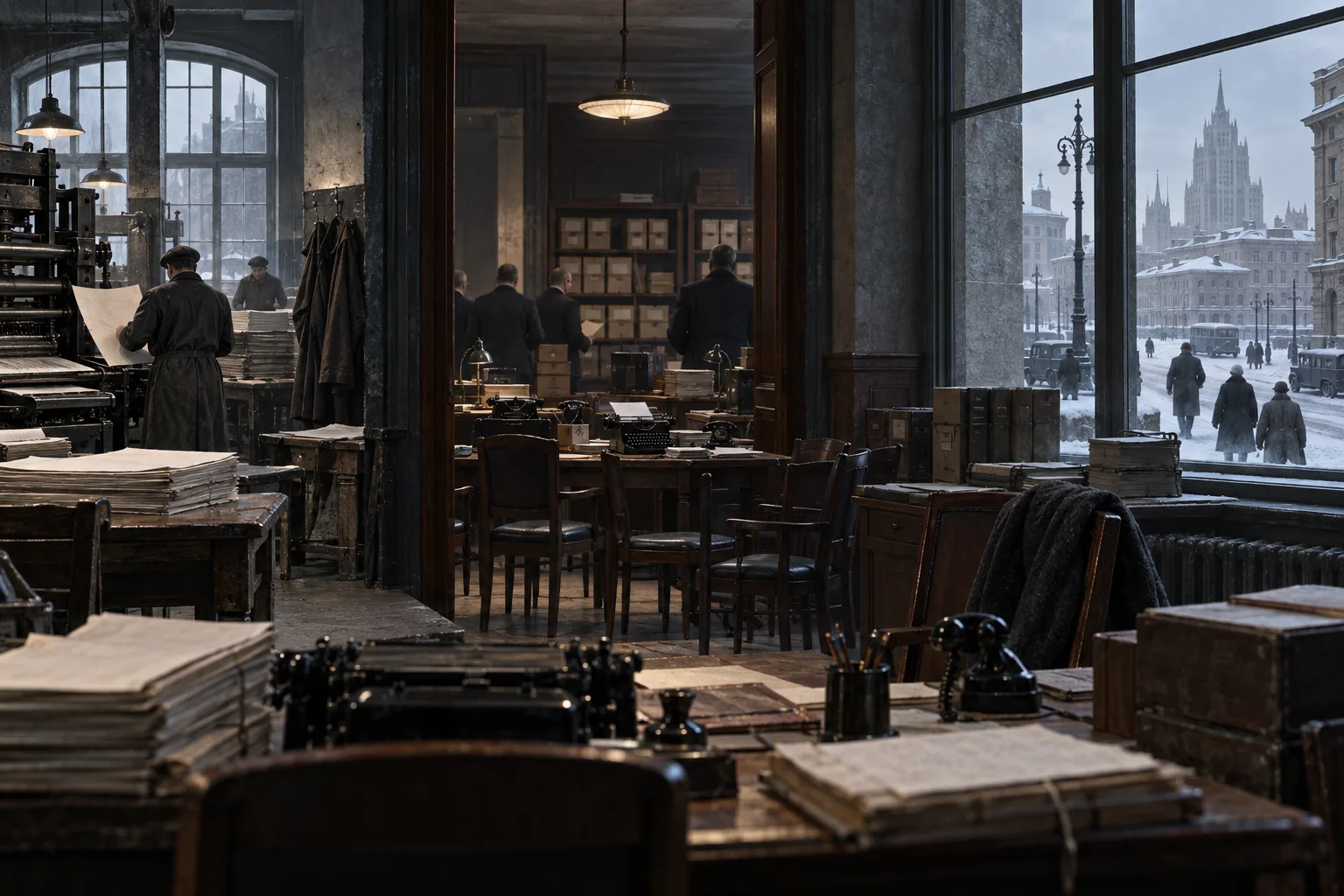
After Brezhnev became Soviet leader in 1964, Chernenko's influence expanded. He became closely associated with the General Department of the Central Committee, a crucial office that managed the flow of documents and access around the leadership. This may sound technical, but in a closed political system it mattered enormously. Whoever controlled schedules, papers and channels of communication helped shape what leaders saw and when they saw it. Chernenko became a senior insider of the Brezhnev era, eventually joining the Politburo. He represented the culture of that period: cautious, hierarchical, suspicious of disruption and deeply invested in preserving the arrangements that had kept the elite stable.

1982–1984

Passed Over

When Brezhnev died in November 1982, Chernenko appeared to many observers as a likely successor. He had been close to Brezhnev, represented continuity and reassured officials wary of change. Yet the leadership chose Yuri Andropov, the former KGB chairman, whose reputation for discipline and seriousness better matched the sense that the country needed renewal. Chernenko remained a senior figure, but his defeat showed the unease inside the Soviet elite. Even many conservatives understood that simple continuation might not be enough. Andropov's illness, however, soon reopened the question. The system had not solved its succession problem; it had merely postponed it.

1984

Brief Rule

Chernenko became General Secretary of the Communist Party on 13 February 1984, following Andropov's death. In April, he also became Chairman of the Presidium of the Supreme Soviet, giving him the formal headship of state as well as party leadership. Yet his authority was weakened from the beginning by poor health and by the obvious sense that his rule was transitional. He was already in his seventies and frequently ill. Public appearances could seem less like demonstrations of command than proof of the leadership's exhaustion. His elevation reflected the caution of an elite unwilling to make the generational leap that Mikhail Gorbachev represented.

1984–1985

Conservative Pause

Chernenko's short period in power did not produce a major new direction. He leaned toward the conservative habits of the Brezhnev era, emphasising party authority, ideological continuity and bureaucratic stability. Some limited initiatives appeared, including attention to education and administrative matters, but they did not amount to structural reform. Internationally, relations with the United States remained tense, and the Soviet Union boycotted the 1984 Los Angeles Olympics after the American-led boycott of the Moscow Games four years earlier. The deeper problems of the economy, political legitimacy and leadership renewal remained unresolved. Chernenko's rule was less an era than a holding pattern.

1985

Final Interregnum

Chernenko died in Moscow on 10 March 1985, after barely more than a year as Soviet leader. His death ended the rapid sequence of ageing leaders that followed Brezhnev: Brezhnev in 1982, Andropov in 1984, Chernenko in 1985. The repetition made the problem undeniable. The Soviet Union could no longer be governed by gerontocratic continuity alone. Mikhail Gorbachev's succession immediately changed the tone of Soviet politics, opening the way to glasnost, perestroika and eventually the collapse of the USSR. Chernenko's historical significance lies partly in what he did not do. He did not reform the system, break it, renew it or redirect it. He became the last human embodiment of late Soviet stagnation before history accelerated.

Continue in context

Connected stories

Move from the profile into the wider events and settings this figure belongs to.

Russian & Soviet Leaders lineage
Lineage11 leaders
Russian & Soviet Leaders
1917 CE–present

A curated succession from Soviet party-state leaders to Russian Federation presidents, spanning Lenin to Putin.

View lineage
Tertiary paths

Content note

This profile is written for educational use and connects to related Stories of History pages. The main portrait uses a real historical or editorial image, with source and licence details recorded for attribution review. Image policy Image attribution

References

Sources & Further Reading

Reliable reference works, archives and reading paths connected to this profile.

Further reading

  1. Encyclopaedia Britannica, Search results for Konstantin Chernenko,” accessed June 2026.Open source
  2. WorldCat, Books and library holdings for Konstantin Chernenko,” accessed June 2026.Open source

Primary sources

  1. Library of Congress, Search results for Konstantin Chernenko,” accessed June 2026.Open source

Reviewed claim sources

Loading reviewed claim sources...

A weekly route through history

Find out first about the latest published stories, feature notes and occasional Premium offers in one weekly email.