Complete chronology
Full overview and deeper context for every journey step.
1207
A fragile inheritance
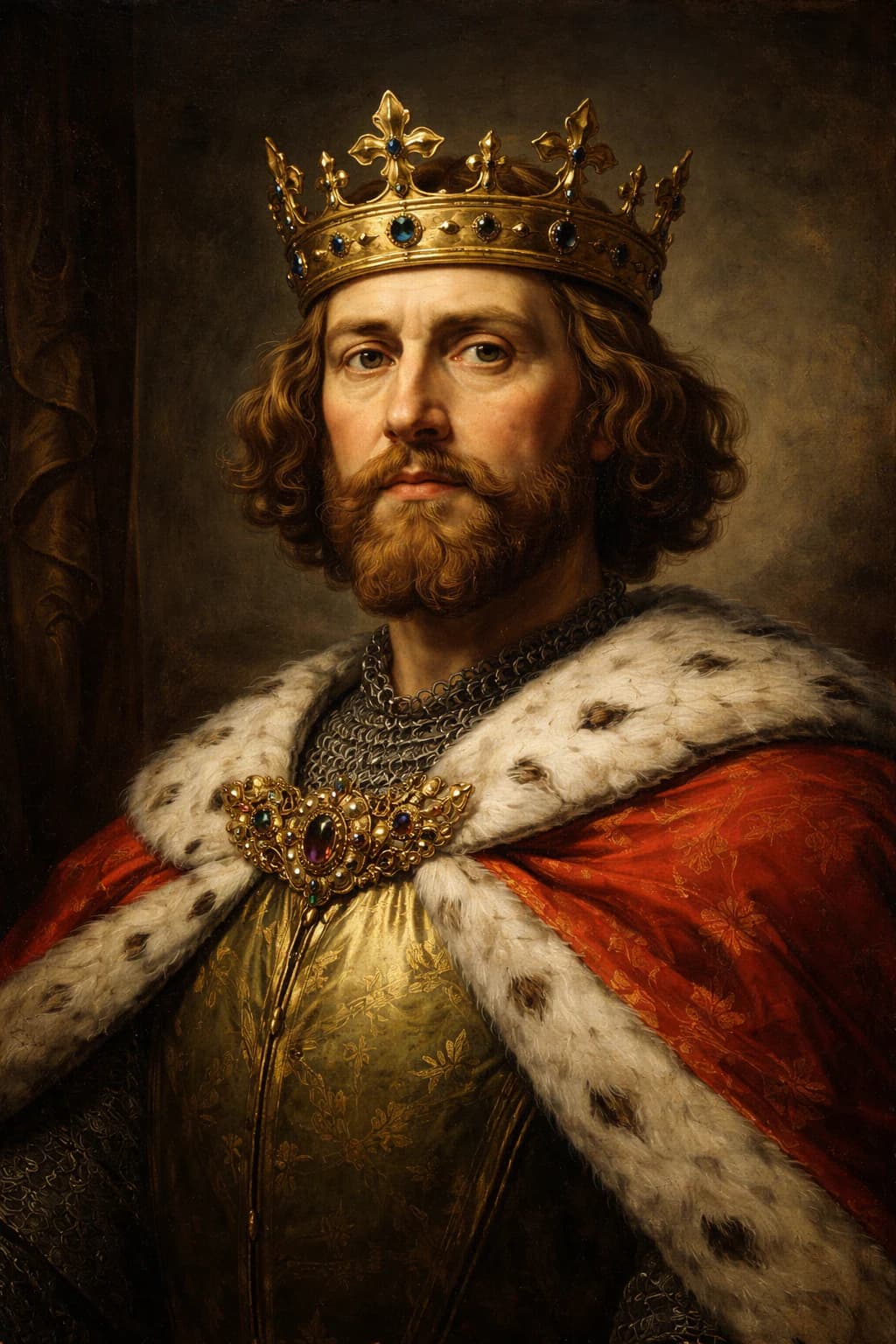
Henry was born at Winchester in 1207, into a royal house struggling to recover authority. His father, King John, lost Normandy, quarrelled with the papacy, fought his barons, and in 1215 was forced to accept Magna Carta. By the time Henry was a child, English kingship had become openly contestable. Rebel barons invited Prince Louis of France to claim the throne, and royal government survived only through war, negotiation, and the loyalty of men who believed a child king could be used to rebuild legitimacy. Henry's life therefore began under the shadow of his father's failures. He inherited not only a crown, but a question: could Plantagenet rule be made trustworthy again?
A ruler’s greatest challenges can be inherited rather than created.
1216
Child king
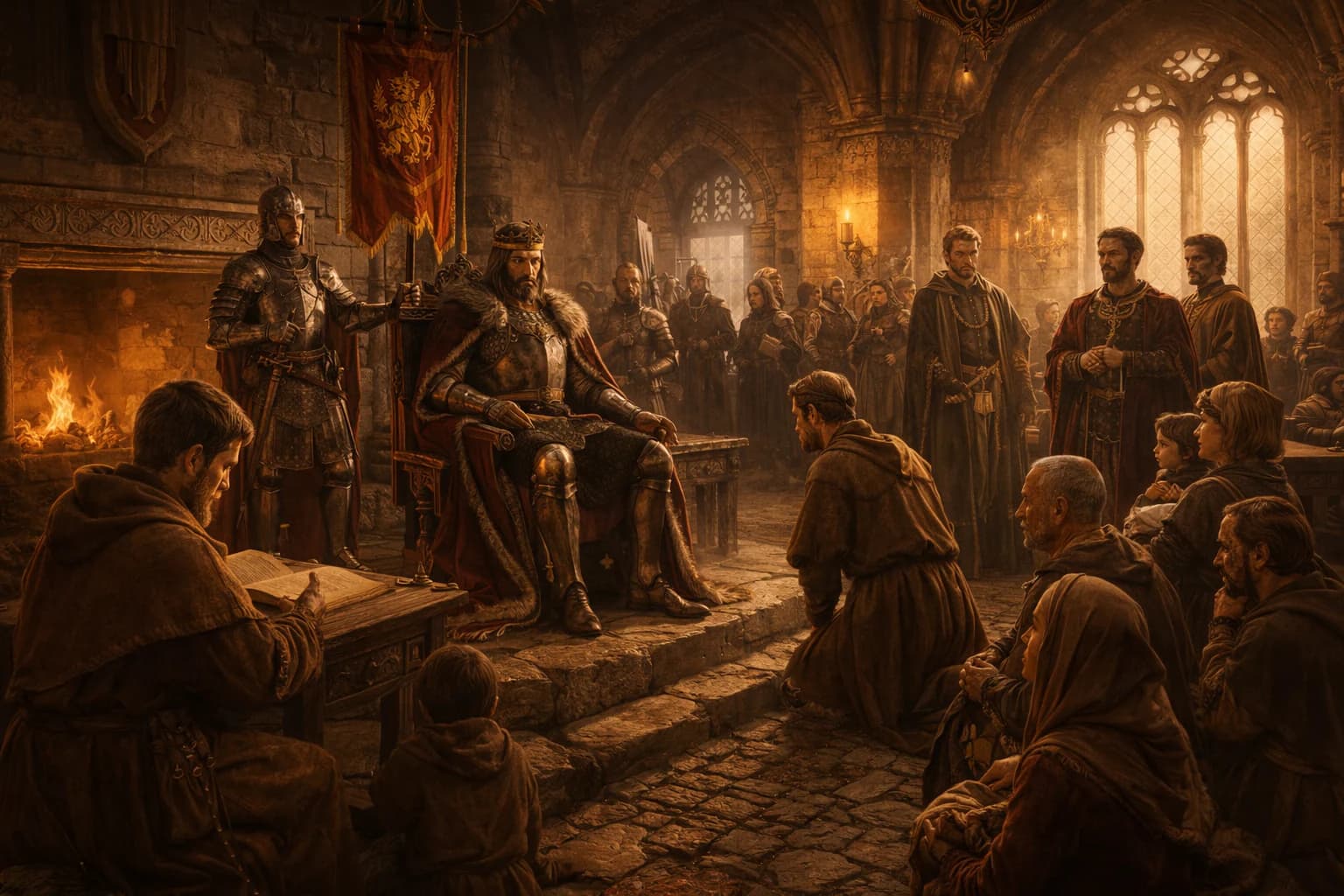
John's death in 1216 might have ended Angevin kingship in England. Instead, Henry's minority offered a way out of civil war. The great knight William Marshal and papal legate Guala Bicchieri presented the boy king as a clean break from his father, reissuing Magna Carta without some of its most contentious clauses and inviting rebels back into obedience. Victory over Louis's supporters at Lincoln and Sandwich secured the regime, but Henry's early kingship was collaborative by necessity. Councils, guardians, bishops, and magnates made government function. That experience saved him, yet it also reinforced a political reality he would later resist: the crown depended on consent as well as command.
Early dependence on others can shape how a ruler approaches power later in life.
1230s
Taking control
Henry's adult kingship was shaped by a powerful sense of sacred monarchy. He admired Edward the Confessor, valued ceremony, and wanted the crown to project holiness as well as authority. Yet he was not a military or administrative ruler on the level of Henry II or Edward I. He could be generous to a fault, emotionally driven, and dependent on favourites whose influence angered native magnates. His marriage to Eleanor of Provence brought able Savoyard relatives into English politics, while his half-brothers from the Lusignan family later deepened resentment. Henry wanted to restore royal prestige after John, but he often confused the splendour of kingship with the political trust needed to sustain it.
Taking power is one step; maintaining trust is another.
1230s–1240s
Cultural ambitions
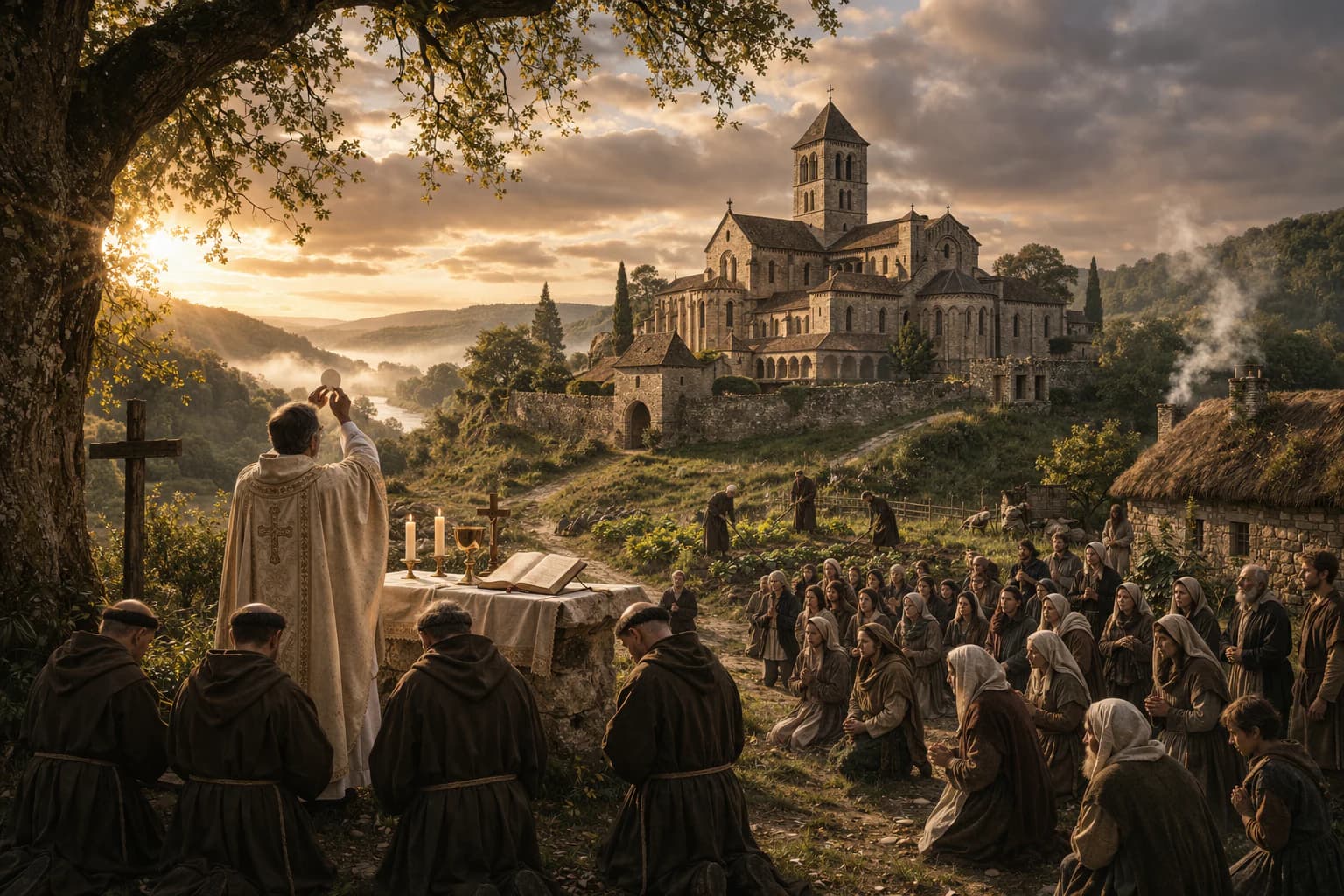
Henry's most visible achievement was cultural and devotional. He poured money into Westminster Abbey, rebuilding it in the new Gothic style and turning it into a magnificent shrine for Edward the Confessor, the saintly king he claimed as a model. The project was not decoration alone. It placed the English monarchy inside a sacred story of continuity, holiness, and royal legitimacy. Henry also patronised art, ceremony, and religious foundations with genuine conviction. The cost, however, was heavy. Barons already suspicious of royal spending saw magnificence funded by taxation and debt. Westminster became one of the great monuments of medieval England, but it also revealed Henry's weakness: he could create a compelling royal image more easily than he could manage the politics that paid for it.
Cultural vision can inspire, but it can also strain resources and patience.
1240s–1250s
Strained relations
By the 1250s baronial frustration had hardened. Henry's court seemed crowded with outsiders, especially Savoyards and Lusignans, who gained offices, marriages, and influence. His attempt to secure the crown of Sicily for his son Edmund, encouraged by papal politics, promised glory but produced enormous financial demands and little practical return. The king repeatedly asked for money while offering limited confidence in how it would be used. Magnates did not object simply because foreigners served the crown; medieval politics was more complicated than that. They objected because Henry's choices seemed costly, unaccountable, and disconnected from the interests of the realm. Trust, already fragile since John's reign, began to break.
Perceived favoritism can undermine even established authority.
1258
Baronial reform movement
The crisis of 1258 produced the Provisions of Oxford, one of the boldest attempts to restrain medieval English kingship before the later parliamentary tradition matured. Baronial reformers compelled Henry to accept a council of fifteen and regular assemblies to oversee government. Their aim was not democracy in the modern sense. It was aristocratic supervision of a king they judged unreliable. Yet the implications were profound. Royal power could be formally limited; policy could be discussed in recognised gatherings; and the language of reform could be attached to the common good of the realm. Simon de Montfort, Henry's brother-in-law and eventual enemy, emerged as the most famous face of this movement.
Limits on power often emerge when trust breaks down.
1260s
Civil conflict
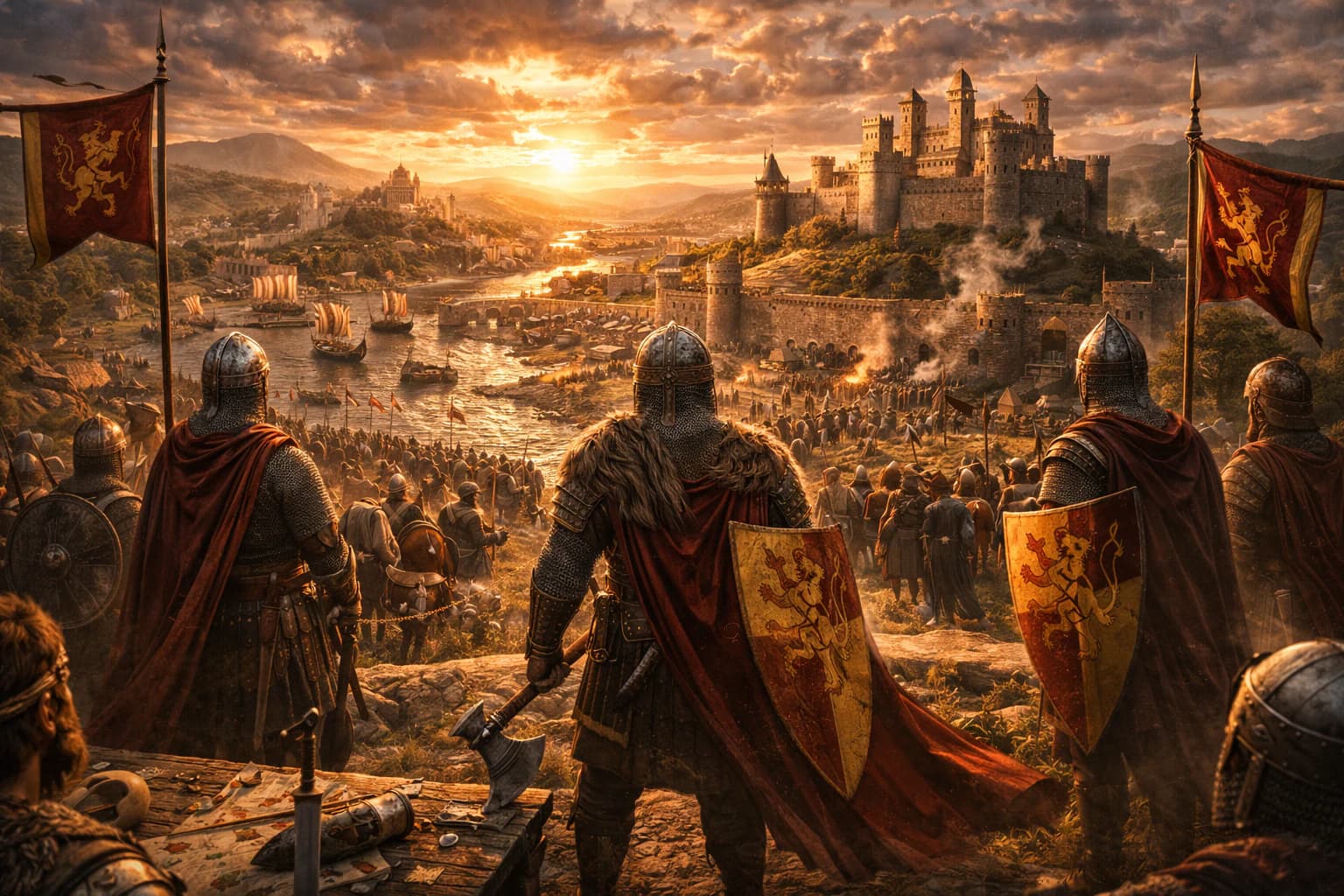
Neither Henry nor the reformers could keep the settlement stable. Arbitration by Louis IX of France in the Mise of Amiens favoured the king, but opposition did not disappear. Civil war followed, and in 1264 Simon de Montfort defeated royal forces at Lewes, capturing Henry and his heir, the future Edward I. For a time the king became a captive symbol while Montfort governed in his name. The conflict was not a simple story of liberty against tyranny. Montfort could be authoritarian, and baronial motives mixed principle with faction. Still, the war forced England to confront a lasting problem: how could a ruler be corrected when his subjects believed he had failed the realm?
Unresolved tensions can transform reform into conflict.
late 1260s–1272
Restoration of authority
Henry's restoration depended largely on his son Edward, who escaped captivity, rallied royalist support, and defeated Montfort at Evesham in 1265. Montfort was killed and mutilated, and the royalist victory was brutal, but outright vengeance could not heal the kingdom. The Dictum of Kenilworth offered terms for disinherited rebels to recover lands, helping restore political order. Henry's final years were quieter because Edward increasingly provided the energy and competence the monarchy required. The king recovered his throne, but not the old assumption that royal will alone was enough. Consultation, reform language, and baronial scrutiny had become part of England's political vocabulary.
Power restored after conflict often returns in a changed form.
post-1272
Steps toward parliament
Henry died in 1272 after one of the longest reigns in English history. His legacy is easy to underestimate because he was overshadowed by stronger personalities: his father John, his son Edward I, and his rebel opponent Simon de Montfort. Yet Henry's reign mattered deeply. Magna Carta was reissued and normalised during his minority; Westminster Abbey became a defining royal monument; and the baronial crises of the 1250s and 1260s pushed consultation into new forms. Montfort's 1265 parliament, which included knights and burgesses as well as magnates and clergy, was not the birth of modern democracy, but it was a significant experiment in political representation. Henry III's reign shows how weak kings can still preside over strong historical change. The movement toward accountable government grew not because he intended it, but because his failures made it necessary.
Periods of conflict can lay the groundwork for long-term political change.