People

Fulgencio Batista

Fulgencio Batista was a Cuban army officer and political leader who dominated Cuba after 1933, served as elected president from 1940 to 1944, seized power in a 1952 coup, and was overthrown by Fidel Castro's revolution in 1959.

Born
1901 CE
Died
1973 CE
Role
Cuban military ruler and president

Cuban military ruler and president (1901-1973)

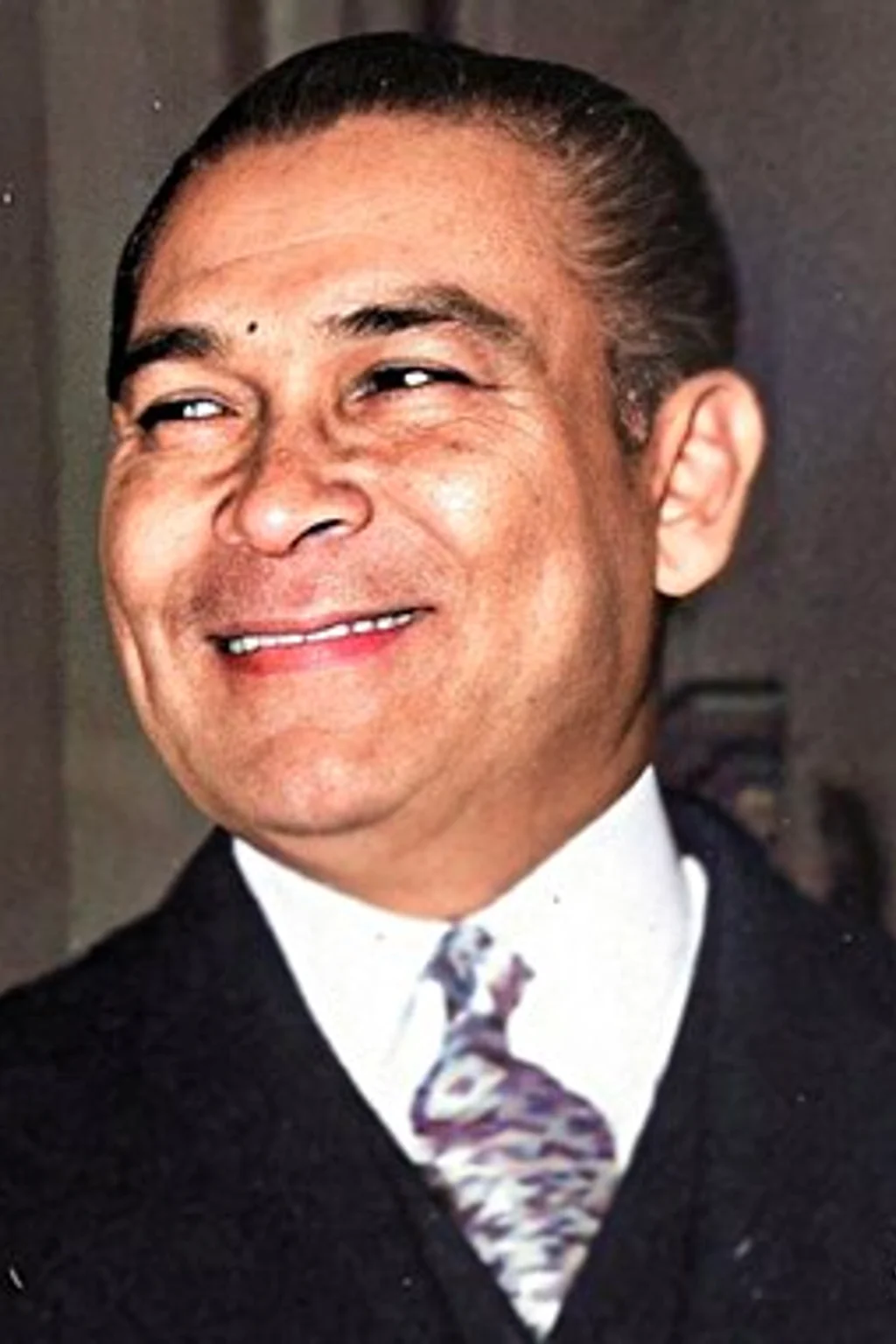
Portrait photograph of Fulgencio Batista
Licensed archival image

A real historical or editorial image is used here. Source, licence and transformation details are publicly recorded. Image policy Attribution

Quick answer

Fulgencio Batista was a Cuban army officer and political leader who dominated Cuba after 1933, served as elected president from 1940 to 1944, seized power in a 1952 coup, and was overthrown by Fidel Castro's revolution in 1959.

Born
1901 CE
Died
1973 CE
Role
Cuban military ruler and president
Years
1901-1973 CE
Quick facts

Profile details

Additional identity and tagging details that are not already covered in the introduction.

Full name
Fulgencio Batista y Zaldivar
Also known as
Batista
Facts

Fulgencio Batista timeline facts

Selected specifics from this profile's life story.

1901-1933
From poverty to the army

Fulgencio Batista was born in eastern Cuba in 1901 and used army service as a route out of poverty and into national politics.

1940-1944
Elected president

Batista won Cuba's 1940 presidential election and governed under a progressive constitution before leaving office in 1944.

1953-1958
Facing Castro

Batista defeated Castro's Moncada attack in 1953 but failed to destroy the wider revolutionary movement that grew from it.

1959-1973
Flight and exile

Batista fled Cuba on 1 January 1959 as Castro's revolution triumphed, then lived in exile until his death in Spain in 1973.

Life Journey

Army power, dictatorship and revolutionary backlash

Follow the story in a more continuous narrative, with a reading mode that matches how much depth you want.

Complete chronology

1901-1933

From poverty to the army

Batista's early life was far from the world of Havana elites. Born in Banes, Oriente province, he worked from a young age and joined the Cuban army, where clerical skill, discipline and political timing helped him rise. Cuba in the early twentieth century was formally independent but deeply shaped by U.S. influence, sugar wealth, inequality and unstable politics. The army offered Batista a path into the machinery that could decide who ruled.
1933

The Sergeants' Revolt

The upheavals of 1933 brought down Gerardo Machado and opened a struggle over Cuba's future. Batista, then a sergeant stenographer, became the key military figure in the revolt of noncommissioned officers. He soon controlled the army and used that position to make and unmake governments. For years he did not always need the presidency himself. He held power through influence, force and alliances, including an important relationship with the United States.

1940-1944

Elected president

Batista's first presidency complicates any simple portrait of him as only a dictator. He backed the 1940 constitution, worked with a broad coalition and governed during the Second World War as Cuba aligned with the Allies. His administration included reforms, labor politics and nationalist language. Yet the deeper pattern remained: Batista's authority rested on the military power he had built, and Cuban politics remained vulnerable to patronage, corruption and personal rule.

1952

Return by coup

Batista returned to power by force on 10 March 1952, overthrowing the constitutional process before elections could take place. The coup closed off political routes for opponents, including a young lawyer named Fidel Castro, who had hoped to run for office. Batista promised order and anticommunist stability, but his regime became associated with censorship, torture, corruption, gangster influence, economic inequality and dependence on U.S. support. The seizure of power created the grievance that Castro would turn into a revolutionary cause.

1953-1958

Facing Castro

The failed Moncada Barracks attack initially looked like a Batista victory. Many rebels were killed or captured, and Castro was imprisoned. But repression also gave the movement martyrs, a courtroom platform and a sharper moral contrast with the dictatorship. After Castro's release and exile, the Granma expedition and guerrilla war in the Sierra Maestra exposed Batista's weaknesses. Military superiority could not restore legitimacy. Urban resistance, student activism, foreign criticism and the regime's own brutality weakened his hold on the country.

1959-1973

Flight and exile

Batista left Cuba as the revolutionary advance made his regime untenable. His flight opened the way for Castro's entry into Havana and the transformation of Cuba into a revolutionary state. Batista's legacy remained central to how Castro justified power: the revolution presented itself as the answer to dictatorship, corruption and foreign domination. Yet the overthrow of one authoritarian system did not guarantee liberal democracy. Batista matters because his rule created the immediate conditions from which the Cuban Revolution, the Bay of Pigs and ultimately the Cuban Missile Crisis emerged.

Continue in context

Connected stories

Move from the profile into the wider events and settings this figure belongs to.

Tertiary paths

Content note

This profile is written for educational use and connects to related Stories of History pages. The main portrait uses a real historical or editorial image, with source and licence details recorded for attribution review. Image policy Image attribution

References

Sources & Further Reading

Reliable reference works, archives and reading paths connected to this profile.

Further reading

  1. Encyclopaedia Britannica, Search results for Fulgencio Batista,” accessed June 2026.Open source
  2. WorldCat, Books and library holdings for Fulgencio Batista,” accessed June 2026.Open source

Primary sources

  1. Library of Congress, Search results for Fulgencio Batista,” accessed June 2026.Open source

Reviewed claim sources

Loading reviewed claim sources...

A weekly route through history

Find out first about the latest published stories, feature notes and occasional Premium offers in one weekly email.