Complete chronology
Full overview and deeper context for every journey step.
1871
Humble beginnings
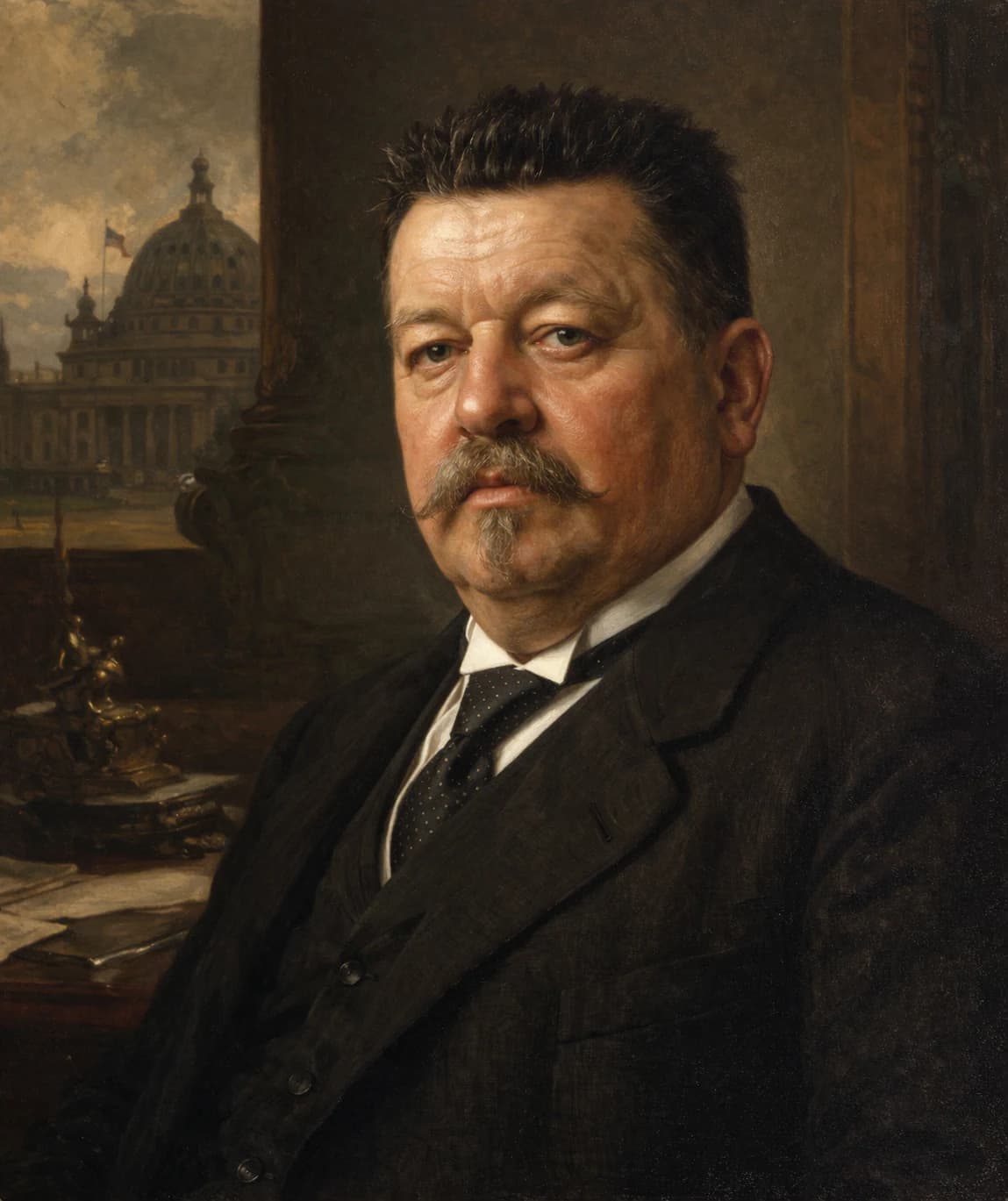
Friedrich Ebert was born in Heidelberg on 4 February 1871, the year the German Empire was proclaimed after victory over France. His family belonged to the world of artisans and workers rather than aristocrats, generals or university elites. Trained as a saddler, he experienced the insecurity, discipline and mutual dependence of working-class life before he entered national politics. That background mattered in a state where monarchy, army and bureaucracy still treated Social Democrats as outsiders. Ebert never forgot that democracy had to mean representation for people excluded from imperial power. At the same time, his practical upbringing made him suspicious of revolutionary romanticism. He believed institutions had to work, wages had to be paid, food had to move, and disorder could destroy the very workers it claimed to liberate.
Leaders shaped by hardship often carry a grounded sense of responsibility into positions of power.
1890s
Entering politics
Ebert joined the Social Democratic Party of Germany, the SPD, when it was becoming the largest workers' party in Europe. Anti-socialist laws had recently tried to suppress the movement, but trade unions, newspapers, local associations and disciplined organization gave it deep roots. Ebert rose through party work in Bremen, where he managed disputes, edited, organized and learned how politics looked from meeting rooms rather than royal palaces. He was not a theorist like Karl Kautsky or a revolutionary firebrand like Rosa Luxemburg. His gift was administration. He believed the labor movement could win power through organization, elections and social reform. That conviction later put him at odds with radicals who saw parliamentary caution as surrender.
Political influence is often built quietly through reliability rather than dramatic gestures.
1913
Party leadership
In 1913 Ebert became one of the SPD's chairmen, stepping into leadership of a party that was immense, disciplined and internally divided. The SPD spoke for millions of workers, but it contained reformists, Marxist theorists, trade union pragmatists and anti-militarist radicals. Ebert's authority came from trust in his steadiness. He wanted the party to be ready for government, not merely protest. This was a difficult ambition inside imperial Germany, where the Kaiser and military still held enormous power. Ebert had to keep the party united while avoiding repression and preparing for constitutional change. Within a year, war would make every compromise harder.
Leadership often demands compromise, especially when guiding diverse groups through uncertain times.
1914–1918
War and crisis
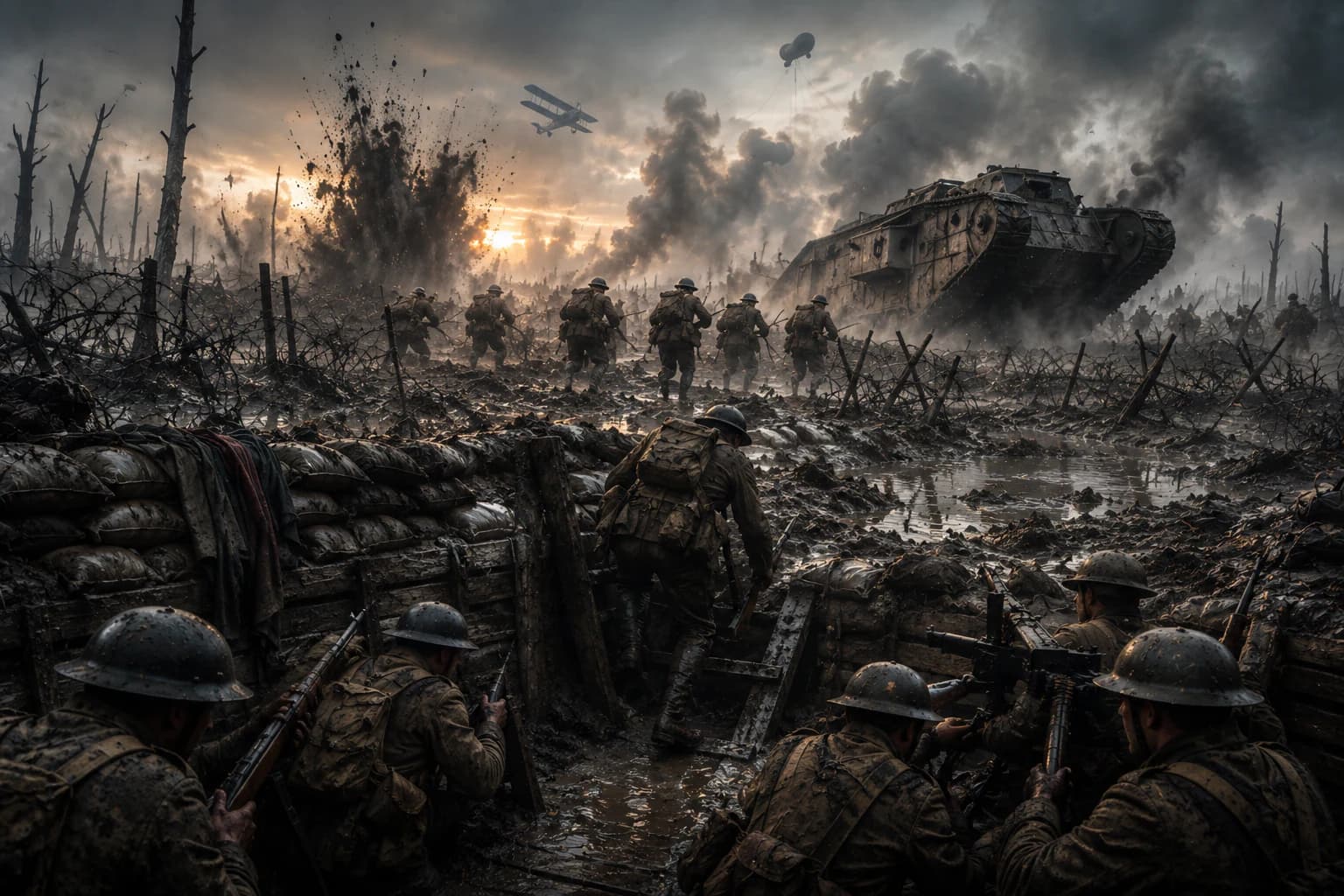
When World War I began in 1914, Ebert supported the SPD's vote for war credits and the Burgfrieden, the domestic political truce meant to suspend open conflict during national emergency. The decision remains one of the great controversies of socialist history. To Ebert, refusing support risked isolation, repression and national breakdown. To anti-war socialists, it betrayed internationalism and tied the workers' movement to imperial war aims. As the war dragged on, shortages, casualties and military dictatorship radicalized German politics. The SPD split, with the Independent Social Democrats and Spartacists moving against the party leadership. Ebert entered the final year of war trying to preserve order inside a society whose old authority was collapsing faster than reform could contain it.
Decisions made under pressure are rarely popular, but they often reveal a leader’s core priorities.
1918
Revolution unfolds
The German Revolution of November 1918 began with naval mutiny and spread through workers' and soldiers' councils. Kaiser Wilhelm II abdicated, and Ebert suddenly became head of a government trying to end war, feed cities and prevent civil conflict. He did not seek a Soviet-style revolution. He wanted a parliamentary republic elected by universal suffrage, including women, and he feared that armed ideological struggle would invite famine, separatism or foreign intervention. His pact with army leadership, often associated with General Wilhelm Groener, gave the new government military backing in exchange for preserving discipline and much of the old officer structure. It was a fateful compromise: it helped the republic survive its birth, but it left powerful anti-republican forces inside the state.
Moments of transformation reward those who can act quickly without losing sight of long-term stability.
1919
Becoming president
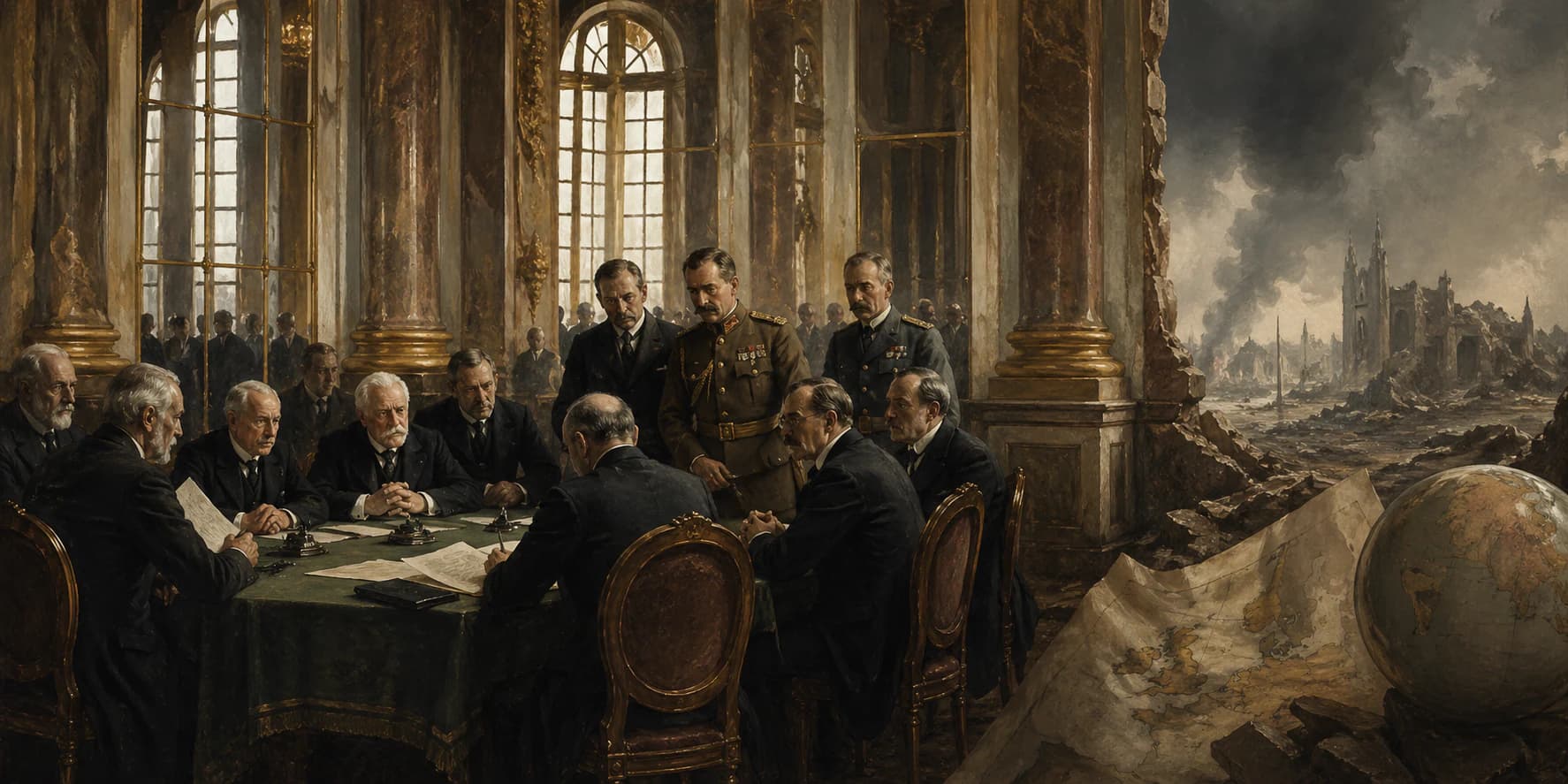
In February 1919 the National Assembly elected Ebert as the first president of the German republic. The new constitution, drafted at Weimar, created a democratic state with civil rights, parliamentary government and a strong presidency. Ebert's office was born under punishing conditions: defeat, the Treaty of Versailles, territorial losses, reparations, demobilized soldiers, political murder and economic dislocation. He had to represent a republic many conservatives hated, many radicals thought insufficient, and many ordinary Germans associated with humiliation. Ebert's presidency was therefore defensive from the beginning. He tried to make democracy look orderly, lawful and patriotic in a country where the language of betrayal was already poisoning public life.
Building something new often depends on carefully managing what already exists.
1919–1923
Facing uprisings
Ebert faced the Spartacist uprising, left-wing revolts, the Kapp Putsch from the right, political assassinations, separatist unrest and the Ruhr crisis. He used emergency powers and relied at times on the army and Freikorps units, choices that remain deeply contested because those forces often acted with brutal hostility toward the left. Ebert believed he was defending the republic against collapse from any direction. Critics argued that he saved democracy by empowering men who despised it. Both truths can sit uncomfortably together. The Weimar Republic survived its first years partly because Ebert chose order over revolutionary transformation, and it was weakened partly because that order rested on institutions not fully loyal to democracy.
Defending a new system can require actions that appear to contradict its ideals.
1920s
Strain of office
The early 1920s placed Ebert under relentless strain. Hyperinflation destroyed savings in 1923, French and Belgian occupation of the Ruhr tested national endurance, and extremist movements fed on anger. Ebert used Article 48 emergency powers repeatedly, setting precedents later presidents would use in very different ways. He also endured personal slanders from nationalist opponents who tried to portray Social Democrats as traitors responsible for defeat. A libel case in Magdeburg in 1924 wounded him politically and personally. During this period his health worsened, but he delayed treatment while handling state business. The same sense of duty that had carried him upward now helped kill him.
Sustained leadership under pressure often comes at a significant personal cost.
1925
Enduring legacy
Ebert died on 28 February 1925 after complications from appendicitis, leaving the republic before its brief period of relative stabilization had fully settled. His successor was Paul von Hindenburg, the former field marshal whose election symbolized how much imperial nostalgia remained. Ebert's legacy is difficult because he made choices under conditions designed to punish idealism. He helped establish Germany's first national democracy, defended universal suffrage and kept the state functioning after military defeat. He also authorized repression and compromises that alienated parts of the left while failing to win the loyalty of the right. To ask why Friedrich Ebert was important is to confront the central tragedy of Weimar: democracy was born not in victory and confidence, but in defeat, fear and emergency.
A leader’s true impact often becomes clearer when the structures they built are tested over time.