People

Ernst Röhm

Ernst Röhm was a German army officer, early Nazi ally, and leader of the SA. He was murdered during the Night of the Long Knives in 1934.

Born
1887 CE
Died
1934 CE
Role
Nazi SA leader

Nazi SA leader (1887-1934)

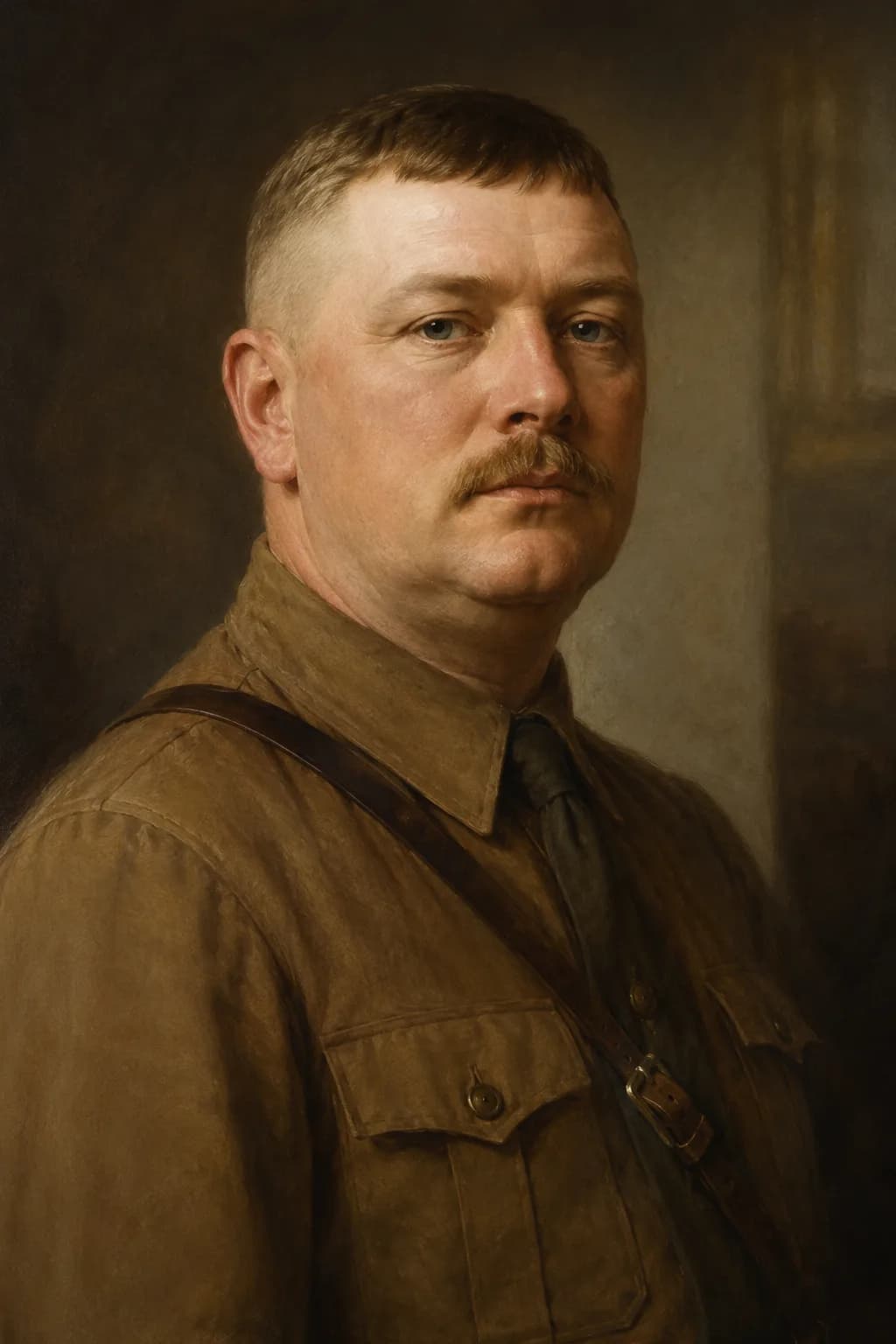
AI-generated portrait of Ernst Röhm in brown shirt uniform
AI-assisted historical reconstruction

An illustrative reconstruction based on historical context. It is not a photograph or documentary likeness. Image policy

Quick answer

Ernst Röhm was a German army officer, early Nazi ally, and leader of the SA. He was murdered during the Night of the Long Knives in 1934.

Born
1887 CE
Died
1934 CE
Role
Nazi SA leader
Years
1887-1934 CE
Quick facts

Profile details

Additional identity and tagging details that are not already covered in the introduction.

Full name
Ernst Julius Röhm
Also known as
Ernst Rohm, Röhm, Rohm
Facts

Ernst Röhm timeline facts

Selected specifics from this profile's life story.

1887-1918
Bavarian officer

Ernst Röhm was born in Munich, served as a German officer in the First World War, and emerged from defeat drawn toward nationalist paramilitary politics.

1919-1923
Early Nazi ally

Röhm became one of Hitler's early supporters, helping connect the Nazi movement to military contacts, weapons, and paramilitary force.

1933-1934
Second revolution

Röhm wanted the SA to reshape the army and continue the Nazi revolution, alarming Germany's generals and Hitler's conservative allies.

1934
Night of the Long Knives

In June and July 1934, Hitler used the SS to purge Röhm and the SA leadership. Röhm was shot in prison on 1 July 1934.

Life Journey

From SA power broker to purge victim

Follow the story in a more continuous narrative, with a reading mode that matches how much depth you want.

Complete chronology

1887-1918

Bavarian officer

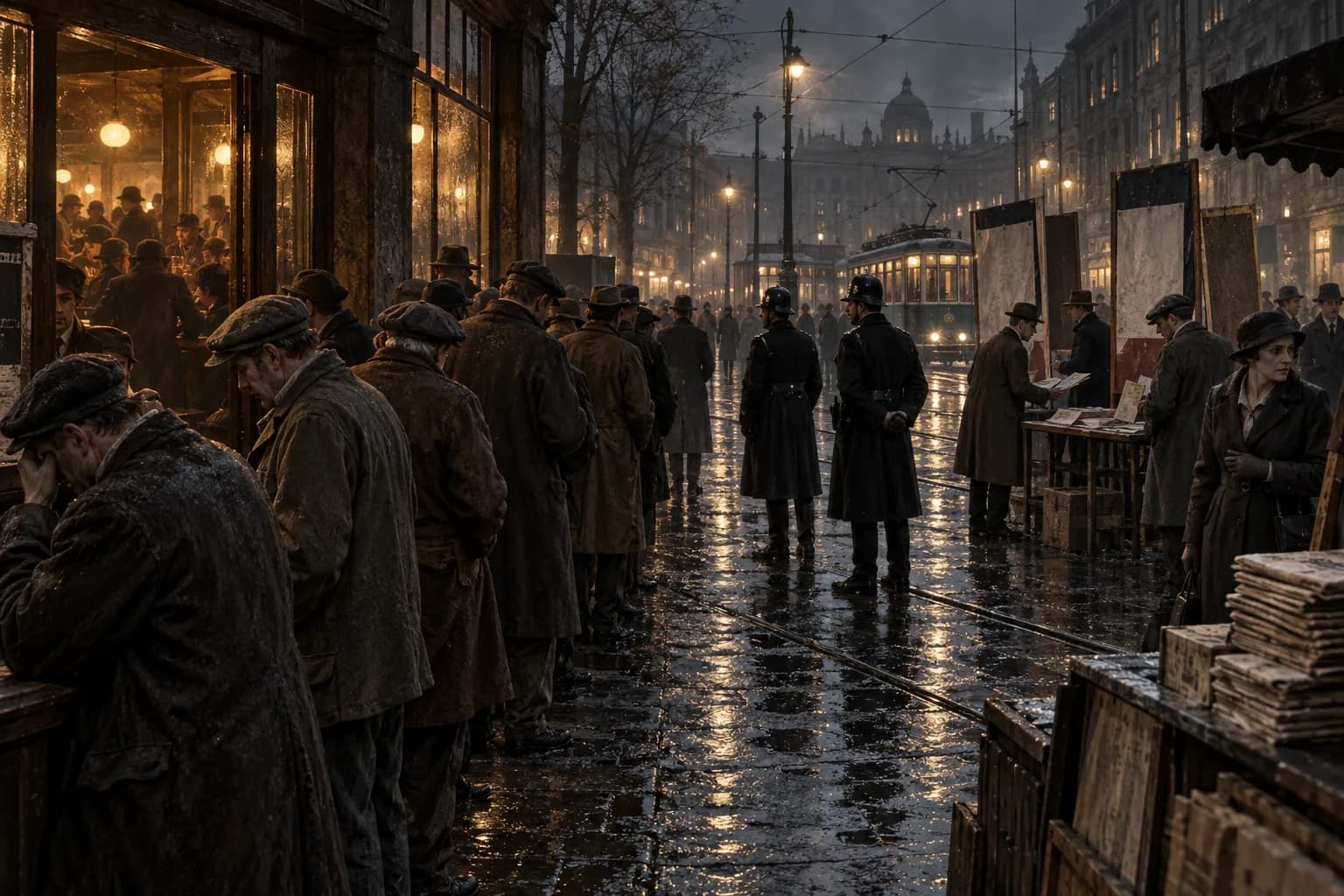
Ernst Julius Röhm was born in Munich on 28 November 1887. He became a career soldier and served in the Bavarian army during the First World War, where he was wounded and decorated. Germany's defeat did not lead him toward democracy. Like many officers and veterans, he moved into the violent politics of the postwar right, where fear of communism, hatred of the republic, and paramilitary organisation blended together. Röhm's importance came from that world. He understood soldiers, veterans, weapons networks, and street politics, and he believed that national revival would come through force rather than parliamentary compromise.
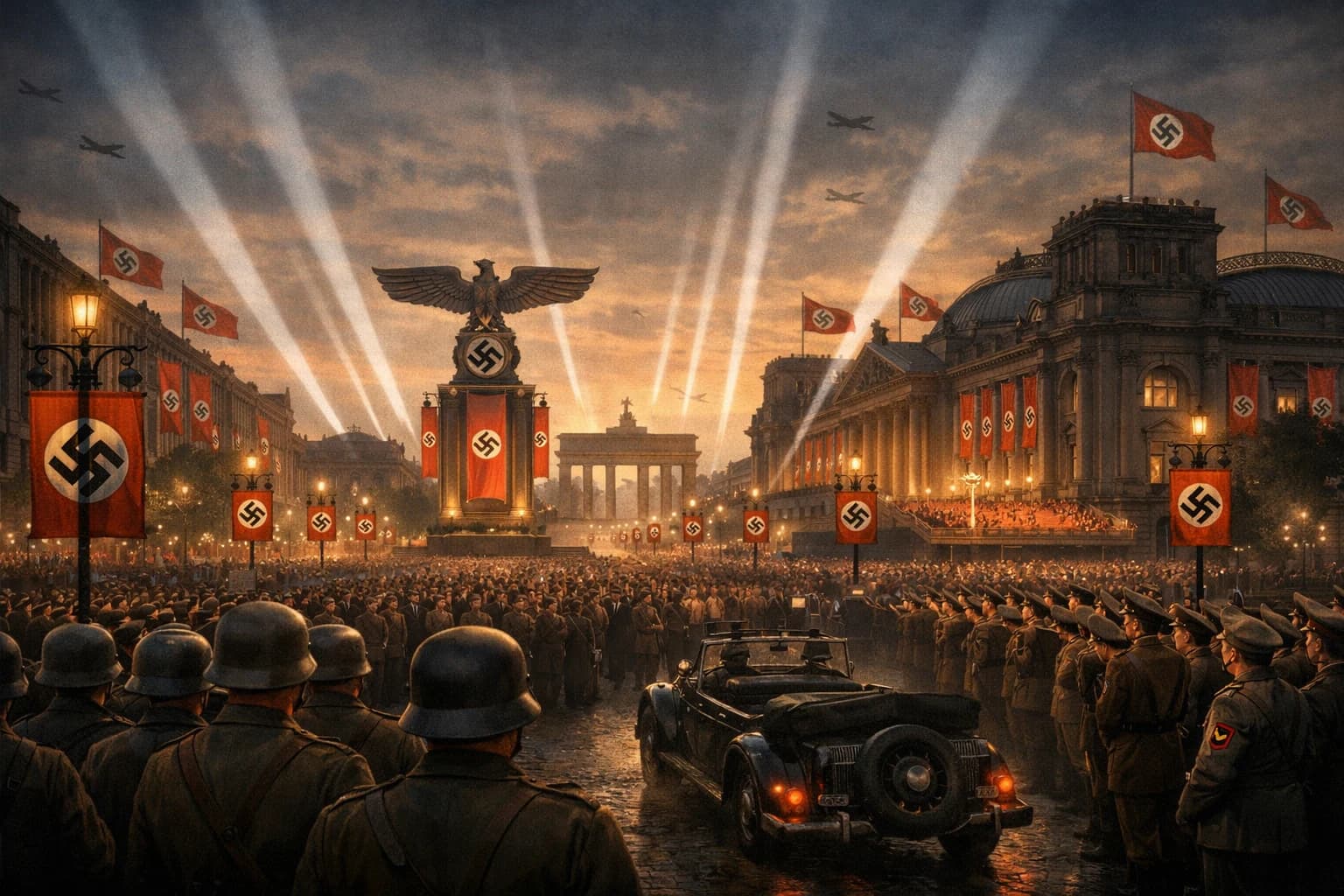
1919-1923

Early Nazi ally

In the early 1920s Röhm became a crucial ally of Adolf Hitler. He was not simply another follower. His army connections and paramilitary experience helped the young Nazi movement acquire protection, weapons access, and credibility among radical nationalist veterans. The SA, or Sturmabteilung, gave Nazism a street-fighting arm that could intimidate opponents, guard meetings, and make politics feel like combat. Röhm took part in the failed Beer Hall Putsch in November 1923. The collapse of that coup sent Hitler to prison and disrupted the movement, but it did not end Röhm's belief that force would shape Germany's future.

1931-1933

SA mass leader

Röhm returned to lead the SA in 1931, after a period away from the centre of Nazi politics. Under his command the stormtroopers expanded dramatically. By the time Hitler came to power, the SA had become a vast movement of brown-shirted activists, veterans, unemployed men, and political fighters who expected reward for helping bring the Nazis to office. Röhm saw the SA as more than a campaign tool. He imagined it as the armed expression of a continuing Nazi revolution. That made him useful before 1933 and dangerous afterward, because the dictatorship still needed the cooperation of conservative elites, industrialists, and the professional army.

1933-1934

Second revolution

After Hitler became chancellor, Röhm pressed for what he called a second revolution. He wanted the SA to absorb or replace the traditional Reichswehr, turning Germany's military future over to the Nazi movement rather than the old officer corps. The army leadership regarded this as a direct threat. Hitler needed the army's support, especially as President Hindenburg's death approached and the question of succession became urgent. Röhm's homosexuality, long known inside the movement, was also weaponised by enemies after the purge, though the deeper conflict was political power. By 1934, Röhm stood at the intersection of several fears: SA radicalism, army resistance, SS rivalry, and Hitler's need to prove that no independent force could challenge him.

1934

Night of the Long Knives

On 30 June 1934, Hitler moved against Röhm and the SA leadership in what became known as the Night of the Long Knives. Röhm was arrested at Bad Wiessee and taken to Stadelheim Prison in Munich. After refusing to kill himself, he was shot on 1 July 1934. The purge killed dozens of people, including SA leaders, conservative critics, and older political enemies. It was then justified as an act of state self-defence. Röhm's murder marked a decisive shift inside the Nazi regime. The SA was humbled, the army accepted Hitler's action, and the SS emerged strengthened as the main instrument of internal terror. Röhm had helped make Nazi power possible; once that power was secure, he became expendable.

Continue in context

Connected stories

Move from the profile into the wider events and settings this figure belongs to.

Tertiary paths

Content note

This profile is written for educational use and connects to related Stories of History pages. The main portrait is an AI-assisted historical reconstruction, included as an illustrative aid rather than documentary evidence. Image policy

References

Sources & Further Reading

Reliable reference works, archives and reading paths connected to this profile.

Further reading

  1. Encyclopaedia Britannica, Search results for Ernst Röhm,” accessed June 2026.Open source
  2. WorldCat, Books and library holdings for Ernst Röhm,” accessed June 2026.Open source

Primary sources

  1. Library of Congress, Search results for Ernst Röhm,” accessed June 2026.Open source

Reviewed claim sources

Loading reviewed claim sources...

A weekly route through history

Find out first about the latest published stories, feature notes and occasional Premium offers in one weekly email.