People

Bartolomeu Dias

Bartolomeu Dias was the Portuguese explorer who became the first known European to round the Cape of Good Hope in 1488, opening the sea route toward the Indian Ocean.

Born
1450 CE
Died
1500 CE
Role
Portuguese explorer

Portuguese explorer (1450–1500)

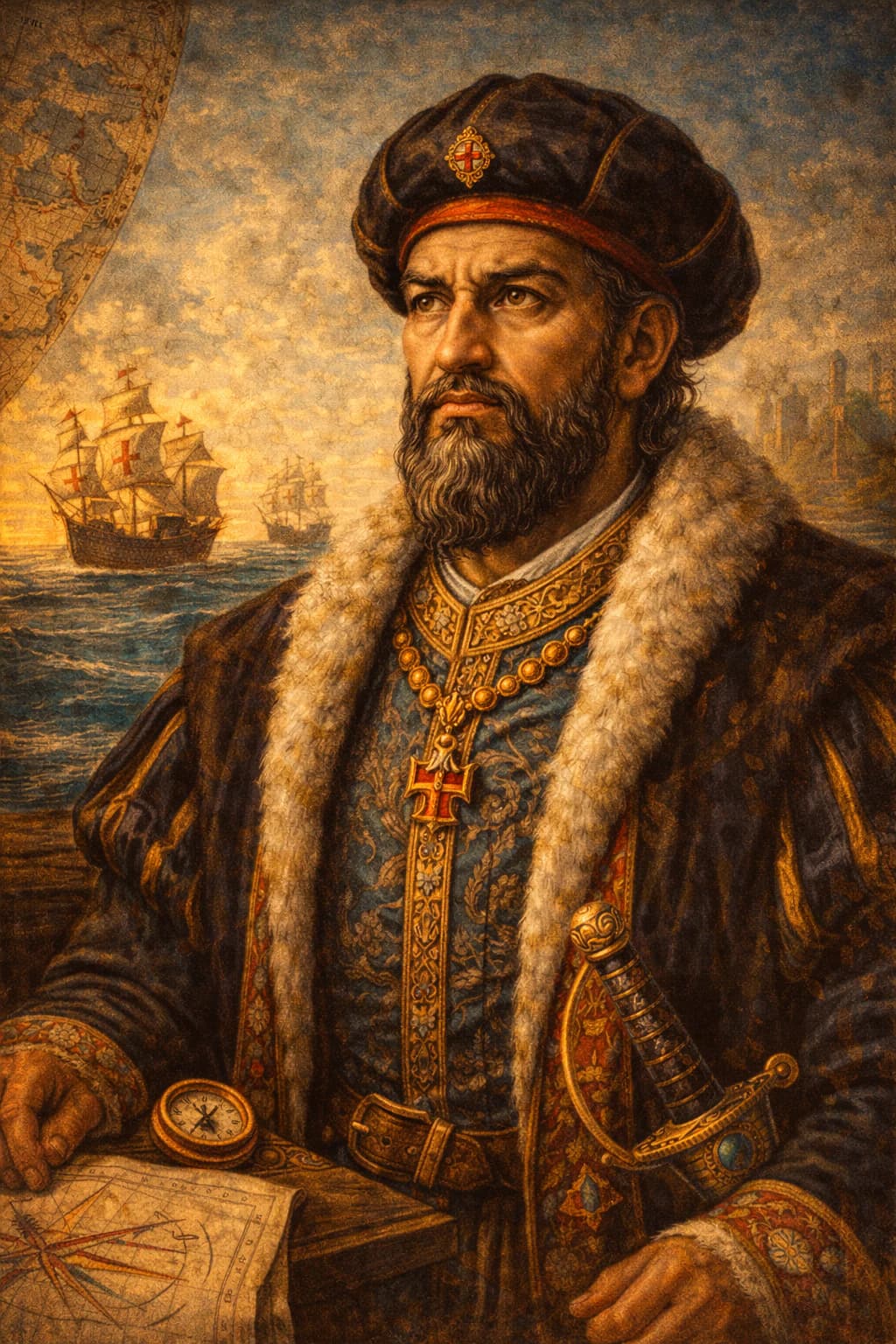
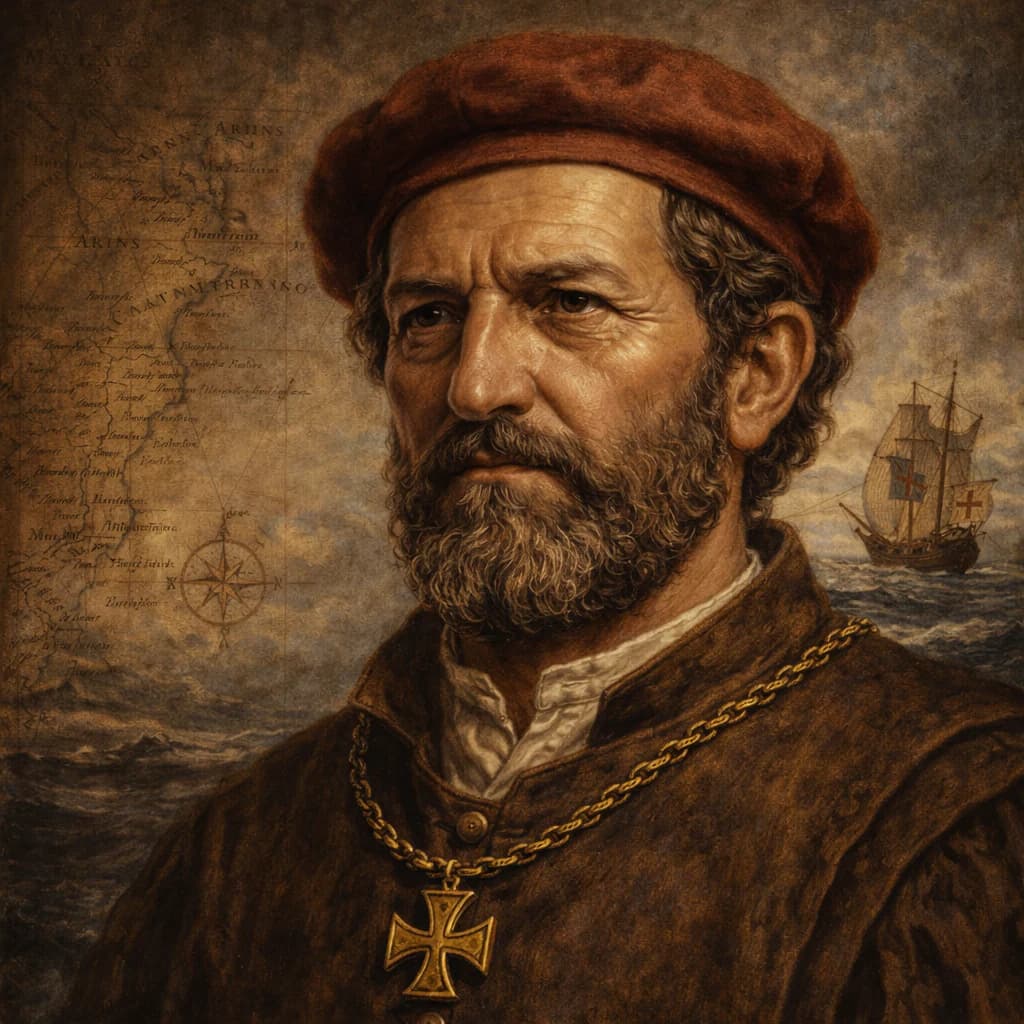
AI-generated portrait of Bartolomeu Dias in 15th-century Portuguese maritime attire
AI-assisted historical reconstruction

An illustrative reconstruction based on historical context. It is not a photograph or documentary likeness. Image policy

Quick answer

Bartolomeu Dias was the Portuguese explorer who became the first known European to round the Cape of Good Hope in 1488, opening the sea route toward the Indian Ocean.

Born
1450 CE
Died
1500 CE
Role
Portuguese explorer
Years
1450-1500 CE
Facts

Bartolomeu Dias timeline facts

Selected specifics from this profile's life story.

1450
Lisbon origins

Bartolomeu Dias was born in Portugal, where royal interest in navigation shaped opportunities for ambitious sailors.

1487–1488
Sailing south

The expedition sailed down Africa’s west coast, moving beyond previously known limits and entering increasingly dangerous waters.

1488
Return and impact

Dias returned to Portugal with news of a sea route around Africa, reshaping plans for future voyages to Asia.

1500
Final voyage

Dias died during a later expedition when his ship was lost at sea near the same southern waters he had once navigated.

Life Journey

A path carved along the edge of the unknown seas

Follow the story in a more continuous narrative, with a reading mode that matches how much depth you want.

Complete chronology

1450

Lisbon origins

Bartolomeu Dias was born in mid-fifteenth-century Portugal, probably around 1450, though the details of his early life are thin. That uncertainty matters: Dias enters history less as a fully documented personality than as a skilled servant of a maritime state. Portugal had spent decades probing the Atlantic and the west coast of Africa, seeking gold, enslaved labor, Christian allies, geographic knowledge, and eventually access to the spice routes of Asia. Lisbon was becoming a center of navigation, shipbuilding, cartography, royal ambition, and commercial calculation. Dias grew up in this world of staged discovery, where each voyage extended the known coastline and turned experience into policy. His later achievement was not a lone leap into emptiness. It was the breakthrough made possible by generations of pilots, sailors, African coastal knowledge, and royal investment.

1470–1486

Royal service

Before his famous expedition, Dias served within the Portuguese royal maritime system, where trust mattered as much as daring. Crown voyages required captains who could manage crews, cargo, diplomacy, violence, weather, and uncertainty while still returning with usable information. Portugal's expansion down Africa's coast was incremental, but it was not cautious in consequence. It brought trade, fortifications, religious hopes, and the beginnings of deeper European involvement in Atlantic slavery. Dias learned seamanship in a world where navigation depended on experience of winds and currents as much as instruments. The Portuguese were discovering that sailing away from the coast into the Atlantic could help them return more effectively, using wider wind systems rather than hugging every shoreline. Dias's preparation was therefore practical and strategic: he knew that the ocean was not a boundary but a system to be read.

1487

Command assigned

King John II gave Dias command of an expedition in 1487 as part of a larger strategy to find a sea route around Africa and into the Indian Ocean. The aim was commercial, religious, and geopolitical at once. Portuguese rulers wanted access to Asian luxury trade without relying on Mediterranean and overland intermediaries; they also sought information about Christian powers rumored to exist in the East, often associated with the legend of Prester John. Dias commanded two caravels and a supply ship, a modest fleet for an enormous task. His orders were not to conquer India, but to push knowledge past the limits reached by earlier voyages. Every cape, river, current, and people encountered could matter. The expedition was a reconnaissance mission whose consequences would become global.

1487–1488

Sailing south

Dias sailed south along Africa's Atlantic coast, passing beyond earlier Portuguese markers into waters where inherited maps offered less certainty. The expedition placed stone pillars, or padroes, to mark royal presence and record progress. These markers turned geography into political claim, but they did not remove danger. The further the fleet went, the more it entered unfamiliar wind systems, colder waters, stronger storms, and crew anxiety. Coastal sailing offered landmarks, but it also exposed ships to reefs and currents; open water offered speed and danger in equal measure. Dias had to decide when to follow the shore and when to trust the Atlantic. His voyage shows the practical intelligence of exploration: discovery was not a moment of romance but a sequence of judgment calls made with limited information, tired crews, and ships that could break.

1488

Storm-driven passage

The decisive moment came through danger rather than clean design. A storm drove Dias's ships far from the coast for days. When the weather eased, he sailed east and found no land, then turned north and eventually sighted the southern African coast from the other side. Only gradually did the meaning become clear: they had passed around Africa's southern extremity without seeing it. The Atlantic and Indian Ocean were connected by a navigable route. Dias later encountered bays along the south coast, including the area of Mossel Bay, and realized the coast now ran eastward. The discovery was transformative because it turned a theory into a route. It did not make the Indian Ocean Portuguese, but it made possible the expedition that would soon reach it directly.

1488

Turning point

Dias wanted to continue, but his crew resisted. Supplies were limited, fatigue was real, and sailors who had already crossed a terrifying threshold were not eager to vanish deeper into unknown seas. According to later tradition, Dias agreed to turn back after consultation, a reminder that command at sea required negotiation as well as authority. On the return journey, he saw the great cape itself. He is said to have called it the Cape of Storms, though King John II later renamed it the Cape of Good Hope because it promised access to India. Whether the naming story is exact or polished by memory, the symbolism is perfect. Dias had found both danger and possibility in the same place. Turning back preserved the knowledge that pressing on might have lost.

1488

Return and impact

Dias returned to Portugal in 1488 with one of the most important geographic findings in European maritime history. The route around Africa was real. The discovery did not immediately produce a voyage to India, partly because royal priorities, resources, and other exploratory projects intervened. Columbus's Atlantic proposal and Spain's later claims would soon reshape the competitive map, but Dias's information remained crucial to Portugal's strategy. His voyage showed that Asian trade might be reached by sea from Europe, bypassing older commercial routes and opening the possibility of direct Portuguese entry into the Indian Ocean. That possibility would bring profit, violence, diplomacy, and empire. Dias himself did not receive the later fame of Vasco da Gama, but da Gama's achievement rested on the cape Dias had proved could be rounded.

1497–1499

Later involvement

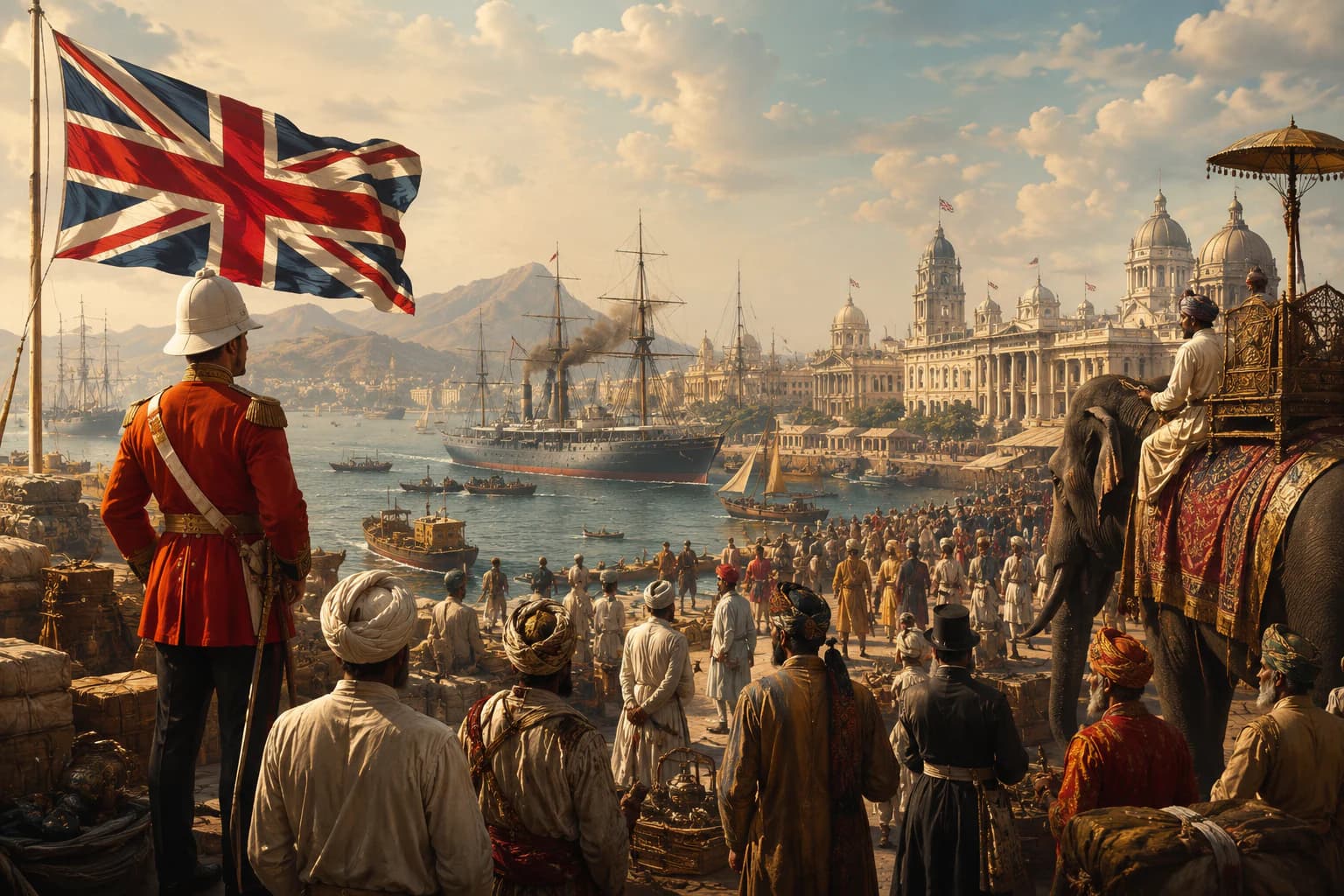
Dias helped prepare Vasco da Gama's 1497 expedition, which finally carried Portuguese ships around the Cape and across the Indian Ocean to Calicut. His role shows how exploration depended on institutional memory. Charts, sailing directions, experience of currents, knowledge of storms, and the confidence that a passage existed all mattered. Dias did not command the India voyage, but the expedition followed the world he had opened. Da Gama's success transformed Portugal's position, leading to fortified trading posts, naval coercion, and a new European presence in Indian Ocean commerce. This later history should not be reduced to heroic navigation. It also involved violence against established Muslim, Hindu, African, and Asian trading networks. Dias's voyage was a geographic breakthrough, but its consequences belonged to the larger history of empire.

1500

Final voyage

Dias sailed again in 1500 with Pedro Alvares Cabral's fleet, the expedition that reached Brazil before continuing toward India. Near the Cape of Good Hope, storms struck the fleet, and Dias's ship was lost. He died in the waters near the passage that had made his name. The irony is stark but historically fitting: the cape was never tamed by discovery. It remained dangerous, unpredictable, and central to the new oceanic world Portugal was building. Dias's legacy lies in proving connection. He did not reach India, did not found an empire, and did not become the most celebrated Portuguese navigator. Yet his voyage changed the map of possibility. After Dias, the question was no longer whether Europe could sail around Africa toward Asia, but who would command the route and what kind of world that command would create.

Continue in context

Connected stories

Move from the profile into the wider events and settings this figure belongs to.

Tertiary paths

Content note

This profile is written for educational use and connects to related Stories of History pages. The main portrait is an AI-assisted historical reconstruction, included as an illustrative aid rather than documentary evidence. Image policy

References

Sources & Further Reading

Reliable reference works, archives and reading paths connected to this profile.

Further reading

  1. Encyclopaedia Britannica, Search results for Bartolomeu Dias,” accessed June 2026.Open source
  2. WorldCat, Books and library holdings for Bartolomeu Dias,” accessed June 2026.Open source

Primary sources

  1. Library of Congress, Search results for Bartolomeu Dias,” accessed June 2026.Open source

Reviewed claim sources

Loading reviewed claim sources...

A weekly route through history

Find out first about the latest published stories, feature notes and occasional Premium offers in one weekly email.