People

Anne of Kiev

Anne of Kiev, also known as Anna Yaroslavna, was a Kievan Rus princess who married Henry I of France in 1051, became queen of France and acted in government during Philip I's minority.

Born
c. 1030 CE
Died
c. 1075 CE
Role
Queen of France

Queen of France (c. 1030-c. 1075)

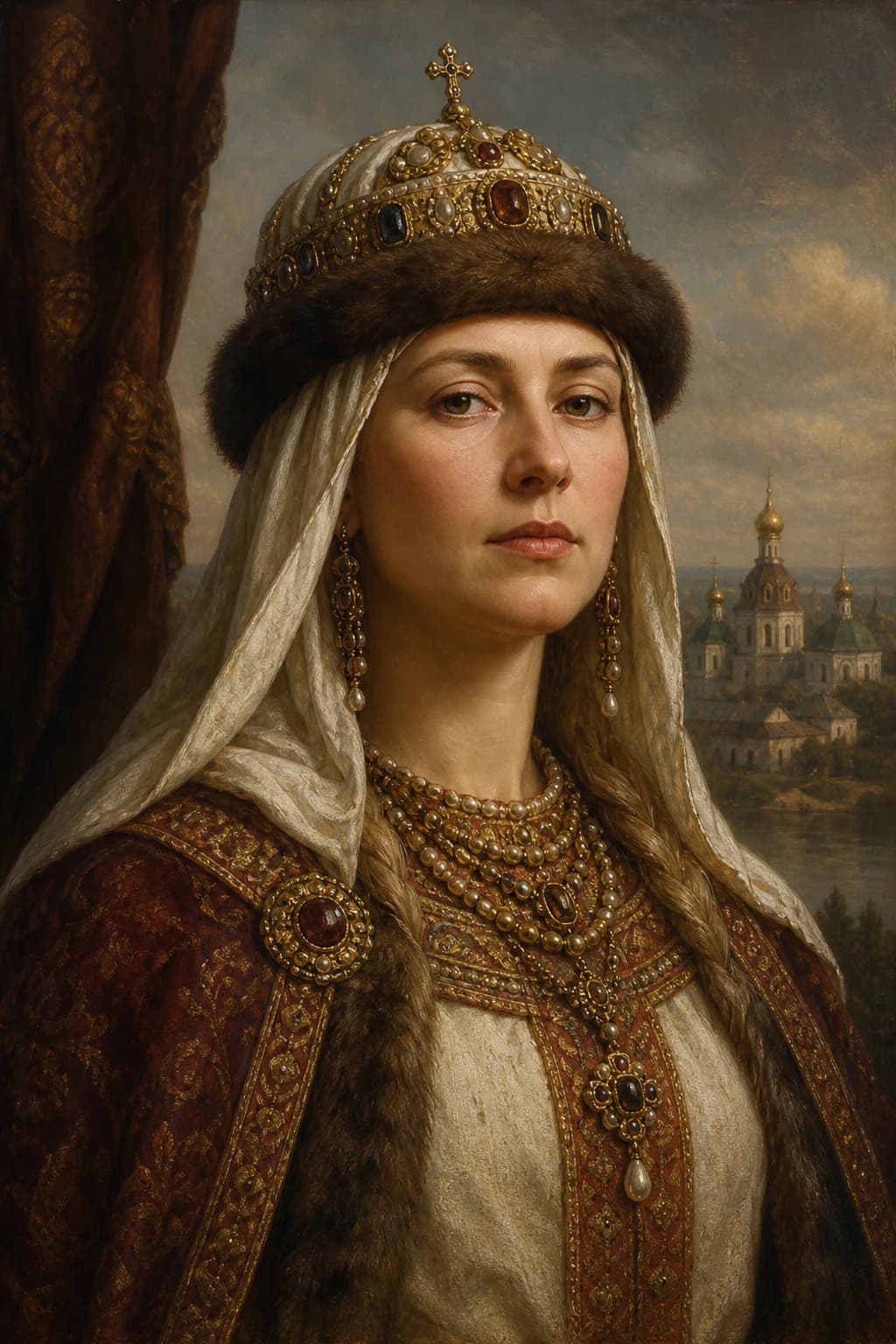
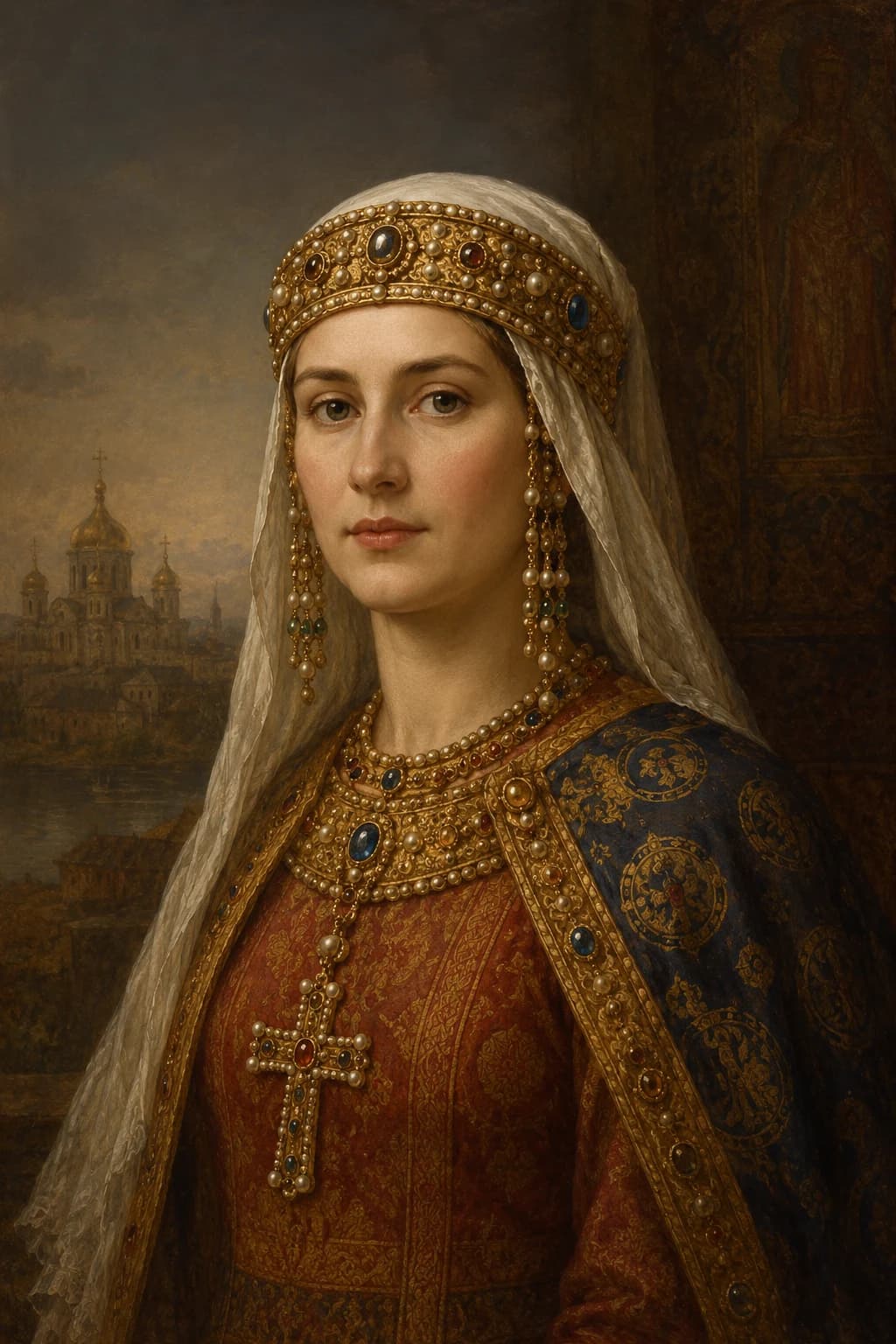
AI-generated portrait of Anne of Kiev in jeweled medieval dress with churches of Kiev in the background
AI-assisted historical reconstruction

An illustrative reconstruction based on historical context. It is not a photograph or documentary likeness. Image policy

Quick answer

Anne of Kiev, also known as Anna Yaroslavna, was a Kievan Rus princess who married Henry I of France in 1051, became queen of France and acted in government during Philip I's minority.

Born
c. 1030 CE
Died
c. 1075 CE
Role
Queen of France
Years
c. 1030-c. 1075 CE
Quick facts

Profile details

Additional identity and tagging details that are not already covered in the introduction.

Full name
Anna Yaroslavna
Also known as
Anne of Kyiv, Anna of Kiev, Anna of Kyiv
Region
Kievan Rus, France, Medieval Europe, Kievan Rus
Facts

Anne of Kiev timeline facts

Selected specifics from this profile's life story.

c. 1030
Daughter of Yaroslav's Kiev

Anne was born into the ruling family of Kievan Rus during the high point of Yaroslav the Wise's power.

1051-1060
Queen of France

As queen, Anne appeared in royal acts and helped secure the Capetian line through her son Philip.

1061
Second marriage

Anne later married Count Raoul of Valois, a controversial union that complicated her position at court.

After 1075
A bridge in memory

Anne's later death date is uncertain, but her memory endured as a link between Kievan Rus and France.

Life Journey

A Rus princess in the Capetian court

Follow Anne of Kiev from Yaroslav's city to French queenship, regency and the wider dynastic world of medieval Europe.

Complete chronology

c. 1030

Daughter of Yaroslav's Kiev

Anne, or Anna Yaroslavna, was born into the court of Yaroslav the Wise, grand prince of Kiev. Her exact birth date is uncertain, but her childhood belonged to one of Kievan Rus's most confident periods. Kiev was a Christian capital with churches, books, law, trade and dynastic ambition. Yaroslav's family looked outward, arranging marriages with royal houses in Hungary, Norway, Poland, France and beyond. Anne grew up inside that strategy of connection.


1051

Marriage to Henry I

Anne married King Henry I of France in 1051. The marriage linked the Capetian dynasty to the prestige and networks of Yaroslav's Kiev. For Henry, it offered a bride from a powerful Christian house outside the close kinship circles that complicated western royal marriages. For Yaroslav, it placed a daughter in the French royal court and advertised Kiev's status as a full participant in European dynastic politics.

1051-1060

Queen of France

Anne's queenship was not only ceremonial. Surviving charters show her presence in the royal political world, and her children mattered deeply to Capetian continuity. Her son Philip, born in 1052, became the future Philip I of France. The name itself was unusual in the French royal line, a sign that Anne's eastern Christian and dynastic background may have shaped the family's cultural horizon. As queen, she carried Kievan connections into the heart of French monarchy.

1060

Mother of a young king

Henry I died in 1060, leaving Philip I as a young king. Anne remained politically visible during the early years of her son's reign. Baldwin V of Flanders held a formal regency role, but Anne appears in acts and language that show her recognised place beside the child king. Medieval queens did not always rule through a single title. Their authority could appear through consent, presence, intercession and the legitimacy they gave to a young dynasty.

1061

Second marriage

In 1061, Anne married Raoul of Valois, a powerful noble whose marital situation made the union controversial. The marriage led to ecclesiastical conflict and changed Anne's position in French politics for a time. This episode matters because it shows that Anne was not only a dynastic symbol moved by others. She made choices inside a dangerous aristocratic world where marriage, church law, alliance and reputation could collide.

After 1075

A bridge in memory

Anne is last clearly visible in records after the 1060s, and her exact death date is uncertain, often placed after 1075. Her historical importance is larger than the gaps in her biography. She connects Kievan Rus to Capetian France, eastern Christianity to western royal politics, and Yaroslav's family strategy to the future of a major European dynasty. In modern memory, Anne of Kiev has also become a figure through whom Ukrainians, Russians and French readers revisit the shared and contested inheritance of medieval Rus.

Continue in context

Connected stories

Move from the profile into the wider events and settings this figure belongs to.

Tertiary paths

Content note

This profile is written for educational use and connects to related Stories of History pages. The main portrait is an AI-assisted historical reconstruction, included as an illustrative aid rather than documentary evidence. Image policy

References

Sources & Further Reading

Reliable reference works, archives and reading paths connected to this profile.

Further reading

  1. Encyclopaedia Britannica, Search results for Anne of Kiev,” accessed June 2026.Open source
  2. WorldCat, Books and library holdings for Anne of Kiev,” accessed June 2026.Open source

Primary sources

  1. Library of Congress, Search results for Anne of Kiev,” accessed June 2026.Open source

Reviewed claim sources

Loading reviewed claim sources...

A weekly route through history

Find out first about the latest published stories, feature notes and occasional Premium offers in one weekly email.