1919-1946
From aviation to diplomacy
Anatoly Fyodorovich Dobrynin was born on November 16, 1919, at Krasnaya Gorka near Moscow. Trained first as an aviation engineer, he moved into diplomacy during and after World War II.
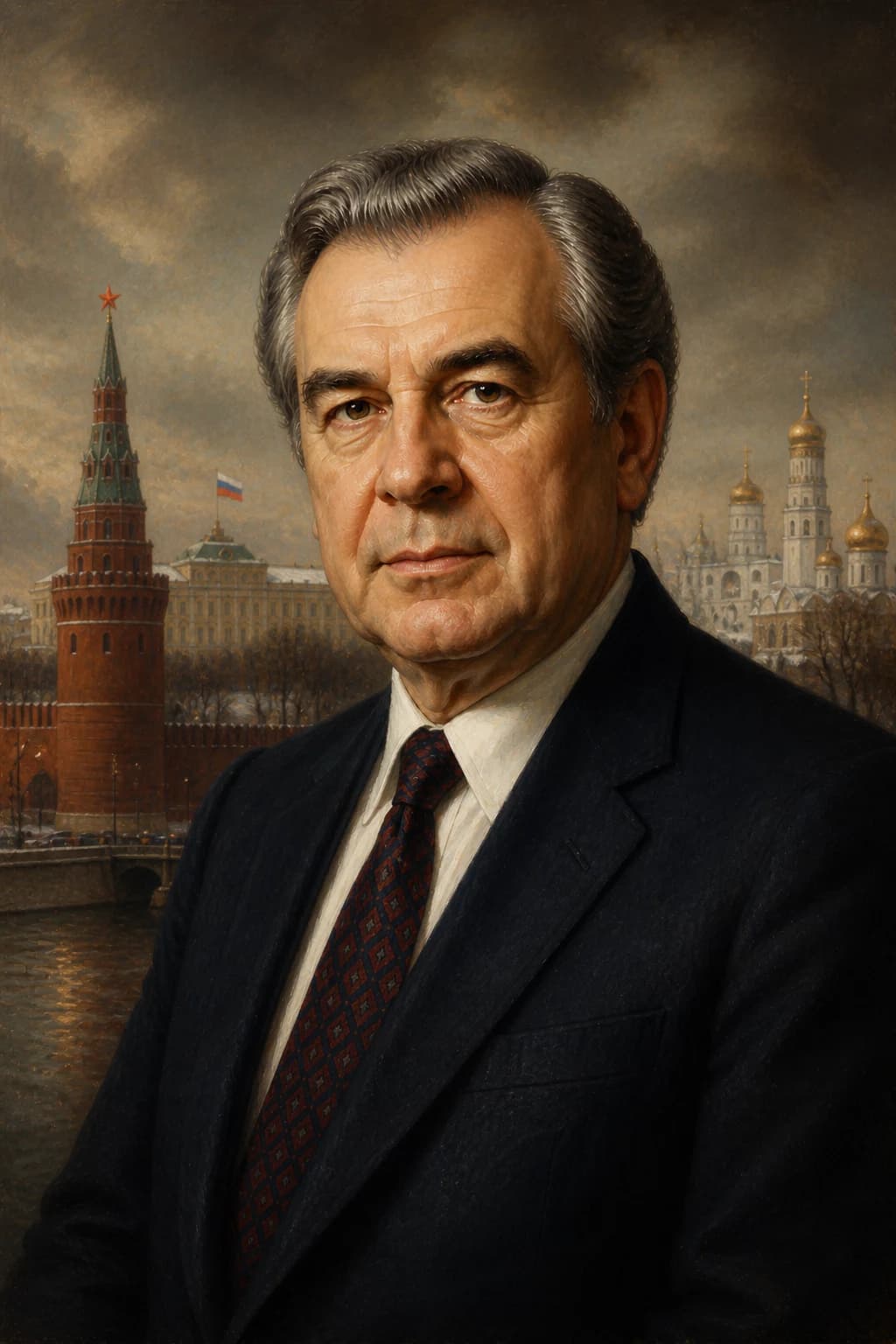
Anatoly Dobrynin was a Soviet diplomat who served as ambassador to the United States from 1962 to 1986. He represented Moscow through six American presidencies, helped maintain communication during the Cuban Missile Crisis, became central to U.S.-Soviet back-channel diplomacy, and later served in the Communist Party leadership under Mikhail Gorbachev.
Soviet diplomat and ambassador to the United States (1919-2010)
Additional identity and tagging details that are not already covered in the introduction.
Selected specifics from this profile's life story.
Anatoly Fyodorovich Dobrynin was born on November 16, 1919, at Krasnaya Gorka near Moscow. Trained first as an aviation engineer, he moved into diplomacy during and after World War II.
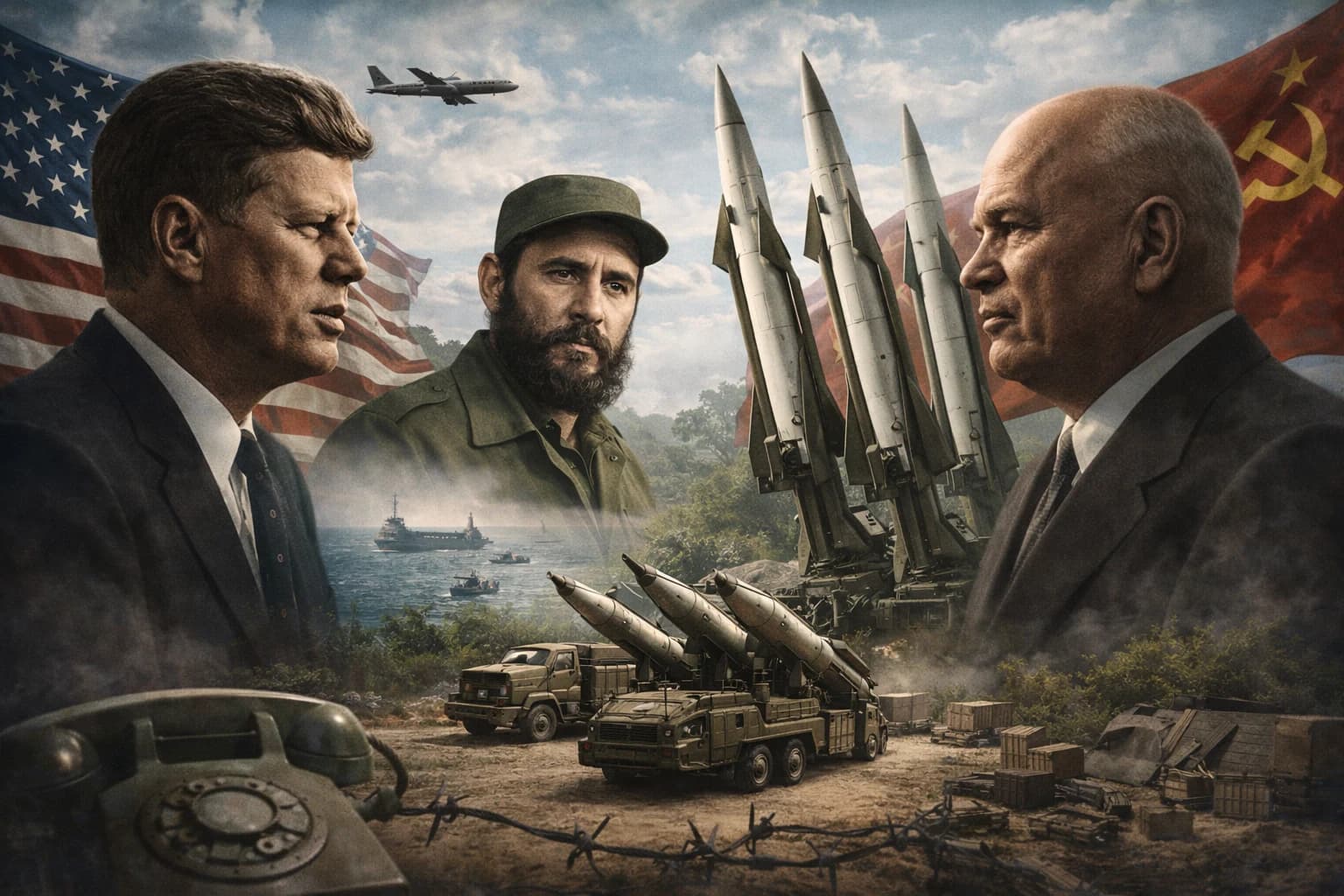
Dobrynin became Soviet ambassador to the United States in 1962, the year of the Cuban Missile Crisis.
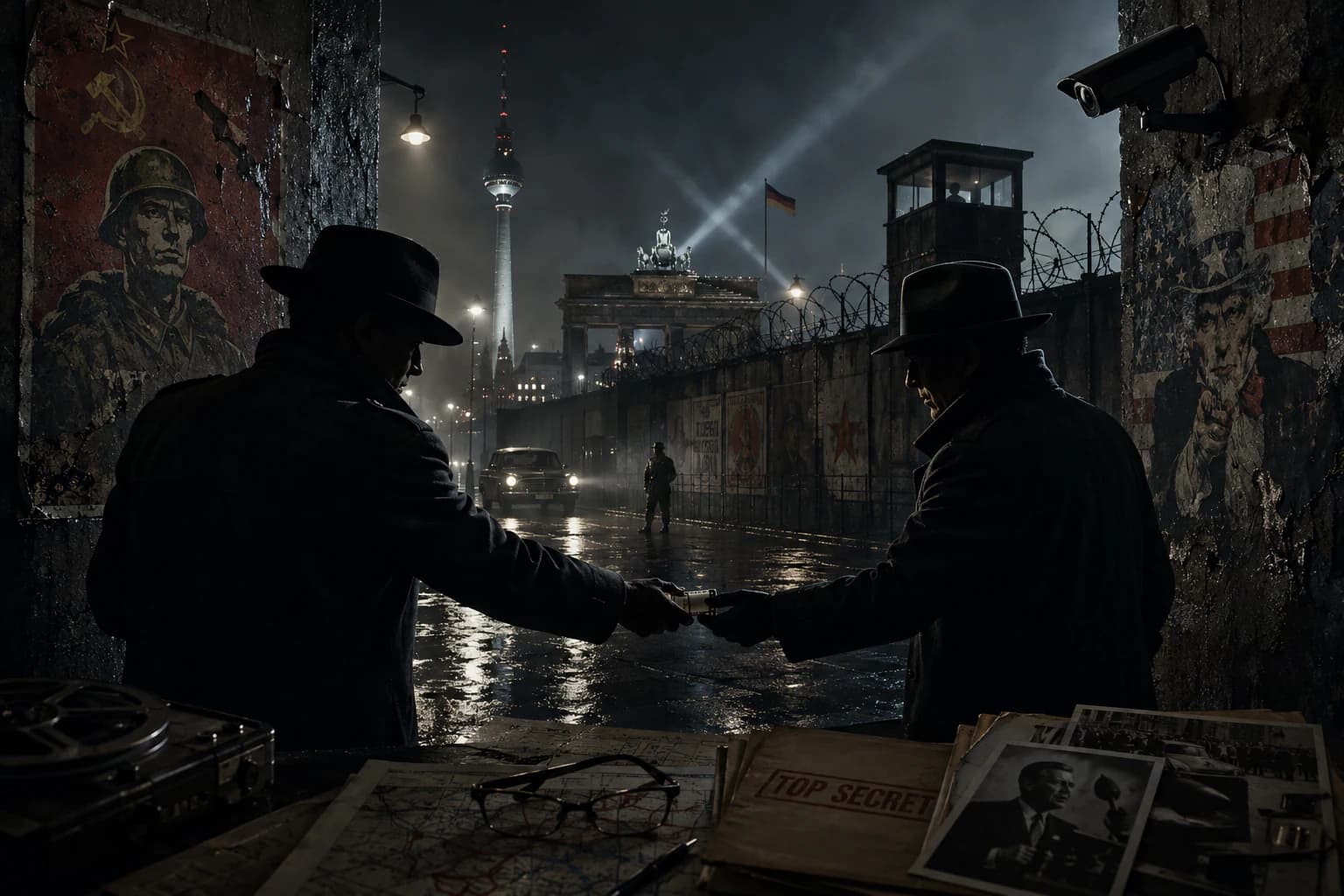
Under Richard Nixon and Henry Kissinger, Dobrynin became a key participant in confidential back-channel diplomacy over arms control, Berlin, Vietnam and detente.
Dobrynin died in Moscow on April 6, 2010. His legacy is that of a disciplined Soviet representative who helped keep communication alive between nuclear rivals.
Follow the story in a more continuous narrative, with a reading mode that matches how much depth you want.
Anatoly Fyodorovich Dobrynin was born on November 16, 1919, at Krasnaya Gorka near Moscow. Trained first as an aviation engineer, he moved into diplomacy during and after World War II.
Dobrynin served in Washington during the 1950s, then worked in Moscow and at the United Nations before becoming a senior specialist on the United States.
Dobrynin became Soviet ambassador to the United States in 1962, the year of the Cuban Missile Crisis.
During the Cuban Missile Crisis, Dobrynin met Attorney General Robert Kennedy in exchanges that helped communicate terms for ending the confrontation.
Dobrynin remained ambassador through the presidencies of Kennedy, Johnson, Nixon, Ford, Carter and Reagan.
Under Richard Nixon and Henry Kissinger, Dobrynin became a key participant in confidential back-channel diplomacy over arms control, Berlin, Vietnam and detente.
After leaving Washington, Dobrynin headed the International Department of the Communist Party Central Committee under Gorbachev before retiring from that post in 1988.
Dobrynin died in Moscow on April 6, 2010. His legacy is that of a disciplined Soviet representative who helped keep communication alive between nuclear rivals.
Move from the profile into the wider events and settings this figure belongs to.
This profile is written for educational use and connects to related Stories of History pages. Illustrations are original artistic interpretations.
Find out first about the latest published stories, feature notes and occasional Premium offers in one weekly email.