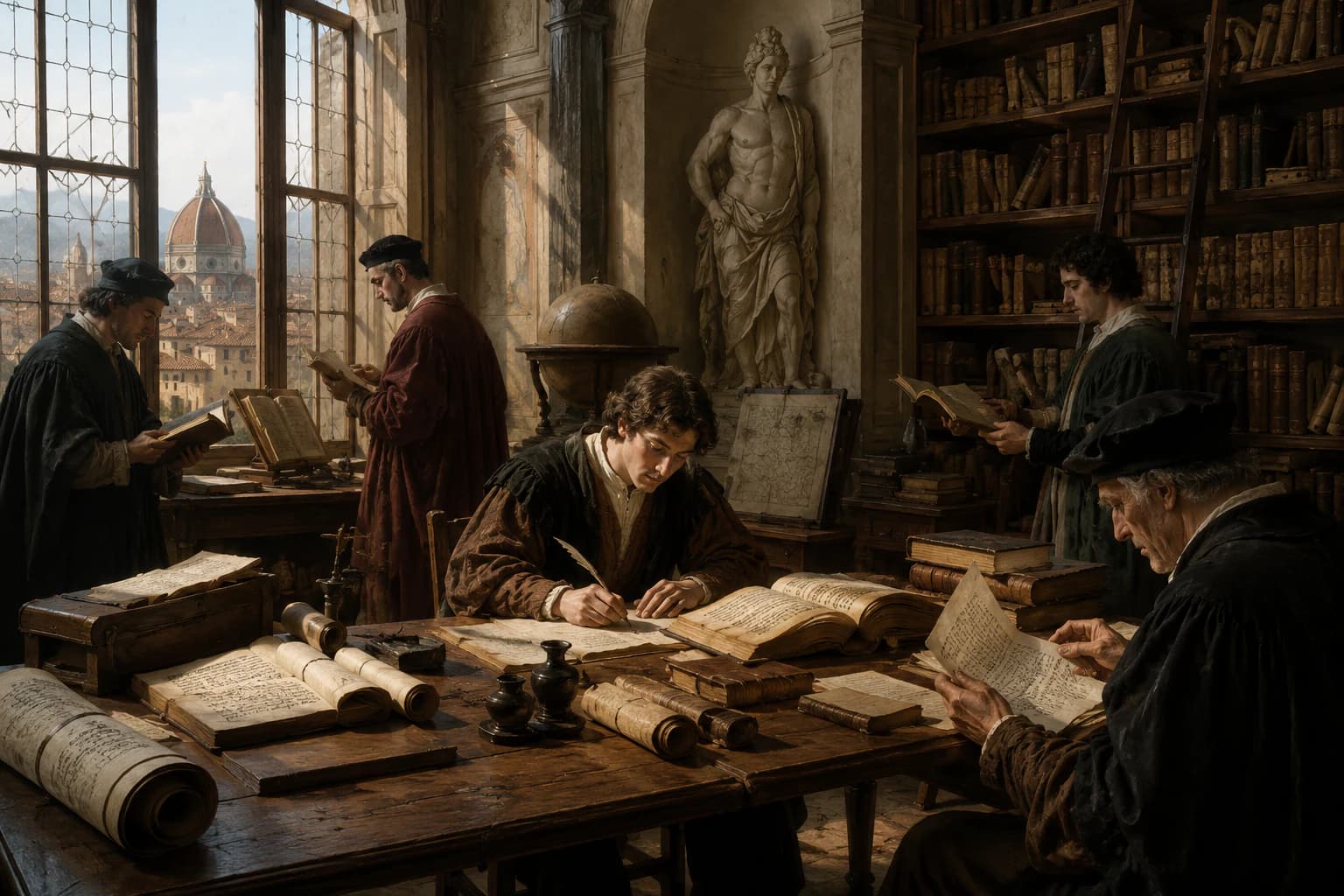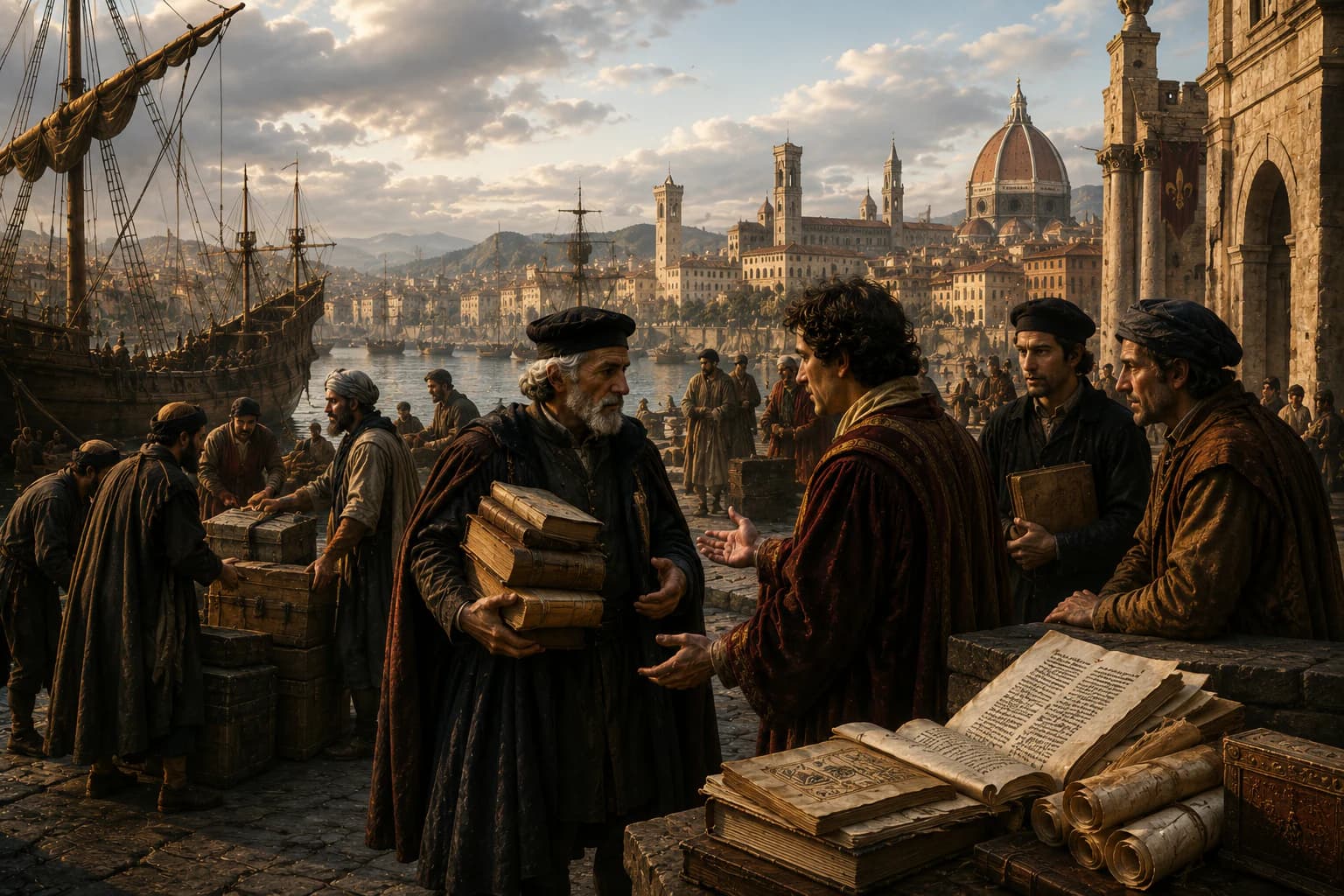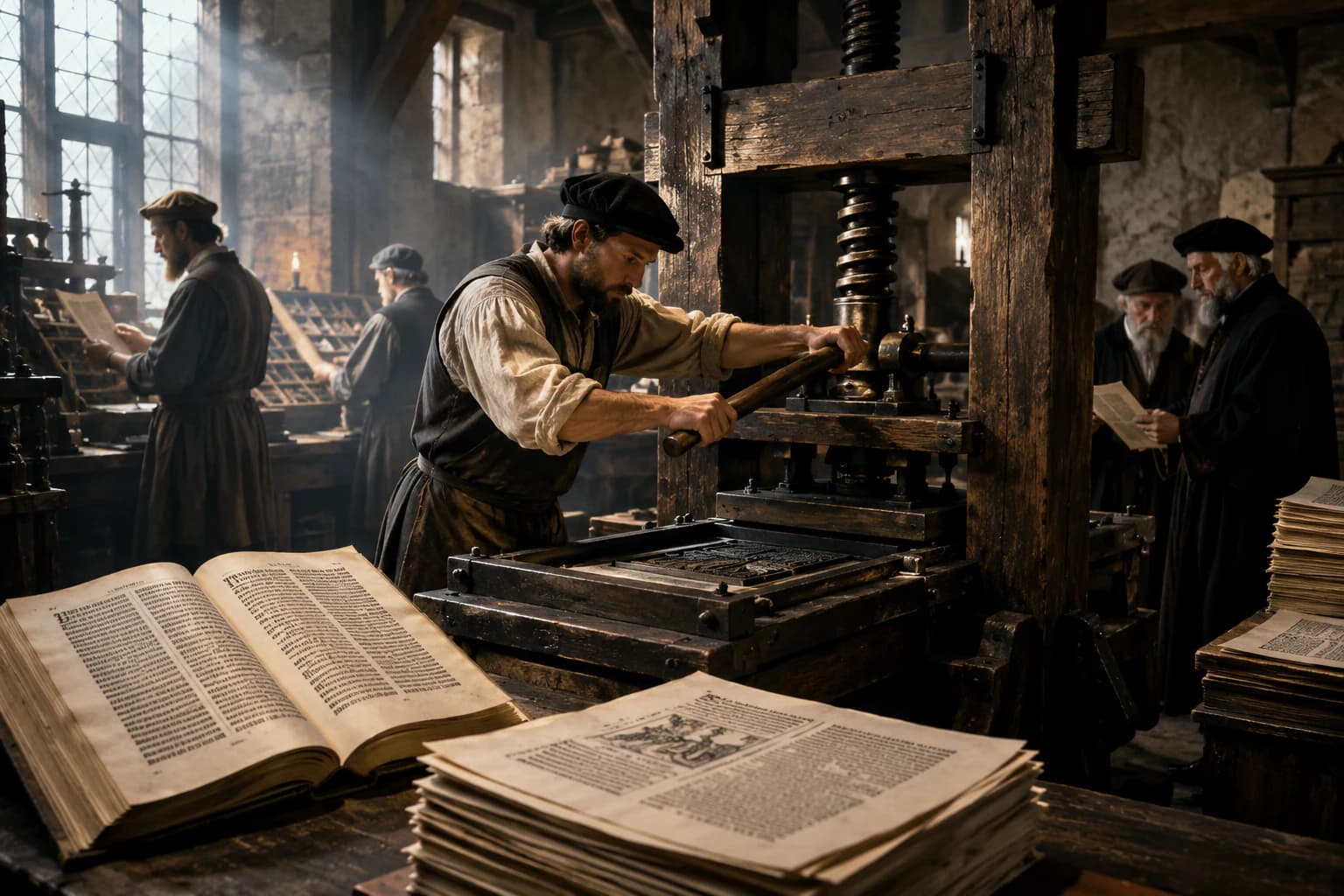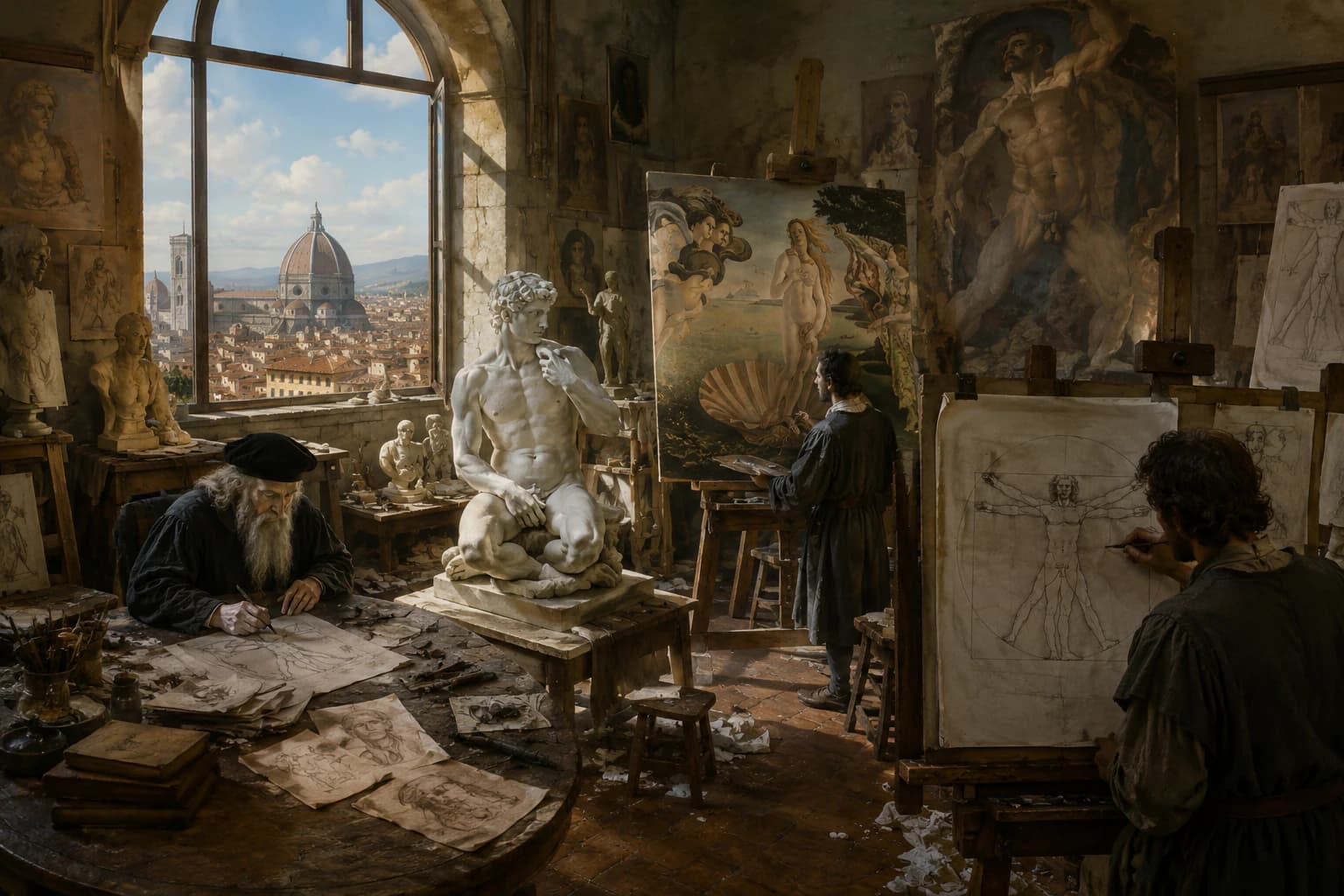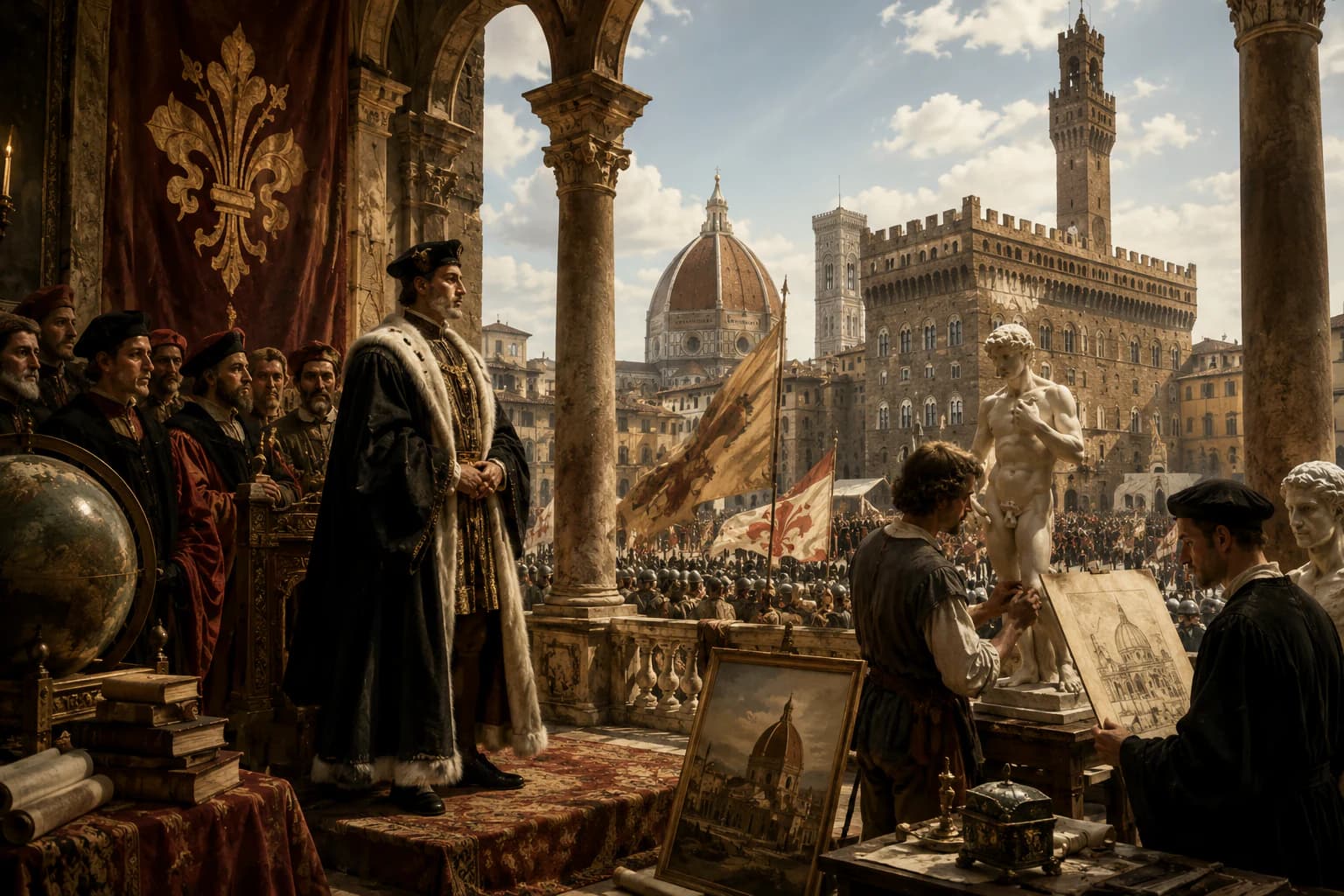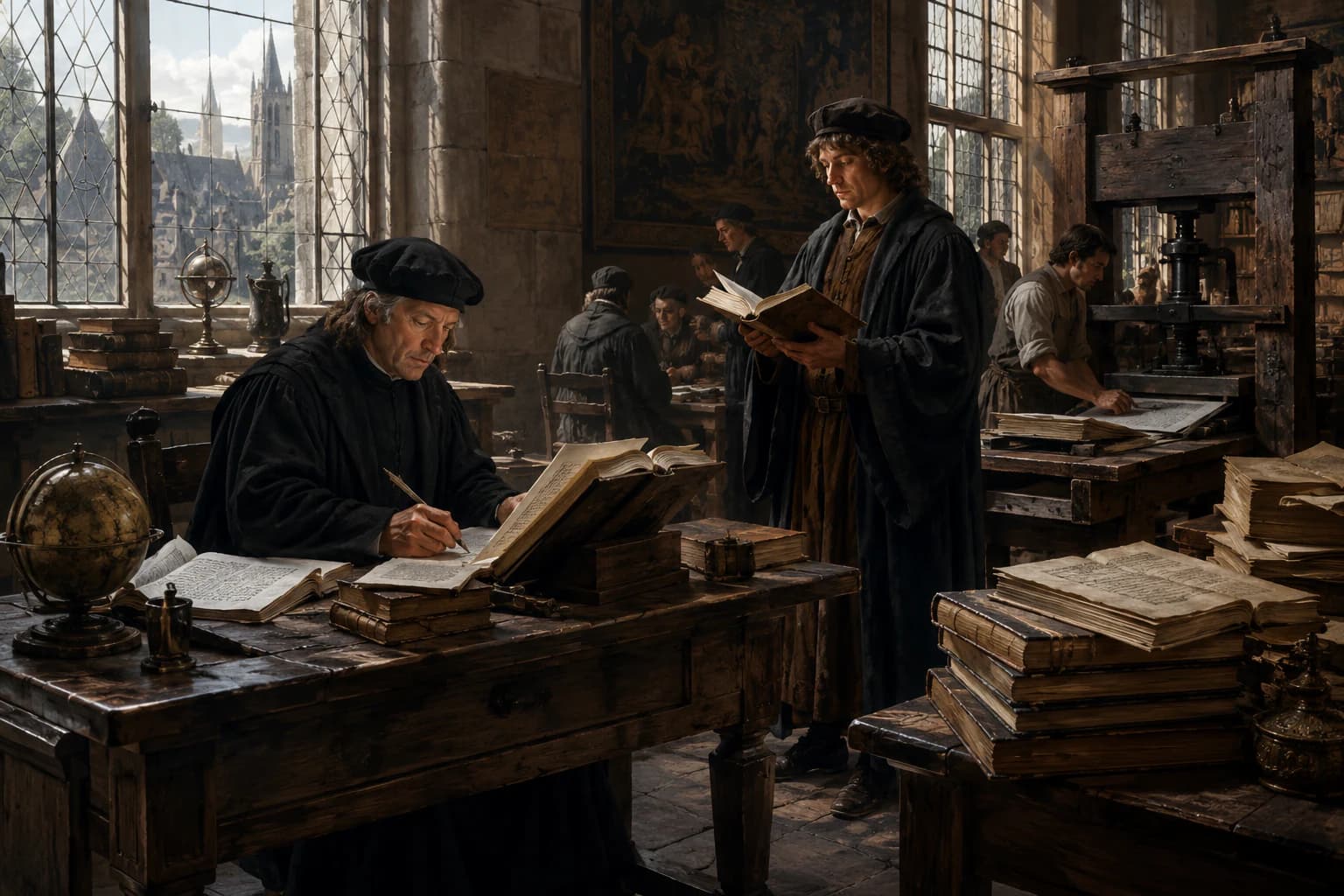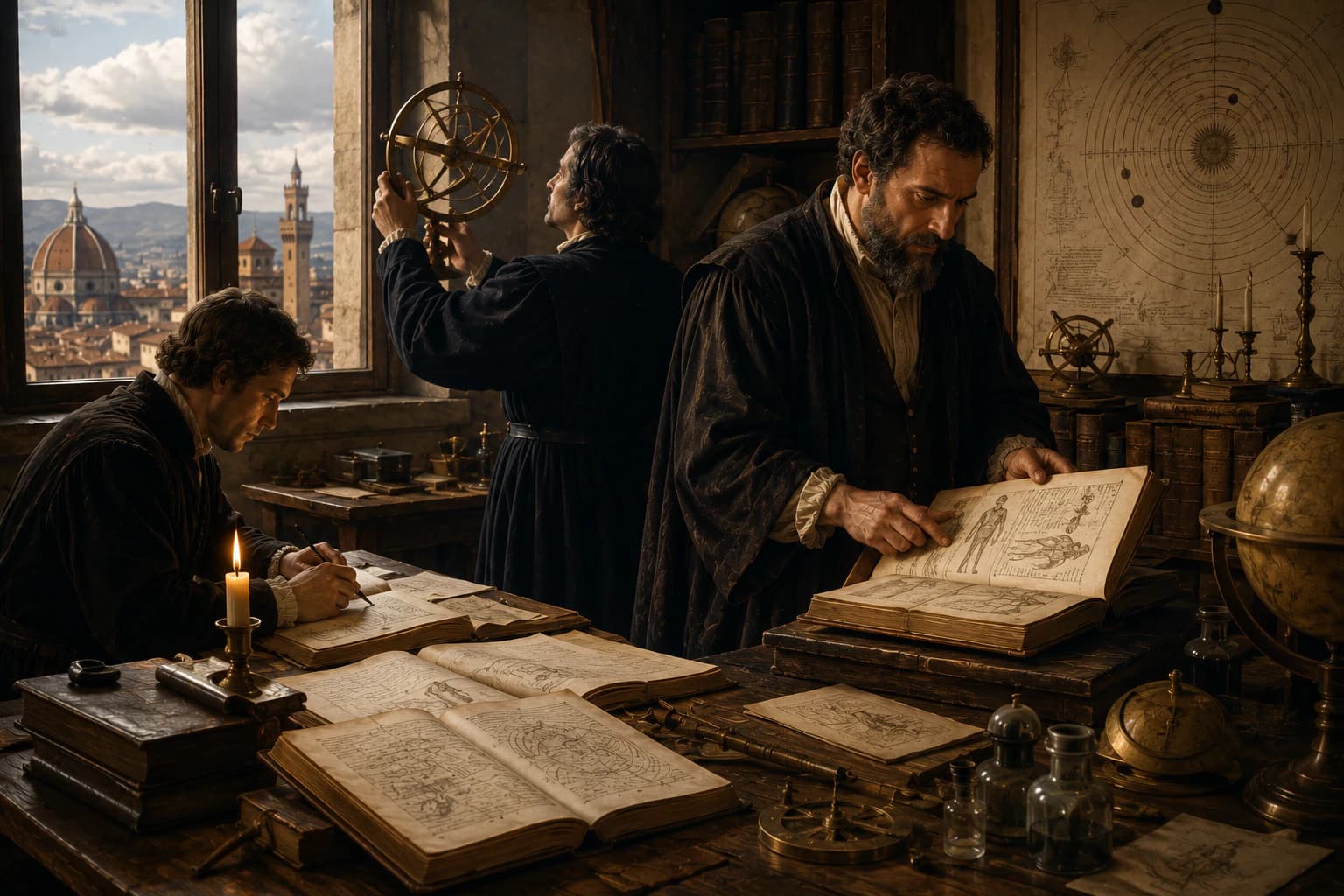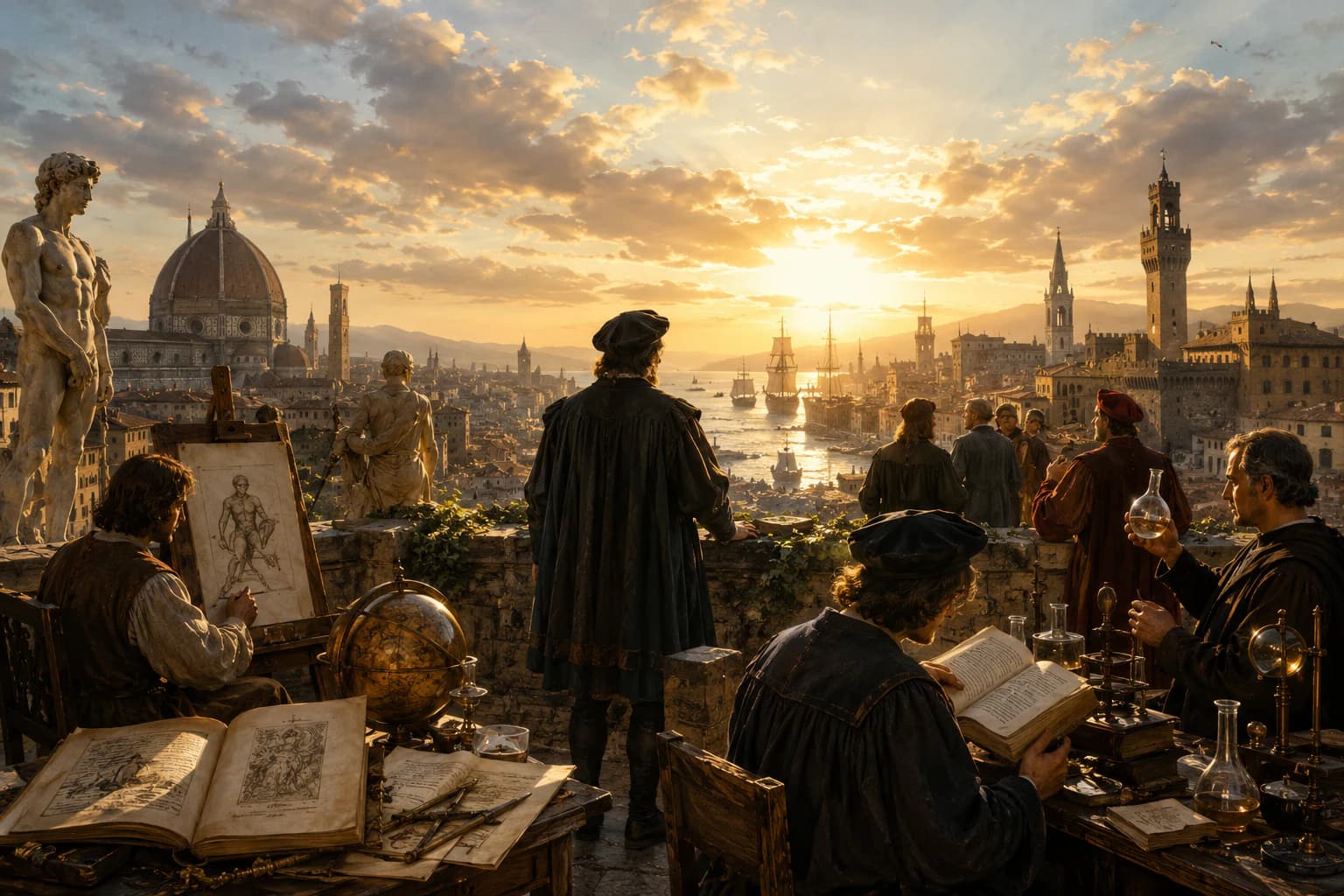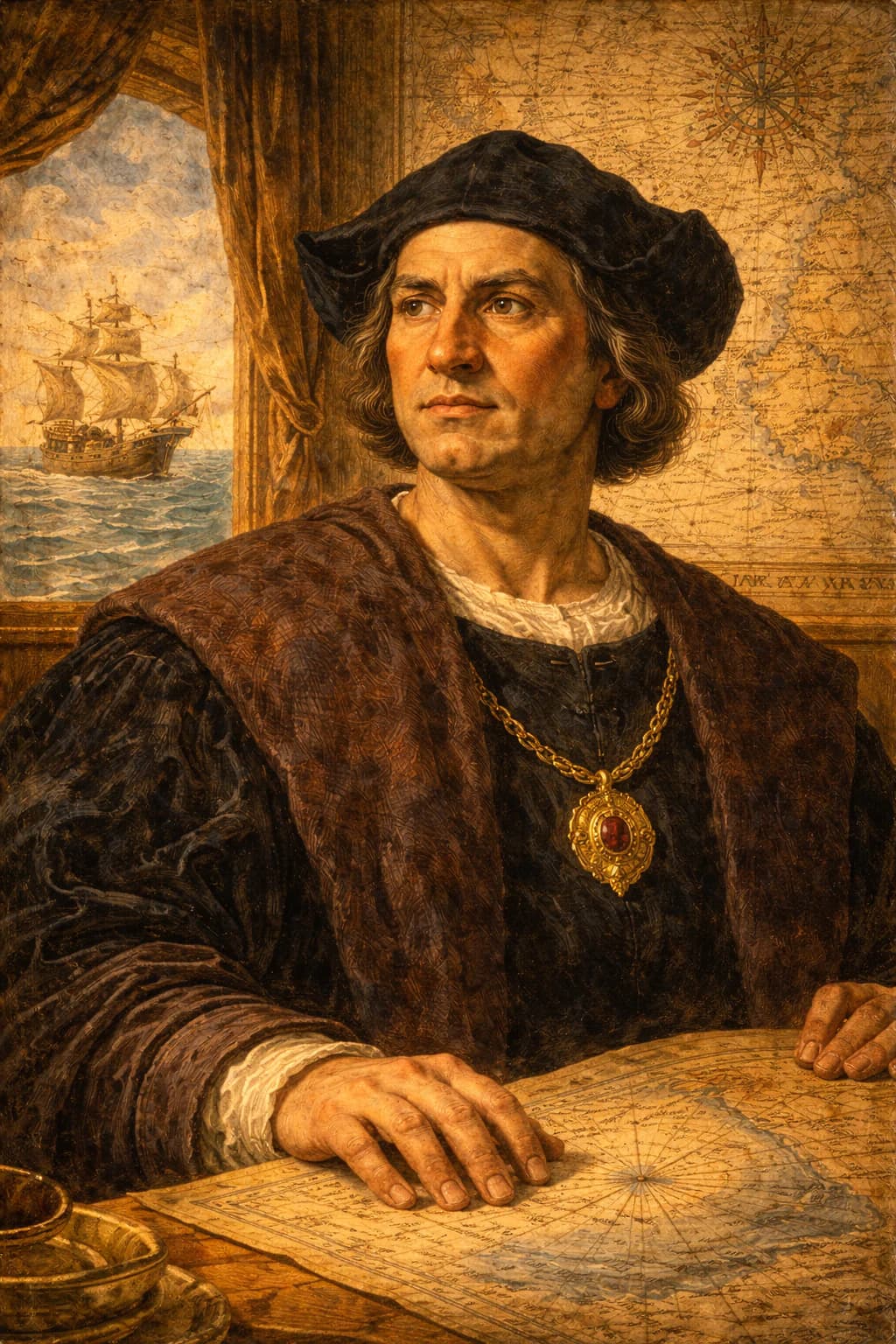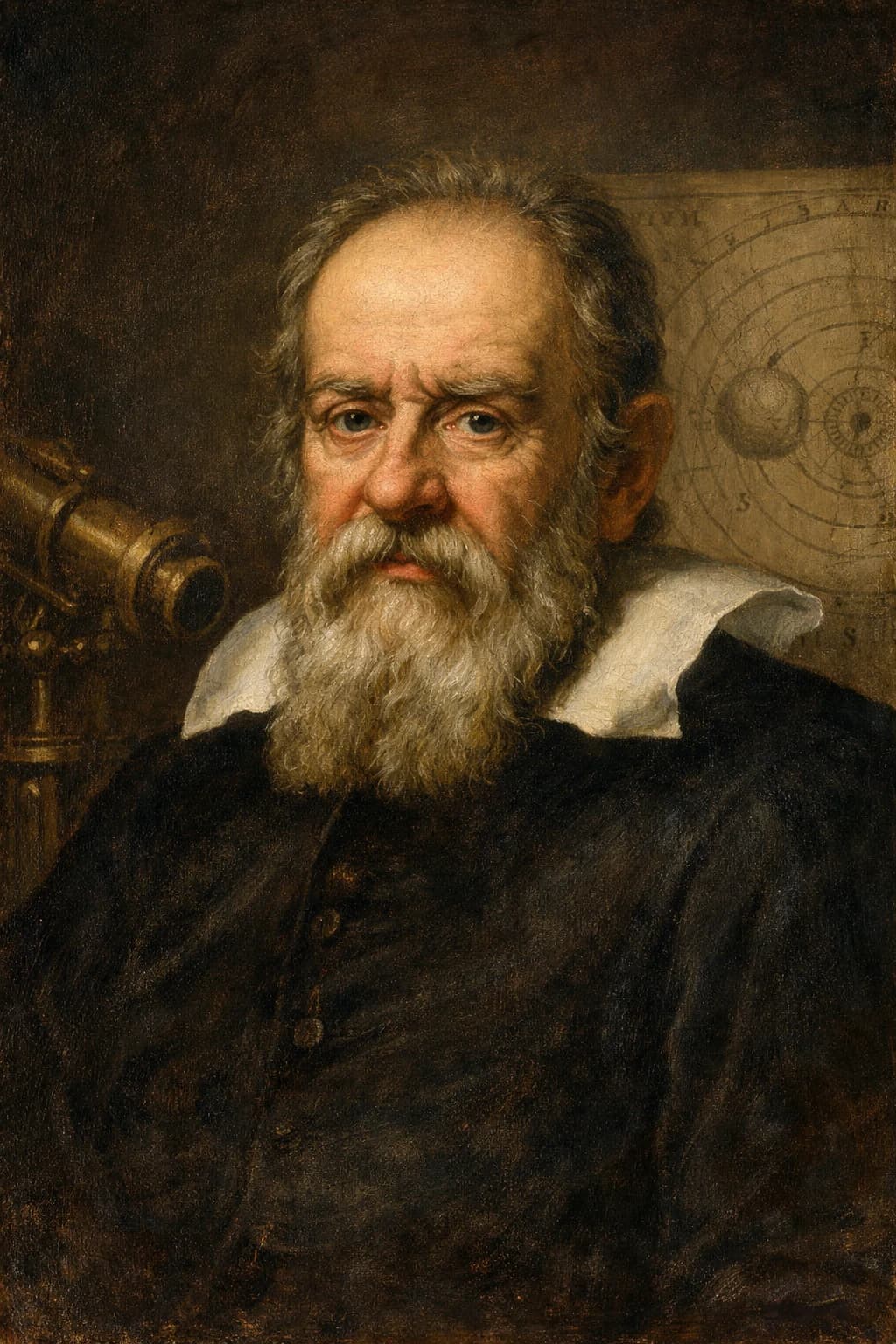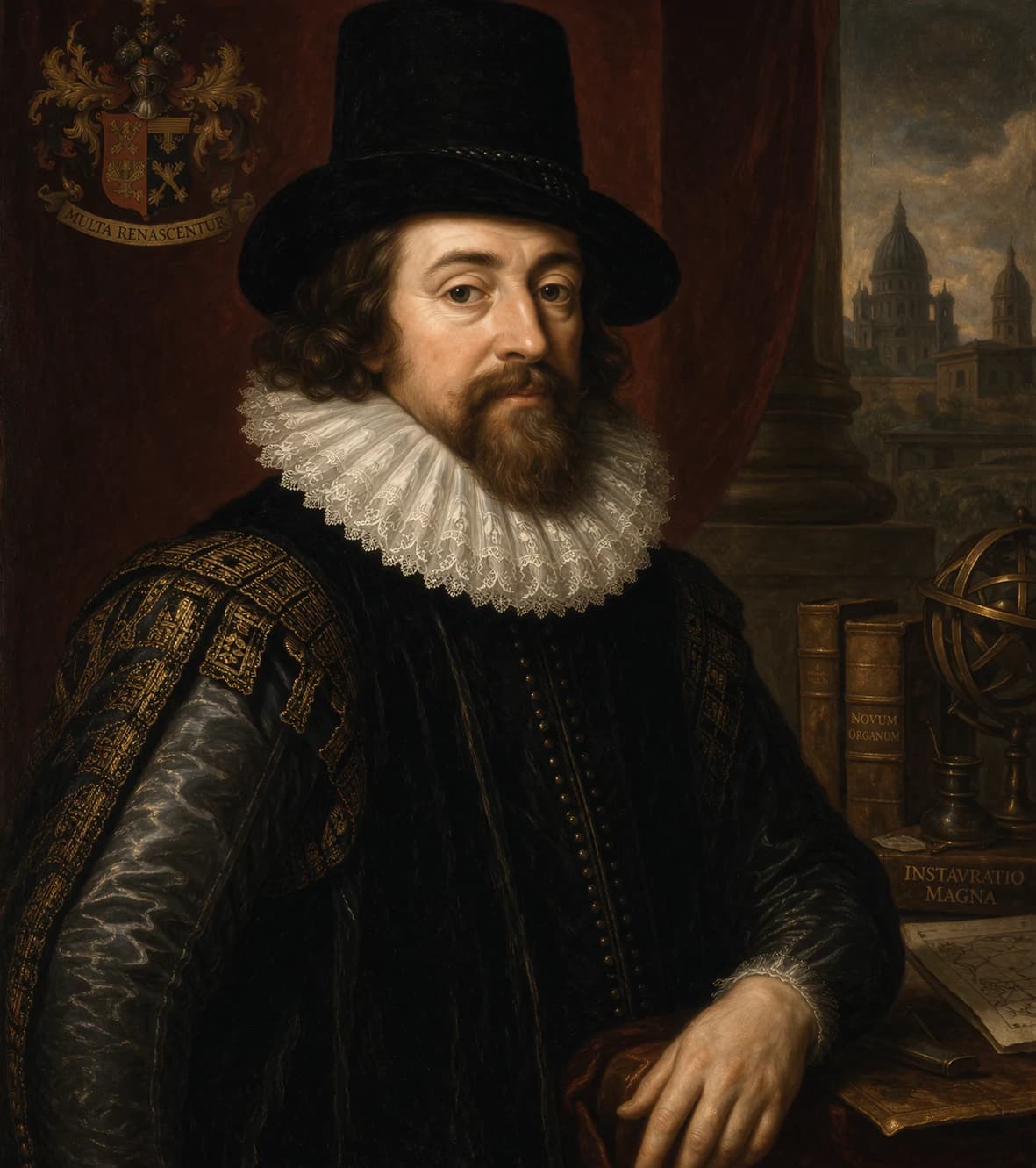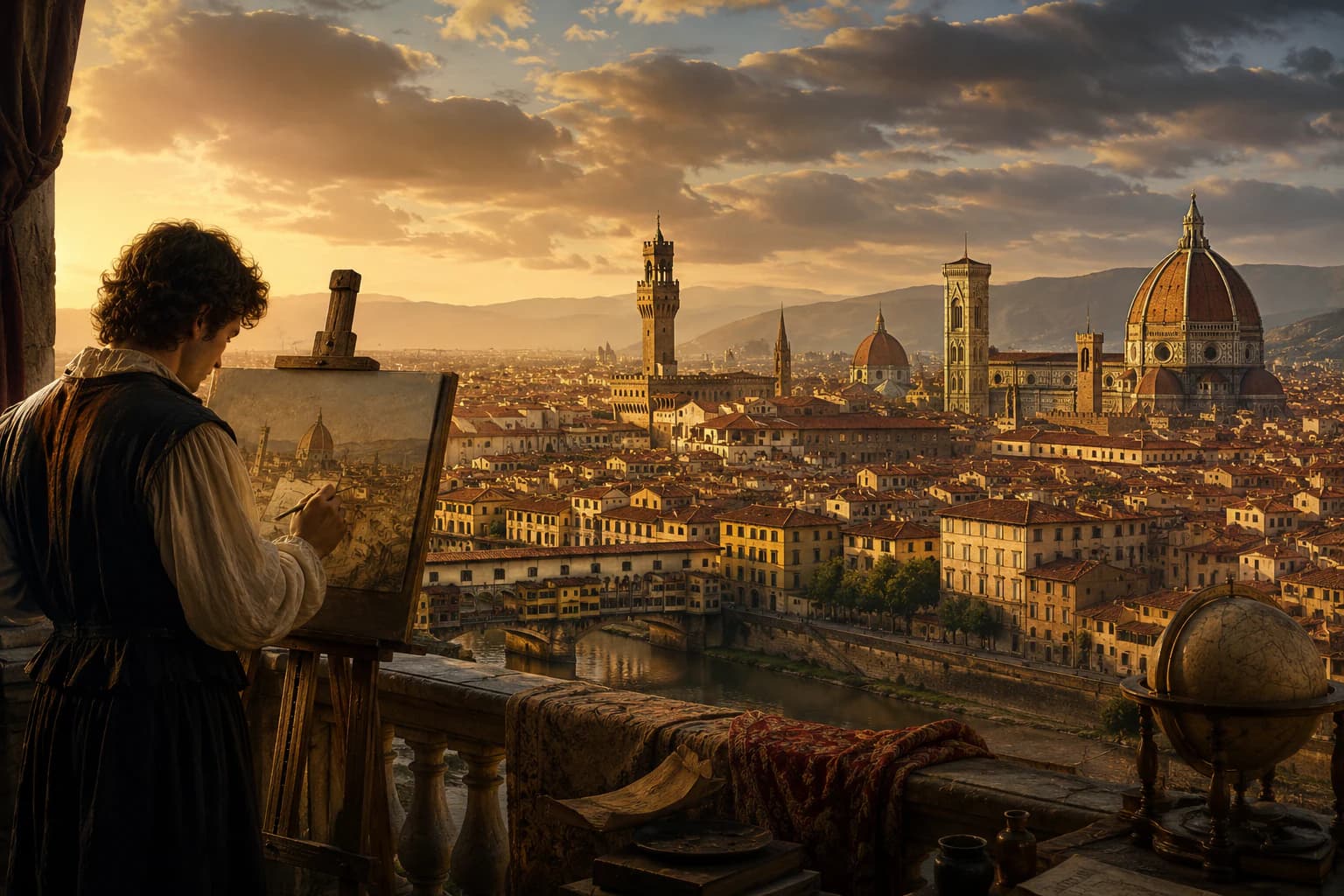
Renaissance scholars and artists in an Italian city, surrounded by books, architecture, and scientific instruments.
Premium Story

The Renaissance

Follow the Renaissance as Europe revives classical learning, reshapes power, and builds a bridge from medieval to modern worlds.

11 chapters

Next
Context

Introduction

Overview

The Renaissance was a cultural and intellectual movement that began in Italy and spread across Europe between the fourteenth and sixteenth centuries. It revived interest in classical learning while transforming art, science, politics, literature, education, and religious debate. From and humanism to printing, exploration, and new forms of artistic realism, the Renaissance helped connect the medieval world to the modern age.

What you'll learn: You will see how classical revival, humanism, art, politics, printing, religious debate, and science combined to make the Renaissance a turning point in European history.

Key forces

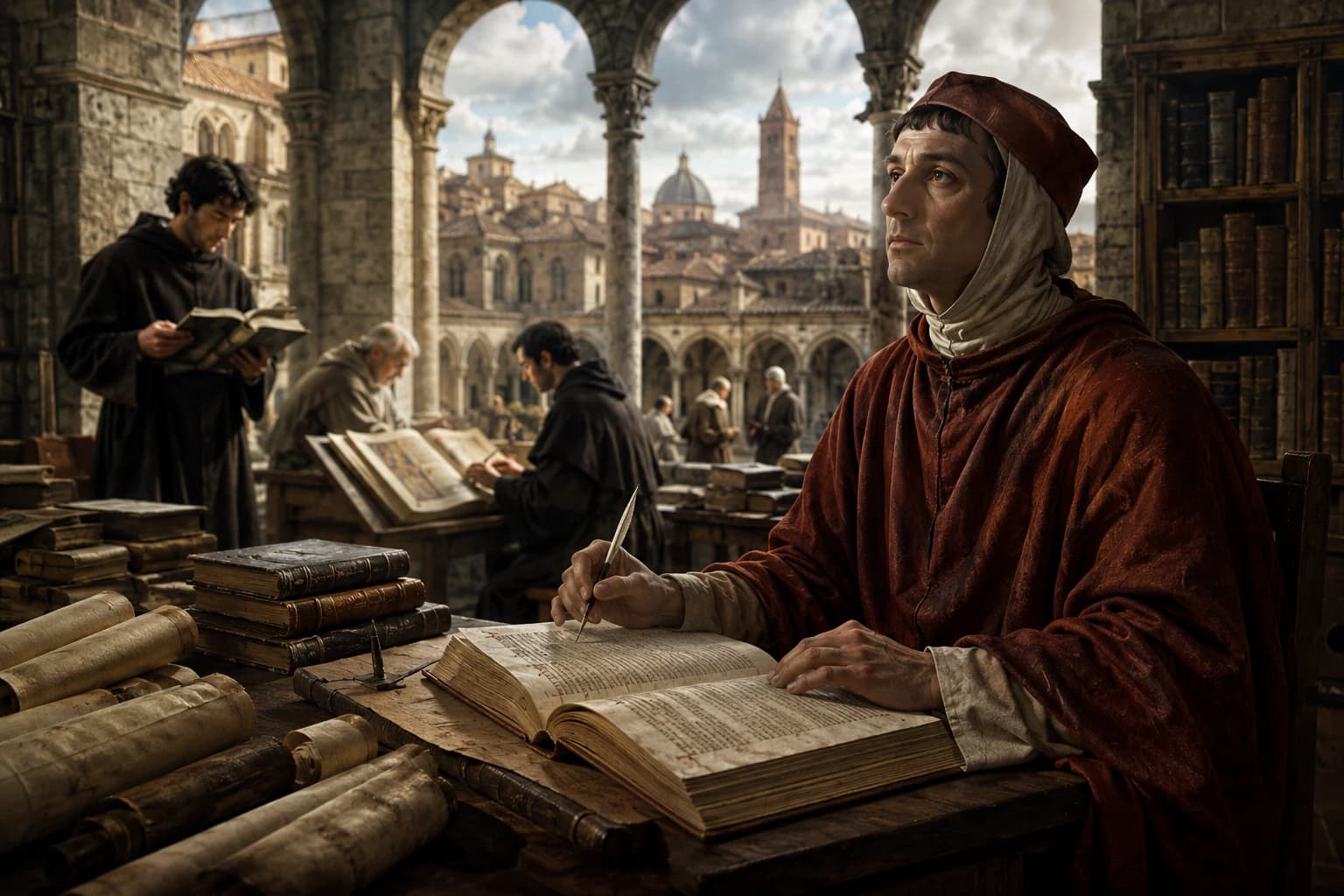
Monks and early scholars preserving and studying classical manuscripts in a medieval library.
1304 CE
Step 1 of 101304 CEAccessible mode

The Classical Inheritance

The Renaissance began with old books that never fully disappeared.

During the Middle Ages, monasteries copied many Greek and Roman works into Latin manuscripts. They did not preserve everything, but they kept a vital core alive.

Universities then taught logic, law, theology, and classical language skills. That training gave later scholars the tools to read old texts carefully and compare versions.

In the fourteenth century, Petrarch treated classical authors as living guides to character and public life, not just old authorities for grammar lessons.

He searched for forgotten manuscripts and urged readers to imitate Roman eloquence and civic virtue. This helped create a new ideal called humanism.

So the Renaissance did not appear from nowhere. It grew from medieval institutions, then redirected inherited learning toward a new cultural confidence.

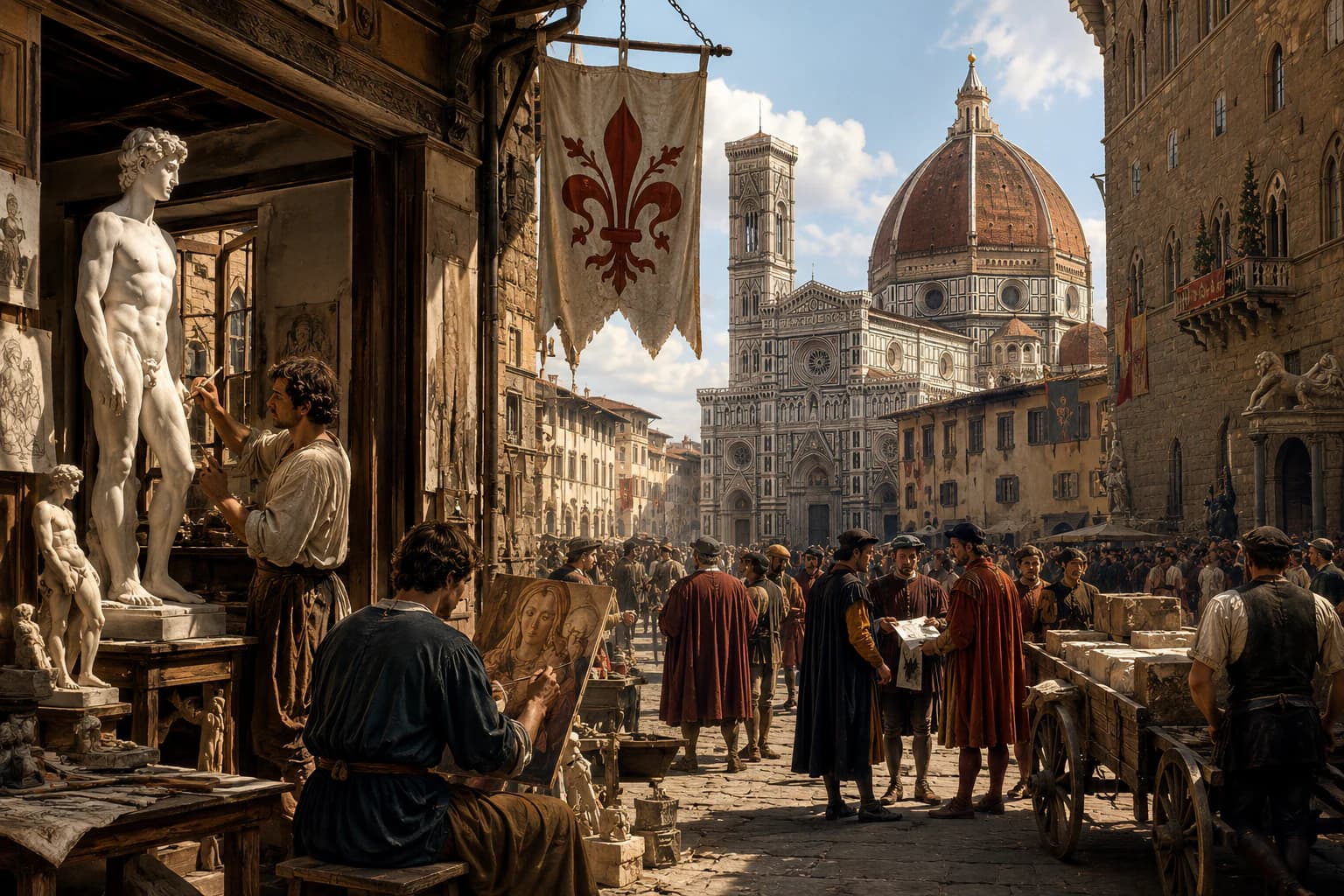
Artisans and patrons in fifteenth-century Florence preparing bronze and marble commissions in a busy civic workshop.
1401 CE
Step 2 of 101401 CEAccessible mode

Florence Becomes the Workshop

In the early 1400s, became the engine room of the Renaissance.

The city was rich from banking, cloth, and trade. Wealthy families and guilds spent money on churches, statues, and public buildings to show status.

Guilds were not just business groups. They organized civic life and funded major commissions, so art became part of politics and identity.

In 1401, a famous competition for bronze doors at the Florentine baptistery pushed artists to outperform rivals in design and technical skill.

Such contests rewarded daring ideas. Artists explored movement, depth, and emotion more boldly than before, aiming to impress citizens and patrons.

showed Europe that art could be civic ambition made visible. The city became a model others wanted to copy.

Premium

You've reached the turning point

The opening chapters show scholars and artists returning to older sources with new confidence. Premium follows the spark spreading: printing accelerates ideas, art remakes the human figure, rulers use culture as power and science begins to unsettle inherited truths.

Continue into the reversals, crises and human stakes that make the story matter.

Unlock full story

What Premium unlocks next

  1. 3Humanism Takes Shape
  2. 4The Fall of Constantinople
  3. 5Printing Spreads the New Learning
  4. 6Art Redefines the Human Figure
  5. 7Princes Use Culture as Power
  6. 8The Renaissance Moves North
  7. 9Science Challenges Old Authorities
  8. 10The Bridge to the Modern World

Browse stories

Browse stories for free

Explore the people connected to this turning point or enjoy one of our free stories.

Unlock full storyBrowse stories

References

Sources & Further Reading

Reliable sources, primary-source collections and reading paths connected to this page.

Sources used

  1. The Metropolitan Museum of Art, Italian Renaissance Art,” Open source
  2. The British Library, The Renaissance,” Open source

Further reading

  1. Jerry Brotton, The Renaissance, Oxford University Press.

Primary sources

  1. Fordham University, Internet Modern History Sourcebook: Renaissance,” Open source

A weekly route through history

Find out first about the latest published stories, feature notes and occasional Premium offers in one weekly email.